Jephthah Refused the Road Down to Pinchas
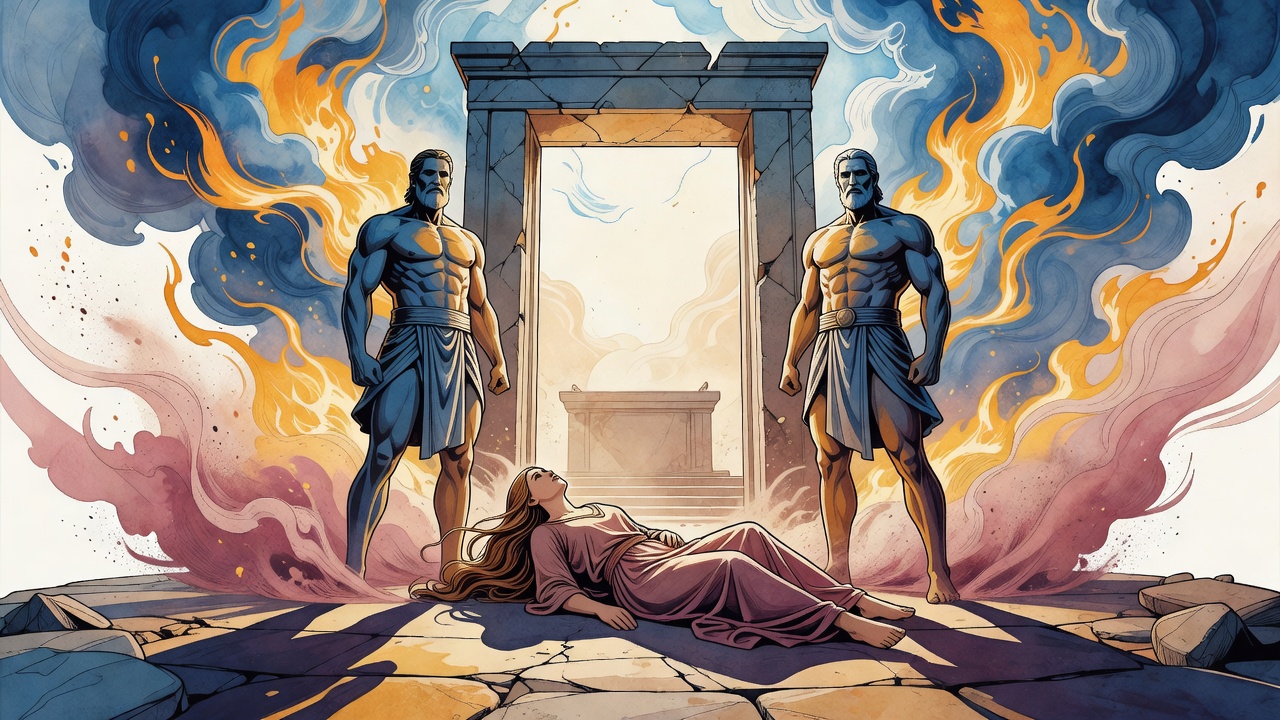
His daughter came out with timbrels. The vow still had a door. Neither the judge nor the priest would walk the short road to open it.
Table of Contents
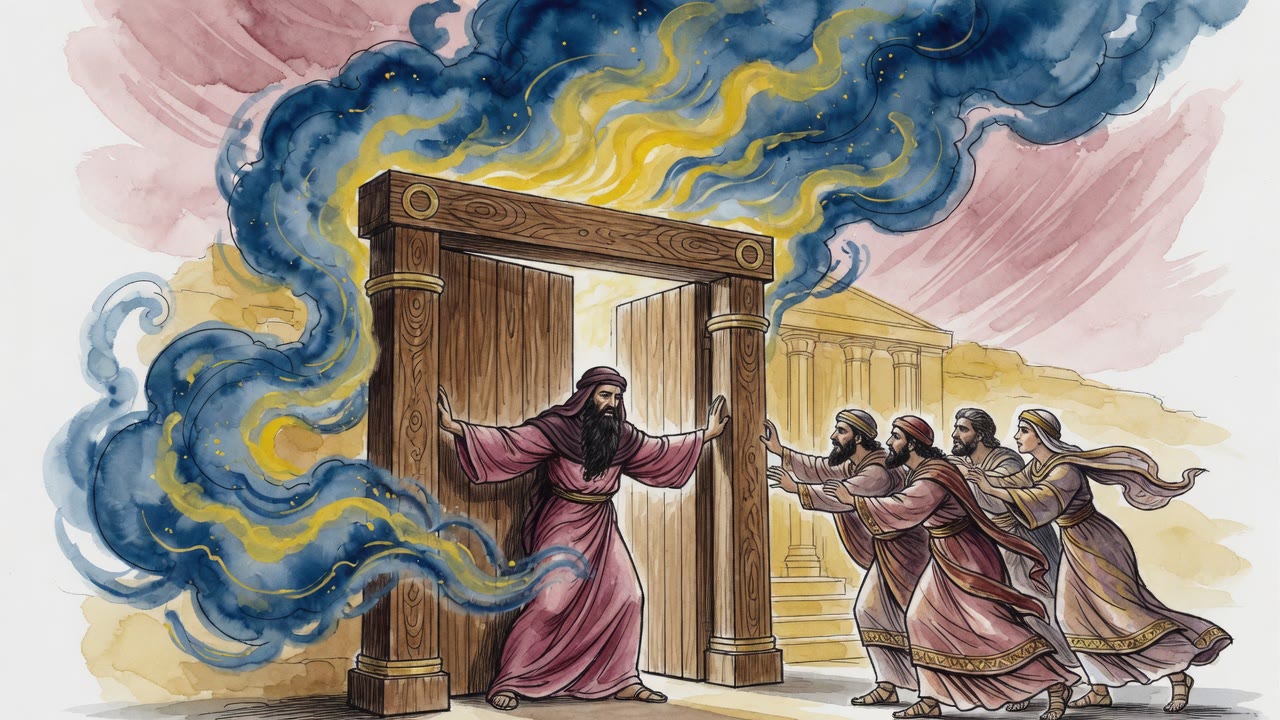
Jephthah came home with a vow still hot in his mouth. Whatever first came out of his house to meet him would be offered to God (Judges 11:30-31). The door opened on ordinary joy. His daughter came out with timbrels and dances, ready to celebrate a father who had won.
 Click for full size
Her feet still moved. His face had already fallen. The victory parade became a funeral that had not yet learned its name.
The vow could have been opened. A teacher could have unsealed what a mouth had locked in a moment of bargaining. The road to that teacher was short. Jephthah did not take it.
Neither Man Would Walk
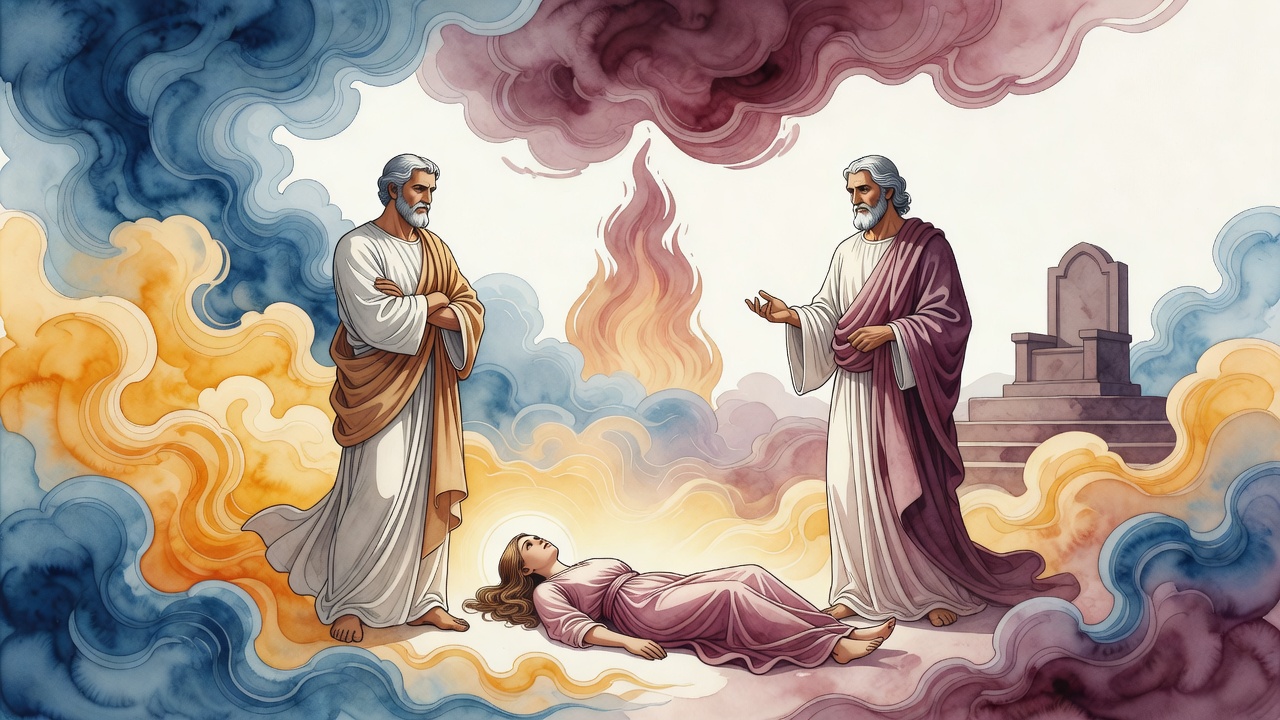
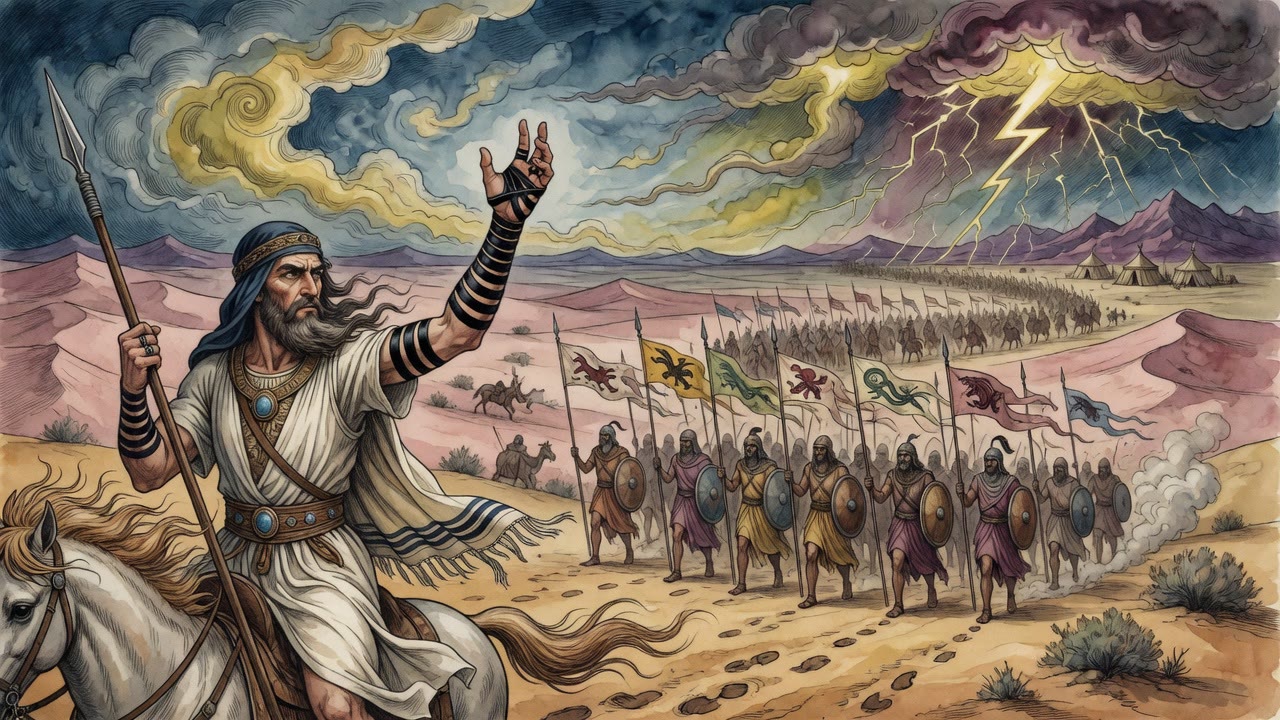
Jephthah, puffed with command, said the sentence in his own heart and then out loud, where it could do damage. "I am chief and commander of Israel. Shall I go to Pinchas?"
Pinchas sat in another house and answered with a sentence of his own. "I am a High Priest, son of a High Priest. Shall I go to an ignoramus?"
Between those two refusals the girl was still breathing. Timbrels still hung from her hands. The law had a door. Pride welded it shut from both sides of a walk measured in ego, not in miles.
Either man could have moved. The commander could have gone downhill to a priest. The priest could have gone uphill to a rough judge. One pair of feet on that road would have been enough. Neither pair moved. The unfortunate one was lost between them, and both of them carry her blood.
The Vow Stayed Shut
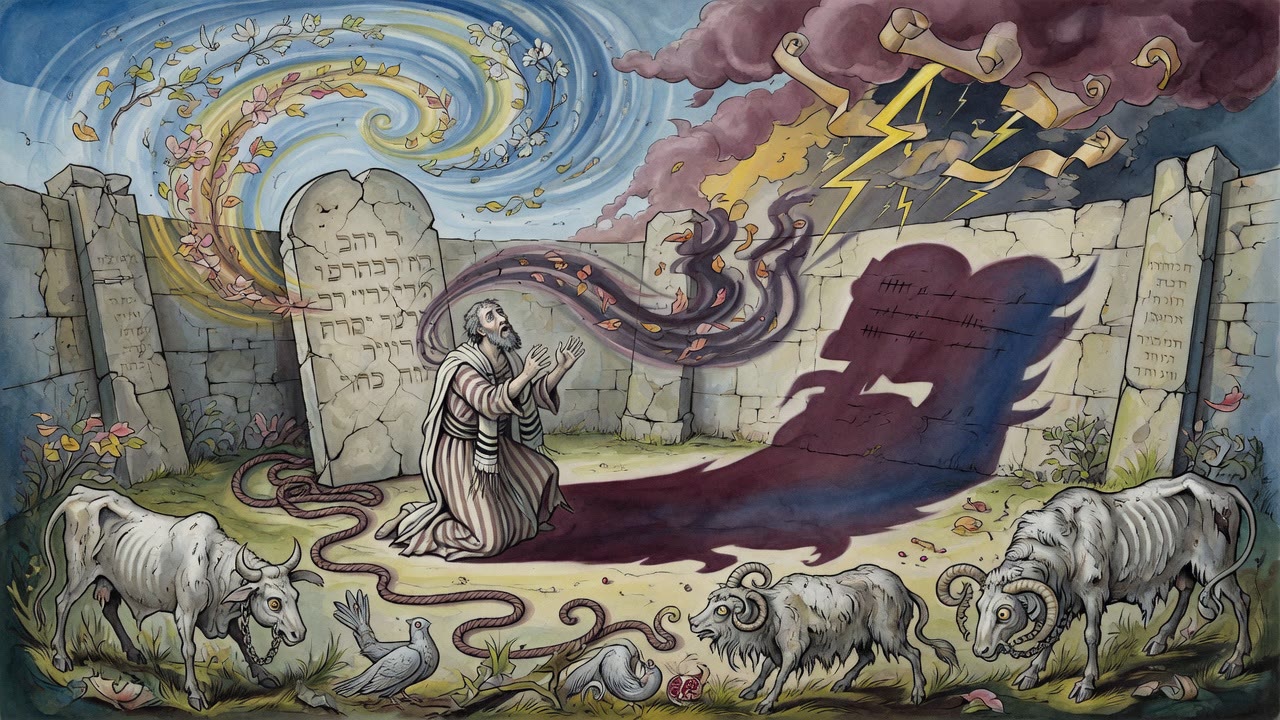
She asked for two months on the mountains. He gave them. When she came back the house did what the vow had named. Later mouths tried to call it fate. The verse will not. "The toil of fools exhausts him, because he does not know how to go to the city" (Ecclesiastes 10:15). He knew the city. He would not go as a student.
Pinchas knew the house. He would not go as a priest who lowers himself. A daughter paid for a distance two grown men refused to close while she was still a living person in a doorway.
Timbrels still sound in that doorway. So does the silence after, when two great men would not move their feet.
His Limbs Filled the Cities
Judges says Jephthah was buried in the cities of Gilead (Judges 12:7). How does one man fill many cities with his grave? His limbs were severed one by one. Each was buried where it fell. The body scattered the way his pride had refused to gather help.
A commander who would not take a short walk of humility came apart across his own land. Gilead held him in pieces.
Pinchas lost something quieter and longer. The verse that once said the Lord was with him is read as a past tense. The Divine Spirit left him for two hundred years. "Pinchas son of Elazar had been chief over them. In the past the Lord was with him" (1 Chronicles 9:20). Had been. In the past. The accompaniment closed.
Fools' toil is not only wasted labor in a field under noon heat. It is the exhaustion of leaders who will not ask, will not bend, will not meet in the middle while a life is still savable.
Levi's Mouth Went Blank
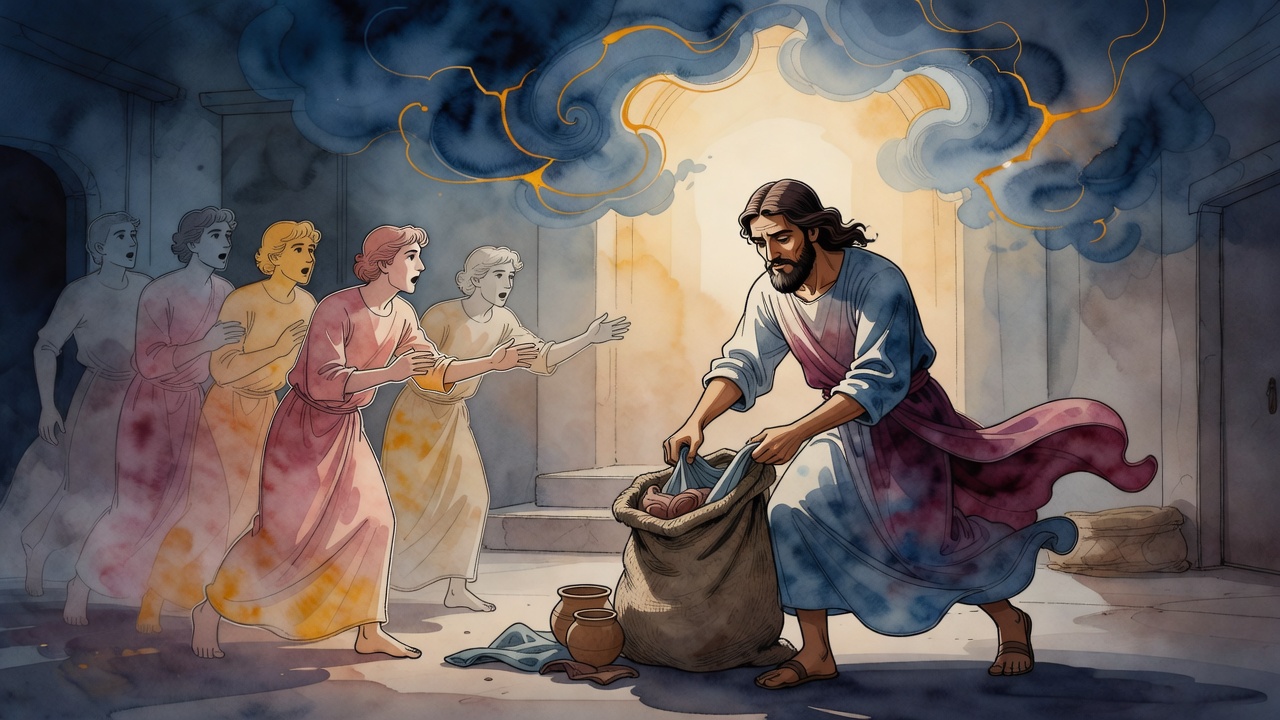
Another age told the same disease with a quieter symptom. Rabbi Judah HaNasi sent Levi ben Sisi to Simonia to teach. The town put him in the seat of honor. The questions came. His Torah was gone.
Pride had claimed ownership of a loan. God called the loan back. Levi sat in front of a waiting town with a blank mouth. Only after shame had done its work in public did the words return.
Jephthah's pride cost a daughter. Levi's pride cost a town its answers for a stretch of public silence. The scale differs. The mechanism rhymes. The moment a man confuses office with essence, the office begins to eat the people near him.
The Moon Took the Lesser Seat
Heaven had already shown the other road. The moon accepted the lesser dominion, night instead of day, and received an escort of stars. When she goes out, they go out with her. When she comes in, they come in with her. Joktan made himself small and founded thirteen families. Ephraim made himself small and received the firstborn's blessing under crossed hands.
Jephthah could have been the commander who walked downhill. Pinchas could have been the priest who walked uphill. Either step would have been the moon's step: smaller in status, larger in mercy. Neither took it.
Years later men still argued which of them bore more guilt. Both of them did. Command that will not be taught is a blade. Priesthood that will not be approached is a locked gate. A daughter died in the gap, and no victory song covered the sound of the door that would not open between two proud men.
The stars still walk with the moon. The road to the city was there. They did not take it.
← All myths