Jephthah's Daughter Dies Between Two Prides
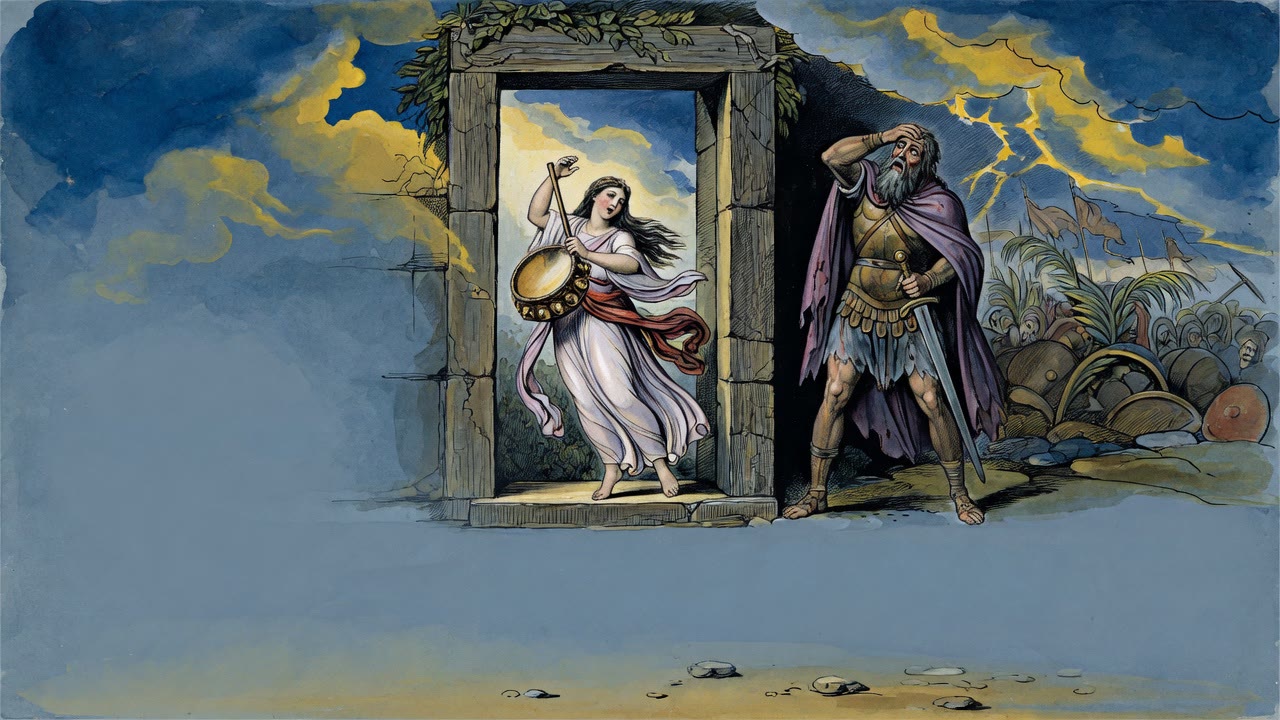
She came out with a timbrel, dancing because her father had come home alive. His face changed in the doorway before she heard why.
Table of Contents
 Click for full size
The Door Opened on a Daughter
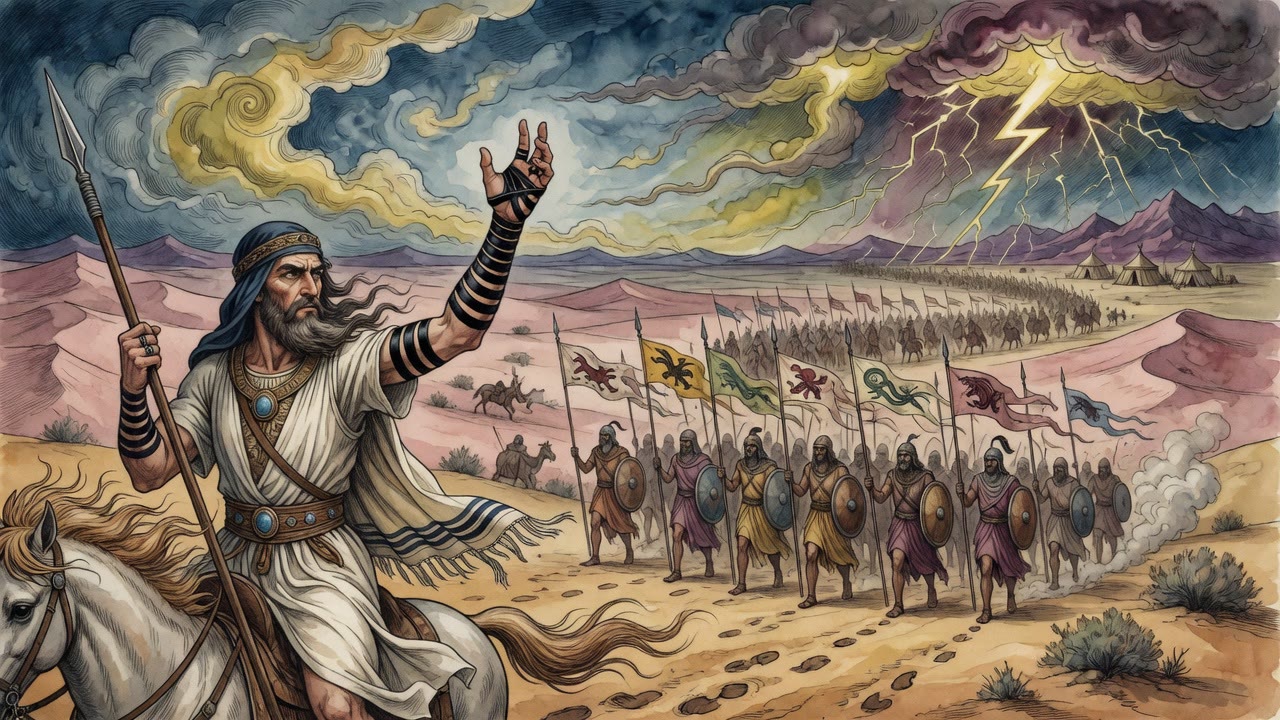
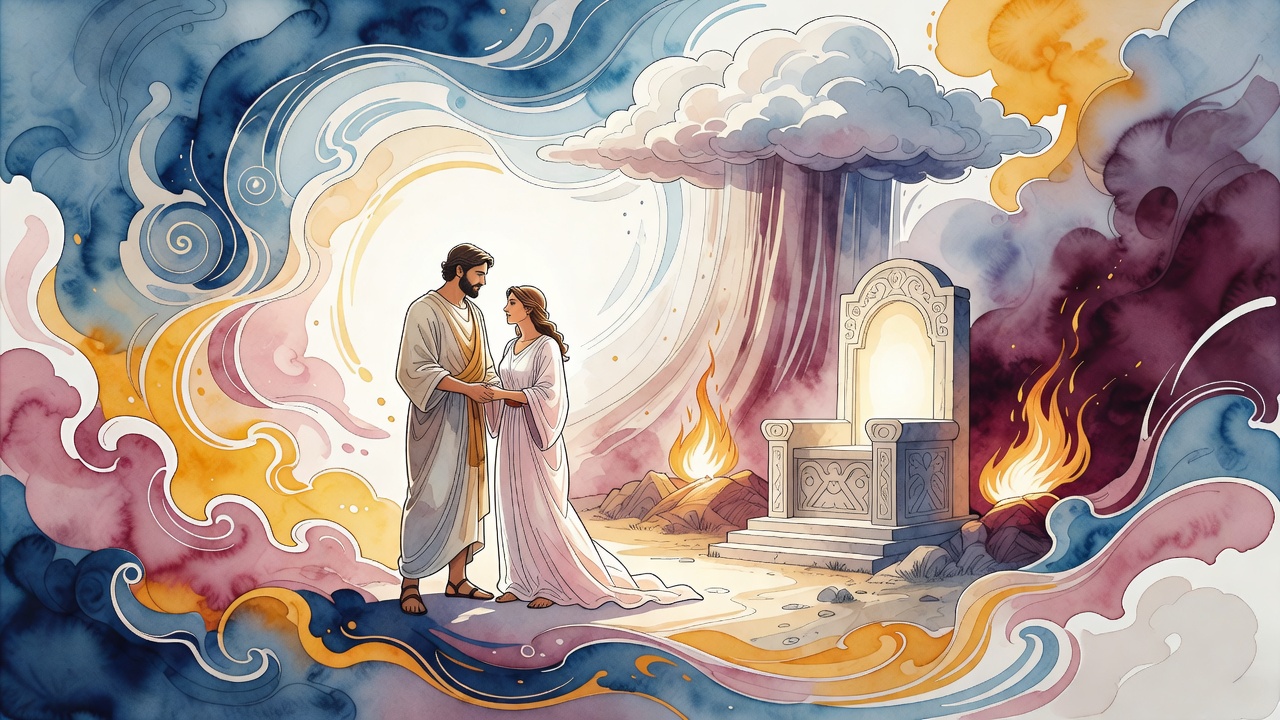
Jephthah came home smelling of dust and blood. Ammon was broken behind him. The towns still rang with the shout that had carried the battle, and his own mouth had already done the damage. Before the first spear flew he had sworn, out loud, that whatever first came from the door of his house to meet him would be offered up (Judges 11:30-31). The words left his lips clean and hard. They did not wait for his heart to finish thinking.
The door moved. His daughter stepped out with timbrels, dancing the way women dance when a father returns alive. For a breath the house held joy. Then his face changed, and the drums slowed, and the vow he had spoken became a second enemy standing between them.
She saw the change before she heard any explanation. The rhythm in her hands faltered. The other women stopped because she stopped.
God had already grown angry at the shape of the oath. Had a dog or a pig or a camel come first, would Jephthah have lifted that beast to the altar? The man who did not know Torah had framed a sentence that could swallow a child, and heaven had no appetite for it. Still the words stood in the air. A vow that leaves the mouth is not a private wish.
He tore his clothes in the doorway. She stood with the timbrel against her thigh, waiting for a father who had just become a judge against her. Victory dust still clung to his boots. The house smelled of bread baked for a feast that would not be eaten as planned.
The Mouth Had Already Bound Her
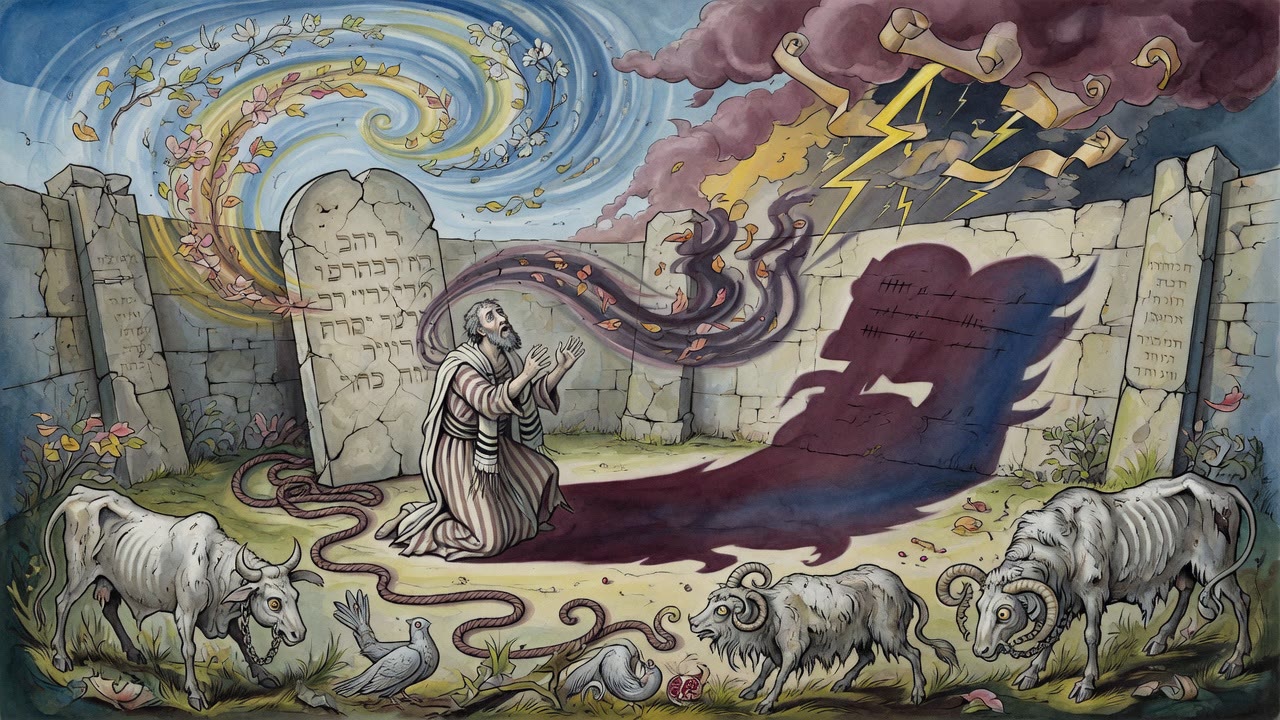
Later, in a study hall far from that doorway, Shmuel turned vows over like stones. Resolve in the heart alone does not bind a gift to the Sanctuary. The person must utter it with the lips, for Scripture speaks of one who utters clearly with his lips (Leviticus 5:4). The hall pushed back. If speech is everything, why does the verse also reach toward whatever a man shall utter, as if intention still counts?
Rava set the hinge while students leaned in. When heart and mouth fight, the slip does not bind. A man means wheat and says barley, and the vow collapses under its own clash. When heart and mouth agree, even if the mouth says less than the heart meant, intention fills the spoken word. Say "bread" while meaning wheat bread, and the will completes the sentence.
Jephthah's case was worse than either puzzle. His lips and his will had met in one cruel clarity. He meant sacrifice. He said sacrifice. The daughter who danced into the sentence was not a slip of the tongue. She was the price of a man who spoke before he learned how a vow should be made, and who loved triumph more than he loved precision.
Two Men Would Not Walk
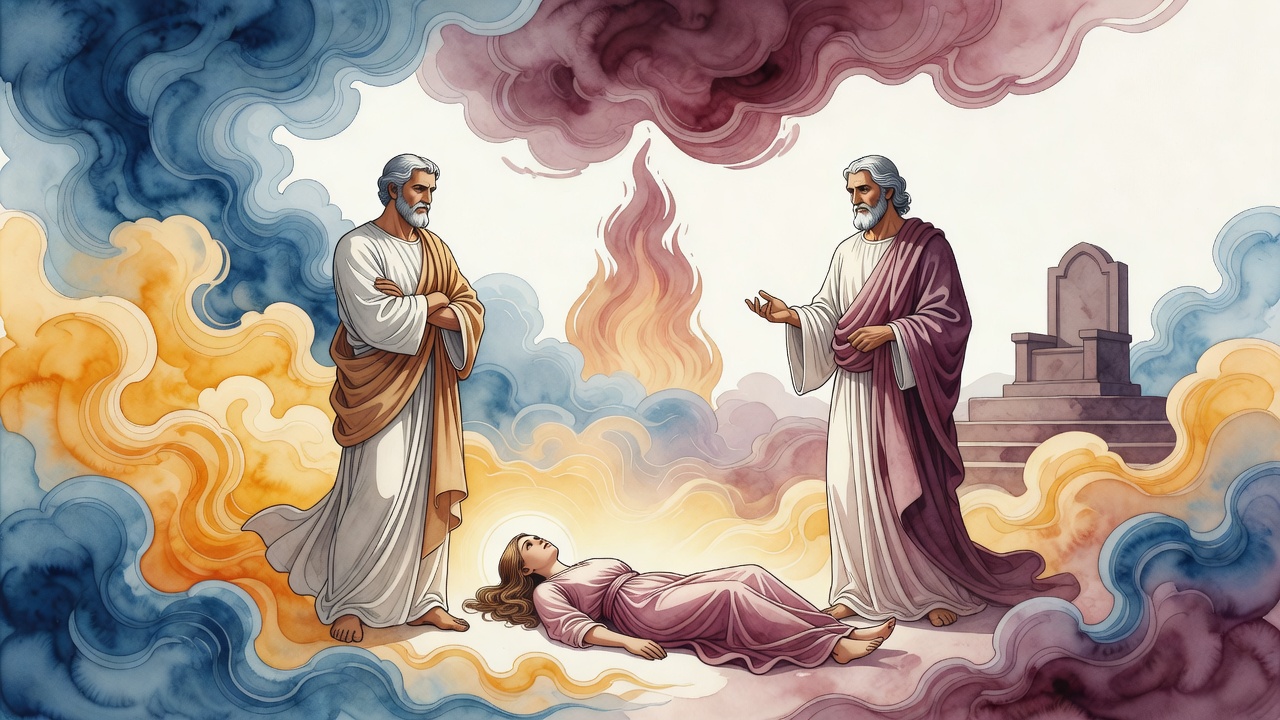
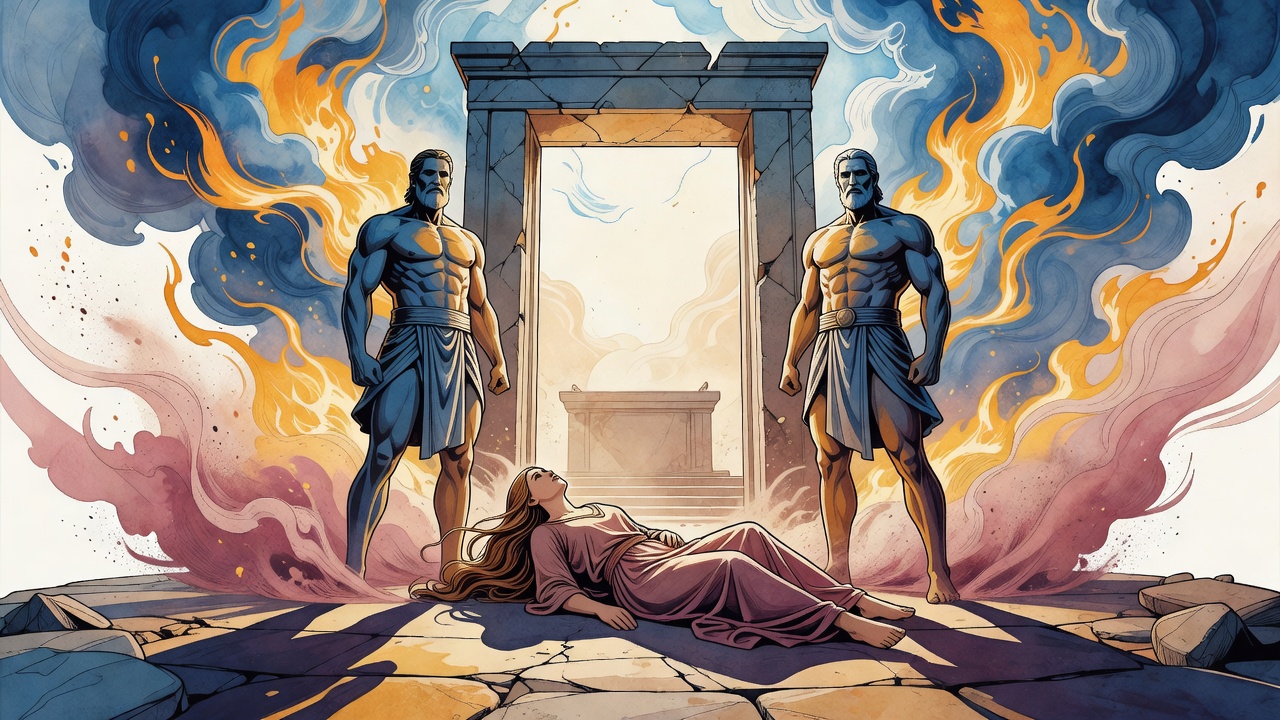
There was still a road out. The high priest Phinehas could have released the vow. Jephthah could have walked to Phinehas and asked. Pride sealed both mouths.
Phinehas said in his own bones, I am high priest, son of a high priest. Shall I stoop to a commoner? Jephthah said, I am head of Israel's tribes, head of the captains. Shall I stoop to a lowly man? Between the two of them the girl stood in the doorway with a silent drum, and both men kept their hills.
He would not walk down. The priest would not walk up. Rank became a wall with her body on both sides of it. The Sanhedrin (the high court of seventy-one sages) found no loophole, for the law was hidden from them in that hour, and the silence of the proud did the rest. Courts can only open doors men are willing to knock on. Two knocks never sounded.
She Argued from Torah
She argued as best she could. Offerings come from the herd, not from a daughter's neck. Jacob vowed a tithe and never laid a son on wood. Hannah vowed a child and gave him to God alive. The girl had learned enough Scripture to build a defense. Her father had not learned enough to hear it.
The year turned. Her friends went to the hills with her to weep the life she would not live. The mountains kept their counsel. She walked back down when the days were done, because a vow that had left a mouth still wanted a body.
Had Jephthah studied Torah, his daughter would have lived. Learning is not ornament for quiet evenings. It is the skill that saves a soul instead of burning one. A man who can win a war and cannot parse a vow is dangerous precisely because victory makes him feel wise.
Heaven Refused the Altar
When the deed was done, the holy spirit answered with words later heard in Jeremiah: which I did not command, nor speak, nor did it enter My mind. Heaven had not asked for Jephthah's daughter. Heaven had not asked Abraham to finish the knife over Isaac. The hand that stayed Abraham was the same will that never wanted this girl on any stone. The Binding ended in a ram. This vow ended in a human cost God refused to own.
Phinehas lost the holy spirit that had rested on him. Jephthah's bones were scattered, buried in the cities of Gilead, as if the ground itself would not keep him in one place. Shared blood-guilt was the ledger's last line: the one who would not stoop and the one who would not ask.
She walked out with music. She died between two prides that would not take one step down a hill. The vow had needed a mouth. The rescue had needed humility. Only the first arrived on time. The timbrel lay where she had set it, against a thigh that no longer danced.
← All myths