37 myths · Page 1 of 2
Each story names the sources it was written from.
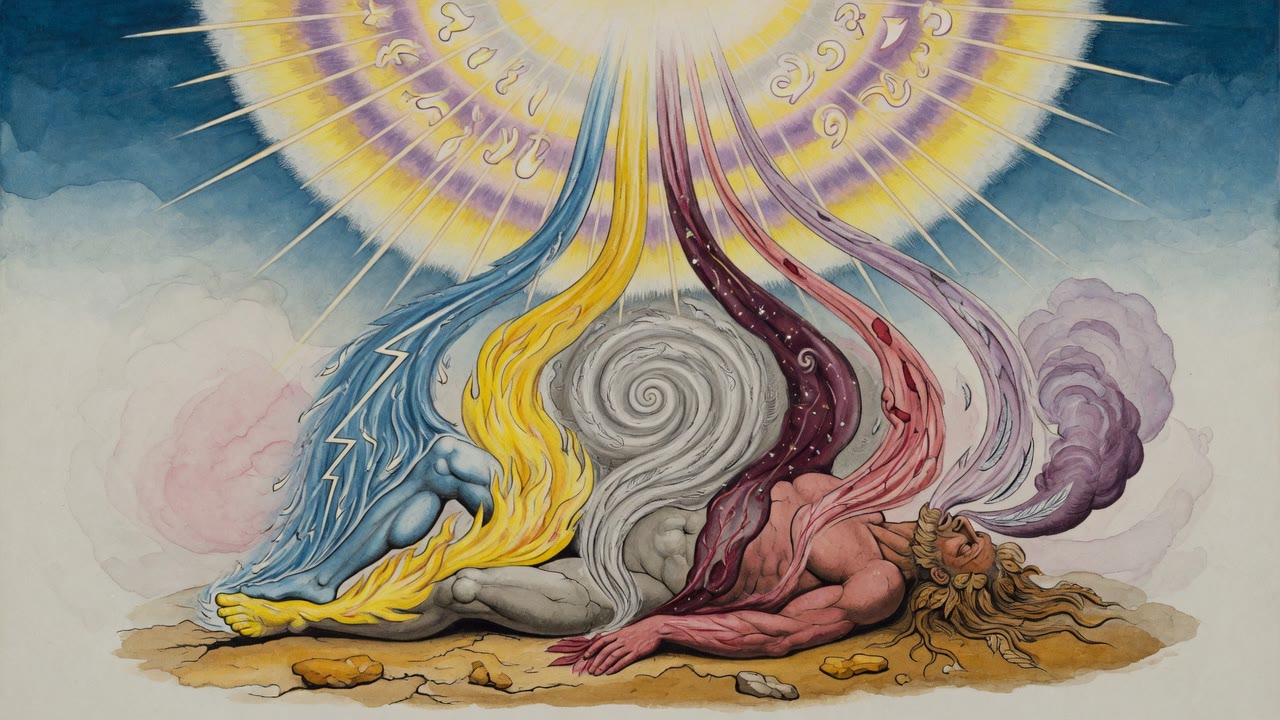
God did not scoop a single handful of clay. Each part of Adam's body came from a different corner of the universe, and each part gave him a different sense.
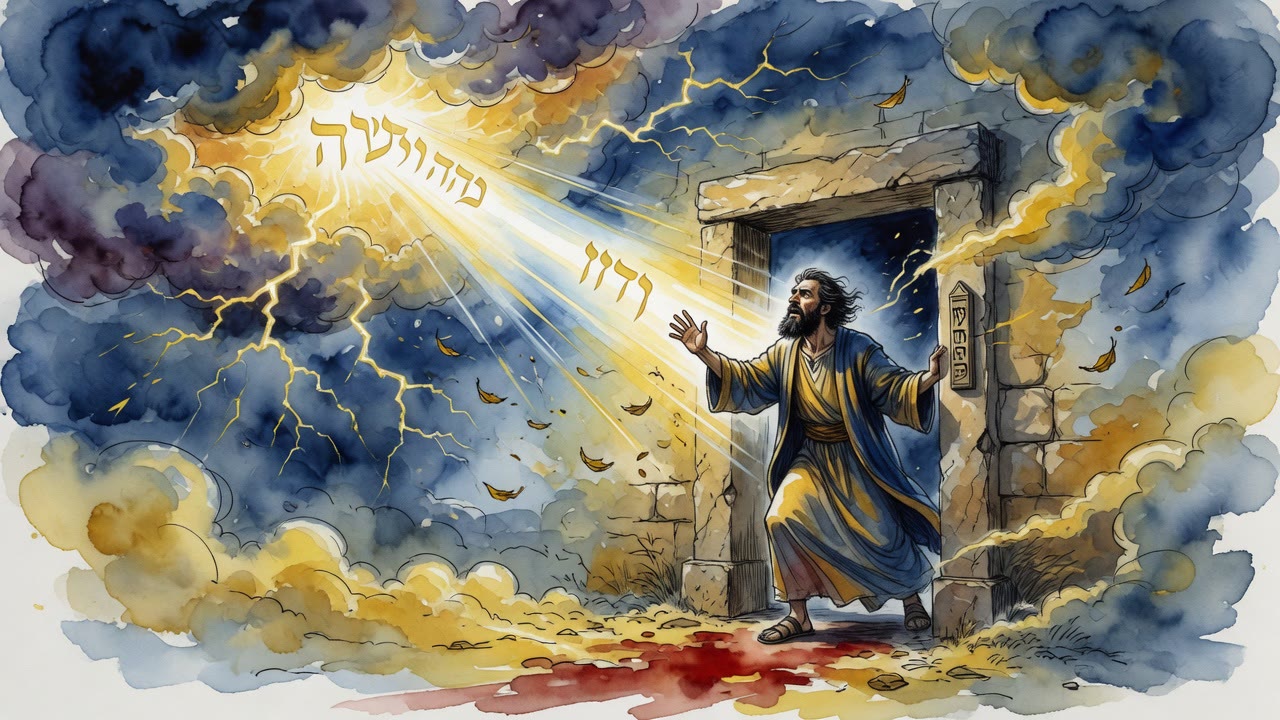
God asked Bilam a question He already knew. Bamidbar Rabbah hears Cain and Hezekiah standing behind that dangerous answer.
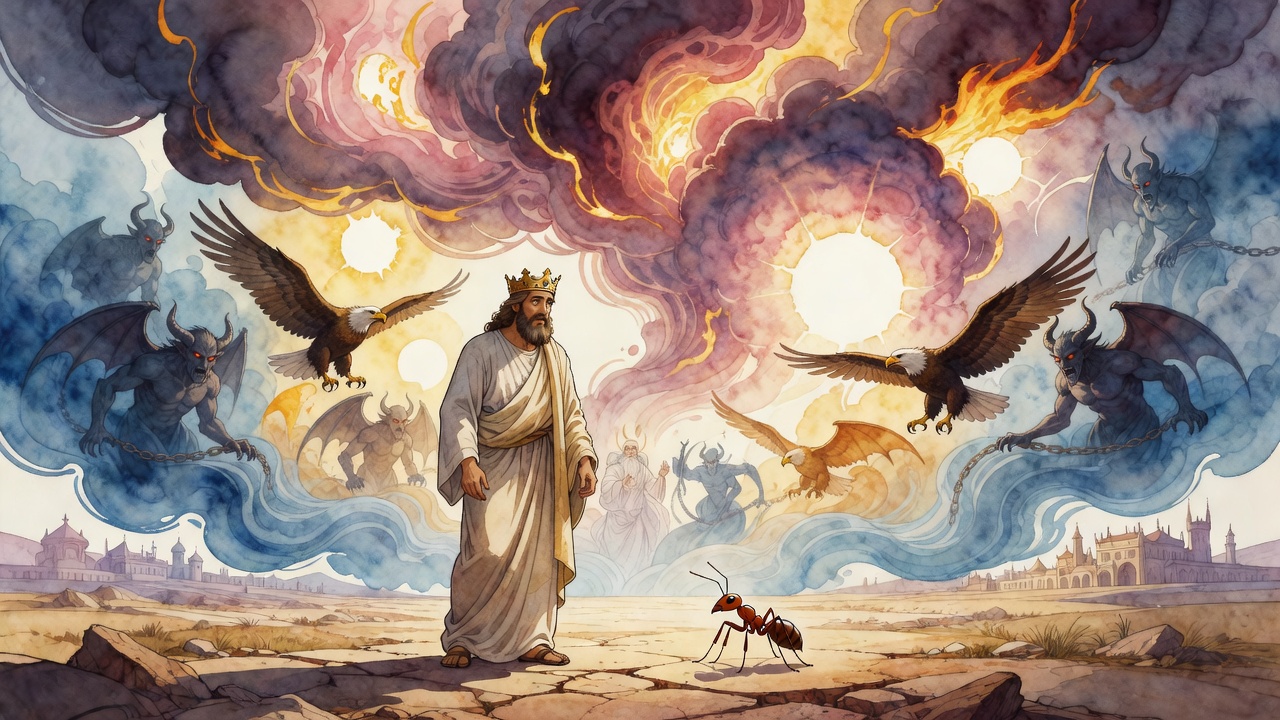
Solomon closed his fist around a live ant and asked who in the world was greater. She answered that God had led the king to her hand.
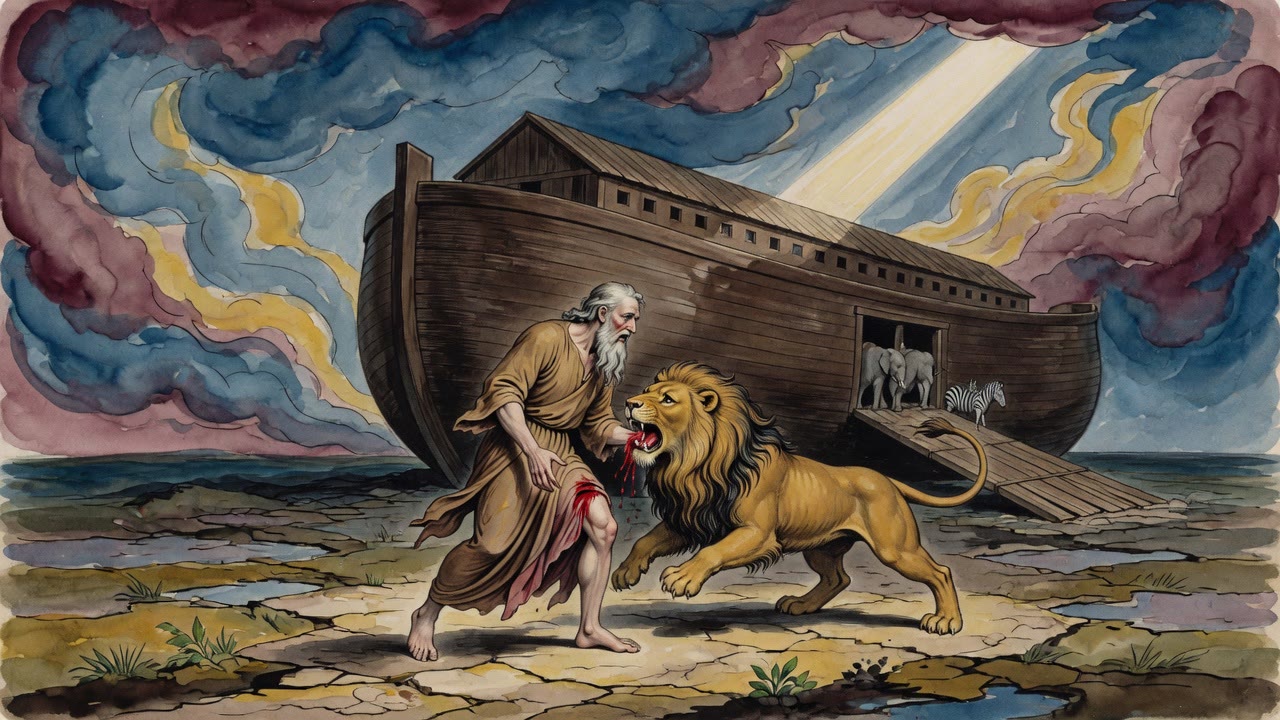
Forty thousand men left the carpet when the king said there was none like him. The wind would not lift them until he used the word on himself.
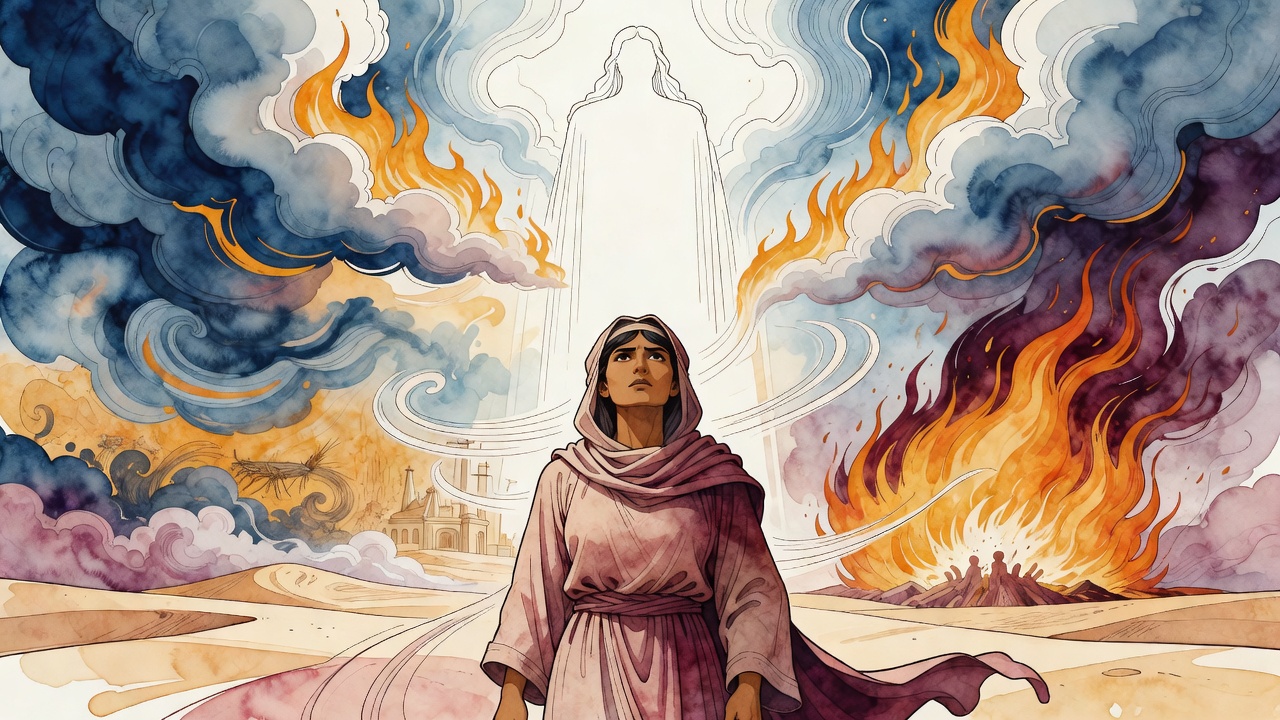
Hagar had watched Pharaoh's plague and the furnace miracle before she ever conceived. Her contempt came from drawing the wrong lesson from what she knew.
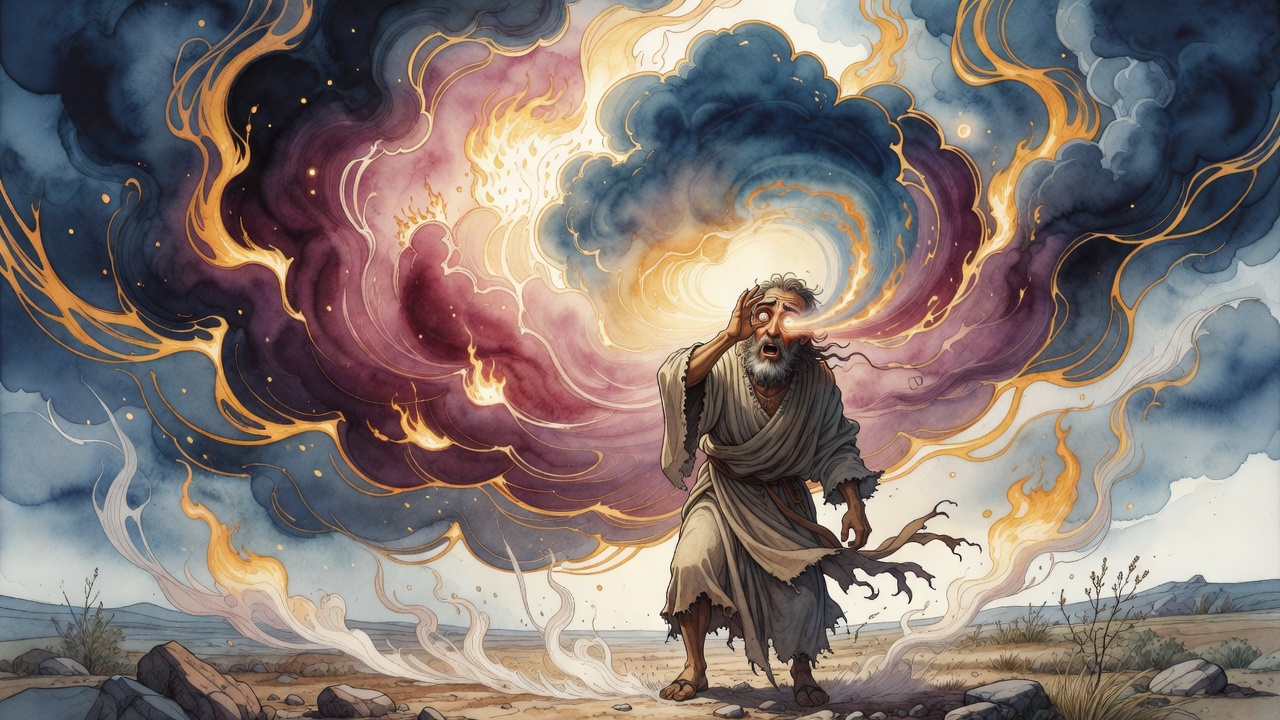
God asked Balaam a simple question. Balaam used it to boast. The reply cost him an eye and stripped his curse of force before it began.
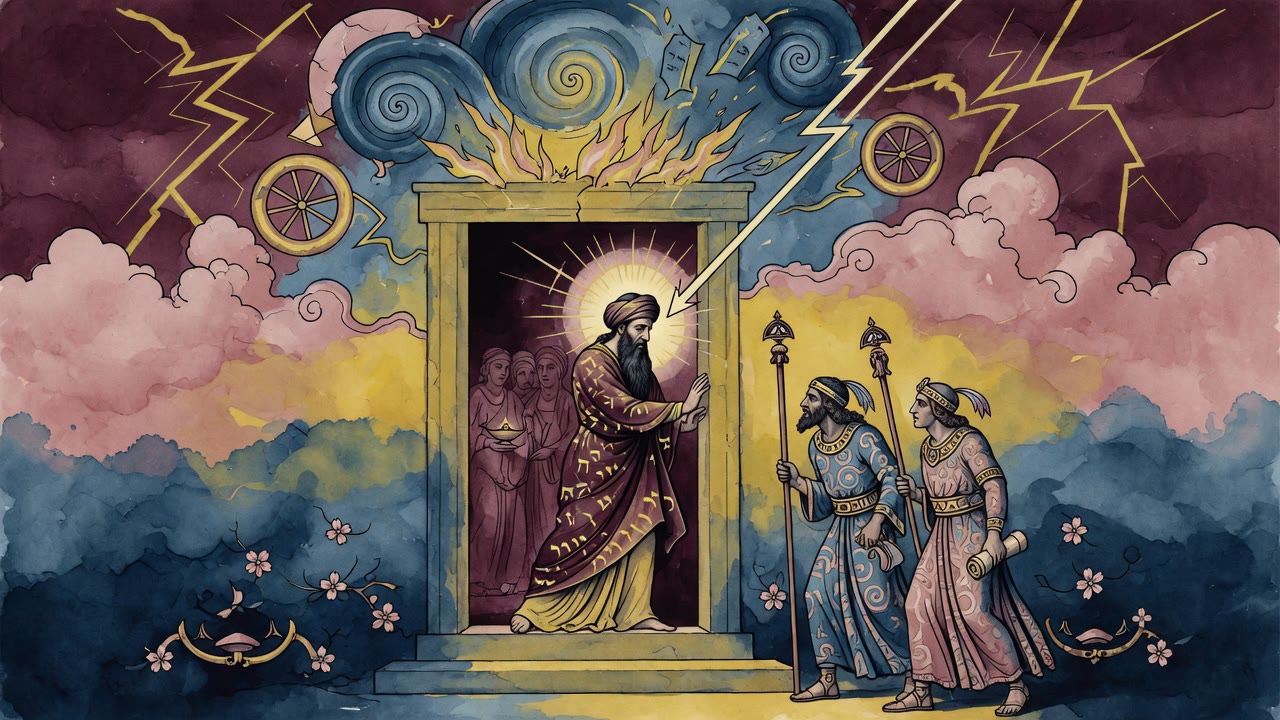
God told Balaam not to go. Balaam could not say that to the men in his house, so he told them it would be beneath his dignity to travel with men of their rank.
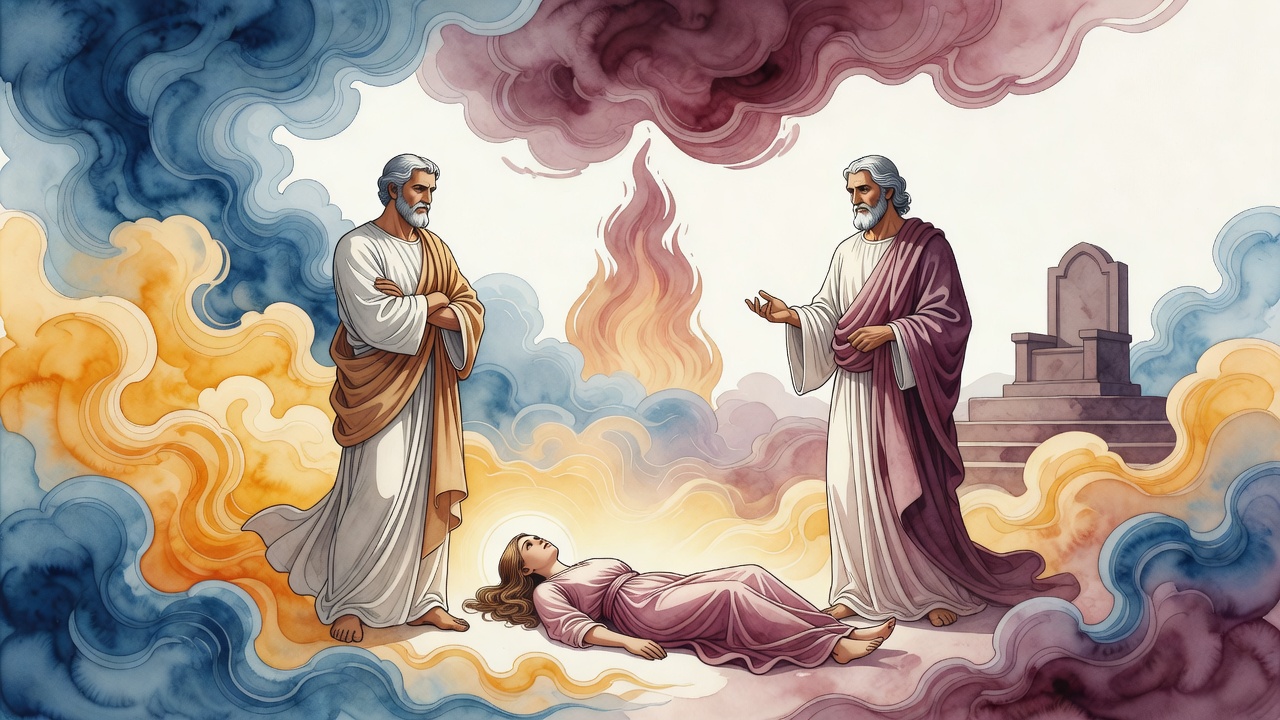
She came out with tambourines to meet her father. The high priest could have undone the vow. Neither man would walk first.
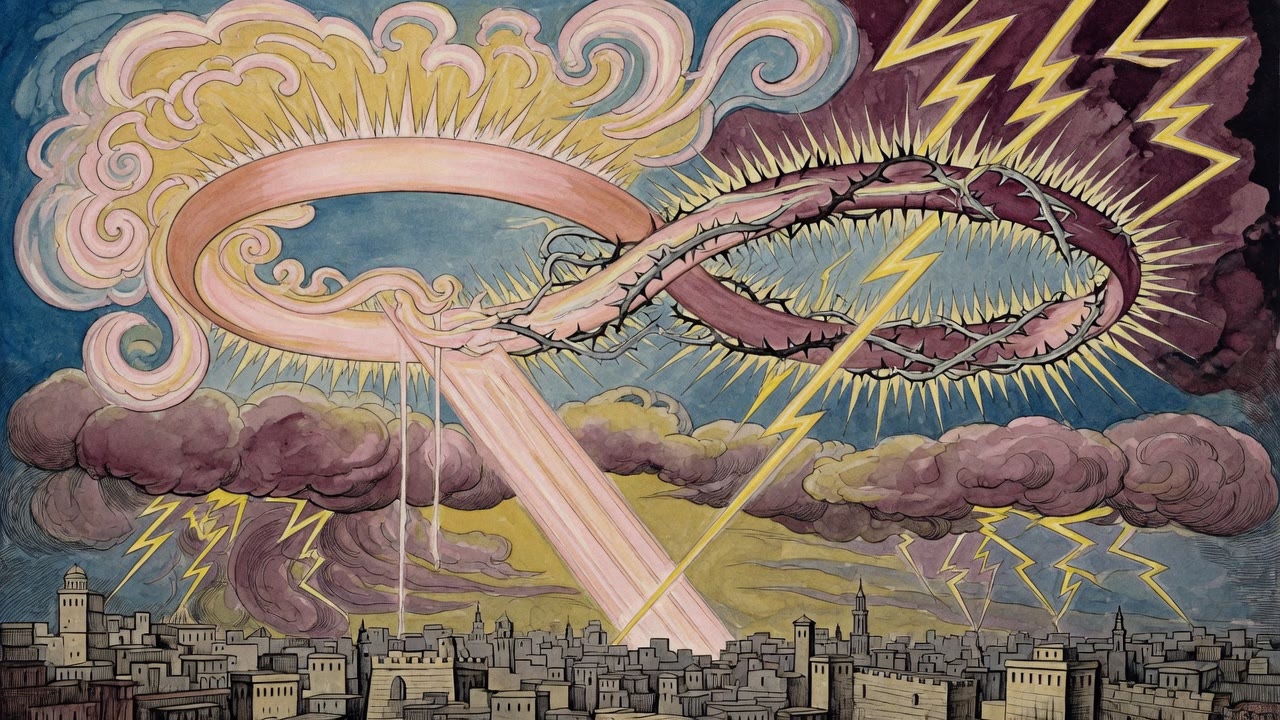
Every man in Susa bowed when Haman rode past. One man at the gate stuck out his knee instead, so that Haman could read what was written on it.
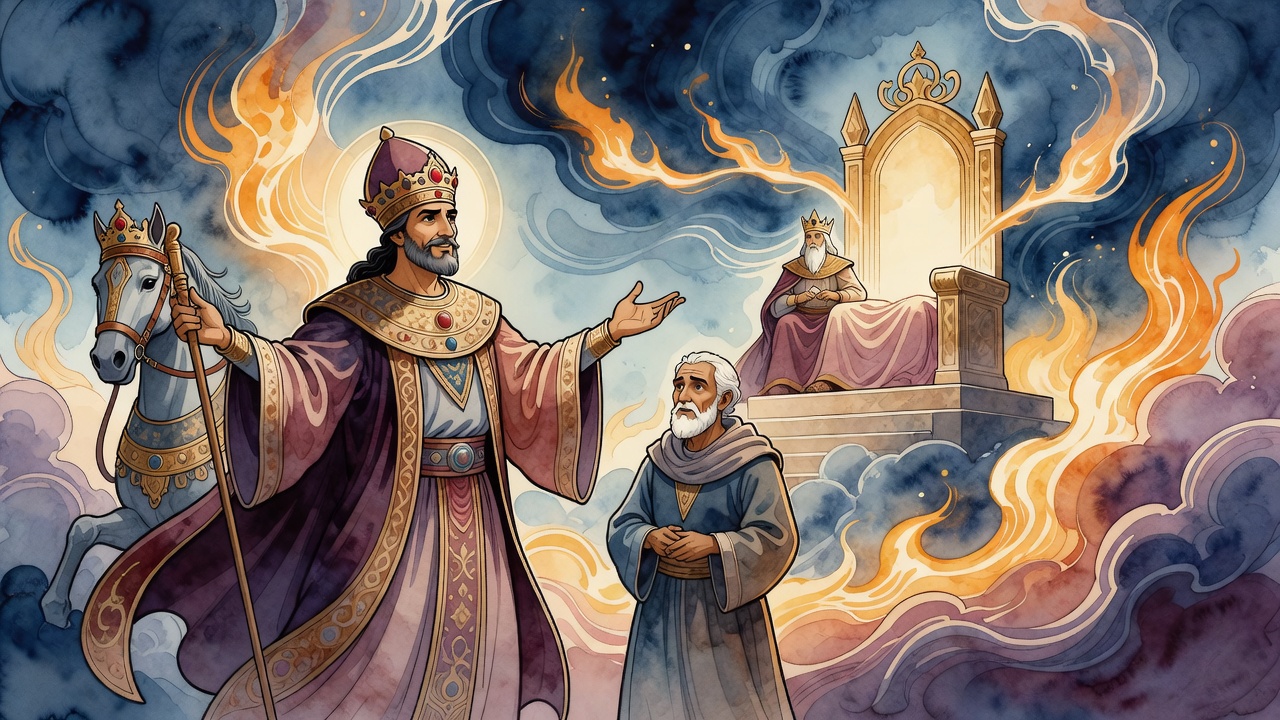
The gallows stood in Haman's courtyard, fifty cubits high. He came for a signature. The king asked a question with no name in it.
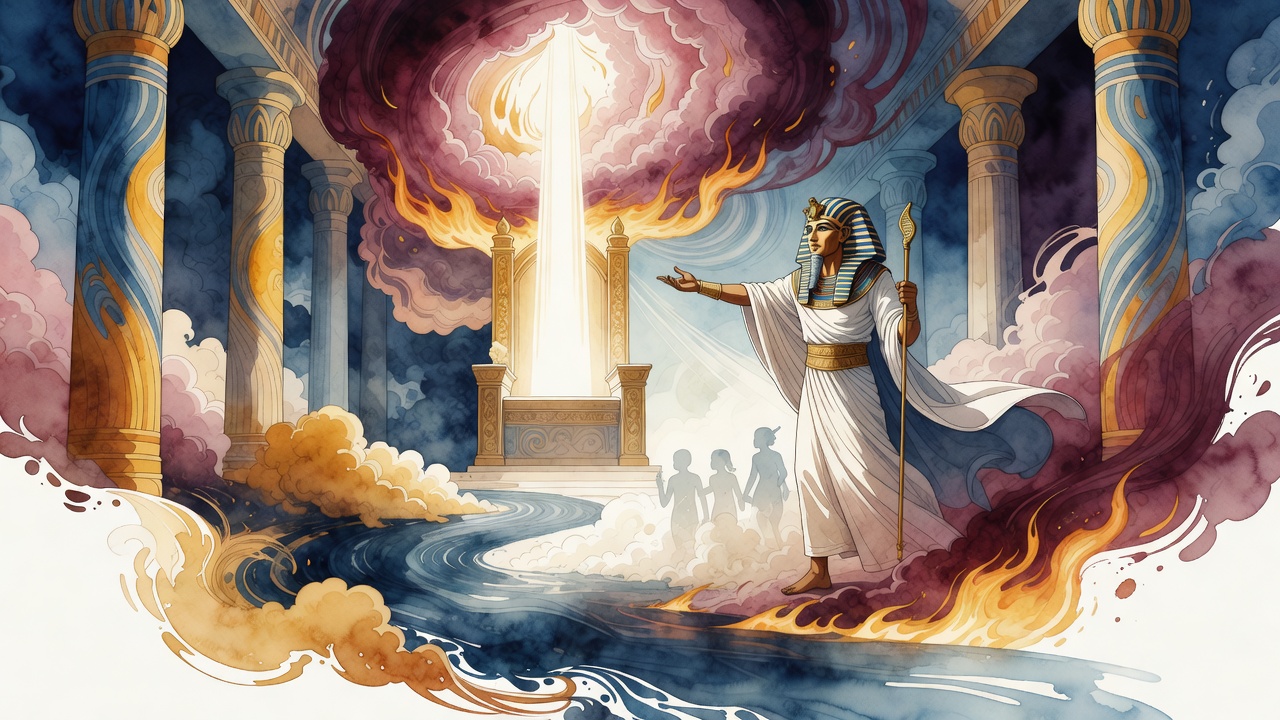
Pharaoh told Egypt he was a god who felt no human needs. Every morning he went down to the Nile alone to keep it up. One morning Moses was standing there.
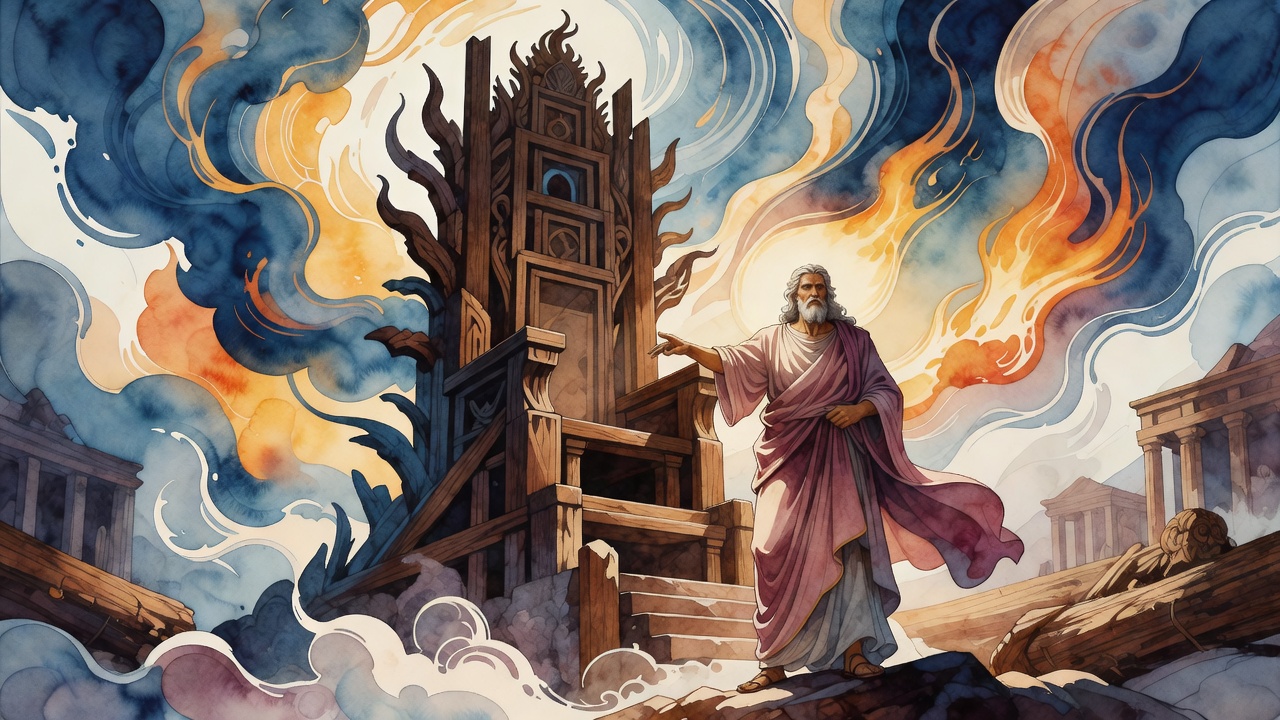
Hiram sat on a gold couch above six false skies. Ezekiel rode a wind up there and asked why a man born of a woman called himself God.
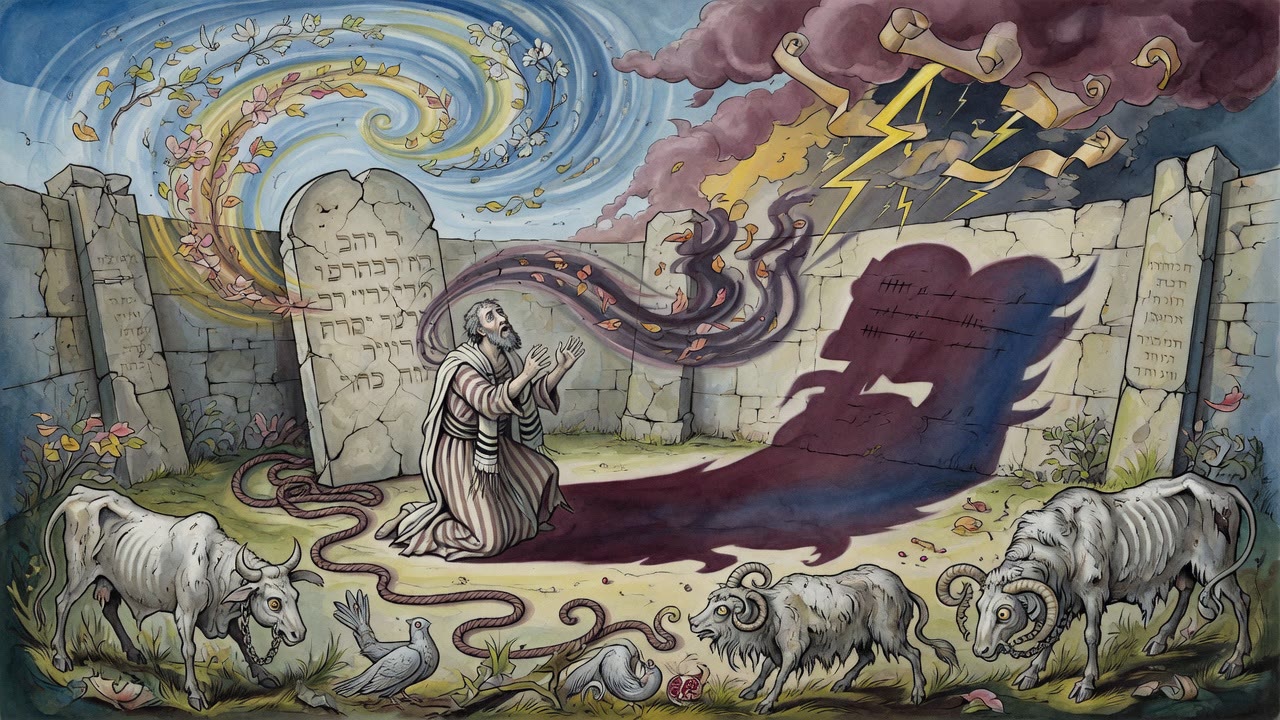
The elders who had thrown him out came back begging for a chief. He went. He died in pieces, a limb dropping as he walked, buried across the cities of Gilead.
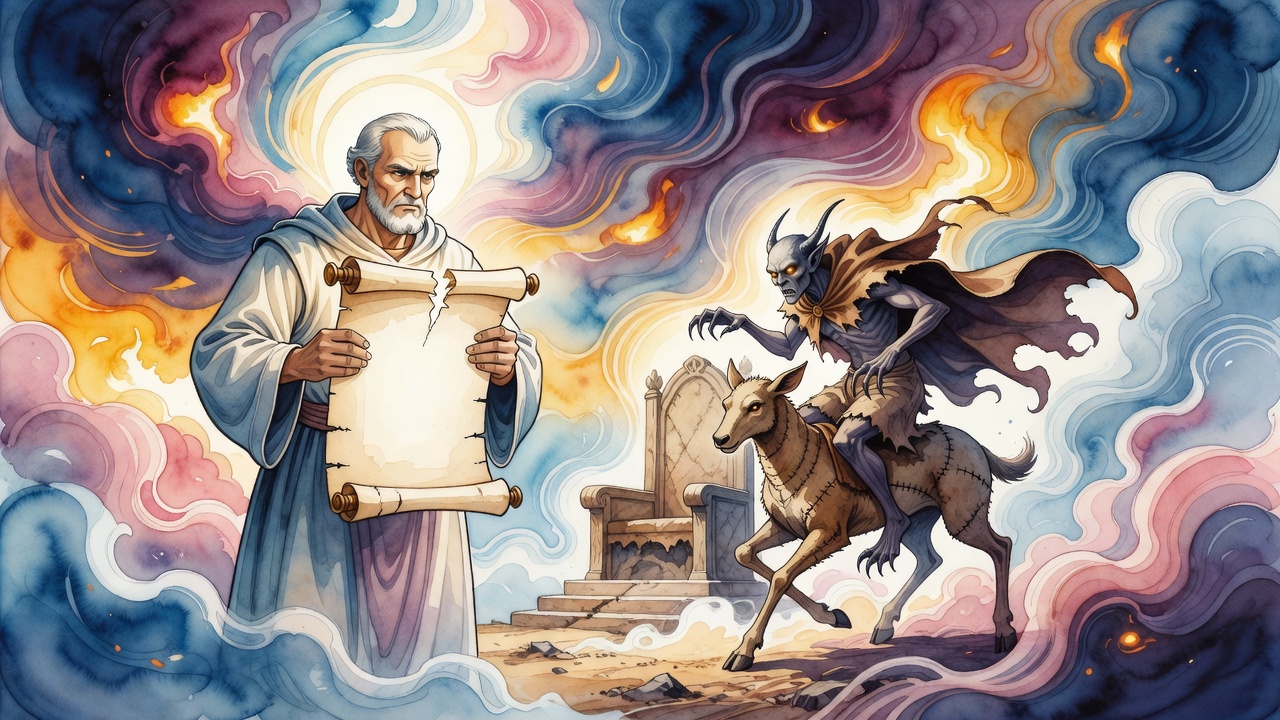
Hagag left the torn page under his heel and rode to hunt. In the thicket the deer stood up wearing his face and took the horse.
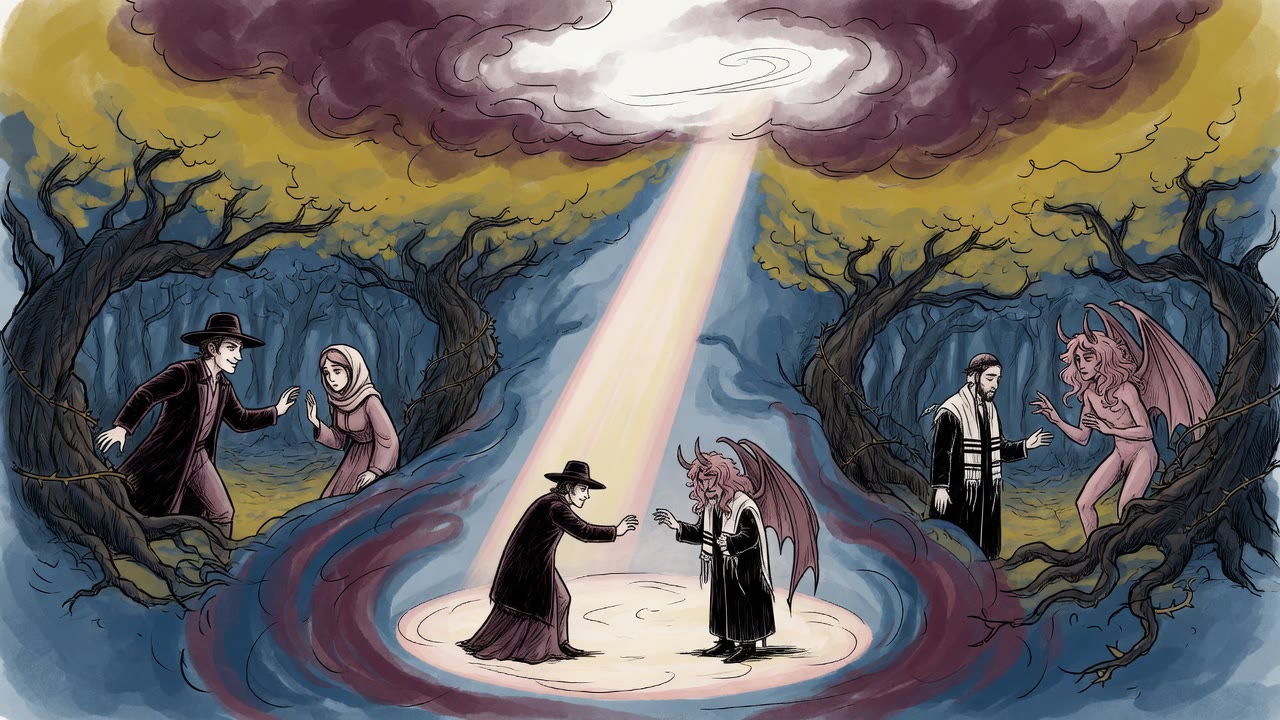
He named a room and an hour as if she had already said yes. She went to his wife instead. The lamp came up on a face he already knew.
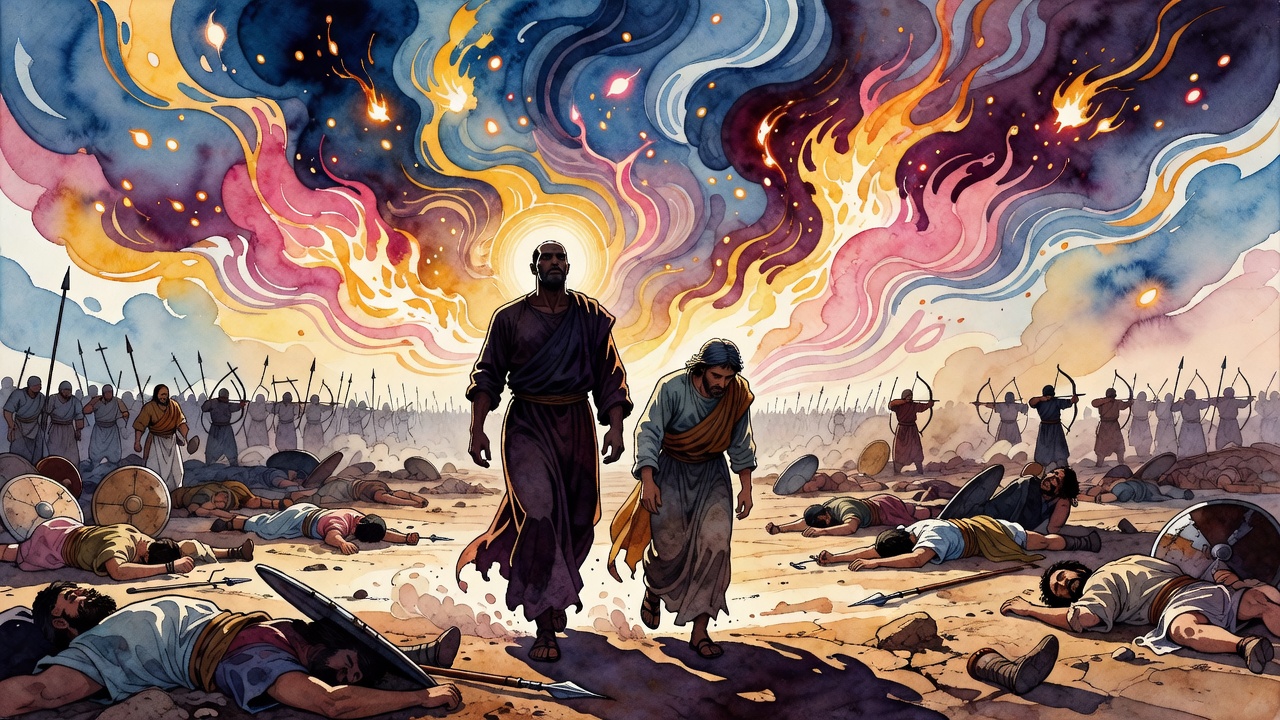
Ganoon said God had spoken and it was time to leave. Two hundred thousand of Ephraim walked out with bows and no blood on the doors.
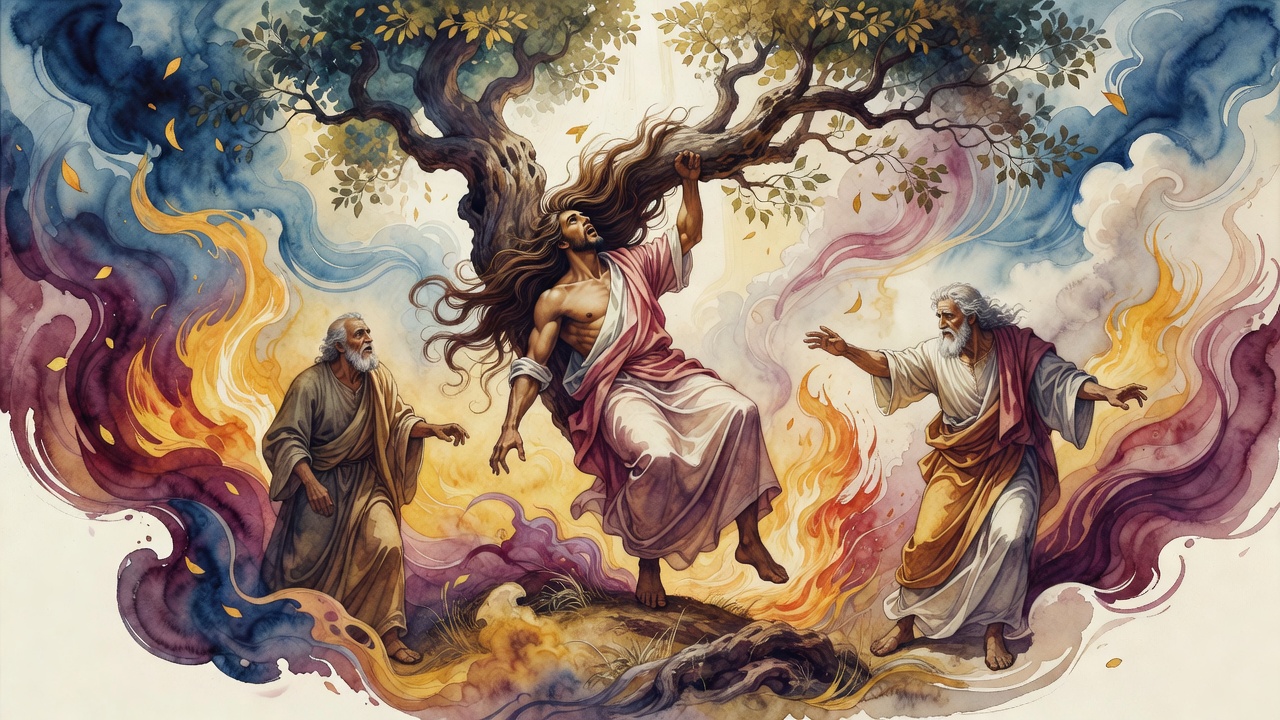
He made a ceremony of the shears. The mule ran out from under him. Joab found a prince who could not get his own head free.
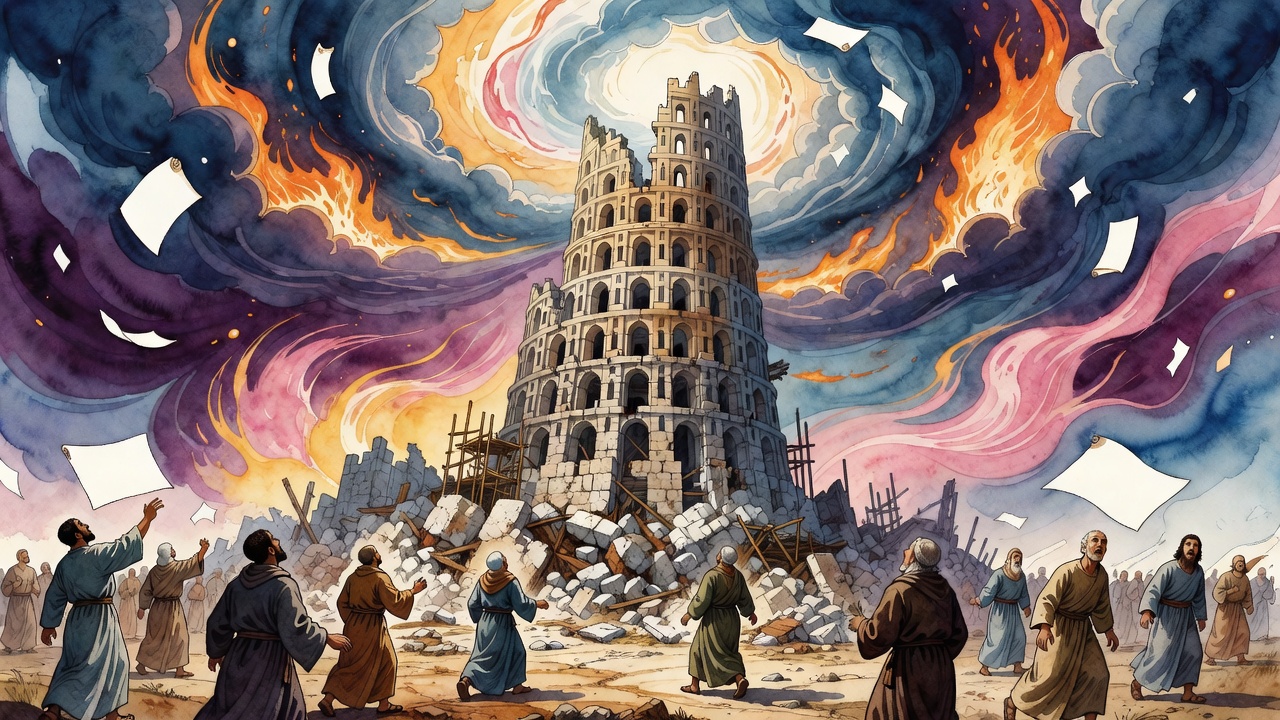
The tower was still climbing when speech broke. A man called for tar and was handed a tool he did not know how to use.
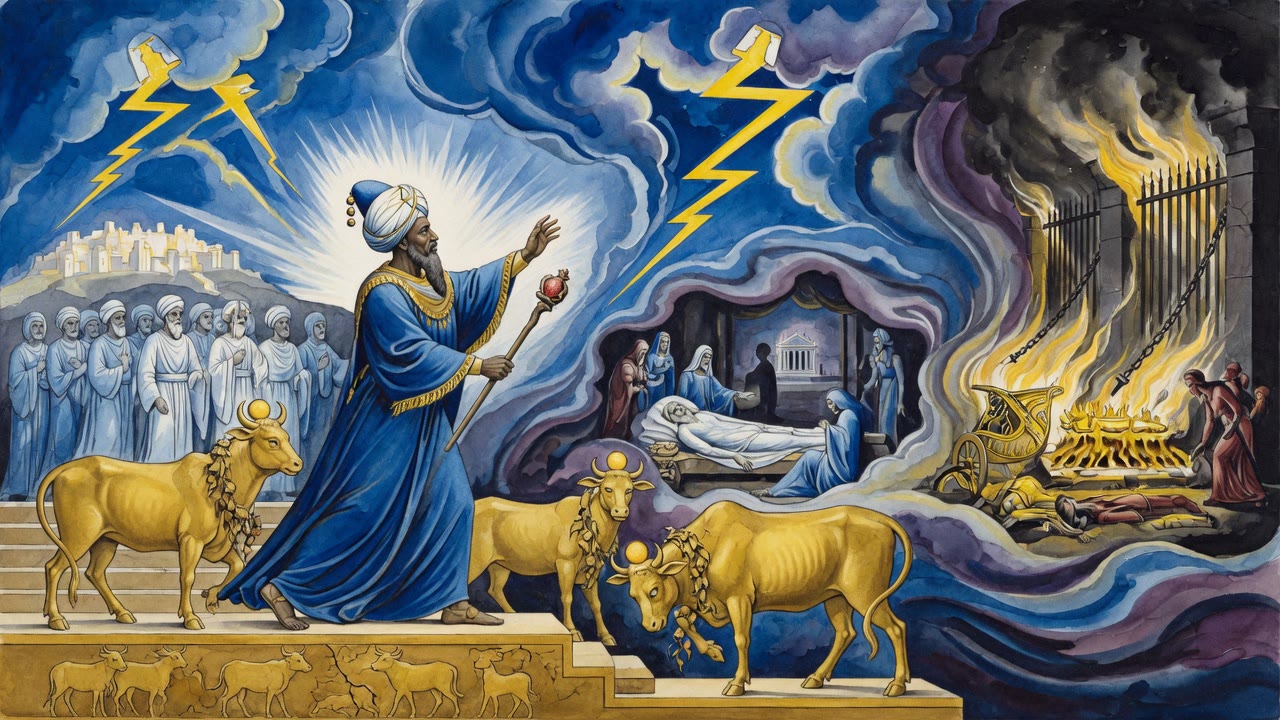
Ahijah put ten torn pieces of cloth in his hands. The northern throne was his if he could bear standing while a son of David sat.
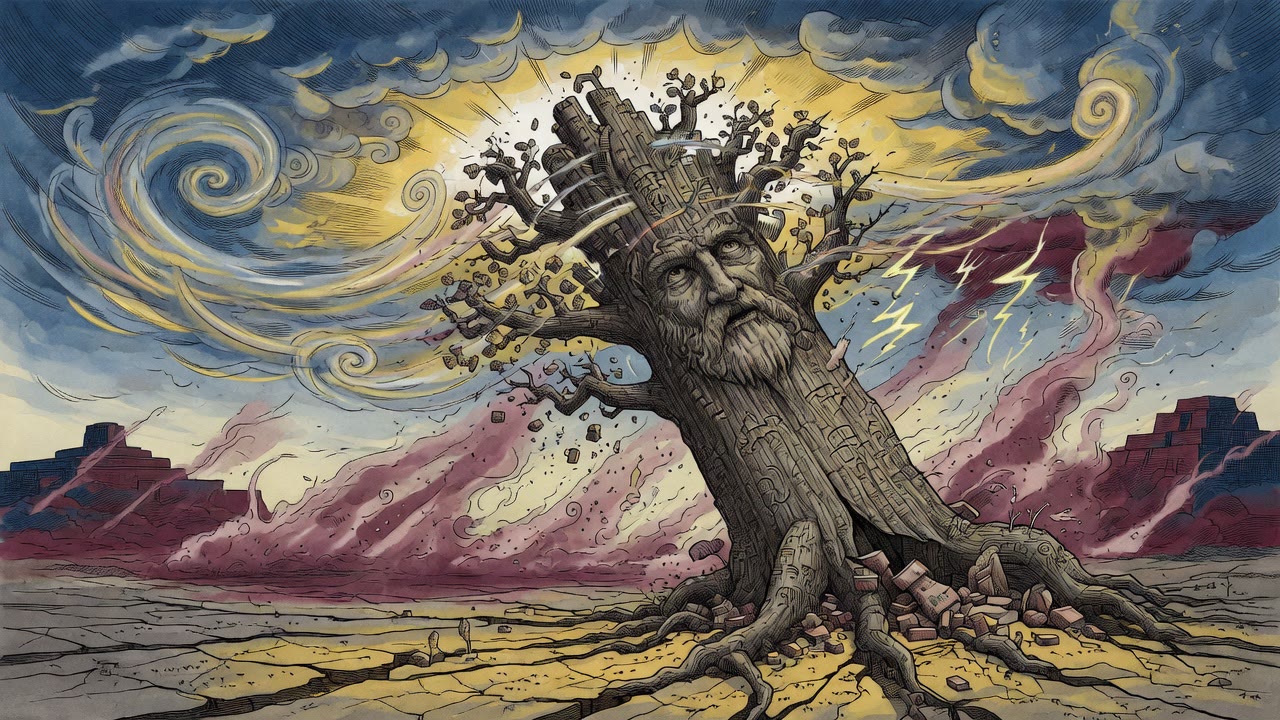
Nimrod walked the brickworks as if the sky were a roof he could raise. Crews asked for brick and heard the word for water instead.
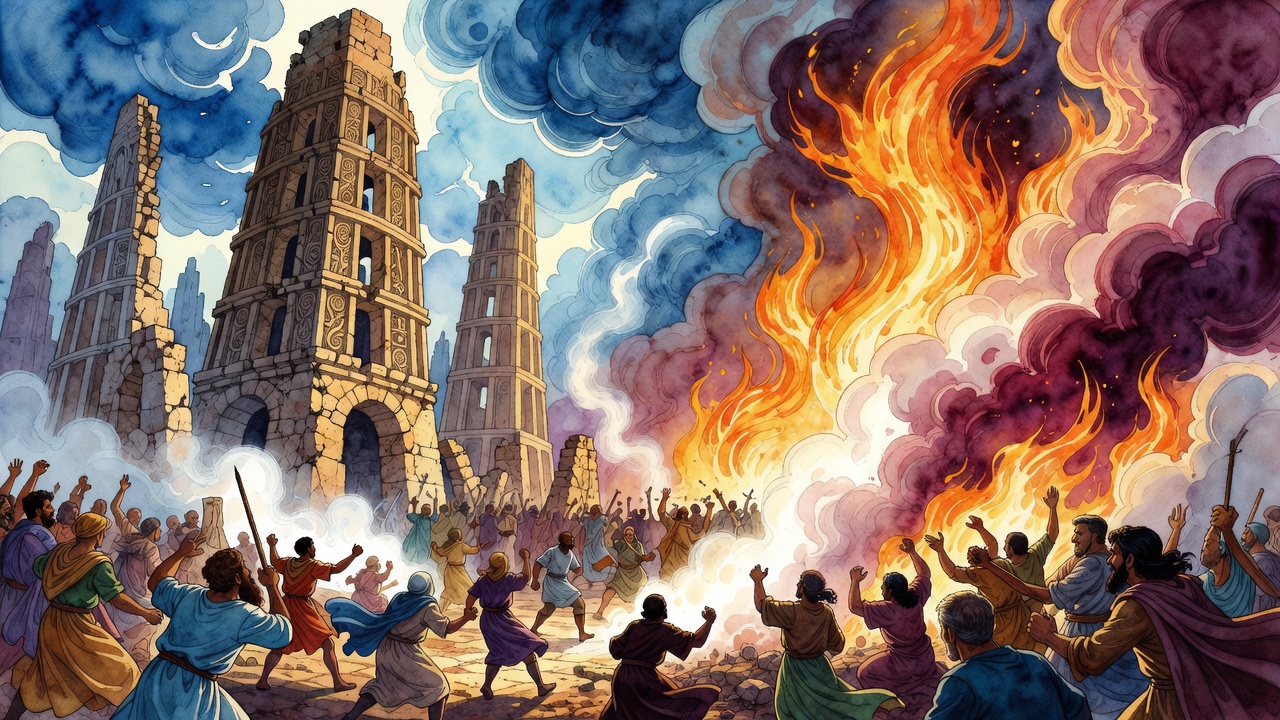
On the plain of Shinar the bricks rose fast because no one had to stop and translate a doubt. They aimed the one tongue upward like a spear.
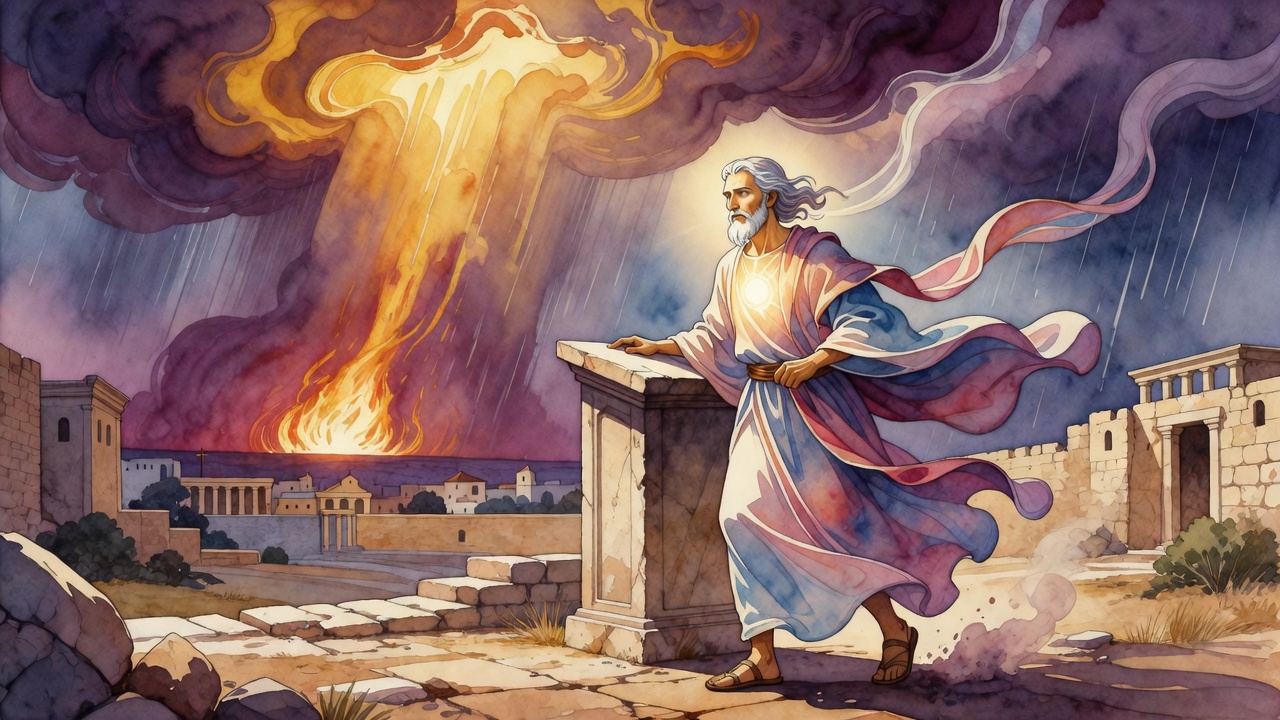
In dry Jerusalem, Rabbi Gershon felt the prayer open under his tongue, left the lectern, and chose delayed rain over a pride that could drown him.
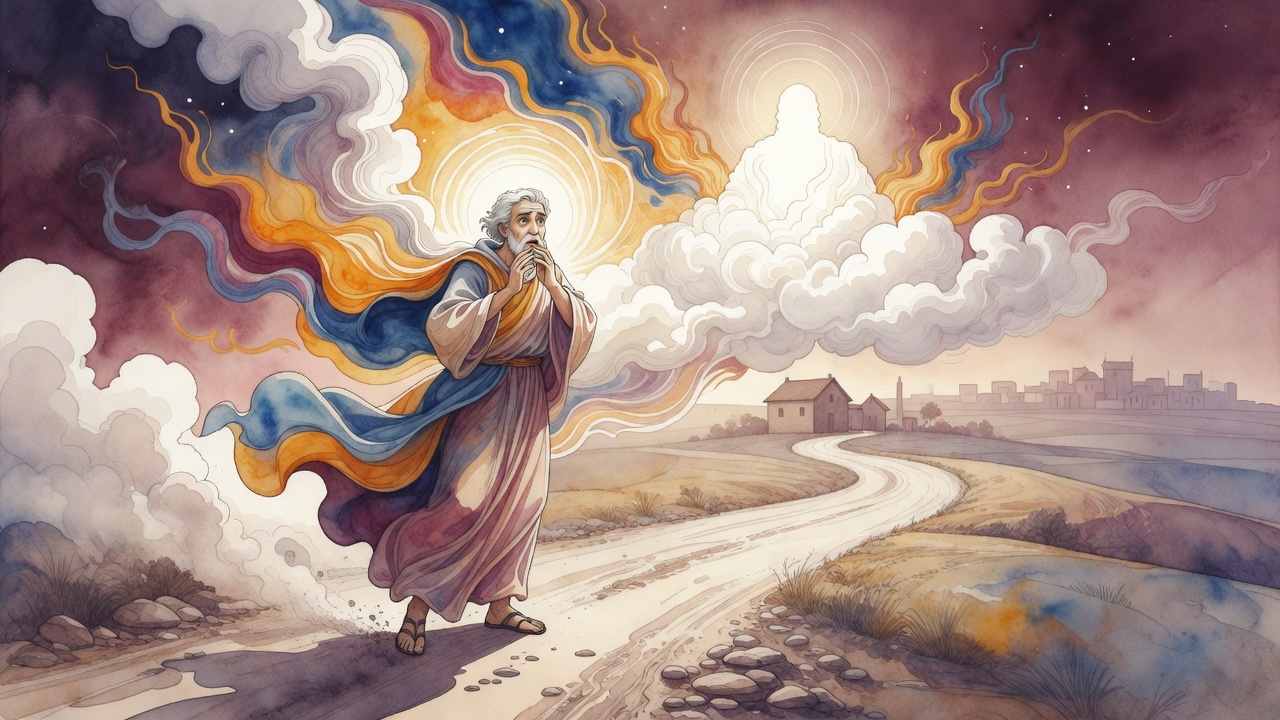
Sent to lead a town, Levi finds every answer gone from his mouth after pride rose on the walk from his master's house to theirs.
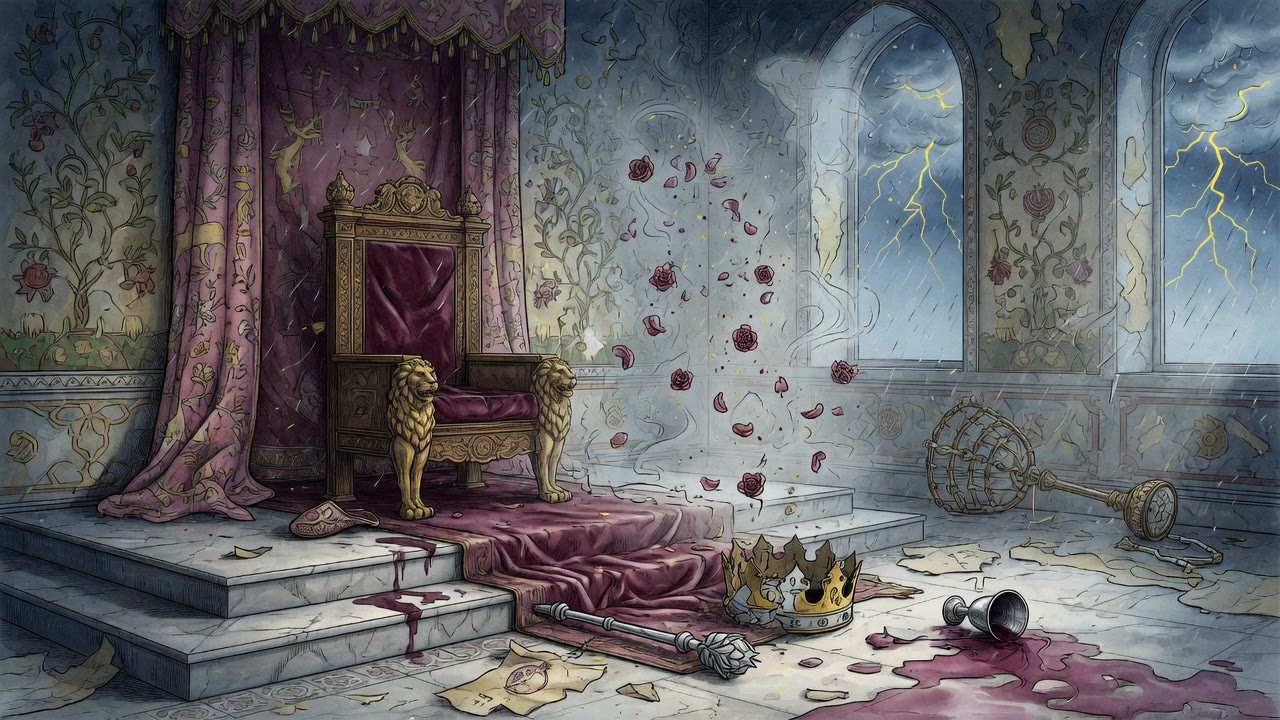
The last gem never reached the room. The queen died. Their son shone like a jewel and could not live as ordinary flesh.
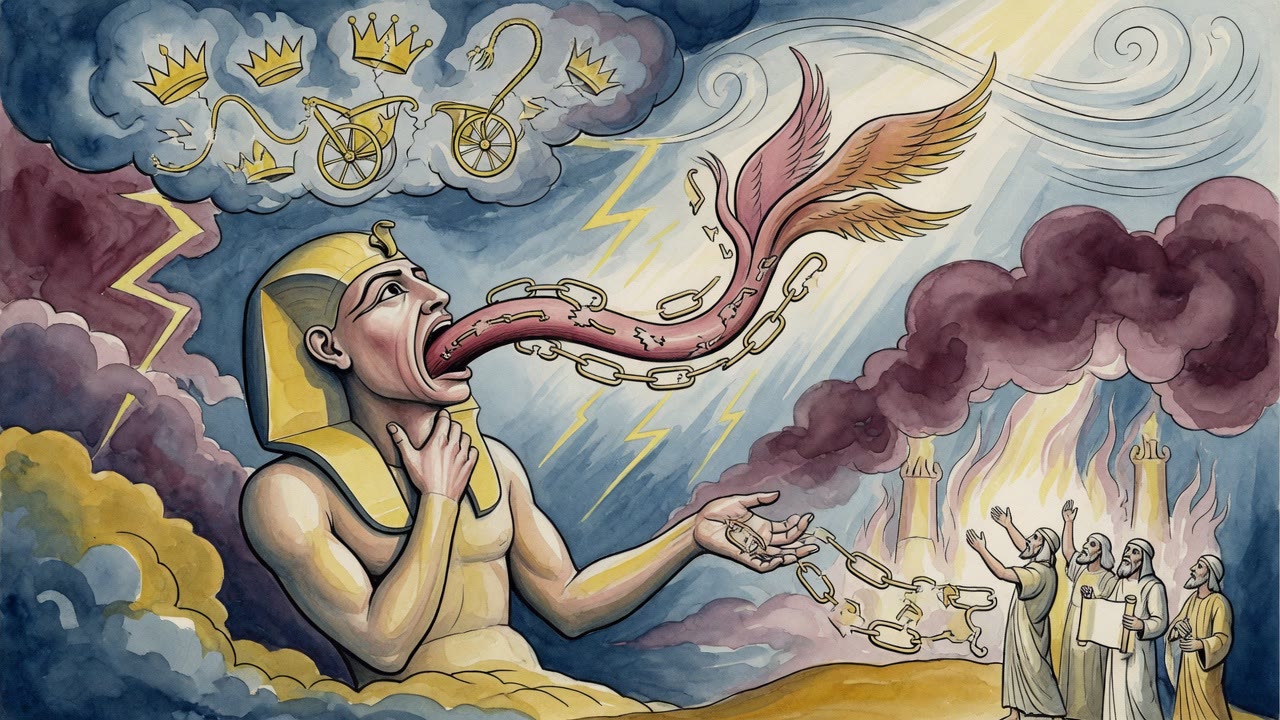
Who is the Lord, Pharaoh said in the palace. Hail later forced the same mouth to call Him righteous. At the sea it only wanted to flee.
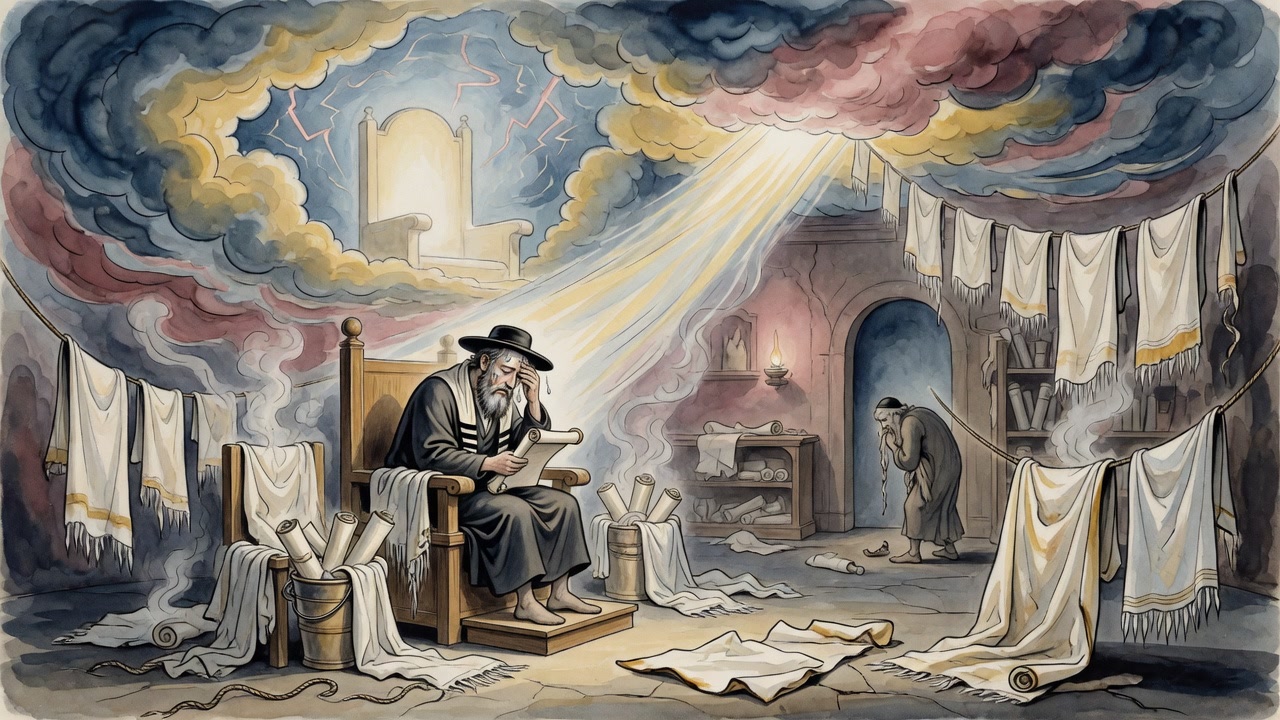
Rabbi Elazar sentenced a man for an insult, then soaked sixty cloths a night until his pride dried into hard clarity.
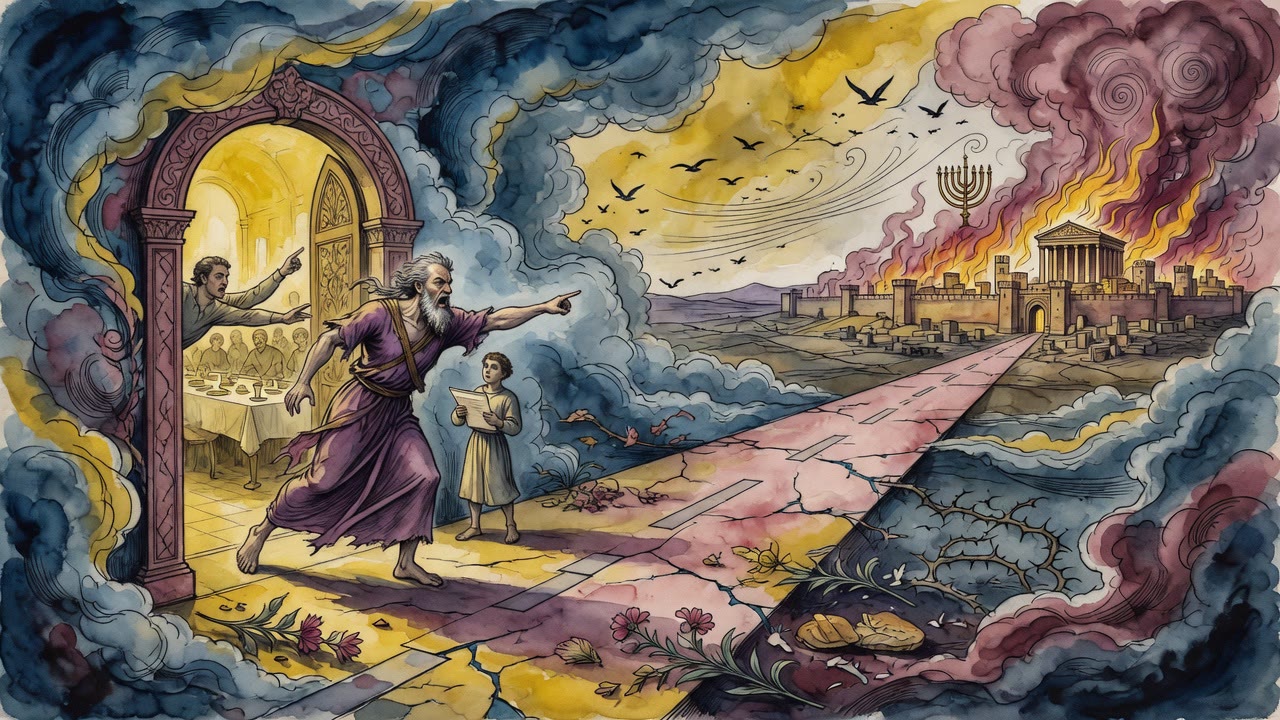
The host saw his enemy at the table and ordered him out. Bar Kamsa offered to pay for the whole feast. The rabbis sat and watched.
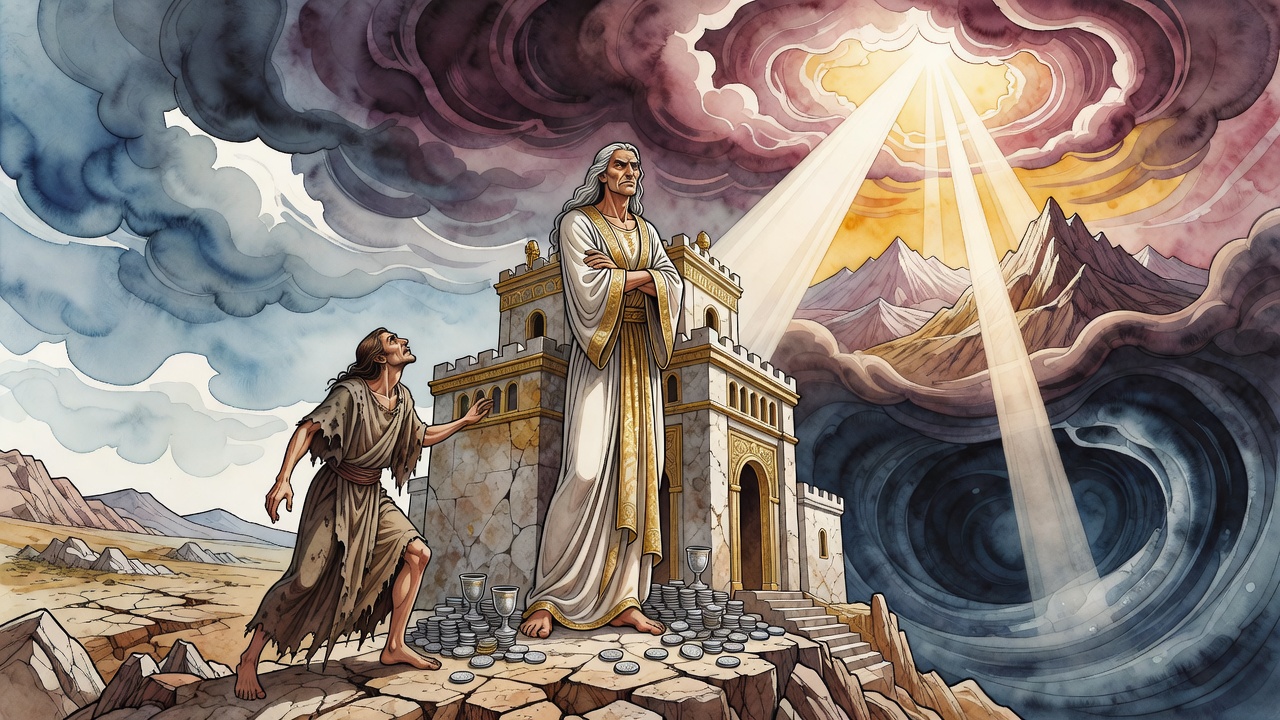
In Pahu the floors shone and servants walked softly. Hadar looked at the chests of gold and asked what they were even for.
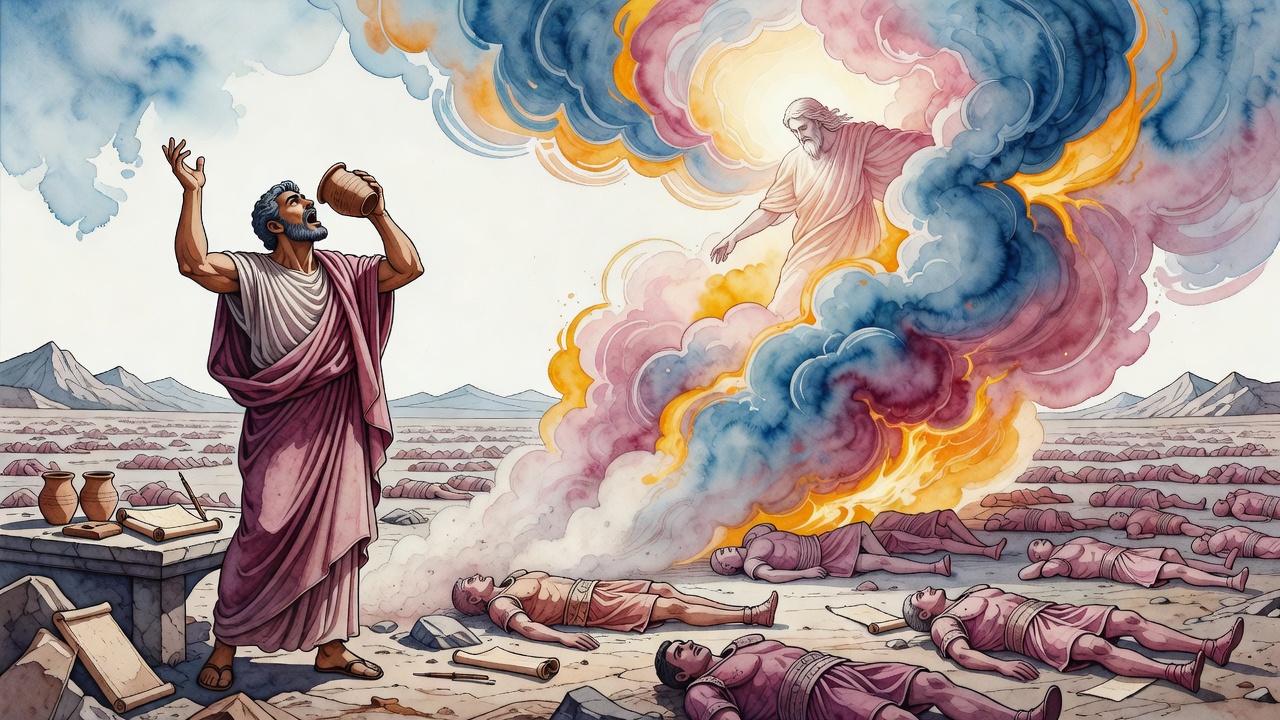
The Assyrian king drinks the water of strangers and counts his hosts, then an angel answers with a body count of one hundred eighty-five thousand.
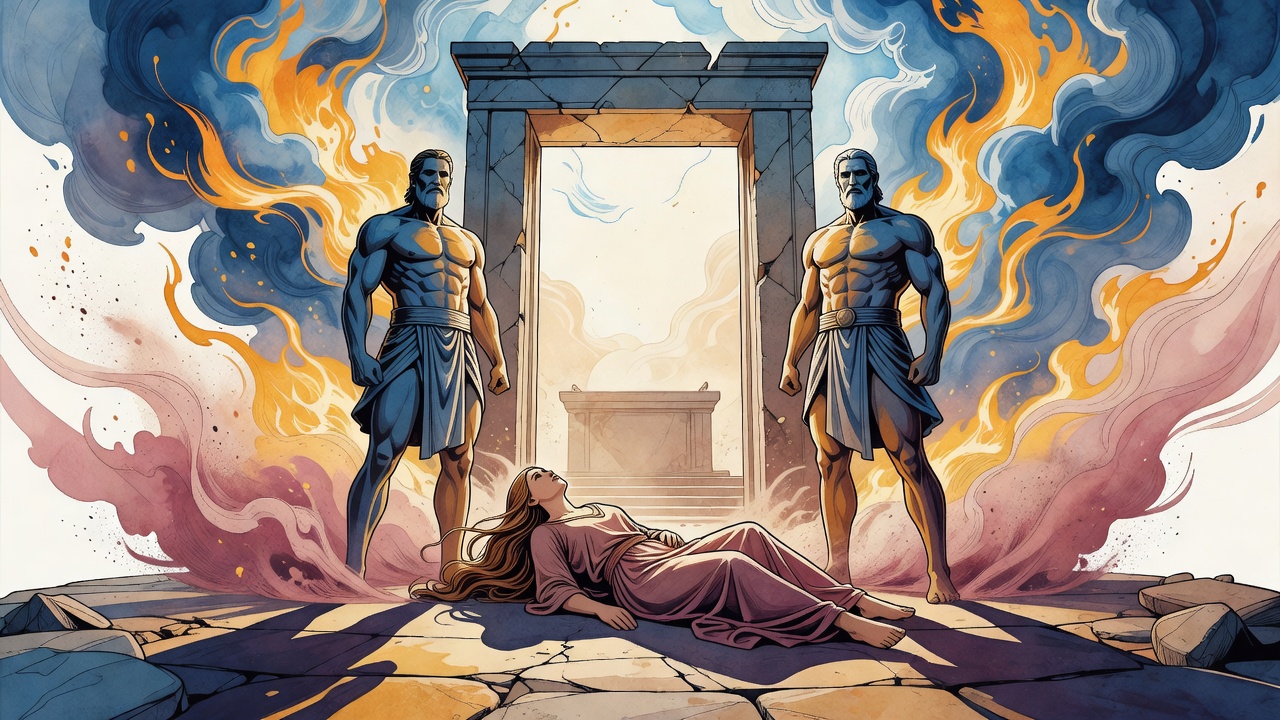
She came out with a timbrel, dancing because her father had come home alive. His face changed in the doorway before she heard why.
