Benjamin Returned to Marriage on the Fifteenth of Av
After civil war, Israel cursed any father who gave a daughter to Benjamin. On the fifteenth of Av the vow loosened and a tribe lived.
Table of Contents
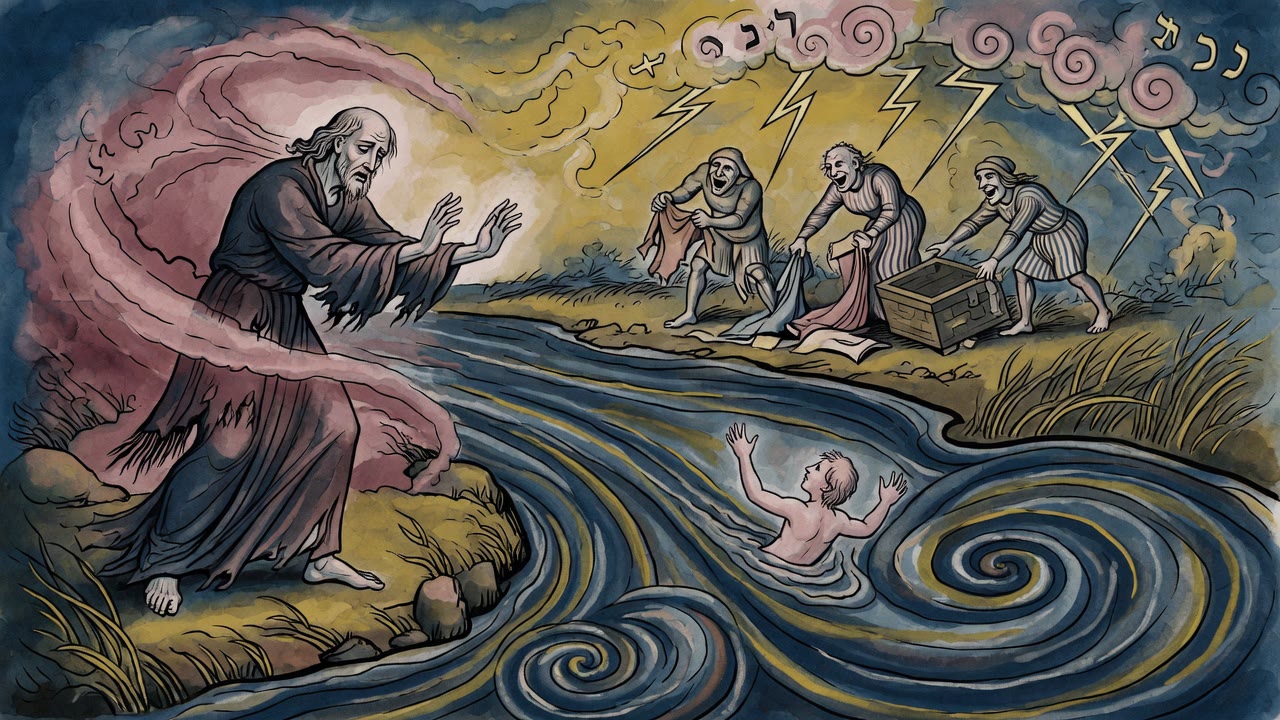
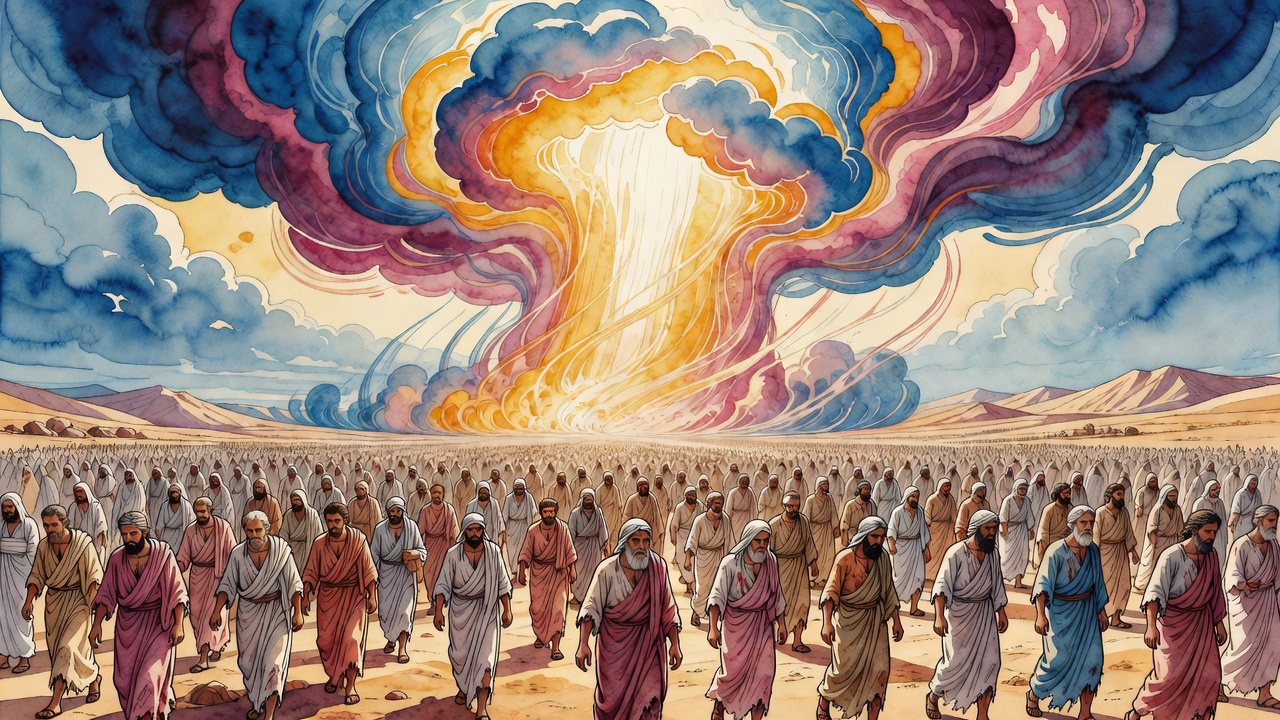
The last Benjamite girl walked the edge of the camp with empty hands. Smoke still clung to the olive trees. Across the ridge, the other tribes had sworn an oath that sat in the throat like iron: cursed be the one who gives his daughter to Benjamin. The tribe of the left hand, thinned by civil war until its men could count their widows on their fingers, waited for extinction as if it were weather.
 Click for full size
The Vow That Locked the Doors
Fathers sealed their courtyards. Matchmakers put down their lists. A boy of Benjamin could still fight, still plant, still recite the old songs, but no household of Israel would open its gate for him. The war had begun with a crime in Gibeah and ended with a people bent on erasing the tribe that had sheltered the wrongdoers. Grief made the vow. Pride kept it warm.
Israel had bound itself with words that felt holy because they were terrible. Cursed be the one who gives. The sentence had the shape of a verse, and once a vow wears the coat of Scripture, untying it costs more than silence. Men who had buried sons refused to imagine their daughters walking into Benjamin's tents. The camps grew quiet at night. Dogs barked at empty roads.
When the Census Refused to Shrink
Then the sages of the hour opened the scroll again, not to curse, but to count. God had promised Jacob a nation and a company of nations. When that promise was spoken, Benjamin had not yet been born. Jacob later set Ephraim and Manasseh among his sons like Reuben and Simeon, yet the full tally of tribes still needed the child of the road to Bethlehem, the youngest, the one Rachel named with her last breath.
A people that pushed Benjamin out would shrink the very nation God had sworn to build. The heap of Israel was never meant to be an anonymous mass. Wheat is measured grain by grain. So too the elders, the pious, the sages, and every household that rose in the reckoning. If one tribe fell out of the count, the mound looked whole from far off and hollow within.
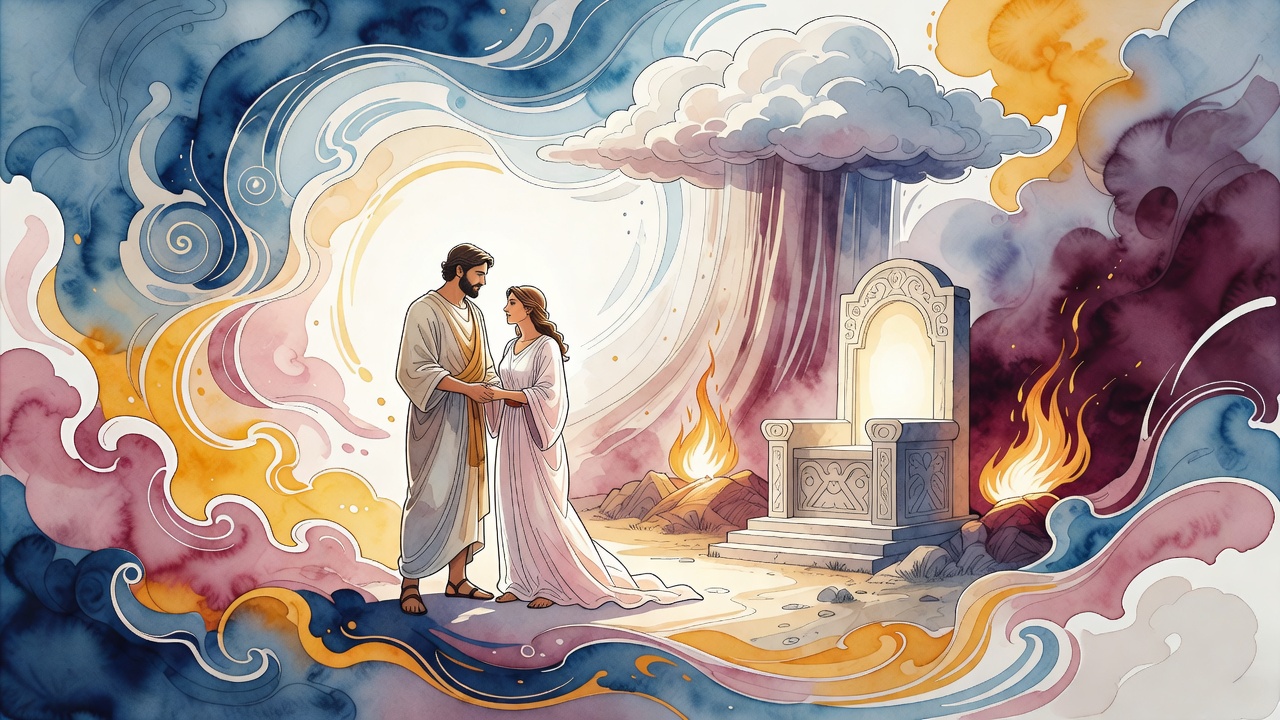
They read the curse again. "Cursed be he who gives." The first reading had driven Benjamin away. The second reading, set beside the patriarch's promise, drew him near. A vow made in grief need not become a grave for a brother tribe. On the fifteenth of Av, the knot loosened. Doors opened. Daughters crossed thresholds with lamps in their hands.
Firstborns Still Waited for Redemption
Elsewhere in the law of households, fathers already knew that continuity is never abstract. A man with five wives might have five firstborn sons, each owed the silver of redemption, each counted as a beginning. The Torah does not let a family blur its children into one face. Five births, five redemptions, five claims on memory. Benjamin's return was the same discipline written large: no tribe is a surplus line on a ledger.
Women of the other tribes stood in vineyards with white garments, as later generations would remember, and the Benjamite men came up from the ruins to take wives without stealing them from closed houses. Marriage, once forbidden by an oath, became the repair of the oath. The war had taught how quickly a people can turn on its own bone. The fifteenth of Av taught how a people can choose not to finish the killing.
Daughters Crossing the Vineyard Paths
Later memory would dress the day in white linen and open vineyards, young women dancing where war had taught men to count corpses. Whether every detail of the dance is early or late, the pressure under it is old: Benjamin needed wives, and the other tribes needed a way to keep a vow from finishing a genocide of their own making. The fifteenth of Av became a hinge between oath and offspring.
A father who had sworn in the heat of Gibeah now watched his daughter leave with a Benjamite husband and felt the curse loosen in his chest like a knot soaked in water. He did not clap. He did not sing first. He stood until the pair rounded the hill, then went inside and set an extra cup on the shelf for a grandchild who would carry two tribal names in one blood.
Israel learned, at cost, that a vow can be righteous in its anger and still wrong in its forever. Scripture gave them the tool to reopen the door without calling the reopening treason. The tribe of the left hand walked back into the marriage circle, and the census could breathe again.
Joy With Ash Still on the Wind
The day did not erase the dead. Gibeah still smelled of ash when the wind turned. Fathers still woke remembering the war they had demanded. But in the courtyards, new tents went up. Children would be born who carried Benjamin's blood and Judah's or Ephraim's, and the census of Israel would hold twelve again, not eleven with a ghost.
The same verses that wound can heal. That is not a proverb polished for comfort. It is what happened when men who had sworn extinction opened Scripture and found that God had already named the missing brother as part of the company of nations. The curse had sounded like loyalty. The rereading sounded like life.
On the fifteenth of Av, a Benjamite husband set bread on a table that had nearly never been built. His wife lit the lamp. Outside, someone sang. The war was not forgotten. It was refused the last word.
← All myths