He Refused Every Oath, and a River Took His Youngest Son
A creditor claimed a single dinar. He would not swear to it, so the prison door shut, and his wife washed linen for coin until her hands cracked.
Table of Contents
 Click for full size
The Deathbed Command
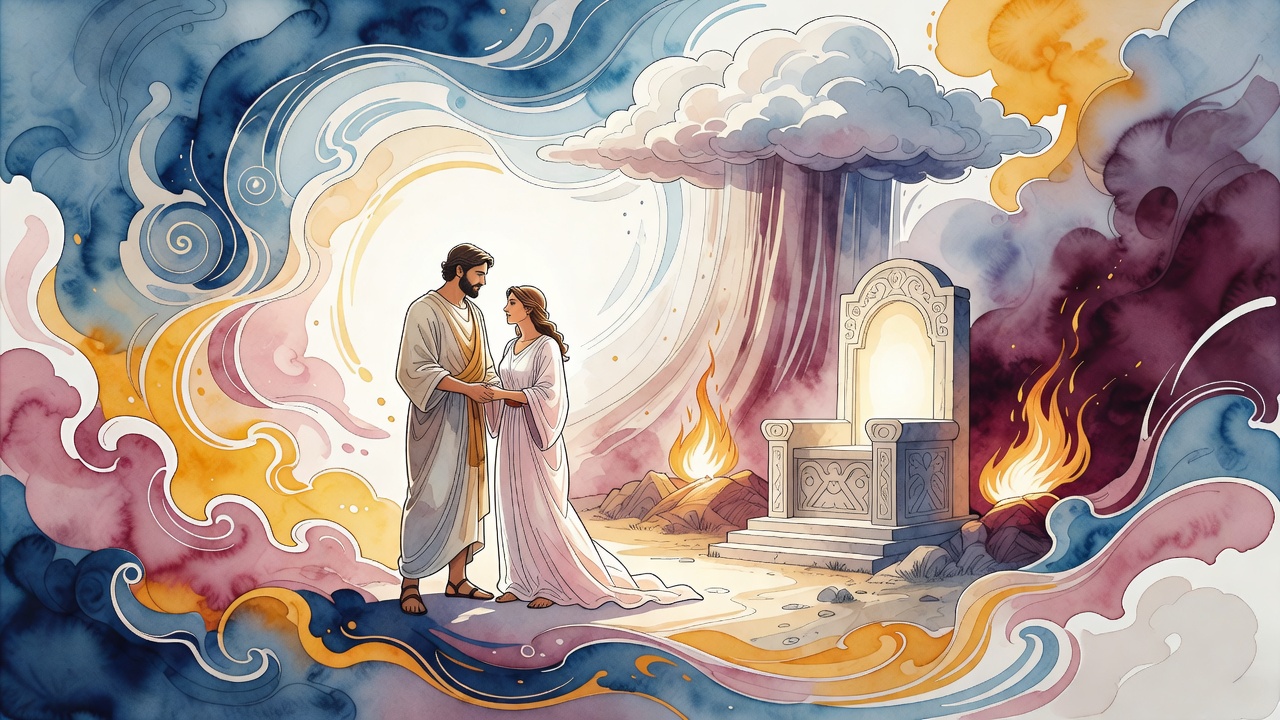
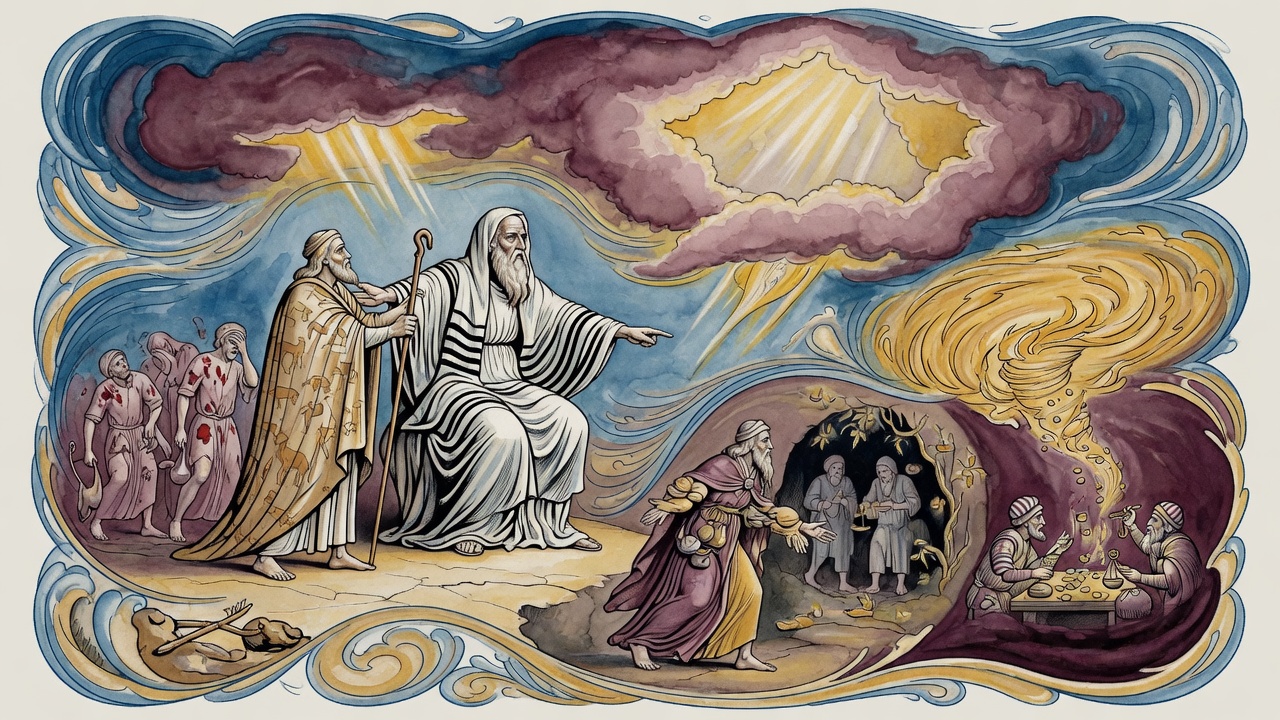
The rich man pulled his son close and made the room smaller with one sentence. Never take an oath. Not in court. Not in the market. Not to save a dinar that feels like life itself.
The son nodded the way sons nod when a father is dying and the world still feels solid under the bed. Then the father was gone, and the swindlers came with claims against a dead man's name, papers that smelled of oil and greed.
They demanded oaths. He refused. They took everything the law allows a man without an oath to lose. House, fields, the furniture of a life arranged over decades. He kept his father's word and watched the roof leave his head as if roofs were optional weather.
Prison, Linen, and a Ship
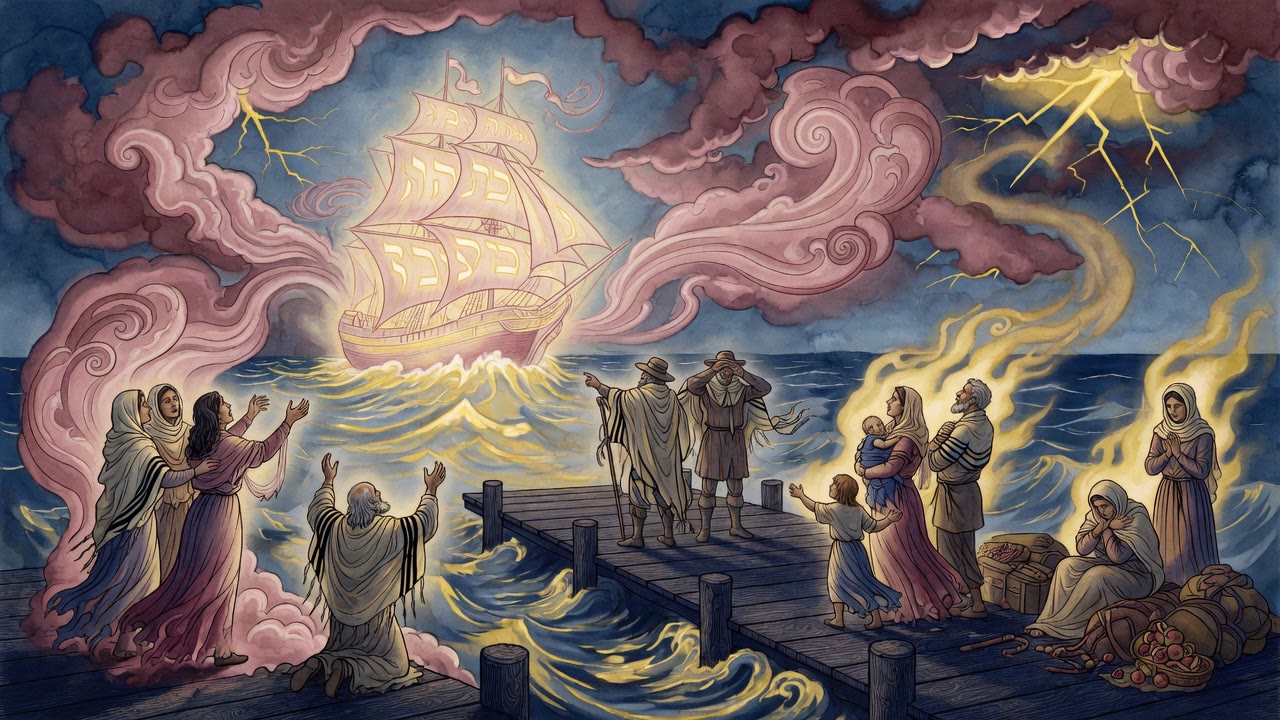
Another creditor claimed a single dinar. Still no oath. Prison closed with a sound like a cheap joke. His wife washed linen for coin until her hands cracked. A captain saw her beauty the way some men see cargo, paid her to wash his clothes, then set sail with her still aboard while the water widened like a betrayal.
The eldest son brought the dinar to the jail and bought his father's freedom with a price already soaked in theft of a different kind. The family tried to start again on the road. Starting again is a cruel verb when the sea has already chosen a member.
The River Splits a House
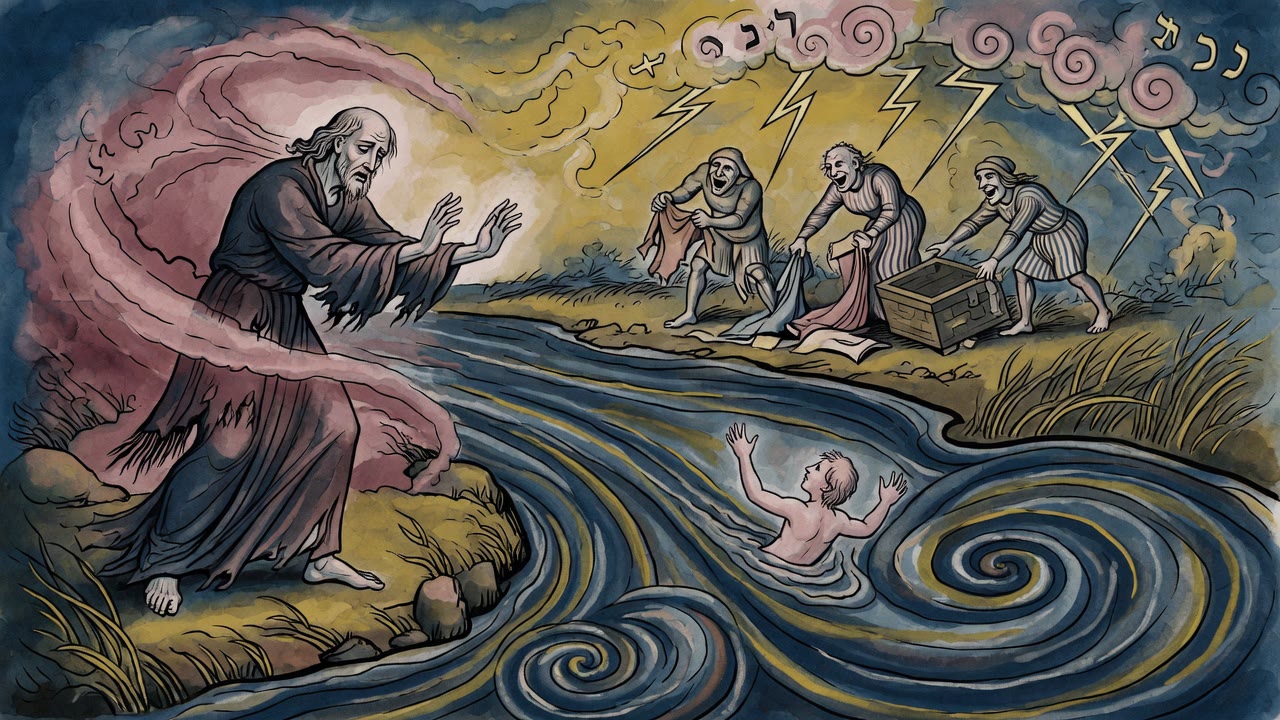
At a river the father stripped, set the youngest on his back, and swam with a mouth full of river and prayer. Midstream the current took the boy as if the water had fingers. A plank found the older son's hands. Two shores. Two weeping children who could see each other and not cross. A boat of captors closed the gap and claimed both before the father could finish drowning in grief without finishing the swim.
He crawled naked into a town that wanted no scholar and needed a shepherd. He led sheep along the water and remembered too much with every step. One day he cast himself into the river to end the remembering. Snakes and scorpions drove him back as if the water itself refused his resignation.
The Eagle Names the Treasure
A voice called his name. An eagle told him his time to rise had come. Treasure waited under his feet like a sentence deferred. Buy the river. Build a town. He did, with hands that still remembered prison iron and wet wool.
Merchants came. The boat that held his sons came too. He took the boys into the palace without naming himself, watching their faces for the river's old terror. Later the boat that held his wife arrived with the captain. The king invited the captain to dine and sent two trusted servants to watch the woman left behind on the deck.
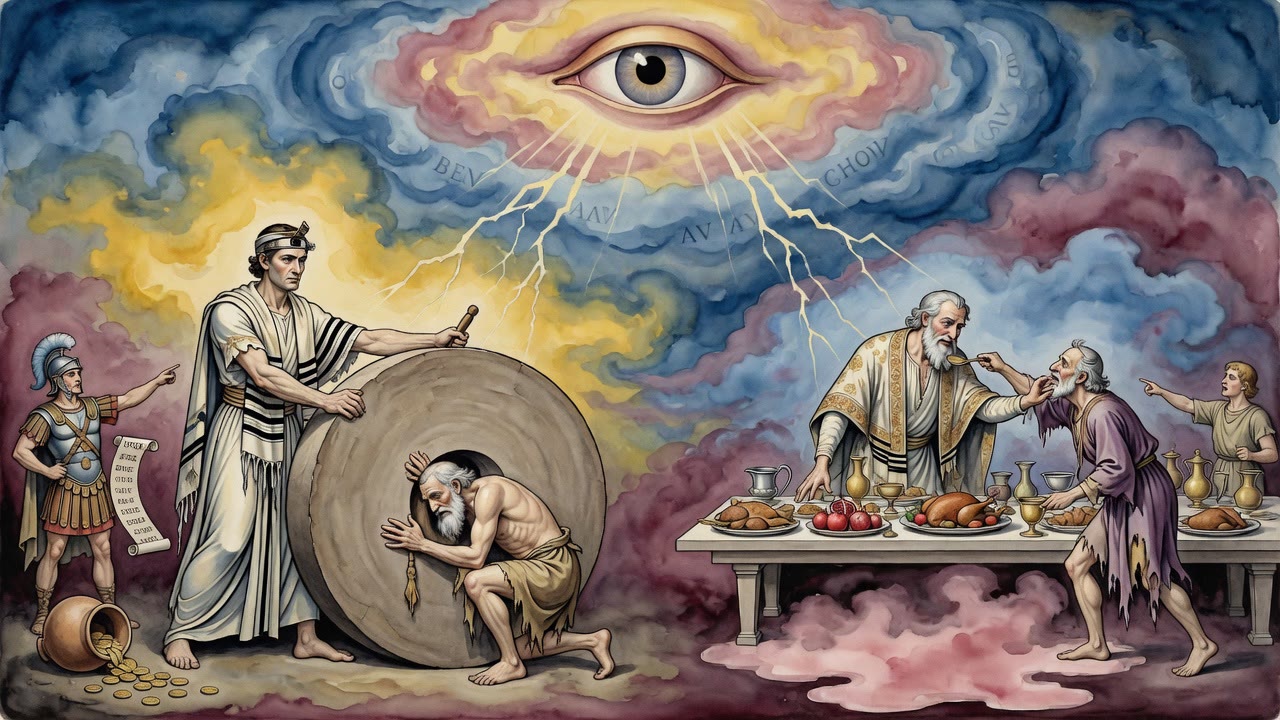
Night talk undid the years. The boys wept over a ship that felt like the one that stole their mother. She overheard and wept until morning made a court of it. Accusations. Recognition. The captain confessed he had carried her off but never touched her. The king freed him and closed the circle with the family that oaths and thieves and water had tried to erase.
Why a Word Binds Harder Than Gold
Beside this wandering tale the legal midrash on vows presses the same hinge from another angle. What a person speaks to God must be done. The court is charged to make the speaker perform. Offerings, consecrations, even the quiet understandings of a worker eating grapes in a vineyard without filling his own basket, all turn on spoken and unspoken bonds.
The son who would not swear kept one vow until it cost him a kingdom of losses and returned him a kingdom of another kind. The law of vows insists that mouths build worlds. His mouth built a cage, then, by refusing the easy key of a false oath, left a door heaven could still open with an eagle and a river that would not let him die early.
On the throne he sometimes touched the place where river cold had lived. He paid workers fairly and hated false oaths in his courts with a heat that made scribes careful. A vow kept in poverty had become a kingdom's spine.
When petitioners later demanded he swear them to trivial claims, he remembered the dinar that opened a prison and the captain's deck and the night his sons' voices rebuilt a family. Words outlive furniture. Sometimes they outlive despair and still ask a king to keep the same refusal that once made him poor.
← All myths