Levi Opened His Mouth and Torah Left Him
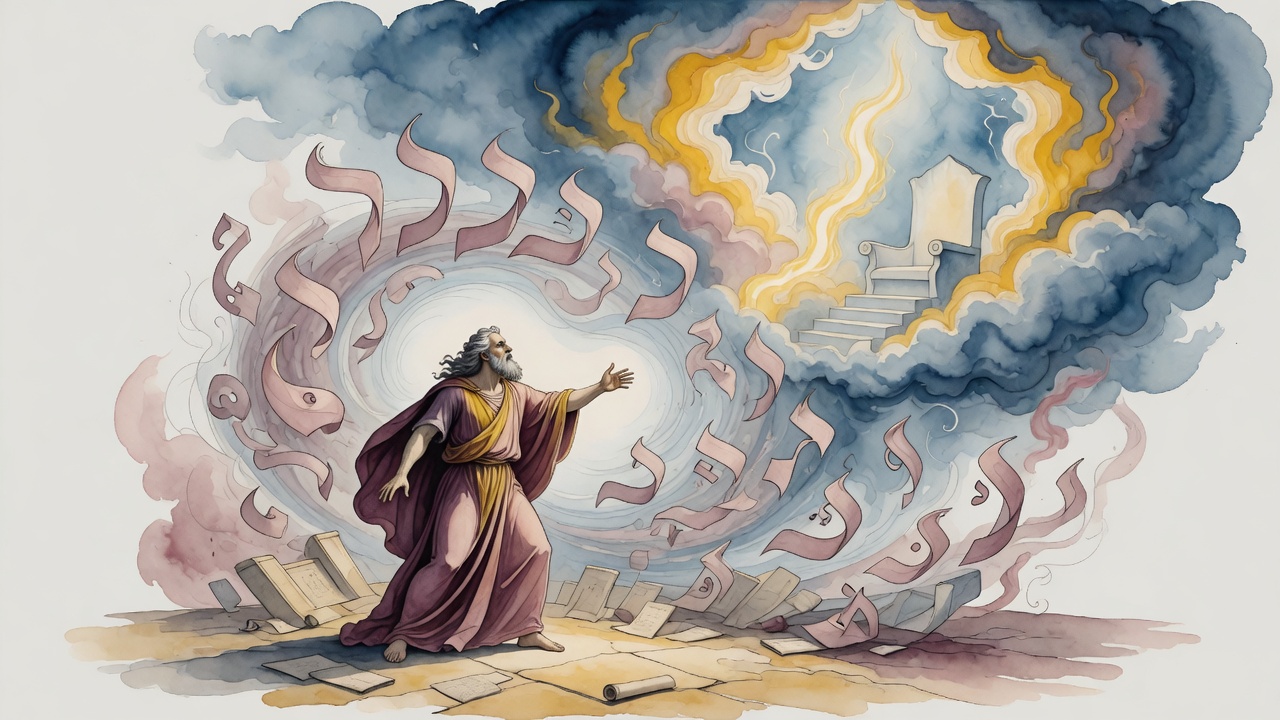
Levi ben Sisi arrives in Simonia as the academy's star. Pride sits down with him. When the questions come, his mind is empty.
Table of Contents
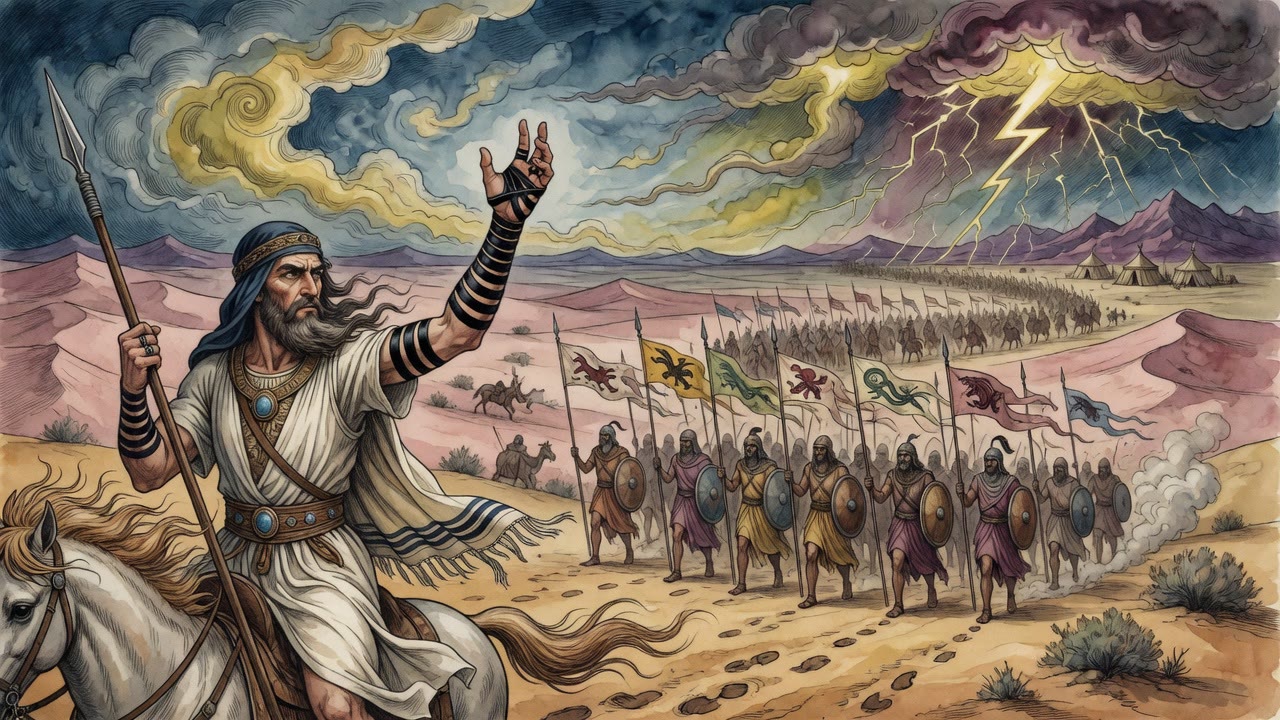
Rabbi Judah HaNasi needed a teacher for Simonia. The town wanted a man who could teach Torah, decide law, and steady a community that sat far from the academy's noise. He chose Levi ben Sisi, one of the sharpest minds under his hand. Levi left with the confidence of a man who knew his own worth. He had been selected by the greatest sage in Israel. He was bringing light to a place that sat in the dark.
 Click for full size
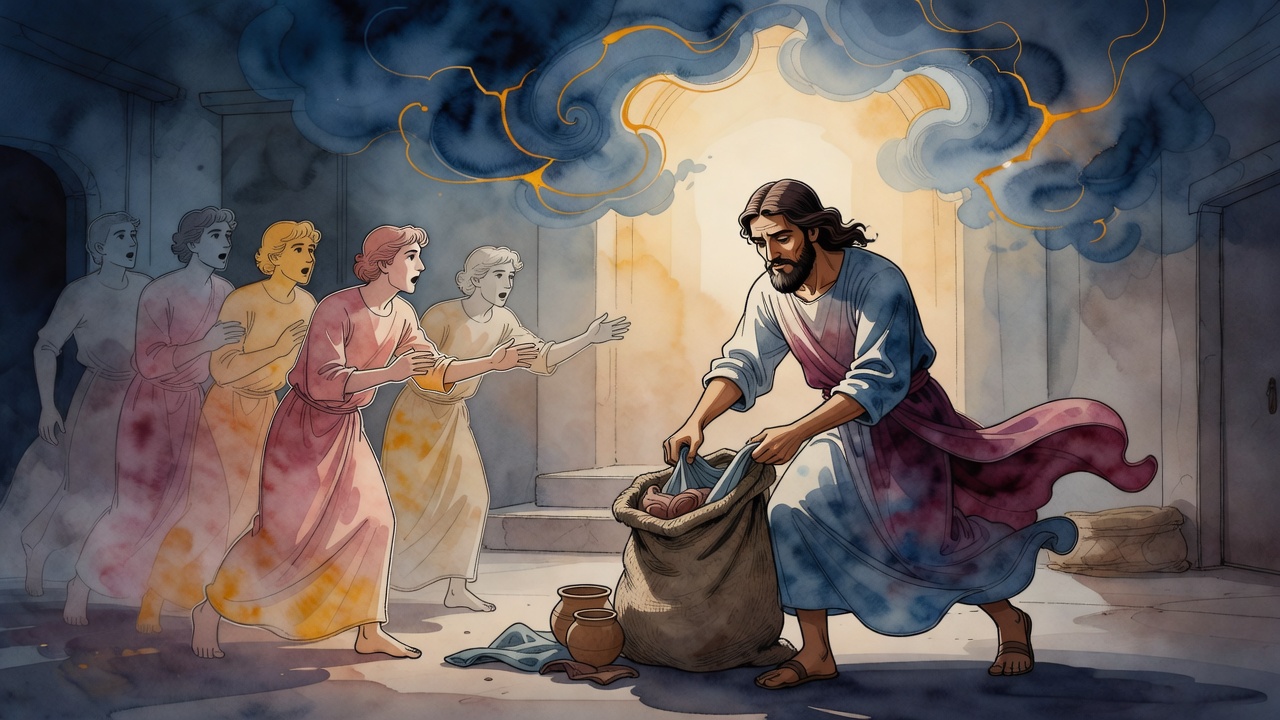
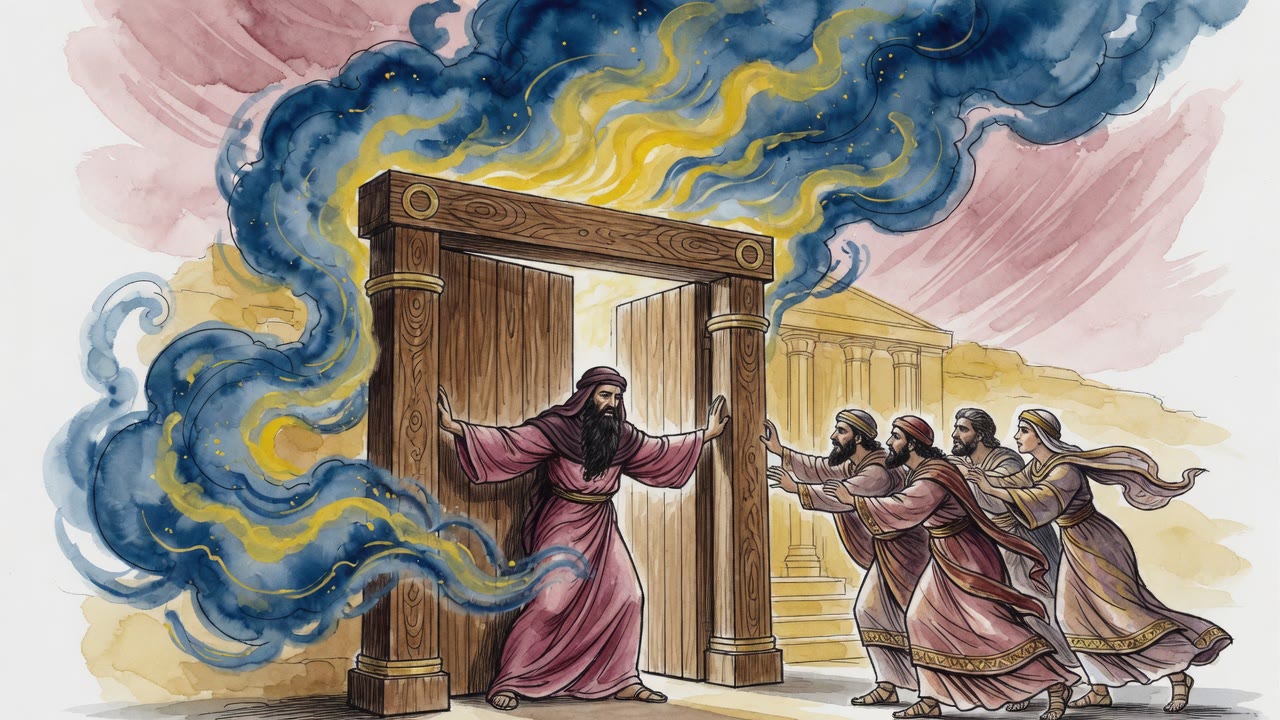
He arrived and took the seat of honor without waiting to be asked twice. The townspeople brought their questions. Hard cases. Knots of law that needed more than memory. Inheritance. Purity. A quarrel over a field boundary that had already broken two families. Levi opened his mouth.
Nothing came out.
The Lender Calls the Debt
His mind was blank, as if the learning had been drained overnight into some pit he could not see. Simonia sent a bewildered message back to Rabbi Judah: the man you sent us cannot answer. Rabbi Judah was astonished. The sages later named the cause without soft edges. The moment Levi was promoted, pride entered. He began to think of himself as the source of his wisdom rather than a vessel through which God's Torah flowed. The moment he claimed ownership of what had never been his, God reclaimed it.
Only when Levi stood empty and ashamed, stripped of pretension in front of the people he had meant to impress, did the knowledge return. Wisdom is a loan, not a possession. Forget that, and the Lender calls in the debt with a silence no academy training can fill.
The Moon Accepts the Night
Heaven has another picture of smallness rewarded. The moon agreed to rule the dimmer shift. For that modesty, God surrounds her with stars. When she rises they rise. When she sets they set. A king gives the lesser governor an escort precisely because he accepted a single city instead of a province.
Levi had been offered a single town and treated it like a throne room. The moon takes the night and receives a retinue. Levi took the honor seat and lost the words. Joktan's very name hints at making oneself small, and he received thirteen founding families. Ephraim made himself small and received the firstborn's blessing under Jacob's crossed hands. In God's economy, shrinking yourself is how you get crowned. Inflating yourself is how the crown is lifted off while you are still smiling.
The students who later heard the story felt the chill in their own spines. Promotion is a test as sharp as any legal knot.
The Judge Who Needs Nothing
The same tradition draws a line between two kinds of authority. A king, in one reading of Proverbs, is a man who needs nothing. Nobody can buy him because there is nothing he is waiting to receive. A judge who carries himself that way steadies the land. Justice flows clean because the channel is not bent toward favor, gift, or applause.
The priest in the image is not wicked, but he lives by going among the threshing floors for the portions owed him. He depends on goodwill. A "man of gifts" forever expecting something from the people before him will lean toward the hand that feeds him. Such a judge does not build. He tears down the thing a court exists to hold up.
Levi arrived needing applause. That need was already a bribe taken from his own heart before any coin crossed a palm. The questions that should have been light became stones in his mouth. Simonia watched a brilliant man discover that brilliance without humility is a cup with a hole.
Empty Chair, Full Lesson
Picture the room in Simonia. Dust light through a high window. Faces waiting. Levi's hands on the table. The silence stretching until it becomes a verdict on him. A child in the back shifts. Someone coughs. Pride does not always look like a sneer. Sometimes it looks like a gifted man settling into the best chair before he has earned the town's trust.
When the knowledge returned, it came to a smaller man. That was the point. The academy told the story so every student would feel the blank mind and check his own ribs for swelling. Torah is given. Torah is taken. The vessel that forgets it is clay will find itself empty on the day the town needs water.
Levi learned. The midrash does not say Simonia forgot. Neither should anyone who sits down first and speaks second.
In the weeks after, Simonia still told the story with a mixture of awe and warning. A man can carry half the academy in his head and still go mute if he mistakes the seat for the source. The blankness was not stupidity. It was a repossession. Anyone who has ever felt a name on the tip of the tongue and lost it knows a thin version of that fear. Levi felt the thick version, with a town watching and a message already on the road back to Rabbi Judah.
← All myths