Translation of the source text.Pesikta Rabbati, ed. Meir Friedmann (Ish-Shalom), Vienna 1880 · Public Domain
"Hear the word of the LORD, O house of Jacob, and all the families of the house of Israel" (Jeremiah 2:4). Scripture says, "If they hear and serve Him, they shall spend their days in good... but if they do not hear, they shall pass away by the sword" (Job 36:11-12). If Israel hears the Holy One, blessed be He, and serves Him, they fill their days with goodness, as David said, "The days of our years are seventy years" (Psalms 90:10), and as Moses said, "The number of your days I will fulfill" (Exodus 23:26). You find that in two years the land produced abundant fruit unlike anything it had produced in all the days of the world: one year when they entered the land, as it says, "They came to the valley of Eshcol and cut down from there a branch with one cluster of grapes" (Numbers 13:23). Some say sixteen men carried it, as laborers carry, four by four. And one year when they were exiled from the land, as it is written, "Ten men were found there, and they said to Ishmael: Do not kill us, for we have hidden stores in the field, wheat, barley, oil, and honey; so he refrained and did not kill them among their brothers" (Jeremiah 41:8). They had no place to put these things, so they hid them in the field. So too it is written, "houses full of all good things, which you did not fill" (Deuteronomy 6:11), and another verse says, "Better were those slain by the sword than those slain by hunger" (Lamentations 4:9). Had they heard, it would have been theirs. Another interpretation of "If they hear and serve... but if they do not hear, they shall pass away by the sword": "Send them out from before Me, and let them go forth" (Jeremiah 15:1). Therefore: hear the word of the LORD. Another interpretation of "Hear the word of the LORD." Solomon said, "I praised the dead who are already dead" (Ecclesiastes 4:2). Why did Jeremiah say to them, "Hear the word of the LORD, O house of Jacob"? He said to them: Hear while you are alive, before you die, for I know that if you do not hear the word of the LORD now, you are destined to hear it in Babylon after you die and become dry bones, as it says, "O dry bones, hear the word of the LORD" (Ezekiel 37:4). Hear in your lifetime, before you die. Hear the word of the LORD. Another interpretation: "Hear the word of the LORD," so that if evil reports come upon you they will not harm you. So it says, "He shall not fear evil tidings" (Psalms 112:7). Why? "His heart is fixed, trusting in the LORD" (Psalms 112:7). But if you do not hear, see what is written: "Thus says the LORD: We have heard a voice of trembling" (Jeremiah 30:5). So too Ezekiel says, "When they say to you, Why do you sigh? you shall say: Because of the tidings, for it comes, and every heart shall melt and all hands shall grow weak" (Ezekiel 21:12, Hebrew numbering). Therefore: hear the word of the LORD.
Another interpretation: "Hear the word of the LORD" speaks of the verse, "Hear your father who begot you, and do not despise your mother when she is old" (Proverbs 23:22). Whatever your father tells you, you are obligated to hear from him. But if he says to you, "Let us bow to idolatry," do not hear him. Why? Because "this begot you," so that you should not deny, "This is my God, and I will glorify Him" (Exodus 15:2). Another interpretation: "Hear your father who begot you," as Moses says, "You forgot the Rock who begot you" (Deuteronomy 32:18). Another interpretation: "Hear your Father in heaven," who treats you like an only son. If not, He treats you like servants, as it says, "Do you thus repay the LORD, O foolish and unwise people? Is He not your Father who acquired you?" (Deuteronomy 32:6). When you do His will, He is your Father and you are His son. If not, against your will and not for your good, He is your Owner and you are His servant, as it says, "Is Israel a servant? Is he a homeborn slave?" (Jeremiah 2:14). Therefore hear Him, and it will be good for you: "Hear your father"; "Hear the word of the LORD, O house of Jacob." Another interpretation: "Hear the word of the LORD." Ecclesiastes said, "It is better to hear the rebuke of the wise" (Ecclesiastes 7:5). The Holy One, blessed be He, said: I made you equal to the heavens, as it says, "As the new heavens and the new earth... so shall your seed and your name remain" (Isaiah 66:22). To the heavens I spoke a word, and they fulfilled it, as it says, "By the word of the LORD were the heavens made" (Psalms 33:6). But you do not hear. Another interpretation: "Hear now the word of the LORD," house of Israel. You have nullified all the commandments. I said, "I am the LORD your God" (Exodus 20:2); "They denied the LORD and said, He is not" (Jeremiah 5:12). I said, "You shall have no other gods" (Exodus 20:3); "According to the number of your cities were your gods, O Judah" (Jeremiah 2:28). I said, "You shall not take the name of the LORD your God in vain" (Exodus 20:7); "Though they say, As the LORD lives, surely they swear falsely" (Jeremiah 5:2). I said, "Remember the Sabbath day, to sanctify it" (Exodus 20:8); "My Sabbaths they profaned" (Ezekiel 20:21). I said, "Honor your father and your mother" (Exodus 20:12); "Father and mother they treated lightly within you" (Ezekiel 22:7). I said, "You shall not murder, you shall not commit adultery, you shall not steal" (Exodus 20:13); "Will you steal, murder, commit adultery, swear falsely, and burn incense to Baal?" (Jeremiah 7:9). I said, "You shall not bear false witness against your neighbor" (Exodus 20:13); "False witnesses have risen against me, and one who breathes violence" (Psalms 27:12). I said, "You shall not covet your neighbor's house" (Exodus 20:14); "They covet fields and seize them" (Micah 2:2). My people, you have nullified all the commandments. Even if you kept one commandment, I would forgive you. Which one is it? The Sabbath day. So He says to Jeremiah, "Do not carry a burden out of your houses on the Sabbath day" (Jeremiah 17:22), and, "If you do not listen to Me to sanctify the Sabbath day" (Jeremiah 17:27). Therefore it says, "Hear the word of the LORD, O house of Jacob," and "word" means nothing other than Sabbath, as it says, "from pursuing your affairs and speaking a word" (Isaiah 58:13). So too Scripture says, "Speak to the children of Israel, saying: Surely My Sabbaths you shall keep" (Exodus 31:13).
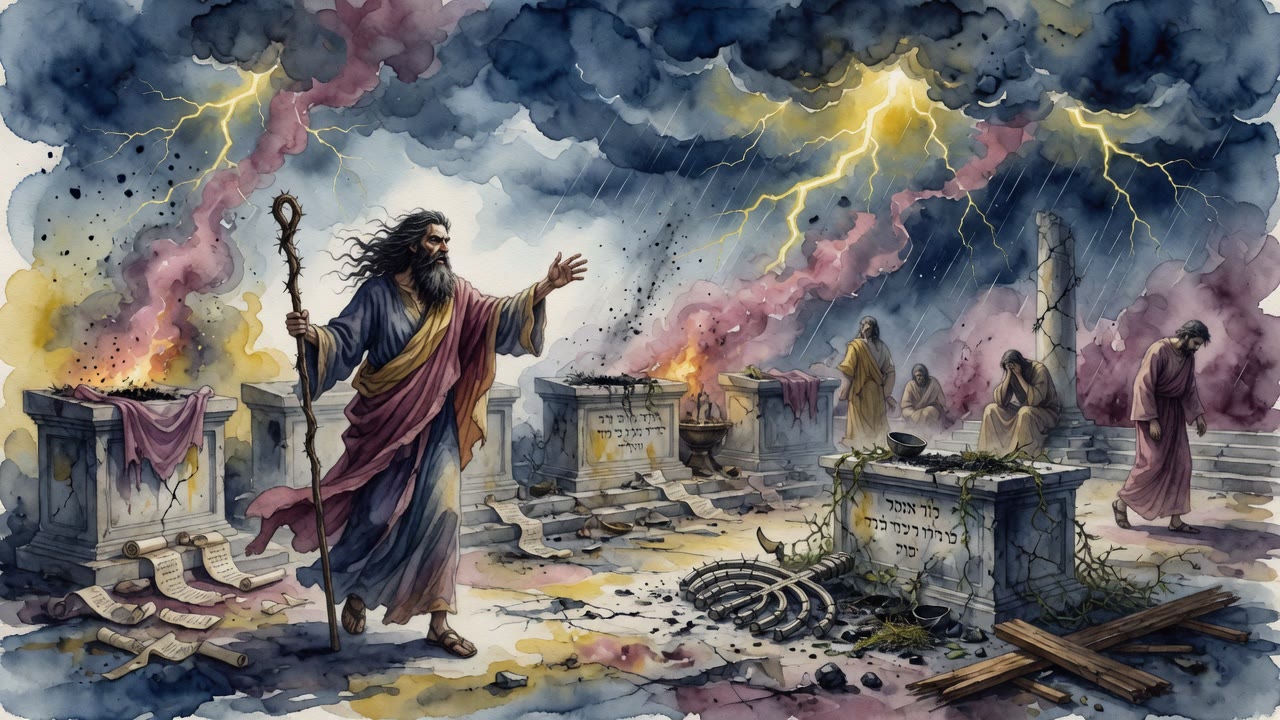
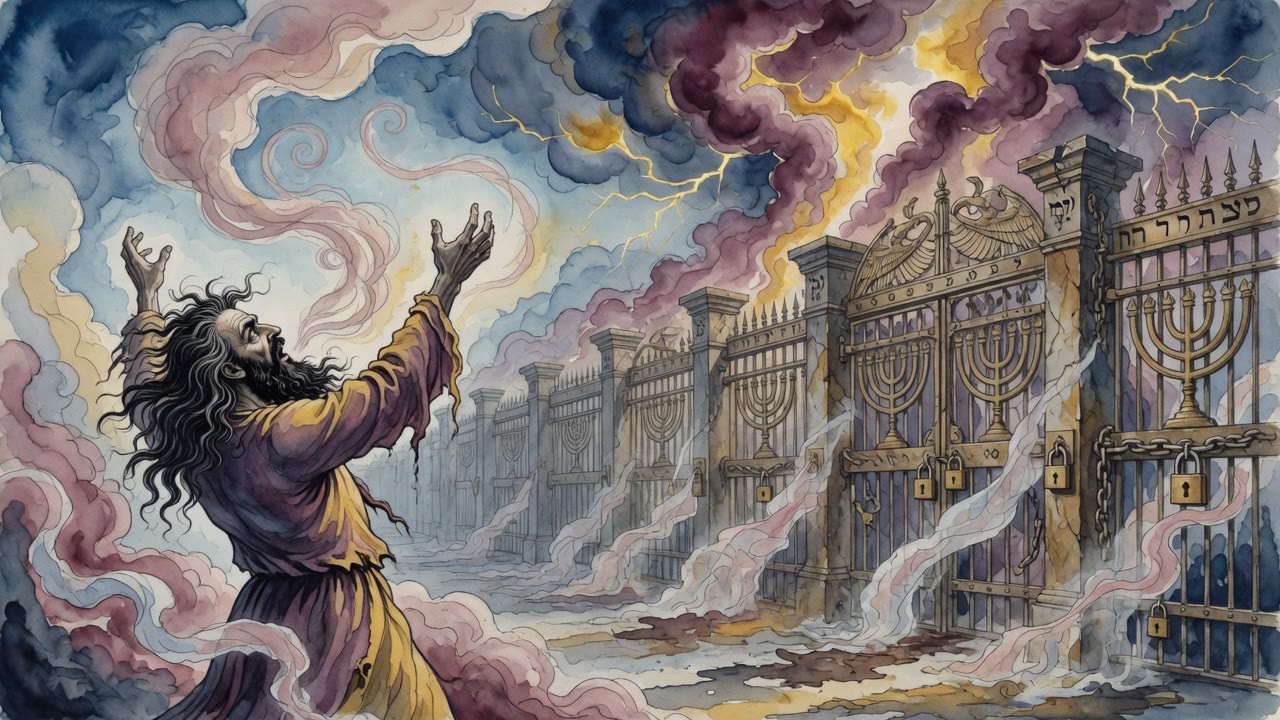
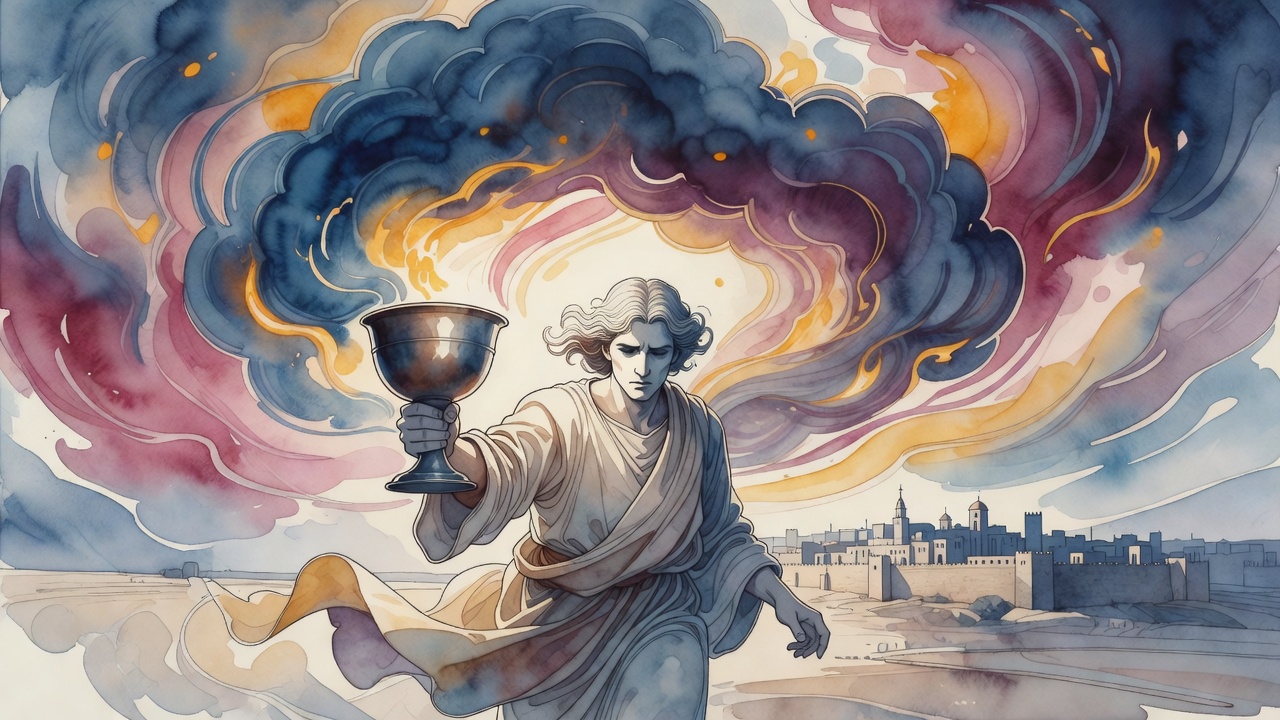
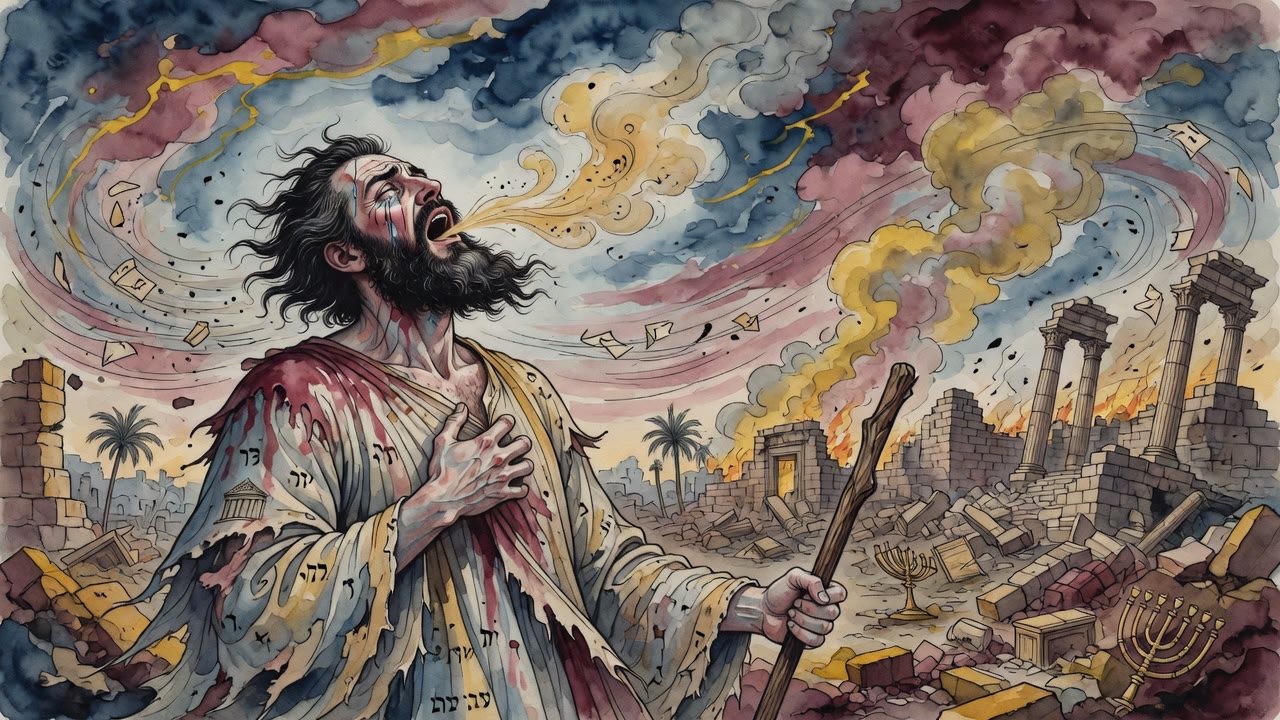
(27-28) "And King Zedekiah son of Josiah reigned... but neither he, nor his servants, nor the people of the land, listened to the words of the LORD which He spoke by Jeremiah the prophet" (Jeremiah 37:1-2). This is what Scripture says: "When a wicked man dies, his hope perishes" (Proverbs 11:7). Woe to the wicked. Even while they are growing, creatures cry, "Woe, woe." When Zedekiah became king, Zion said, "Woe, now my end is complete." Jeremiah said: Master of the universe, what sins were in my hand, that among the prophets who stood before me and those destined to stand after me, You destroyed Your house through none of them except through me? What did Jeremiah do? He went around the gates of Jerusalem and said there: The Holy One, blessed be He, told me, "Do not say, I am a youth" (Jeremiah 1:7), while they say, "Do not prophesy in the name of the LORD" (Jeremiah 11:21). He said to them: I too do not seek to mention Him, but what can I do? His word is in my heart like burning fire, like a woman seated on the birthstool. "I said, I will not mention Him, nor speak any more in His name, but it was in my heart like a burning fire, shut up in my bones" (Jeremiah 20:9). "Shut up" here means distress, as it says, "For the LORD had surely shut up" (Genesis 20:18). What did Jeremiah do? He went around crying, "My innards, my innards, I writhe; the walls of my heart, my heart roars within me; I cannot be silent" (Jeremiah 4:19). Jeremiah said: For this distress I was prepared. The Holy One said to him: Before I created the world, you were prepared for this matter, as it says, "Before I formed you in the womb" (Jeremiah 1:5), and "before" means before the world was created, as it says, "And every shrub of the field before it was in the earth" (Genesis 2:5). Another interpretation of "King Zedekiah reigned": Such was the conduct of the daughters of Jerusalem. They would turn about and see young men sitting outside, and they would clap and strike with their feet, as it is written, "They walk with stretched-forth necks... mincing as they go and making a tinkling with their feet" (Isaiah 3:16). They would neigh after them like well-fed horses, as it says, "They were as fed horses in the morning" (Jeremiah 5:8). Another interpretation of "King Zedekiah reigned": Why was the House not destroyed in the first month, nor the second, nor the third, nor the fourth, but in the fifth? When He sought to destroy it in the first month, the merit of Isaac stood up. Isaac said: Master of the universe, remember the binding, when I was bound before You and a lamb was given in place of a lamb. When He sought to destroy it in the second, the merit of Abraham stood up, as it says, "Abraham ran to the herd" (Genesis 18:7). When He sought to destroy it in the third, the merit of Jacob stood up, as it says, "The boys grew" (Genesis 25:27). When He sought to destroy it in the fourth, the merit of Moses stood up. He said: Master of the universe, this crab lives only from water, and I was saved from water. But when He came to destroy it in the fifth, no one could appease Him, for the fifth is called lion, as it says, "A lion has come up from his thicket" (Jeremiah 4:7). He destroyed the House, which is called lion, as it says, "Woe, Ariel, Ariel" (Isaiah 29:1), and He struck Israel, who are called Ariel, as it says, "He shall rise up like a lion" (Numbers 23:24), in the month called Ariel, because they nullified the words of Ariel, as it says, "A lion has roared; who will not fear?" (Amos 3:8). The angels said before the Holy One, blessed be He: Master of the universe, is this not Jerusalem, of which it is said, "This is Jerusalem; I have set her in the midst of the nations" (Ezekiel 5:5)? He said to them: "She rebelled against My judgments more wickedly than the nations" (Ezekiel 5:6). They said to Him: They are Your people and Your inheritance, whom You brought out with Your great power (Deuteronomy 9:29). He said to them: "My people have forgotten Me; they burn incense to vanity" (Jeremiah 18:15). They said to Him: Act for the sake of the fathers. He said to them: "The fathers kindle the fire" (Jeremiah 7:18). They said to Him: Act for the sake of the children. He said to them: "The children rebelled against Me; they did not want to listen to Me" (Ezekiel 20:21). They said to Him: Act for the sake of the tribe of Judah. He said to them: "Judah did evil" (1 Kings 14:22). They said to Him: Act for the sake of the great ones. He said to them: "Her heads judge for a bribe" (Micah 3:11). They said to Him: Act for the sake of the tribes. He said to them: Gad, Reuben, and half the tribe of Manasseh also sinned against the LORD their God. They said to Him: Act for the sake of the tribe of Dan. He said to them: "The children of Dan set up the graven image" (Judges 18:30). They said to Him: Act for the sake of the students. He said to them: "Those who handle the Torah did not know Me" (Jeremiah 2:8). They said to Him: Act for the sake of the prophets. He said to them: "Because of the sins of her prophets, the iniquities of her priests" (Lamentations 4:13). They said to Him: Act for the sake of the kings. He said to them: "The chariots that the kings of Judah had made" (2 Kings 23:12). The ministering angels said to Him: Act for our sake. He said to them: "They mocked the messengers of God" (2 Chronicles 36:16). They said to Him: Act for the sake of Your name that is called upon them. He said to them: They profaned My holy name. They said to Him: If You do not wish to be appeased, what is the image of their Father doing with You? "He cast from heaven to earth the glory of Israel" (Lamentations 2:1). What is this utterance with which they clothed You doing upon You? Were the matter not written, it would be impossible to say it: "The LORD has done what He planned; He has fulfilled His word" (Lamentations 2:17). They said to Him: Master of the universe, is this not Jerusalem, concerning which You wrote, "Behold, I have engraved you upon the palms of My hands" (Isaiah 49:16)? He said to them: "I too will strike My palm against My palm, and I will cause My fury to rest" (Ezekiel 21:22, Hebrew numbering). When Zion saw that He did not wish to be appeased, she began and said, "Zion said: The LORD has forsaken me, and the Lord has forgotten me" (Isaiah 49:14). May it be Your will, LORD our God and God of our fathers, that You build Your Temple speedily in our days, return Your Shekhinah within it, gather my exiles from the four corners of the earth, and that the cities of Judah be built, inhabited, and inherited soon. Amen.

 Click for full size