Jeroboam's Hand Withered Against the Prophet
At Bethel's illicit altar Jeroboam seized toward the man of God, and his arm dried in midair until he begged the same prophet to heal him.
Table of Contents
 Click for full size
Two Altars, One Wrong Fire
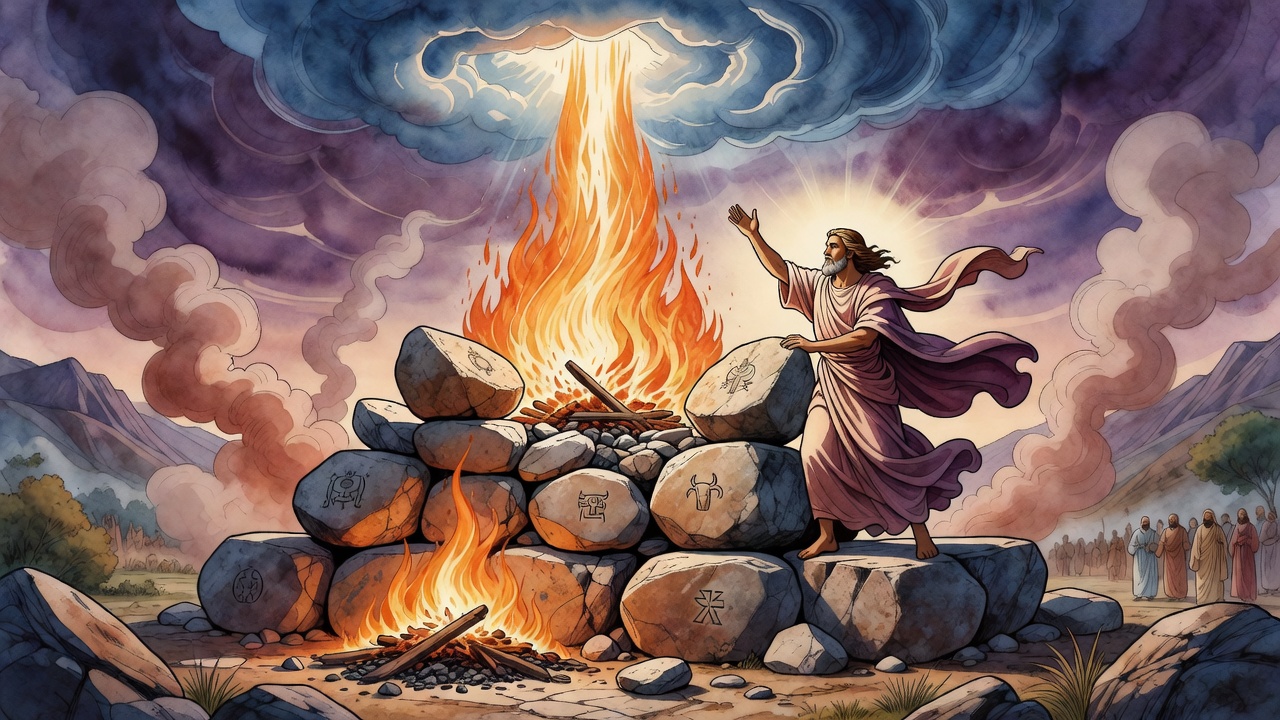
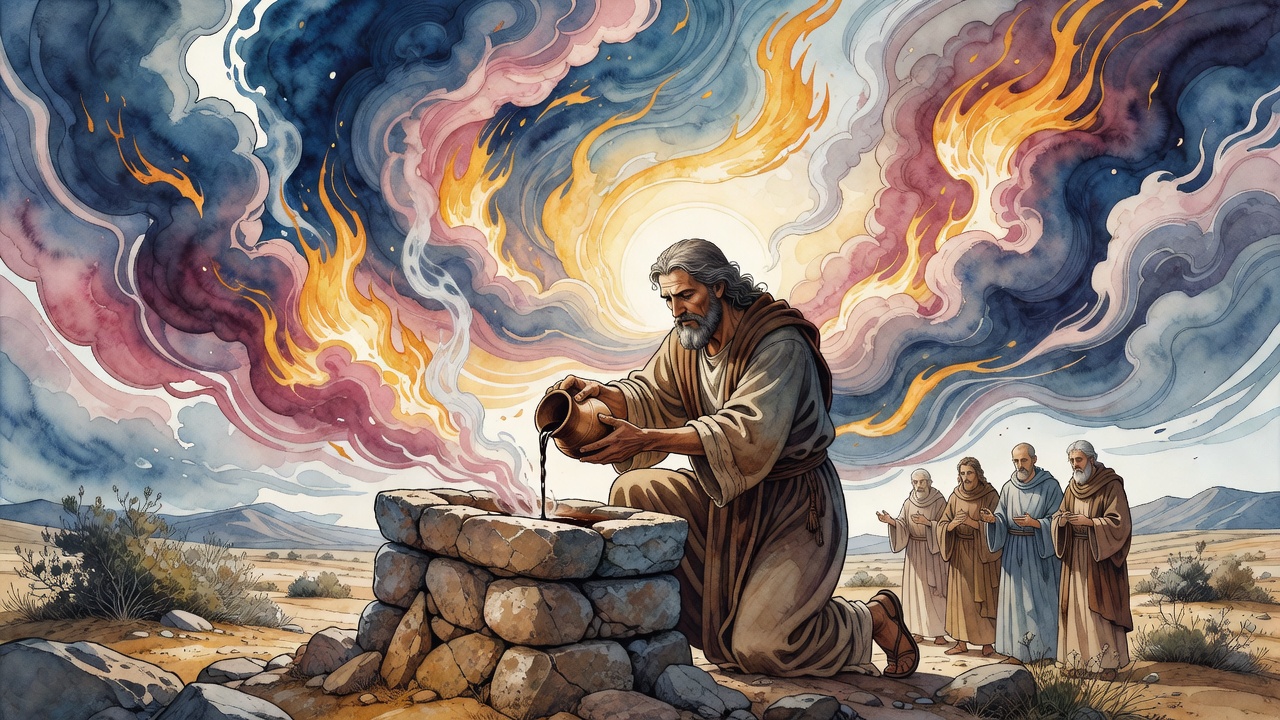
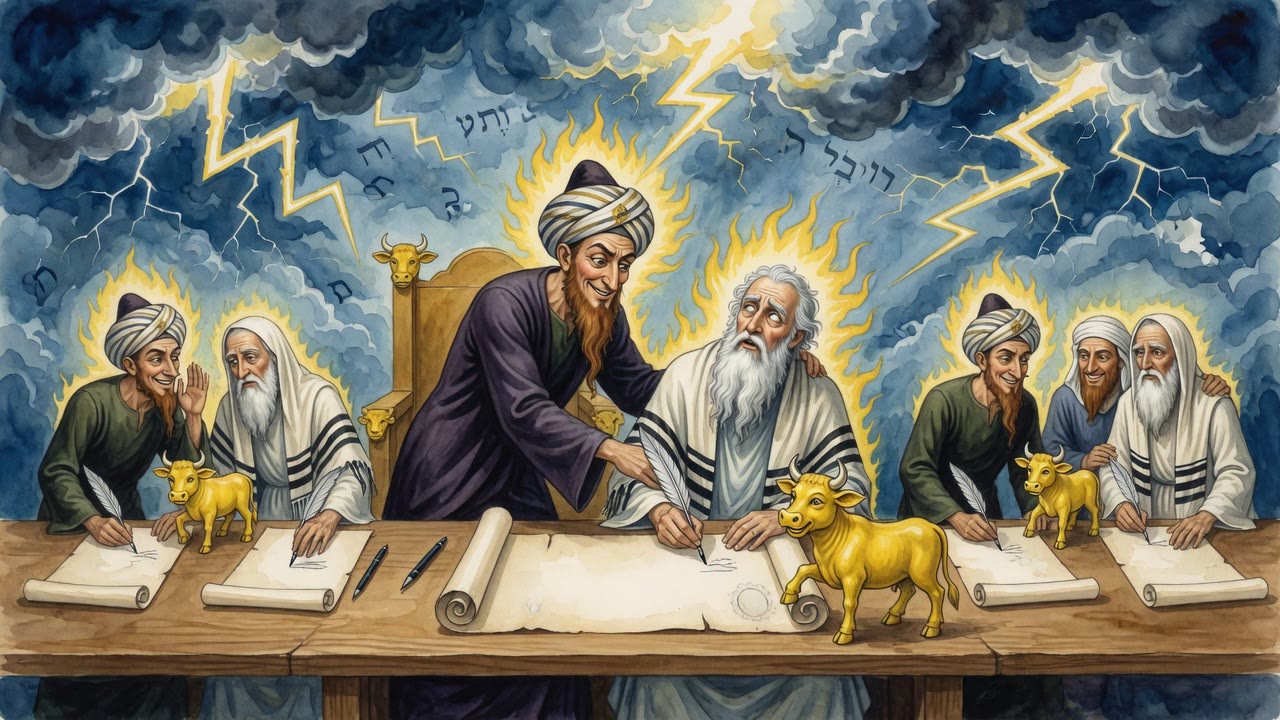
Jeroboam stood by the altar at Bethel to offer, a king who had split the kingdom and then split the worship to keep the split from healing. Dan had its high place. Bethel had its high place. Two altars for a people who had been trained toward one House. The gold calves watched with the patience of expensive mistakes.
A man of God came out of Judah by the word of the Lord and cried against the altar itself. "O altar, altar." The double call, said the sages, marked the pair of illicit sites, Bethel and Dan, as if stone could hear its own indictment twice (I Kings 13:1-2).
Bones on the Future Calendar
The prophet named a son who was not yet born. Josiah of the house of David would one day sacrifice the priests of the high places upon this very structure and burn human bones on it. The verse said "man's bones," not "Jeroboam's bones." Even in judgment the speaker kept a measure of respect toward the crown, a thin courtesy that did not soften the sentence.
Jeroboam heard the future of his altar and reached for the present of his power. His hand went out from the altar toward the man of God. "Lay hold on him." The gesture was simple. Arrest the mouth. End the scene. Restore the festival's control.
The Arm That Forgot How to Return
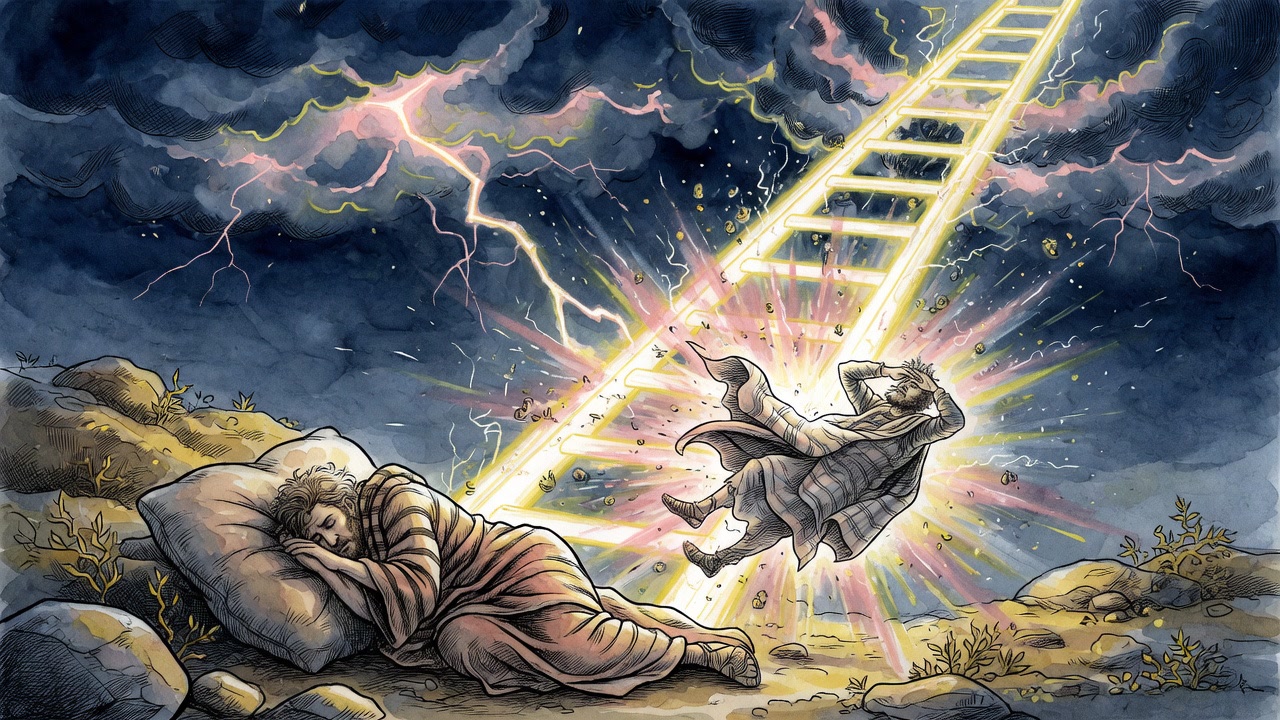
The hand dried in midair. Muscle and will failed together. He could not draw it back. The king who had raised an arm against a prophet found the arm no longer taking orders from a throne. Around him the illicit fire still burned. The calf still shone. None of that gold could flex a finger.
The midrash draws a hard line of honor. When Jeroboam sacrificed to idols, his hand did not shrivel. Heaven endured much from creatures who bow to wood and stone. When he stretched that same hand against a righteous man, the hand failed. God protects the honor of his righteous ones even when he waits long on other insults.
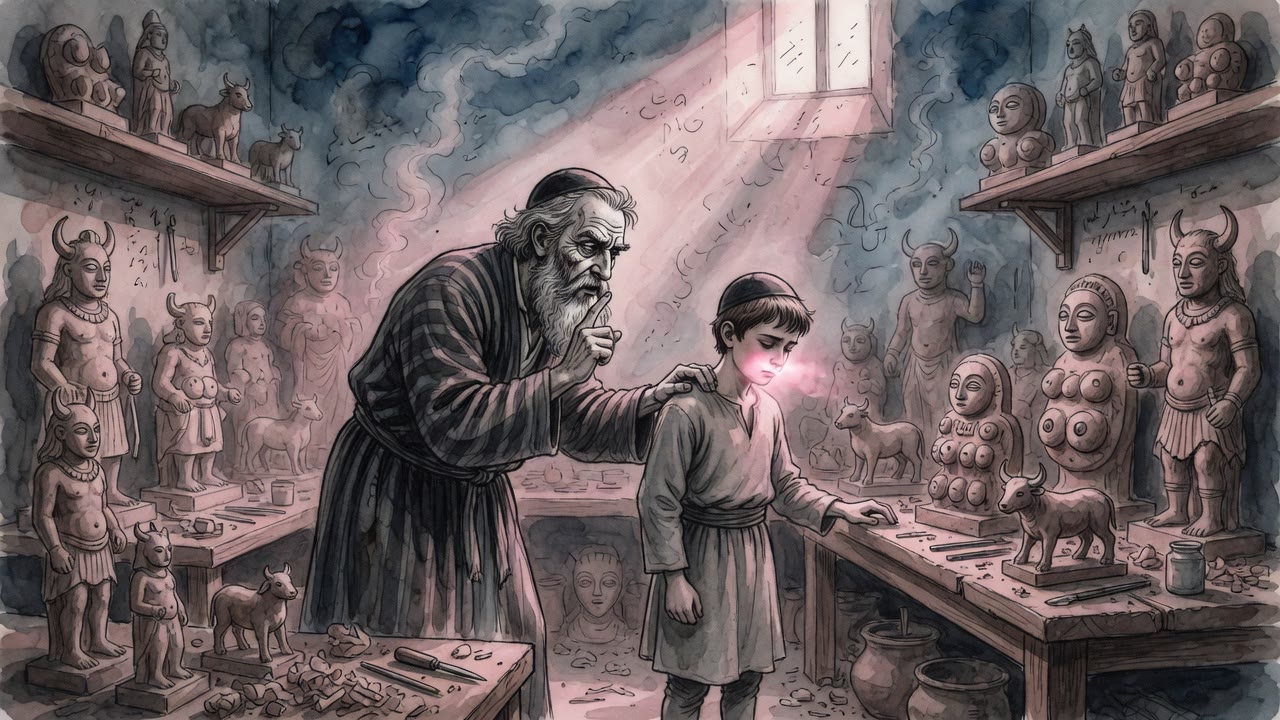
Vanity had already been named in older books. They say to a piece of wood, "Thou art my God," and to a stone, "Thou art my Lord and my deliverer," and they have no heart to understand. Jeroboam's altar was that error with a royal budget. The withered arm was the budget meeting a boundary.
Thy God, Not My God
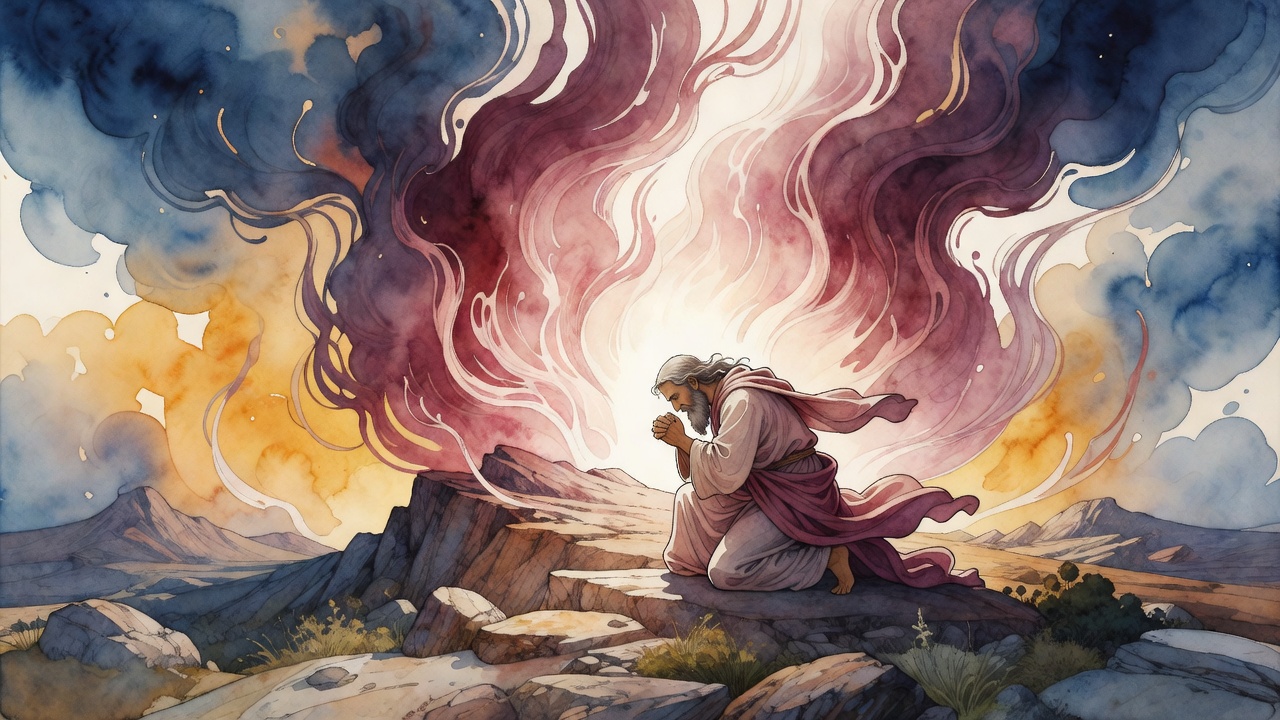
"Entreat now the favor of the Lord thy God, and pray for me," the king said to the man he had tried to seize (I Kings 13:6). One amora heard the pronoun like a confession of distance. Thy God, not my God. Another answered that a man standing mid-sacrifice to an idol could hardly call the Lord "my God" without the words choking. Either way the king needed the prophet's mouth more than he needed his own soldiers.
The man of God entreated. The hand was restored and became as it was before. Power returned to the limb that had been a weapon a moment earlier. Mercy did not equal approval of the calves. It equaled a temporary reopening of a body so the king could feel the difference between a living arm and a living word.
What a True Altar Looks Like
Far from Bethel's theater, another memory of altar-work stays clean in Jewish telling. Ben Sira watches a high priest put on robes of honor and ascend the altar of majesty until the precinct itself seems more glorious. Olive and sap, fragrance and order, a people falling quiet under a blessing spoken in the Name. That is service under one God in one sacred grammar, not a political calf designed to stop pilgrimage to Jerusalem.
Jeroboam's altar imitated height and missed the point. It had fire and lacked truth. It had a king and lacked a withered-proof of heaven until the prophet arrived. When the arm failed, the imitation showed its seam.
The King With Two Working Hands Again
He left the scene with both arms functional and both altars still standing. Healing is not always repentance. The story freezes the moment when power tried to grab holiness and found its own sinews on strike. The prophet walked away under orders not to eat in that place. The king kept his festival for a while longer.
Somewhere ahead on the calendar, Josiah would still come for the bones and the priests. The double cry against the altar had already scheduled that day. Jeroboam's restored hand could not erase a future written on the stone he refused to abandon.
← All myths