Joseph Trusted the Butler and Heaven Held the Clock
Joseph ran a prison the way he had run a house. One request to a butler cost two years. Heaven kept the release clock when human memory failed.
Table of Contents
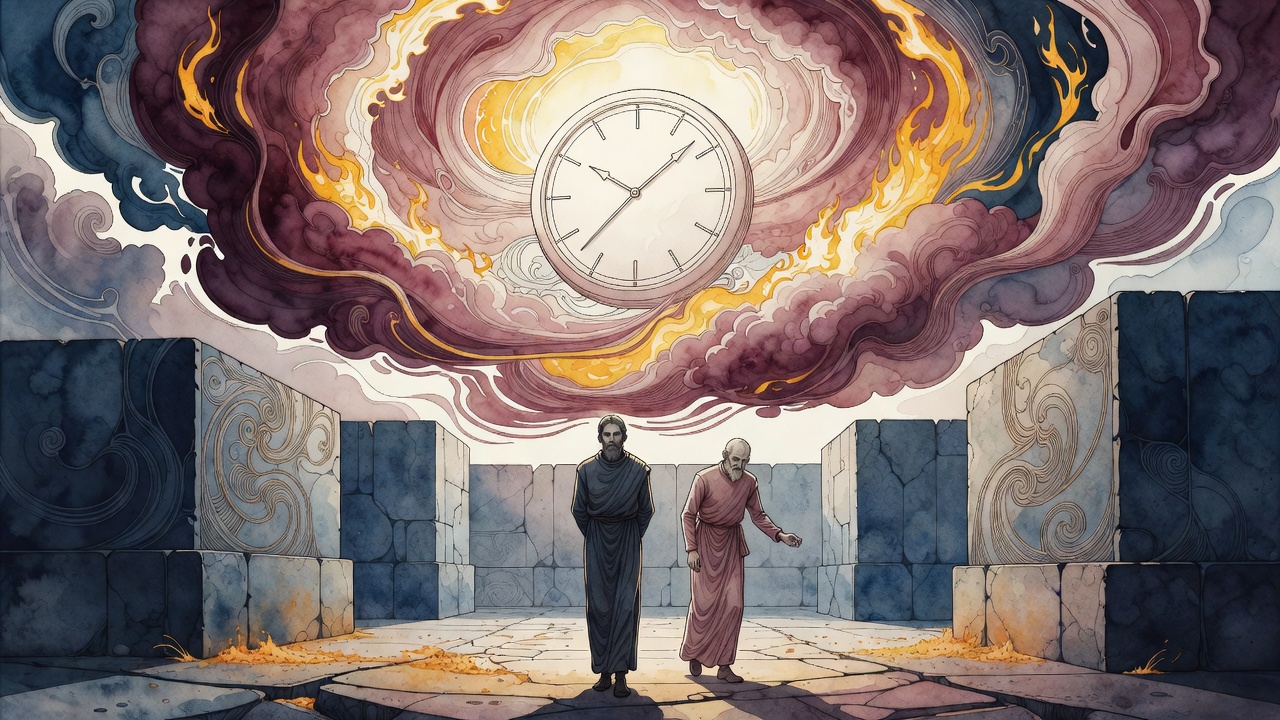 Click for full size
Sold Down With the Presence
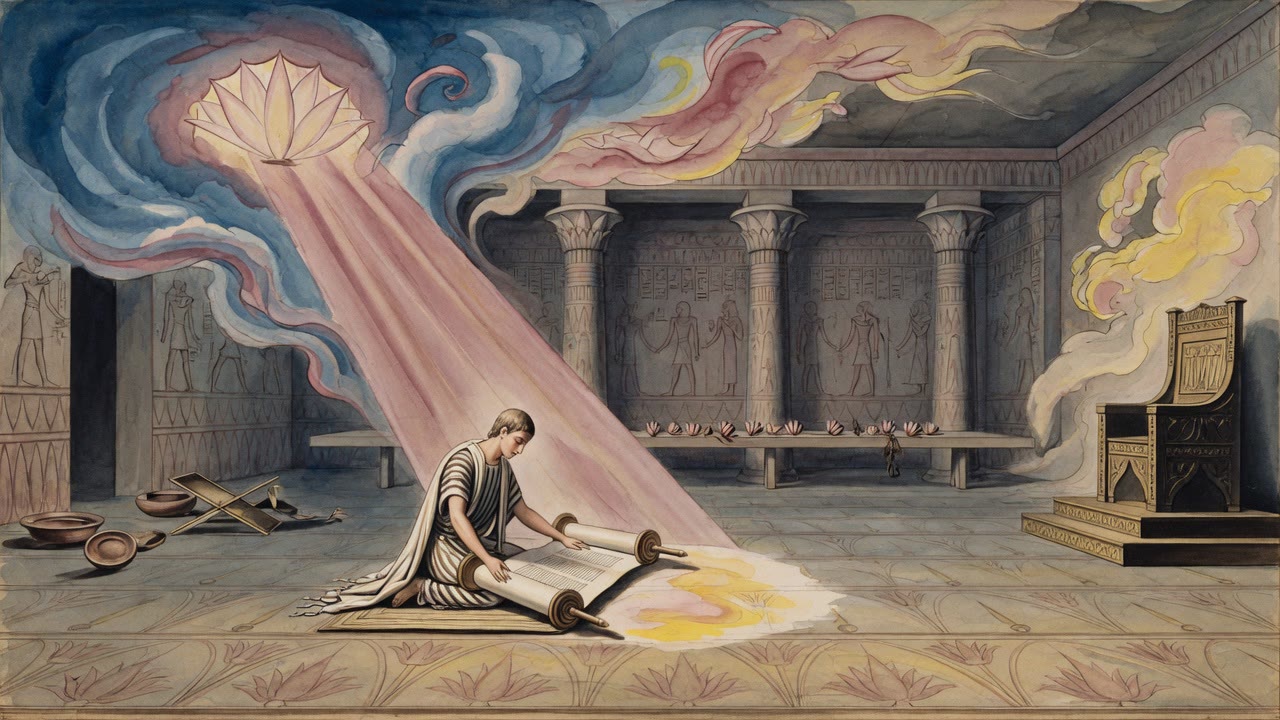
The caravan dragged Joseph south, rope on wrist, dust in teeth, and the word for his going down carried more than geography. He descended into Egypt. He also brought the Divine Presence down with him, so that even in a slave market the Shechinah (שכינה), God's dwelling nearness, did not abandon the road. Read the descent one way and a boy falls. Read it another and a son pulls the Presence after him into a house of idols, and one day will pull his father after him too.
Potiphar bought him, chamberlain of Pharaoh, a man who fattened calves for idol worship and practiced the market's usual cunning. The sale itself was soaked in deception. Elsewhere a Cushite was passed off as Egyptian to raise the price. Here the trick ran the other way. An Egyptian was dressed as something else, and the boy from Canaan entered a house that already knew how to lie about what it held.
Joseph did the work in front of him. Grain. Accounts. Keys. The free estate bent around a trustworthy hand until whatever was done there was done at his word. Altitude did not change the worker. Only the rooms did. In better chambers he still counted as carefully as if the walls were watching, because for him they always were.
Master of the Prison
Then the house broke. A false charge from a woman who would not hear no. A door that locked from the outside. Iron where linen had been. The captain of the prison looked at the same young man and reached the same conclusion Potiphar had reached in better rooms. He confided every inmate into Joseph's hands. Whatsoever was done there, Joseph commanded to be done.
The warden became a signature at the bottom of another man's orders. The righteous do not change when the scenery changes. Counting grain for an officer and counting prisoners for a jailer are the same work if the worker is the same. Order followed him into the dark the way the Presence had followed him into Egypt. Men who had lost names still found a schedule. Food arrived on time. Fights ended faster when the Hebrew walked the corridor.
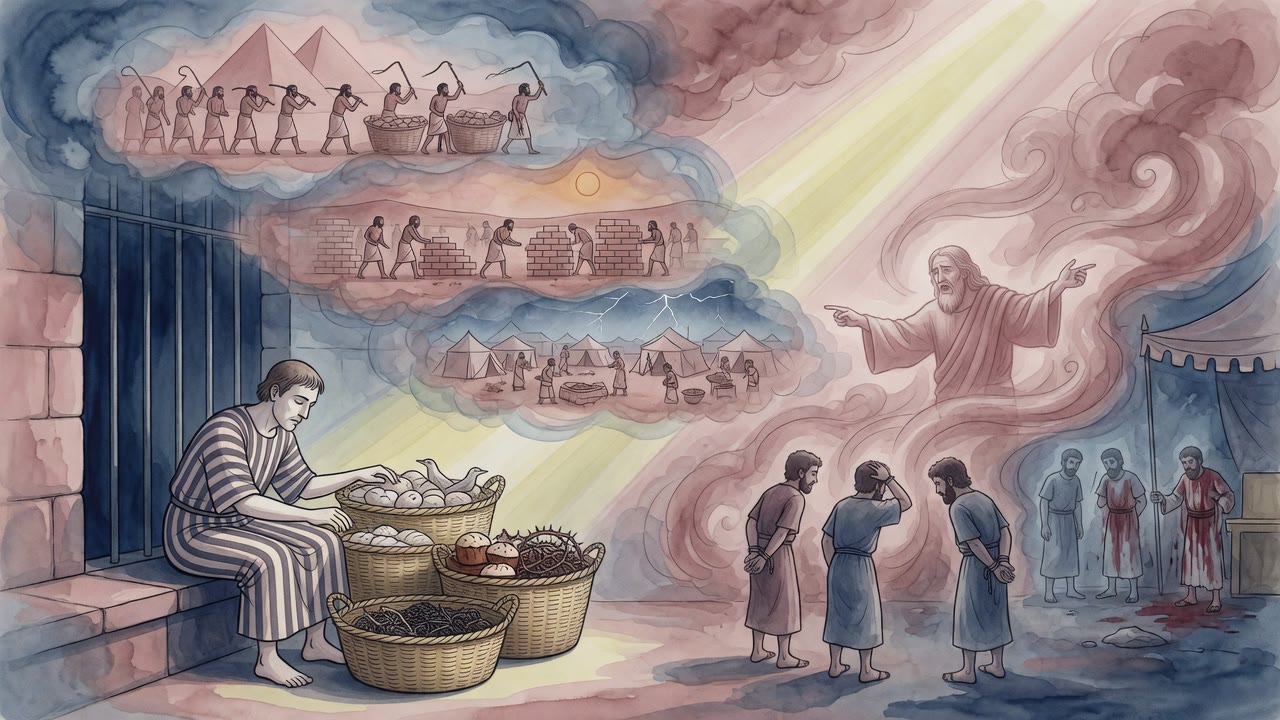
In that narrow world he met two courtiers with ruined dreams, the cupbearer and the baker, faces still powdered with court dust. He listened. He spoke. He asked one thing of the cupbearer who would return to Pharaoh's side.
"Remember me when it shall be well with thee. Make mention of me to Pharaoh, and bring me out of this house."
The Forgetfulness Heaven Used
The butler went free and forgot.
Not by accident alone. Because Joseph had withdrawn a little from the mercy that is above and put his confidence in flesh, the chief butler did not remember him, until from the Lord came the time of the end that he should be released. Human help is real. It is not the source. Heaven was patient and persistent in returning him to his posture. A single sentence of leaning on a courtier, and the silence that followed was instruction as much as punishment.
Two years exactly. Not a vague delay. A measured interval. If the butler had remembered six months in, Pharaoh would not yet have dreamed. The seven years of plenty and seven of famine would have misaligned. The whole plan of Egypt's survival and Israel's descent would have struck the wrong hour. Forgetfulness became a rest in the music, the silence that lets the next note land on the right beat. Prison days stacked like bricks. Joseph still ran the house of the locked. Heaven still counted.
When the Clock Struck
Only when the hour fixed above arrived did the courtier's memory wake, and it woke not from virtue but from need, when Pharaoh's dreams cracked the night and no magician could glue them. Joseph left the prison not because a man finally kept a promise, but because the Lord had finished counting. Standing later before Pharaoh he would say what the forgotten years had taught him: it is not man who interprets dreams; from before the Lord shall be an answer.
The boy sold with a lie, trusted in a palace, locked in a pit of bricks, handed every inmate, then left two years without a name on anyone's lips, learned the hardest timetable in Egypt. Heaven keeps the release. A butler's memory is only an instrument, and instruments play when the Conductor raises the hand.
In the dark he had still opened doors for others. In the light he would open granaries for a nation. Between those two open doors stood two silent years, and they were not lost years. They were the years that produced the man who would no longer lean first on a courtier's favor. When the door finally swung, the Presence that had come down with him was still in the room, and the clock that flesh could not read struck once, clean, on time.
← All myths