Jacob Told Pharaoh That His Own Days Had Been Few and Evil
Egypt shut its doors for seventy days. In the streets they named him Jacob the Holy, and counted the harvests they had eaten because of him.
Table of Contents
 Click for full size
Pharaoh Asked How Old He Was
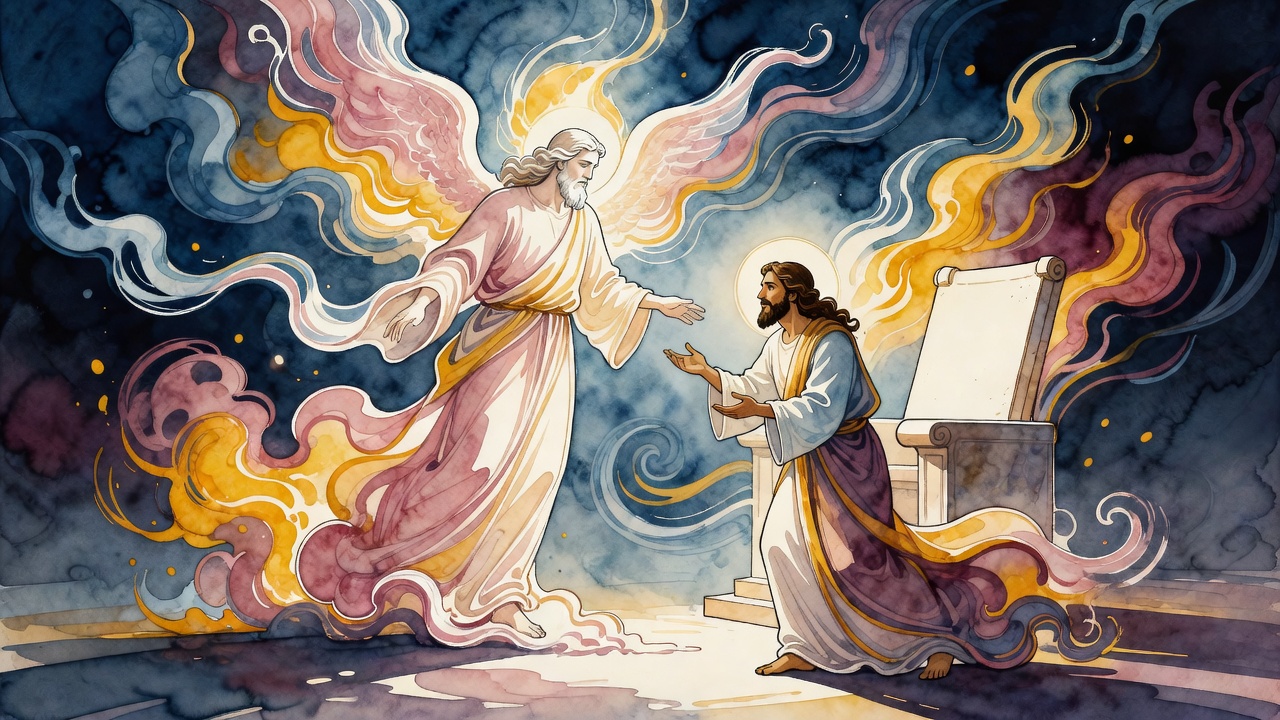
Joseph brought his father up the palace hall with a hand under the old man's elbow. He had talked about this man for months. Now the man was here, and Joseph was afraid the court would only see the limp.
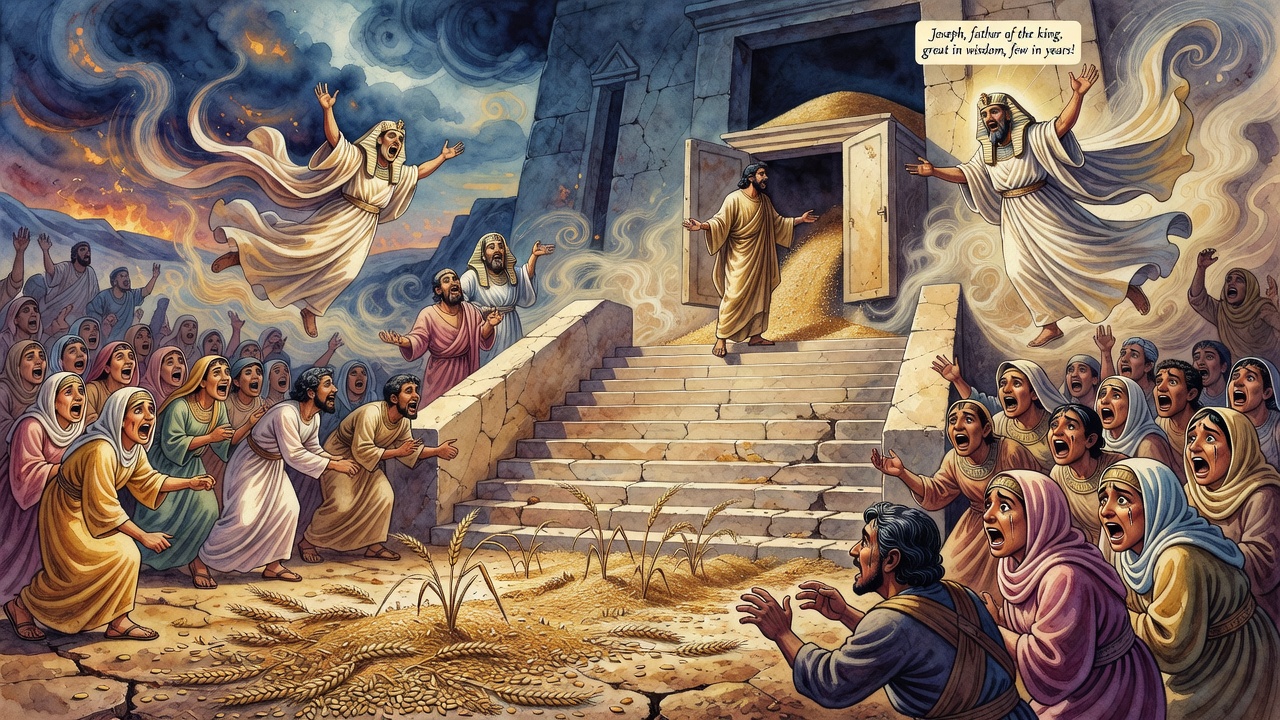
The hall smelled of grain. Sacks stood stacked against the walls. Officials who had spent two years watching the whole region crawl to Egypt for bread had learned to enjoy the view.
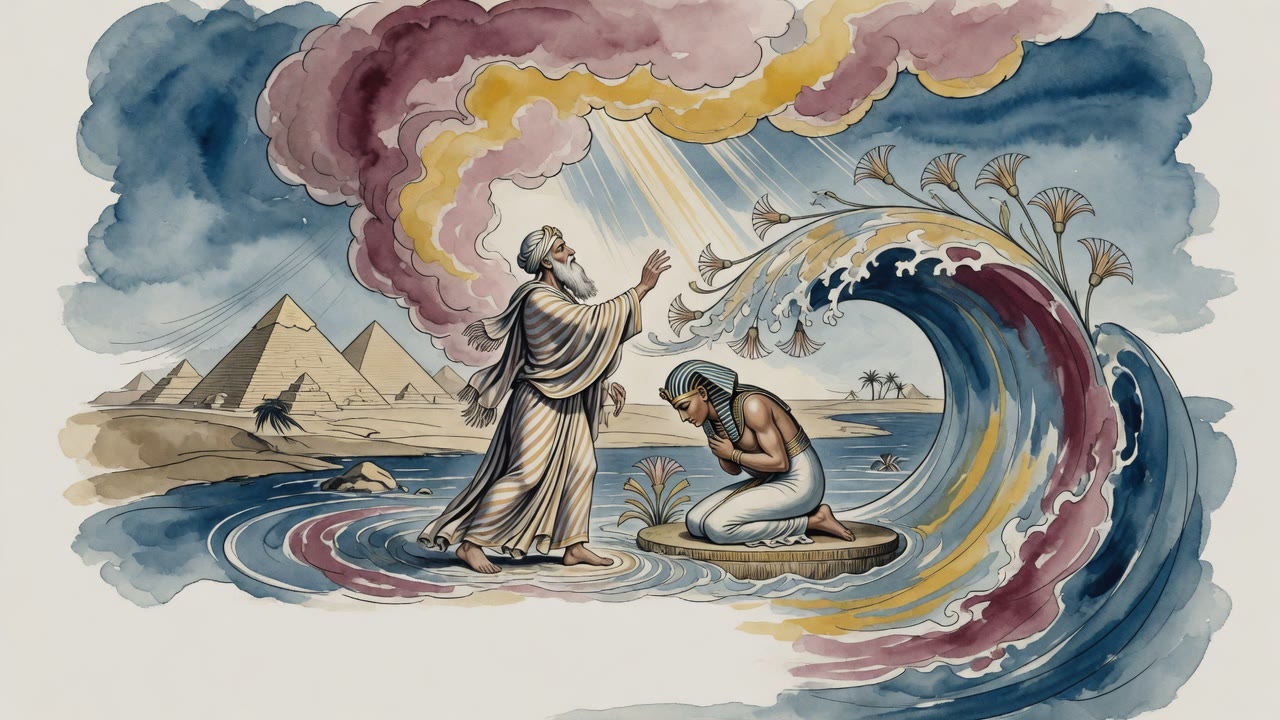
Pharaoh looked at the foreigner who had suddenly become important and asked the question kings ask. How many are the days of the years of your life?
Few and Evil in a Room of Grain
Jacob did not round the number up. He did not make it pretty.
"The days of the years of my sojourning are one hundred and thirty years. Few and evil have been the days of the years of my life. In my youth I fled before Esau my brother and lived in a land that was not mine, and now, old, I have come down to live in another one. And my days have not reached the days of the years of my fathers in the days of their sojourning."
A hundred and thirty years, and he called them few. He stood in the richest room on earth. He held the son he had spent twenty-two years believing was torn apart. He called the years evil anyway.
Abraham had lived a hundred and seventy-five years. Isaac had lived a hundred and eighty. Jacob measured himself against two men who had died full, and he could already see he was going to come up short.
He gave the word for his life as sojourning, not reign, not house, not harvest. A stay. The kind of arrangement that ends. He had lived in Canaan and in Haran and at Shechem and by the road to Ephrath, where he had buried Rachel in the open country, and none of it had been his address.
Pharaoh did not mock him. He gave the family Goshen, the best of the land, and let their flocks in.
The God Who Fed Him Until That Day
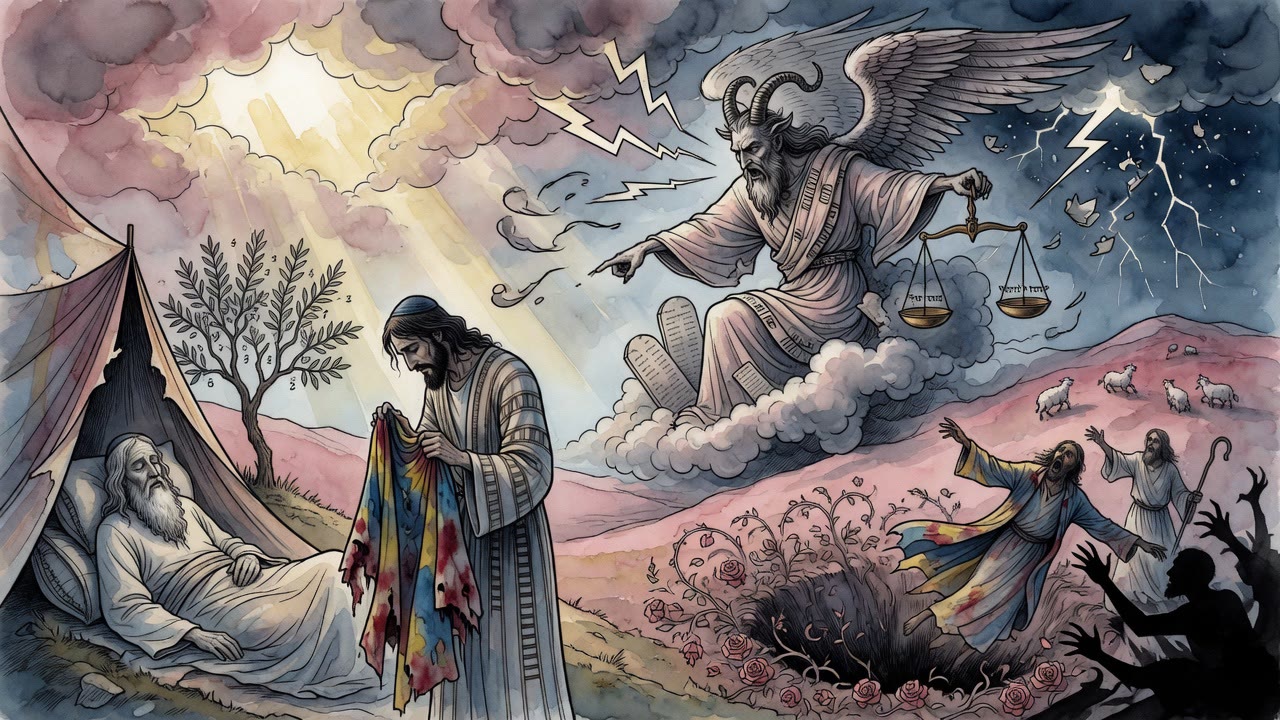
Years later Jacob lay blind in bed. Word came that Joseph had arrived with two boys. Jacob pulled himself upright to bless them.
He did not begin with their future. He began with who had gone before him. The God before whom my fathers Abraham and Isaac walked. Then he named the God of his own life, and what he chose to say was not the ladder at Bethel, not the wrestling at the ford, not the ram in the thicket that had spared his father.
"The God who has fed me since I have been, until this day."
Fed. The word a man uses about a flock. Not blessed. Not carried to greatness. Kept alive and given something to eat, one day and then the next, through Laban and through Esau and through famine and through the years he thought his son was dead.
Then he crossed his hands over the two boys, right hand onto the younger, and would not straighten them when Joseph took hold of his wrist to correct him. The man who had told Pharaoh his days were evil had not lost his grip on who had kept him through them.
Seventy Days of Weeping
When he died, the physicians took forty days over him, because forty days is what the embalming takes.
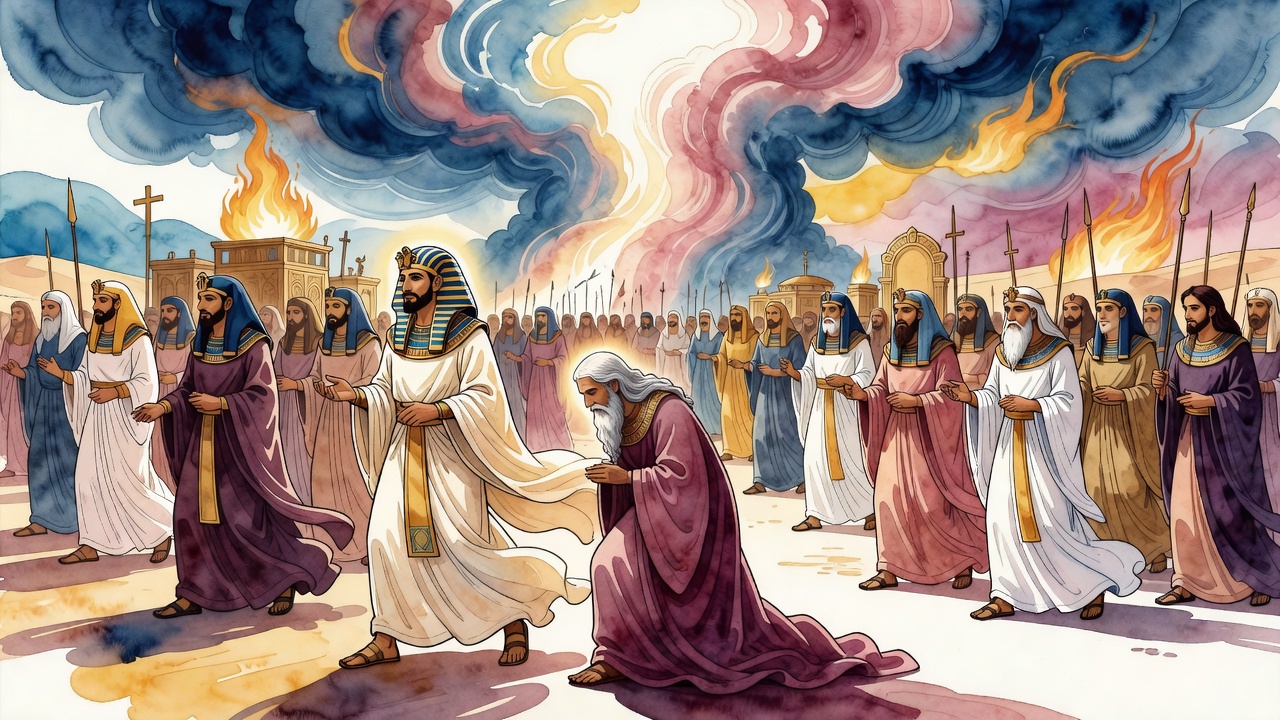
Then Egypt wept for him for seventy.
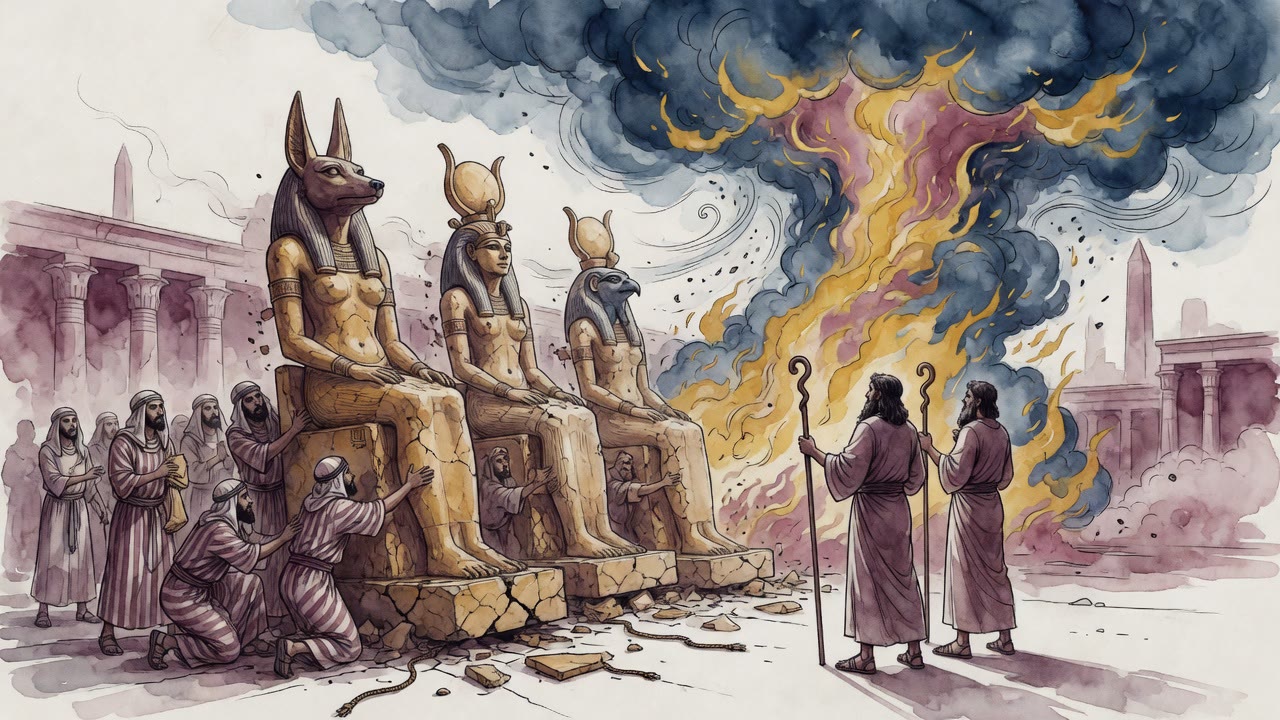
Seventy days is not a courtesy for a foreign herdsman whose son happens to hold office. Officials shut their doors. Work stopped in the provinces. A nation that had watched this man arrive hungry, with a limp, put its whole calendar down and mourned.
Come, Let Us Weep for Jacob the Holy
They knew something at the funeral that nobody had told him in the throne room.
"Come," they said to each other in the streets, "let us mourn for Jacob the Holy, whose righteousness turned the famine away from the land of Egypt."
The decree had been for forty-two years of hunger. Not seven. Forty-two, written and sealed over the fields and the river, enough to empty Egypt of Egyptians. Then an old shepherd came down the road from Canaan to live out his last years near his son. Forty of those years lifted off the land. The famine that actually arrived lasted two.
He never knew. He had already given his testimony in the throne room, and it was a complaint, and every word of it was true. Few. Evil. Fled, sojourned, come down. He had been standing in a country that was eating because he was standing in it, and no one in that room had the information.
The Egyptians who buried him had it. That is what the seventy days were. Not respect for the vizier's father. A debt paid out loud by people who could count the harvests they had eaten and knew whose name was on them.
← All myths