Pilgrimage in Jewish Mythology

8 texts

Myths, legends, and mystical writings about Pilgrimage from across Jewish tradition.

What does Pilgrimage mean in Jewish mythology?

Pilgrimage in Jewish mythology is documented here through 8 source passages from 3 distinct source names represented in this theme. The strongest clusters come from Rabbinic Midrash (8), with frequent witnesses in Yalkut Shimoni on Torah (4), Mekhilta DeRabbi Shimon Ben Yochai (3), and Yalkut Shimoni on Nach (1). These texts preserve how Jewish writers, sages, and mystics described pilgrimage across biblical interpretation, rabbinic storytelling, medieval compilation, and kabbalistic teaching.

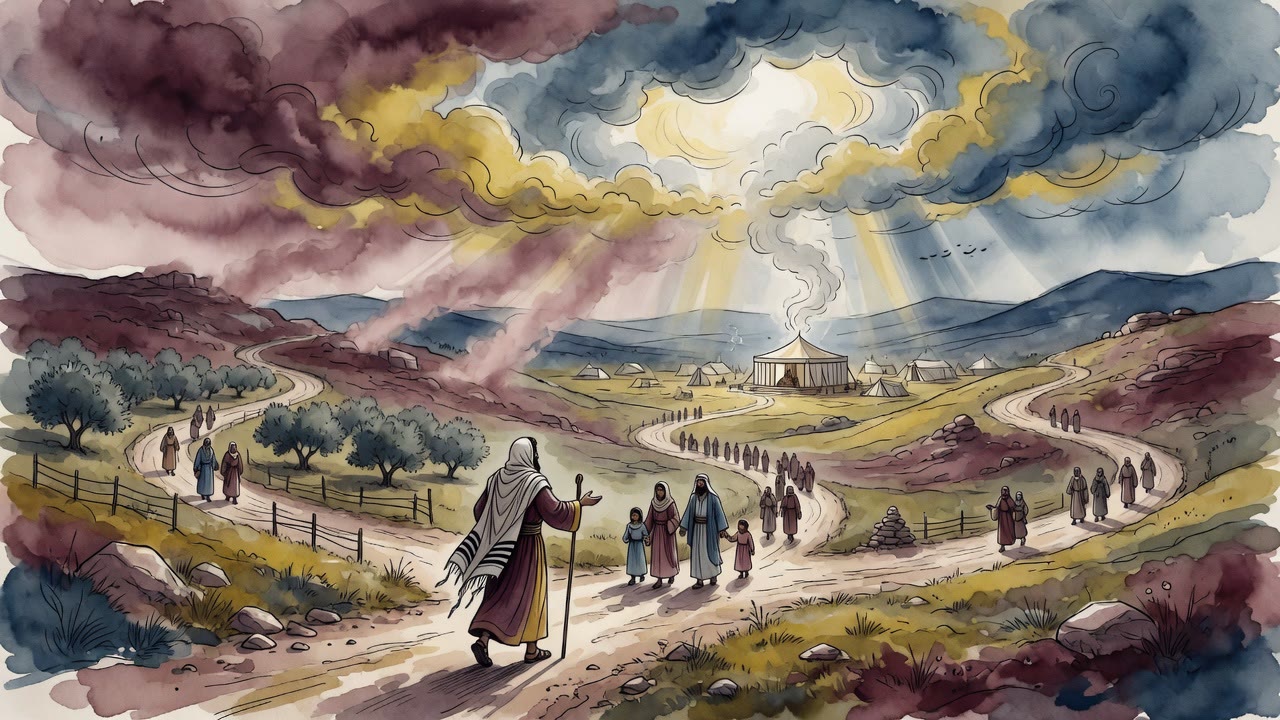
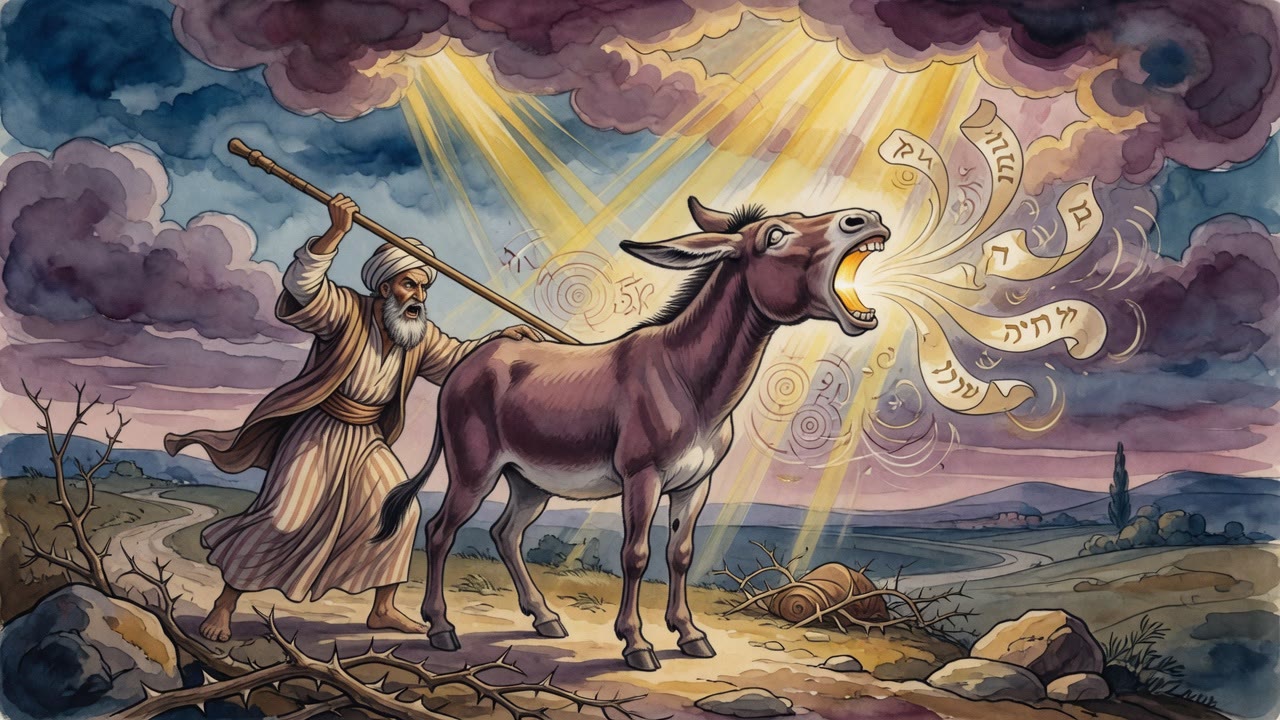
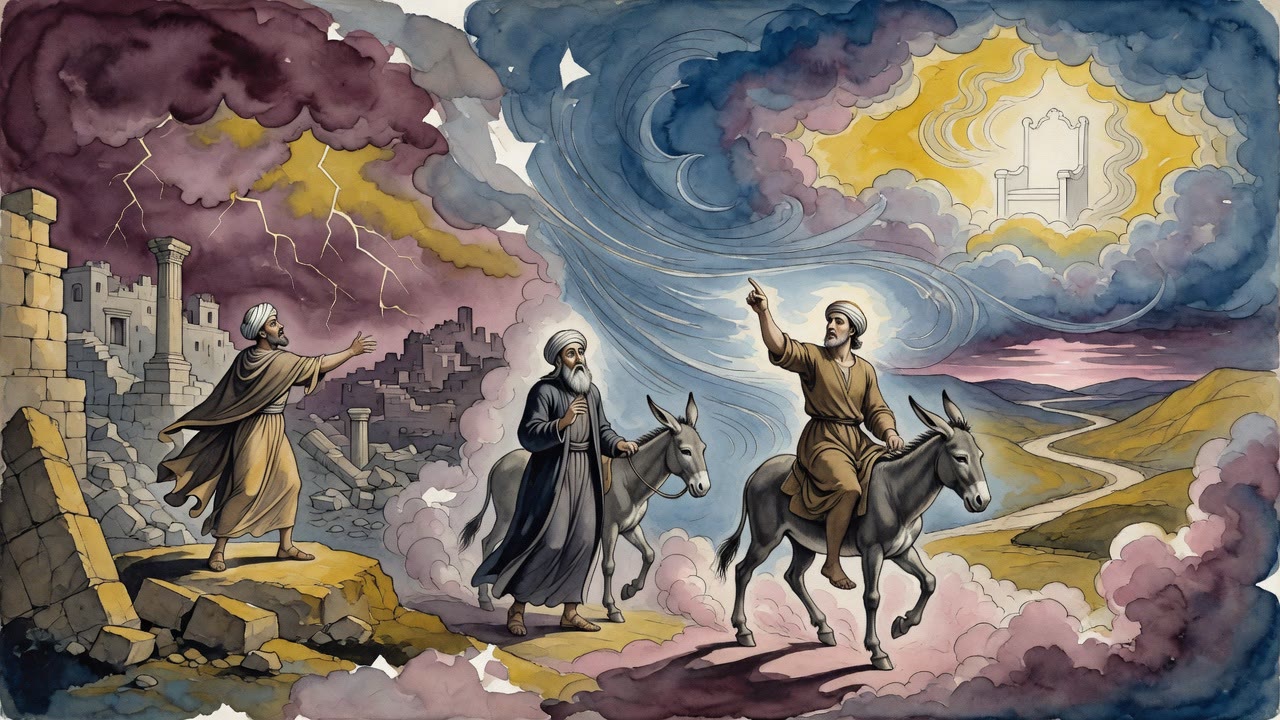
This page is a topic hub, not a single article. Use it to compare how different Jewish sources treat pilgrimage: where the theme appears in narrative, how it changes across source families, which figures or symbols recur, and which passages are most useful for citation. Representative entries include Weeks, the Wheat Firstfruits, and the Feast of Ingathering, Three Times a Year Even the Small Child Goes Up, No One Will Covet Your Land While You Go Up, How Elkanah Drew All Israel Up to Shiloh, and Who Is Obligated to Appear Before the LORD on the Three Festivals. For synthesized anthology narratives, start with Balaam's Donkey Rebuked Him About Pilgrimage, Elkanah Changed His Route Every Year and Saved the World, and Who Was Required to Appear Before God at the Temple.

Related Topics

Commandments (3), Temple (3), Sacrifice (2), Divine Names (1), Holidays (1), and Holy Land (1)

Weeks, the Wheat Firstfruits, and the Feast of Ingathering

Mekhilta DeRabbi Shimon Ben Yochai Mekhilta

The verse names a festival of weeks, and the Sages identify it at once: this is the day the tradition also calls Atzeret, the feast we know as Shavuot. It arrives marked as "the fi...

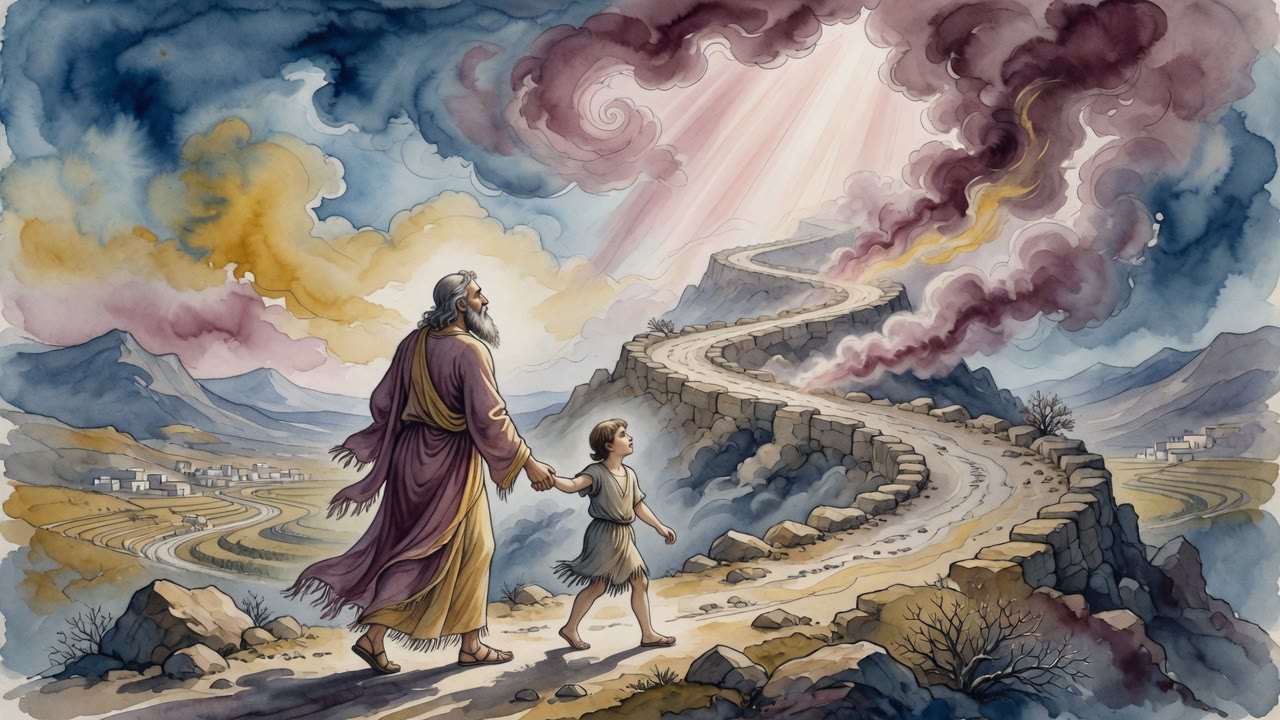
Three Times a Year Even the Small Child Goes Up

Mekhilta DeRabbi Shimon Ben Yochai Mekhilta

The Torah commands that three times each year, every male of Israel appear before God at the place He chooses. But who exactly counts among those "males"? The sages of the Mekhilta...

No One Will Covet Your Land While You Go Up

Mekhilta DeRabbi Shimon Ben Yochai Mekhilta

God commands the whole nation to leave home and travel to Jerusalem three times a year. To a farmer this sounds like an invitation to ruin. The sages of the Mekhilta hear the worry...

How Elkanah Drew All Israel Up to Shiloh

Yalkut Shimoni on Nach Midrash Aggadah

The verse says simply that Elkanah went up, but the Sages hear in the word a whole life of rising. He was elevated in his house, in his courtyard, in his city, and at last among al...

Who Is Obligated to Appear Before the LORD on the Three Festivals

Yalkut Shimoni on Torah Midrash Aggadah

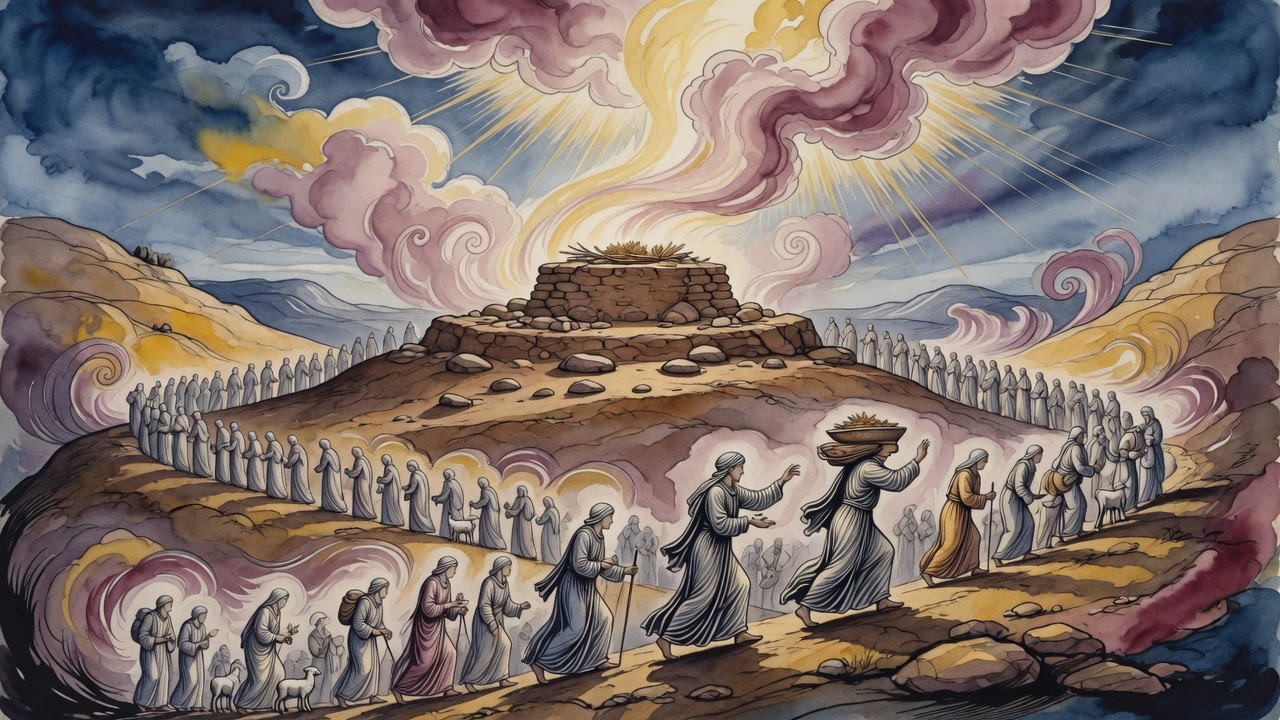
Three times a year, the Torah commands, every man shall come up and stand before the LORD. The Sages took this single line and turned it carefully in their hands, asking exactly wh...

The Festival Offering Must Be Animal Sacrifices Not Birds or Meal

Yalkut Shimoni on Torah Midrash Aggadah

When a pilgrim came up to the Temple, the Torah forbade arriving "empty." But what fills that emptiness? Could a pair of birds or a measure of flour suffice? The Sages weighed the ...

The Deaf and Mute Are Exempt From Appearance Yet Bound to Rejoice

Yalkut Shimoni on Torah Midrash Aggadah

The Sages first note a small but firm point about the calendar: the three pilgrimage festivals must stay fixed in their seasons, never shifted aside even by the laws of the Sabbati...

Rav Huna Wept Over the Servant Whose Master Turns Him Away

Yalkut Shimoni on Torah Midrash Aggadah

When Rav Huna came to certain verses, he could not read them without weeping. A servant whose master longs to see him, and the servant keeps his distance. That was the picture that...