5 min read

Kenaz Won a War No Soldier Could Remember

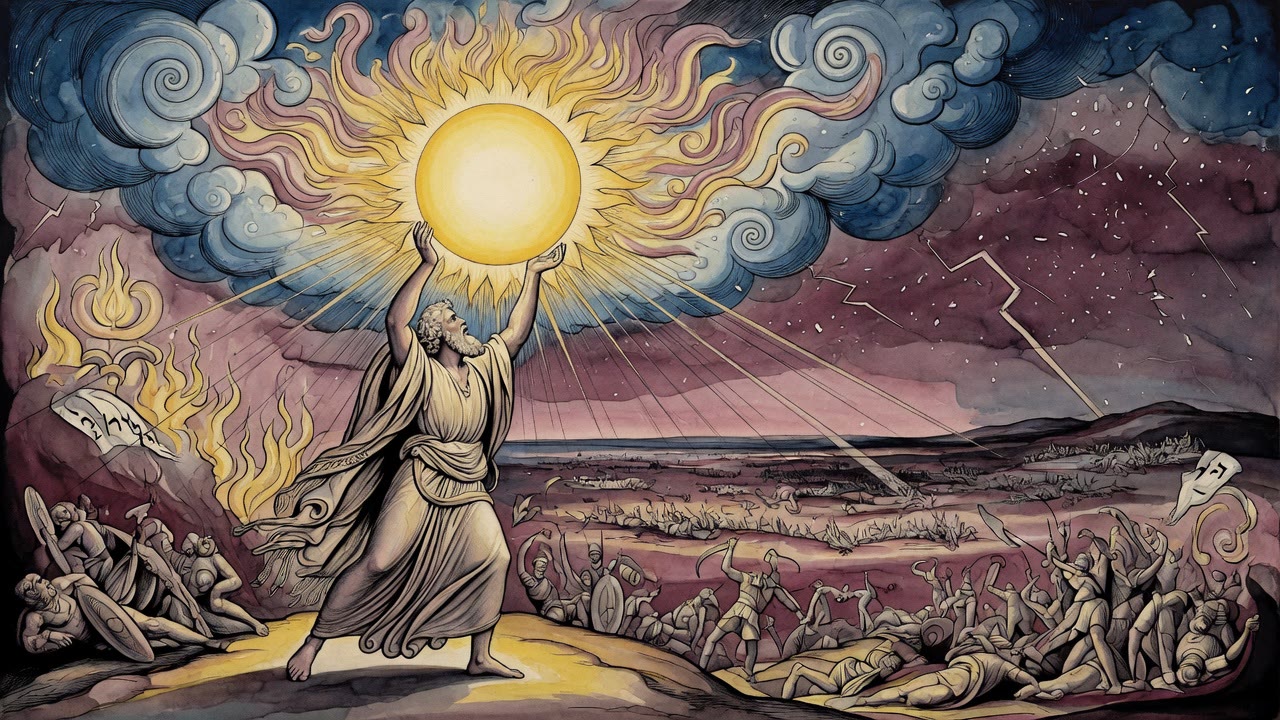
Kenaz returned from battle while his own men woke to corpses and blank minds. Thirty-seven doubters burned after the miracle they had mocked.

Curated by Arthur · Told by Maggid ·
Table of Contents
  1. The Field Full of Dead and Empty Minds
  2. Thirty-Seven Men in the Cage of Doubt
  3. A Victory No One Could Steal
  4. Zebul Takes the Daughters and the Treasury
  5. What Leadership Looked Like After the Fire
Kenaz Won a War No Soldier Could Remember Click for full size

The Field Full of Dead and Empty Minds

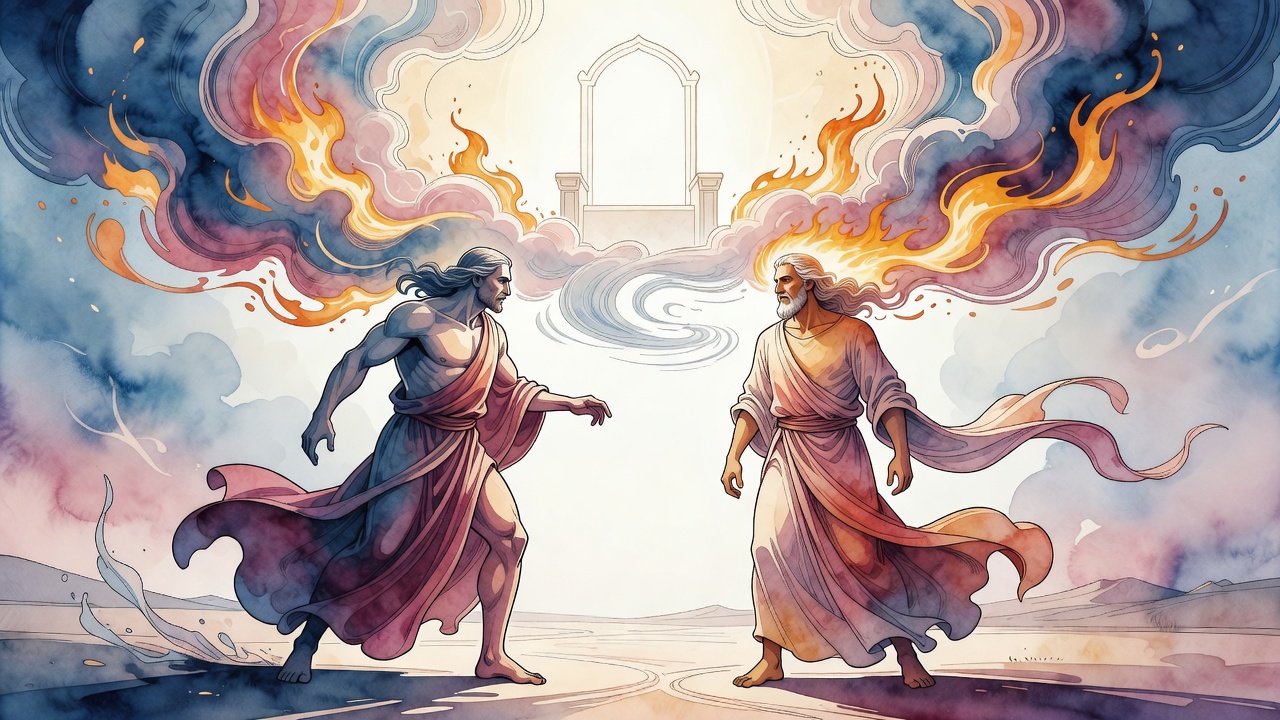
Kenaz came back from the campaign with the look of a man who had already finished speaking. The people poured out of the camp, ready for stories, ready for maps drawn in dust, ready for the names of the fallen enemy and the turn of the charge. They wanted the hour when the line broke. They wanted the blow that decided the day.
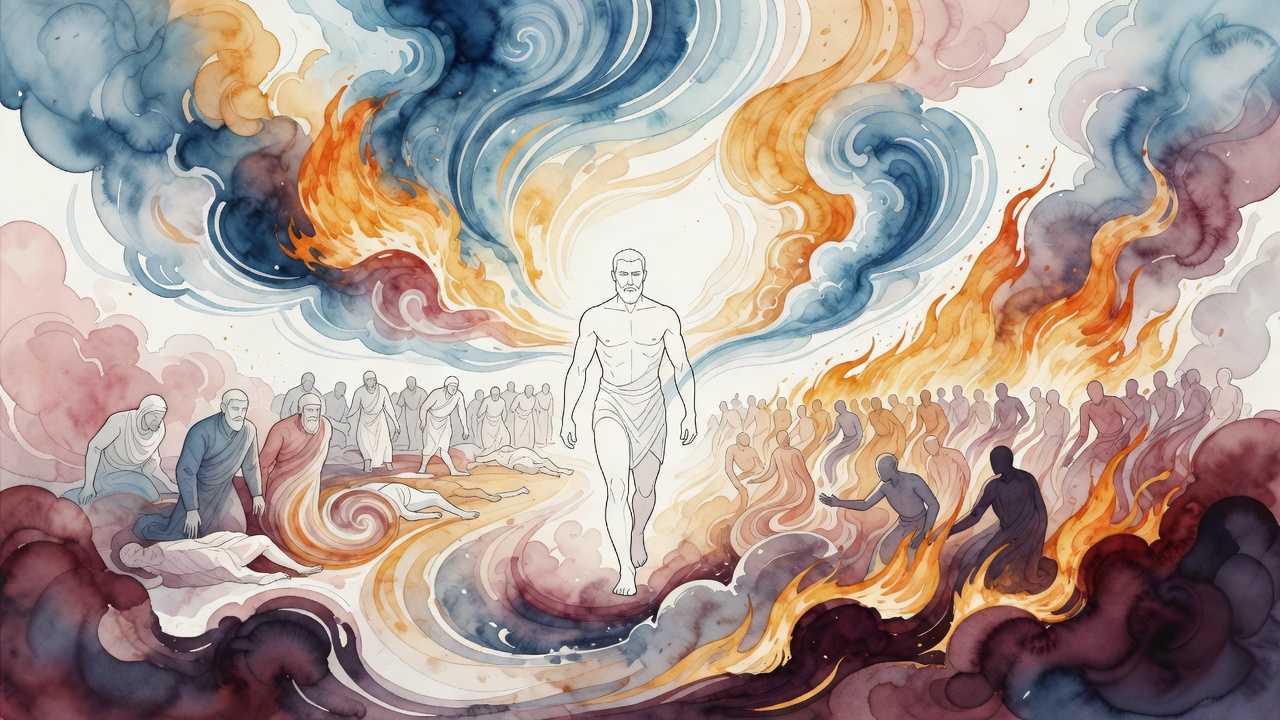
He gave them none of it. "Ask those who were with me about my deeds," he said, and turned the crowd toward his own soldiers.

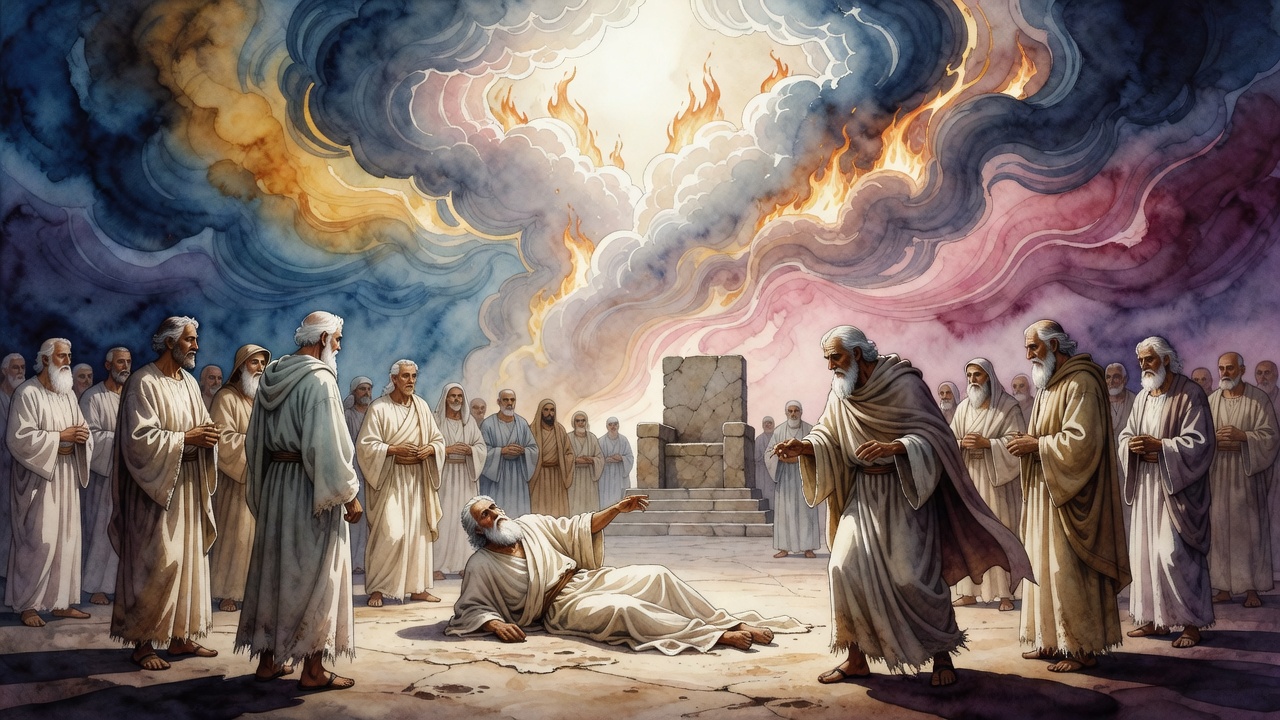
The soldiers stared as if someone had stolen a night from their skulls. They remembered going out. They remembered waking among corpses. Between those two facts the battle had been cut away. No strategy. No trumpet call they could name. No face of the man who fell beside them. The field was full of the dead, and their memories were as clean as a washed stone.

Heaven had fought, and left the witnesses empty on purpose.

Thirty-Seven Men in the Cage of Doubt

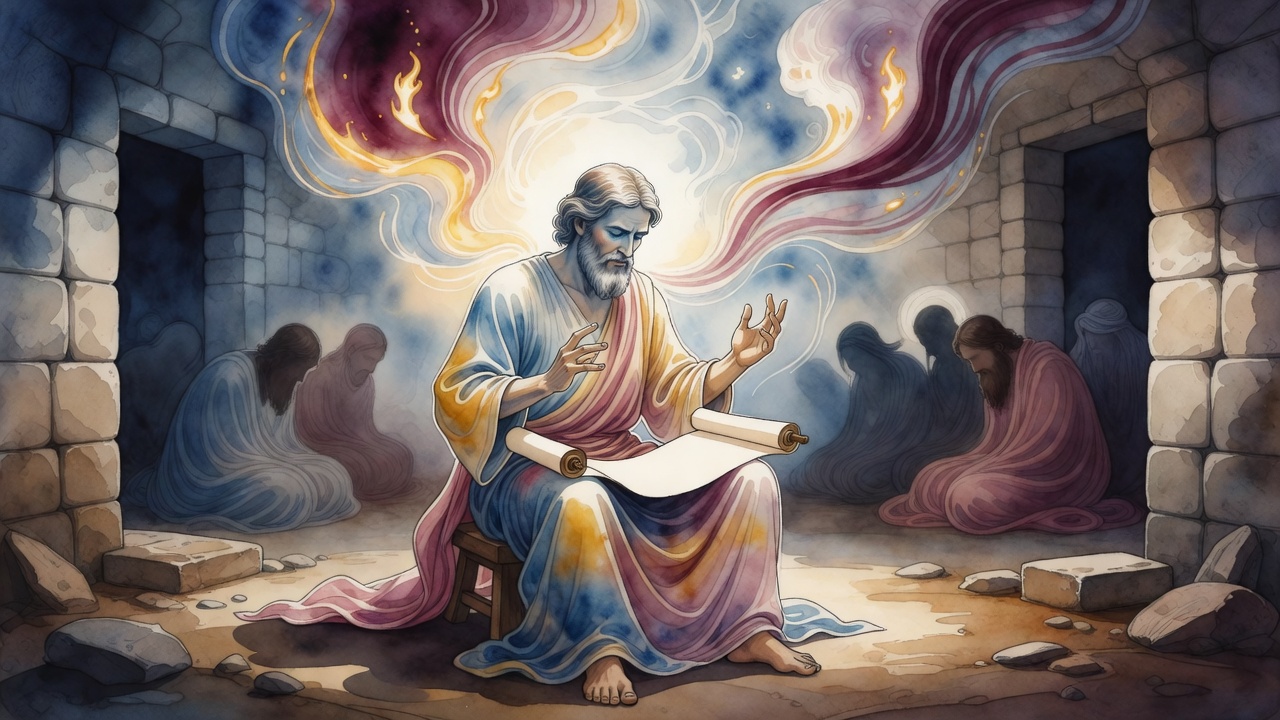
Before the war, Kenaz had locked up thirty-seven men who spat on his leadership. They had measured him with small eyes and called him unfit. While the army marched, those mouths sat in confinement, waiting for the failure that would prove them right.

After the blank victory he brought them out. The question was almost soft. What did they have to say now.

They broke. They confessed they were sinners of the same breed the people had already executed under his hand. They said God had surrendered them to Kenaz as payment for their own wickedness. The words were not legal cleverness. They were the sound of men who had seen a miracle from the wrong side of the bars and understood, too late, that mockery of the appointed leader was itself a capital sin in that hour.

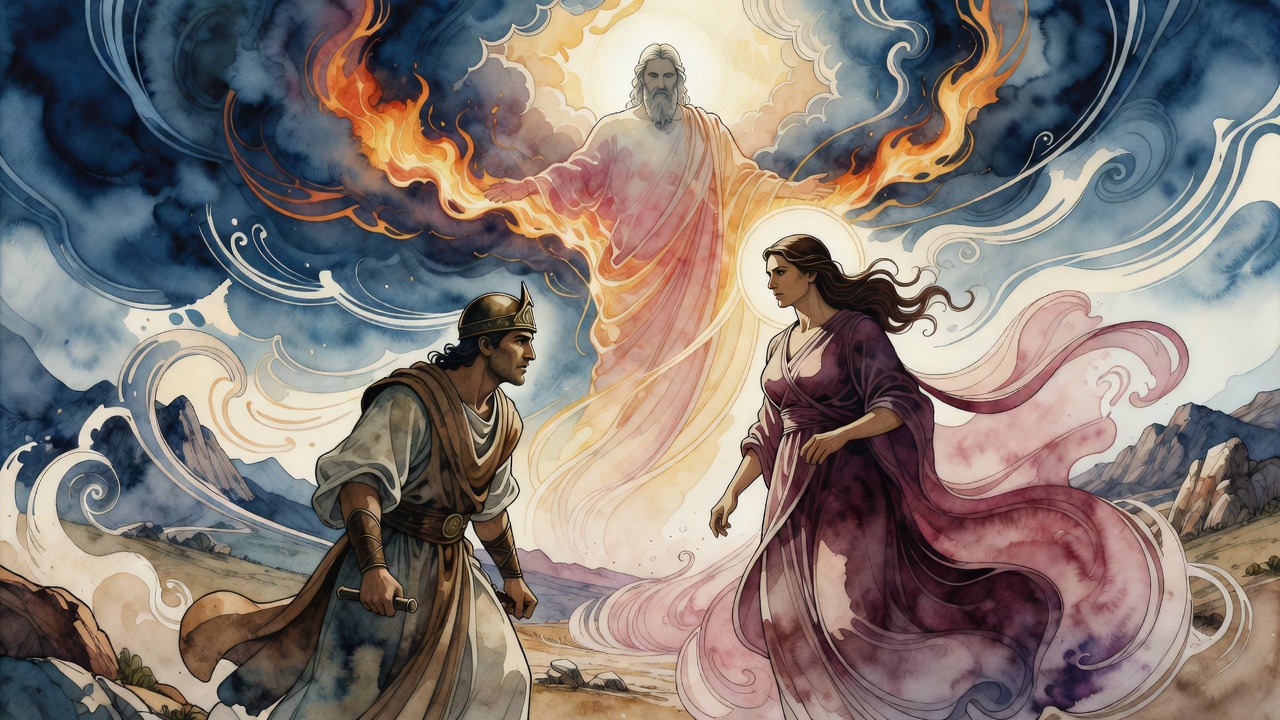
Fire finished what confession began. The same cleansing heat that had purged the battlefield took the thirty-seven. Doubt did not get a second hearing.

A Victory No One Could Steal

Kenaz refused the usual hero's theater because the victory was not his to retail. A man who paints every stroke of a battle paints himself into the center. A man who points to blank-eyed comrades forces the camp to look at heaven instead. The strategy was silence. The glory was sealed in what no soldier could retell.

That silence also protected him from later rivals. Who can challenge a general whose own army cannot reconstruct the fight? Who can claim the credit when even the witnesses have no sequence to sell? The blank minds were a kind of armor around the office of judge.

Israel learned the hard shape of appointment. God could win a war without leaving a human memoir for the chronicles.

Zebul Takes the Daughters and the Treasury

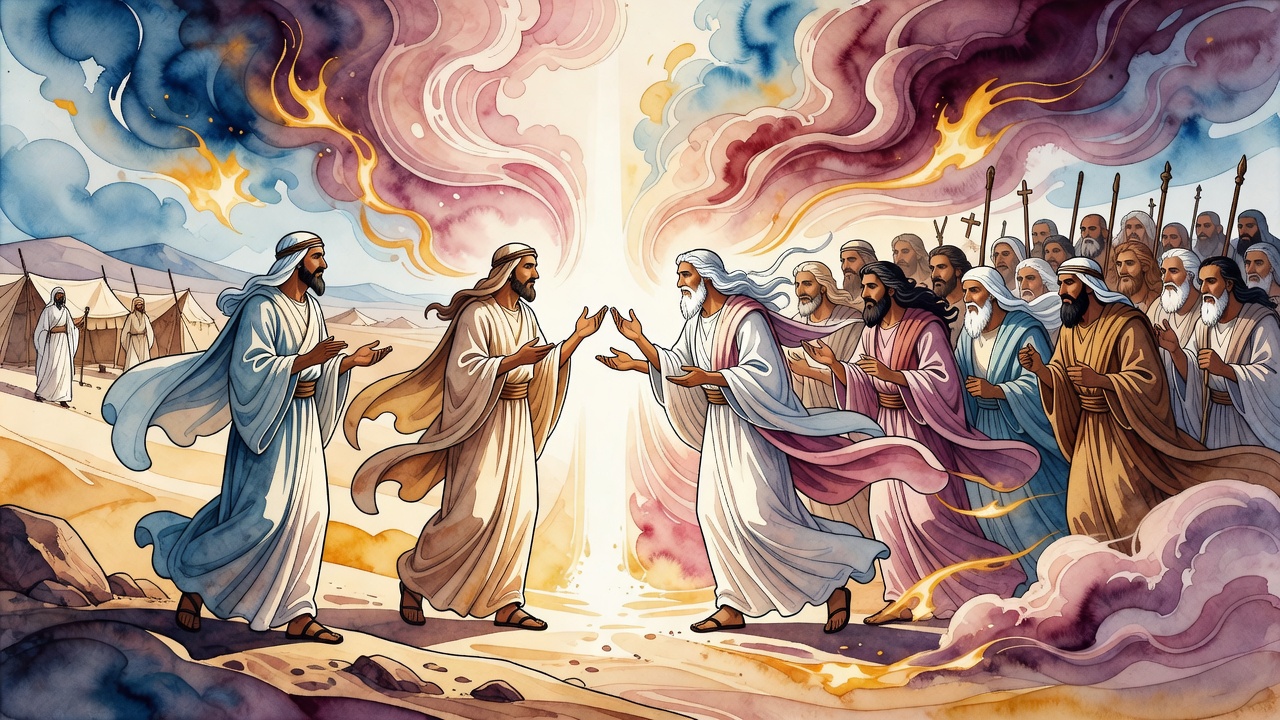
When Kenaz's season ended, Zebul stepped into the gap with a different kind of courage. He did not hunt another invisible battlefield. He hunted the unfinished debt of the household. Kenaz left three unmarried daughters, Ethema, Pheila, and Zilpah. Zebul acted "a father's part." He moved the people to grant each woman a heavy dowry and wide domains. He married Ethema to Elizaphan, Pheila to Odihel, and Zilpah to Doel. Victory that no man remembered still had daughters who needed names and land.

Then Zebul built a treasury at Shiloh, where the Ark already weighted the air. He called for freewill gold and silver, with one hard gate on the gifts: nothing that had ever belonged to an idol could enter. The camp that had watched a miraculous war now learned to fund holiness without polluted metal.

For twenty-five years Zebul judged. At the end he did not stage a farewell of banners. He warned them to fear God and keep the law. The torch passed with a sentence, not a parade.

What Leadership Looked Like After the Fire

Kenaz's war and Zebul's care sit on one spine. First heaven proves the leader by a fight no human can narrate, and by a fire that burns the mouths that mocked him. Then a successor proves leadership by protecting the dead man's daughters and raising a clean treasury under the Ark. Power without memory. Kindness without spectacle. Both refuse the soft story in which a judge is only a clever captain or a gentle uncle.

The people who once demanded tactics received a miracle that erased tactics. The people who might have abandoned Kenaz's orphans received a man who married them into security. Between the blank battlefield and the Shiloh coffers, the age of the judges learned that appointment is tested twice: once in blood that heaven alone can explain, and once in the ordinary weight of who gets fed after the hero is gone.

The corpses on the field had no names the soldiers could keep. The three daughters kept their names because Zebul would not let the victory end in a forgotten house.


← All myths

From the tradition

Sources

3 sources

The texts behind this telling. Some cards carry a translation of the source; others are our own retelling of it, and each card says which. Every card links out to the original.

Legends of the Jews 2:15Legends of the Jews

Retold in our words. Read the original at the link below.The Legends of the Jews by Louis Ginzberg (1909) · Public Domain

He returns from a major campaign, a triumphant hero. Imagine the scene: the people are ecstatic, overflowing with gratitude, crediting God for placing this leader among them. They wanted to know everything about his victory, the battle strategies, the turning points…

Kenaz? He remains enigmatic.

He simply deflects, doesn’t he? "Ask those who were with me about my deeds," he says. A humble leader? Perhaps. Or perhaps, something more is going on.

Here’s where things get interesting. His men, the very soldiers who fought alongside him, are baffled. They admit they remember nothing! They woke up to a battlefield littered with the dead, utterly clueless as to how it happened. According to Ginzberg in Legends of the Jews, a layer of the miraculous seems to be at play here. (Ginzberg, Legends of the Jews, 2)

Now, remember those thirty-seven guys Kenaz imprisoned before the war? The ones who dared to question his leadership, casting aspersions upon him? Kenaz confronts them. "Well," he asks, essentially, "what have you got to say now?"

Facing certain death, these men confess. They admit they were sinners, the very kind Kenaz and the people had previously executed. They believed God had surrendered them to Kenaz as punishment for their wicked deeds. And, in a final, grim act of justice, they too, were burnt with fire.

A cleansing fire that purges not just the battlefield, but also the doubts and dissent that threatened to undermine Kenaz’s authority.

So, what do we make of this story? Is Kenaz a divinely appointed leader, a warrior blessed with God's favor? Or is there a more earthly explanation for his victory, one that remains hidden beneath the surface?

Perhaps the true power of a leader lies not just in their strategic brilliance or military prowess, but in their ability to inspire belief, to embody the will of the people, and sometimes, to let the mystery speak for itself.

Full source
Legends of the Jews 2:20Legends of the Jews

Retold in our words. Read the original at the link below.The Legends of the Jews by Louis Ginzberg (1909) · Public Domain

Legends of the Jews turns to Zebul Succeeds Kenaz and Rebuilds the Tabernacle.

Enter Zebul. He’s appointed as Kenaz’s successor. But Zebul isn't just interested in filling a vacancy. He understands something crucial: the well-being of the community is intertwined with the well-being of its families, especially those who have sacrificed much.

Zebul remembers Kenaz's service and feels a deep sense of responsibility toward his three unmarried daughters: Ethema, Pheila, and Zilpah. He acts "a father's part" toward them. What does that even mean?

Well, Zebul doesn’t just offer condolences. He takes concrete action. He persuades the people to provide each of them with a substantial dowry. Not only that, they were granted large domains as their property. This wasn't just charity; it was a recognition of their father's contribution and a commitment to their future.

And it doesn't stop there. Zebul arranges marriages for each of them. Ethema marries Elizaphan, Pheila marries Odihel, and Zilpah marries Doel. He's not just finding them husbands; he's integrating them into families and ensuring their continued security within the community. What a mensch!

But Zebul’s leadership extends beyond these acts of personal kindness. He also institutes a treasury at Shiloh. Shiloh, a significant location during this period, housed the Ark of the Covenant for many years before the Temple was built in Jerusalem. Zebul calls upon the people to bring contributions of gold and silver. This wasn’t a mandatory tax, mind you. It was a nedavah, a free-will offering, demonstrating their commitment to their faith and community.

There's one crucial condition, though: nothing that had once belonged to an idol could be offered. This highlights the importance of purity and devotion in their worship. The offerings poured in. The result? A staggering twenty talents of gold and two hundred and fifty talents of silver flowed into the temple treasury. This speaks volumes about the people's willingness to support their spiritual center.

So, what can we learn from this little-known story? It's about the quiet acts of compassion, the commitment to community, and the recognition that everyone has a role to play in building a better future. It’s about remembering those who served and ensuring that their families are cared for.

And it’s a potent reminder that even small acts of generosity, when multiplied, can create something truly extraordinary. What kind of legacy are we building, not just for ourselves, but for those who come after us?

Full source
Legends of the Jews 2:24Legends of the Jews

Retold in our words. Read the original at the link below.The Legends of the Jews by Louis Ginzberg (1909) · Public Domain

Zebul's story is brief but important. We learn that he reigned for twenty-five years. What's really interesting is how he chose to end his time as judge. Before he passed, he didn't Instead, he gave a solemn warning, urging everyone to fear God and observe the law. It’s a reminder that leadership isn't just about power; it’s about moral responsibility. (Legends of the Jews)

Then there’s Othniel. Now, he’s a different kind of leader altogether. His contemporaries said something pretty incredible: “Before the sun of Joshua went down, the sun of Othniel, his successor in the leadership of the people, appeared on the horizon.” (Legends of the Jews) That’s high praise. Did you know that Othniel wasn’t even his real name? According to the legends, his actual name was Judah. Othniel was more like a nickname, an epithet, just like Jabez was another one he went by. (Legends of the Jews

Othniel stands out as the scholar among the judges. Legends of the Jews tell us his wisdom was so profound that he could restore the seventeen hundred traditions that Moses taught the people. Can you imagine the scope of that knowledge? Apparently, these traditions had been forgotten during the mourning period after Moses' death. Othniel, through his deep understanding and dialectical reasoning, brought them back.

It wasn't just about knowing the Torah; it was about sharing it. We hear about the descendants of Jethro, Moses' father-in-law, leaving their assigned district in Jericho and traveling all the way to Arad just to sit at Othniel’s feet and learn from him. That’s dedication! This shows us how much people valued his wisdom and his commitment to teaching.

However, not everyone in Othniel’s life was thrilled with his devotion to Torah study. His wife, who was also the daughter of his half-brother Caleb, apparently had some complaints. She told her father that her husband's house was bare of earthly goods. His only possession, she said, was his knowledge of the Torah. (Legends of the Jews The tension between material wealth and spiritual riches.

This detail adds a very human touch to the story of a great leader. What does it truly mean to live a life of purpose, even if it means sacrificing material comfort? Othniel's story, with all its layers, invites us to ponder this question.

Full source