Laban Swaps Leah While Jacob Counts the Years
Jacob gave Rachel secret tokens so no veil could fool him in the dark. She held them through the wedding night and never cried out.
Table of Contents
 Click for full size
The Stone Rolls Alone
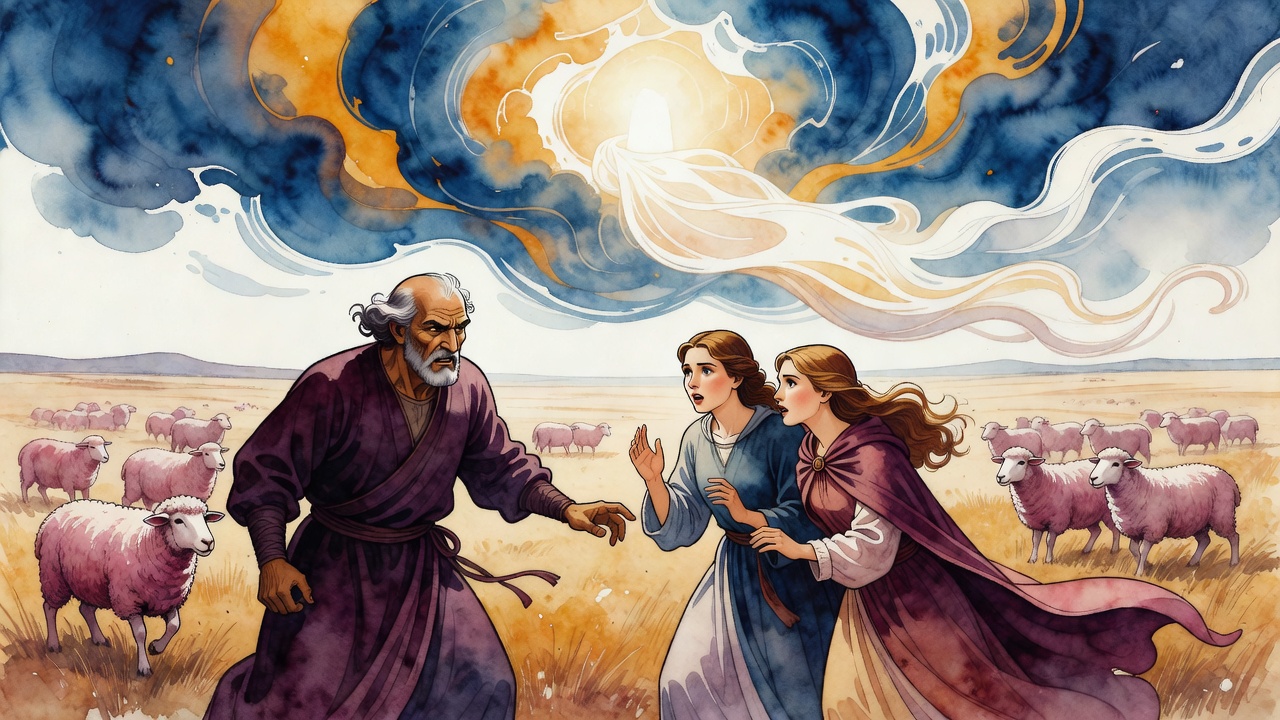
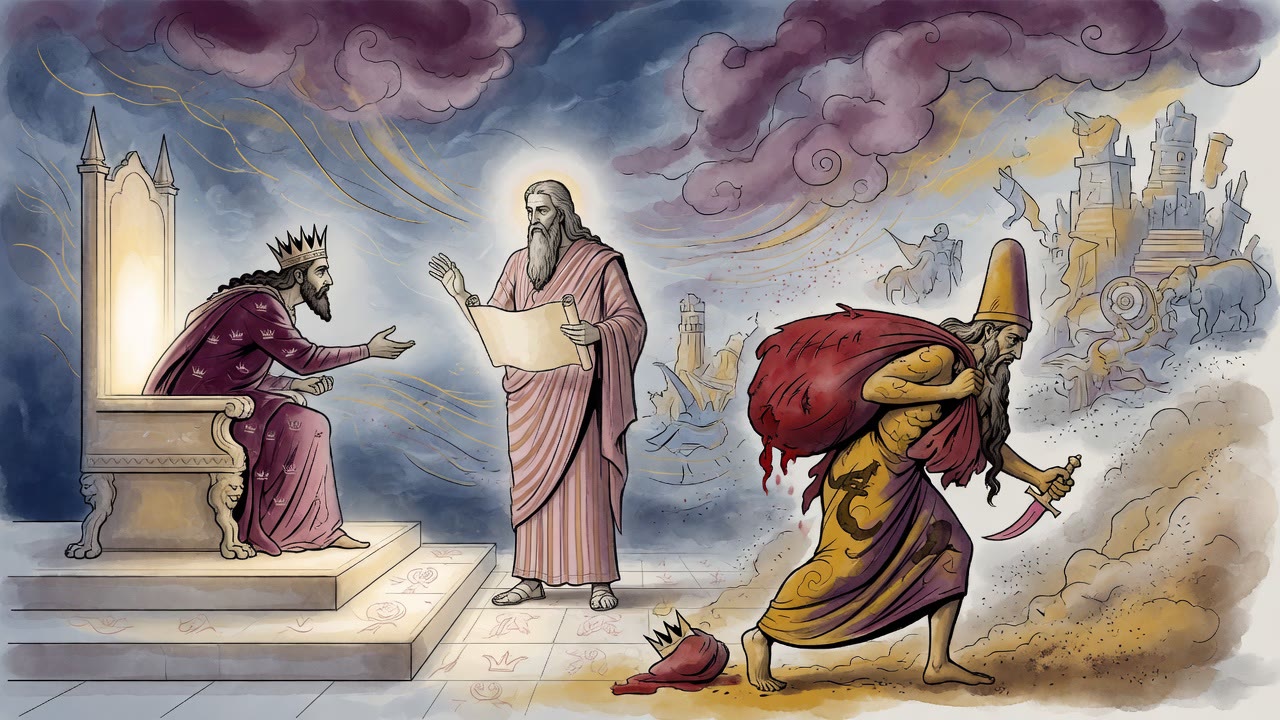
Before Jacob reached Haran, the town well gave water only when every shepherd put a shoulder to the stone. The flocks waited in heat while men argued about whose turn it was to strain. Then the stranger arrived from the road of flight and promise. By his merit the spring rose, and he rolled the stone alone as if the weight had been waiting for his hands. Laban watched the overflow and counted future years the way a merchant counts stock before a market day.
He called the men of the place into assembly under a thin shade. Until this pious one came, the spring was meager and the stone a communal complaint. If Laban gave him Rachel, the blessing would leave with the bride and the well might sulk again. Better to hand him Leah first, bind him to a second term for Rachel, and keep the luck of water in town. The townsmen said yes. They had seen the water move. They preferred their own interest to a stranger's contract spoken at a well.
Signs at the Well
At the same well Jacob had already spoken plainly to Rachel. "Marry me," he said, without a long speech. She answered yes and warned him in the same breath. Her father was a deceiver. Jacob would never get the better of him by ordinary honesty alone. Jacob answered that he could match deceit with deceit if he must, and honesty with honesty if Laban proved clean. Rachel was not reassured. She knew the wedding night before it arrived the way a person knows weather from a change in the light.
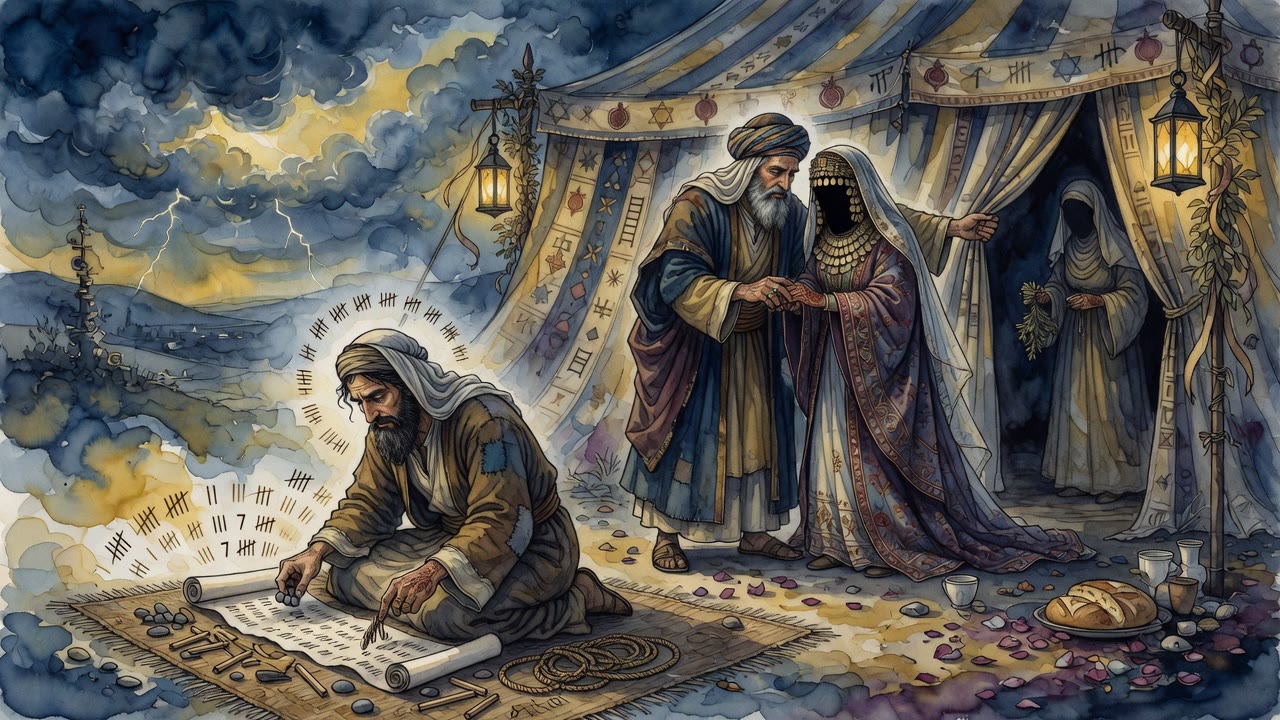
So Jacob gave her secret signs, tokens only the true bride would know in the dark. He thought the signs would cut through any veil Laban could sew. He did not yet know how far a sister's mercy could reach when shame stood on the other side of the bed.
Seven Years That Feel Like Days
Jacob named Rachel and refused the elder sister in public speech. Fear of Esau sat under that choice like a second spine. Leah had once been set apart in local talk for Esau's name, a pairing of elder to elder that never became a wedding. Jacob would not take the woman whose marriage might invite his brother's old rage on top of Laban's games. He said, "I will serve you seven years for Rachel," and the years ran under sun and frost. They felt short because love counted them differently than Laban did.
Laban counted them as a net. Each season of labor was another knot tying the blessing of the well to his own house.
The Veil and the Silence
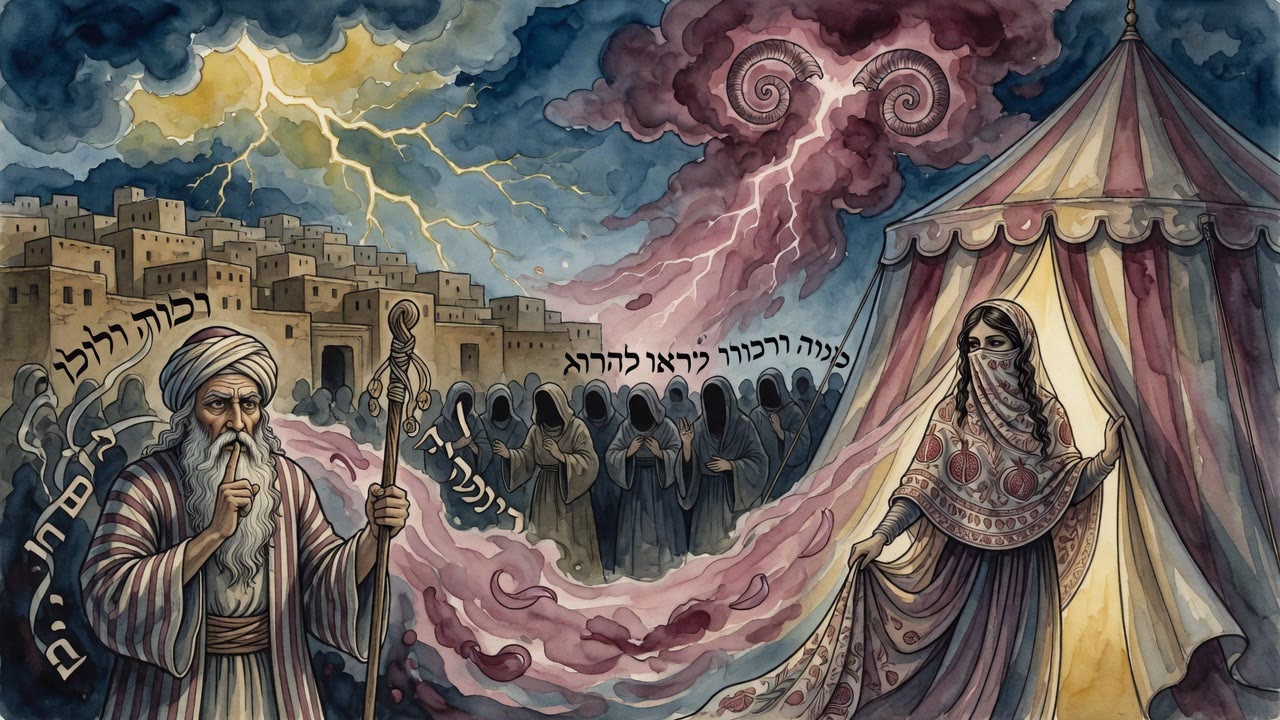
On the night of the feast the wrong sister came under the canopy. Wine and darkness did their usual work. Rachel held the signs and could have cried out. She could have exposed the swap and claimed the man she loved before the morning made the trick irreversible. She stayed quiet so Leah would not wake into public shame with the whole town as witness. Compassion cost her the first dawn of her own marriage.
When morning light named Leah, Jacob's anger found Laban among the leftover cups. Laban's answer was custom and market logic: the younger is not given before the elder in this place. Rachel was still the price. Another seven years of labor stood between Jacob and the wife he had named at the well. The Book of Jubilees would later say Leah had been given for nothing, and the imbalance sat in the house like a third person at every meal, silent and undeniable.
Opened and Closed Wombs
God opened Leah's womb. Reuben came on a dated day in the first year of the third week, then Simeon after him, names that begged to be seen and heard by a husband whose eyes still searched for the other sister across the courtyard. Rachel's womb stayed closed. The text does not soften the sentence. The Lord saw that Leah was hated and Rachel loved, and the births wrote that sentence into flesh and into the politics of a tent.
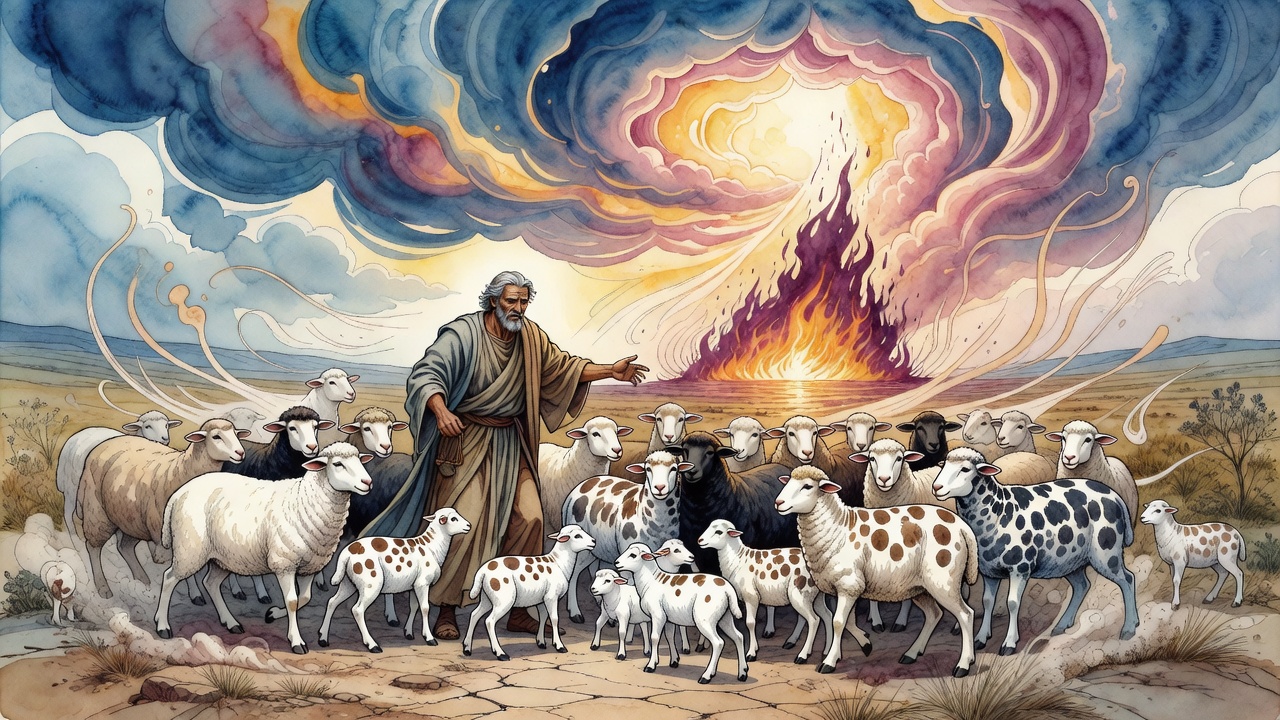
In the mornings Jacob worked Laban's flocks with hands that remembered a different face under the veil. The ewes did not care which sister he had been promised. They only cared that the water still rose when he approached. Laban watched that miracle and smiled like a man who owns both the labor and the luck.
Jacob worked on. Rachel received Bilhah as handmaid. The second term of service ran toward a second wedding that would finally match the first promise. Love had not been free. It had been itemized, delayed, and still insisted on its name against every clever assembly Laban could call.
← All myths