Laban Bound the Town by Oath to Hide the Bride Swap
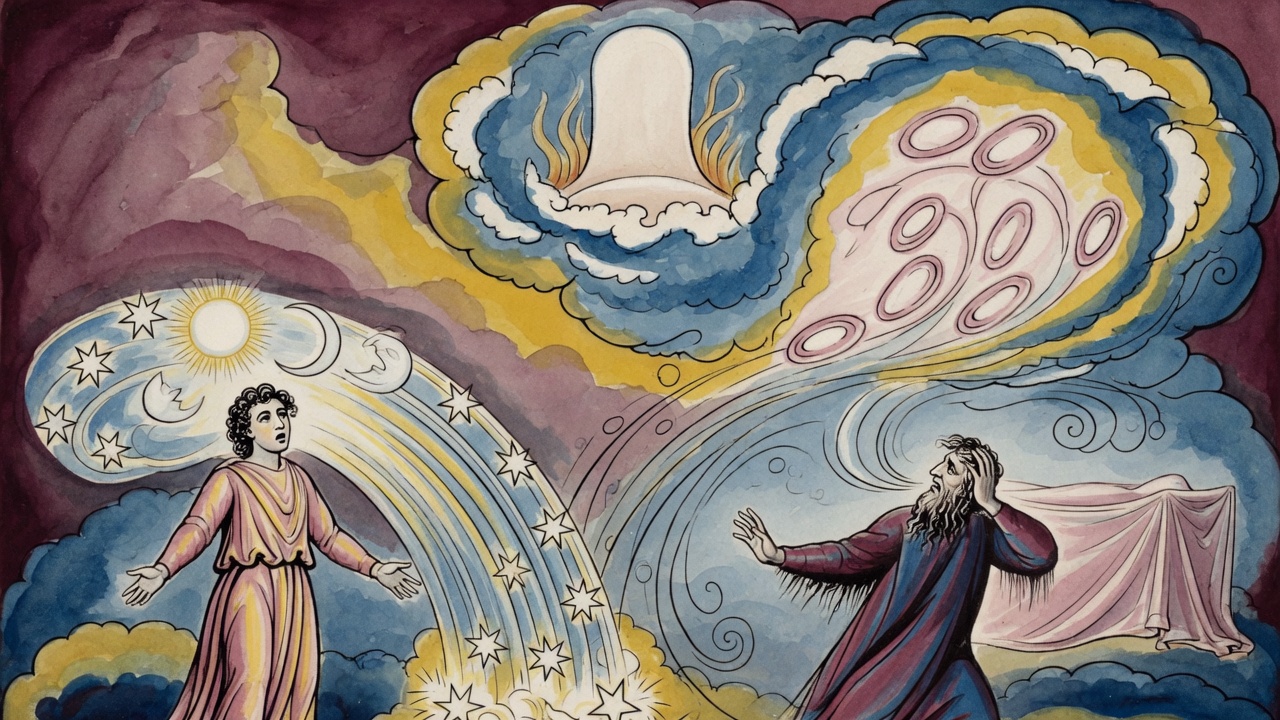
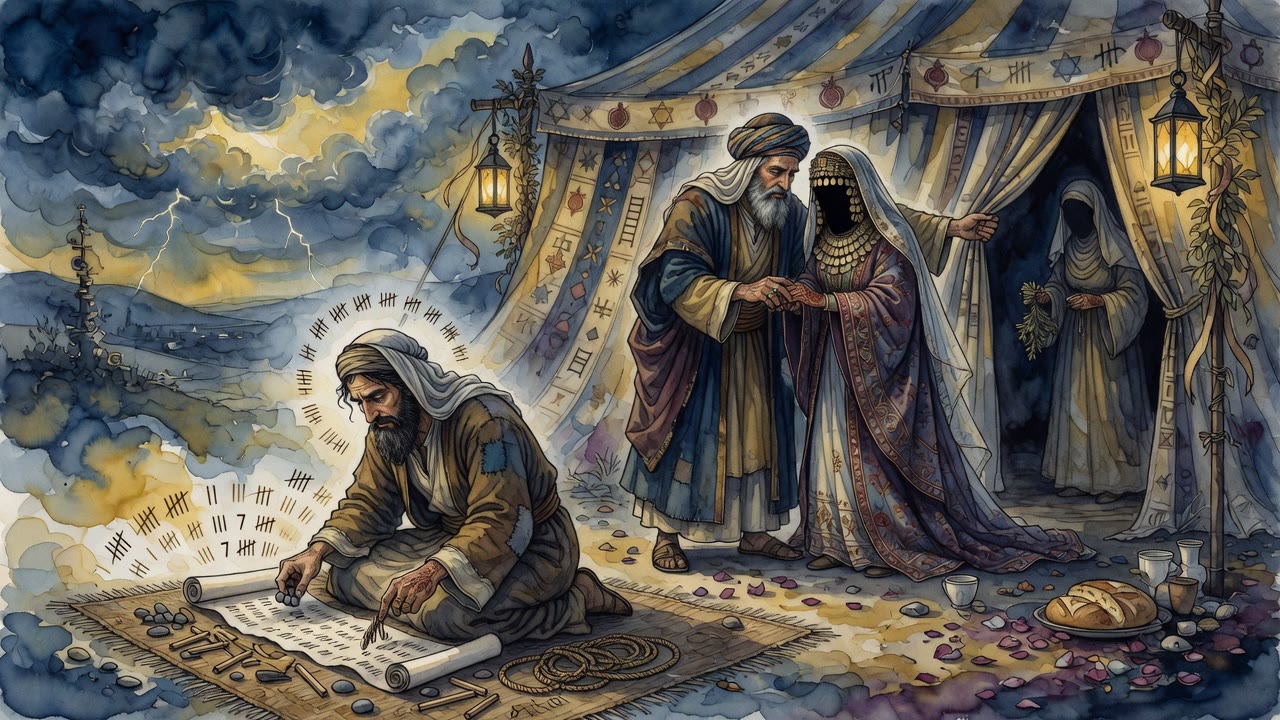
Laban admitted Jacob had filled their wells, then bound Haran by oath to keep silent while Leah entered the tent meant for Rachel.
Table of Contents
 Click for full size
Seven Years Aimed at One Face
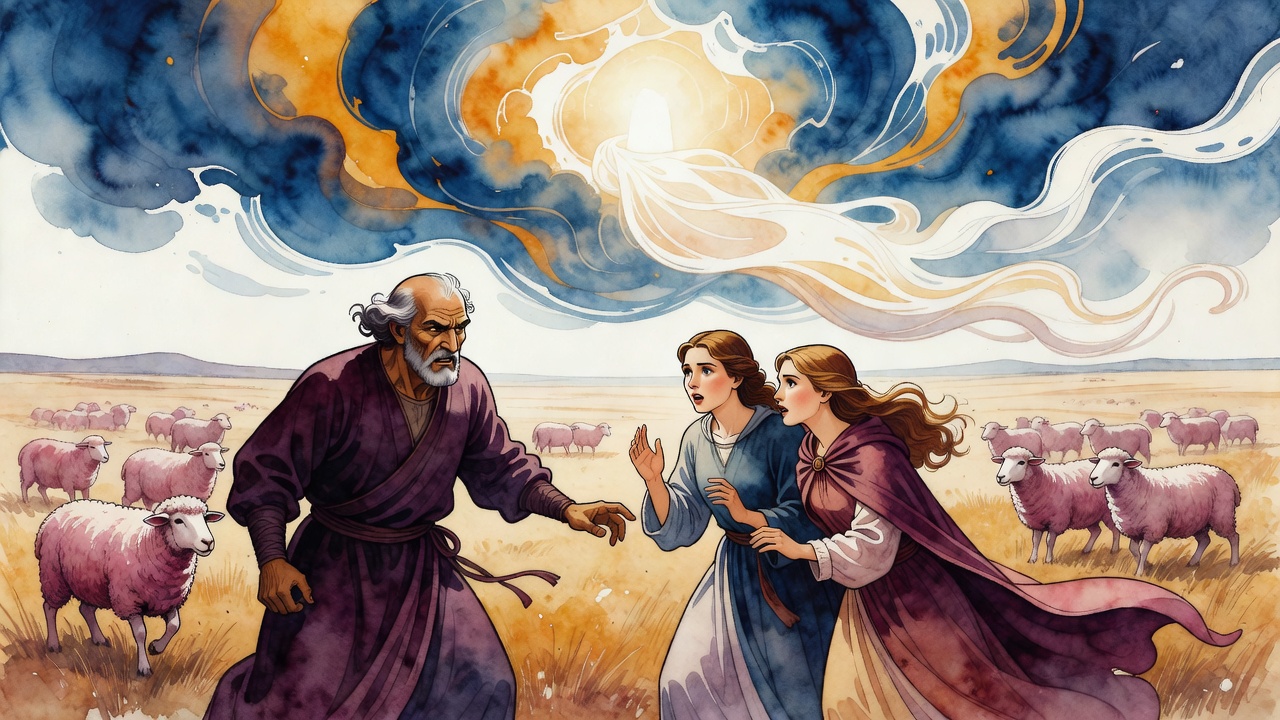
Jacob arrived in Haran and saw Rachel at the well, strength enough in his arms to roll the stone that several shepherds usually moved together. He worked seven years for her hand. The years felt like days because of love, the Torah says, but love does not dissolve danger. Jacob already feared Esau over birthright and blessing. He meant to keep his word clean before heaven and before any future reckoning with a brother who still nursed a grudge. He meant Rachel, not another woman who would hand Esau a new grievance to shout across a border.
Laban watched the labor and counted the profit in flocks and in water. The town had struggled with scarcity until Jacob came. After Jacob, the cisterns told a different story. Laban gathered the people of Haran and spoke their interest aloud without shame. Remember the dry months before this man arrived. Now the town drinks. Why let him leave when his presence fills what the town could not fill alone?
The Town Became a Party to the Fraud
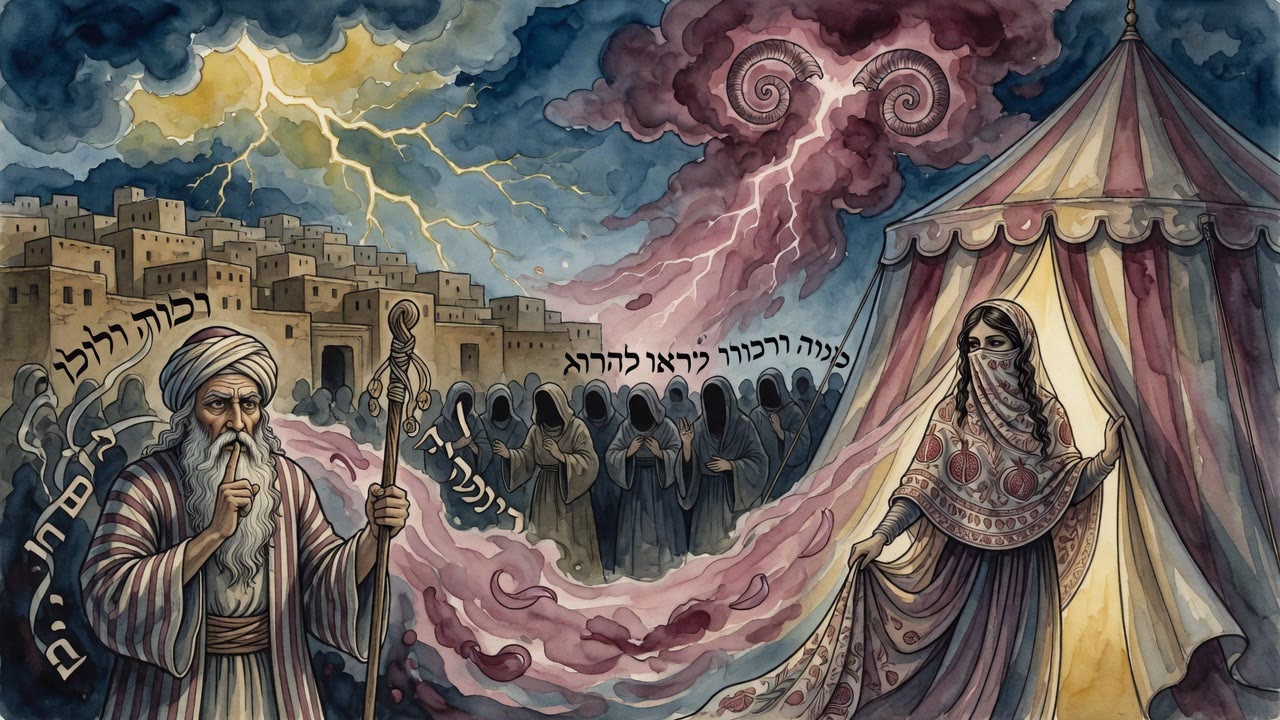
Laban's plan was simple and cruel. Marry off Leah first under cover of night and veil. Jacob, still desperate for Rachel, would stay another seven years of labor. Laban did not keep the scheme in the family tent. He made the town complicit, converting neighbors into co-conspirators. "Do as it pleaseth thee," the people answered, because Jacob's presence filled their wells and their ledgers.
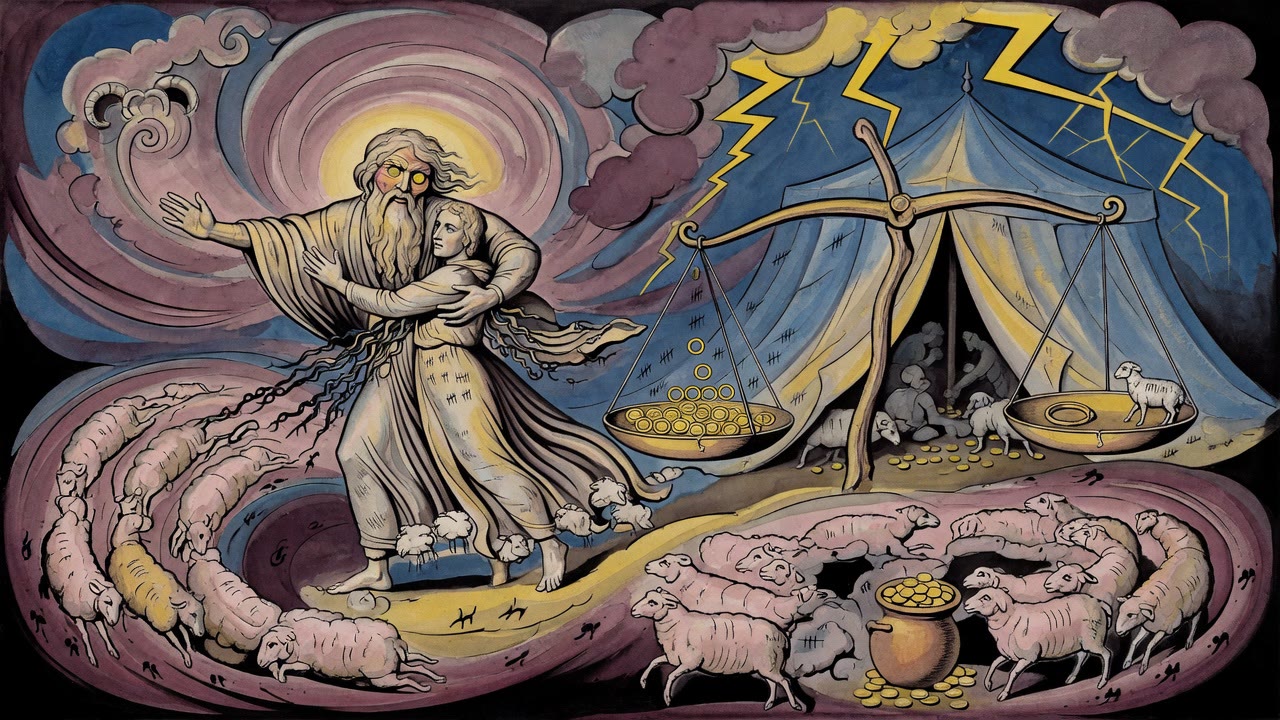
"Let each one of you give me a pledge that ye will not betray my purpose," Laban said. Oaths bound the marketplace. Silence became a civic duty enforced by self-interest. The switch was not a private trick of one father on one wedding night. It was a conspiracy with witnesses who had taken silver or favor or simply the comfort of full water jars to look away when the wrong sister walked toward the canopy.
Morning Light on the Wrong Wife
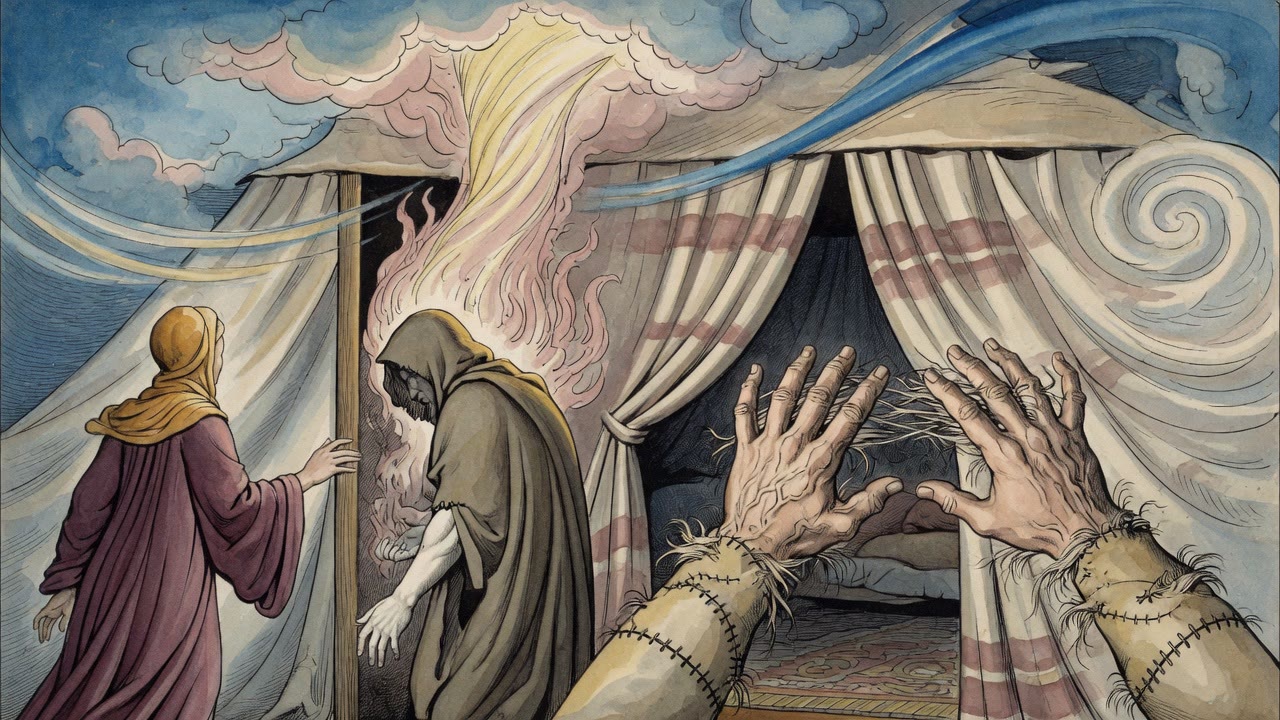
Night covered the faces. Wine and darkness did the rest. Morning uncovered the truth with the bluntness of daylight on a stranger's hair. Jacob found Leah. The rage that followed is easy to invent and hard to measure in any telling that still wants to stay human. Laban had a proverb ready like a shield: it is not done so in our place, to give the younger before the firstborn. Custom as weapon. Local manners as alibi. The town that had sworn secrecy now had a story about tradition to tell any outsider who asked why the laborer stayed.
Jacob took Rachel as well, at the price of another seven years. Love paid twice. The household that grew from that doubled marriage would carry rivalry for generations like a second inheritance. Sons would sell a brother into a caravan. A road near Bethlehem would hold Rachel's grave while the Cave of Machpelah held Leah among the paired dead. The fraud in Haran wrote the map of later grief in ink that would not fade.
Rachel on the Road, Still Interceding
When Rachel died bearing Benjamin, Jacob buried her on the way to Ephrath, not in Machpelah with the mothers and fathers. The Legends say he foresaw exile and the long march of her children past that roadside tomb with dust on their feet and despair in their mouths. Rachel would weep and plead when the living had no strength left to argue their own case. The woman Laban had tried to postpone became the mother whose grave stops the column of captives.
After her death Jacob kept a couch in the tent as memorial. When he moved Bilhah's couch into that space, Reuben took offense for Leah and rearranged the beds as if furniture could restore an older order of honor. The brothers learned of it through Asher and shunned the informer until Reuben confessed and repented in sackcloth and fasting. Even the furniture of the tent still fought the war Laban had started with a veil and a town's oath.
Wells, Oaths, and the Price of Keeping a Man
Haran's people had weighed water against honesty and chosen water. Laban had weighed gold and labor against his daughters' dignity and chosen labor. Jacob had weighed love against departure and stayed, paying year after year for a truth that night had stolen. Only Rachel's later silence on the road, in the tradition's vision, weighs mercy heavier than all three calculations.
The Torah's short notice of the wedding night expands in the Legends into a civic plot with pledges and public consent. That expansion matters. It says a whole economy can share in one lie. It says the man who fills the wells can still be cheated by the hands that drink. It says the woman postponed by conspiracy will still stand, in death, where the exiles need a mother who knows how to cry loud enough for heaven to hear.
← All myths