5 min read

The Manslayer Freed When the High Priest Fell

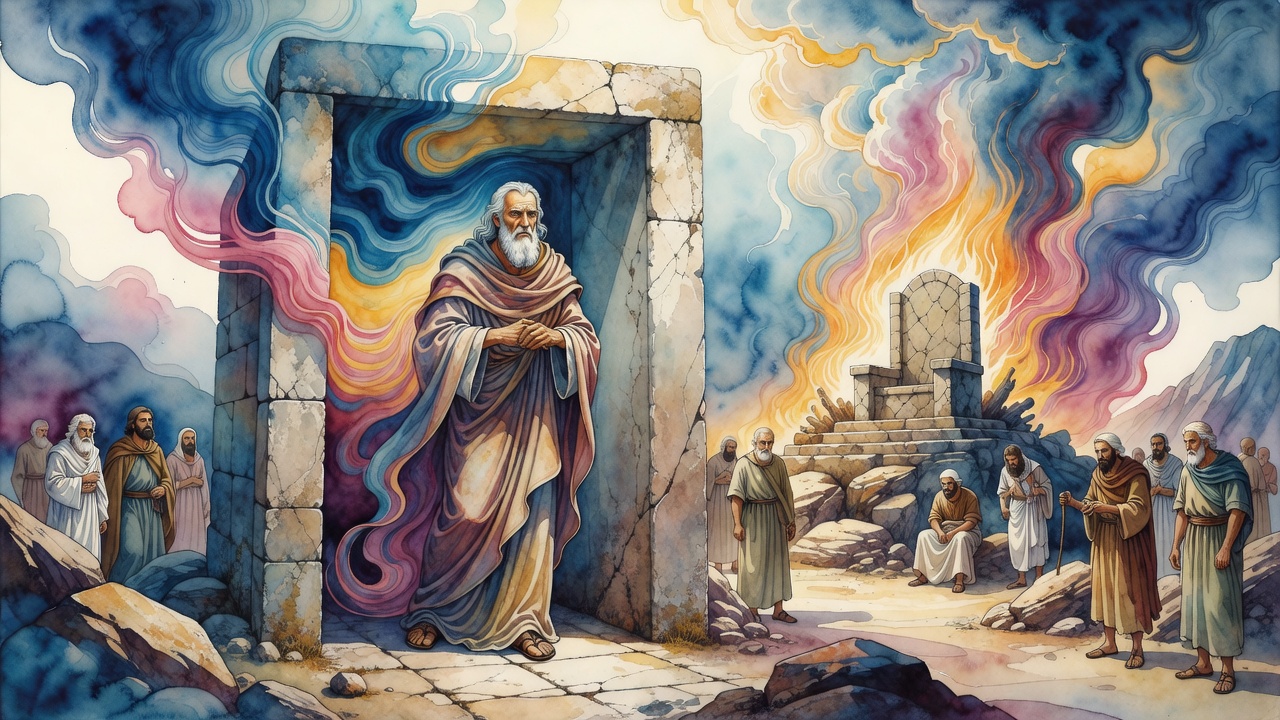
An axe slipped and a neighbor died. The killer ran to refuge and counted years by the High Priest's breath until that death opened the gates.

Curated by Arthur · Told by Maggid ·
Table of Contents
  1. The Prayer That Was Never Spoken
  2. When the Law Refused a Second Eye
  3. Name, Blood, and the Day That Completes
  4. The Gate Opens on a Funeral

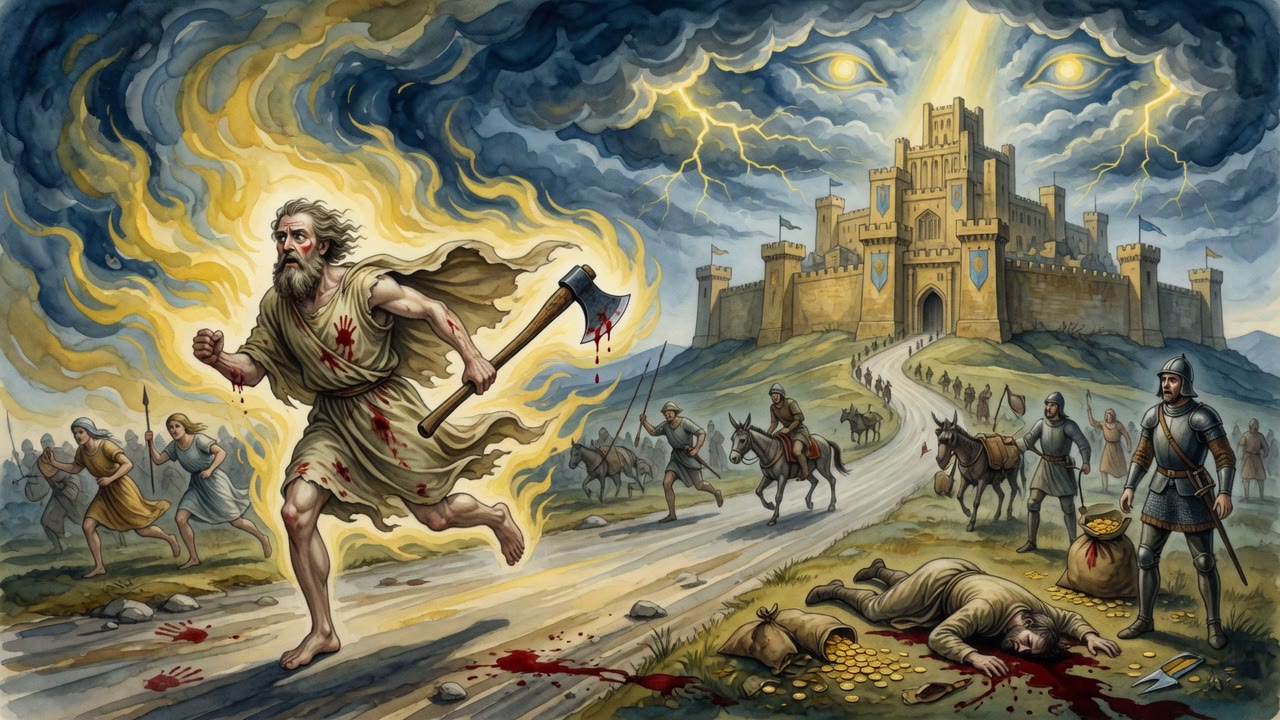
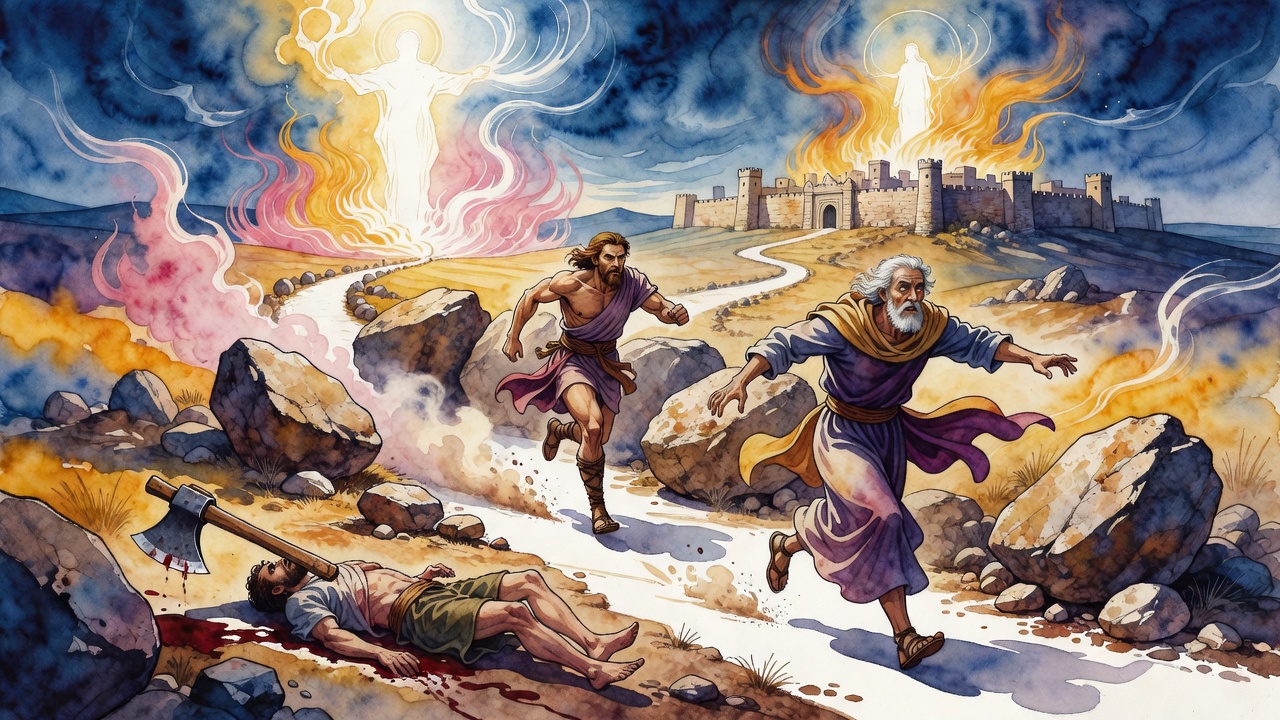
The axe left his hand before his mind could call it back. Wood split wrong. The neighbor fell. Blood found the dust in a thin, stupid line, and the man who had only meant to work now understood that the air itself had turned against him.
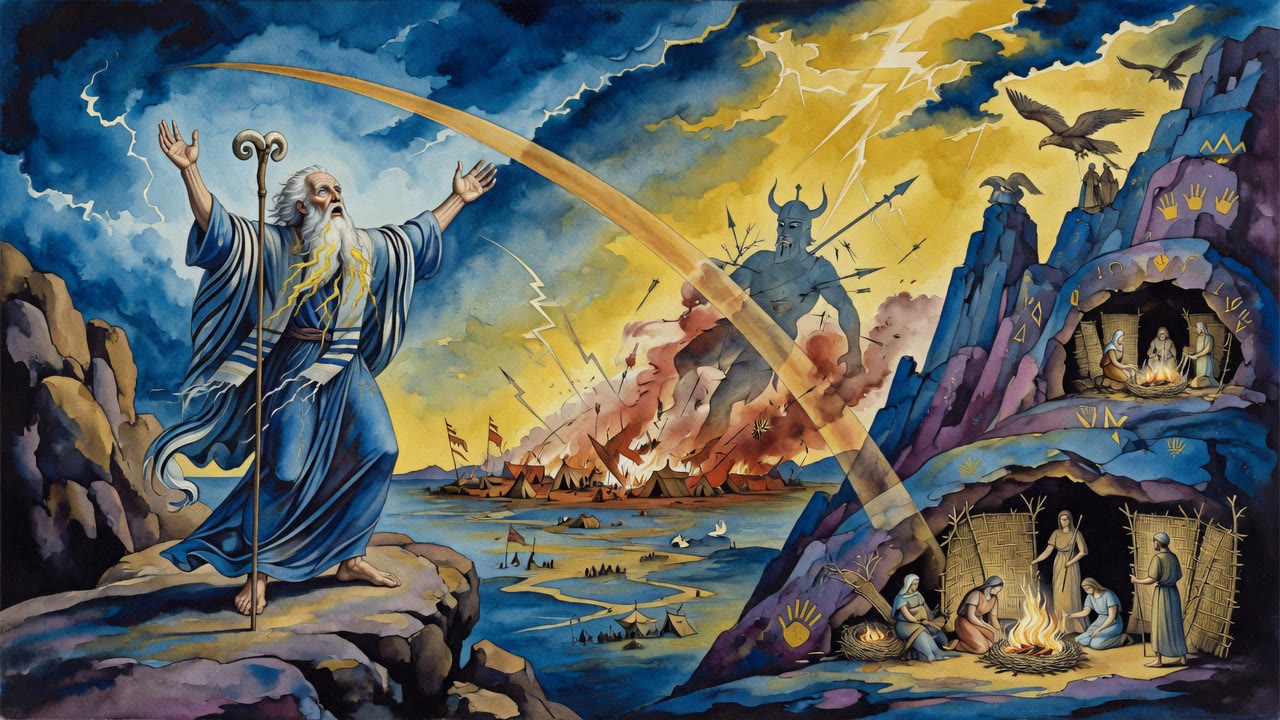
The Manslayer Freed When the High Priest Fell Click for full size

He ran. Not like a murderer with a plan. Like a body that still believed speed could undo a second already spent. Behind him rose the shout of kin who would not ask whether the blow was accident or hate. Ahead of him waited six cities with open gates and hard beds.

In the city of refuge he learned the taste of permanent temporary life. Streets and houses of living, rooms for exiles who might stay years. He counted not by festivals alone, but by news of one man in white linen, the High Priest whose death would one day unbolt the door.

The Prayer That Was Never Spoken

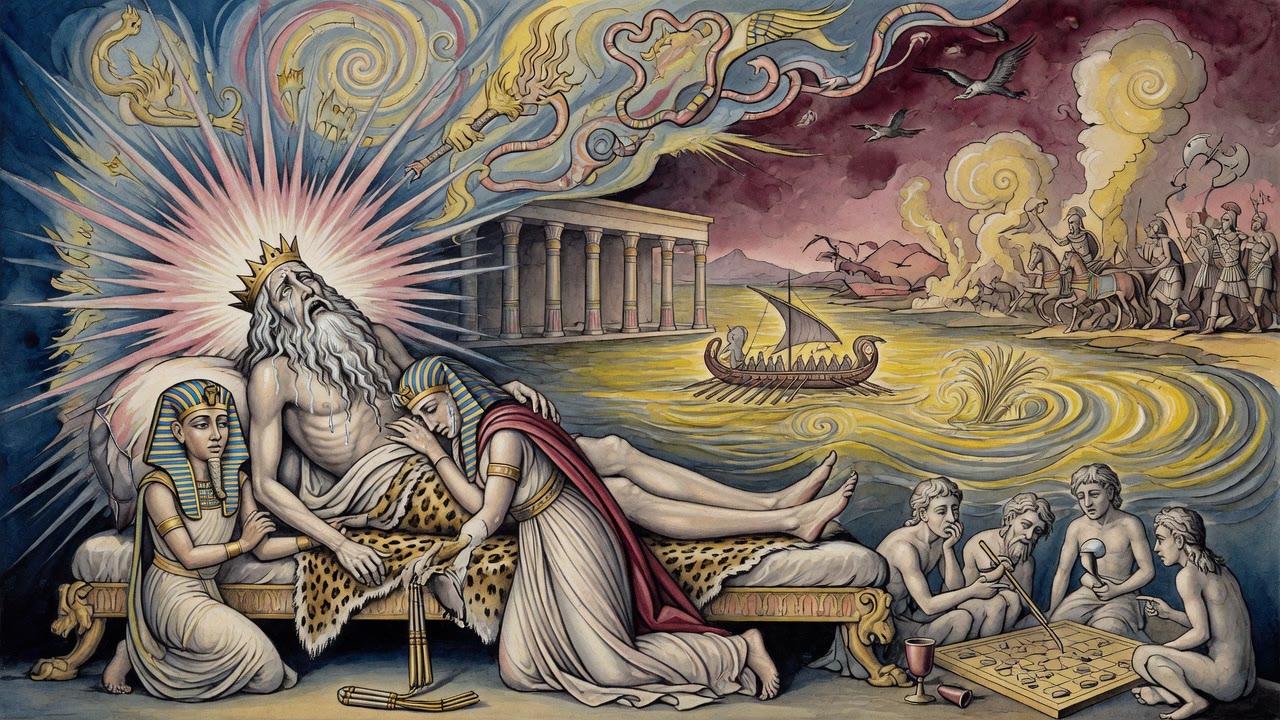
The Torah states the rule without a reason. The manslayer stays until the High Priest dies. The Aramaic retelling fills the silence with a claim sharp enough to cut. The High Priest died because he did not pray on the Day of Atonement in the Holy of Holies concerning the three great transgressions, that Israel might not be struck for strange worship, for impure unions, or for the shedding of innocent blood, when prayer could have held those blows back.

So the man in exile was not only waiting for a stranger's funeral. He was waiting for the end of a year in which the guardian of the people had failed the blood of the land. The High Priest's death became a second atonement, a public price for private silence in the holiest room.

On Yom Kippur the nation watched one man walk into thick darkness with incense and names. If he came out alive, the year might hold. If blood still found open ground, the Targum says the failure was already written into his breath.

The exile imagined that inner room without ever seeing it. Gold, smoke, the spoken Name, and a silence afterward that either meant mercy or meant that mercy had not been asked with enough courage.

When the Law Refused a Second Eye

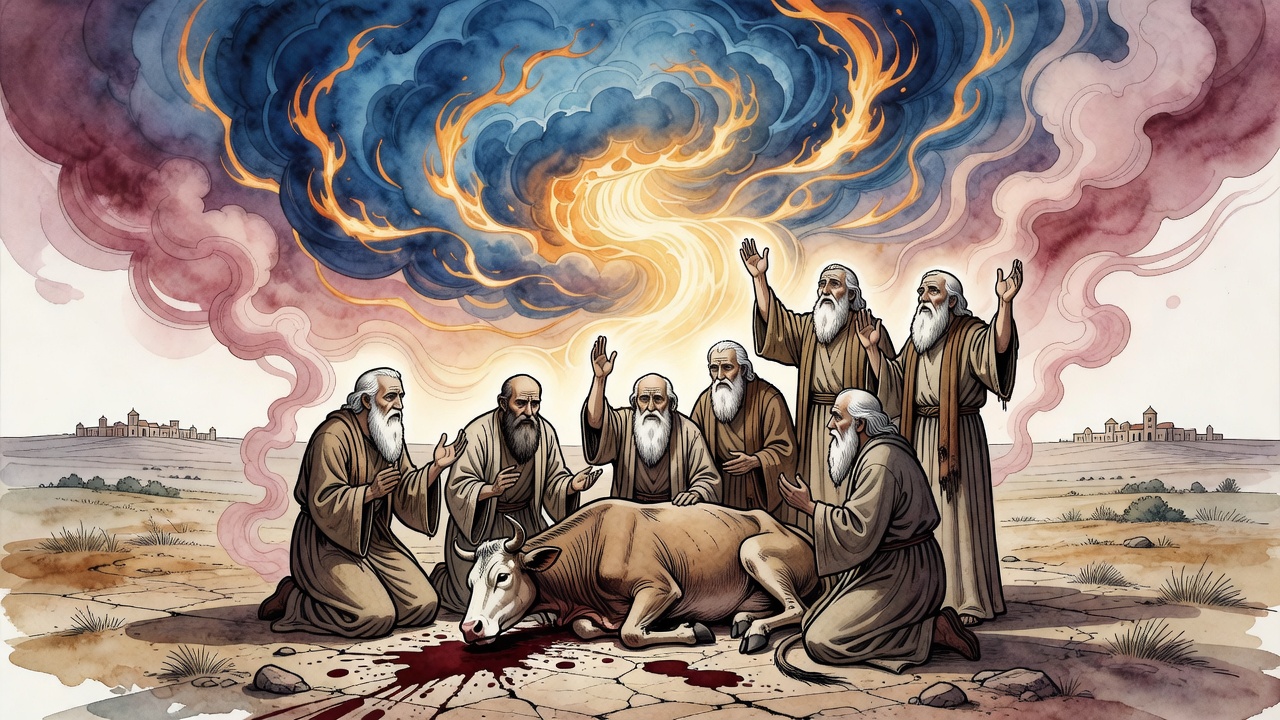
Outside the city of refuge, another argument raged in quieter rooms. An eye for an eye, said the plain words, and some hands itched for literal measure. The Mekhilta answered with money. Valuation, not mutilation. Rabbi Elazar set human injury beside the injury of a beast. As one pays for a struck animal, so one pays for a struck body. The Torah links the cases so no court can claim that vengeance is the method.

The manslayer in exile lived inside a different measure. He had not struck with iron on purpose. He had not filled his hand with a stone large enough to kill while hatred guided the aim. Still a life was gone, and the law would not let him stroll home as if the dust had never drunk blood.

Justice here is not a single blade. Sometimes it is silver weighed for an eye. Sometimes it is years behind a gate while a nation waits for a priest to finish a year he failed to guard with prayer.

Name, Blood, and the Day That Completes

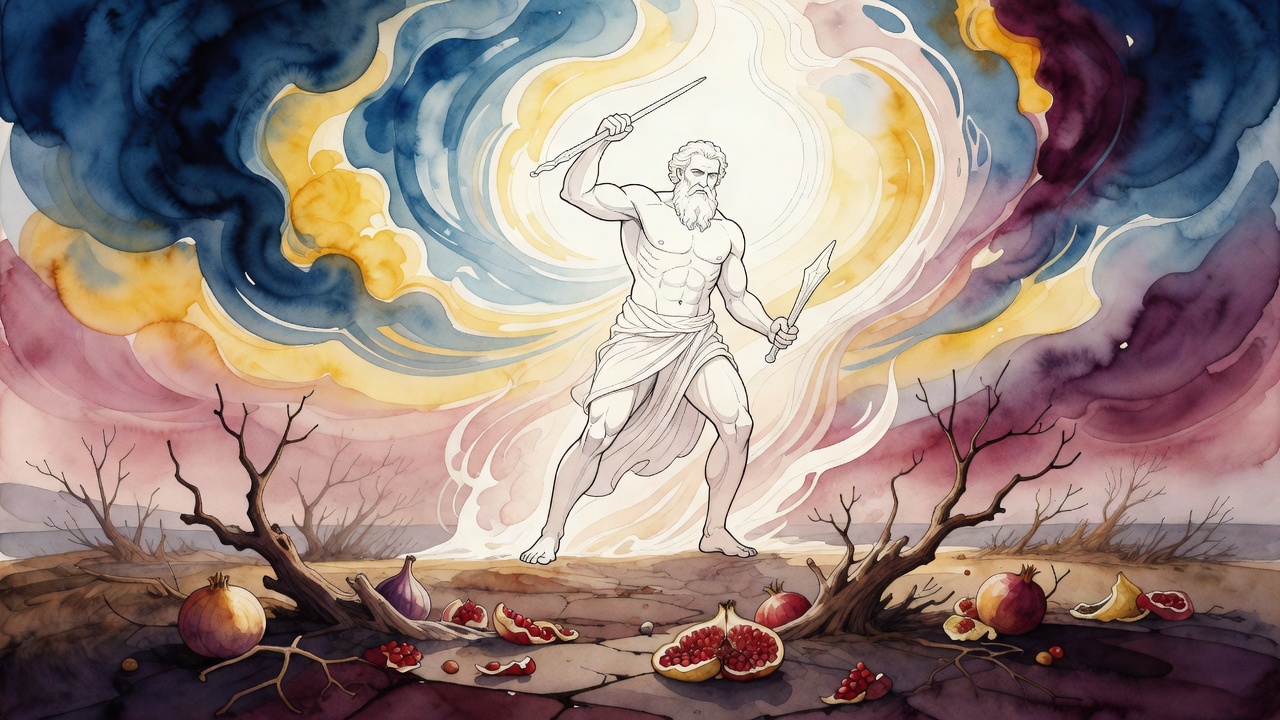
Rebbi, Rabbi Yehudah HaNasi, drew a line through the commandments at the misuse of the divine Name. For lighter sins, penitence alone can wipe the slate. For the Name taken in vain, and for the heavier debts ranked with it, repentance only suspends the blow. Yom Kippur completes the work.

Bloodshed sits in that heavier air. The accidental killer cannot buy his way out with a single apology. The High Priest cannot shrug off a year in which he failed to beg protection for the people. Both lives hang on the calendar of atonement, one waiting for release, one walking into the inner room with the power to prevent what he does not prevent.

The Name and the blood teach the same severity. Some wrongs do not end when a mouth says sorry. They end when time, ritual, and public consequence finish what private remorse began.

The Gate Opens on a Funeral

News came on a dry afternoon. The High Priest was dead. The exile stood in the street and felt no triumph. Freedom arrived wearing mourning. He walked out past the boarding houses and the watchers and the long habit of not planning a harvest.

Behind him the city kept its doors open for the next hand that would slip. Ahead of him waited a family that had aged without him, and a grave that would never call his blow an accident loudly enough to silence every cousin.

He had learned the shape of Jewish justice the hard way. Not every injury answers with a second injury. Not every death is murder. Not every freedom is clean. Sometimes a people heals by letting one death unbind another life, while still teaching that blood spilled on the ground is never a small thing.


← All myths
From the tradition

Sources

3 sources

The texts behind this telling. Some cards carry a translation of the source; others are our own retelling of it, and each card says which. Every card links out to the original.

Targum Jonathan on Numbers 35Targum Jonathan

Retold in our words. Read the original at the link below.The Targum of Jonathan ben Uzziel, trans. J. W. Etheridge, London, 1862 · Public Domain

The Targum's version of (Numbers 35) contains one of the most radical theological claims in all of ancient Jewish literature. It explains why a manslayer confined to a city of refuge was released upon the death of the High Priest. The standard Torah text gives no reason, it simply states the rule. But the Targum provides a stunning explanation: the High Priest died "because he did not pray on the Day of Atonement in the Holy of Holies concerning the three great transgressions, that the people of the house of Israel might not be smitten for strange worship, or impure connections, or the shedding of innocent blood, when it was in his power to obviate them by his prayer, and he prayed not. Therefore he has been condemned to die in that year."

The High Priest's death was not coincidence. It was punishment. If someone was killed accidentally, the High Priest bore partial responsibility because he should have prayed for the prevention of bloodshed on Yom Kippur (the Day of Atonement). His death was atonement for his failure of prayer, and that atonement freed the accidental killer.

The cities of refuge themselves are described as having "streets and houses of living", the Targum calls them boarding houses, suggesting permanent residential infrastructure for those in exile. Six cities total: three beyond the Jordan, three in the land of Canaan, open to Israelites and sojourners alike.

The Targum sharpens the distinction between murder and manslaughter with precise legal categories. For murder, the weapon matters: iron instruments, stones "large enough to kill anyone," or wooden implements "sufficient to kill anyone." The phrase "filling his hand" describes the deliberate act of picking up the weapon. Intent is established by prior enmity, purposeful assault, or lying in wait.

For accidental killing, the Targum specifies that the object fell "without keeping of malice" and "without intention." The killer "had not hated or purposed to do him harm." The congregation would judge between the killer and the blood avenger, and if the death was truly accidental, the killer was returned to his city of refuge to remain "until the time that the High Priest die." The chapter closes with a warning: "Innocent blood which has not been avenged will overflow the land," and atonement comes only "by the shedding of the blood of him who shed it." Then: "Defile not the land, for My Shekinah (the Divine Presence) dwells in the midst of it."

Full source
Mekhilta Tractate Nezikin 8:20Mekhilta DeRabbi Yishmael

Retold in our words. Read the original at the link below.Mechilta, translated by Rabbi Shraga Silverstein · CC-BY

"An eye for an eye", the Mekhilta states flatly that this means money. Monetary compensation, not literal blinding. But the text anticipates resistance to this reading: perhaps an actual eye is intended?

Rabbi Elazar resolved the question through a comparison in (Leviticus 24:21): "One who strikes a beast shall pay for it, and one who strikes a man shall be put to death." Scripture places the injuries of a man alongside the injuries of a beast in the same verse. This juxtaposition is not accidental, it creates a legal analogy.

The logic flows as follows: just as injuries to a beast are compensated with money (no one suggests blinding a beast in retaliation), so injuries to a man are compensated with money. The beast comparison makes the point inescapable. If the Torah wanted literal physical retaliation, it would not have linked human injuries to animal injuries in the same breath.

This teaching represents one of the most consequential interpretations in all of Jewish law. The plain text of "an eye for an eye" has been read by many cultures as endorsing physical retaliation. The Mekhilta insists otherwise. The phrase sets the measure of damages, the value of an eye, not the method of collection. What you owe is calculated by what was lost. But what you pay is always money. Jewish law categorically rejects mutilation as a form of justice. The Torah's language of equivalence is about valuation, not vengeance.

Full source
Mekhilta Tractate Bachodesh 7:5Mekhilta DeRabbi Yishmael

Retold in our words. Read the original at the link below.Mechilta, translated by Rabbi Shraga Silverstein · CC-BY

Rebbi, Rabbi Yehudah HaNasi, draws a dividing line through the commandments to explain how different kinds of sin are wiped away. He locates the boundary at the prohibition "You shall not take the name of the Lord your God in vain" (Exodus 20:7). For everything ranked below that commandment in severity, he teaches, ordinary penitence alone is enough to atone; a person who repents earns forgiveness without needing anything further. But for the offenses that stand at the level of "You shall not take the name" and above it, repentance by itself does not finish the work. Penitence suspends the punishment, holding it in abeyance, while the arrival of Yom Kippur, the Day of Atonement, completes the atonement.

Rebbi then specifies what falls into each category. Below the line are the lighter matters: the violation of a positive commandment and of an ordinary negative commandment, anything less grave than taking the divine name in vain. At the line and above it stand the weightier transgressions, those carrying judicial death penalties, death at the hands of Heaven, the cutting-off called kareth, the punishment of forty lashes, and the sins that require sin-offerings and guilt-offerings, and the prohibition against taking the name in vain is counted among them. By placing the misuse of God's name at this threshold, Rebbi marks it as a sin grave enough that mere remorse cannot erase it; only the cleansing power of the holy day can bring it to full atonement.

Full source