5 min read

Nimrod Hunted Against the Lord of the World

After the Flood, fruit fed and barren wood warmed. Then Nimrod rose, a hunter who turned strength against heaven and against human blood.

Curated by Arthur · Told by Maggid ·
Table of Contents
  1. Fruit for the Mouth, Wood for the Hearth
  2. Blood Speaks When Courts Cannot
  3. The Hunter Who Stood Face to Face
  4. When Strength Refused the Gift
  5. The Crime the Torah Remembers
  6. The Furnace Shadow Ahead
Nimrod Hunted Against the Lord of the World Click for full size

Fruit for the Mouth, Wood for the Hearth

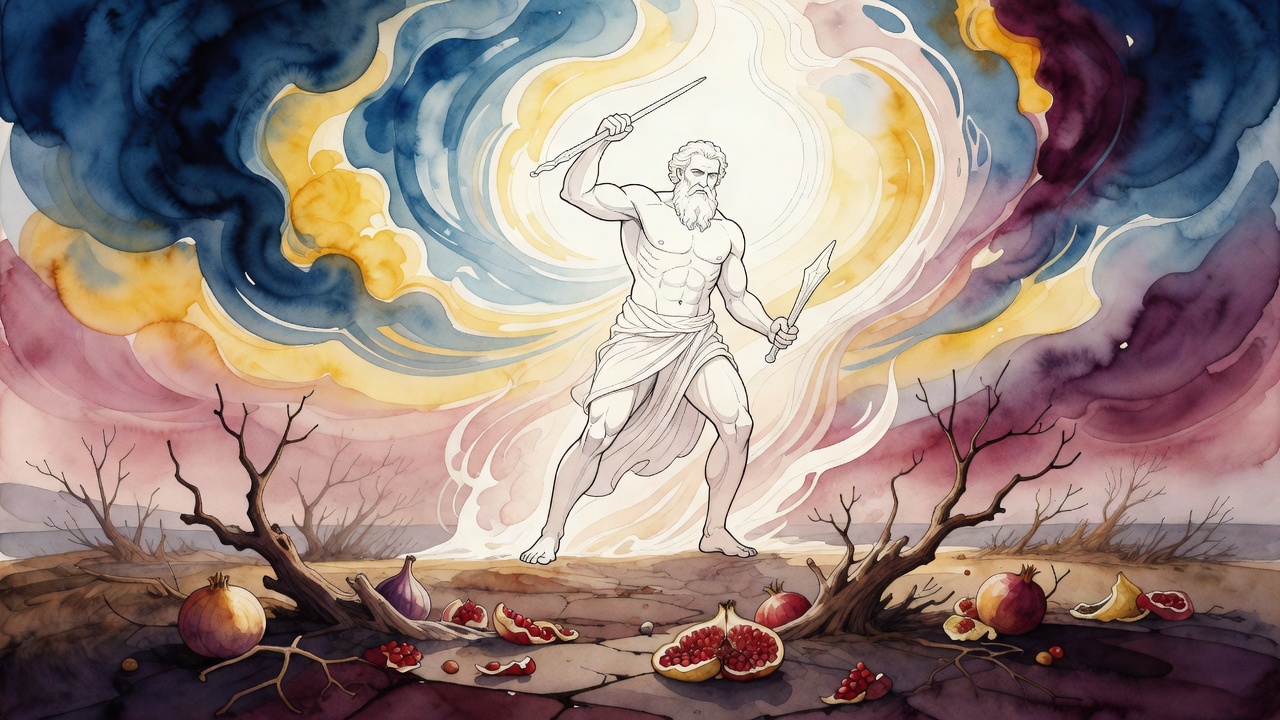
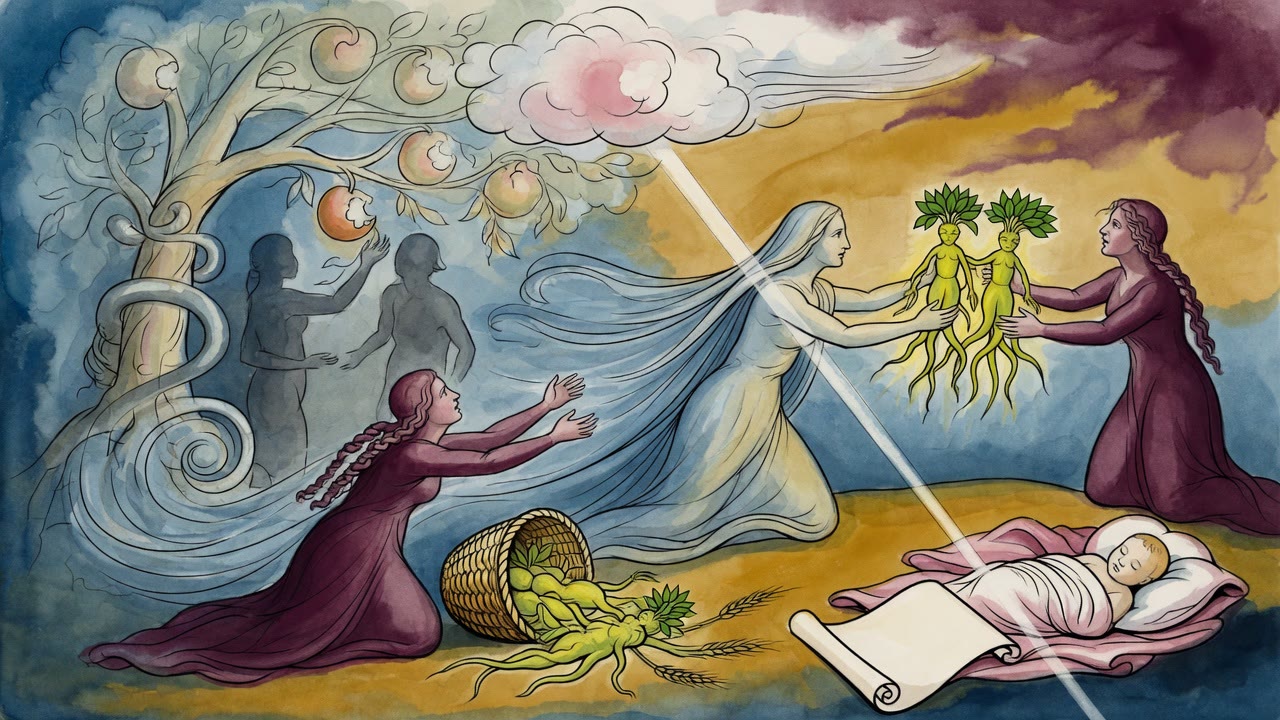
Adam's children still counted the green world as gift. Seed-bearing herbs filled the bowl. Fruit hung heavy on the branch. The trees that bore no food were not waste. Barren timber rose into roofs and fed the fire under the pot. Shelter and warmth stood beside bread as assigned work, each rank of plant given its service on the day it was made.

No one called a leafless trunk a failure. The Maker had already named its use. Houses rose from what could not be eaten. Hearths burned what could not be pressed into wine. The first economy was praise written in wood and grain.

Travelers who later cut a beam for a doorframe were not inventing a use. They were recovering an assignment older than their journey. The same held for a cook who fed a flame with wood that never promised dates or figs. Purpose had been spoken over both ranks of tree before any human hand chose which to plant and which to fell.

Blood Speaks When Courts Cannot

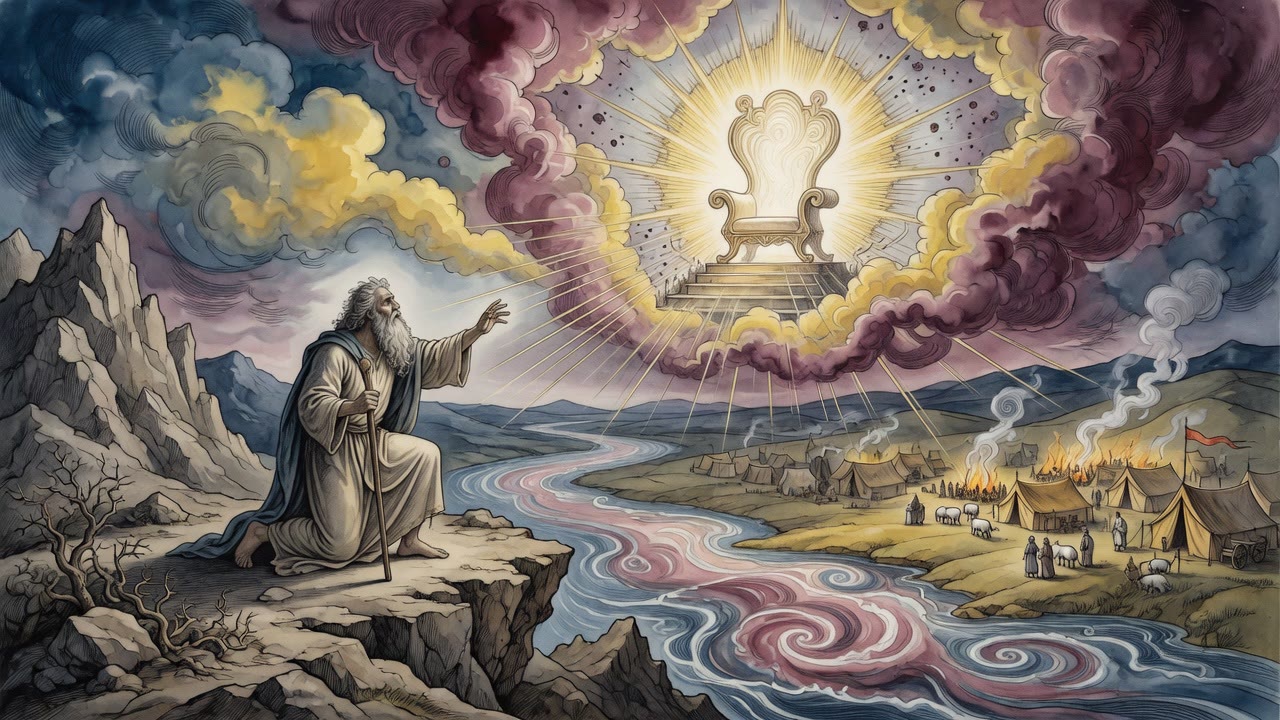
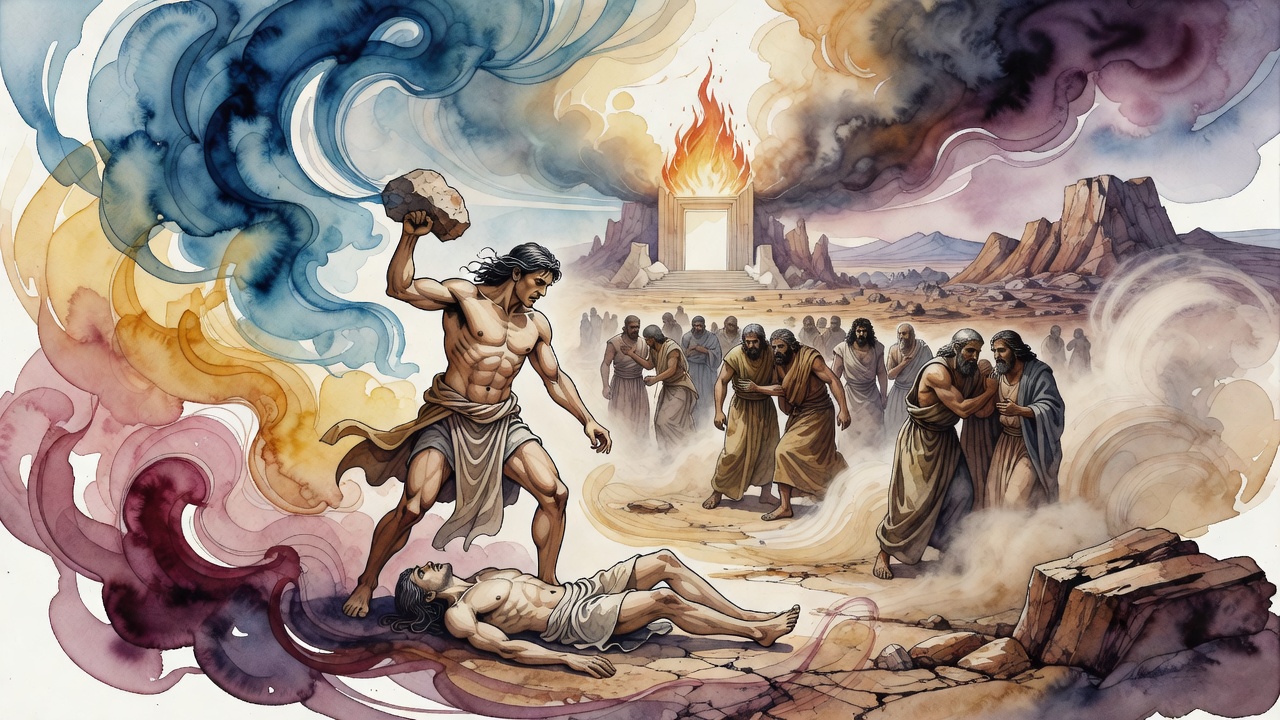
Then a beast killed a man in the open field, and the earth held the stain. Human judges could not put a lion in chains the way they put a thief. Heaven did not shrug. God required the blood of that life from the animal that spilled it, death for death on the creature's account, and required it again from every man who shed a brother's blood.

Brother. The word would not leave the corpse. Every murder after Eden rhymed with the first. Courts of flesh and blood would later stone a goring ox and debate intent. Before those courts, the rule was already sharp. Human life was sacred enough that even a mindless killer answered for it, and every human killer stood before a Witness who never sleeps.

The Hunter Who Stood Face to Face

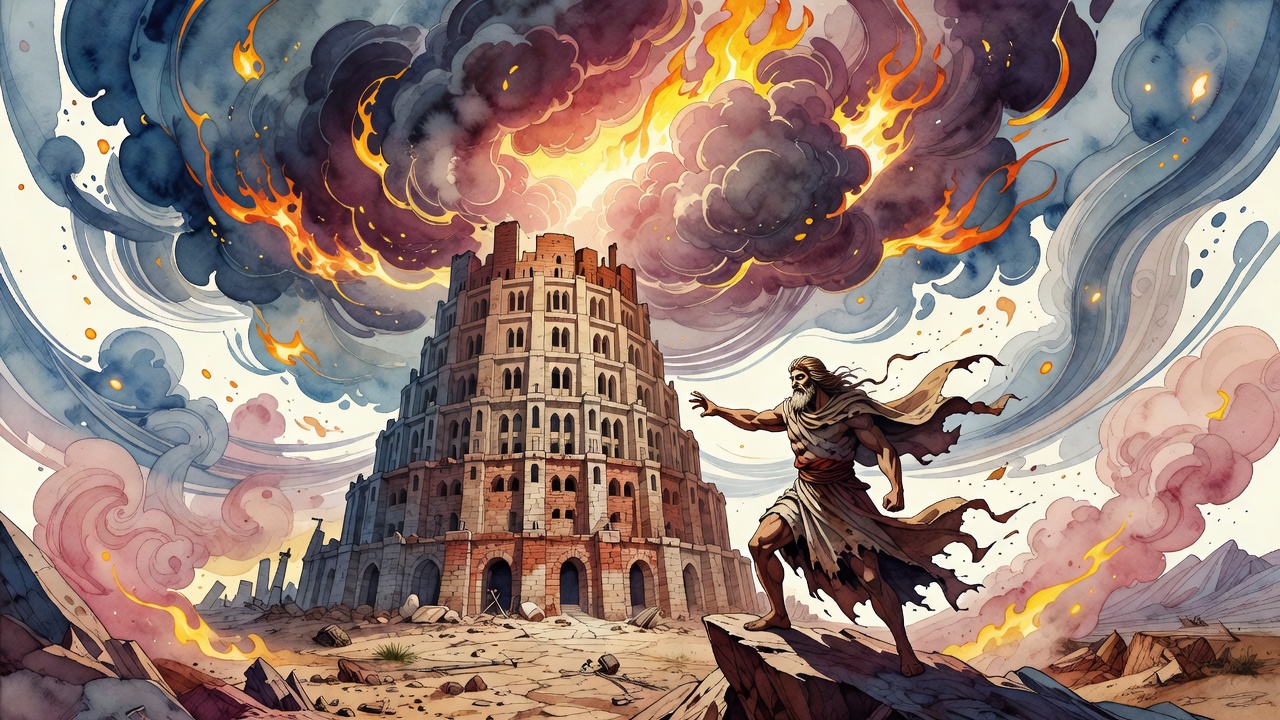
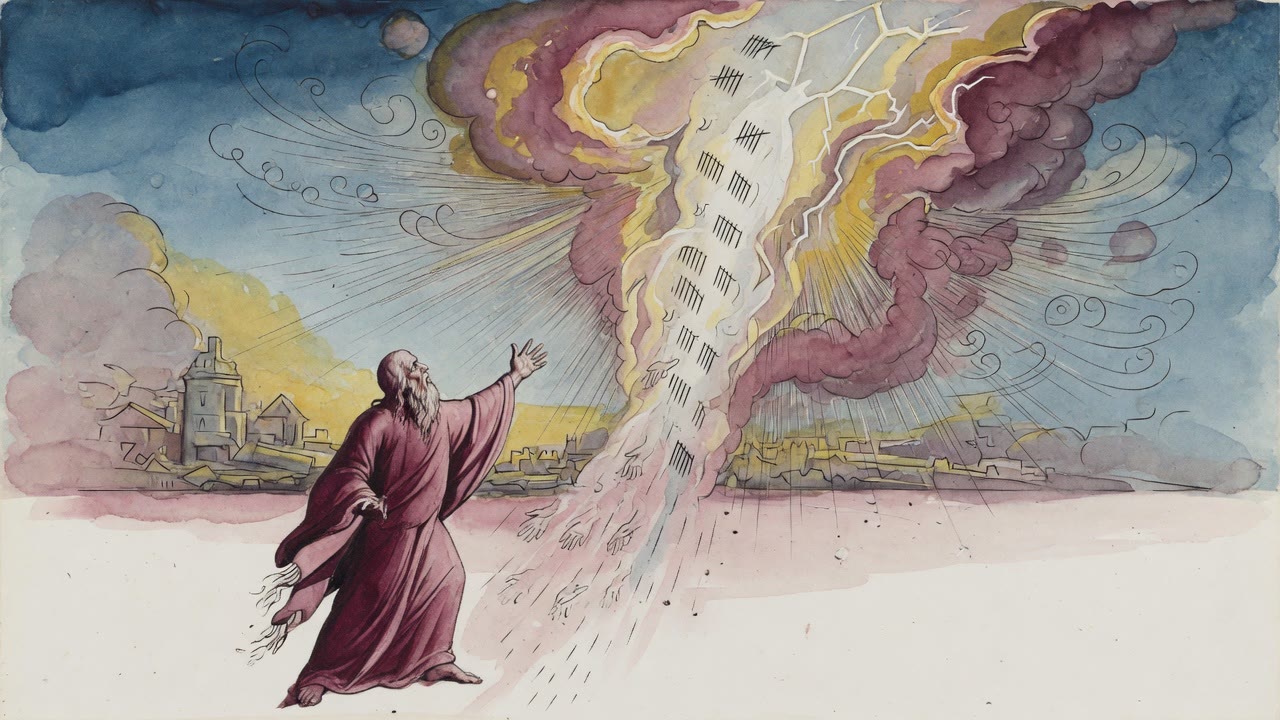
Nimrod grew tall in that ordered world. He was strong. He tracked game through brush and marsh. The plain Hebrew would call him a mighty hunter before the Lord. The sharper tongue of the Targum did not let the word stay polite. Not before as in under heaven's eye. Before as in against. He was a rebel set face to face with the Lord of the world.

From the day the world was created there had not been one like him. Not the Flood generation. Not Cain. Nimrod made opposition into identity. Strength that would not bow began to hunt more than deer. It hunted consciences. It taught cities to measure glory by the height of a spear and the fear in a neighbor's door.

When Strength Refused the Gift

Fruit still hung. Wood still burned. The law of blood still waited on the field. Nimrod walked through all three as if none of them bound him. The gift of food became a storehouse for power. The gift of firewood became the fuel of war camps. The rule that blood is required became a joke told over meat.

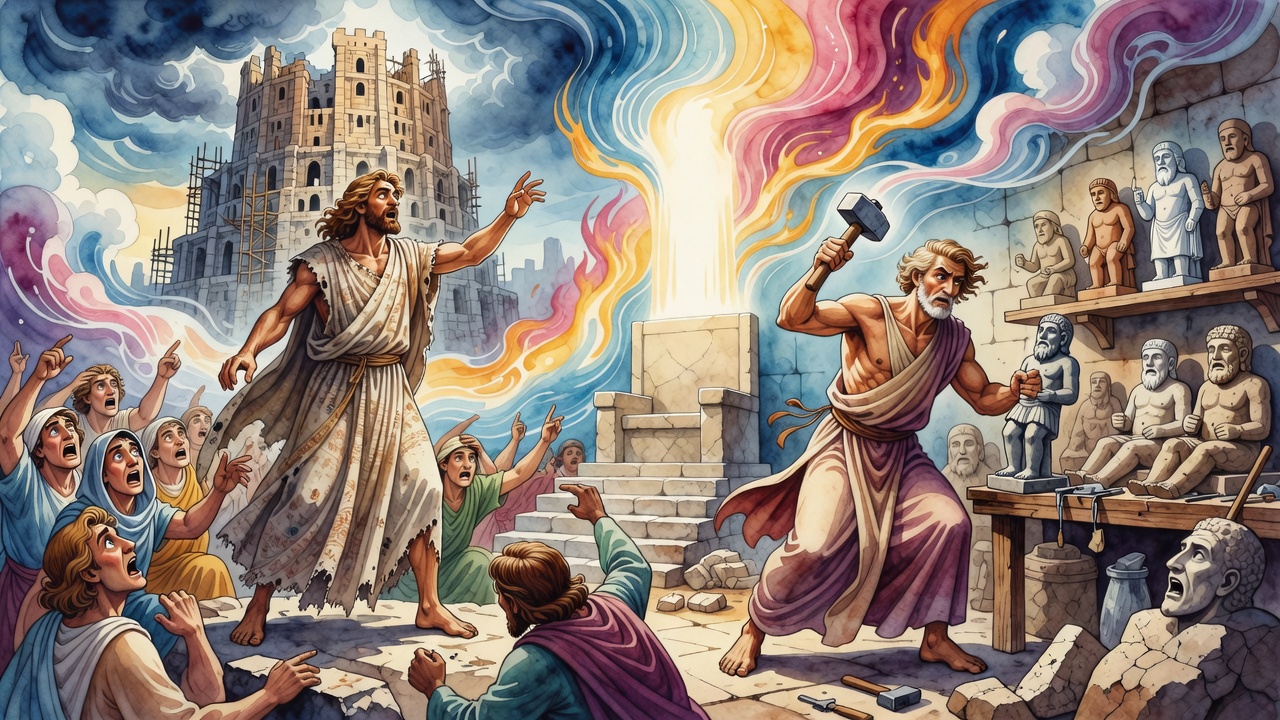
He did not stumble into sin. He organized it. Later tellings would set him opposite Abraham and a furnace, but the seed was already here: a hunter whose real quarry was the refusal to submit. When a man will not lower his head, he soon raises a hand against other heads.

The Crime the Torah Remembers

The world had been given for eating, building, and burning in peace. Life had been fenced by a claim heaven would press even against a beast. Nimrod used the same world to stage rebellion. That is why his name sticks. Strength without submission becomes a hunt for souls. The fruit tree, the barren beam, the blood on the grass, all three still stand as witnesses against him.

The Furnace Shadow Ahead

Later ages would set Abraham before a furnace and put Nimrod's name on the command. The Targum does not need that scene to finish its charge. It is enough that the first great villain after the Flood is defined as opposition itself. A hunter of animals becomes a hunter of the will to kneel. Cities learn to call that greatness.

Children still ate fruit. Builders still chose barren beams for roofs. Courts still argued over goring beasts. Against all three stood a man who treated gift as inventory and blood as sport. The world that had been carefully assigned roles watched one man refuse every role but master.

His name does not need later costume to finish its charge. The moment is already complete when strength looks at a brother, looks at a beast, looks at a tree, and decides none of them may limit the spear. That decision is the real flood after the Flood, rebellion worn as glory.

Even the barren tree stands in the indictment. It was given for shelter and fire, not for siege engines and idols of power. Even the beast that kills a man stands in the indictment, required to die so that human blood never becomes weather. Nimrod's name gathers both gifts and breaks them over his knee.


← All myths

From the tradition

Sources

3 sources

The texts behind this telling. Some cards carry a translation of the source; others are our own retelling of it, and each card says which. Every card links out to the original.

Targum Pseudo-Jonathan on Genesis 1:29Targum Pseudo-Jonathan on Genesis

Retold in our words. Read the original at the link below.The Targum of Jonathan ben Uzziel, trans. J. W. Etheridge, London, 1862 · Public Domain

The Torah's provision for humanity is stated briefly: "every herb yielding seed, every tree yielding fruit, to you it shall be for food." Targum Pseudo-Jonathan on (Genesis 1:29), the expansive Aramaic paraphrase traditionally linked to the land of Israel, widens the gift. The Lord gives not only food-bearing plants but "every unfruitful tree for the need of building and for burning."

The Targumist reads the verse as a careful division of the plant kingdom into two ranks, each with its own service. Fruit trees are given for nourishment, the date and the fig and the vine that feed the body. Barren trees, which yield no fruit a person can eat, are given for houses and for firewood, for the timber of shelter and the warmth of the hearth. Both ranks are gifts from the Creator, and neither is an accident.

The point is theological as much as botanical. By naming a purpose for the tree that bears no fruit, the Targum refuses to let any part of creation be counted as waste or failure. A tree that gives no food is not useless; it shelters and it warms. Every piece of the world is assigned a role on the day it is made. The question is never whether a thing has a purpose, but what kind of purpose the Maker had in mind for it.

Full source
Targum Pseudo-Jonathan on Genesis 9:5Targum Pseudo-Jonathan on Genesis

Retold in our words. Read the original at the link below.The Targum of Jonathan ben Uzziel, trans. J. W. Etheridge, London, 1862 · Public Domain

Targum Pseudo-Jonathan on (Genesis 9:5) extends the reach of divine justice to places human courts cannot follow. The blood of your lives I will require of every animal which hath killed a man, I will require that it be put to death on his account. And from the hand of the human being, from the hand of the man who hath shed the blood of his brother, will I require the life of man.

Look at the sequence. First, even an animal that kills a human is held accountable. This is the Torah's astonishing teaching that human life is sacred enough that even a creature without reason is answerable for its spilling. The Sanhedrin centuries later would formalize this into laws about the goring ox.

Second, and more searchingly: from the hand of the man who hath shed the blood of his brother. The Targum uses the word brother. Every murder in Torah's imagination is a repetition of Cain and Abel. Every victim is a brother. The first crime after Eden was fratricide, and every murder since rhymes with it.

The takeaway the Maggid leaves on this verse: Jewish justice looks at a corpse and sees a sibling. Where human courts fail, heaven does not. Life is guarded by a witness who never sleeps.

Full source
Targum Pseudo-Jonathan on Genesis 10:9Targum Pseudo-Jonathan on Genesis

Retold in our words. Read the original at the link below.The Targum of Jonathan ben Uzziel, trans. J. W. Etheridge, London, 1862 · Public Domain

Targum Pseudo-Jonathan on (Genesis 10:9) gives us the first great villain after the Flood. He was a mighty rebel before the Lord; therefore it is said, From the day that the world was created there hath not been as Nimrod, mighty in hunting, and a rebel before the Lord.

The plain Hebrew calls Nimrod a "mighty hunter before the Lord." The Aramaic sharpens the phrase. Not before as in in the sight of, before as in against. Nimrod is a rebel, and his rebellion is set up face to face with heaven. He is not a man who happens to sin. He is a man whose very identity is opposition to God.

The Targum doubles down: from the day that the world was created there hath not been as Nimrod. No rebel so complete has ever walked the earth. Not the generation of the Flood. Not Cain. Nimrod stands in a category of his own.

Jewish tradition will later build Nimrod into the great tyrant who throws Abraham into the fiery furnace for refusing to worship idols. The Targum's sharp phrasing plants the seed for that whole later story. Nimrod is the archetype of the man who uses his strength to hunt not just animals, but souls.

The takeaway the Maggid draws: strength without submission becomes rebellion. A hunter who will not bow his head eventually hunts the conscience of others. That is the real crime Torah warns against when it remembers Nimrod.

Full source