Parshat Ki Tisa5 min read

Moses in the Cleft of the Rock and the Word That Shielded Him

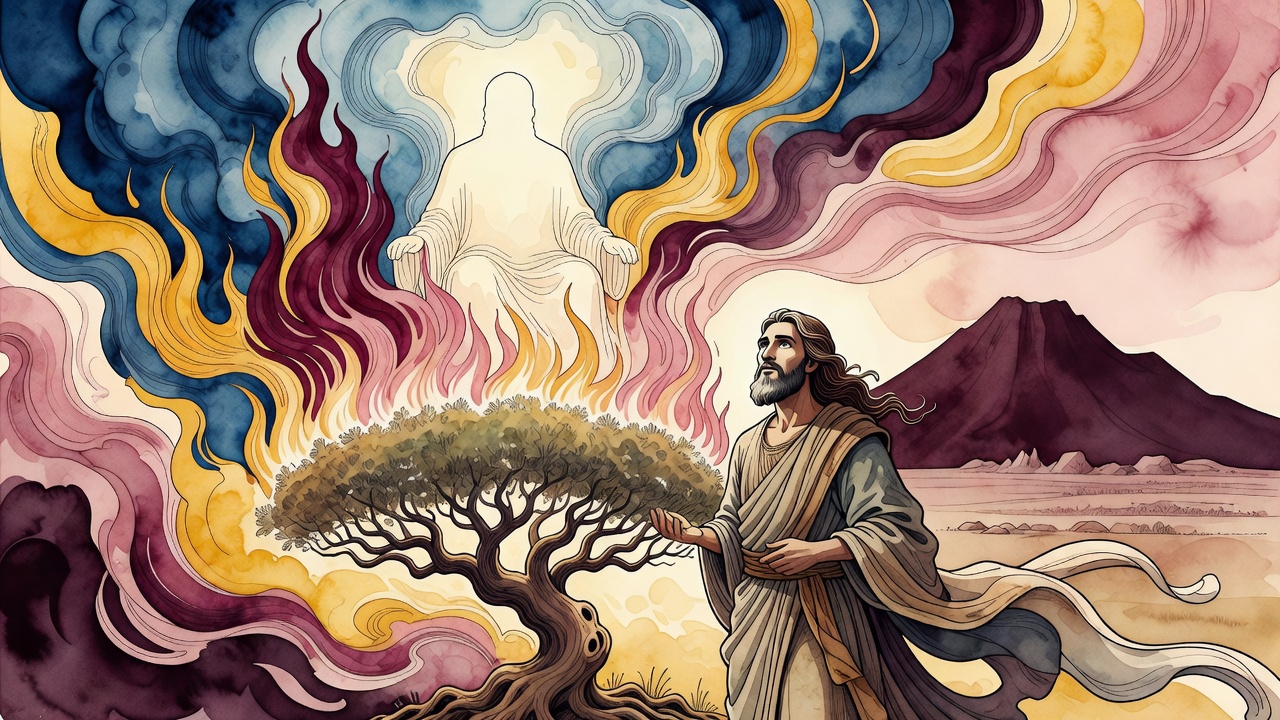
Emboldened after Sinai, Moses begged to see God's glory, so God hid him in the rock and stretched His own Word over the stone as it swept past.

Curated by Arthur · Told by Maggid ·
Table of Contents
  1. The Request No One Had Dared to Make
  2. The Physician Who Asked to Be Taught
  3. The Ocean and the Teacup
  4. Hidden in the Cleft of the Rock
  5. The Word Stretched Over the Stone
  6. Thirteen Names Spoken Over His Head
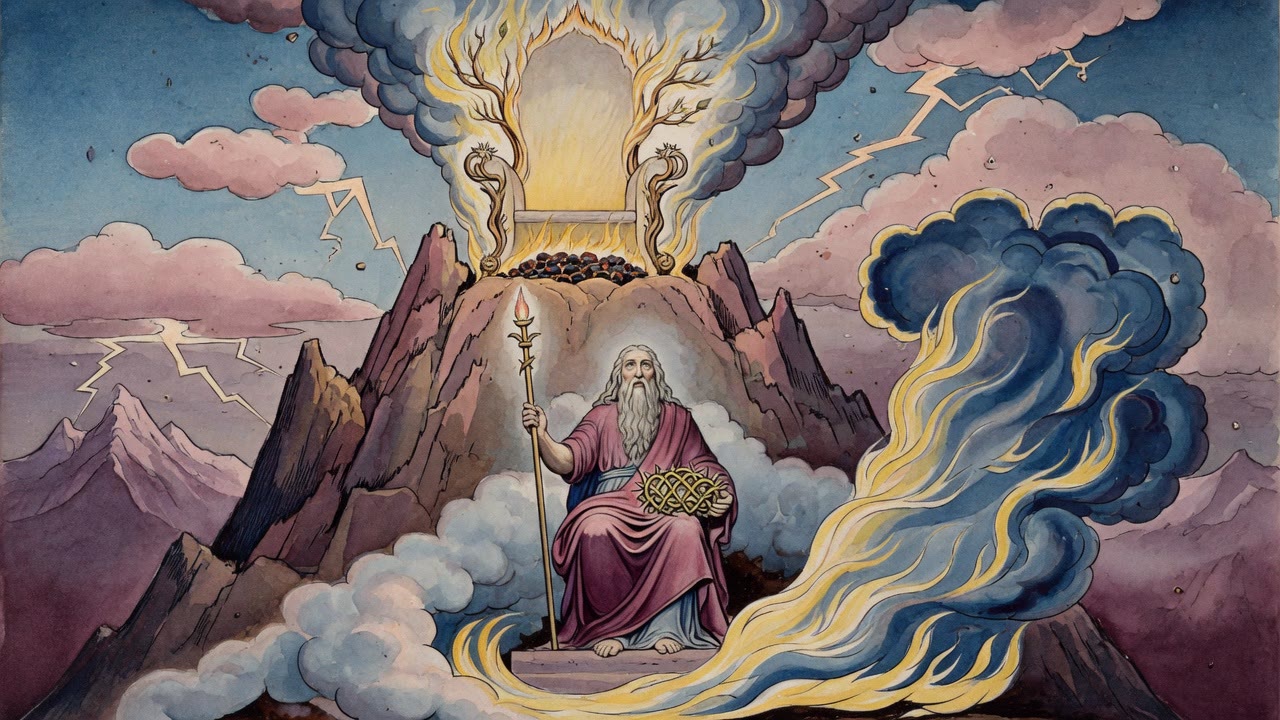
Moses in the Cleft of the Rock and the Word That Shielded Him Click for full size

The Request No One Had Dared to Make

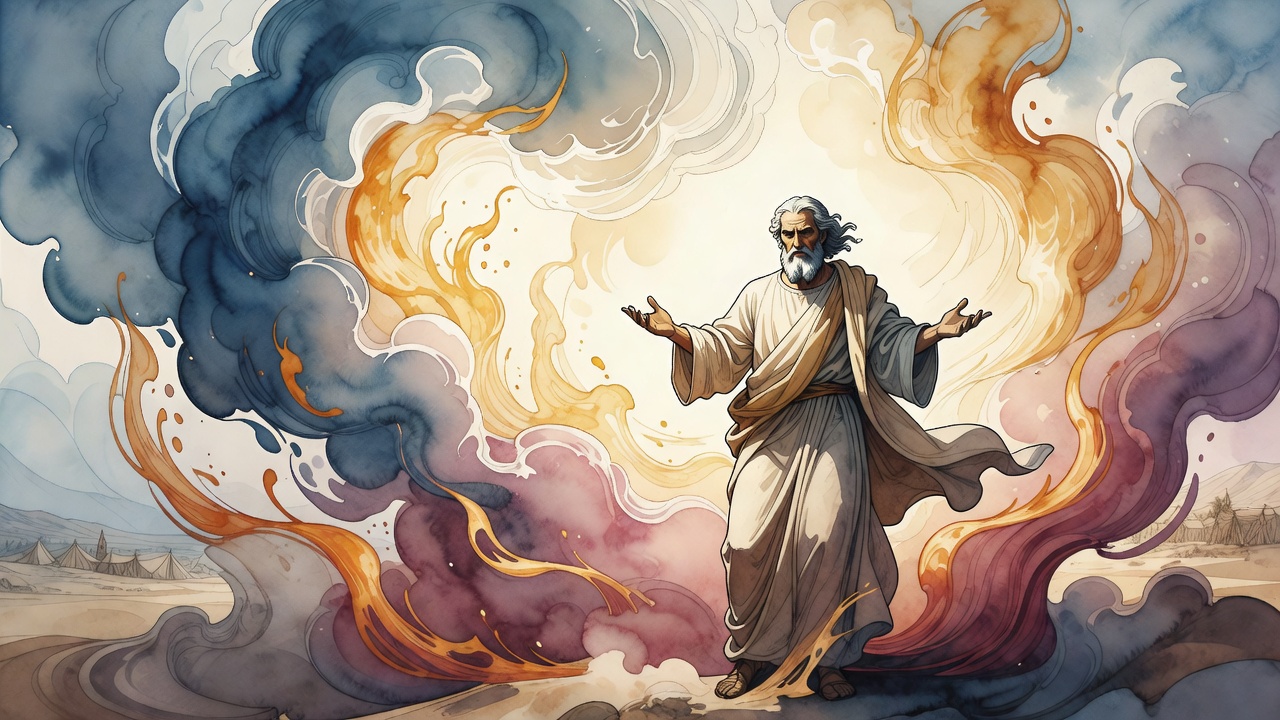
Moses came down out of the cloud still smelling of fire and asked for more. He had stood inside the thunder. He had taken the tablets from the hand that made the world. Instead of resting in what he already held, he pressed closer and said the words, "Show me Your glory."

No prophet had asked it before. Moses was not begging for a sign or a rescue or bread in the wilderness. He wanted to see the way the whole engine of the world was run, the hidden working of how God deals out judgment and pardon, famine and rescue, to Israel and to every nation under heaven.

The Physician Who Asked to Be Taught

A master physician once schooled his apprentice in every cure, every fever and broken bone, every poison and its antidote, holding back only one wound. When the training was finished he turned to the young man and said, "You have learned all of it. Now teach me how to close this last one." That was the shape of what Moses did. God had handed him the whole Torah, the paths of the Law and the ordering of the camp, and Moses turned back toward the teacher and asked to be shown the one thing still withheld, the mercy running underneath the Law itself.

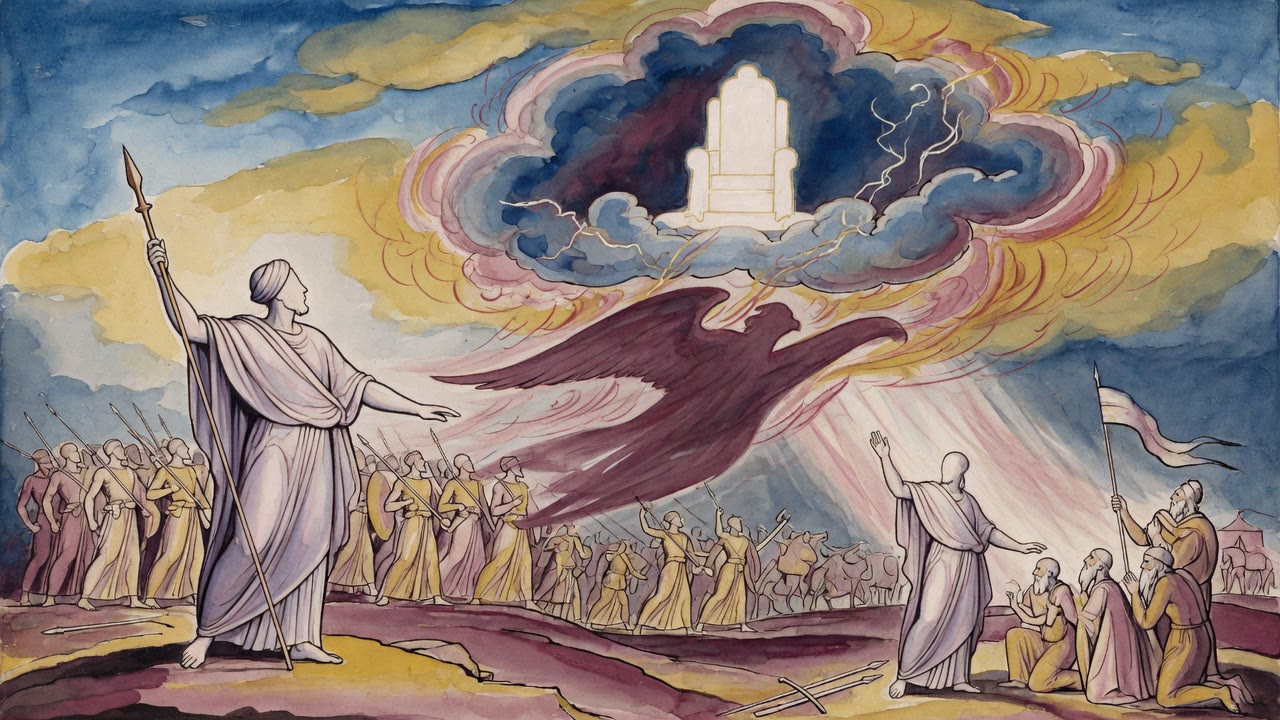
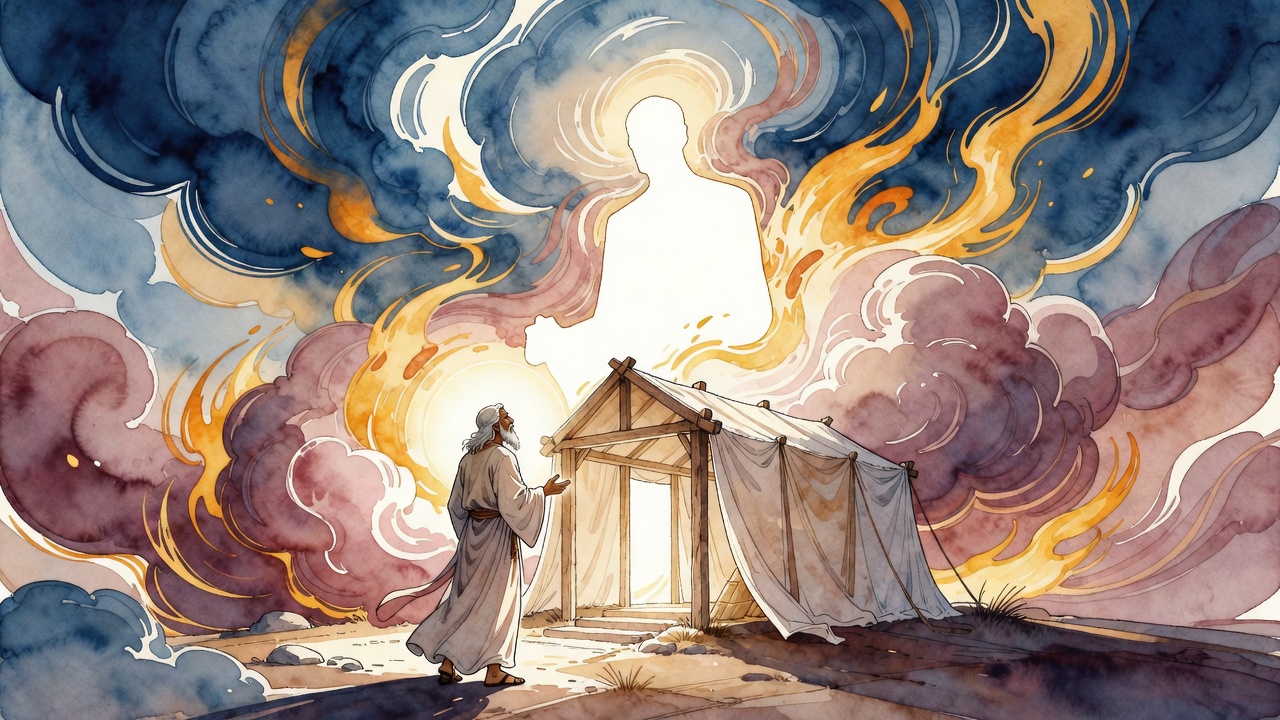
He had earned the right to ask. When the people had melted their gold into a calf and the camp still shook with the aftermath, Moses had taken his tent and driven its stakes far outside the camp, and whoever went looking for God went out to him there. To seek that one old man at the edge of the tents was to seek the Presence itself. God had told him the trouble ran hot around him. "You have two fiery ones among you," He said, "the teacher and the disciple." Then came a mending. The tent was carried back inside the camp, and Moses stood close enough again to press for the thing he truly wanted.

The Ocean and the Teacup

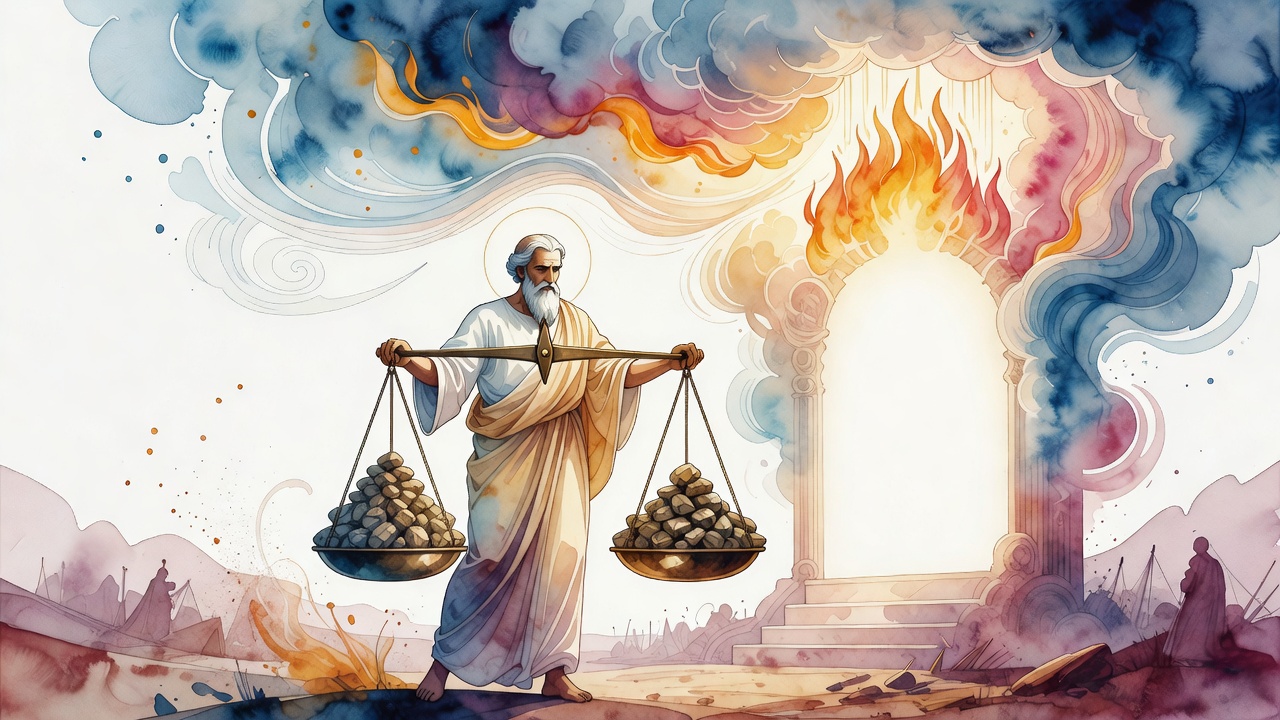
The answer came back gentle and immovable. "You cannot hold it," God told him, the way the sea cannot be poured into a single cup without the cup bursting and the sea rolling on regardless. There was a harder wall behind it. "No man can see My face and live." A living face set against the full weight of the glory would simply stop, the way a small flame gutters out when the wind leans too hard on it.

Hidden in the Cleft of the Rock

So God made him a place. "There is a spot here beside Me," He said. "Stand on the rock." In the face of the cliff there was a split, a cavern worn into the stone, and God set Moses down inside it the way a man shelters a candle with his cupped hands. "When My glory passes by," He said, "I will put you in the cleft of the rock." The cave was not a hiding place from shame. It was a shelter of stone in which a mortal became able to survive what would otherwise have burned through him.

The Word Stretched Over the Stone

Then came the strangest guard of all. The roof of that cavern would not be ordinary rock. As the glory of the Shekhinah (the Divine Presence), the Presence, swept forward, God spread His own Memra, His living Word, across the mouth of the stone. "I will overshadow you with My Word until I have passed by." God was shielding Moses from God. The prophet lay in the rock. The Word lay over the rock. The glory poured past the Word like a river past a sea wall, and the man beneath it went on breathing.

Thirteen Names Spoken Over His Head

As the glory moved, a voice came down over the trembling prophet and began to name itself. Compassionate. Gracious. Slow to anger. Overflowing with kindness and truth. Keeping mercy for thousands, carrying sin and rebellion and wrong, clearing the ones who turn back. Thirteen names for the single thing Moses had begged to understand, spoken not as a lecture but as a chain of promises poured over his head while he pressed his face to the stone.

He never saw the face. He saw the back of the glory as it went from him, the trailing edge of something too vast to hold, and he came down the mountain with his own skin shining so fiercely the people could not look at him. What he carried back was not a chart of how the world is governed. It was thirteen words for mercy, learned from inside a rock, under a Word, with the glory already gone by.


← All myths
From the tradition

Sources

2 sources

The texts behind this telling. Some cards carry a translation of the source; others are our own retelling of it, and each card says which. Every card links out to the original.

Midrash Tehillim 25:6Midrash Tehillim

Retold in our words. Read the original at the link below.Rabbi Mike Feuer, Jerusalem Anthology · CC-BY

Even Moses, the great lawgiver himself, felt that way.

In Midrash Tehillim, a collection of rabbinic interpretations on the Book of Psalms, we find a fascinating glimpse into Moses's burning desire to understand God's ways. It all starts with the verse, "Make known to me Your ways, O Lord." (Psalm 25:4).

Rabbi Berachiah, quoting Rabbi Yochanan, paints a beautiful analogy. except for one particular wound. The physician then turns to his student and says, "You've mastered so much. Teach me how to heal this." That’s kind of what's going on here. Moses, despite his incredible relationship with God, is essentially asking, "Show me how You run the universe." As it says, "He made known His ways to Moses" (Psalms 103:7) and "Show me Your glory" (Exodus 33:18), meaning the way that You conduct the world.

It's not that simple, is it? As Rabbi Zeira says in the name of Resh Lakish, God basically tells Moses, "You can't fully grasp it." It's like trying to fit the ocean into a teacup.

The midrash (rabbinic interpretive commentary) then takes an interesting turn. Moses reminds God of past instances where he felt appeased – when the Israelites threatened to stone him, and when he argued with them. "And Moses took the tent and pitched it outside the camp" (Exodus 33:7). This teaches us, says Rabbi Yehuda, that seeking out an elder, like Moses, is akin to seeking the Divine Presence itself!

But God also points out that Moses has some strong personalities around him. "You have two hot-headed individuals in your midst, the teacher and the disciple." Maybe that's why things are feeling so intense. And so, God allows Moses to bring the tent back into the camp, signifying a reconciliation. Rabbi Acha then seizes the opportunity to pray for God to reveal His ways to Israel. After all, "The Rock!. His work is perfect" (Deuteronomy 32:4).

The midrash then draws a parallel between Moses and Samuel the Ramathite. (Jeremiah 15:1) says, "Even if Moses and Samuel stood before Me.." highlighting their equal stature. The text emphasizes the similarities: both were Levites, both sang songs, both led Israel, both reigned for forty years, both waged wars, and so on. The comparison emphasizes the idea that even after Moses, there were individuals who possessed a deep connection with the Divine.

Finally, Moses asks God to reveal how He deals with the nations of the world. He yearns to understand the grand cosmic plan. And the text concludes with a reflection on the concept of waiting for God, even "all day long." Since this world is a day for the nations of the world and a night for Israel, therefore, I waited for You all day long.

Maybe it's that the quest for understanding God's ways is a lifelong journey, one that even the greatest figures in our tradition wrestled with. And perhaps, just perhaps, a little patience too. After all, some mysteries are meant to unfold over time.

Full source
Targum Pseudo-Jonathan on Exodus 33:22Targum Pseudo-Jonathan on Exodus

Retold in our words. Read the original at the link below.The Targum of Jonathan ben Uzziel, trans. J. W. Etheridge, London, 1862 · Public Domain

When the glory of God was about to pass, Moses needed protection. Targum Pseudo-Jonathan, the Aramaic paraphrase of the Torah, describes the shielding with mystical precision.

"It shall be that when the glory of My Shekhinah passes before you, I will put you in a mearat tinra, a cavern of the rock, and will overshadow you with My Memra, My Word, until the time that I have passed by" (Exodus 33:22).

The cave is not a hiding place. It is a shelter of stone inside which the prophet becomes eligible to survive what would otherwise consume him. And the roof of that shelter is not ordinary rock. It is the Memra, the Word of the Lord, interposed between Moses and the passing glory.

This is the Targum at its mystical height. God shields Moses from God. The Memra, that strange Aramaic concept of the divine Word acting as God's own agency in the world, becomes here a buffer. Moses is in the rock. The Word is over the rock. The glory flows past the Word.

The sages understood this as the moment Moses received the deepest Torah of all - the knowledge of divine mercy that would be chanted forever after in the Thirteen Attributes. You cannot learn that Torah from outside. You have to be inside the rock, covered by the Word, while glory passes.

Takeaway: The deepest glimpses of God come to those who are willing to be hidden by God first. The rock is not the cost of the vision. The rock is how the vision is given.

Full source