Moses Asked for a Sign and God Promised a Return to the Mountain
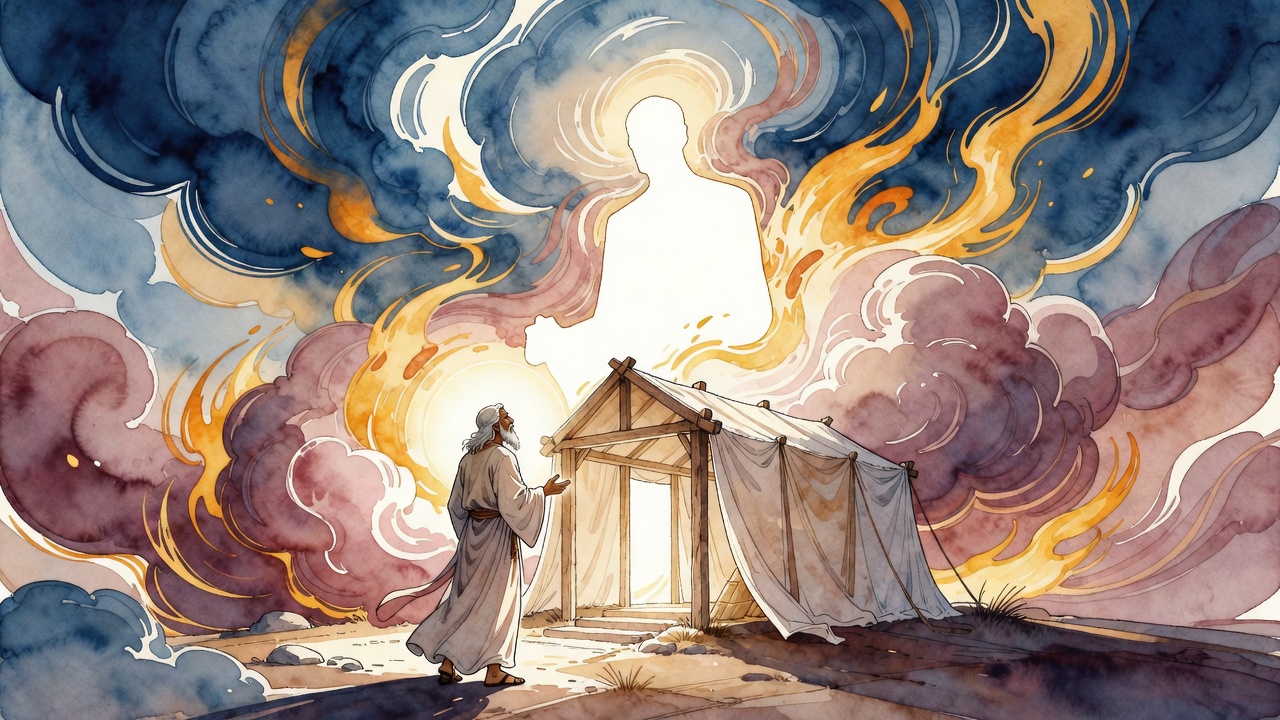
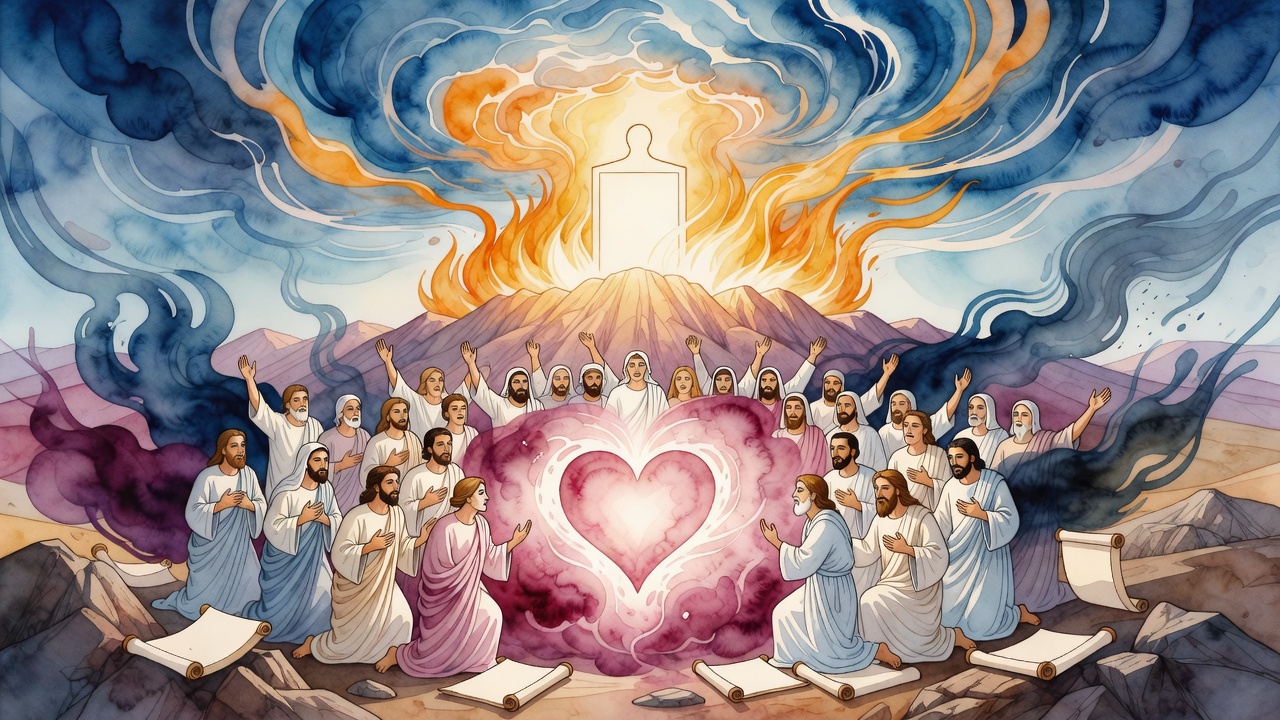
At the bush God gave Moses a sign that would only come true after the Exodus, when the nation stood again on the same mountain to receive the Law.
Table of Contents
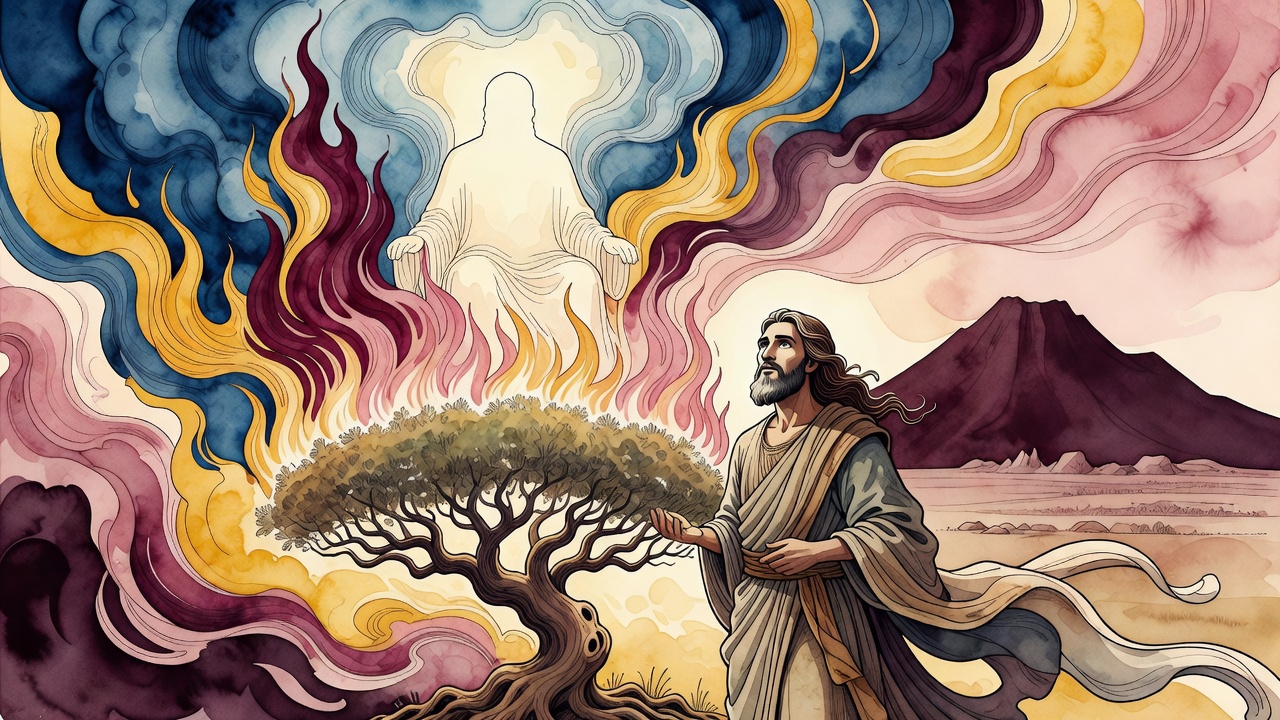
Moses asked for a sign at the bush, and the answer refused to behave like a wonder. No staff turning in that moment as the proof. No hand whitening and healing while he still argued. The Holy One gave him a sign that would only arrive after the work was done.
 Click for full size
When you have brought the people forth from Egypt, you shall worship before the LORD on this mountain, because you will have received the Law here. The Targum's Memra walks with the promise. My Word shall be for your help. The proof is not safety on the road. The proof is return to the same stones with a nation at his back.
Moses stood in Midian with Egypt still whole and Pharaoh still on the throne. The mountain was already speaking as if the sea had already split.
A Sign That Comes Too Late to Help
Ordinary signs confirm a mission before the mission starts. This one confirms it on the far side of the mission. Moses is told to walk toward Pharaoh on the strength of a future he cannot yet touch. He will know the bush spoke truth only when he stands again on the same ground with the people free and the Law descending.
Fifteen months of plagues, sea, and complaint sit between the promise and its check. The sages later call that kind of walking emunah, not a shrug of opinion but a body that commits before it sees. The sign cannot be verified until it has already been trusted. The verification is the mission completed, not a trick that makes the mission easier.
That is why the sign feels strange to anyone who wants insurance. Insurance pays before the risk. This sign pays after the risk has already been lived. Moses had to carry an unfinished proof through blood on doorposts and dry ground in the sea.
Sinai Was the Point All Along
The Holy One does not say the sign is that Moses will be safe. He does not say the sign is that Pharaoh will yield. The sign is that Moses will be back here to receive the Law. Deliverance is prelude. Sinai is the destination named at the first fire.
The bush burns in Midian. The mountain waits. Between them runs the whole argument of the Exodus. Freedom without Torah would be a door opening onto empty air. The sign stitches the door to the mountain so Moses cannot pretend he was only hired to break chains. He was hired to bring worshippers to a teaching place.
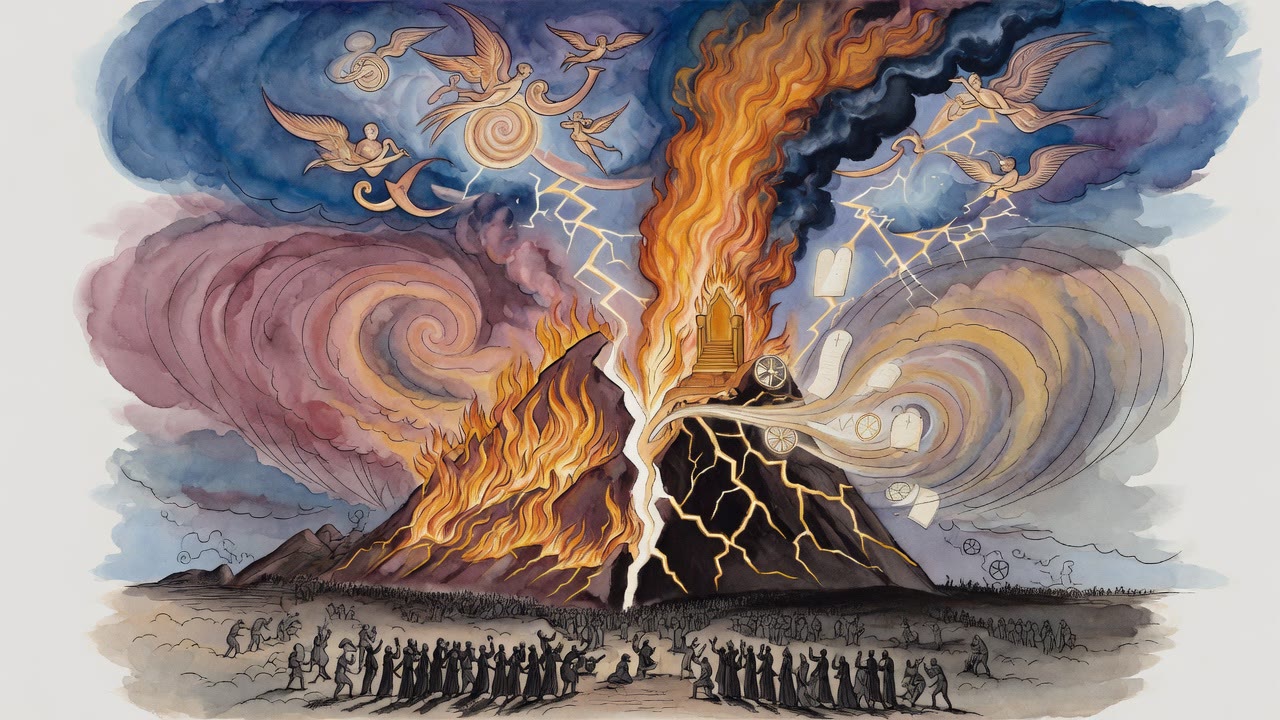
When the people finally arrive, the earlier promise becomes visible. The same ridge. The same God. A different Moses, older, angrier, carrying a nation that still complains. The sign holds. The bush was never a private comfort. It was a map folded into flame.
Gods That Came Late and Helped No One
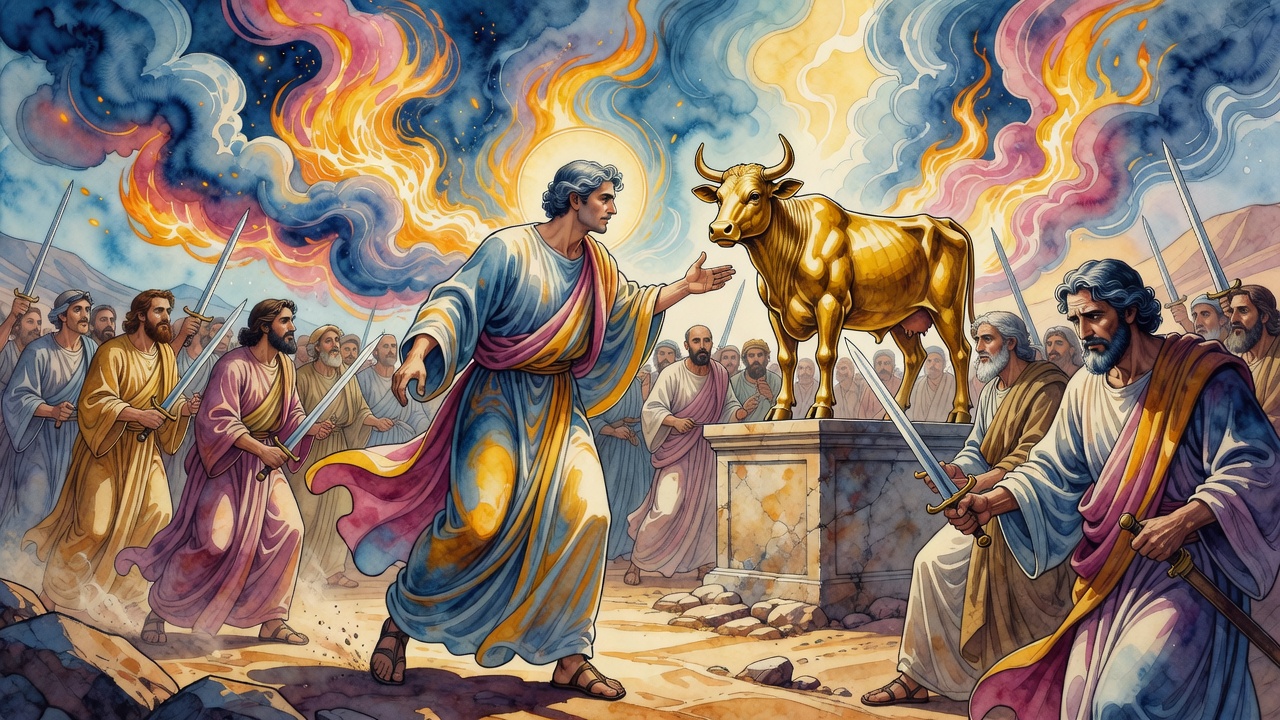
When the people stand under the mountain, the second word forbids more than a private idol on a shelf. The Mekhilta reads tightly. You may not keep an idol for yourself, and you may not keep one for anyone else. Claiming you do not believe in the silver figure, that you merely hold it as an object, does not open a loophole. You are not permitted to keep it at all.
The sages mine the word "other." The idols are other because they came late, new arrivals Israel's ancestors never feared, gods invented yesterday who never did anyone any good, not the worshipper, not his fathers, not anyone in any generation. They are other because they delay goodness from entering the world, holding back the blessing that would otherwise flow. They are other because they estrange their worshippers, turning people into strangers to God and to themselves.
"Before Me" forbids fashioning the Holy One in any image, not even in the likeness of the angels who serve Him. The idol is not only powerless. It pulls a person away from the only One worth worshipping. The mountain that was Moses' future sign becomes the place where late gods are told they have no claim.
What Moses Had to Carry Alone
At the bush Moses held a future mountain in his mind while Egypt still held his people. At Sinai he held a people who must not trade the living Voice for late, useless shapes of gold. The sign and the commandment face opposite directions of the same road. Walk first, then know. Arrive, then refuse the gods that never walked with Israel.
The Memra that promised help at the bush is the same presence that will not share the mountain with a statue. Moses' first miracle was not a trick in his hand. It was agreeing to a proof that would only light up when the nation was free enough to learn. When the nation finally stood where the bush had pointed, the sign closed, and the work of not taking other gods began.
← All myths