Moses Asked God Whether the Dead Will Live
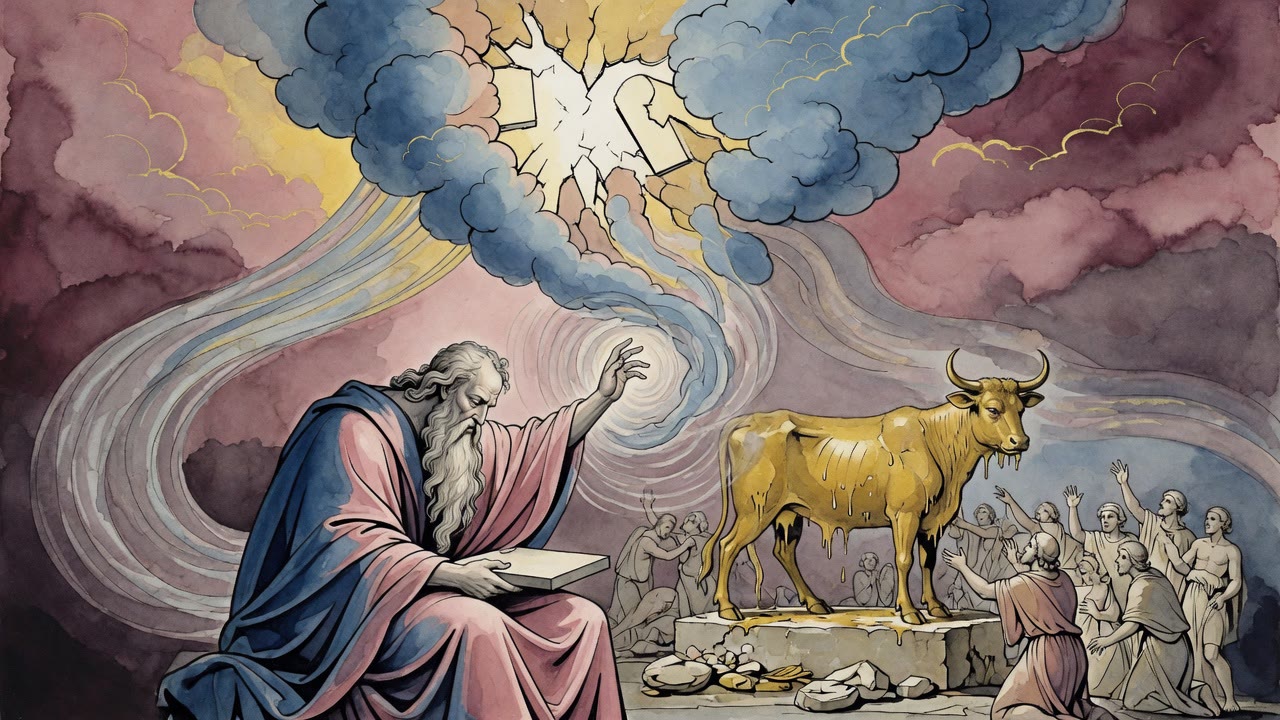
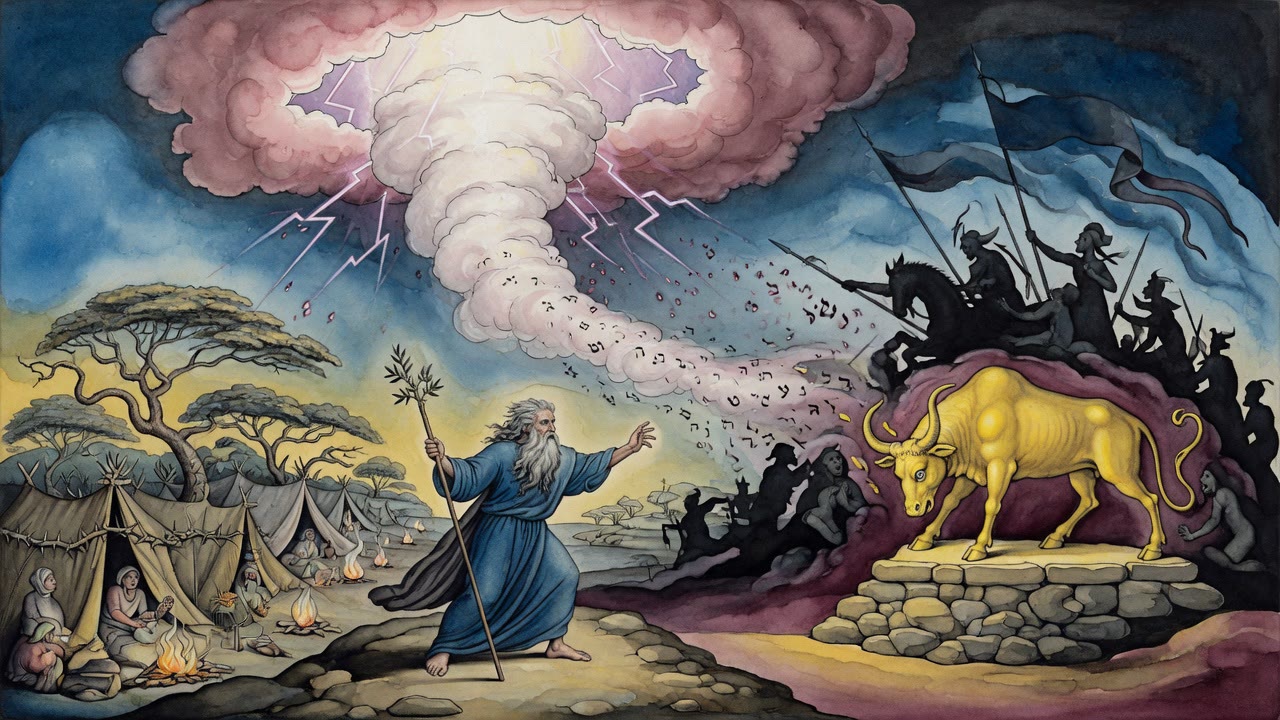
After the calf, Israel gave up ornaments the sages call weapons marked with God's Name. Moses argued for the people by naming three fathers who were dead.
Table of Contents
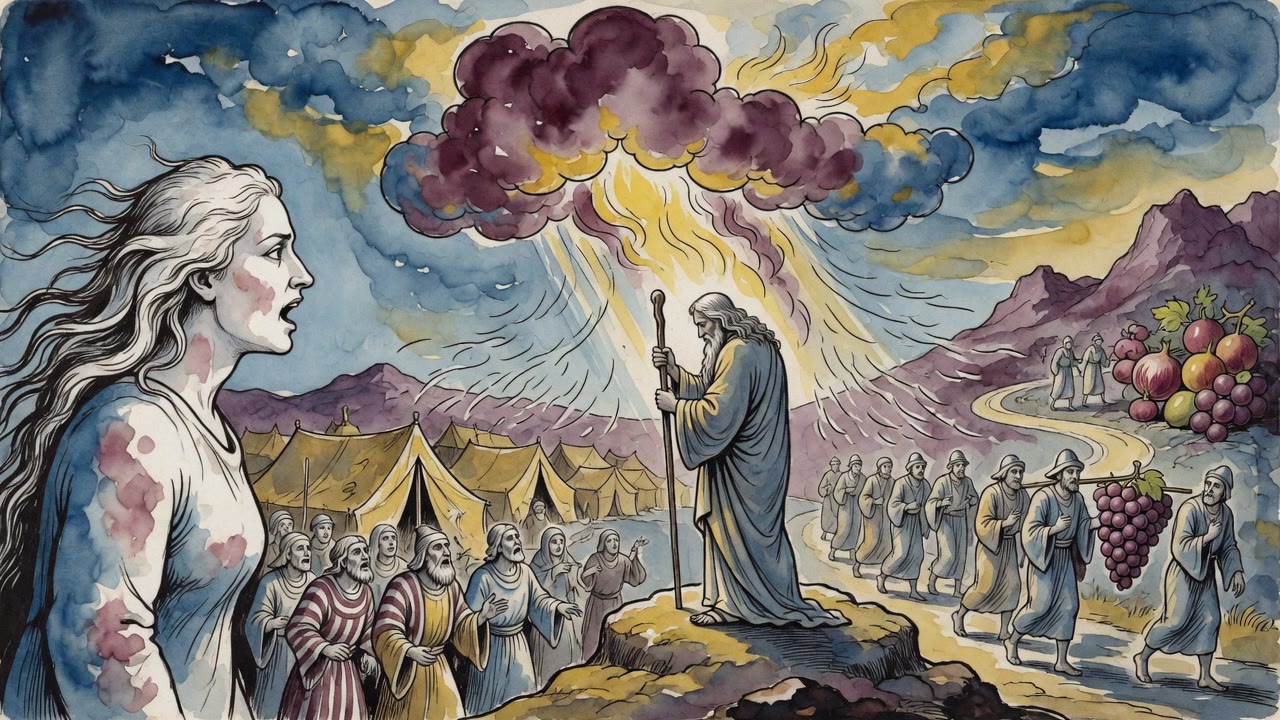
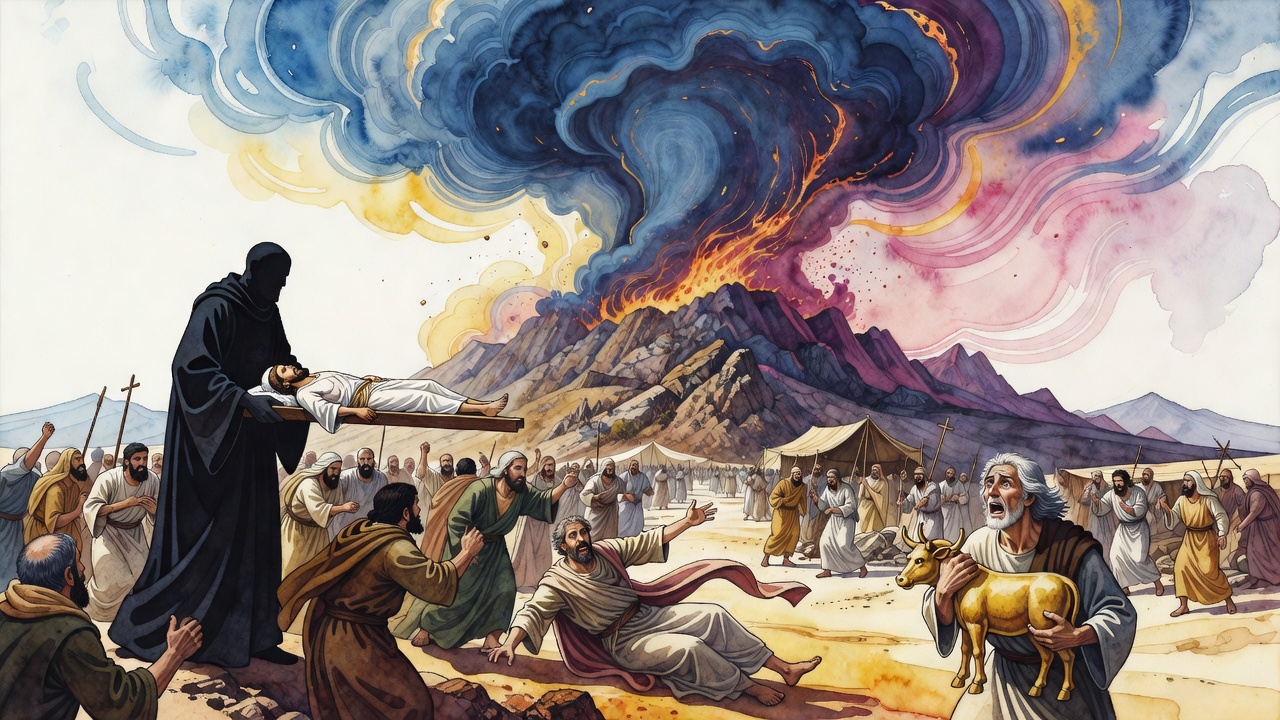
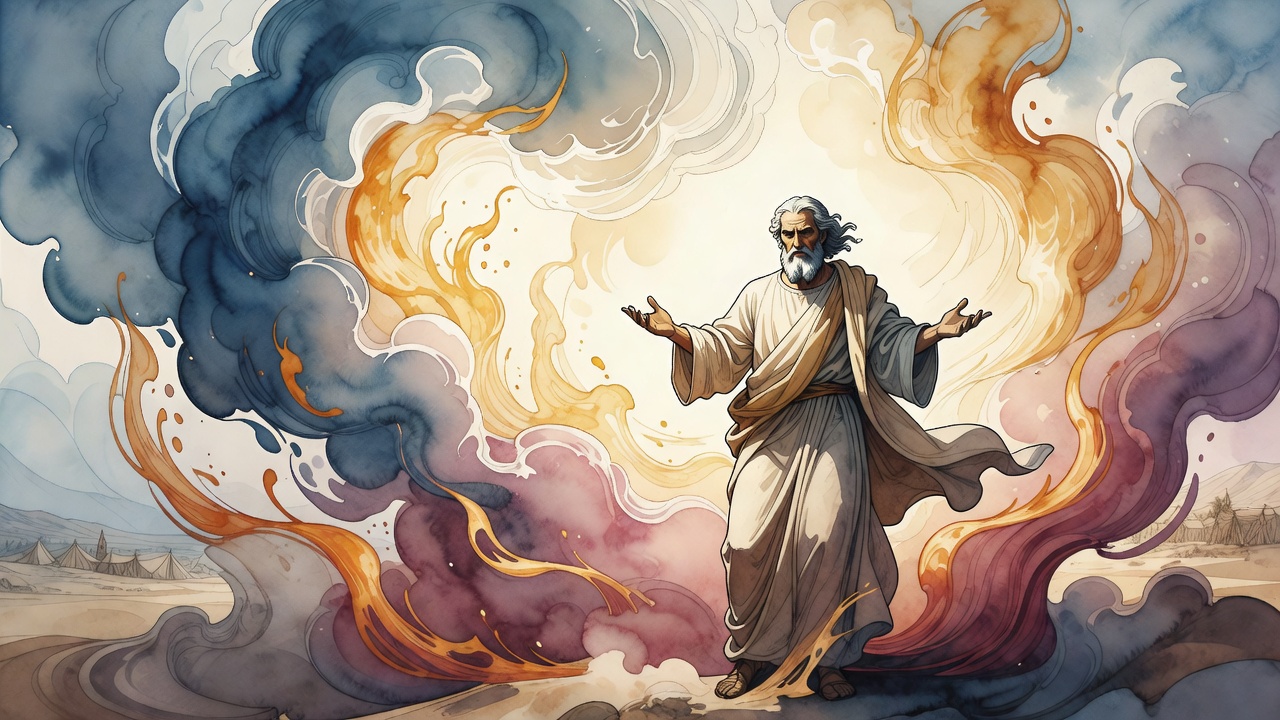
The mountain still smoked with the aftermath of the calf when Moses did what few dare. He stood before the Holy One and asked a question that reaches past one crisis into the foundation of hope: "Master of the universe, will the dead live?"
 Click for full size
The weight of the question hung between them like a drawn bow.
Cave and Sea
Before the break, the relationship had been a living exchange. "The Lord spoke with Moses," "The Lord said to Moses," "Moses said to the Lord," "Moses spoke to the Lord": the phrases trade places the way a cave by the sea trades water. The sea rushes in and fills the cave. From that hour the sea feeds the cave, and the cave feeds the sea. Prophecy was not only descent. It was dialogue.
Then the calf. Everything changed. When God told them to remove their ornaments (Exodus 33:5), Rabbi Shimon ben Yohai heard more than jewelry. These were weapons, blessed and inscribed with the ineffable Name. The people stripped of armament and of ornament stood bare before a conversation that had cooled.
Go, Descend
The mixed multitude had pressed for a god that could be pointed at with a finger. The calf answered that hunger. When the noise of that sin filled the camp, it became easy for Heaven's decree and easy for later tellers to say "the people" without sorting who drove the demand. Moses sorts. Advocacy without precision is only another kind of injustice.
"Go, descend" (Exodus 32:7) was not only a direction down the mountain. Rabbi Berekhya, citing Rabbi Shmuel bar Nahman, heard rebuke and ostracism in the word, a fall from grace like a man banished from a court. The same verb of descent that once marked Judah leaving his brothers now marked Moses ordered away from the height of intimacy.
Whose sin filled the court? The familiar reading blames all Israel. A sharper reading follows the mixed multitude that came up with them from Egypt, those hangers-on who pressed for gods they could see. The charge against the whole nation swelled beyond the evidence, and Moses had to argue not only for mercy but for accuracy of blame.
A people can be named for the loudest guilt in the camp. Moses refused that shorthand.
Remember Abraham, Isaac, and Israel
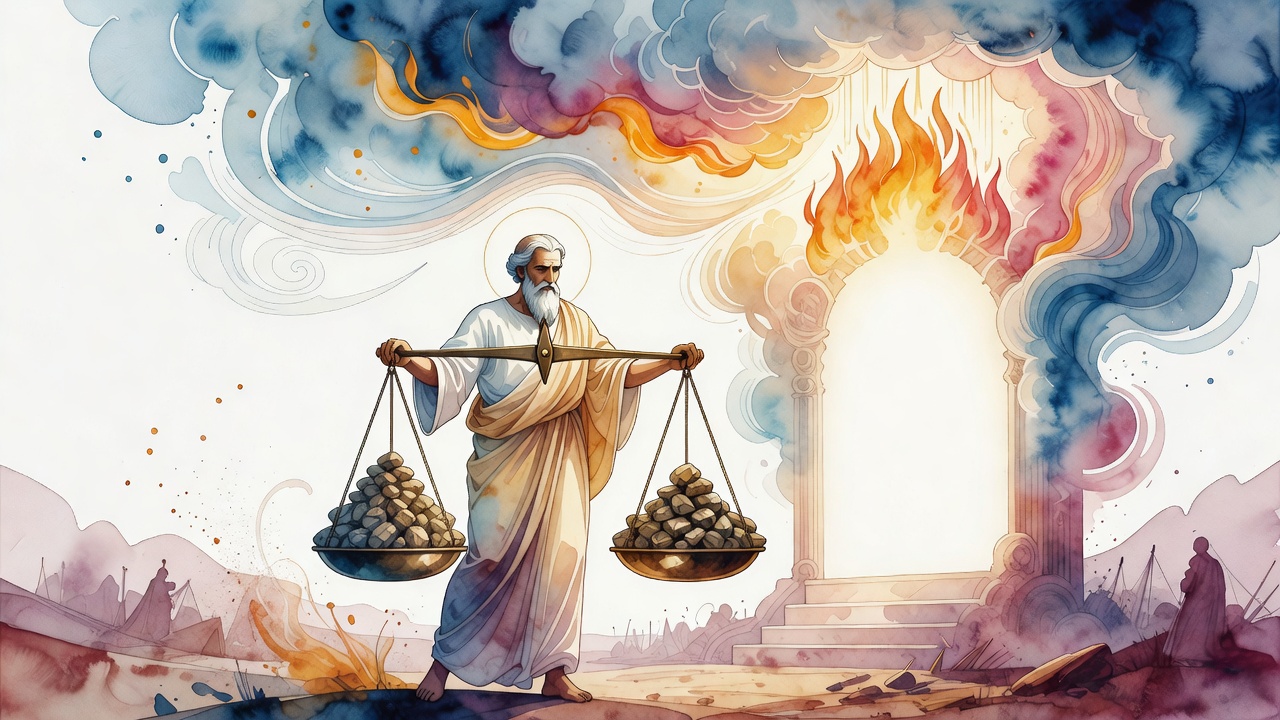
"Remember Abraham, Isaac, and Israel." Why those three? Why that order? Rabbi Levi heard Moses pressing the promise itself. If the fathers lie in the dust and the covenant with them is invoked, then either the dead live, or the oath is a name without force. The question about resurrection is not philosophy for its own sake. It is the lever that keeps Heaven honest to the patriarchs.
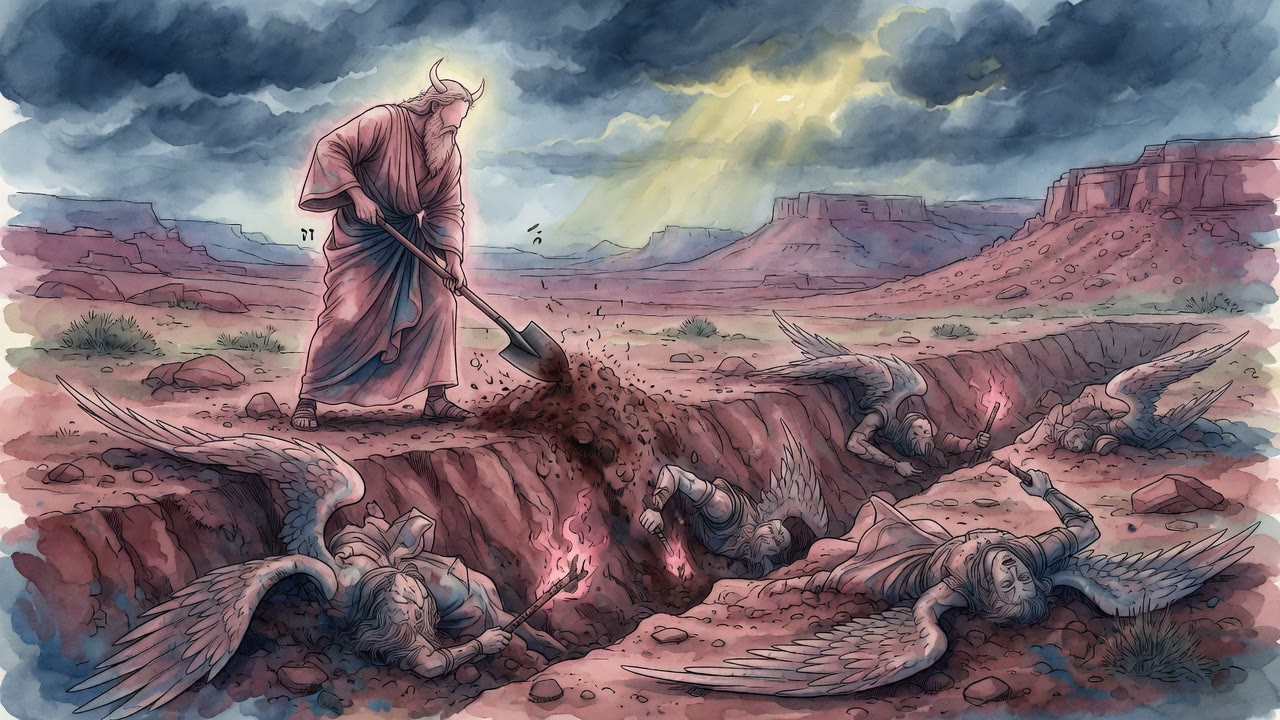
Some would call the question near blasphemy. The midrash treats it as advocacy. Moses ties the survival of the living people to the faithfulness of God toward the buried ones. If the dead will not live, what does "remember" mean when spoken over graves?
Ornaments Removed, Words Still Moving
The sea still feeds the cave even after the calf, but the current changes. Moses no longer only receives. He pushes back, names the mixed multitude's share, refuses the easy total condemnation, and stakes the fathers' memory against a decree of destruction.
God's "Let Me alone" becomes the opening Moses walks through. The tutor hears the king's shout as a plea for intervention. The dialogue that once filled the cave with calm tide now runs with argument, and argument is still relationship.
What Remains Standing
The ornaments come off. The weapons of the Name leave their necks. Still Moses speaks. The dialogue that looked like a calm sea feeding a cave becomes a storm in which the prophet keeps swimming toward the only shore that matters: a living God bound to dead fathers and a living people not all equally guilty of the same bow.
Will the dead live? The question leaves the mountain and enters every later generation that buries its righteous and still says the Name. Moses asked it while the camp below smelled of molten gold and broken trust. He asked it while his own status had been told to descend.
Israel survives the day not because the sin was small, but because an advocate refused both false blame and a silent Heaven. The mixed multitude's guilt is not erased by the plea. It is sized correctly. The fathers are not props. They are the living terms of an oath. The conversation between cave and sea continues, rougher, more costly, still two-way.
Somewhere below, a people waits to learn whether the man coming down the path still has a voice Heaven answers. He does. The first words of that answer are tangled with graves and with a precise accounting of who bowed and who was swept into the story by the noise of others.
← All myths