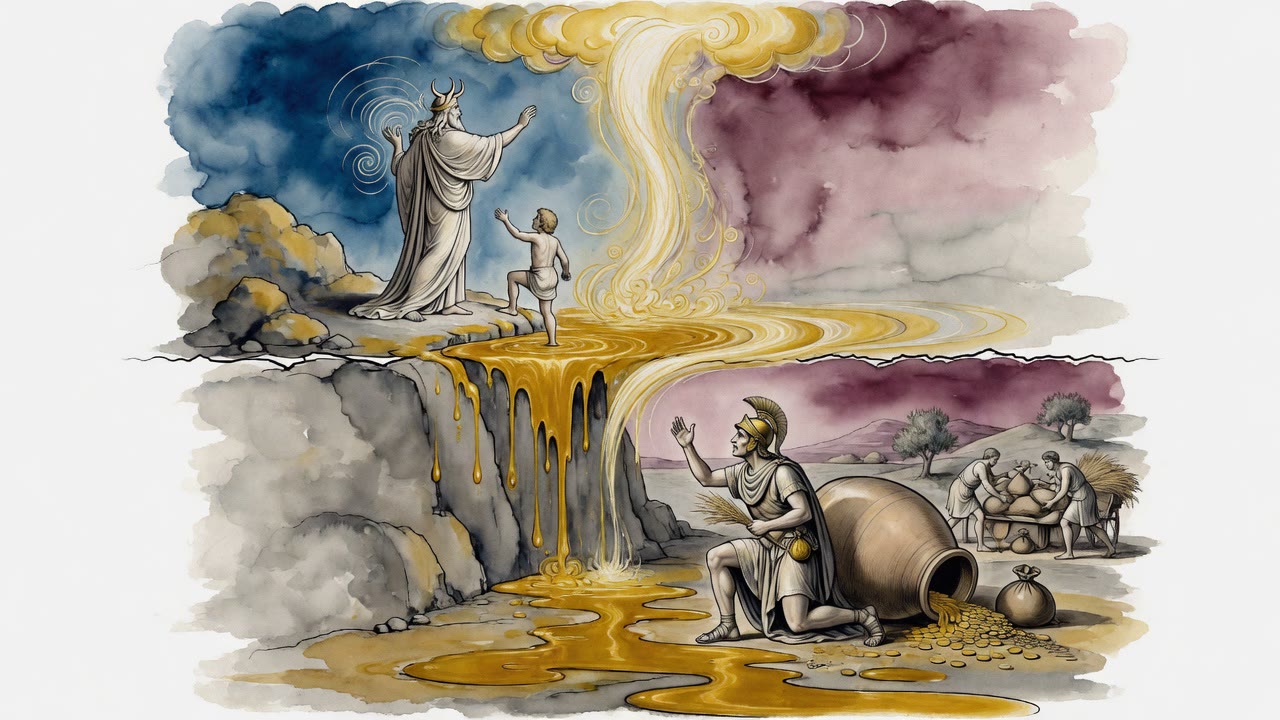
Moses Saw Gehinnom and Stepped Back From the Edge
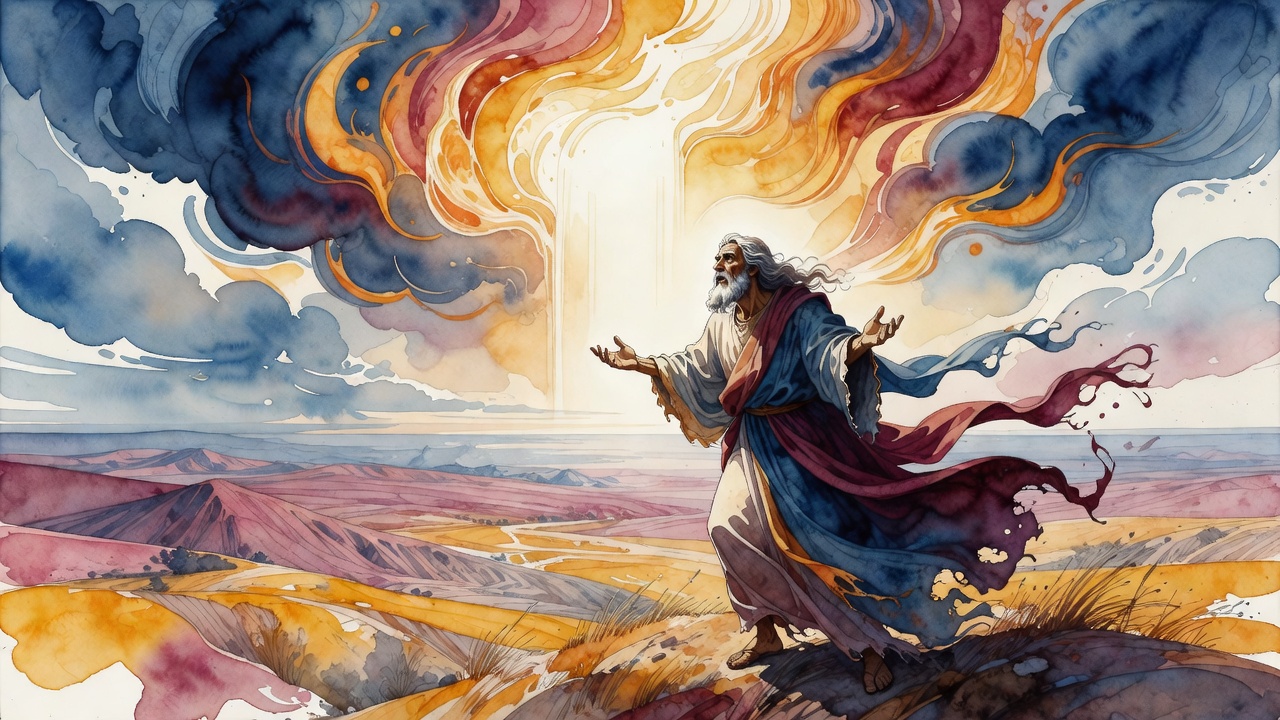
The valley opened under Moses like a court. Heat without a horizon. He asked who entered it, then stepped back from the fire.
Table of Contents
 Click for full size
All That Was Going to Be
Moses stood where the map of Canaan was about to become law. The Holy One did not show him borders alone. "This is the land," the voice said, and the words opened like a door.
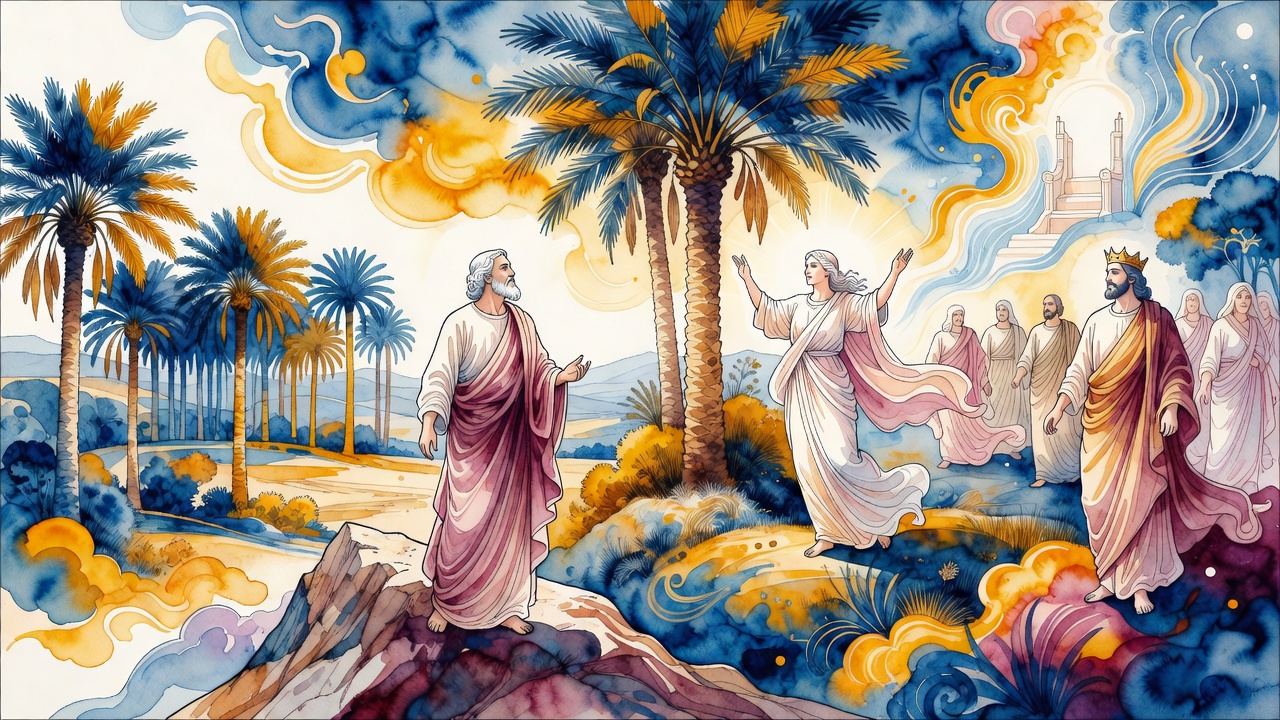
He saw all that had been and all that was going to be. Samson rose from Dan. Barak rose from Naphtali. Generation after generation passed before his eyes: expounders, leaders, sages, the wicked and the righteous of each age. Names without bodies yet. Battles without blood yet. Teachers who would open verses centuries after Moses closed his mouth.
The Valley He Was Not Meant to Enter
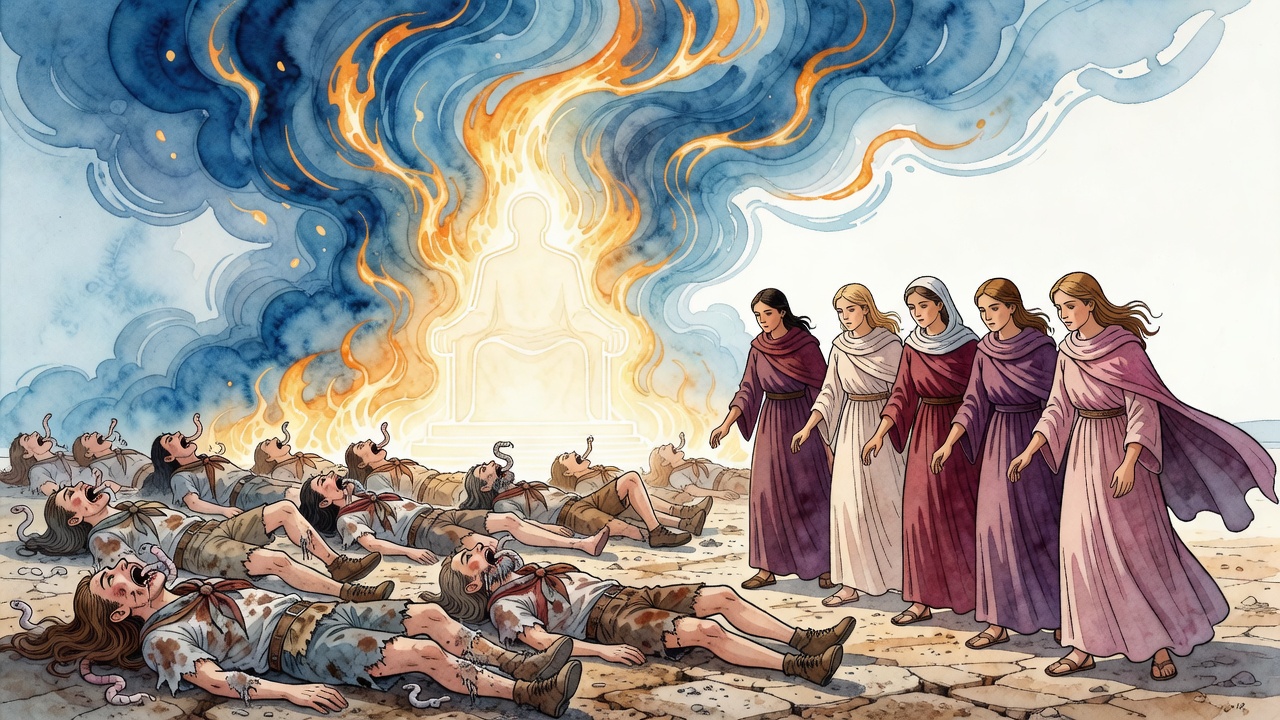
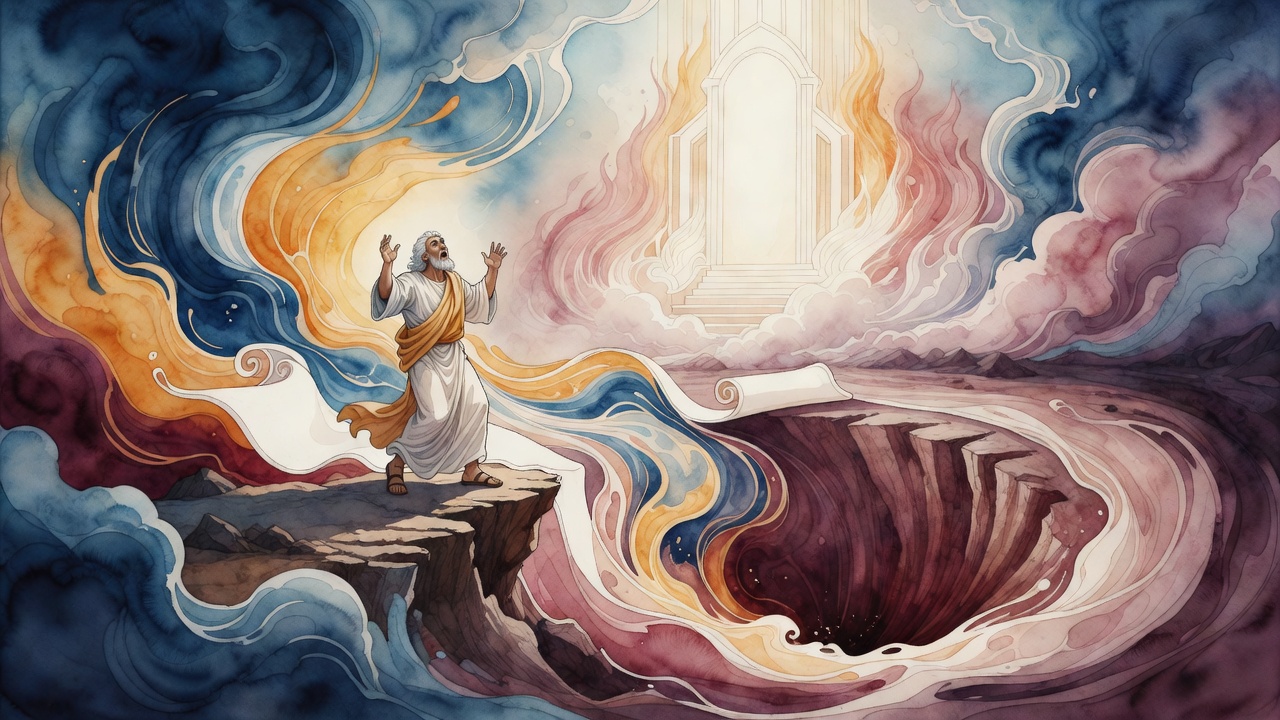
Then the vision turned downward. He was shown gehinnom (גיהנם), the place of judgment after death, fire laid open like a court. Heat without comfort. Distance without horizon.
Moses spoke before Him, plain and shaken. "Master of the world, who is sentenced to it?"
"The wicked and those that rebel against Me," came the answer, with the prophet's line about corpses left for the living to see.
Moses began to fear. The fear was not a theory. He had watched the calf. He had watched the spies. He had watched the earth open under Korah. Now he saw where those roads can finish, and he stepped back from the edge of the vision.
The Holy One answered with a boundary that was also a mercy. "I have shown it to your eyes, but you will not pass there." He would see the land. He would not walk the valley of the judged. The oath sworn to Abraham, Isaac, and Jacob would stand for their children, even if the servant who led them would only look from the ridge.
Ten Mouths Against the Promise
"This is the land that shall fall to you as your portion." Moses heard the word fall and grew angry, because he remembered how it had fallen in speech first.
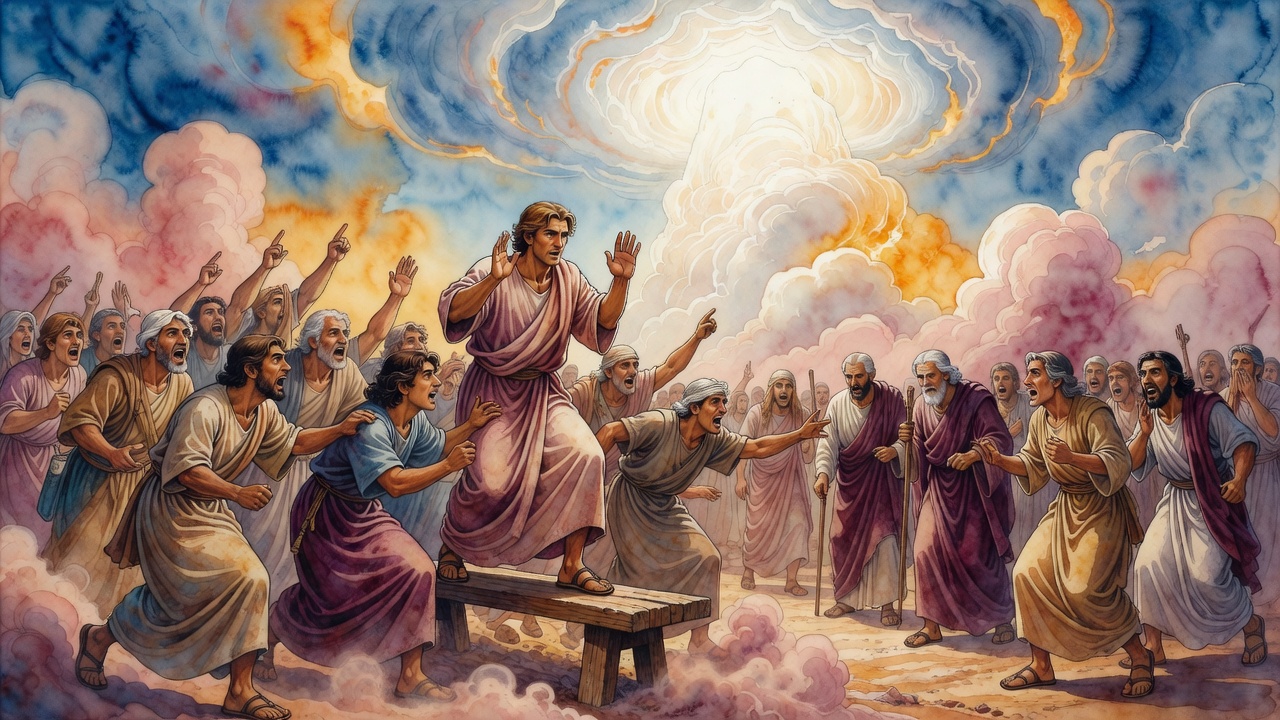
The spies had put out slander. They said they had seen the Nephilim. They said the land was stronger than Israel. All Israel answered Moses with a cold logic of witnesses. If the spies had been two or three, we might have doubted them. Behold, they are ten. Where shall we go up?
Ten mouths made a courtroom against the promise, as if the Master of the house could not remove His own vessels from the rooms He had promised.
What did the Holy One do? He took the ministering angel of the land, bound him, and set him down in front of them. "See, the Lord your God has placed in front of you." The angel of the place lay in the dust of the camp like a defeated general, and still the people preferred their panic.
Three Exiles in His Eyes
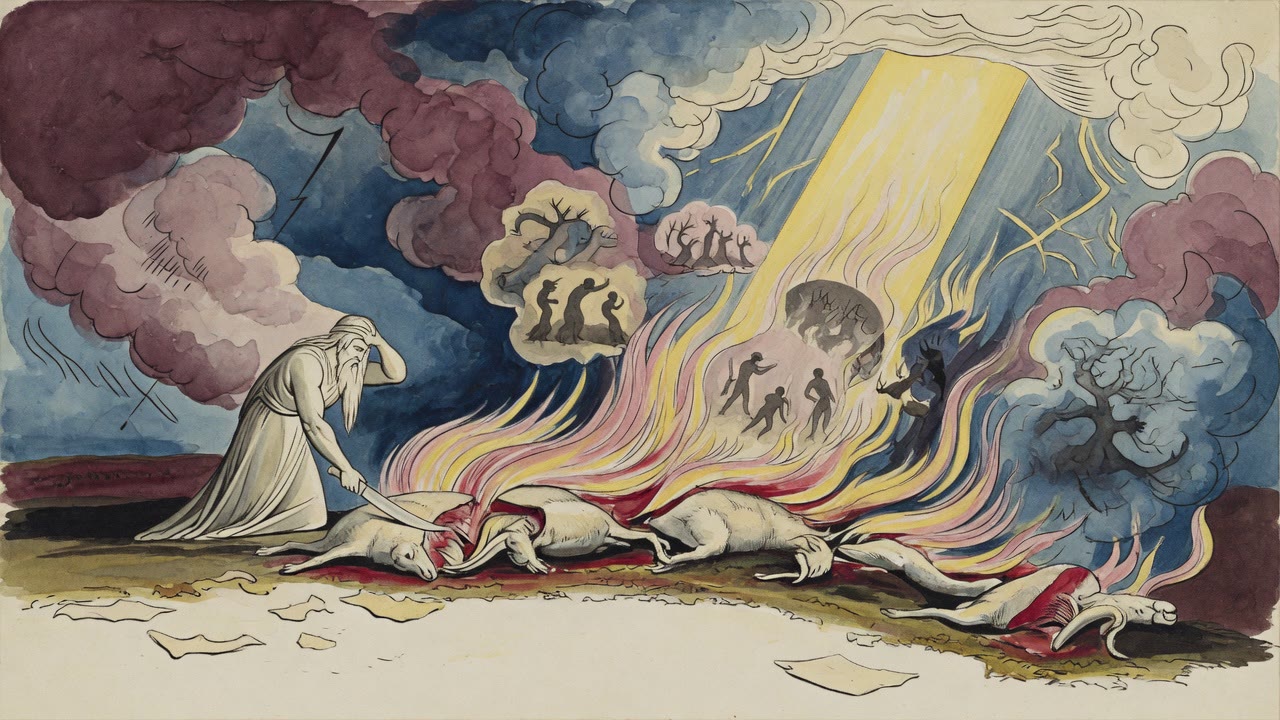
The vision did not stop at the spies. Sennacherib tore Israel away in three stages, and Moses had to watch it. First Reuben, Gad, and half of Manasseh. Then Zebulun and Naphtali, the land brought low. Then the rest of the tribes under the heavier blow. After him other hands finished what fear had started.
The same God who showed Moses gehinnom and forbade him entry also promised gathering. The land that falls in the spies' mouth is still the land that stands in the oath.
Moses saw both ends: the fire that waits for rebels, and the long scatter that waits for a people who will not trust the gift. He was not allowed to untie either with his own steps. He was allowed to see them and leave the work to children not yet born.
Eyes on the Ridge
"I have shown it to your eyes, but you will not pass there." The servant who argued, struck, and sang would die on the near side of the river, having looked into both the inheritance and the pit, and having been told that neither was a place he would pitch a tent.
The land waited for children who would either bind the angel of the place with trust, or hand it back to fear with ten loud mouths. Gehinnom waited for rebels who would not turn. Between them stood a prophet on a ridge, eyes full, feet forbidden, carrying a map of centuries he would not walk.
He came down from the vision with dust on his sandals and fire behind his eyelids. The borders still needed listing. The portions still needed names. Every border he spoke after that carried the memory of a valley he had seen and been ordered not to enter.
← All myths