Asher Bathed in Oil While Rome Paid a Fortune
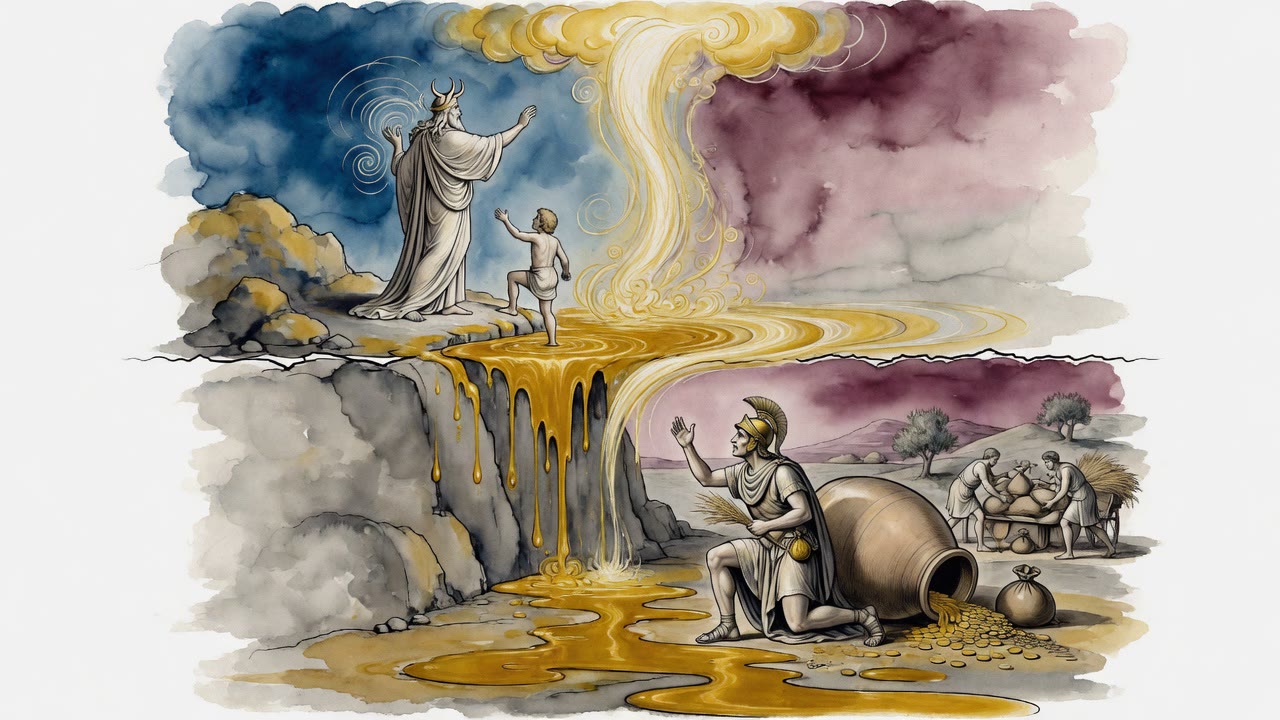
Moses blessed Asher to dip his foot in oil. Generations later a Roman bought one household crop for eighteen thousand zuzim and still left oil on the ground.
Table of Contents
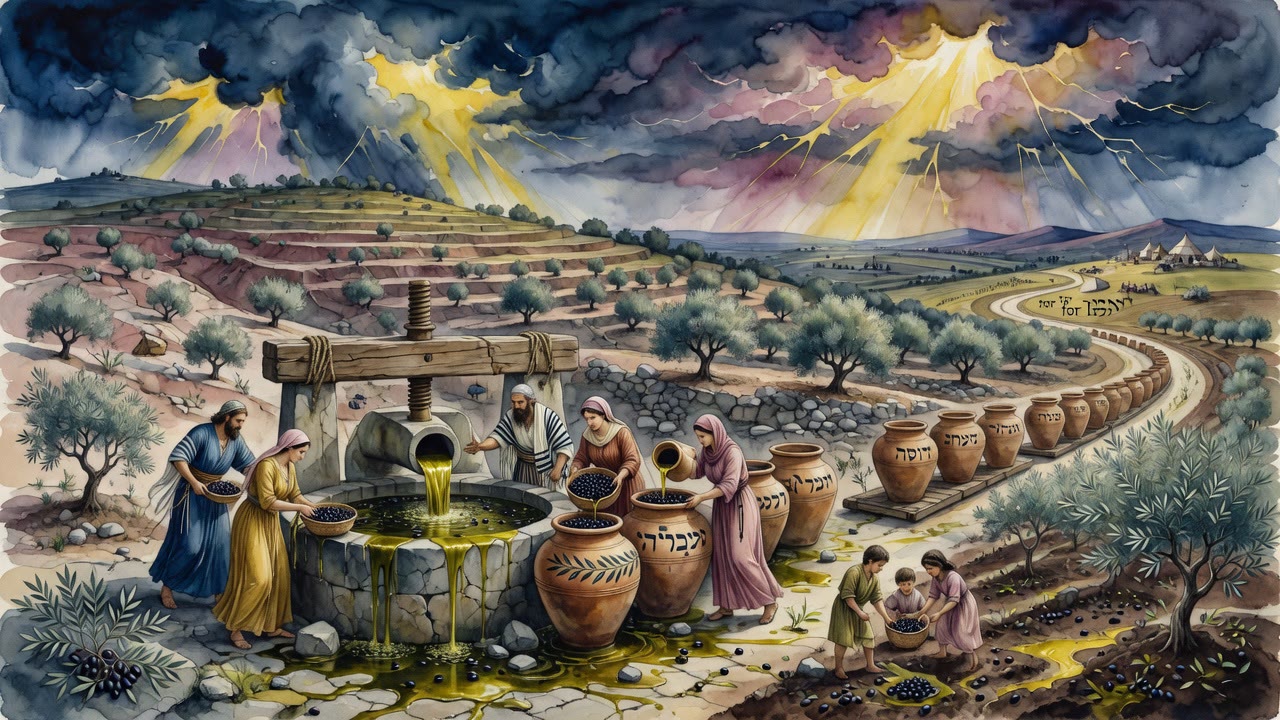
Children in Asher washed their arms in olive oil the way other children washed in river water. The oil ran off their elbows and darkened the dust. No one bothered to catch it. Flies preferred the presses to the people. The air itself smelled green and heavy.
 Click for full size
A Foot Dipped in a Promise
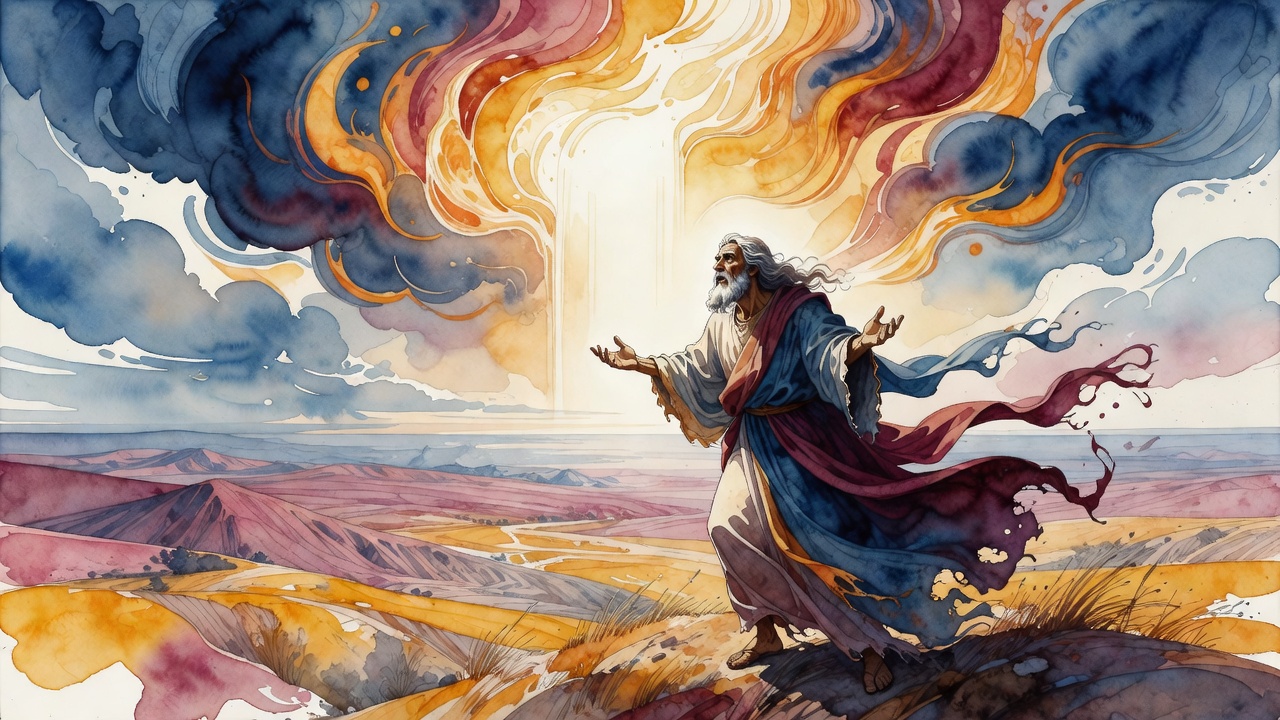
Moses had stood over the tribe and spoken a blessing that sounded like poetry until the land answered it with trees. "Let him dip his foot in oil" (Deuteronomy 33:24). The northern strip along the coast took the words literally. Groves climbed the slopes in rows so thick a man could walk for an hour without leaving shade. Presses ran day and night.
Households cooked with it, lit lamps with it, and then, because there was still more, bathed in it. A stranger from the south once asked for a basin of water and was handed a jar that gleamed yellow-green. The host shrugged. Water was for drinking. Oil was for skin. Children left sticky footprints from the bath stone to the door and no one scolded them. When Moses had spoken, some had heard only a pretty line. The land heard a work order and obeyed for generations.
Polematos Counts the Jars
Word reached Rome. An official named Polematos came north to measure rumor against fact. He walked the groves until his boots shone. He bargained with a single family and walked away with a purchase worth eighteen thousand zuzim. One household. One sale. A fortune sealed in clay.
He still left oil on the threshing floors. Abundance that deep does not notice one Roman cart. Servants loaded the wagons and wiped their hands on their tunics, leaving dark maps of the province on cloth that would never wash fully clean. The children of Asher kept bathing.
Solomon Table and the Same Warning
In another age the court of Solomon ate cream from the herd and milk from the flock, fat of lambs, rams of Bashan, he-goats, daily oxen numbered in tens and twenties (1 Kings 5:3). Sifrei on the Song of Moses sets that table beside the later feasts Amos condemned, when men stretched on ivory and forgot the poor.
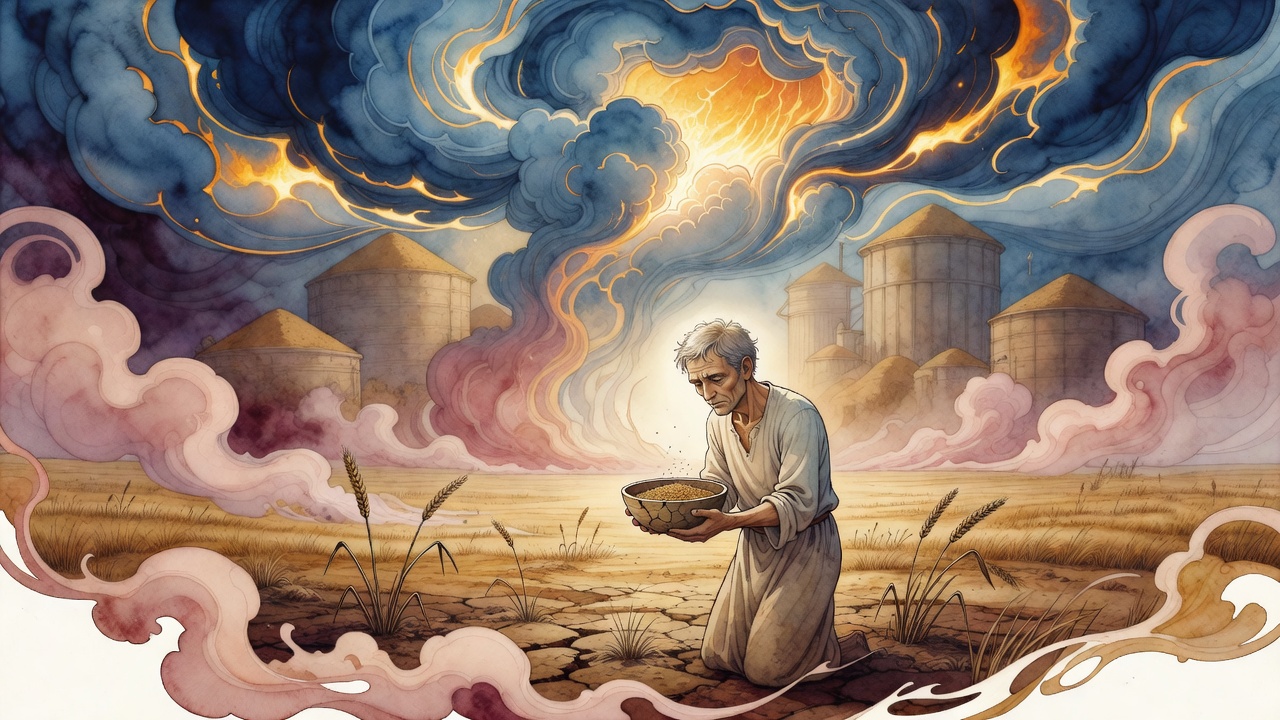
Oil in Asher and meat in Jerusalem share a single edge. Blessing can feed a nation or make it soft enough to ignore a cry at the gate. Asher oil was not a sin. It was a test that looked like a gift. Solomon table was a height from which a fall could be measured later.
Song That Outlasts the Presses
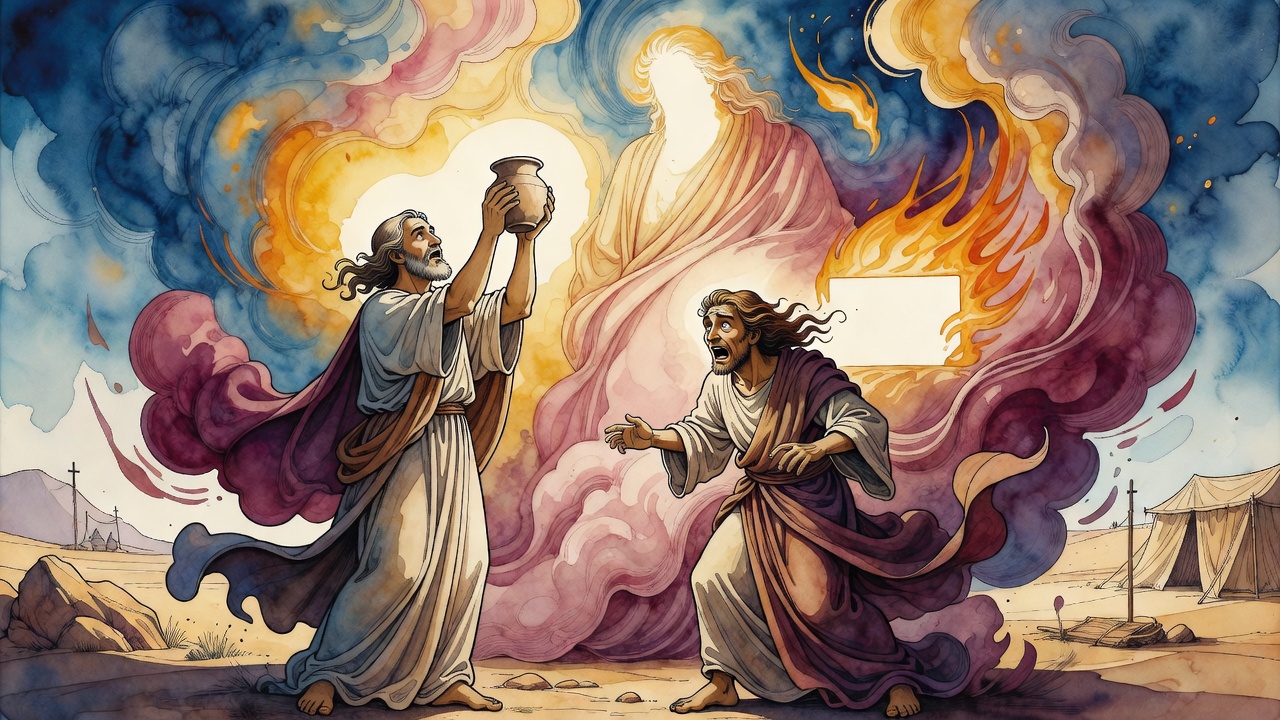
When the presses finally quieted and foreign boots replaced the old paths, the tradition still sang. Song, the Sifrei says, holds in the past, in the future, in the days of the Messiah, and in the world to come. Oil can be taxed. Song cannot.
Empires come for jars. They leave with ledgers. The song that remembers the blessing stays when the jars crack. A people can lose a grove and still keep the line Moses spoke over a tribe that once dipped its feet without thinking.
What the Stranger Remembered
Polematos returned south with sticky hands and a story no senator would fully believe. The story the rabbis kept is not about Rome profit. It is about a promise that did not stay metaphorical. God said oil. Asher got oil until a foreigner could buy a fortune from one door and still fail to drink the region dry.
Somewhere a child still lifts a foot out of a basin and leaves a dark print on stone. That print is older than any empire that came to buy it. Moses foot-blessing became a child footprint, proof that heaven sometimes pays in liquid gold that refuses to act rare.
Those who stood closest carried the weight in their shoulders first. Jaw, wrist, the place behind the eyes where fear sits when it has nowhere else to go. The story moved through bodies before it moved through explanations.
← All myths