Moses Sends Spies After Miriam's Slander
Miriam still waited outside with skin gone white. The people asked for scouts. God said send them for yourself, Moses, not for Me.
Table of Contents
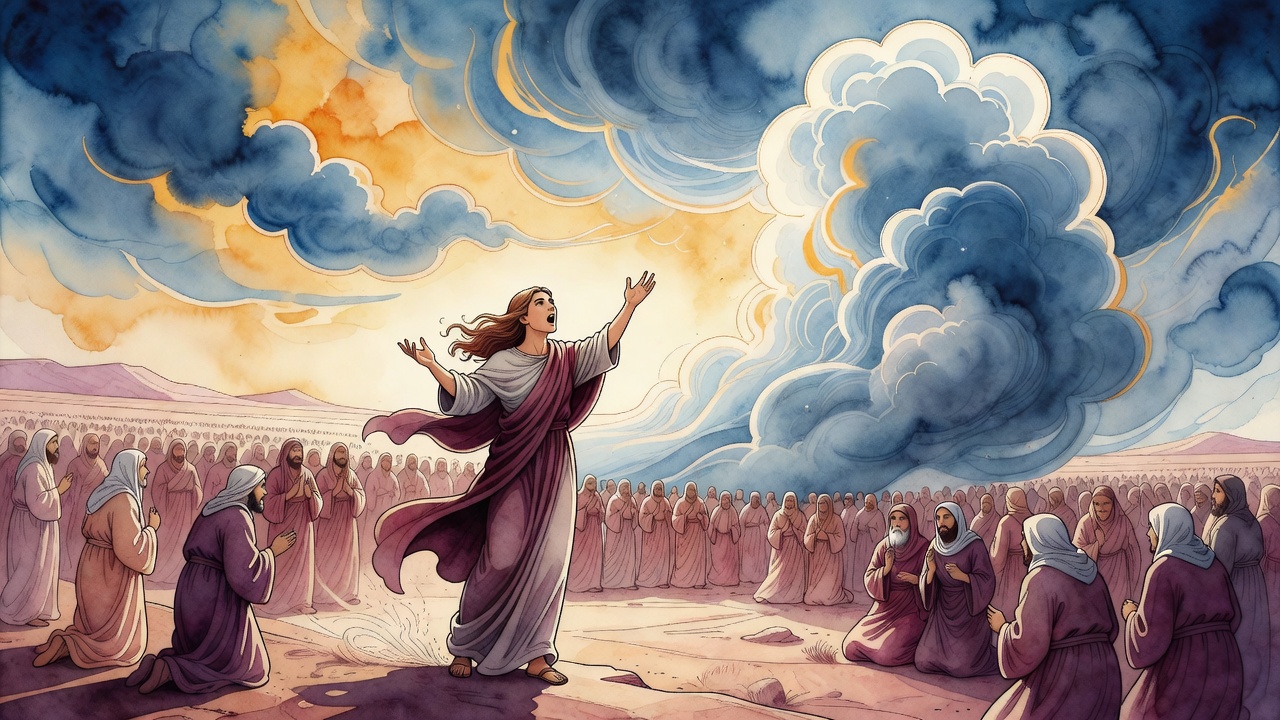
Miriam stood outside the camp with skin gone white as snow. The cloud waited with her. Seven days of exile. Seven days of a prophetess sitting in the dust while the nation learned what a tongue can cost.
 Click for full size
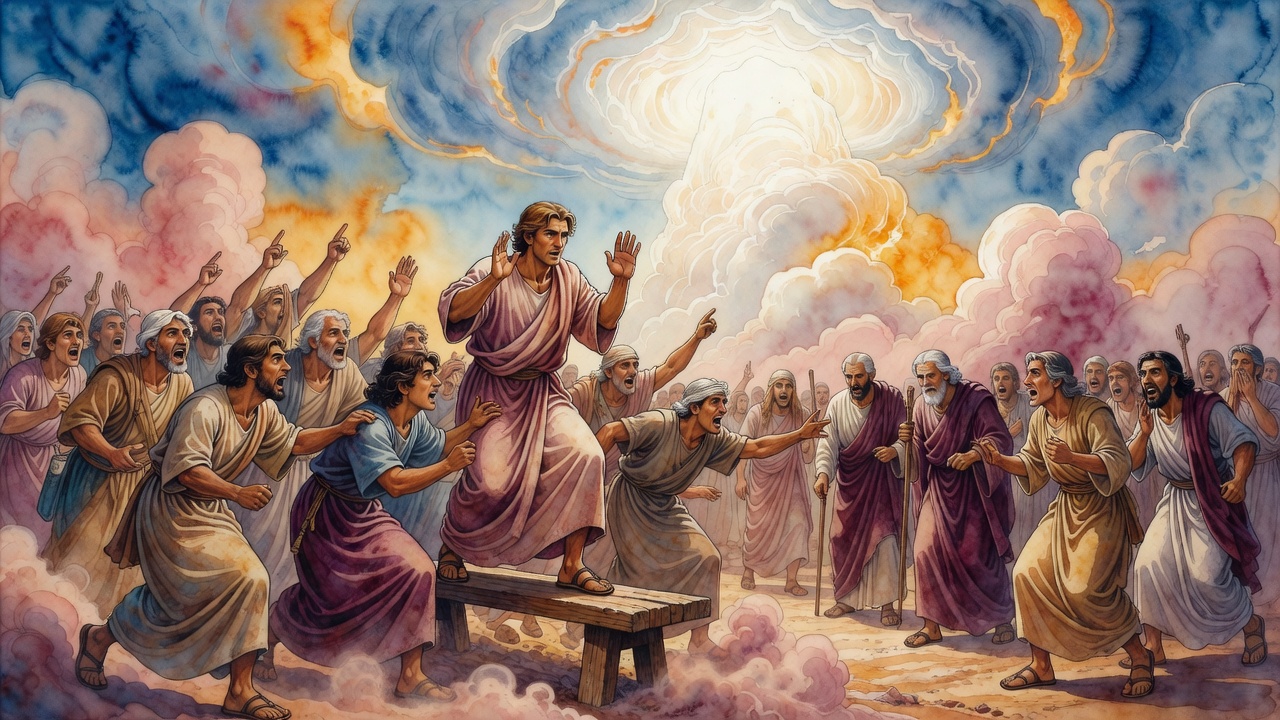
She had spoken against Moses over the Cushite woman. Aaron had spoken with her. The Holy One answered with a mark no one could ignore.
White Skin Outside the Camp
The woman they named was Tzipora. Miriam had not spoken against her own husband. She had spoken against Moses because of the Cushite woman he had married (Numbers 12:1). Tzipora's deeds stood out the way skin stands out at a distance. Character, not a map. The camp watched the punishment and carried it into every tent.
Some learned it. Some did not.
Moses heard the words in the tent and answered nothing. He kept silent while the camp stared at the white. The Holy One, jealous for His servant's honor, took up Moses' cause while the man himself would not strike back. Humble does not mean poor. When God said, "Carve out for yourself," the chips of those sapphire tablets were Moses' own, and from them he grew rich. Humble does not mean weak in body. This same man marched against Sihon and Og and struck them down. The humility was in his mind alone. He could hear his own disgrace and not answer.
Send for Yourself
The people pressed him before Miriam's seven days had cooled. "Let us send men ahead." The land waited across the border, and fear wanted scouts before feet would walk. Moses turned and asked the Holy One whether to listen.
The answer came with a small word heavy as a mountain. "Send for yourself" men. Lecha (לך), for yourself. Not I command you to send.
God knew, before a single foot crossed the border, exactly what Israel would say when the scouts returned. He saw the evil report already. He had laid Miriam's punishment beside their mission like a lamp at the gate. She had been stricken for the sin of the tongue. Let the spies look and learn. Let them carry her lesson into Canaan and guard their mouths.
They did not heed it.
Good in His Eyes Alone
God would not forbid the mission outright, lest Israel imagine He lacked the strength to bring them in. The desire was theirs, not His. So Moses could only say the thing was good in his eyes. In his eyes. Not in the eyes of the Holy One.
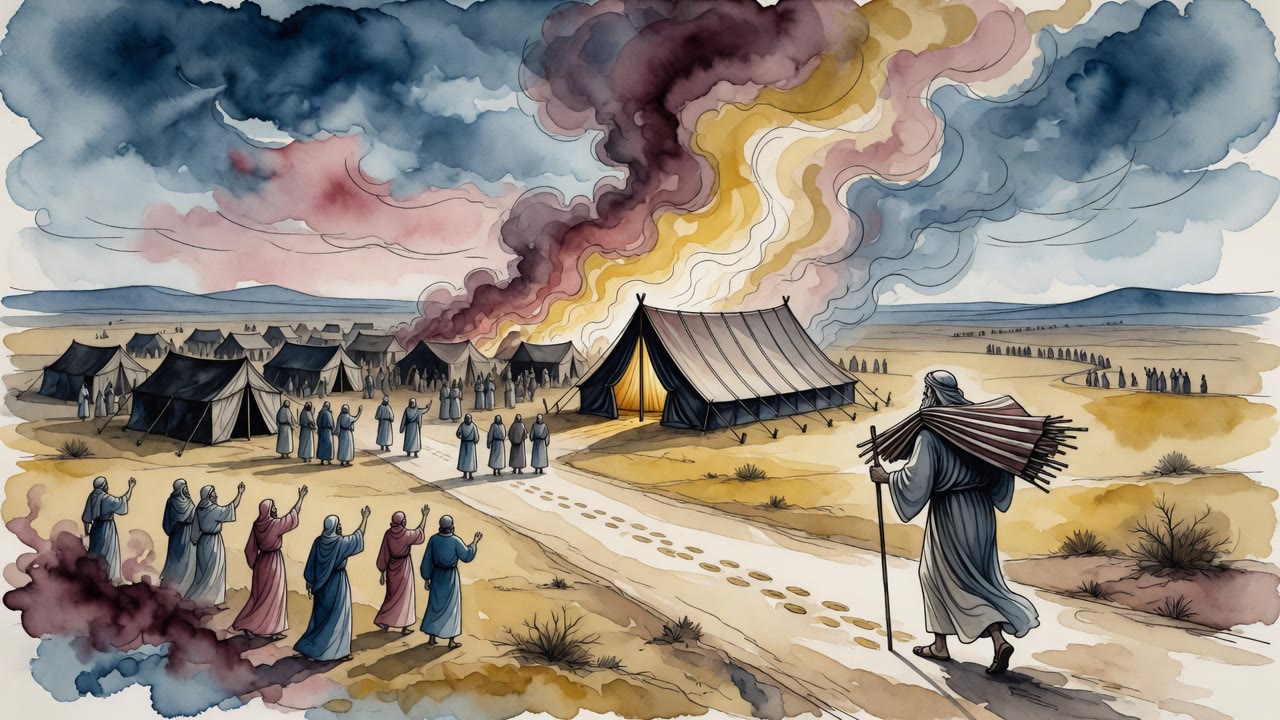
Twelve men. Names spoken. Dust of the Negev first under their sandals. The white mark of Miriam was still recent memory when they climbed. Between departure and return sat forty days in which that mark burned lower in their minds until it went out.
Moses watched them go. He had asked Heaven. Heaven had handed the choice back. Send for yourself. The permission was already a judgment deferred. He did not call them home. He had been silent under insult. He was silent again under a mission he had not wanted to own.
Forty Days Until the Mouths Opened
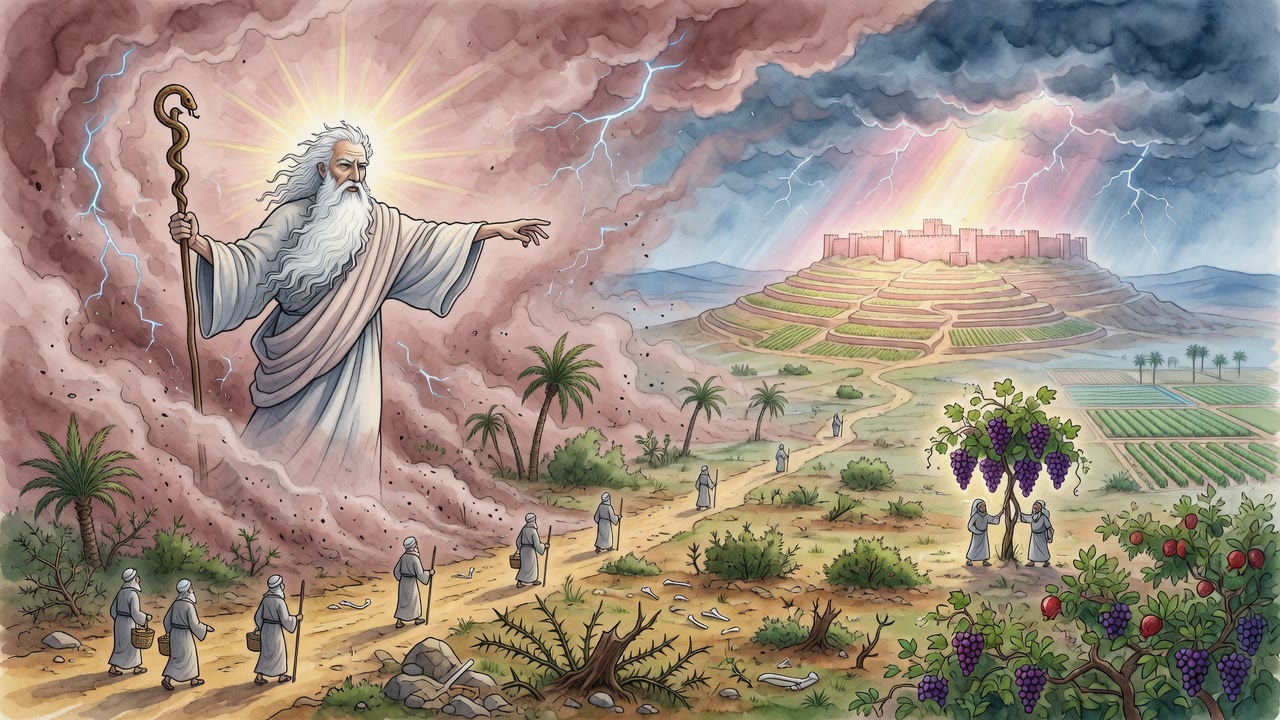
They walked the land. They cut a cluster of grapes so heavy it rode on a pole. They measured walls and counted men. They came down with fruit in their hands and fear in their mouths.
Ten of them opened those mouths about giants and grasshoppers. The white mark of Miriam should have risen before their eyes. It did not. A people can watch leprosy teach against slander and still choose slander as strategy. They made her mistake look small.
Caleb and Joshua climbed above that noise with a different report. Moses fell on his face. The camp wept all night. The small word lecha hung over the disaster and would not peel off. Send for yourself. Not for Me.
The Report That Passed the Lamp
The ministering angels, whose faces Ezekiel saw like the face of a man, practice a different quiet. Each says to its fellow, "You speak first, for you are greater than I." Moses surpassed every person on the face of the earth in that quiet. The spies chose the enemy of that quiet: noise that kills courage.
Miriam had waited outside for seven days. The spies walked past her lamp into Canaan and came home with darkness in their mouths. The Land was good. Their speech was not. The generation that demanded the mission learned what it costs to prefer scouts over trust.
Moses stayed on his face in the dust. Behind him the cloud had already returned with Miriam. Ahead of him the people were still weeping. The scouts had been sent by his own counsel, under a seal Heaven had refused to stamp, and the report had arrived exactly as God had seen it before the first sandal left the camp.
← All myths