Moses Was Afraid to Fight the Giant King Sihon
Moses had faced Pharaoh without flinching. But Sihon the giant made him afraid. The rabbis explain what God had to do before the battle could begin.
Table of Contents
 Click for full size
The Man Who Did Not Blink at Pharaoh
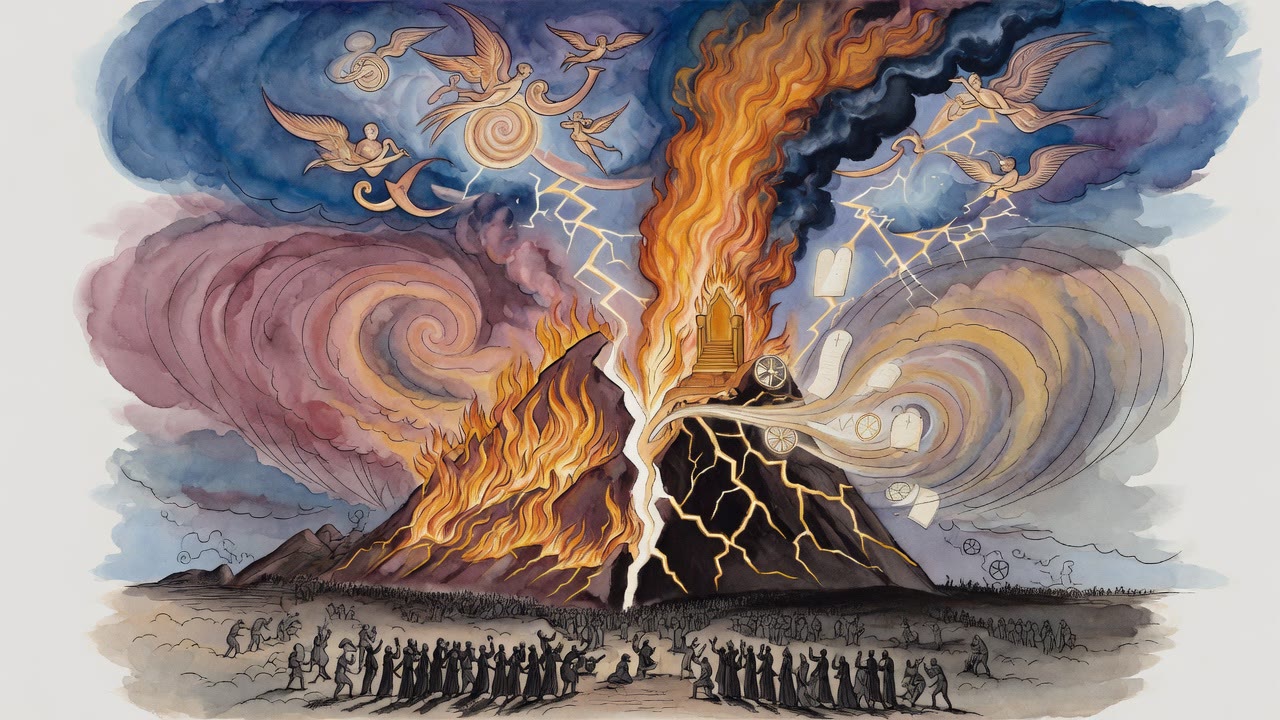
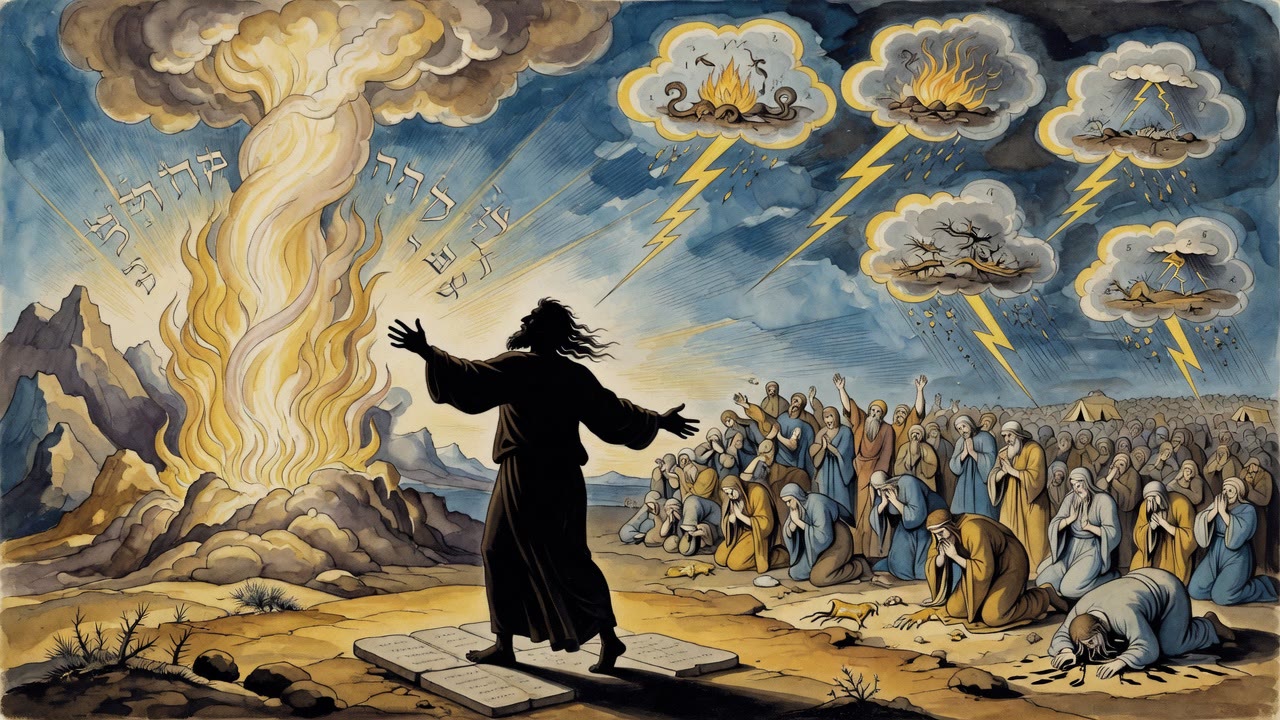
Moses had looked Pharaoh in the eye through ten plagues. He had climbed Sinai into fire and noise that terrified the entire Israelite camp and made even the earth tremble. He had raised his staff over the Red Sea and watched an empire's army vanish into the waves. He was not, by any measure, a man who frightened easily.
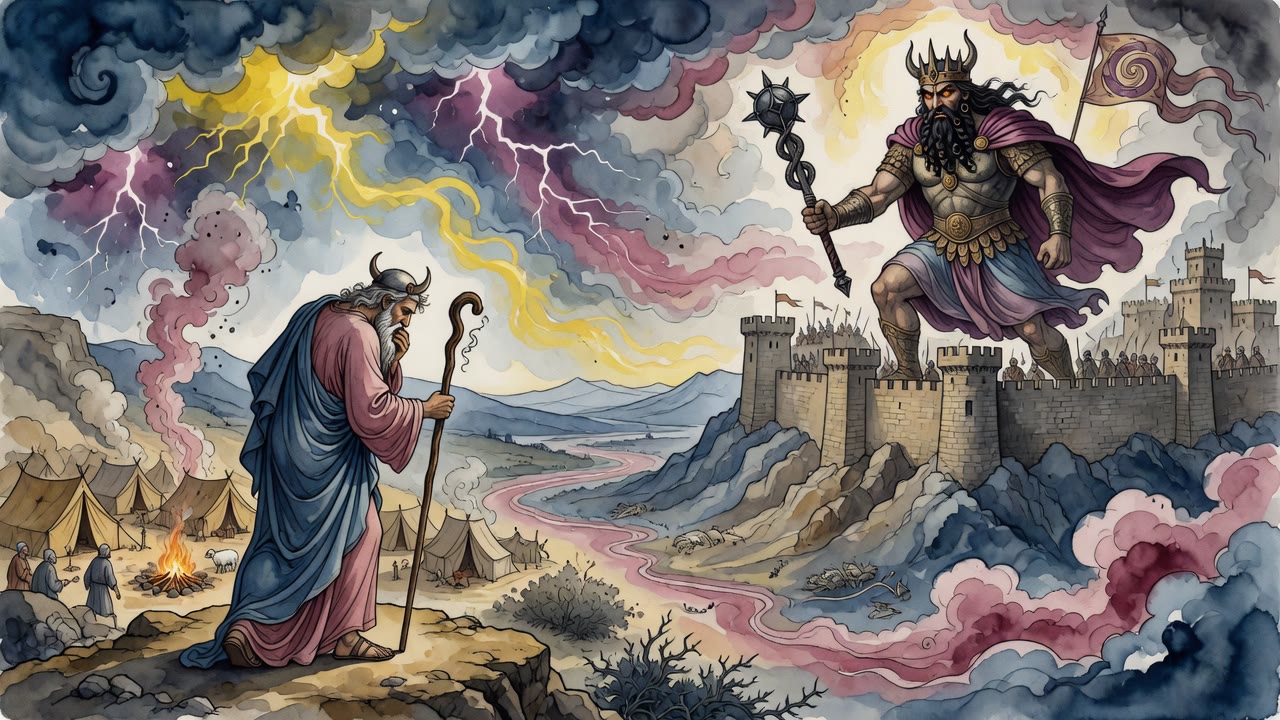
Then he stood on the eastern side of the Jordan, and between his people and the Promised Land stood Sihon, king of the Amorites. And Moses, the Legends of the Jews tells us, was sorely afraid.
This is the detail the rabbis could not simply read past. If Moses was afraid of a human opponent after everything he had already faced, the opponent was no ordinary human.
The Giant's Lineage and the Angel Behind Him
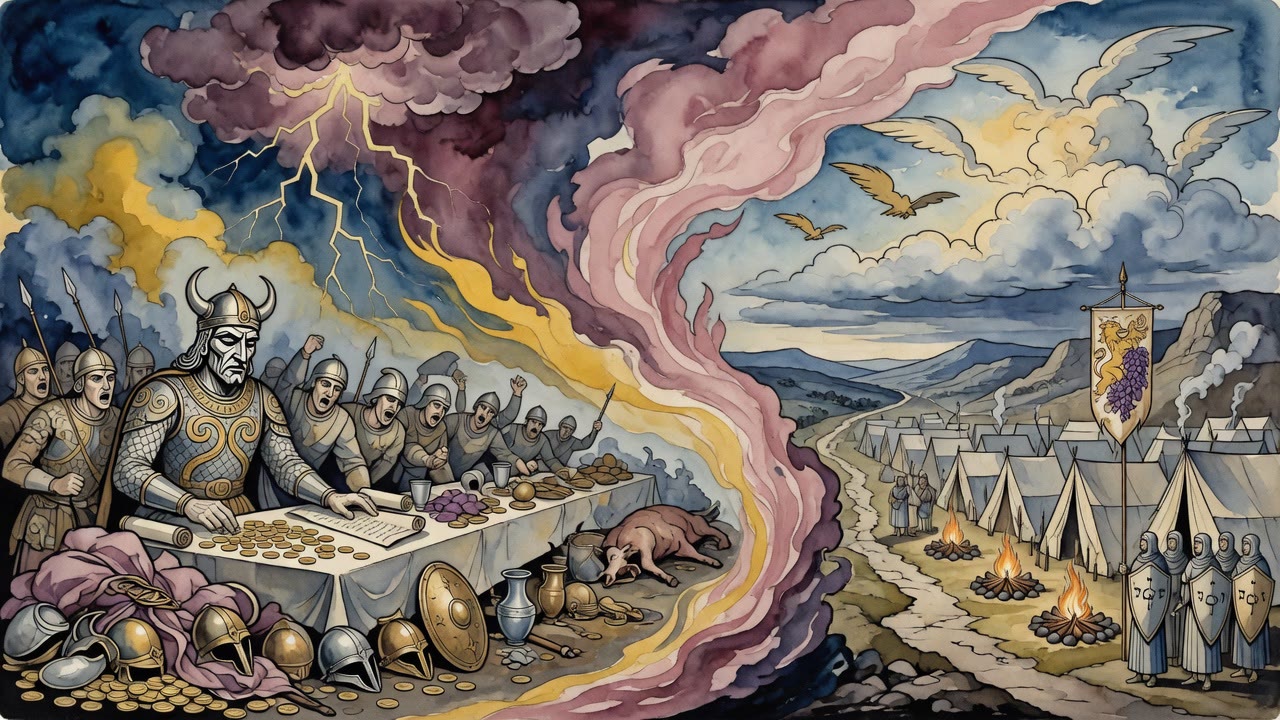
Sihon was not a tall king in an era of tall kings. He was a giant in the precise sense the tradition meant: a descendant of the Rephaim, the race of giants that the Torah records as having inhabited Canaan before the Israelites arrived. The legends placed him in the same line as Og, king of Bashan, whose iron bed was nine cubits long. Sihon was not the largest of his generation, but he was large enough that even Moses, having split the sea and shattered Pharaoh's power, stopped and was afraid.
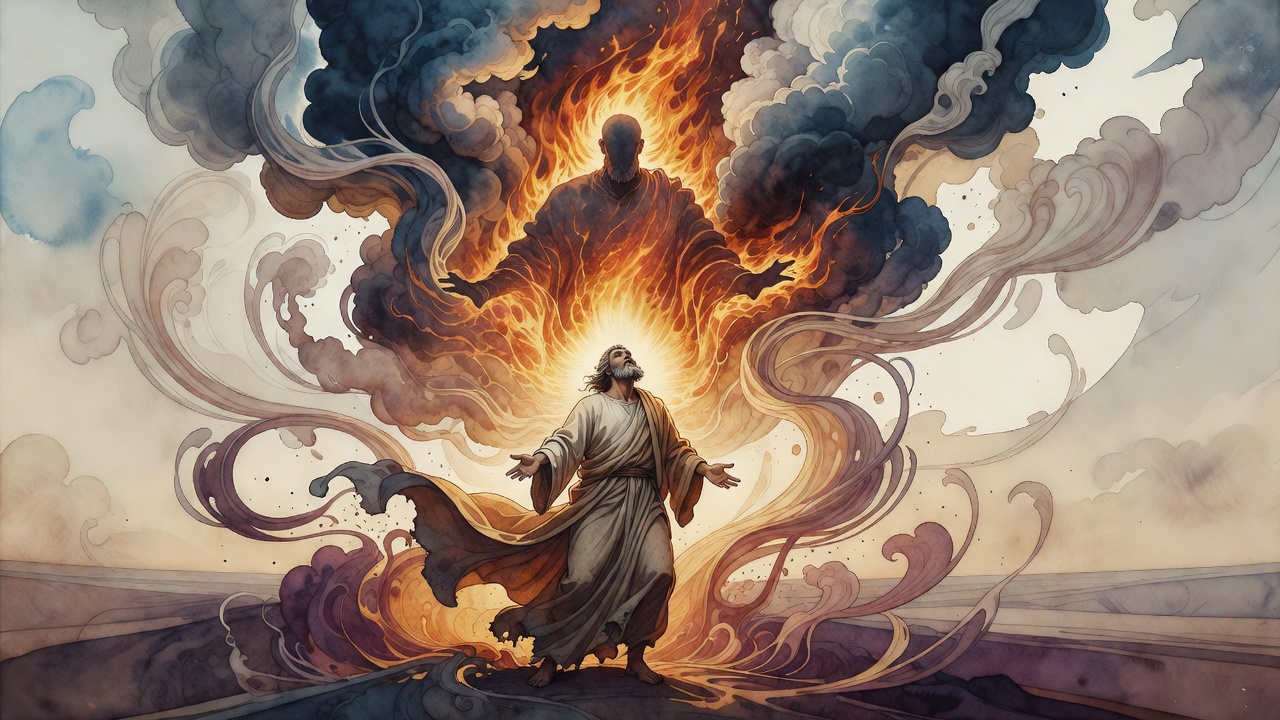
The fear was not simply physical. Behind every nation in the ancient world, the rabbis taught, stood a guardian angel. The angel embodied the nation's spiritual force, its claim on existence, its capacity to resist God's designs. Fighting a king meant fighting his angel. When the Israelites faced Sihon at his border, they were not merely preparing for a battle of armies. They were approaching a spiritual encounter with a force that had stood against God's purposes for Israel since the beginning of the Exodus.
What Moses Sent Before the Armies
Moses sent a diplomatic message first. He was precise and careful. He promised his people would walk only on the king's highway, the main road through the center of Sihon's territory, and would not veer into the fields or vineyards on either side. He offered to pay for any water they drank, which was an extraordinary concession in a desert region where water was life. He asked nothing except the right of passage. He could not have been more accommodating.
And then, at the end of the message, Moses told Sihon what would happen if he refused. The Legends of the Jews notes that Sihon read the polite request and the embedded threat and saw through the diplomacy immediately. What Moses was actually saying, Sihon understood, was: we are coming through. You can open the road, or we will open it ourselves. The diplomatic language was real, but so was what lay behind it.
The Angels Bound in Chains
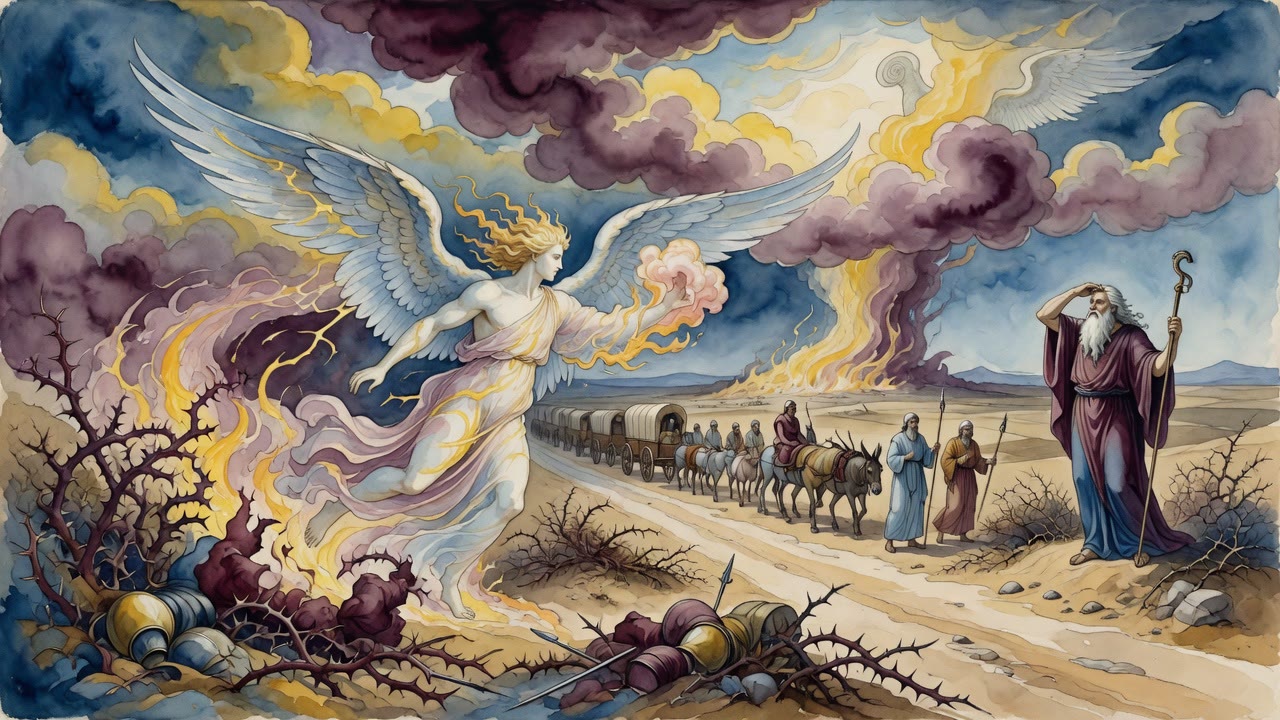
God did not simply tell Moses to attack. He intervened first at the level that Moses's fear addressed: the spiritual level. He bound Sihon's guardian angel in chains. He bound Og's guardian angel as well, though Og had not yet been encountered. The celestial beings tasked with protecting those kingdoms were rendered powerless before a single Israelite soldier took the field.
Then God spoke to Moses: see, I have begun delivering Sihon and his land before you; begin to possess it (Deuteronomy 2:31). The word begun was the signal Moses needed. The heavenly work was already done. What remained was the earthly work, which was real and dangerous and would cost lives, but which could now be approached without the dread that had stopped Moses cold when he first stood before Sihon's territory.
The Fear That Was Not Weakness
The Legends of the Jews, which drew on a broad range of midrashic traditions in Ginzberg's monumental compilation completed in 1909, framed Moses's fear not as a failure of nerve but as proper recognition of what he was facing. A man who was unafraid before Sihon would have been a man who did not understand the stakes. Moses understood them precisely. His fear was the fear of a general who knows his enemy, not the fear of a coward who does not know himself.
The response to that fear was not a pep talk. It was a structural change in the nature of the battle. God did not tell Moses that Sihon was weaker than he looked. He told Moses that Sihon's guardian angel was in chains. The fear had identified the real problem correctly. The solution addressed the real problem directly. Moses crossed the Jordan not reassured but freed, the obstacle he had correctly identified having been removed by the one whose power was actually equal to it.
← All myths