Nebuchadnezzar Mocked Ben Sira With Riddles About an Ox and a Raven
Nebuchadnezzar hoped two silly riddles would break the boy, but Ben Sira answered with Jericho, the ark, and a king left strangely instructed.
Table of Contents
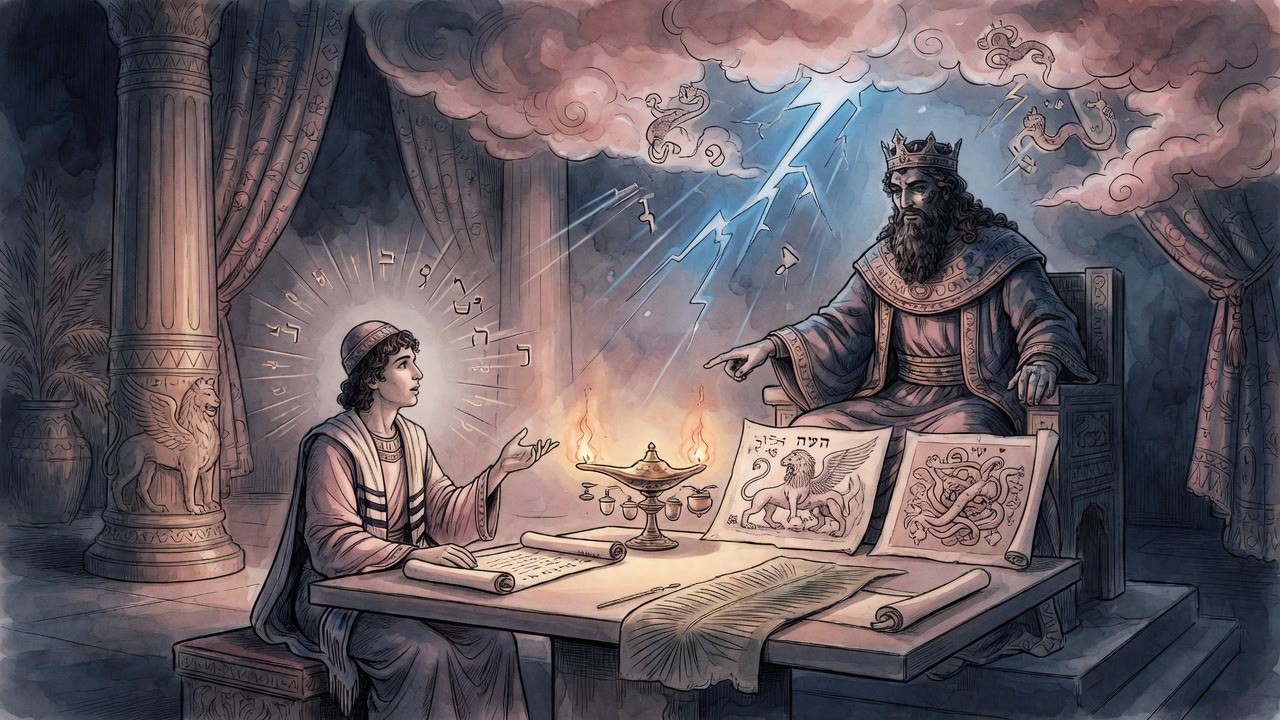
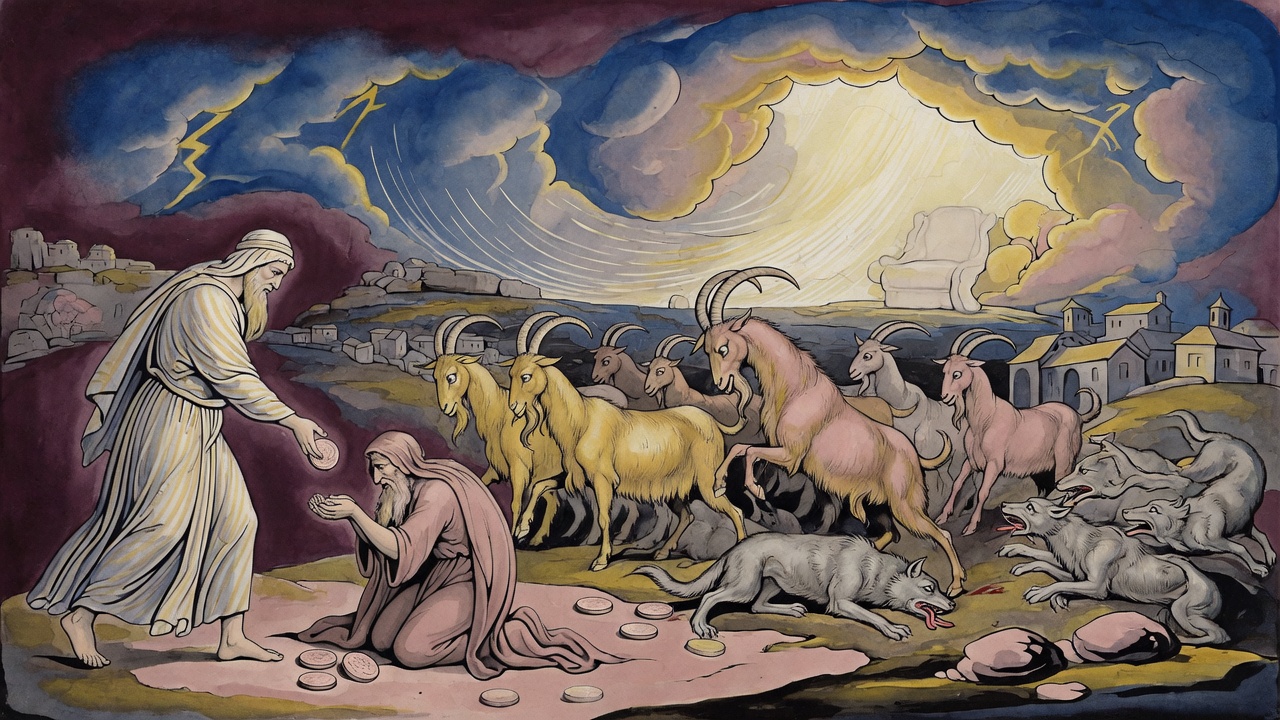
They pushed the boy onto the cold marble before the lamps were lit, and Nebuchadnezzar looked down at him the way a man looks at a knot he intends to cut. He had heard the stories. A child of seven who spoke the language of beasts and had answered grown sages until they fell silent. The king did not want a wonder. He wanted to watch a wonder stammer.
 Click for full size
"They say you know everything," the king said. "So I will not ask you anything that matters. I will ask you the foolish things, the small things, the things a clever boy would be too proud to know. When you cannot answer, the whole court will laugh, and you will learn what it costs to be famous in my city."
The boy, Ben Sira, folded his hands and waited. He did not look frightened, and that alone made the men along the walls shift.
The King Began With the Smooth Nose of the Ox
"Here is your first foolishness," Nebuchadnezzar said. "Every beast in my fields carries hair where it pleases. But go and run your hand along the nose of an ox. It is bare. Smooth as a stone. Tell me why, and do not invent. I have heard children invent."
Ben Sira answered as though he had stood in the field himself.
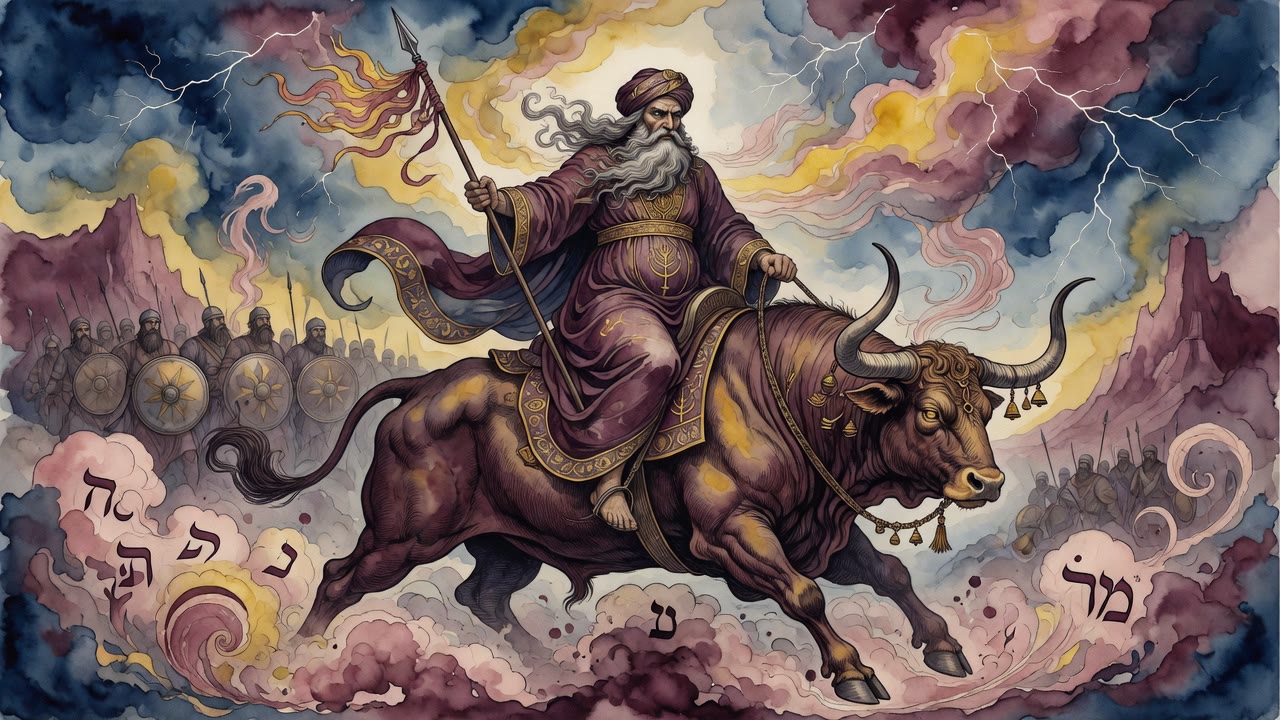
"It happened at Jericho," he said. "When Joshua brought Israel against the walls, he meant to circle the city, but Joshua was a heavy man, and his own legs would not carry him through seven days of marching. So they brought him a horse. The horse buckled under him and lay still. They brought a donkey. The donkey folded and died. They brought a mule, strong and stubborn, and even the mule went down beneath him and did not rise."
The king's jaw had gone still. The boy went on.
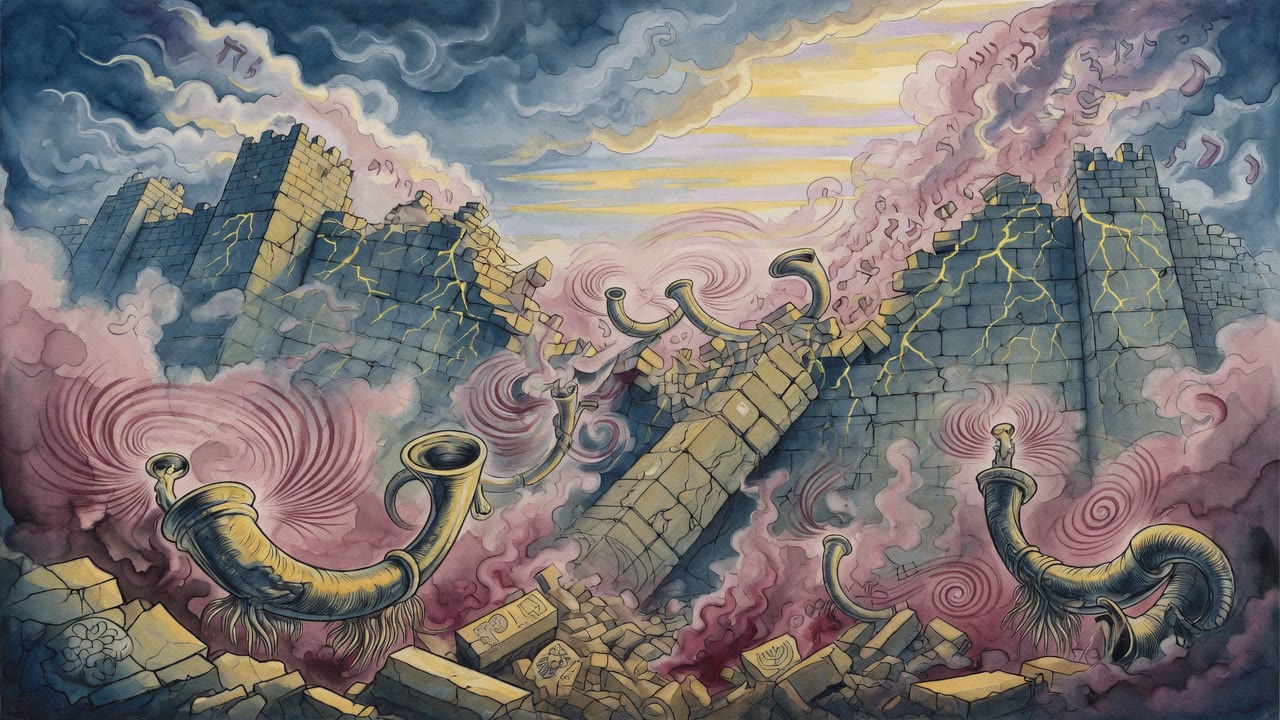
"Then they led out an ox. No one expected much of it. But the ox took the weight of Joshua on its back and walked. It circled the walls the first day, and the second, and did not complain. It walked the seventh day while the rams' horns screamed and the stones of Jericho shook loose and the whole city came down in dust. And when the walls had fallen and the slaughter was over, Joshua climbed down, and he did not go first to his captains. He went to the ox. He took its great head in his hands and he kissed it, full on the nose, the way a man kisses something that saved his life."
Ben Sira looked up at the throne.
"A righteous man's lips left their mark. Where Joshua kissed, no hair has grown since, on that ox or any ox after it. Go run your hand along the nose of your beasts, my king. You are touching the gratitude of a man dead a thousand years."
A King Who Came to Laugh Stopped Laughing
The court did not laugh. Nebuchadnezzar had wanted the boy to flounder over a bare patch of hide, and instead the boy had walked him into a falling city and set a conqueror weeping over a beast of burden. The king of Babylon, who had burned a Temple and dragged a nation across the desert in chains, sat with a strange weight in his chest. He reached for another riddle to be rid of it.
"Birds, then," he said quickly. "I have watched the raven. It does not walk like a clean bird. The pigeon struts. The sparrow hops. But the raven jerks and sways down the road like a drunk man dancing. Why does the raven dance when it walks? Answer that, and do not reach back a thousand years this time."
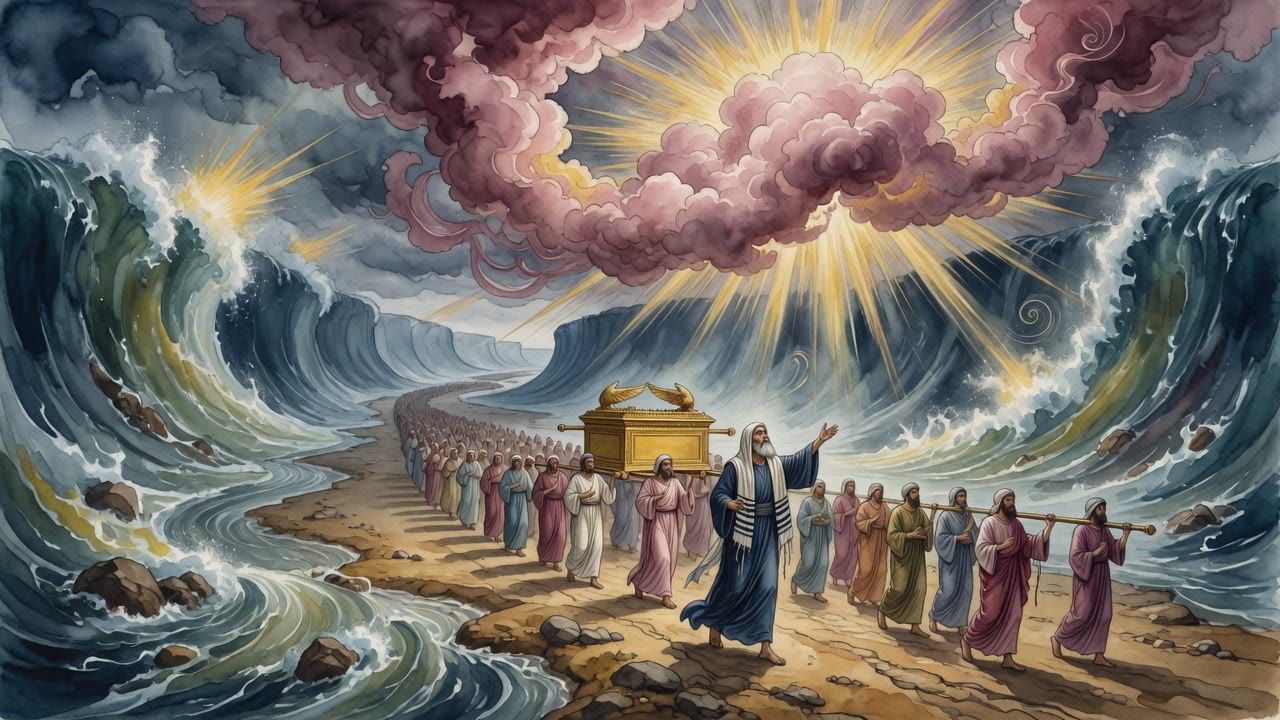
"This one reaches further," Ben Sira said. "It reaches to the ark."
The Raven Watched the Dove on the Flooded World
"When the waters covered the world," the boy said, "Noah shut every creature inside one groaning vessel, the clean and the unclean, the proud and the low, all of them rolling on a black sea with nowhere to set a foot. And in all that crowding, the raven watched the dove."
"The dove had the most beautiful walk of any bird. Smooth. Gliding. Every step landing where it should, as if the deck were not pitching at all. And the raven, who was big and dark and clumsy, burned with envy. I will walk like her, the raven told himself. So he began to practice. He stretched his legs the way she stretched hers. He shifted his weight. He tried to glide."
"The other beasts noticed. A great black bird mincing along like a delicate dove is a thing to laugh at, and they laughed. The raven heard them and his shame curdled. Enough, he said. I will walk the way I always walked."
Ben Sira spread his small hands.
"He could not. He had practiced the dove's walk so long that his own had left him, and he had never truly mastered hers. So he was caught between, neither one bird nor the other, lurching in a walk that belonged to nobody. He had reached for what was not his, and in reaching he dropped what was. To this hour the raven dances down the road, my king, paying for a thing it wanted that was never made for it."
The Riddles Came Back to the Man on the Throne
The throne room had gone very quiet. Nebuchadnezzar had asked about a snout and a gait, the smallest things he could find, and the boy had answered with a man who honored the beast beneath him and a bird that lost itself trying to be another. The king understood, against his will, that the small questions had not been small.
He had circled Jerusalem the way the ox circled Jericho, and he had kissed nothing. He had taken a crown that fit another man's head, and worn it, and reached for more. Somewhere in him a cold thread pulled tight, the first thread of the madness that would one day send him out to eat grass on his hands and knees like a beast that had forgotten its own walk.
But that was years off. For now the king only waved his hand, as if to scatter the silence, and said the boy could go. Ben Sira bowed, unhurried, and walked out across the cold marble with the even, certain step of a creature that had never once wished to be anything other than what it was.
← All myths