5 min read

Nimrod Hunts Abraham After the Night Vision

Nimrod woke from a dream that named Abraham as the end of his kingdom. Eliezer raced to warn him, and Abraham hid a month under Noah's roof.

Curated by Arthur · Told by Maggid ·
Table of Contents
  1. The Slave Who Ran the Wrong Way
  2. Another King, Another Night
  3. The Month Under the Old Roof
  4. What Kings Cannot Sleep Past

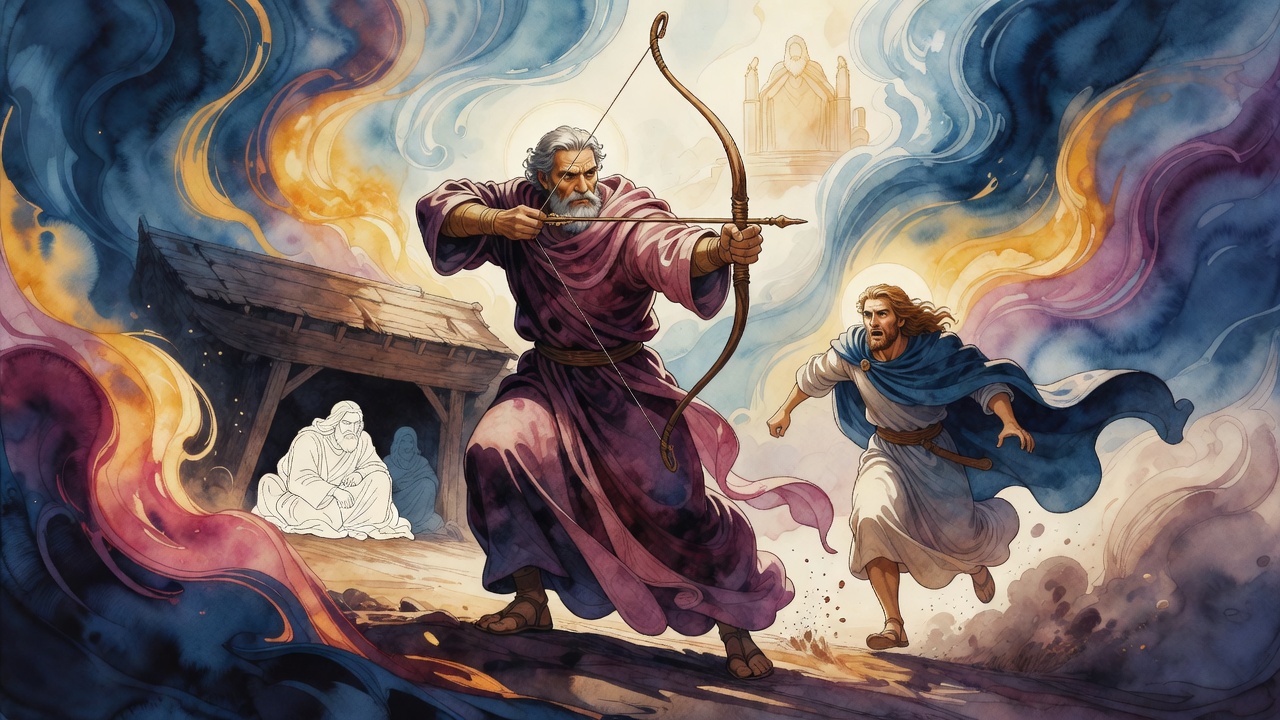
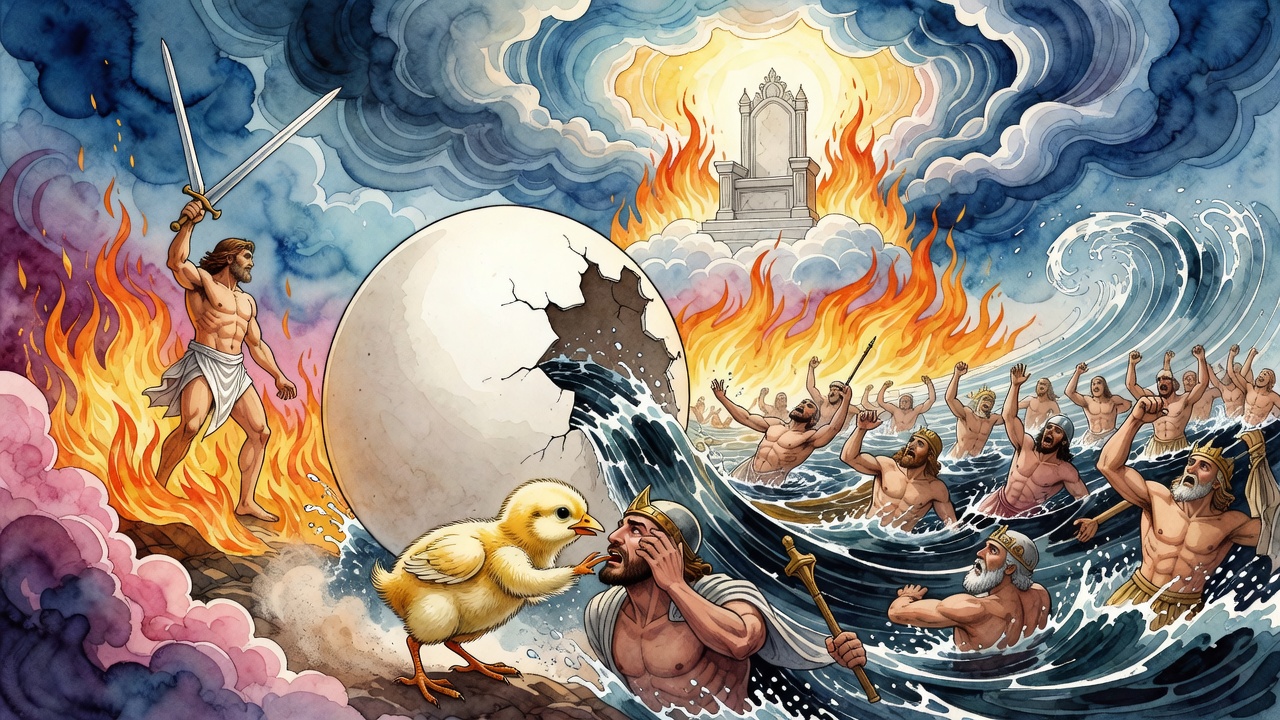
Nimrod sat up before the sun and called for light he did not trust. The dream still pressed on his ribs. He ordered wise men and magicians into the hall while the floors were still cold.

Nimrod Hunts Abraham After the Night Vision Click for full size

One of them, Anoko, did not soften the reading. "O king, this dream foretells the misfortune that Abraham and his descendants will bring upon you." He said Abraham's followers would break Nimrod's army. He said Nimrod and his allies would barely escape, and that a descendant of Abraham would one day end Nimrod himself. He added the worst detail of all: the stars had already named this fate fifty-two years earlier, at the hour of Abraham's birth. "As long as Abraham lives, your kingdom will never be secure."

Nimrod did not argue with the stars. He sent servants with orders to take Abraham and kill him.

The Slave Who Ran the Wrong Way

Eliezer was in the royal court when the order left the king's mouth. He was Abraham's man by gift, a living irony: Nimrod had once given him to the household he now meant to destroy. Loyalty moved faster than duty. Eliezer left the court without asking leave and ran for Abraham's door.

He did not waste breath on ceremony. "Flee. The king has sent for your death."

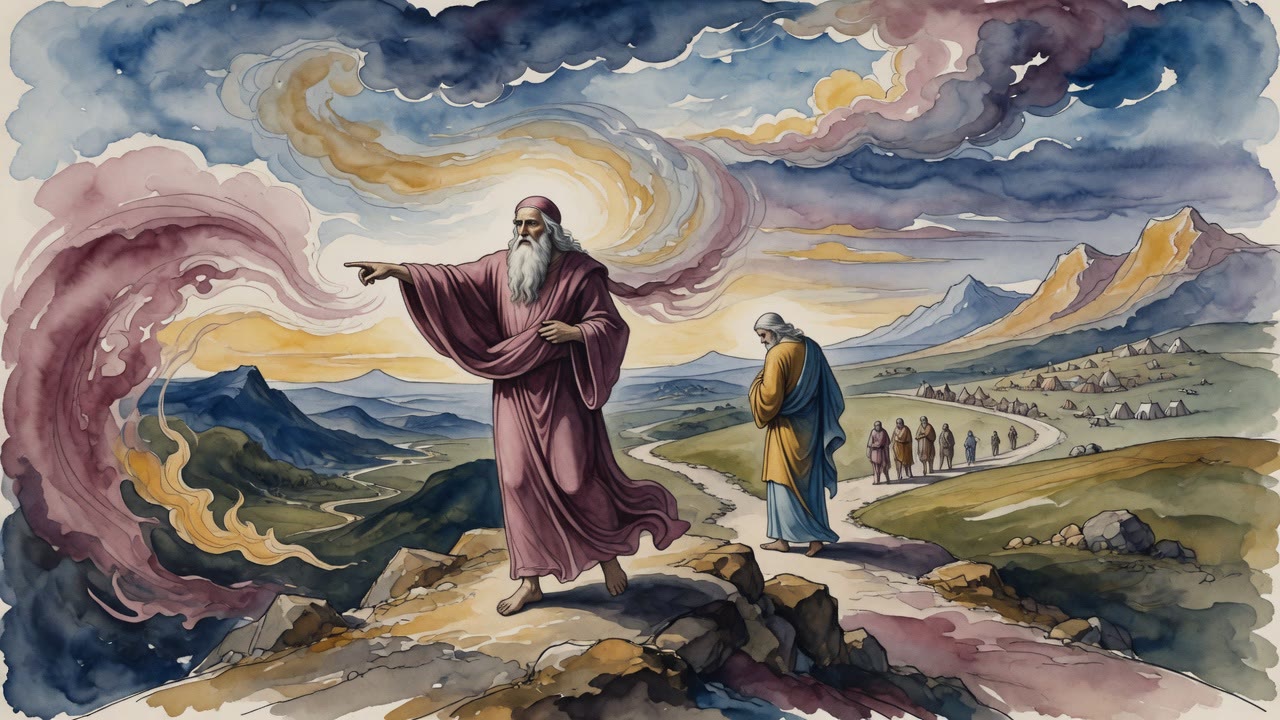
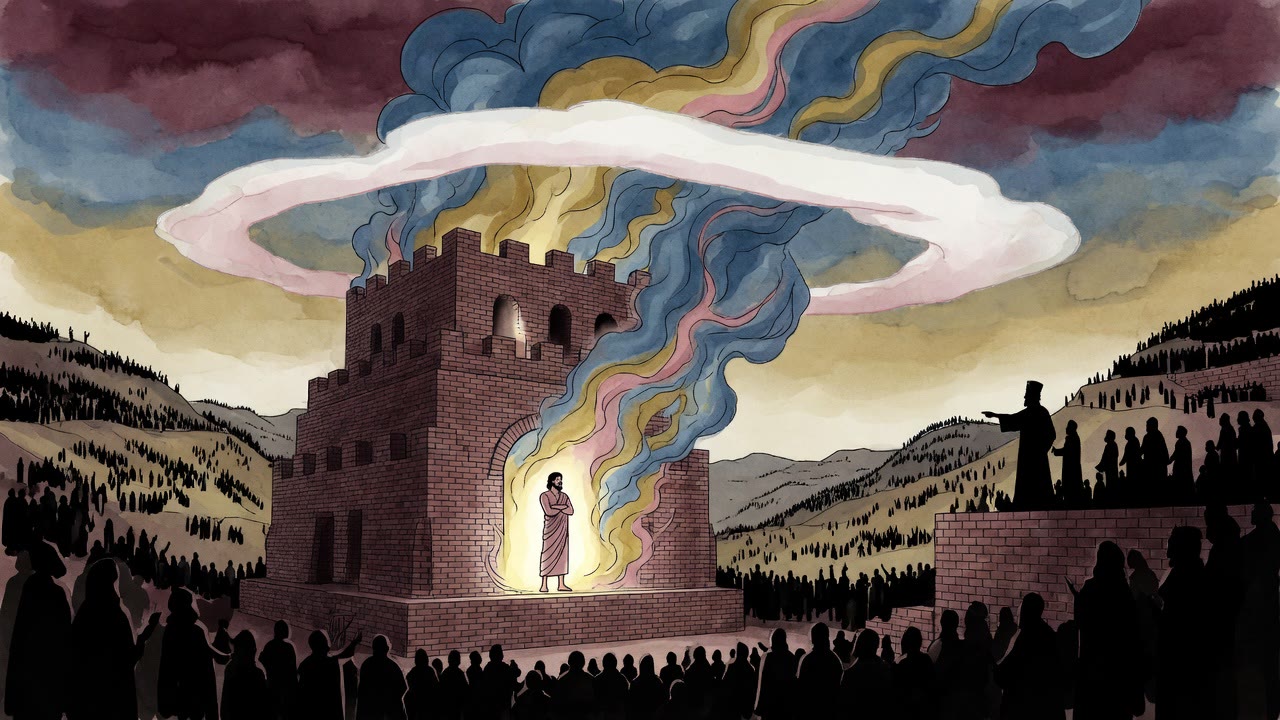
Abraham trusted the warning and left at once. He took refuge in the house of Noah and Shem. The roof that had ridden out a world of water now hid one man from a king's knives. For a full month Abraham stayed there. Officers searched markets, roads, and known friends. They found empty rooms and cold trails. Nimrod's men came back with nothing to show.

At last Nimrod stopped the active hunt. Perhaps he told himself the threat had thinned. The dream did not leave him. The man named in the dream still lived under another house.

Another King, Another Night

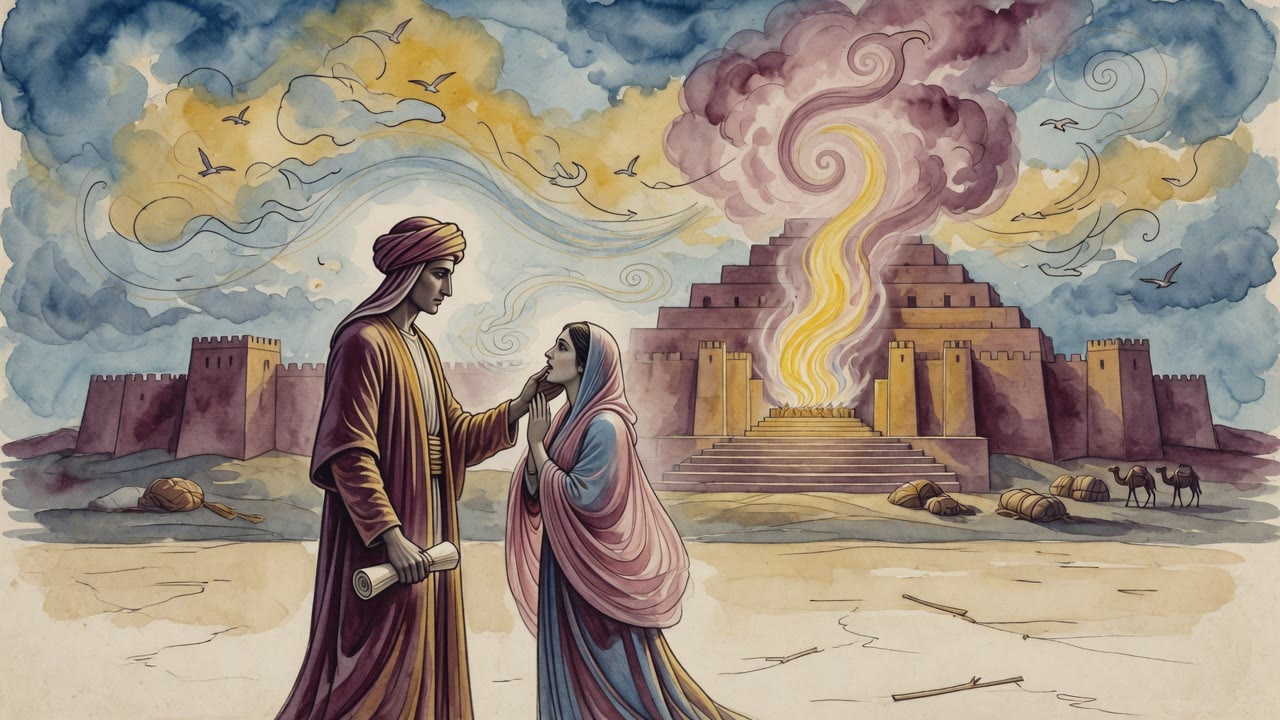
Royal fear of Abraham's household did not end with Nimrod. In Gerar, Abimelech took Sarah into his house after Abraham and Sarah said she was his sister. Some of Abimelech's servants waved the warning away. "Be not afraid of dreams! What dreams make known to man is but falsehood."

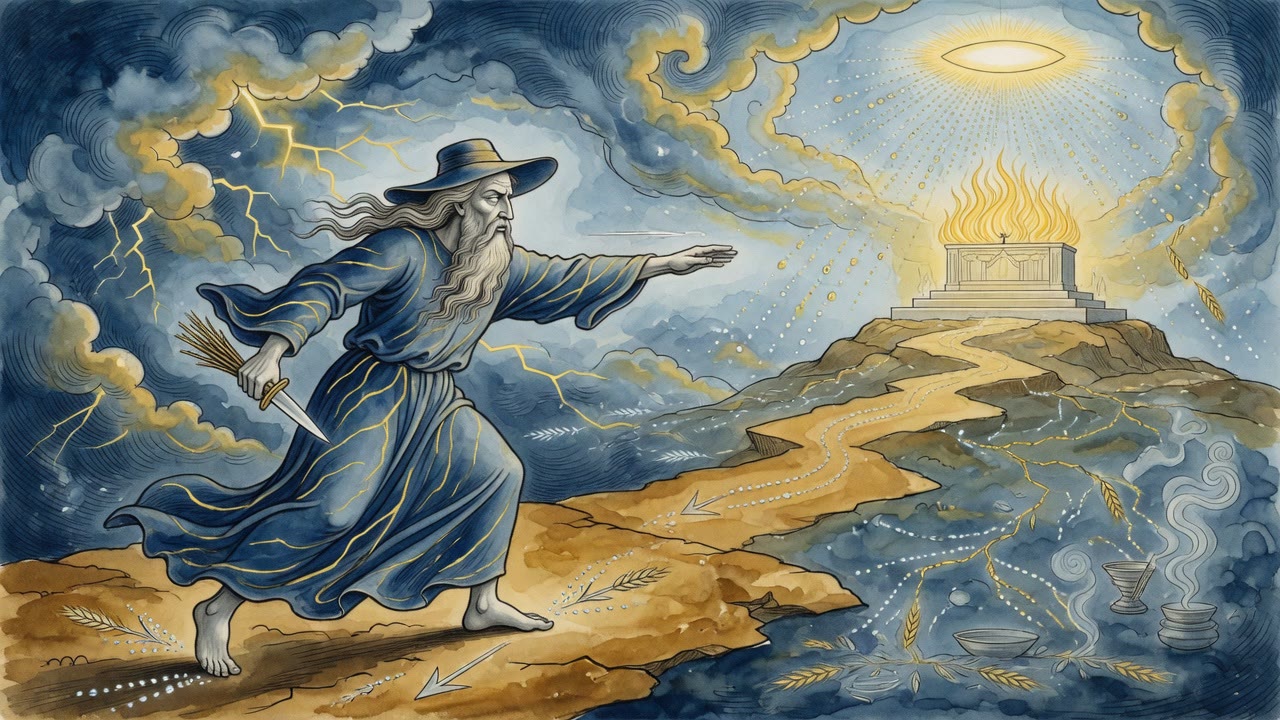
Then God stood in Abimelech's sleep and did not sound like falsehood. Release Sarah, the dream said, or face what follows a king who seizes a prophet's wife.

Abimelech woke angry and cornered. "Is this Thy way? Then, I ween, the generation of the flood and the generation of the confusion of tongues were innocent, too! The man himself did say unto me, She is my sister, and she, even she herself said, He is my brother, and all the people of their household said the same words."

God answered the protest without granting a full acquittal. "Yea, I know that thou hast not yet committed a trespass, for I withheld thee from sinning. Thou didst not know that Sarah was a man's wife. But is it becoming to question a stranger, no sooner does he set foot upon thy territory, about the woman accompanying him, whether she be his wife or his sister?"

The dream that Nimrod tried to kill had already told him Abraham was danger. The dream that Abimelech tried to argue with told him Abraham was a prophet. Different courts. Same household pressing on royal sleep.

The Month Under the Old Roof

While Abimelech later learned the cost of a hasty claim on Sarah, Abraham's earlier month with Noah and Shem was pure survival. He ate at tables that remembered the flood. He walked rooms built by men who had watched a world end for violence and arrogance. Outside, Nimrod's riders still asked questions that could end in a rope.

Abraham did not answer the hunt with an army. He answered it with absence. The man Anoko had named as the end of a kingdom learned to live like a rumor. Every day he stayed hidden, the prophecy stayed alive. Every day Nimrod failed to find him, the dream grew sharper instead of softer.

Eliezer's race had bought that month. A slave's feet against a king's decree. The gift Nimrod once gave away had turned and bitten the hand that signed the death order.

What Kings Cannot Sleep Past

Nimrod rose from a vision and reached for murder. Abimelech rose from a vision and reached for self-defense. Both found that Abraham's house would not stay outside their nights. One king hunted and missed. One king seized and was stopped. In both halls, servants tried to call dreams cheap. In both halls, the cheap talk failed.

Abraham left Noah's house when the search cooled. The kingdom Nimrod tried to lock down still had a man walking free whom the stars had already marked. The wife Abimelech tried to claim still belonged to a prophet God would not leave unprotected. Crowns shook for different reasons and for the same name.


← All myths

From the tradition

Sources

2 sources

The texts behind this telling. Some cards carry a translation of the source; others are our own retelling of it, and each card says which. Every card links out to the original.

Legends of the Jews 5:56Legends of the Jews

Retold in our words. Read the original at the link below.The Legends of the Jews by Louis Ginzberg (1909) · Public Domain

The story goes that Nimrod, a powerful ruler in ancient times, was deeply shaken by a dream. As soon as the sun rose, he summoned his wise men and magicians, desperate to understand the meaning behind the images that had invaded his sleep.

One of these wise men, a fellow named Anoko, stepped forward. And what he had to say wasn't exactly comforting. "O king," Anoko declared, "this dream foretells the misfortune that Abraham and his descendants will bring upon you." According to Anoko, a time would come when Abraham's followers would wage war against Nimrod's army and utterly destroy it. Yikes!

The prophecy didn't stop there. Anoko warned that Nimrod and his allies would barely escape with their lives, only for Nimrod himself to eventually meet his end at the hands of one of Abraham's descendants.

It gets even wilder. Anoko reminded Nimrod that, according to the stars, this fate had been foreseen fifty-two years earlier, at the very moment of Abraham's birth! "As long as Abraham lives," Anoko warned, "your kingdom will never be secure."

Nimrod, understandably, took these words to heart. Fear gripped him. He immediately sent his servants to capture Abraham and put him to death.

But fate, it seems, had other plans. Eliezer, a slave whom Abraham had actually received as a gift from Nimrod himself (talk about irony!), happened to be at the royal court when all this unfolded. Loyalty trumped duty, it seems, because Eliezer, without hesitation, raced to warn Abraham.

He urged Abraham to flee before the king's men could reach him. Abraham, trusting Eliezer's warning, took refuge in the house of Noah and Shem, where he hid for an entire month. The king's officers searched high and low, but Abraham was nowhere to be found. Eventually, Nimrod, perhaps thinking the threat had passed, stopped actively searching for him.

What does this story tell us? Perhaps it's about the futility of trying to escape destiny. Or maybe it's a reminder that even the most powerful rulers are vulnerable to the unexpected. And it definitely highlights the importance of loyalty, even in the most precarious of circumstances.

Full source
Legends of the Jews 5:184Legends of the Jews

Retold in our words. Read the original at the link below.The Legends of the Jews by Louis Ginzberg (1909) · Public Domain

Dreams have always held a powerful sway over our imaginations, and in the world of the Torah, they're often a direct line to the divine. But what happens when a dream delivers a warning, a prophecy, or even a threat?

That's exactly what happened to Abimelech, king of Gerar, in the story of Abraham and Sarah. He dared to take Sarah, Abraham's wife, into his household, believing she was Abraham's sister. Some of his servants, according to the Legends of the Jews, dismissed the whole thing: "Be not afraid of dreams! What dreams make known to man is but falsehood."

Then, God Himself appeared to Abimelech in a dream! The message was clear: release Sarah immediately, or face dire consequences. The fear?

Abimelech, understandably, wasn't thrilled. He protested, "Is this Thy way? Then, I ween, the generation of the flood and the generation of the confusion of tongues were innocent, too! The man himself did say unto me, She is my sister, and she, even she herself said, He is my brother, and all the people of their household said the same words." He felt tricked, deceived. He'd acted in good faith, based on what he'd been told. He's essentially saying, "I'm being punished for something everyone agreed to!"

God responds, acknowledging Abimelech's innocence – to a degree. "Yea, I know that thou hast not yet committed a trespass, for I withheld thee from sinning. Thou didst not know that Sarah was a man's wife." God is letting Abimelech know that He intervened. However, He also points out a crucial flaw in Abimelech's behavior: "But is it becoming to question a stranger, no sooner does he set foot upon thy territory, about the woman accompanying him, whether she be his wife or his sister?"

It's a fascinating point. Was Abimelech truly blameless? Or did he fail to exercise proper caution, to show basic hospitality and respect? God implies that a more discerning ruler wouldn’t have jumped to conclusions based solely on Abraham's words.

And then comes the kicker. God tells Abimelech that Abraham, "who is a prophet, knew beforehand the danger to himself if he revealed the whole truth. But, being a prophet, he also knows that thou didst not touch his wife, and he shall pray for thee, and thou shalt live."

So, Abraham, despite his deception, holds the key to Abimelech's salvation. It's a beautiful reminder that even in moments of conflict and misunderstanding, there's always room for forgiveness and reconciliation. It's also an illustration of the power of prophecy and the unique relationship between prophets and God, where their prayers carry immense weight.

This story from Legends of the Jews (a compilation of Midrash (rabbinic interpretive commentary) and Aggadah (non-legal rabbinic narrative) which draws from sources such as Genesis 20) leaves us pondering. How often do we jump to conclusions based on incomplete information? How can we cultivate a sense of trust and discernment in our interactions with others? And what role do dreams, those mysterious whispers from the unconscious, play in guiding our paths? Perhaps, like Abimelech, we should pay a little more attention to what our dreams might be trying to tell us.

Full source