No Iron Blade May Touch the Altar Stones
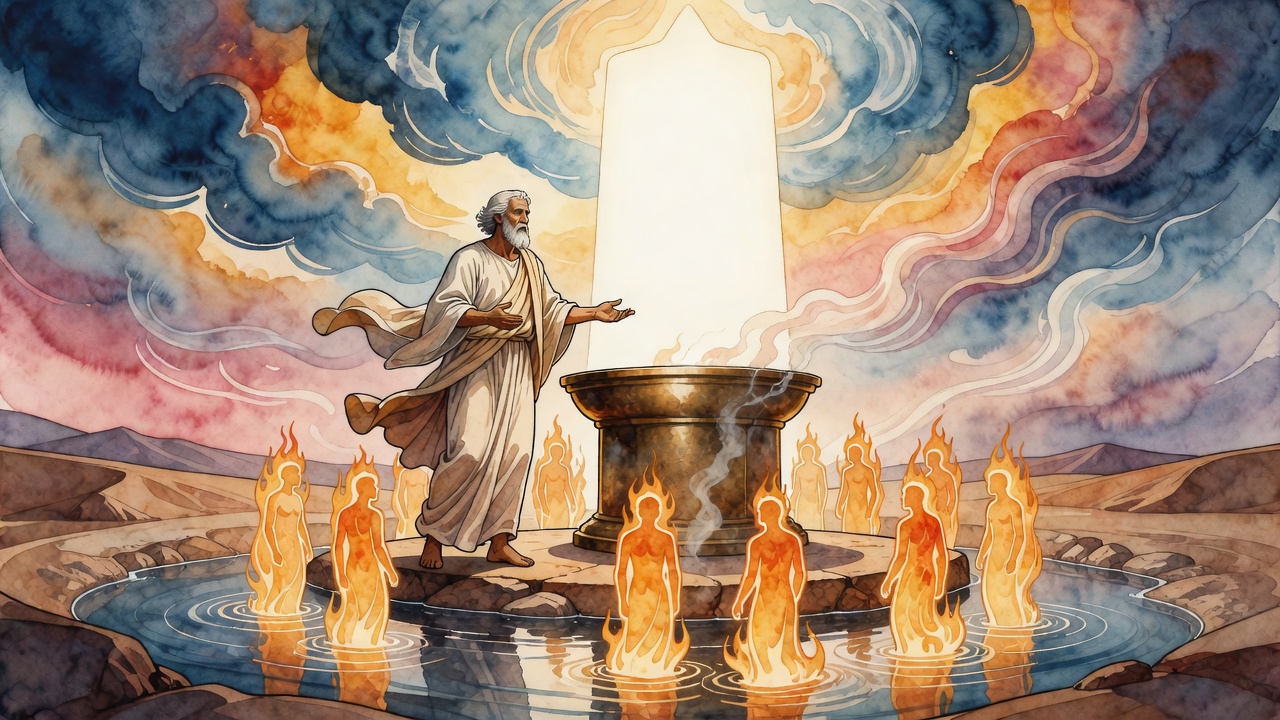
The chisel rang once against an altar stone. The crew froze. Two rocks had felt iron, and the wall was already rising around them.
Table of Contents
 Click for full size
The Chisel Rang Once
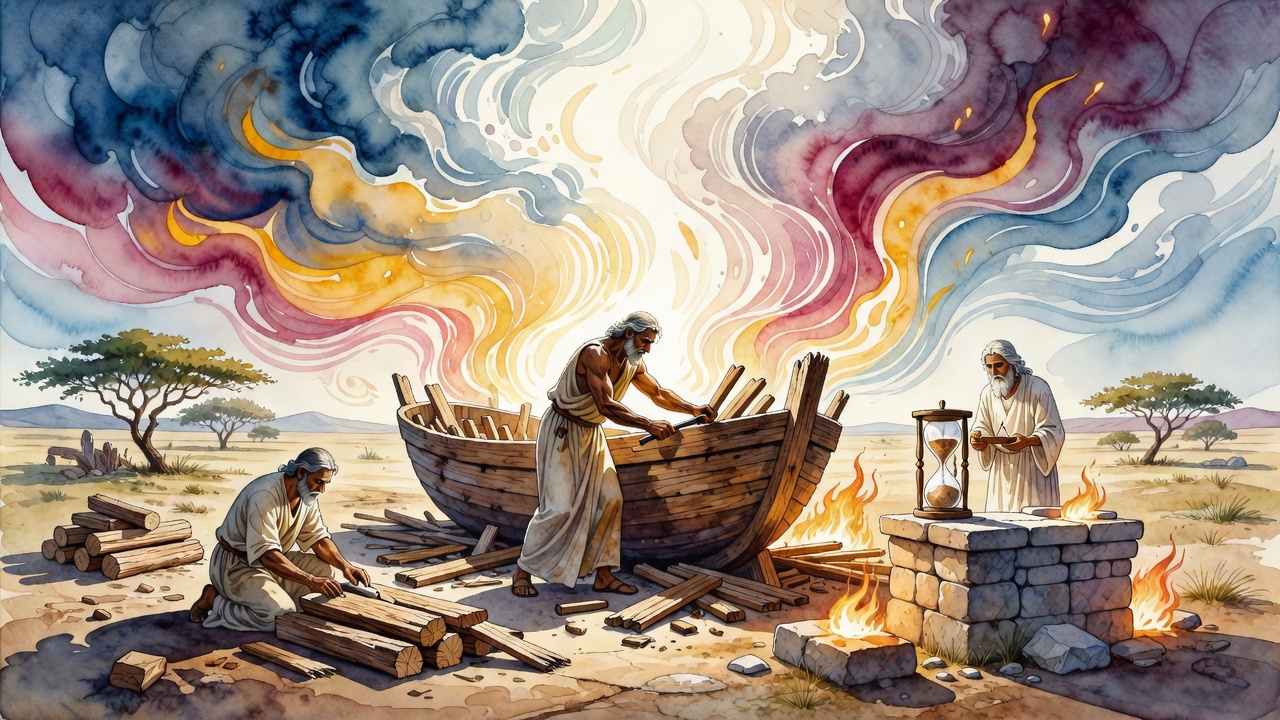
The chisel rang once against the stone and every man in the work crew froze. Iron had spoken where iron was not welcome. Someone cursed under his breath. Someone else was already calculating whether two spoiled stones meant a ruined altar or only a careful extraction before the next course of rock was set.
"Do not build them gazith (גזית)," the Torah said of the altar stones. Hewn stones. Stones shaped by metal. Any rock that has felt iron's edge is unfit for the altar's body. The tool that shortens war is not welcome in the place that shortens wrath between heaven and Israel (Exodus 20:22).
They had kept the blades in a pile outside the circle. One man had brought a chisel in anyway, because a face would not sit, because a corner wanted help, because the work was slow. One ring of metal on stone. Two rocks spoiled. The altar was already rising around them.
Rabbi Nathan Saved the Rest of the Stones
Rabbi Nathan walked the unfinished height. He put his palm on the two offenders. Sweat still ran on the crew. Someone had already spoken of tearing the whole thing down and starting from the dirt.
"Them," Nathan said. "Not the altar. Pull these two. Leave the rest."
The wording saved the structure. Do not build them gazith: them, the stones, not the altar as a total smear. Disqualification stays local unless Scripture spreads it. A single mistake need not demand demolition of the entire height. A crew that panics into wrecking good work has misread the verse.
They lifted the two hewn stones out of the course. They carried them beyond the circle and set them in the dust. Whole stones, each face the face the mountain gave it, went into the gaps. The altar rose without the music of the forge. Sweat still ran. Muscle still tore. Holiness did not require ease. It required the right refusal.
Four Fires Moses Could Not Copy
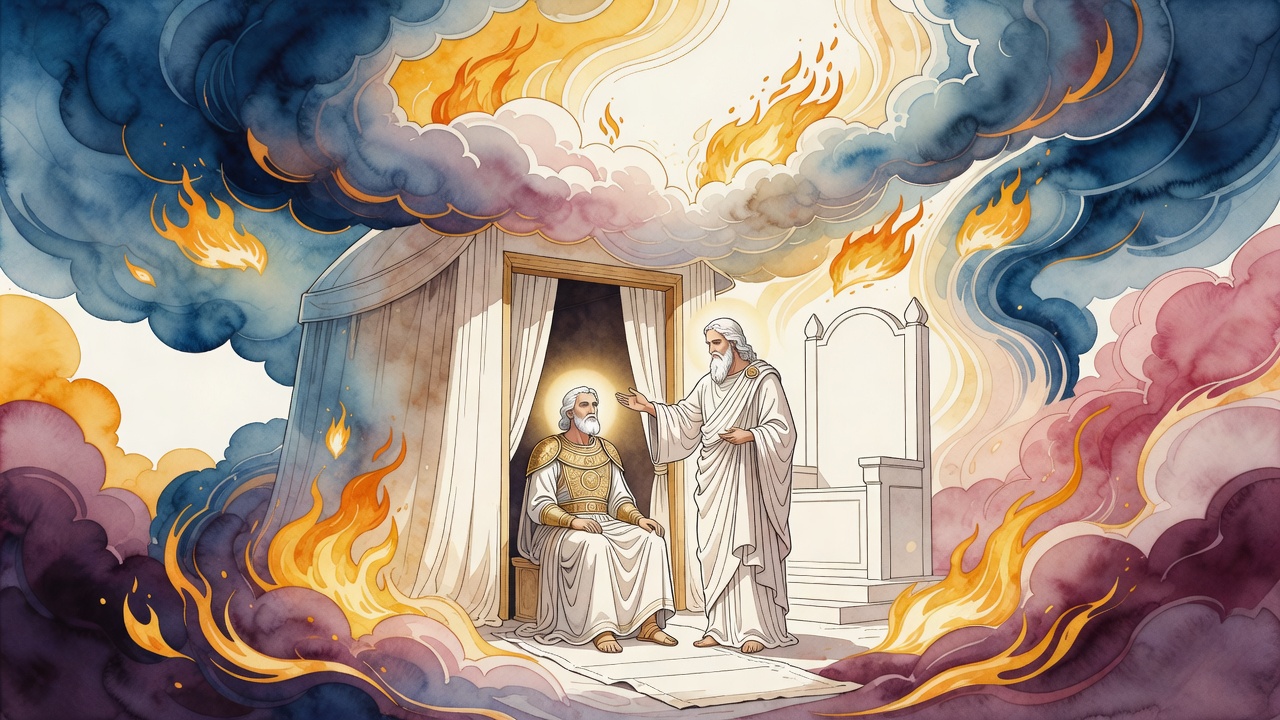
When God commanded a sanctuary, Moses might have pitched a plain tent on four poles. Instead he was shown what hands cannot manufacture: four fires burning above, red and green and black and white. Make Me a dwelling like that, the command ran.
Moses protested. Where does a mortal find such fire, and how does cloth hold it?
After their pattern that you are shown on the mountain, came the answer. A king appears robed in white pearls and tells his servant to make a robe like this. The servant despairs until the king says: you with your ordinary materials, I with My glory. You build below. I will draw My Presence down to dwell among you. Skill is not asked to become divinity.
So the upright acacia boards answered the seraphim standing above, and the golden clasps glinted like stars. The Tent of Meeting itself became a crown for the King to whom peace belongs, raised on the day the dwelling stood like a wedding under a sky that still remembered the four fires.
Oil Turned the Vessels Into Fire
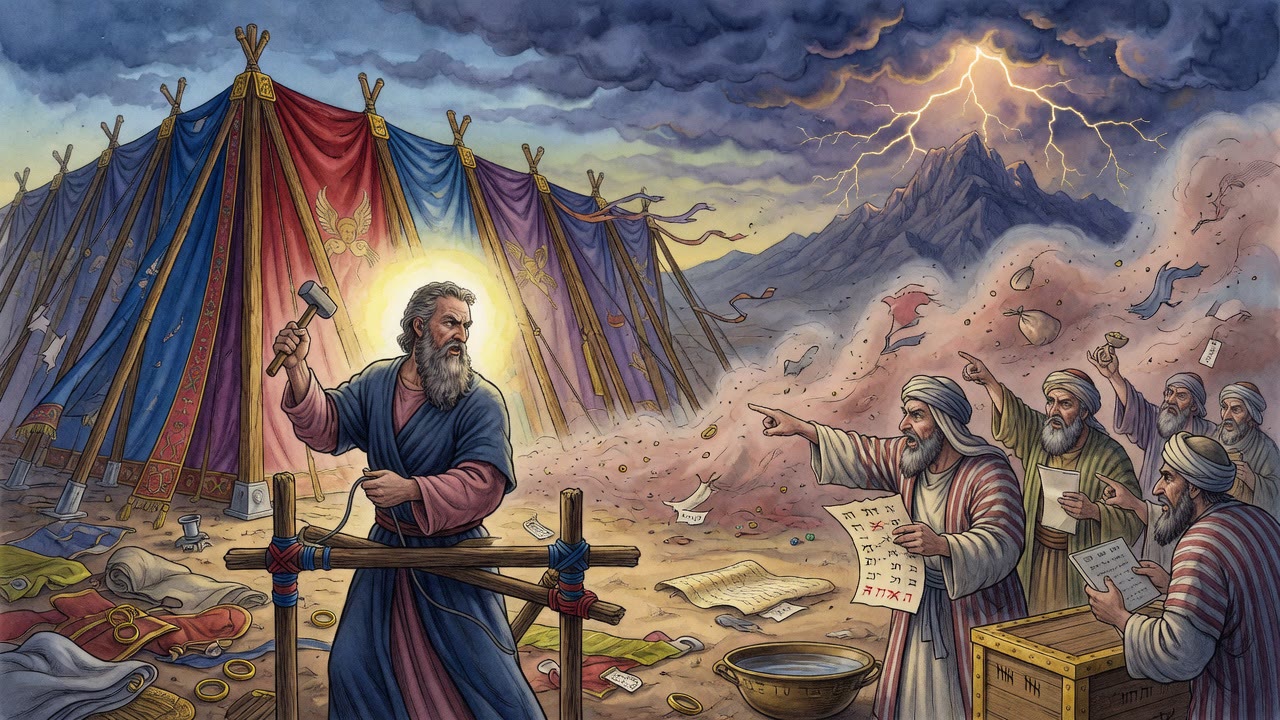
Once the anointing oil had touched the vessels, they were no longer ordinary wood and metal. Of the rest of the tribes, whoever touches them shall be consumed by the fiery flame from before the Lord.
Table, menorah, ark, incense altar: all carried the charge. A priest dipped. Oil ran. He stepped back. The vessels were not hostile. They were connected. Oil had tied them into the Presence that filled the Holy of Holies. To touch improperly was to close a path the body could not survive.
A man from another tribe reached. A priest caught his wrist before the fingers landed. "Not you," he said. "The flame is from before Him." Priests were trained to stand, hold, and step back. They were not immune to the fire. They had learned to conduct it rather than seize it. Holy things punish carelessness because they are real, not because they hate the hand that reaches without leave.
They Carried the Iron Away
The man who rang the chisel once never rang it again near those stones. He carried the iron away and wiped the dust from a whole rock that had never known a blade. Somewhere inside the finished Tent, a vessel waited under a cloth, harmless to the trained and lethal to the casual.
By evening the altar stood, rough and exact. No iron song. No spoiled course left in place. The two hewn stones lay outside the circle, faces cut, unfit, still heavy. The crew washed and went quiet, each man checking his tools the way a priest would later check his steps, counting what belongs near fire and what must wait outside the circle forever.
Between the unhewn stone and the anointed gold ran one rule, learned in the hands: treat the holy as alive, or it will remind you with a heat no apology can cool.
← All myths