Noah and Pharaoh Both Walked Away Limping
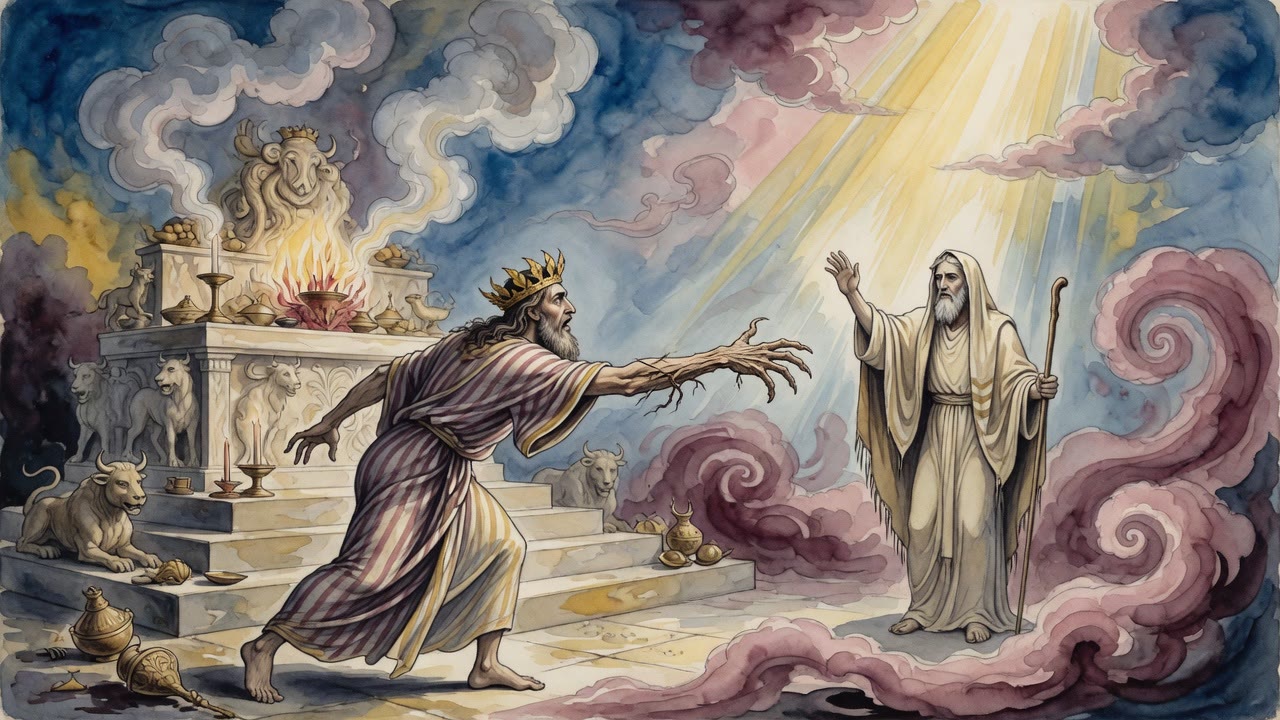
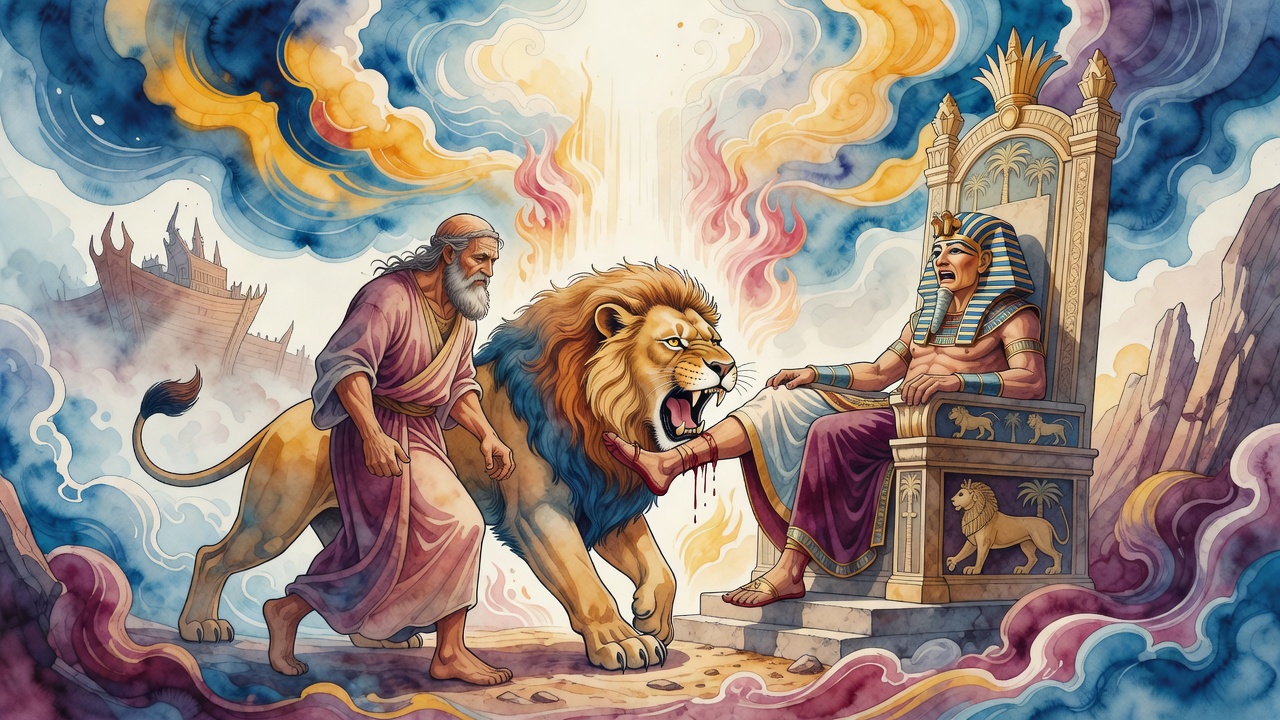
Pharaoh sat on the gold throne Solomon had sent as a marriage gift. He did not know the hidden steps. A metal lion found his leg.
Table of Contents
 Click for full size
The Lion on Dry Ground
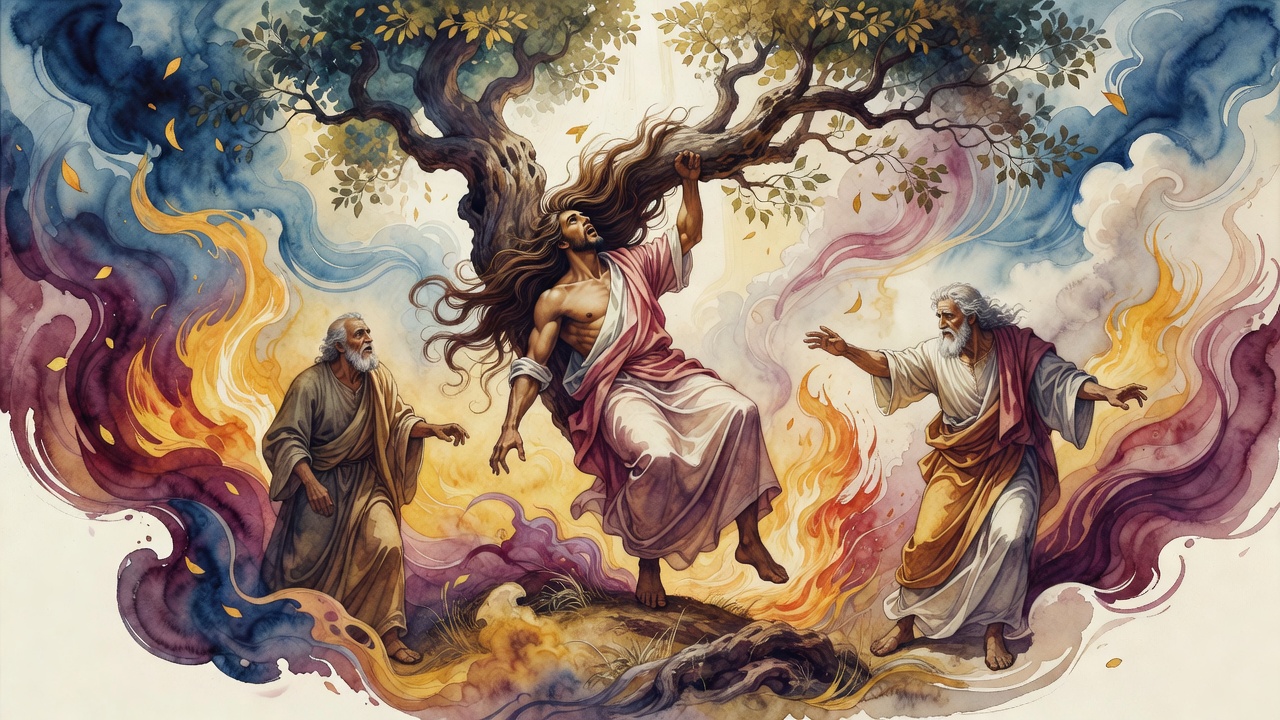
Noah stepped off the ark onto wet ground and the lion was already watching. The world had been washed clean of every other threat. Still a beast from the cargo turned and closed its jaws on the man who had kept it alive through the flood.
Teeth found flesh. He felt the bite before he heard it. He went down in the mud. When he walked again, he walked with a limp that never fully left him.
Righteous. Faultless in his generation (Genesis 6:9). Saved when the windows of heaven opened. The flood had not promised an unscarred exit. One fate waits for the righteous and the wicked, Ecclesiastes says, and a limp marks both ends of that hard sentence (Ecclesiastes 9:2).
At night his hand found the old scar without meaning to. Rain on the roof still made him listen harder than other men. He planted. He failed. He began again, dragging the stiff leg through new dirt.
The Throne That Bit Back
Pharaoh sat down on a throne that was not built for ignorance. Solomon had given it as payment when Pharaoh's daughter entered the royal house, a machine of gold and hidden work, lions and steps arranged so that a man who did not know the seat would find the seat knew him. Pharaoh did not know the seat.
He settled his weight. The hidden work of the throne moved. A lion of the mechanism found him the way the flesh-and-blood lion had found Noah. Pain tore through a leg. Servants rushed in. He cursed the gift and the marriage price. When he rose, he rose limping, a wicked king marked with the same animal signature the righteous survivor had carried out of the ark.
Noah built. Pharaoh oppressed. Two limps, one sentence. Justice under the sun does not always sort cleanly in the flesh. The limp is the proof the verse was not poetry alone.
Across centuries of retelling, Noah's limp stayed too, a private weather in the first steps of a reborn world. Pharaoh's limp stayed in a palace that smelled of gold and old incense. Same injury. Different mouths would say the names later.
The Gate That Closed on the Good
The hard leveling did not stop at legs. For the good, the sages name Moses, the infant of whom it was said that he was good (Exodus 2:2). For the pure they name Aaron, busy purifying Israel. For the impure they name the scouts who slandered the Land. Moses and Aaron praised the Land and still died outside it, sharing an exclusion with the mouths that had poisoned the report.
Moses stood on Nebo and looked at a country his feet would not enter. The wicked and the pure do not become the same kind of soul. They can still meet the same kind of closed gate in the flesh.
Noah limped. Pharaoh limped. Moses looked and did not cross. One fate again, not as a joke but as a pressure. Bodies that served and bodies that betrayed can share a border they did not choose.
A Name Wider Than the Ark
Against that hard leveling the tradition sets something that outruns furniture and even holy furniture. Rabbi Shimon ben Yochai said a good name is more beloved than the Ark of the Covenant. The Ark traveled only a limited road, three days' journey seeking a resting place (Numbers 10:33). A good name crosses from one end of the world to the other.
David's name went out into all the lands, and fear of him settled on the nations (1 Chronicles 14:17). Priesthood can lapse. Kingship can end. A good name keeps walking after the oil dries and the crown is stored.
Noah's limp was a fate shared with a wicked king. Noah's name was not. The ark rested. The name of the man who walked out of it, scarred and still chosen, kept moving through every generation that retold the flood.
Pharaoh limped and remained Pharaoh, a title heavy with drowning orders and hard labor. Noah limped and remained the man who planted and failed and began again. One fate touched the leg. It did not write the same sentence on the tongue later generations would say aloud.
Far away in a later palace, a different lion, metal and cunning, had taught a different man the same limp for a different reason. Between them Ecclesiastes held its bleak equality. Above them a good name kept traveling farther than any ark on poles, farther than any throne with hidden teeth, out to the edges of the world where limps are forgotten and only the name still walks without a cane.
← All myths