5 min read

Gabriel Planted a Reed on Solomon's Wedding Day

Asahels name broke Davids casualty list. Pharaoh's daughter broke Solomons list of loves. That wedding day Gabriel planted a reed in the sea, and Rome rose.

Curated by Arthur · Told by Maggid ·
Table of Contents
  1. Nineteen Men, and Asahel
  2. The Wife Named Twice
  3. A Reed in the Sea
  4. Praise Before the Ask
Gabriel Planted a Reed on Solomon's Wedding Day Click for full size

Nineteen Men, and Asahel

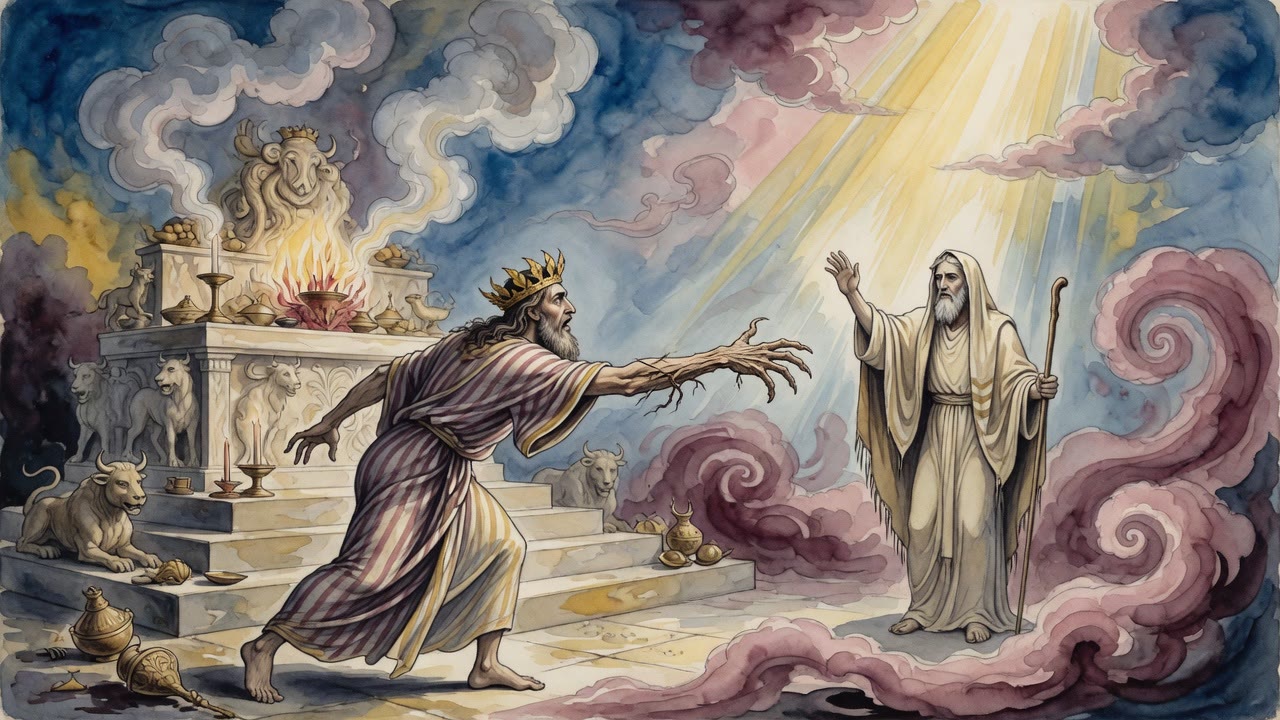
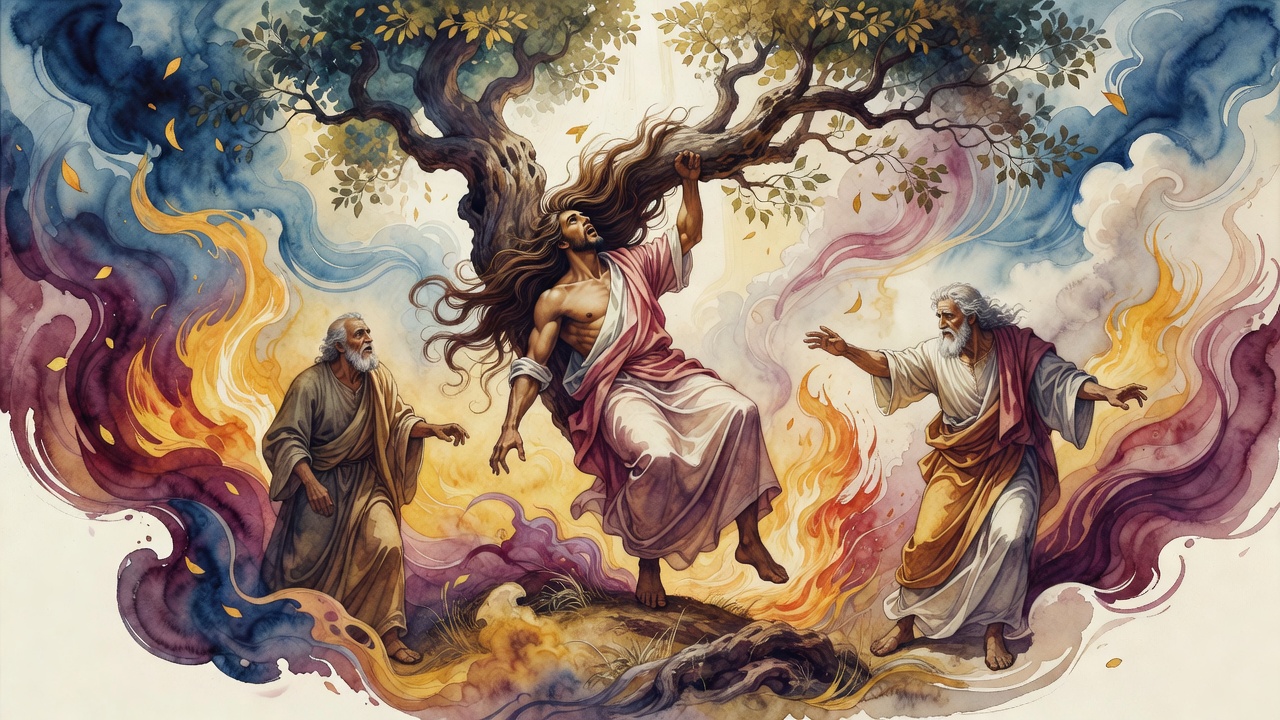
Asahel lay among the fallen after the battle, light of foot finished, and the count that should have been clean broke on his name. "There were lacking of David's servants nineteen men and Asahel" (II Samuel 2:30). He was already among the servants. Why write him twice?

The midrash answers with weight. He was more formidable than the rest, a speed and force that made absence louder than numbers. Some men die inside a tally. Asahel died as a second sentence. The list had to break for him. Runners who had watched him on the field knew why the scribe's hand paused and wrote the name again.

David's camp counted corpses the way other camps count coins. Nineteen was a number. Asahel was a hole. The verse refuses to let greatness dissolve into arithmetic.

Joab's brother, light of foot as a gazelle in the old stories, had chased the wrong fight to its end. The double mention is not decoration. It is the sound of a gap that will not close.

The Wife Named Twice

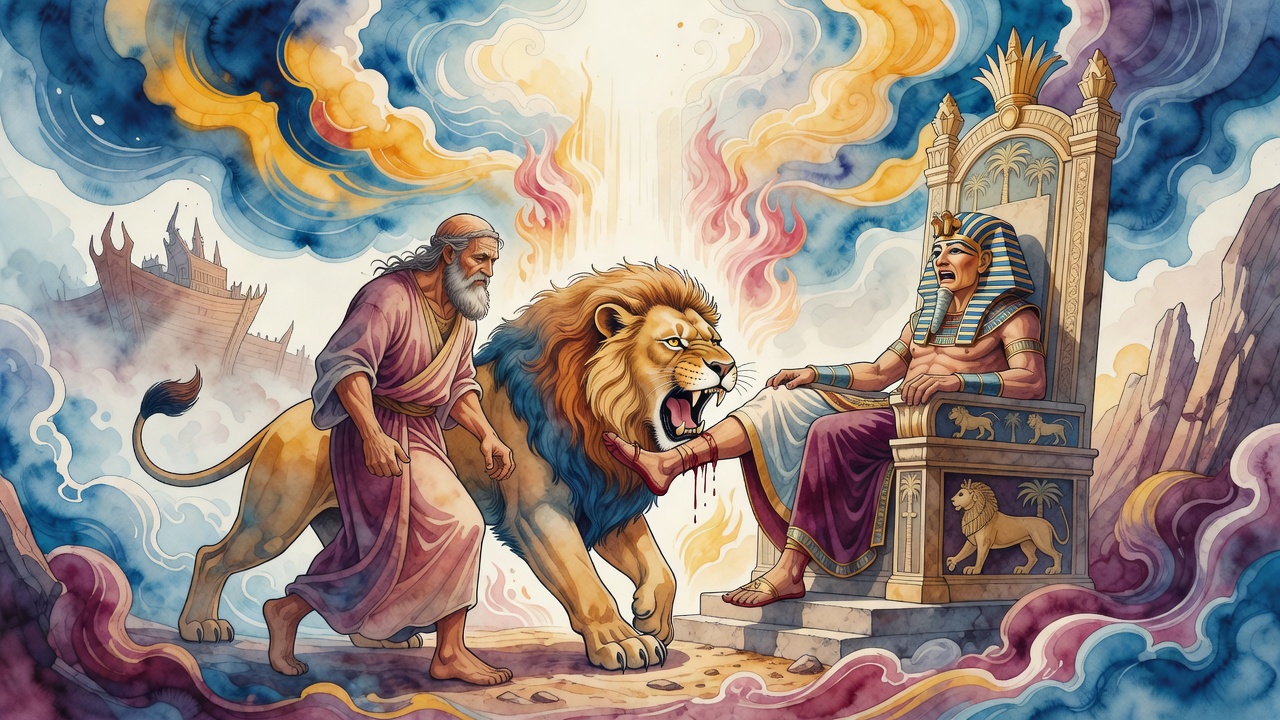
Solomon loved many foreign women, "and the daughter of Pharaoh" (I Kings 11:1). She was already among the many. Why the special call-out? Because she was more beloved than the others, and she led him further into sin than the others. Parallel syntax. Parallel danger. The extraordinary for good and the extraordinary for ruin share a grammar.

Asahel's singularity was courage that broke a casualty list. Pharaoh's daughter's singularity was the pull that bent a wise king's spine. The text will not let either dissolve into a crowd. One name is written twice because the world tilted when that person entered or left the story.

Solomon, who had asked for a listening heart, now listened too long to a love that taught him other gods. The verse that isolates her is already a warning dressed as romance. The midrash hears the warning and follows it out to sea.

A Reed in the Sea

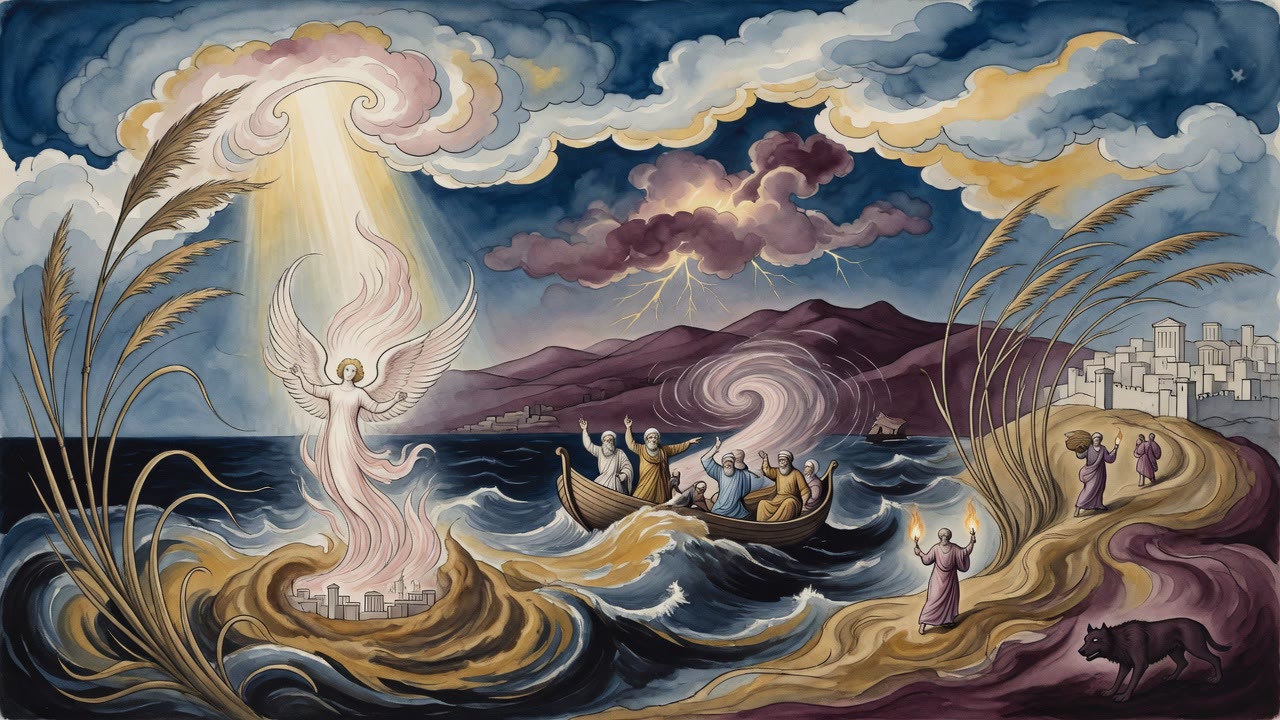
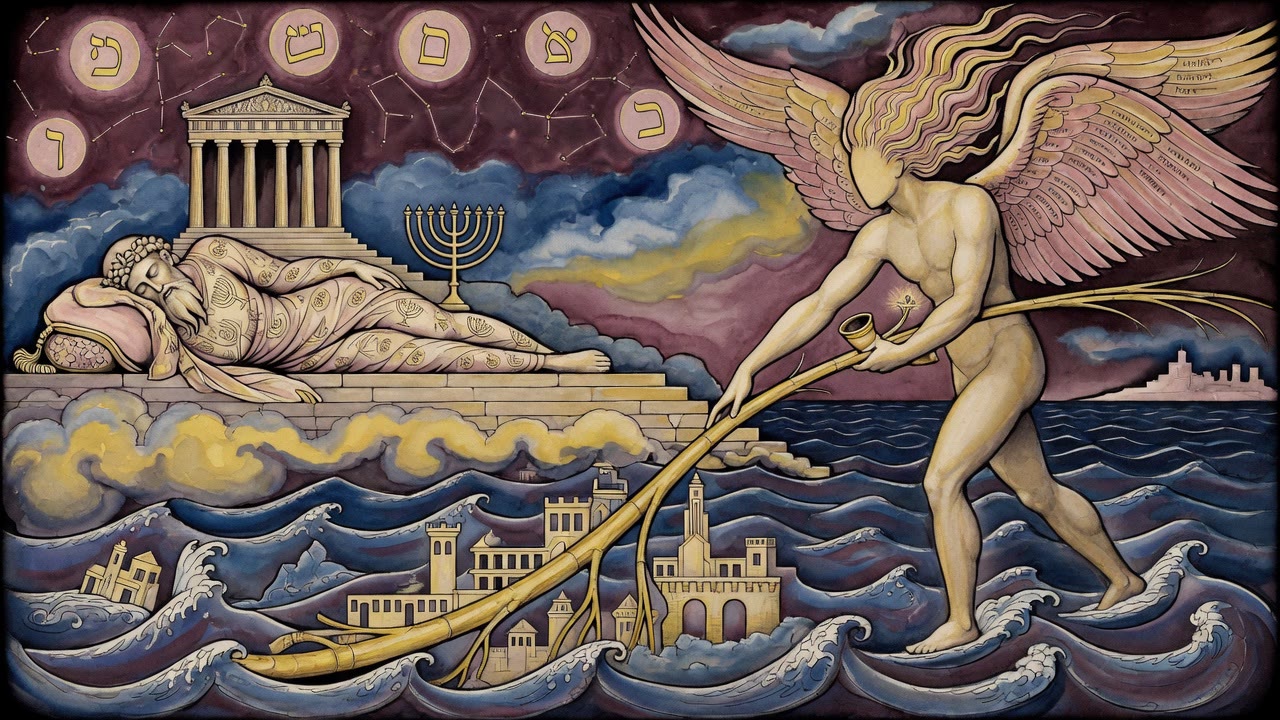
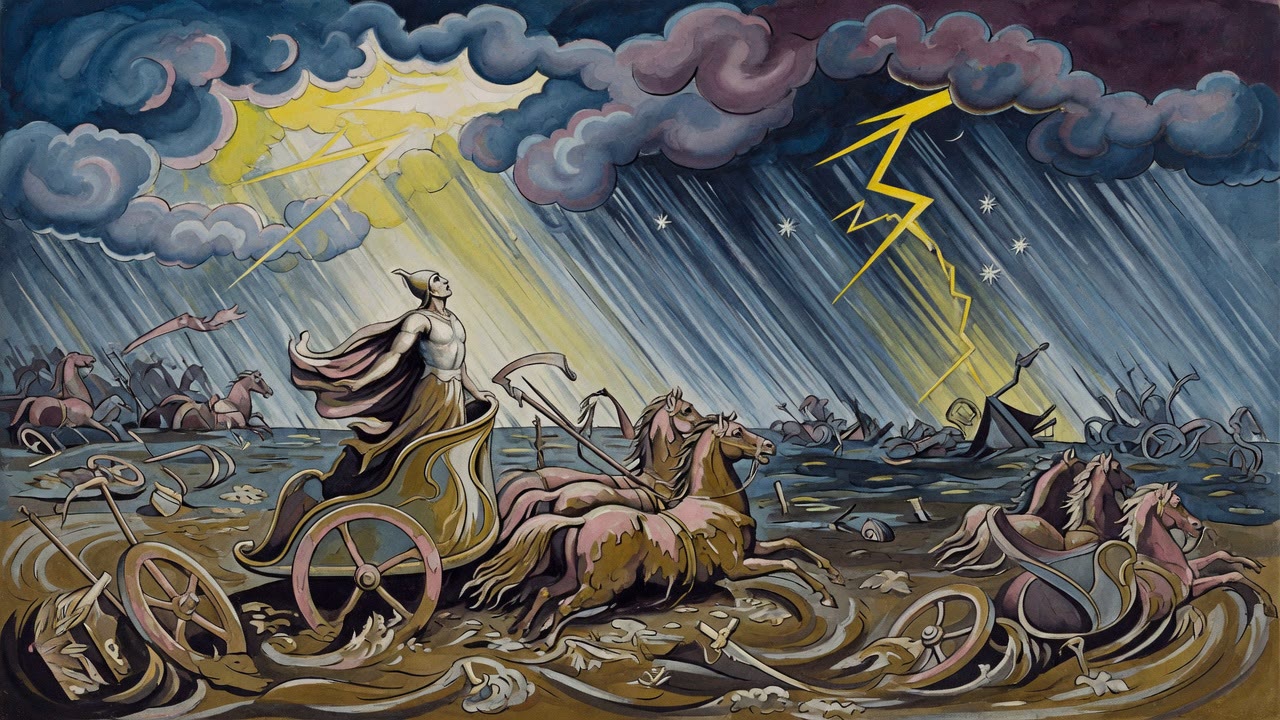
On the day Solomon wed Pharaoh's daughter, the archangel Gavriel descended and stuck a reed into the sea. A sandbank rose. On that sandbank the great city of Rome was built. One marriage. One personal choice. A future empire under a stalk of reed, wet at the base, dry enough later for brick and law and iron.

Later, on the day Jeroboam set up the two golden calves and split the kingdom, men named in the midrash's memory, Ramilo and Romolo among them, built in Rome. While Israel tore its worship in two, the city born of the reed kept rising. Sin in Zion and brick in the west moved on the same calendar of failure. Heaven kept the dates aligned so no one could call the empire an accident.

The reed looks small in the angel's hand. Empires often begin as something a man could snap, if he still wanted to. Solomon's hand was busy with a wedding. Gavriel's hand was busy with a future enemy's foundation.

Asahel's double name and the daughter's double mention teach the same craft of reading: watch what the text isolates. Isolation is destiny leaning into the sentence.

Praise Before the Ask

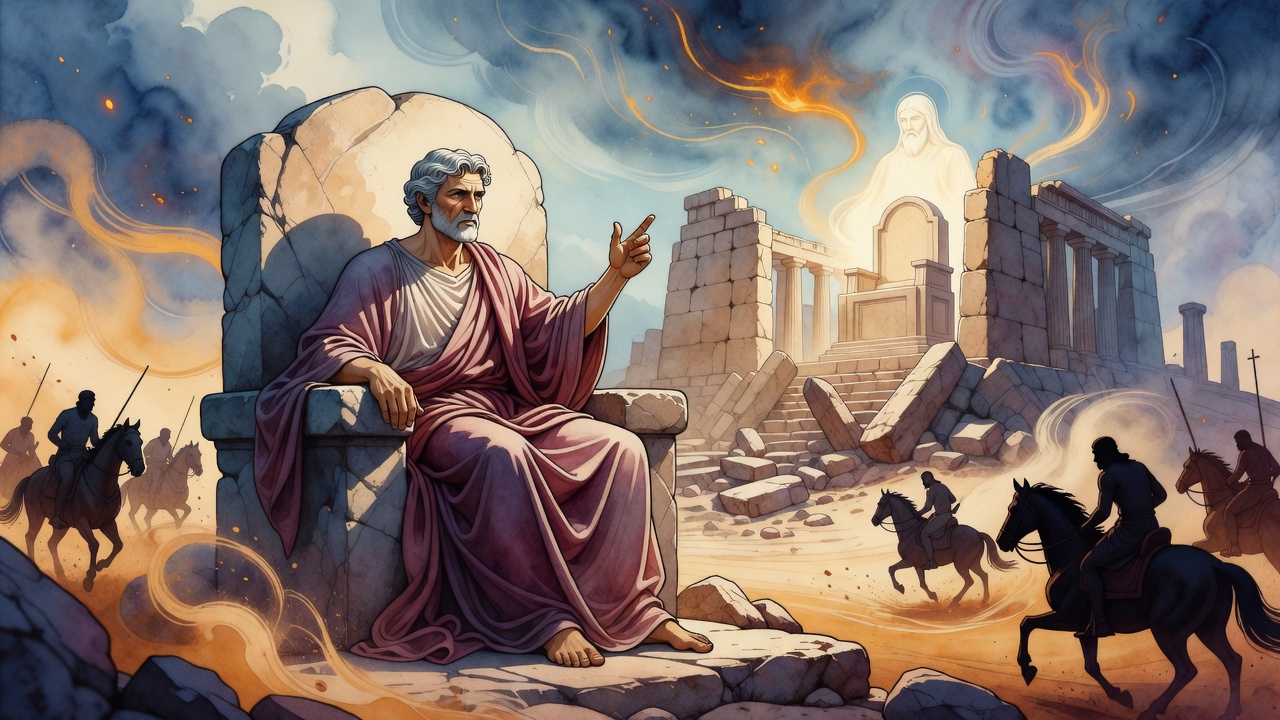
David and Solomon both knew another order of speech with Heaven when they were at their best. David did not open with Israel's list of wounds. He opened with a new song, "Hallelukah," then turned to the people's need, then returned to praise (Psalm 149). Solomon, before naming famine in the land, said there is none like God in heaven or earth, keeping covenant for those who walk before Him with all their heart (II Chronicles 6). Only then came the hard requests.

The wedding day had no such sandwich of praise. Desire led. Music for a foreign princess filled the rooms. The reed went into the water while the cups were still raised. Empires can begin in a ceremony that forgets who is being asked to bless the house.

Asahel's name breaks a casualty list because greatness leaves a hole. Solomon's named wife breaks a list of loves because one love can unmake a kingdom and seed a rival shore. Between the hole and the shore stands an angel with a reed, and a midrash that refuses to call private royal desire a private matter.

The sea closed over the angel's wrist. The sandbank held. Rome learned to stand. Israel learned, too late for that hour, that the grammar of "and" can mark the one name that costs more than all the others combined.

Years later, when Roman power pressed on Judea, storytellers who knew this midrash could point at a wedding cup in Solomon's hand and an angel's reed in the sea and refuse to call the pressure random. Private desire had already leased the future to a sandbank. The double names in Scripture were the first cracks; the empire was the building that grew from them.


← All myths
From the tradition

Sources

2 sources

The texts behind this telling. Some cards carry a translation of the source; others are our own retelling of it, and each card says which. Every card links out to the original.

Sifrei Devarim 52:3Sifrei Devarim

Retold in our words. Read the original at the link below.Sifrei by Rabbi Shraga Silverstein · CC-BY

Sifrei Devarim notices one missing name in David's army list and turns that absence into a moral question about Asahel.

Take the story in II (Samuel 2:30): "And there were lacking of David's servants, nineteen men and Asahel." Now, hold on a minute. Wasn't Asahel already included in the count of David's servants? Why the special mention? The Sifrei Devarim suggests that Asahel was singled out because he was simply more formidable than all the others. He possessed a quality, a strength, that made him extraordinary. It's not just about being one among many; it's about the unique impact you have.

Then, we have King Solomon, famed for his wisdom, but also known for his… weaknesses. (1 Kings 11:1) tells us, "And King Solomon loved many foreign women and the daughter of Pharaoh." Again, we see a similar structure. Wasn't the daughter of Pharaoh already among the "many foreign women?" So why the specific call-out? The answer, according to the Sifrei Devarim, is that she was more beloved than all the others. And, perhaps more damningly, she led him to sin more than all the others. Ouch.

These aren’t just historical footnotes. They’re lessons about influence, for good and for ill.

But the story doesn't end there. It gets even more intriguing. The Rabbis paint a vivid picture connected to Solomon's marriage. They said that on the very day Solomon wed Pharaoh's daughter, Gavriel – yes, the archangel Gavriel! – descended and stuck a reed in the sea. This act caused a sandbank to rise, and upon that sandbank, the great city of Rome was built. for a second. A single marriage, a seemingly personal choice by a powerful king, having cosmic repercussions that lead to the rise of an empire.

And the plot thickens! We're told that on the day Yeravam (also known as Jeroboam) set up the two golden calves – a massive act of idolatry that split the kingdom of Israel – a man named Ramilo, his son Romolo, and another individual built two cities in Rome! So, the very moment that the Kingdom of Israel turned away from God, Rome continued to build and grow.

What does it all mean? It’s a potent reminder that our actions have consequences, often far beyond what we can imagine. The choices of individuals – Asahel's bravery, Solomon's love, Yeravam's sin – ripple outwards, shaping not just their own lives but the course of history. The Sifrei Devarim isn't just about interpreting scripture; it's about understanding the weight of our actions and the enduring power of individual choices to shape the world around us.

So, what kind of reed are we planting today? What kind of city are we building with our actions?

Full source
Sifrei Devarim 343:2Sifrei Devarim

Retold in our words. Read the original at the link below.Sifrei by Rabbi Shraga Silverstein · CC-BY

Our tradition offers a fascinating glimpse into this very question, through the examples of two of the greatest figures in Jewish history: David, the shepherd-king, and his son, Solomon, renowned for his wisdom.

The Sifrei Devarim (Deuteronomy) highlights a powerful pattern in their interactions with the Almighty. It's not about diving straight into a list of demands, but rather, framing our requests within a context of praise and acknowledgement. It’s not exactly the most engaging approach, is it? Now, imagine beginning with genuine appreciation, acknowledging their strengths and qualities. Suddenly, the request that follows carries a different weight.

This is precisely what we see with King David. He doesn't begin his entreaties with a laundry list of Israel's woes. No. First, he bursts forth with exuberant praise. As (Psalm 149:1) declares, "Hallelukah! Sing to the L-rd a new song!" A song of joy, a song of gratitude. Only after this powerful opening does he turn to the needs of his people, stating "For the L-rd desires His people" (Psalm 149:4). And then, he circles back to praise, concluding with, "The exaltations of the Almighty are in their throats" (Psalm 149:6).

A beautiful sandwich of praise, petition, and then, you guessed it, more praise.

Solomon, too, follows this sacred blueprint. Before even mentioning the potential for famine or hardship in the land, he proclaims (II (Chronicles 6:1)4): "There is none like You, O G-d, in the heavens or in the earth, preserving the covenant and the lovingkindness for Your servants, who walk before You with all their heart." What a powerful statement of faith and acknowledgement! Only then does he address the potential difficulties of the people: "A famine if there be in the land…" (II (Chronicles 6:2)8). And, like his father, he concludes with praise, entreating, "Rise, O L-rd, to Your resting place" (II (Chronicles 6:4)1).

So, what can we learn from David and Solomon? Perhaps it’s that true communication with the Divine isn’t just about asking for things. It's about fostering a relationship built on appreciation, awe, and recognition of the Almighty’s greatness. It’s about recognizing that before we bring our needs, we must acknowledge the source of all blessings.

How often do we rush into our prayers, focusing solely on what we want, without pausing to express gratitude for what we already have? Maybe, just maybe, by following the example of these great kings, we can deepen our connection with the Divine and approach our prayers with a renewed sense of reverence and humility.

Full source