Noah Cursed Canaan for That First Wine Cup
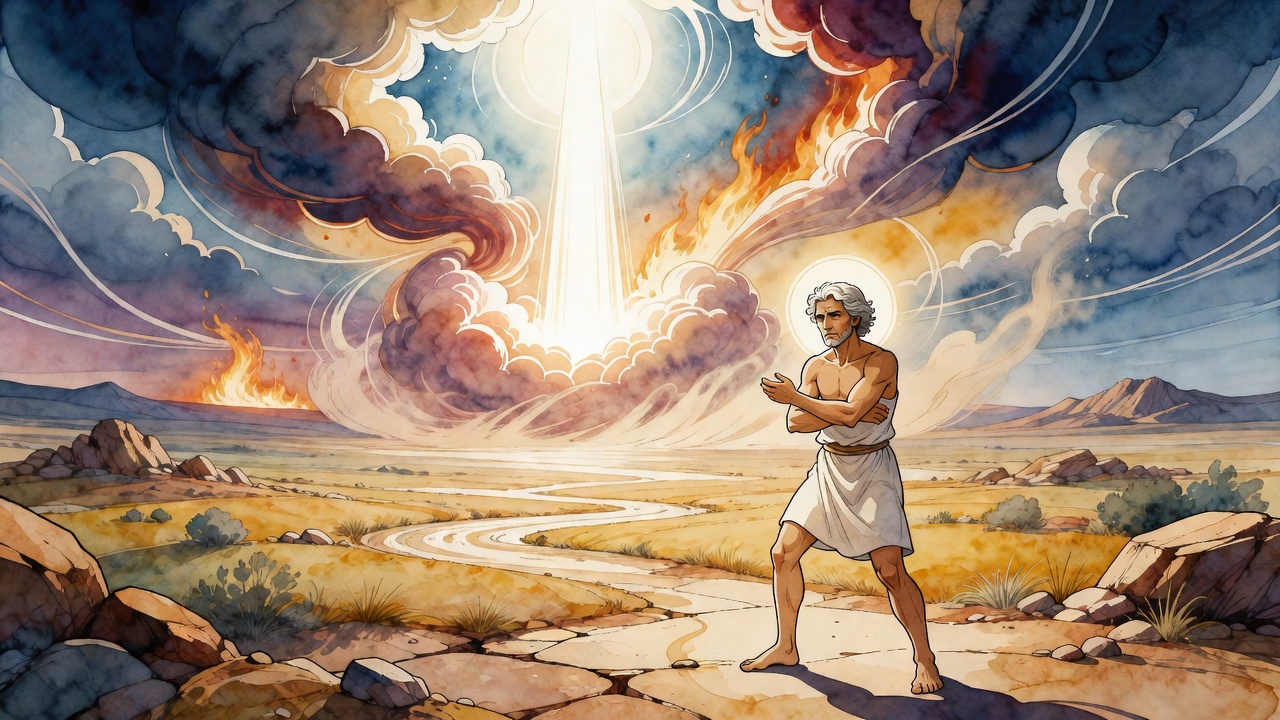
One cup uncovered Noah. Ham looked and told. The curse skipped a blessed son and lodged in Canaan, while wine kept toppling generations after the flood.
 Click for full size
The Vine After the Flood
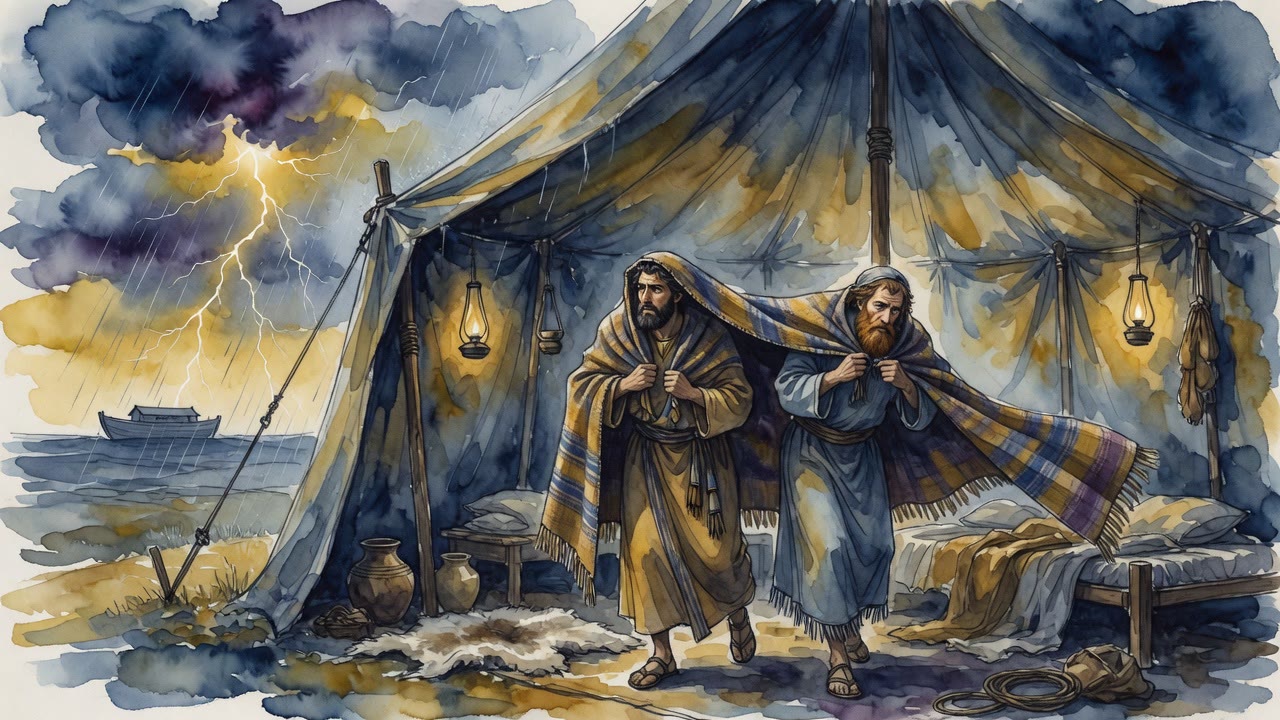
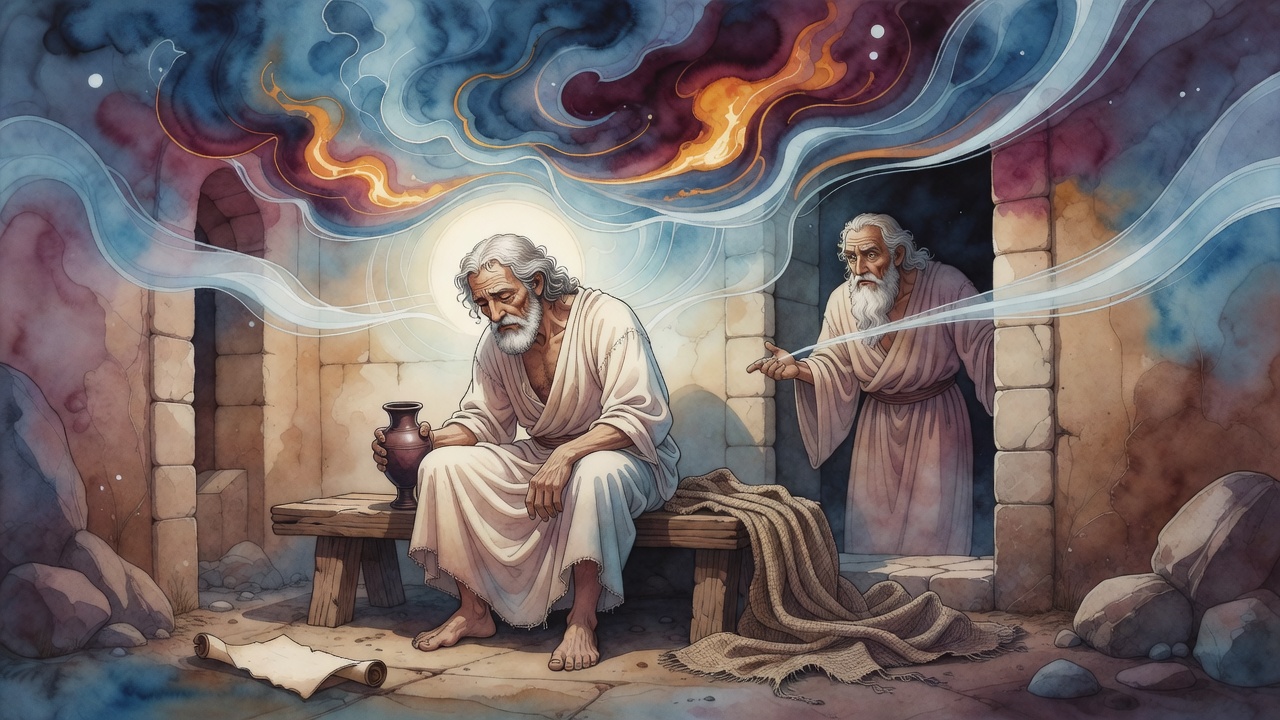
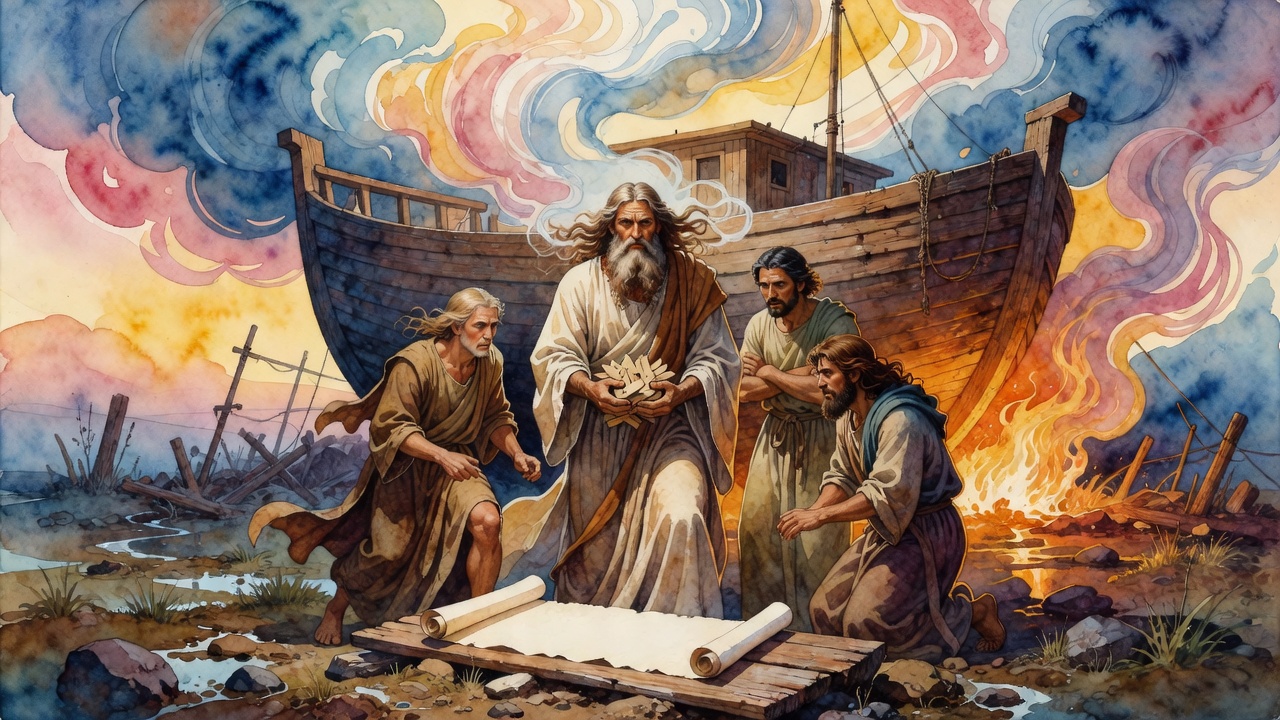
Noah planted a vineyard when the world was mud and promise. He drank. He uncovered himself in his tent. The man who had sealed the ark against a drowning sky could not seal a single cup against shame. Outside, a cleaned earth waited for seed. Inside, the first planter of the new age lay exposed to anyone who pushed the flap.
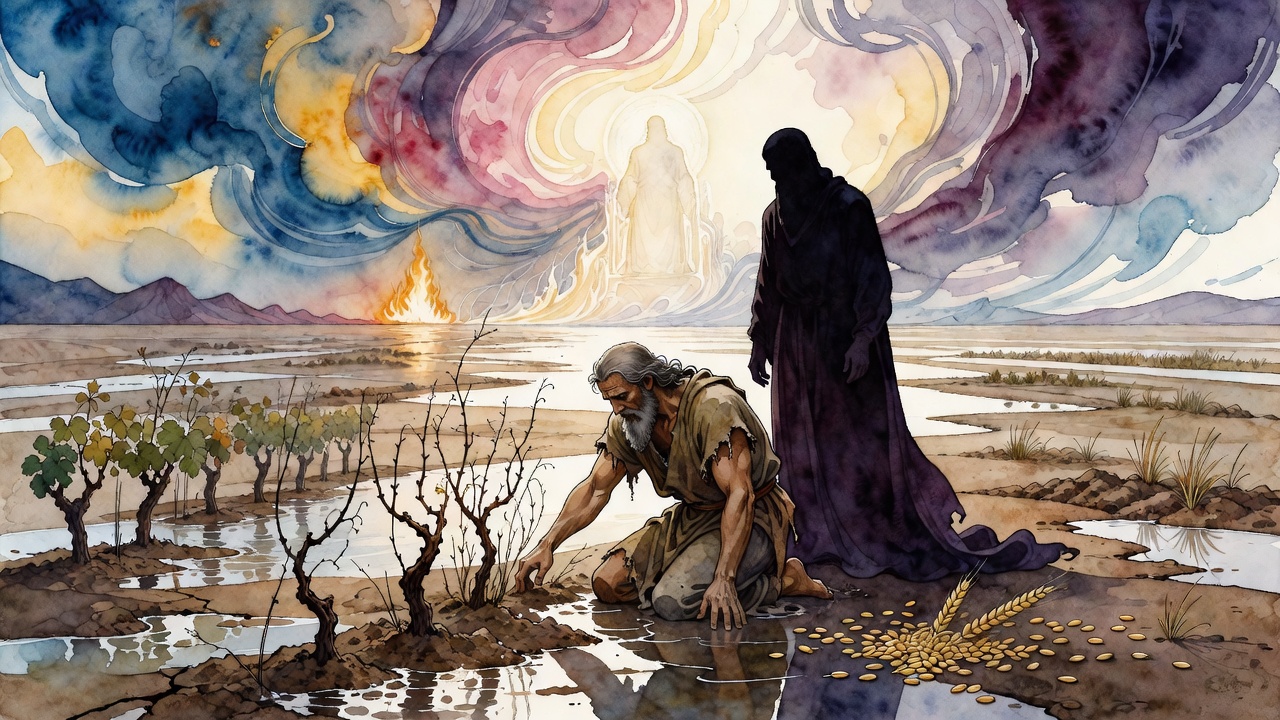
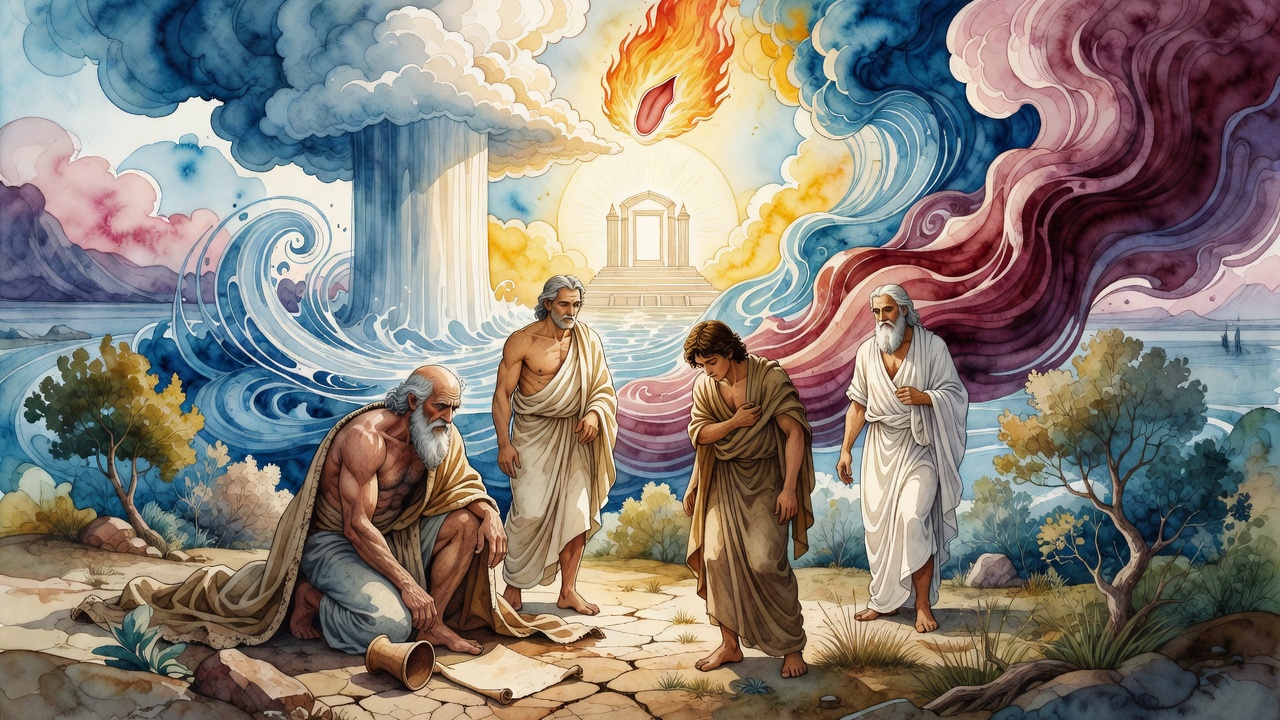
Wherever wine appears later, the fall follows. Brothers sell Joseph over a meal that should have been only bread. At Shittim the people stumble after foreign tables and foreign gods. Before the golden calf they sit to eat and drink, then rise to dance around molten gold. Northern tribes chase strong drink at dawn and are carried off in chains. Judah and Benjamin err through the cup and leave the land. The first vine after the flood is not a private accident. It is the pattern's first root.
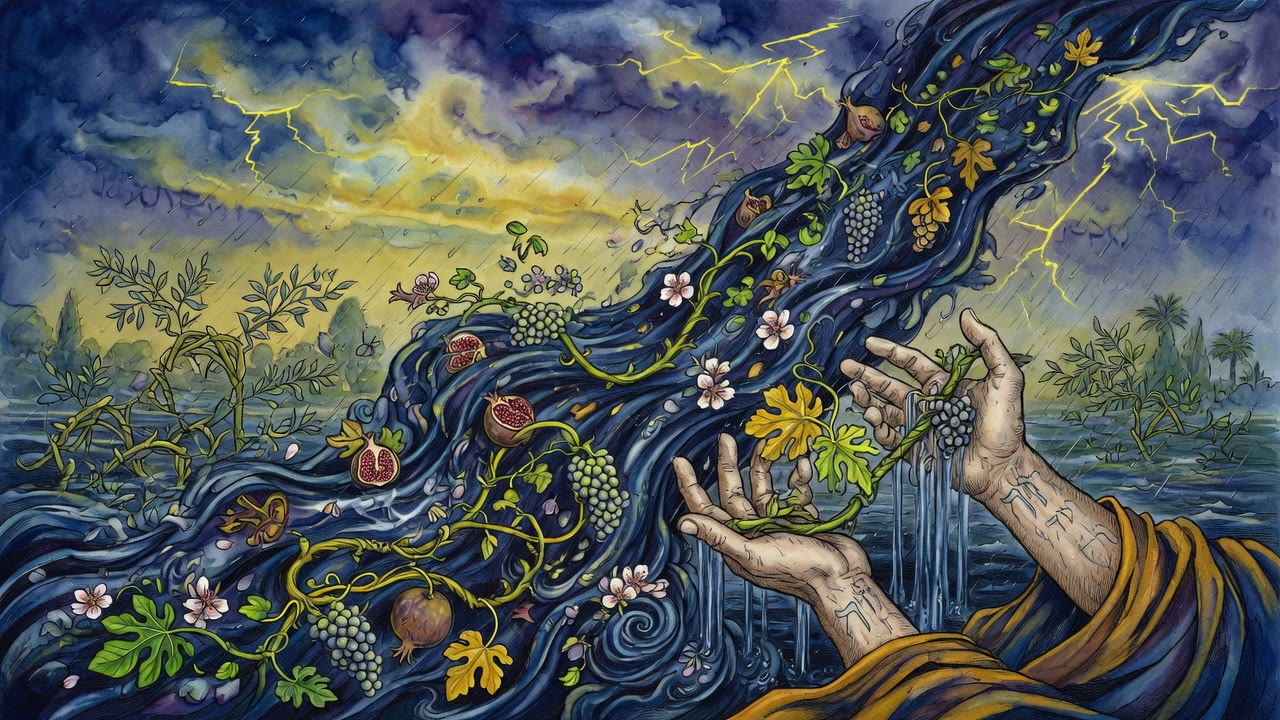
In this world wine becomes a snare for the careless. In the world to come, the mountains themselves are promised to drip with sweet new wine, the same drink transformed from stumbling block to fountain. The cup is not abolished. It is judged and, at the end, remade.
Eye and Mouth
Ham, father of Canaan, did not only see. He saw with his eye and spoke with his mouth, carrying his father's disgrace outside to his brothers like a prize. Two organs sinned together: the gaze that stayed too long and the tongue that broadcast what should have been covered.
Shem and Japheth walked backward with a garment and covered what Ham had made public. Their faces turned away. Their hands still worked. Measure answered measure across generations. Ham's line would know the shame of nakedness under foreign power, marched stripped by empires. Japheth, who honored, earns for his seed a covering even in death. Shem is honored so deeply that fire later spares the garments of his children, bodies burning while cloth remains whole.
The law of the wounded slave remembers that day in the tent. When a master destroys a slave's eye or tooth, the slave walks free. The very members Ham misused become the gateway of liberty for his descendants under a master's hand. Eye for eye is not only courtroom arithmetic. It is the flood's aftermath written into the body of later law.
Why Canaan, Not Ham
Noah said, "Cursed be Canaan." The rabbis stop the verse cold. Why the grandson when Ham sinned? A curse cannot settle where a blessing already rests. God had blessed Noah and his sons as they left the ark. The word slid past the blessed and lodged in Canaan, who had spotted the shame and run to tell, the first link in the chain of exposure.
Another strand is sharper and more intimate. In the ark Noah dreamed of a fourth son to serve his children in the rebuilt world. Ham robbed him of that son by the nature of his act and its consequence. "By your life," comes the reply, "your own fourth son will be the slave." Canaan becomes a slave of slaves, bound, while the sons of Shem walk free in the open air. The dream Noah lost becomes the yoke Ham's line wears. Private sin writes public station for a people not yet born.
Names Written by Worth
Scripture lists Shem, Ham, and Japheth as they leave the ark. Elsewhere Japheth is called the elder. Birth order would put Japheth first in every genealogy that cared only for years. Torah puts Shem first because he is fit, sound, whole-hearted toward his Maker. Rank before Heaven is not the order of the womb. The one faithful and complete is written first, though others entered the world before him.
"May God enlarge Japheth, yet let Him dwell in the tents of Shem." The blessing that follows the curse does not erase the cup. It redirects history toward a tent where the Presence chooses to sit, not toward the oldest passport. Japheth may widen. Shem hosts the dwelling.
Noah wakes under a covering his better sons provided. The vine still grows outside the tent. Every later table that turns into a pit traces back to that first uncovered night, and every ranking of names after worth rather than birth traces back to Shem walking backward with cloth in his hands while Ham's report still hung in the air like smoke.
Night settles on the tent again. The garment still smells of the brothers who walked backward. Outside, the vine keeps growing in the new soil, green and indifferent, waiting for the next hand that will fill a cup without remembering how the first night ended.
← All myths