Numenius Carried a Thousand-Pound Gold Shield
Simon the Maccabee sent Numenius to Rome with a gold shield of a thousand pounds while Judea asked how to thank its saviors.
Table of Contents
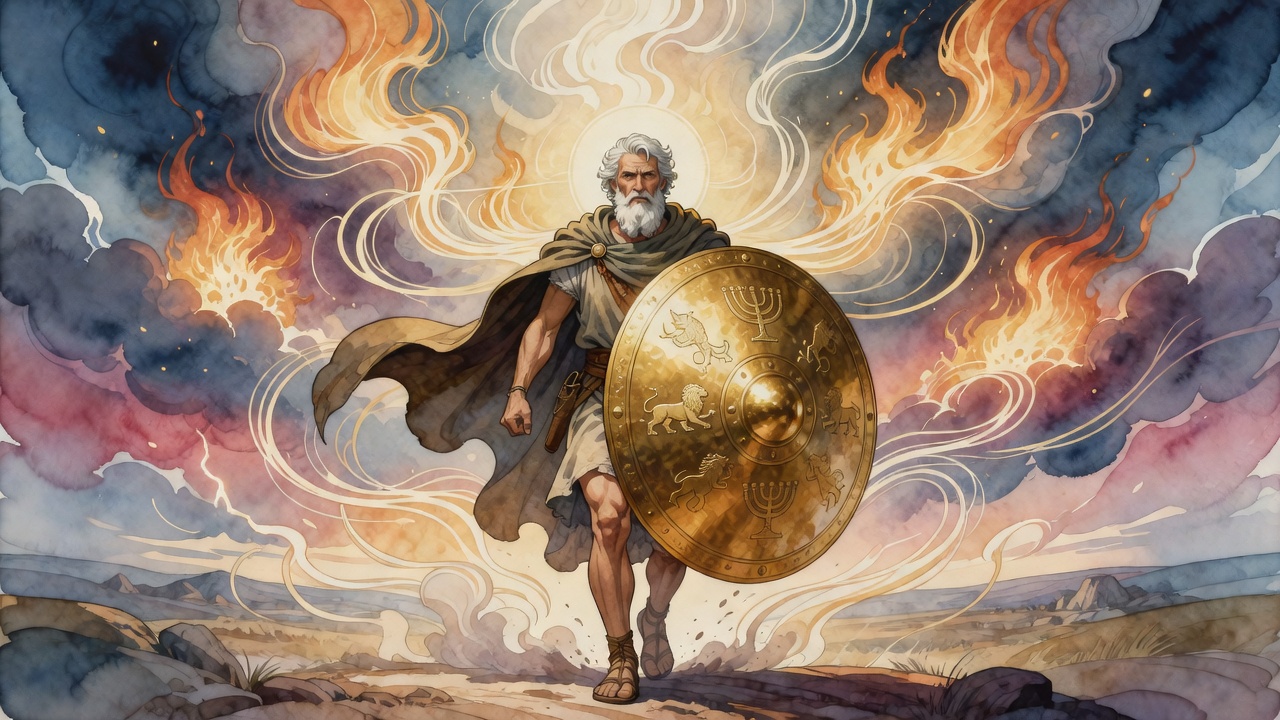
Numenius felt the weight before he felt the honor. A shield of gold, a thousand pounds, the kind of gift that makes porters swear and diplomats stand straighter, left Judea in his care for the long road to Rome.
 Click for full size
Simon the Hasmonean had not sent him with poetry. He had sent him with metal that said: we are free, we keep allies, we can still pay for friendship in the currency empires understand. Behind Numenius, Jerusalem was still learning how to breathe after years of war. Ahead of him waited a senate that measured nations by what they could carry across the sea.
What Thanks Judea Could Give Simon
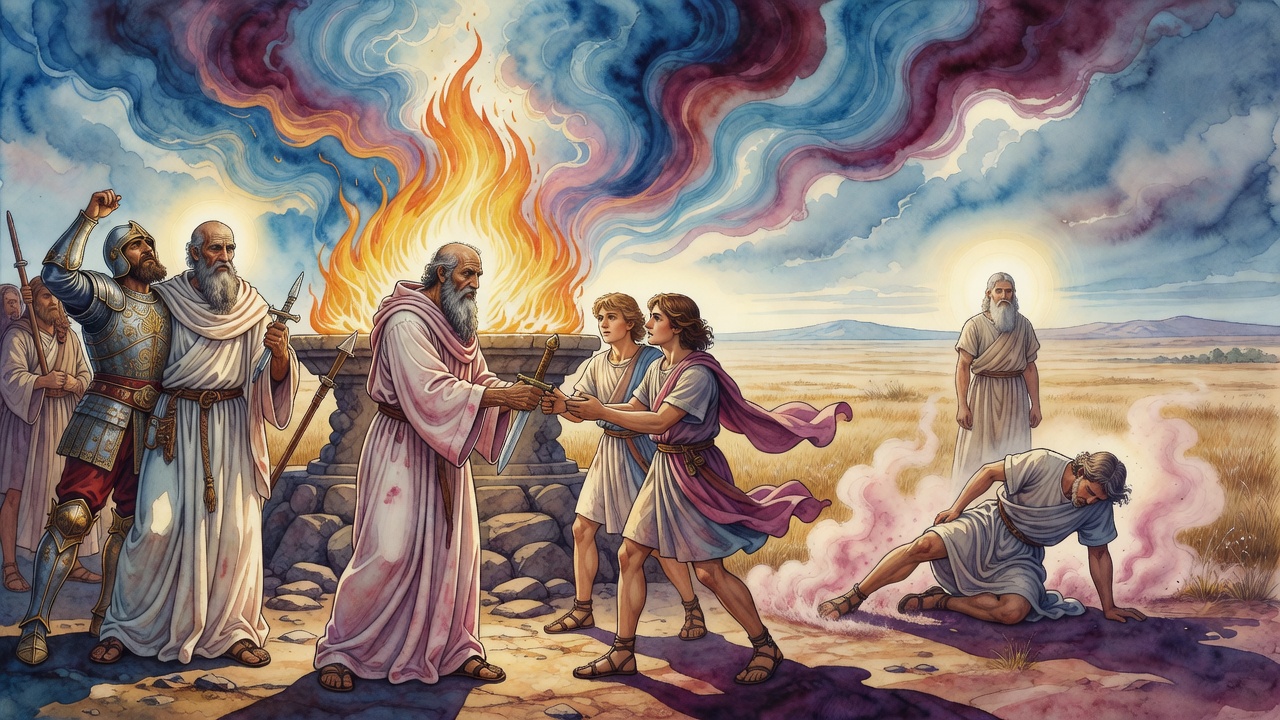
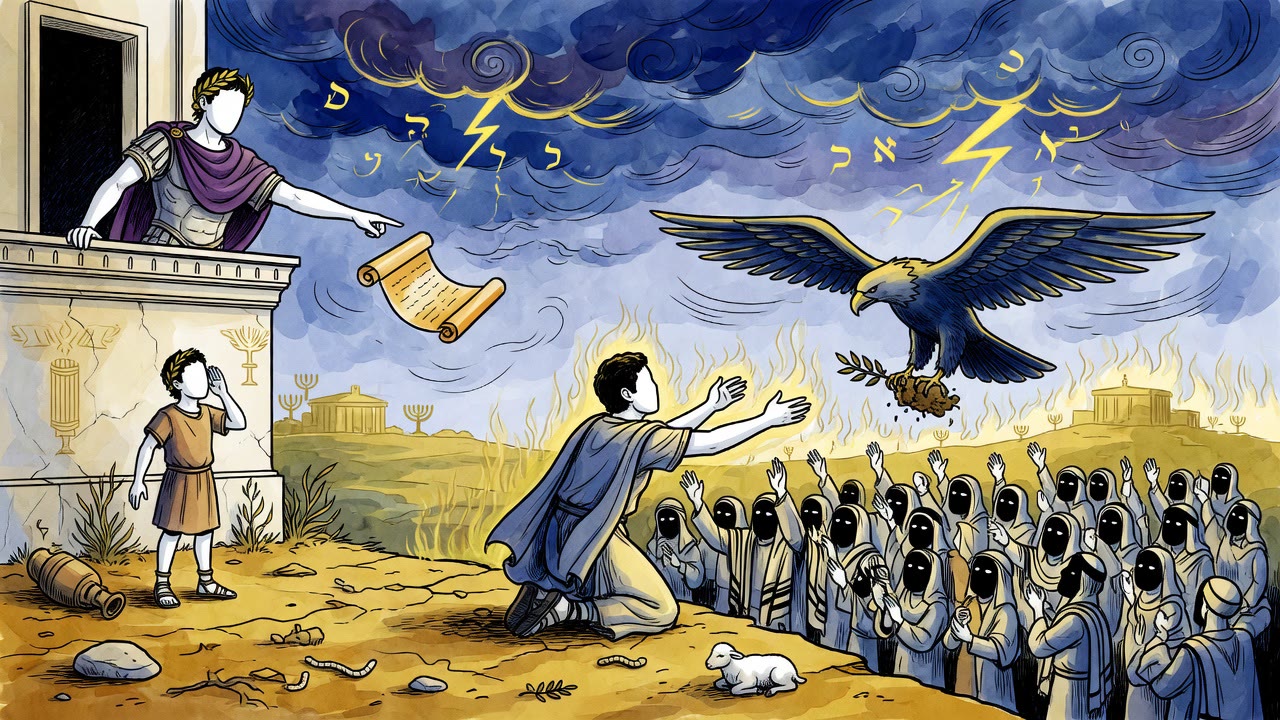
The people of Judea had already tried gratitude and found words thin. Simon, with his brothers and their father's house, had established Israel, chased enemies away in fight, and confirmed liberty. When ambassadors brought good news, the people treated them well and, more important, recorded the message publicly. A copy went to Simon the high priest. Memory was made into document so joy would not evaporate.
Then they asked the harder question: what thanks shall we give to Simon and his sons? Ordinary praise felt too light for men who had bought freedom with blood and strategy. So the nation reached for bronze and gold and decrees, the hard objects of honor, and for embassies that would lock the liberty in place with foreign recognition.
Alliance on a Golden Face
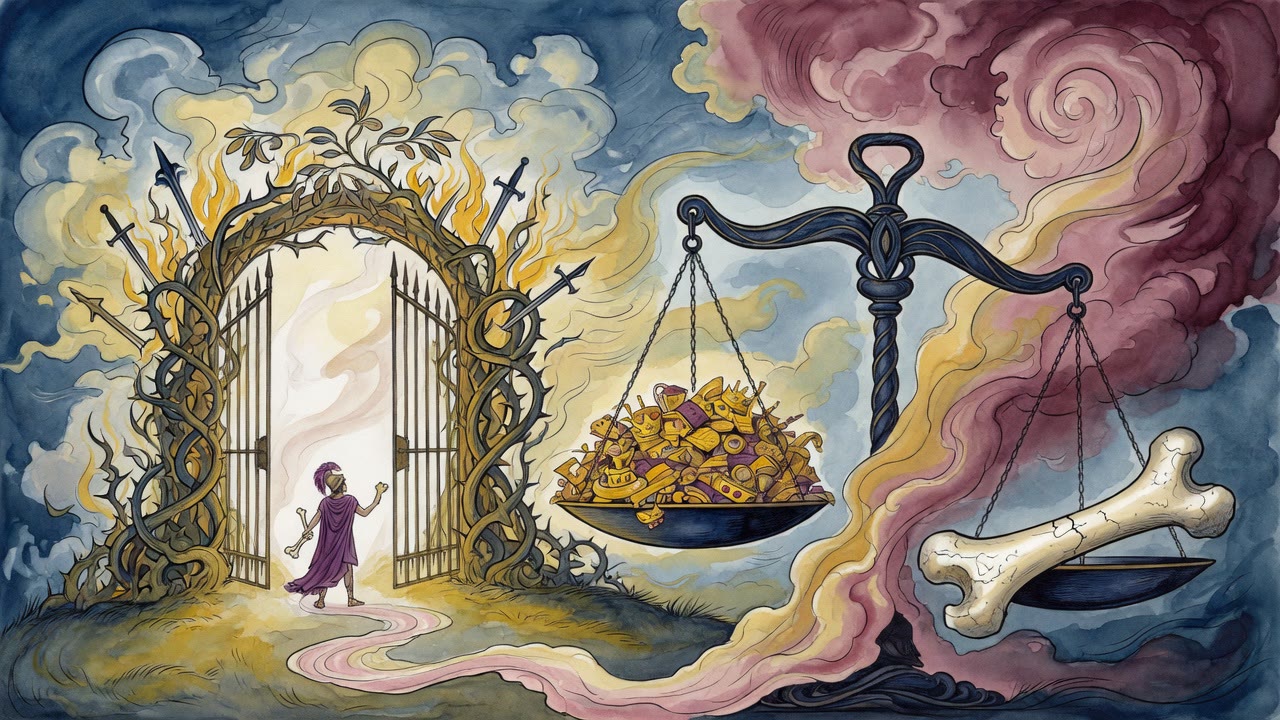
Numenius's mission was to reaffirm the alliance with Rome. The shield was not a trinket. Gold for value, weight for seriousness, a face of metal for a people who had recently been told they were finished. In the First Book of Maccabees the gift sits inside a larger campaign of letters, memorials, and careful diplomacy. War had opened the gate. Paper and gold had to keep it open.
Somewhere on the road, the shield's glitter would collect dust. Numenius would still be responsible for every pound. A failed embassy is not an abstract error. It is a free people misread as weak at the exact moment they need to look durable.
Sage Counsel Under Pressure
The same library that preserves Hasmonean diplomacy also keeps the bite of sage counsel: choose advisors who fear God more than fashion, weigh words before they leave the mouth, know that a nation reborn from revolt can still die from foolish speech. Victory makes men talk too much. Counsel is the hand on the reins.
Simon understood enough to send a man with a gift instead of only a speech. Numenius understood enough to carry both the metal and the message without improvising a new war. The counsel is practical: freedom is a habit that must be practiced in courts as well as on battlefields.
Josephus Against the Slanderers
Centuries later, Josephus would write to a patron named Epaphroditus with a related fury. He had already poured five thousand years of Jewish history into Greek for a Roman audience. Slanderers still claimed the Jews were a new people because famous Greek historians had barely mentioned them. Josephus answered with a second book aimed at spite and voluntary falsehood, calling witnesses the Greeks themselves respected.
Numenius carried gold so Rome would see Judea as a real partner. Josephus carried arguments so Rome would see Judea as an ancient people. Different centuries, same pressure: prove you exist on the terms of the empire that holds the pen and the sword.
The Road Back With or Without Honor
Imagine Numenius at the docks, the shield crated, the salt air, the calculation of winds. Behind him, a people still asking how to thank the house that saved them. Ahead, a city of marble that may accept the gift and still forget the giver.
He goes anyway. The thousand pounds leave Zion because liberty that stays only local can be crushed by the next general with a better road. The Maccabean story ends not only with swords but with an embassy sweating under gold, trying to turn a hard-won peace into a recognized fact.
Rome would weigh more than the shield. Rome would weigh whether Judea's freedom looked permanent or like a pause between conquerors. Simon's generation had watched enough empires to know that a revolt without recognition is a story told only at home. So Numenius walked, and the porters walked, and the gold went where Latin was spoken, because liberty wanted witnesses beyond Zion's hills.
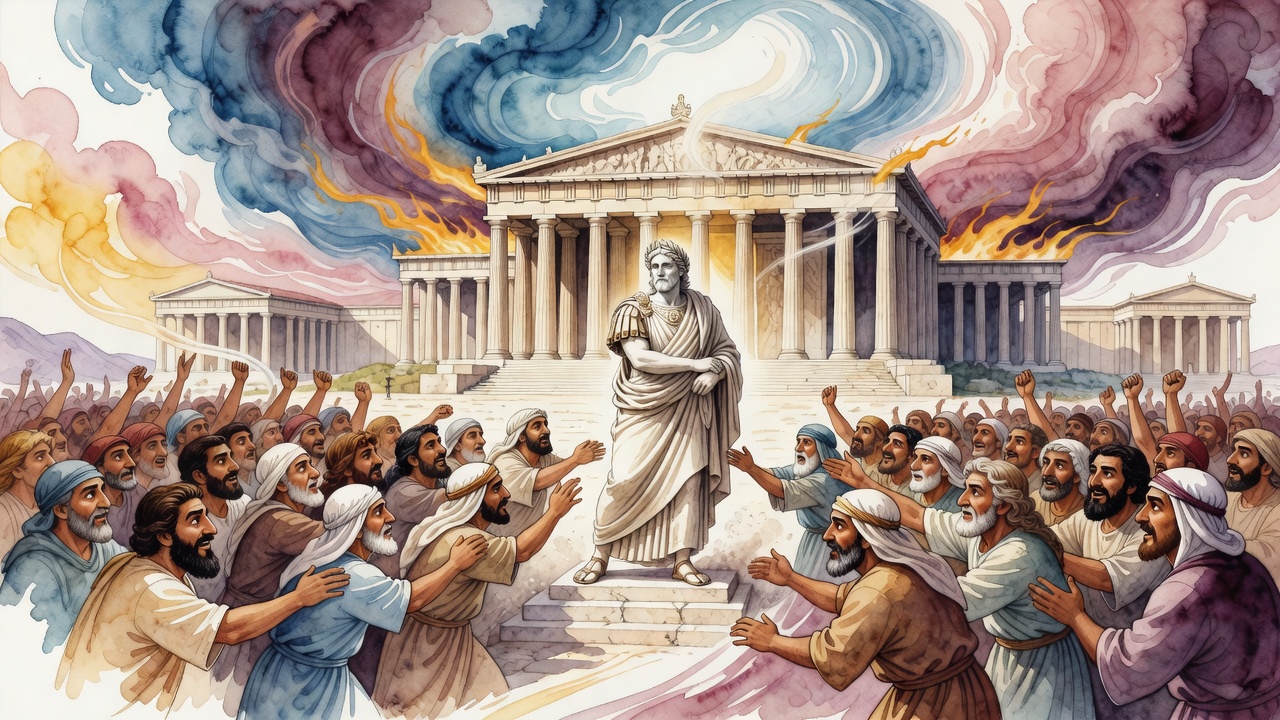
Back home, the question of thanks to Simon did not end with one decree. Statues, inscriptions, public records, and the careful treatment of foreign envoys all tried to answer a debt that pure speech could not cover. A people that has been nearly erased becomes almost feverish about memory. Write it down. Send a copy. Cast it in metal. Let the next child who asks what happened be handed a weight, not only a tale.
Josephus, writing later under Roman roofs, would understand that fever. Greek silence had been used as a weapon: if the famous historians did not mention you, perhaps you are new, inventing yourself. His answer to Epaphroditus is the cousin of Numenius's shield: force the empire to see you with its own preferred tools, whether those tools are gold or footnotes. The road from Judea to Rome is long in every century. Men keep carrying proof along it.
← All myths