On That Night the Sleep of Heaven Itself Fled
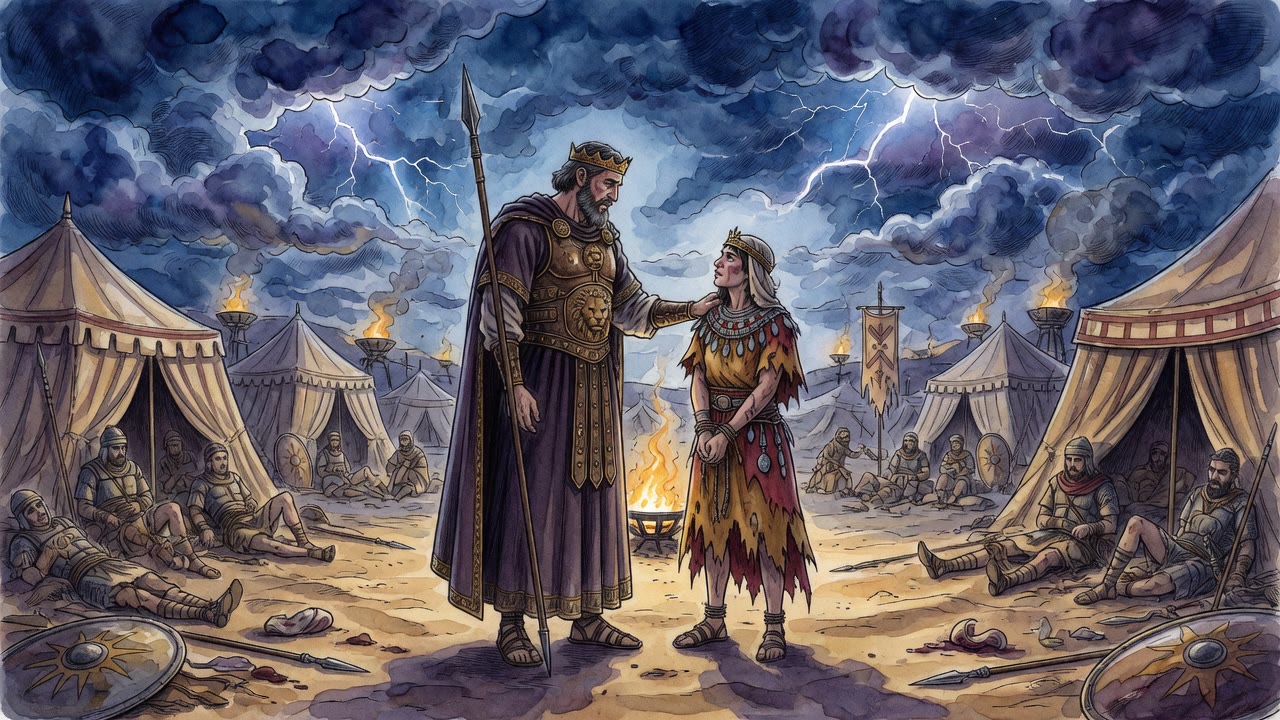
Haman had to open the treasury himself. He counted out the crown, the robes, and the king's own horse, then led Mordecai through the city.
Table of Contents
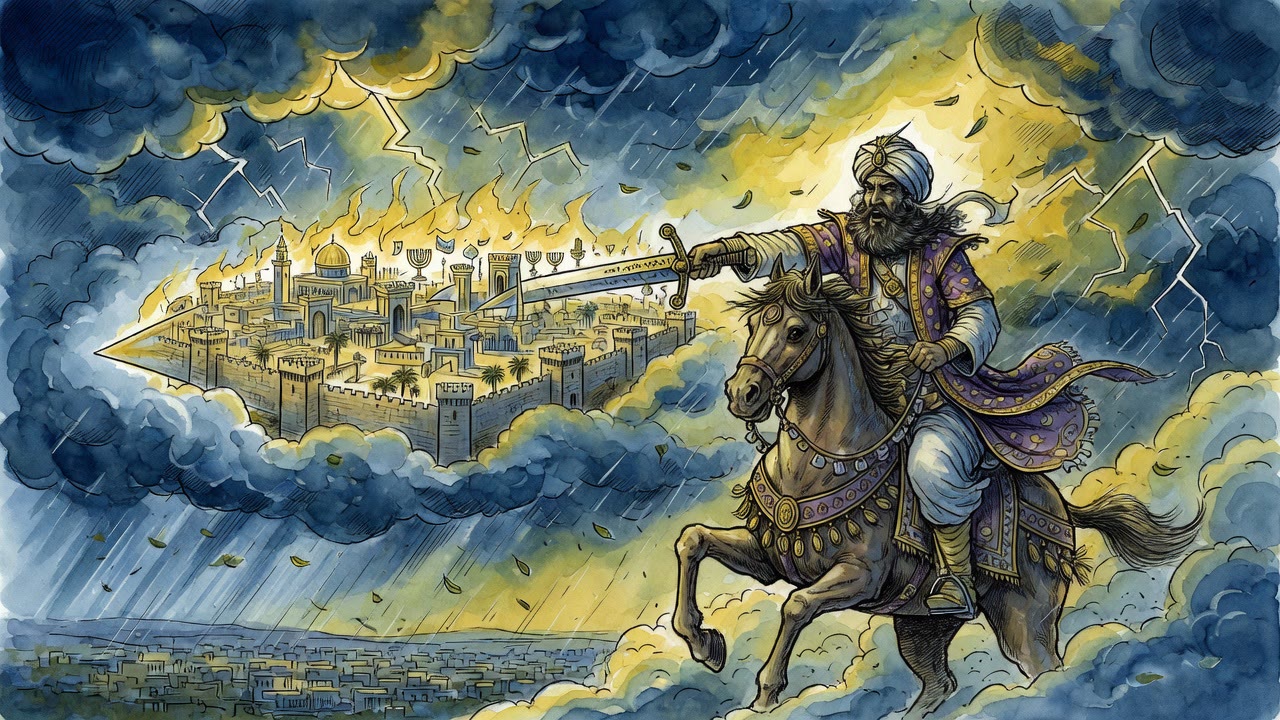
"On that night the king's sleep fled." In Shushan the phrase was smaller than the truth. Provinces wailed. Towns took up the dirge. Young men sat bound. Old men and old women beat their breasts and screamed, "Woe, woe. Distress upon distress. From our first wound we were never healed, and now this."
 Click for full size
Pharaoh never schemed against them like Haman schemed. No king of the nations had ever plotted to wipe them from the face of the earth in a single day.
Nights That Already Belonged to Heaven
The Second Targum hears in that sleepless line every other night when heaven would not rest. On that night Israel's deliverance went out. On that night Sarah was taken into the house of Abimelech (Genesis 20:2). On that night the firstborn of Egypt fell (Exodus 12:29). On that night prophecy came to prophets and dreams to dreamers.
Into the grief the Revealer of secrets bent toward Mordecai and disclosed it: a sealed decree of death had gone out against the house of Israel, and they would not even be sold as slaves.
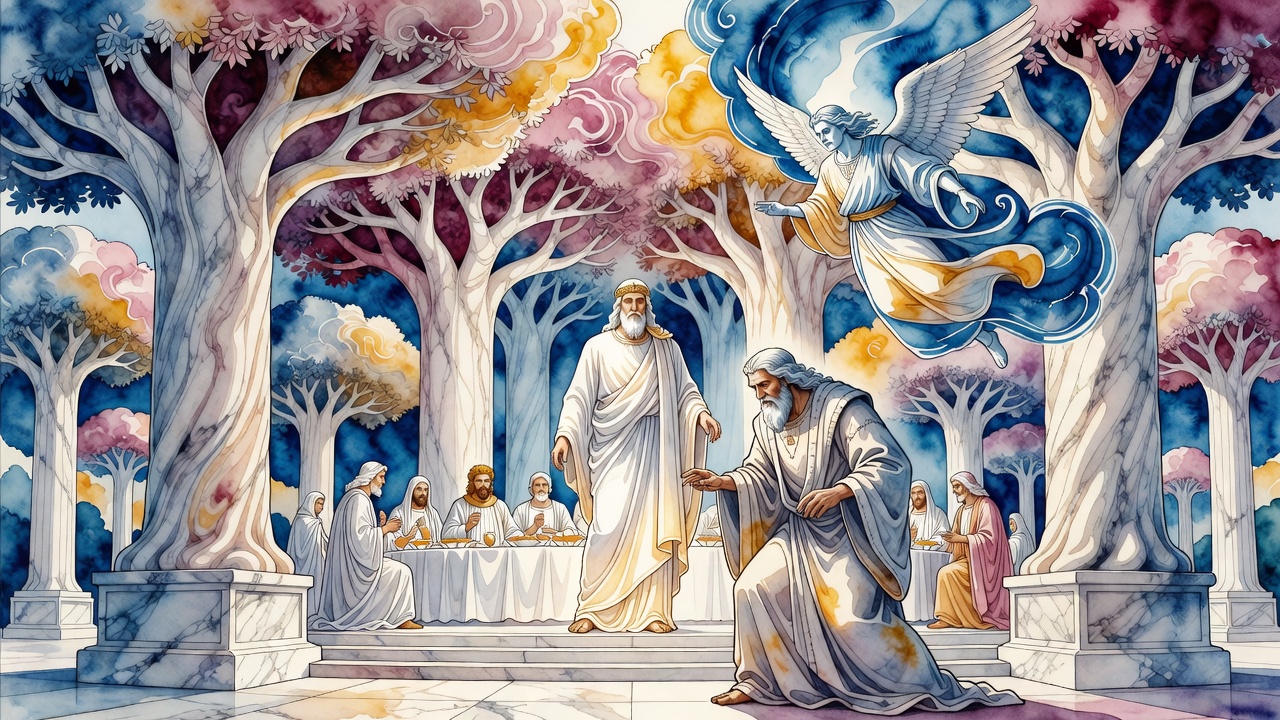
Then the Targum says the unsayable. On that night the sleep of the Holy One fled on high. Were Scripture itself not to write it, no mouth could utter it: "Awake, why sleepest Thou, O Lord" (Psalms 44:24). God forbid that sleep is ever before Him. When Israel sins, He only feigns slumber. When they do His will, the Keeper of Israel neither slumbers nor sleeps (Psalms 121:4).
Haman, Haman, Hurry to the Treasury
Morning came with a curt royal order: clothe the man the king delights to honor and lead him through the city (Esther 6:10). Scripture is brief. The Second Targum pries open the treasury and makes Haman count every piece.
"Haman, Haman, hurry, go into my treasury," Ahasuerus said, speaking the name twice. A covering of fine purple. A silk garment embroidered with stones and pearls, a golden bell and a pomegranate hanging at each of its four corners. The great gold crown of Macedonia, carried to the king on the day he rose to the throne. His own sword and fine armor from the land of Cush. Two royal robes of pearl from Africa. Last, the horse standing at the head of the stable, named Shifragaz, the mount Ahasuerus himself rode on the first day of his reign.
"All this honor and greatness I have named, go and do for Mordecai." The enemy had to dress his rival in the king's own coronation gear.
Esther Reads an Older Verdict
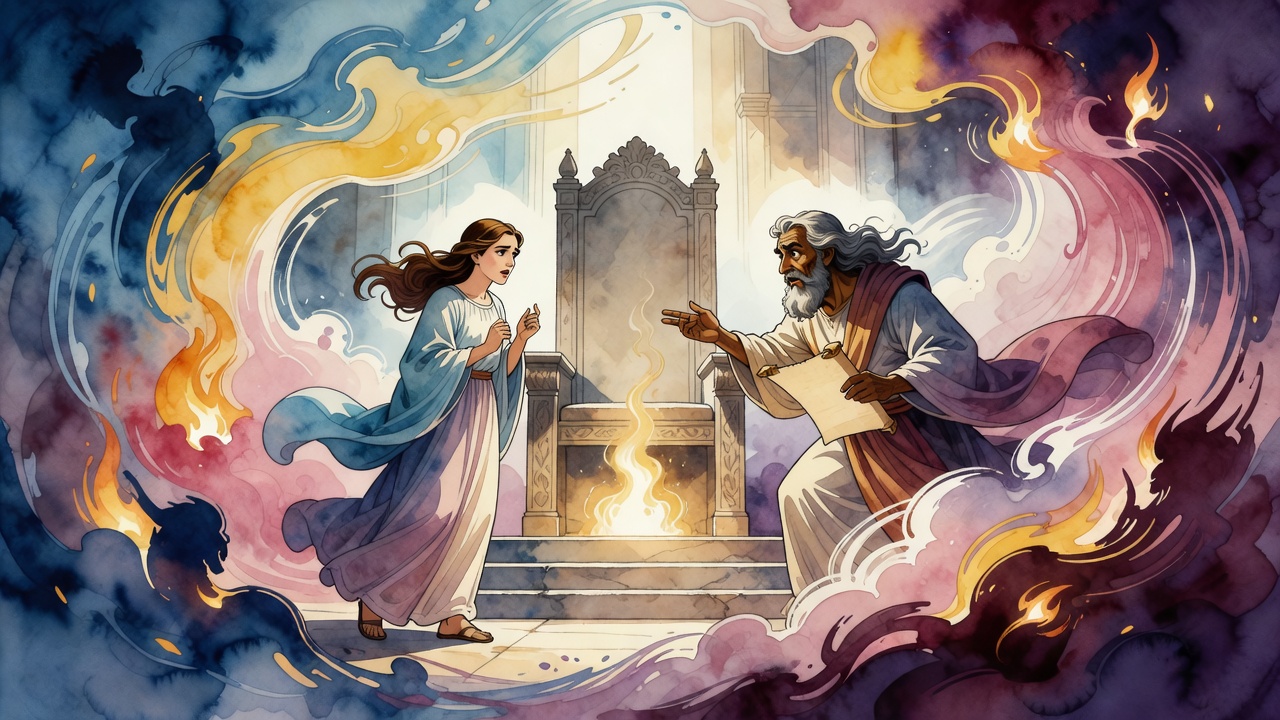
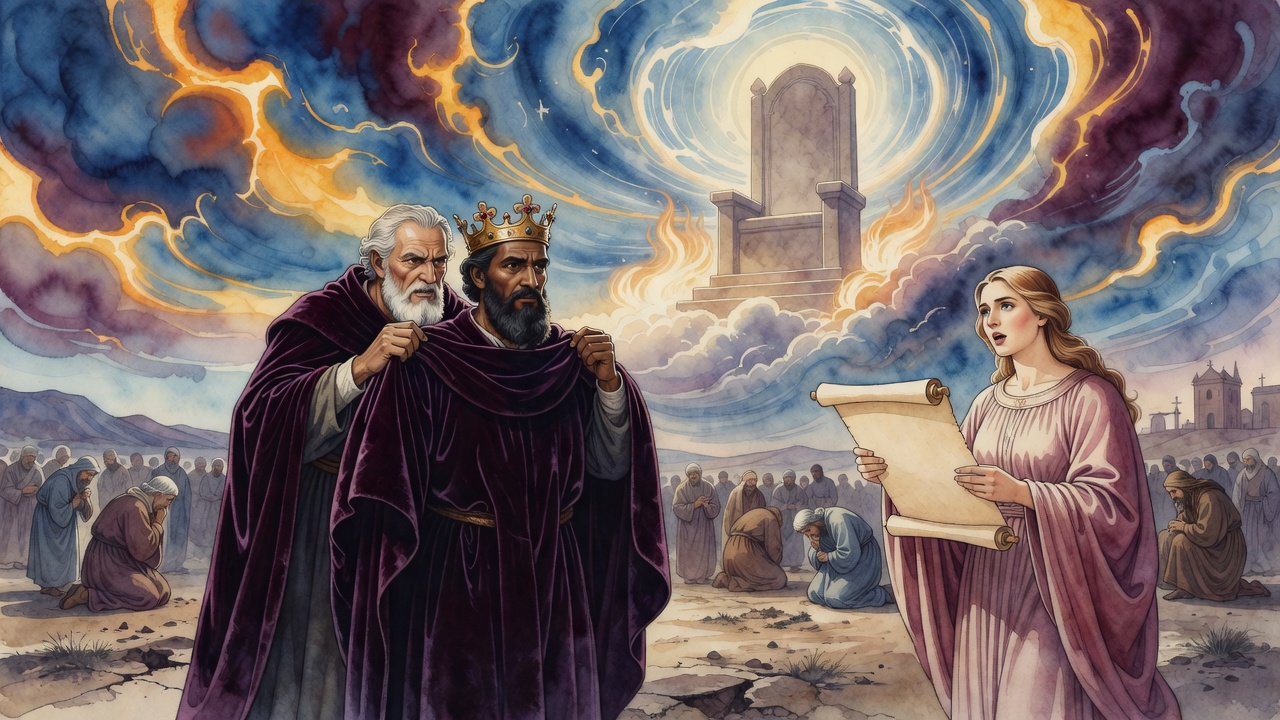
When Esther stood before the king later, she did not plead only as a frightened queen. She read out a sentence already written, that the memory of the house of Amalek would be wiped out from under heaven (Exodus 17:14).
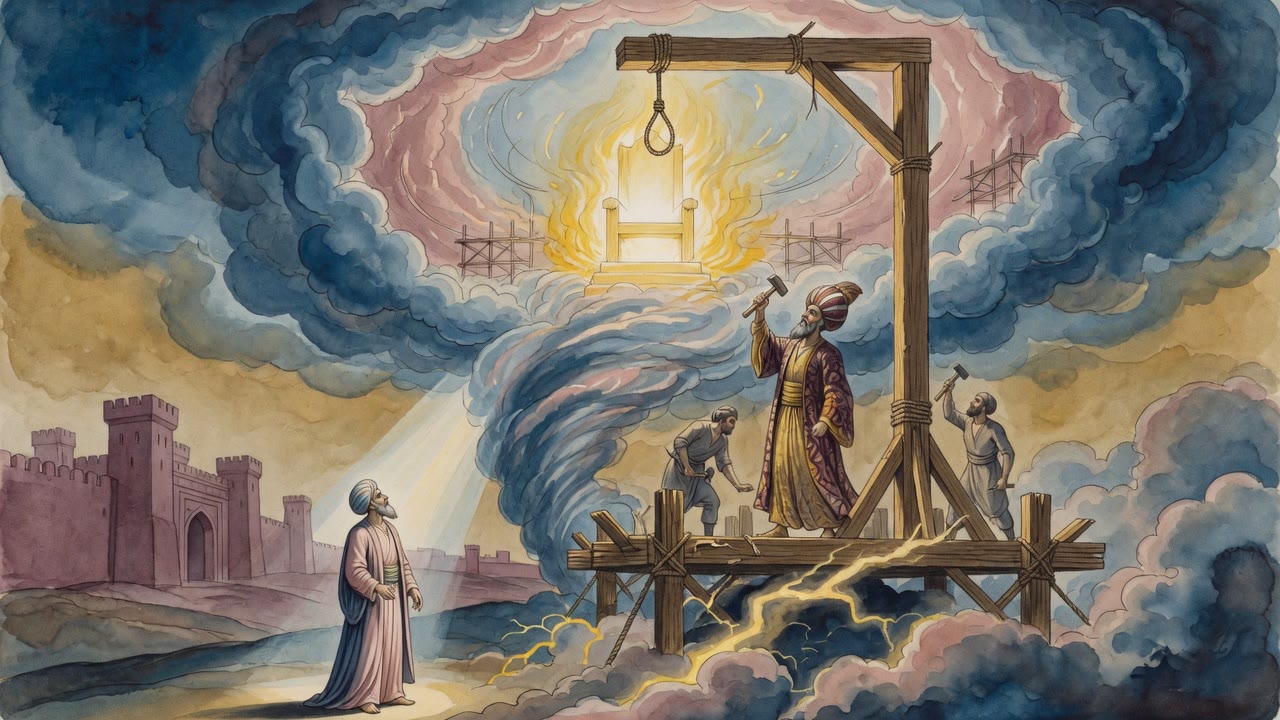
The crisis in Shushan was no accident of court rivalry. Haman had risen from the seed of Amalek, marked for erasure since Israel first left Egypt (Deuteronomy 25:19). His hatred was the last gasp of a doomed lineage. The evil scheme he devised climbed back up and settled on his own head. The gallows he raised for another became the wood on which he and his sons were hanged (Esther 9:25).
What the Night Was For
A sleepless king, a sleepless heaven, a horse named Shifragaz, and a queen with an old scroll in her mouth. The night did not invent mercy from nothing. It woke what had been waiting since Rephidim and since Egypt's firstborn fell.
Haman led Mordecai through the city in gear meant for a coronation. Esther finished the sentence Amalek had been under since the wilderness. Shushan learned that some nights refuse sleep because the story is not finished.
The Parade That Humiliated the Plotter
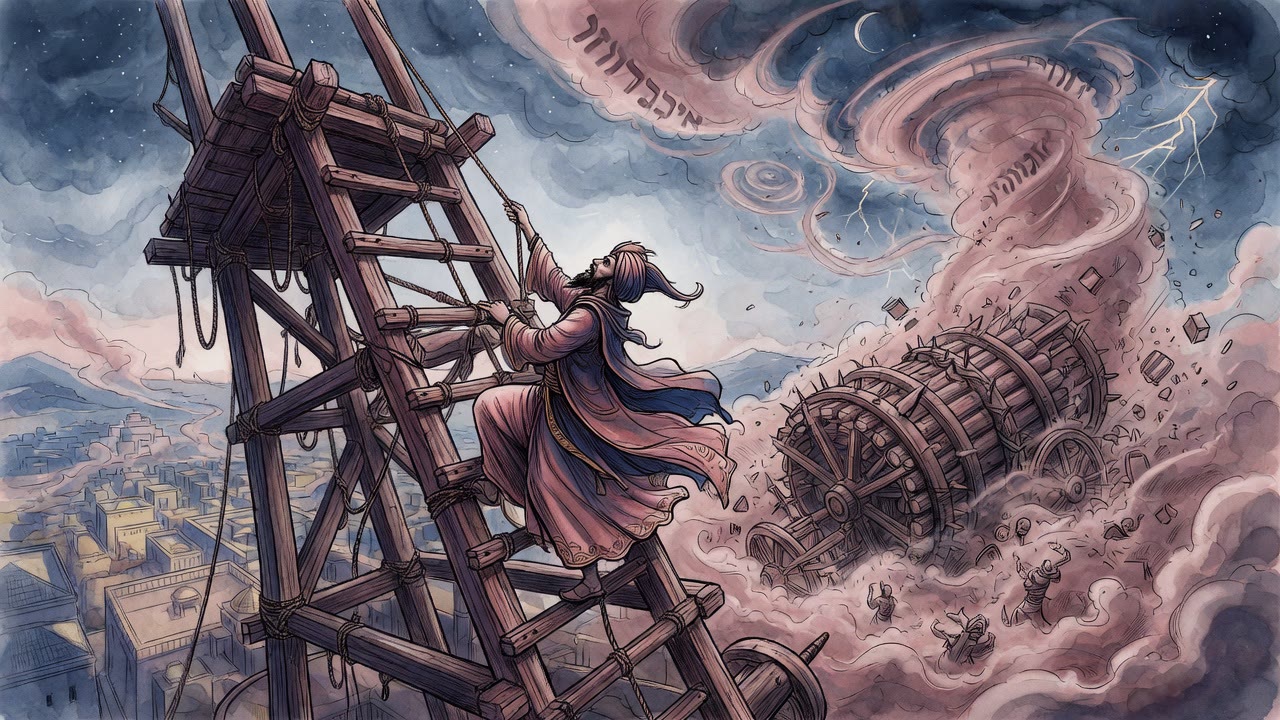
Haman's hands, which had signed for Israel's death, now lifted purple onto Mordecai's shoulders. Golden bells at the garment's corners swung and rang as he led the horse Shifragaz through streets that still smelled of the night's mourning. Every object was coronation gear. Every step was a public unwriting of the decree's confidence.
The people who had screamed "distress upon distress" watched the man marked for gallows ride in the king's own glory. Children who had gone hungry for three days saw a Jew clothed like an empire's first morning. The sealed paper of death had not yet been cancelled, but its author had already been forced to praise the name he hated.
When Esther later stood and read Amalek's sentence from the old scroll, the parade and the prayer locked together. What looked like court theater was the closing of a verdict older than Persia. Haman's gallows, built for Mordecai, waited for the builder. The night that refused sleep had not been empty restlessness. It had been the hour when heaven and a sleepless king turned the same page.
← All myths