Only Caleb and Joshua Walked Out of Darkness
Pharaoh counted six hundred thousand workers. The midrash answers that only two of that number would finally stand free on the far side of Egypt's night.
Table of Contents
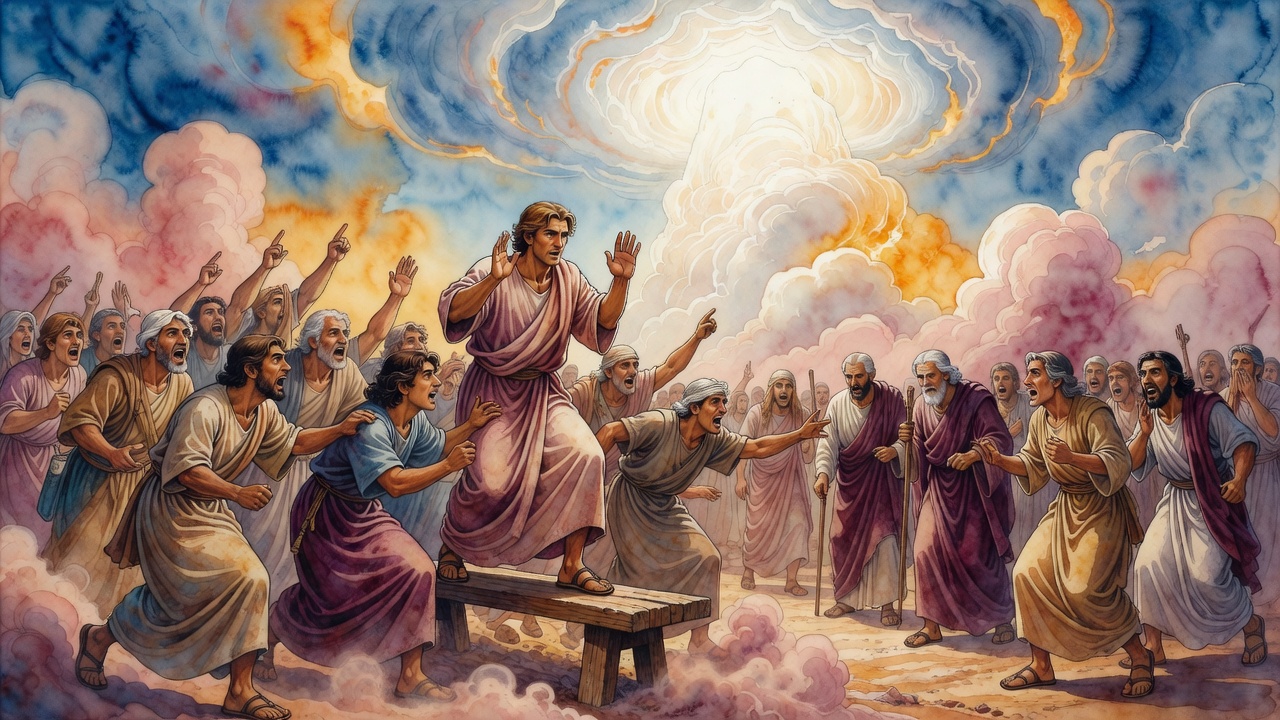
Pharaoh looked at the brick yards and the swelling crowds and spoke as if numbers were a weapon he still owned. "Behold, the people of the land are now many, and will you cause them to cease from their burdens?" (Exodus 5:5). If Moses had asked for a thousand, even two thousand, the king might have bargained. Six hundred thousand? Go back to your loads.
 Click for full size
He thought quantity was safety. The midrash hears a colder forecast inside his boast.
Two Out of Six Hundred Thousand
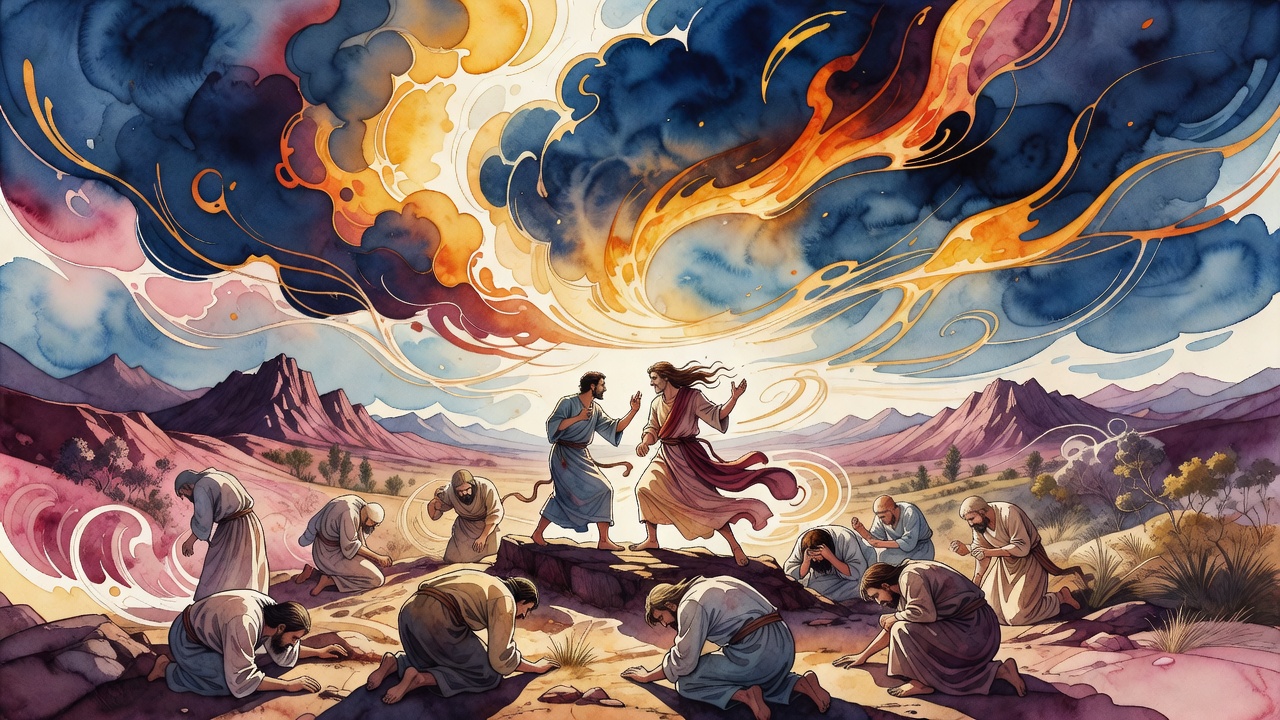
Rabbi Nehorai taught a hard arithmetic. From where do you learn that only two of six hundred thousand of Israel emerged from Egypt in the full sense of survival into destiny? The rest, he said, died in the three days of thick darkness during the plague of darkness, the night that did not lift for those who would not leave when the door opened.
Darkness that could be felt. A man who would not rise stayed where he sat. A man who would not pack stayed with his bricks. When the light returned for the living who were ready, the count of the ready was thin.
Regarding the wilderness it is written that fury was nearly poured out to consume them. Regarding Egypt the same fury is named. Just as in the wilderness only two of six hundred thousand, Caleb and Joshua, remained of the generation that left to enter the land, so too in Egypt only two of six hundred thousand remained of them in the deeper count of those who would finish the road.
"Behold, the people of the land are now many." They are many now. They will be far fewer when the sorting is done.
The Man Who Did Not Echo the Ten
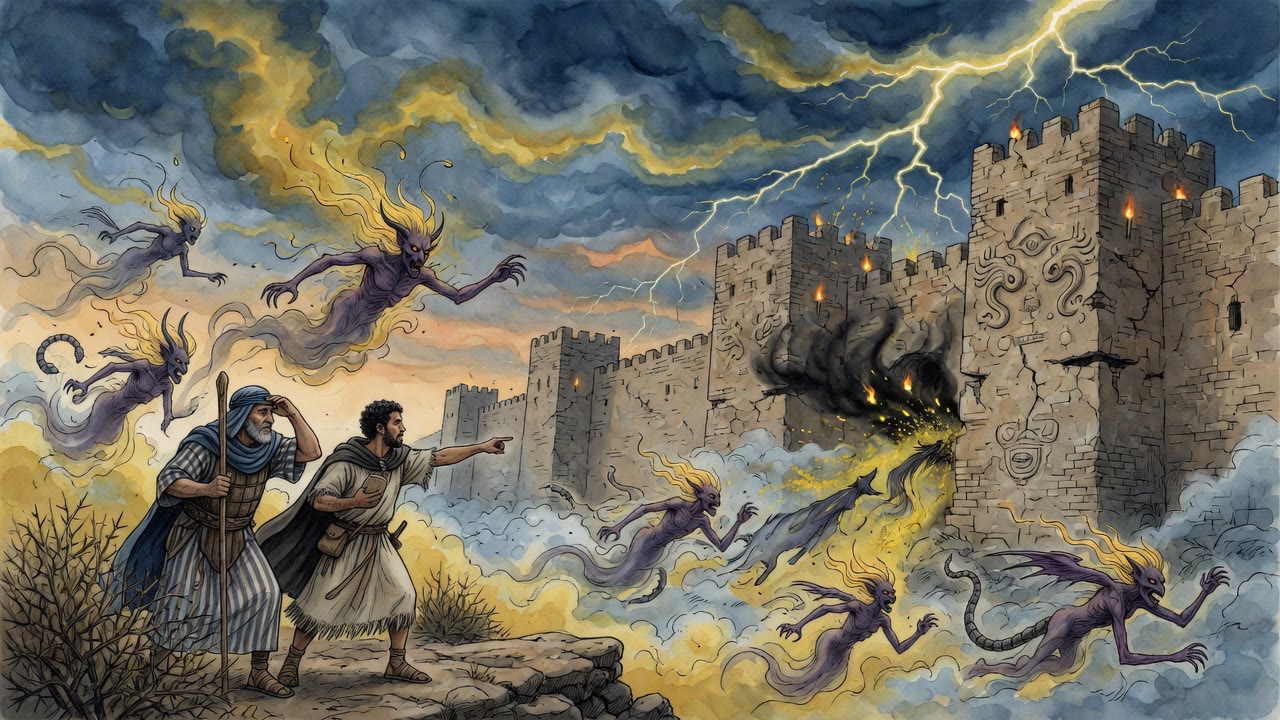
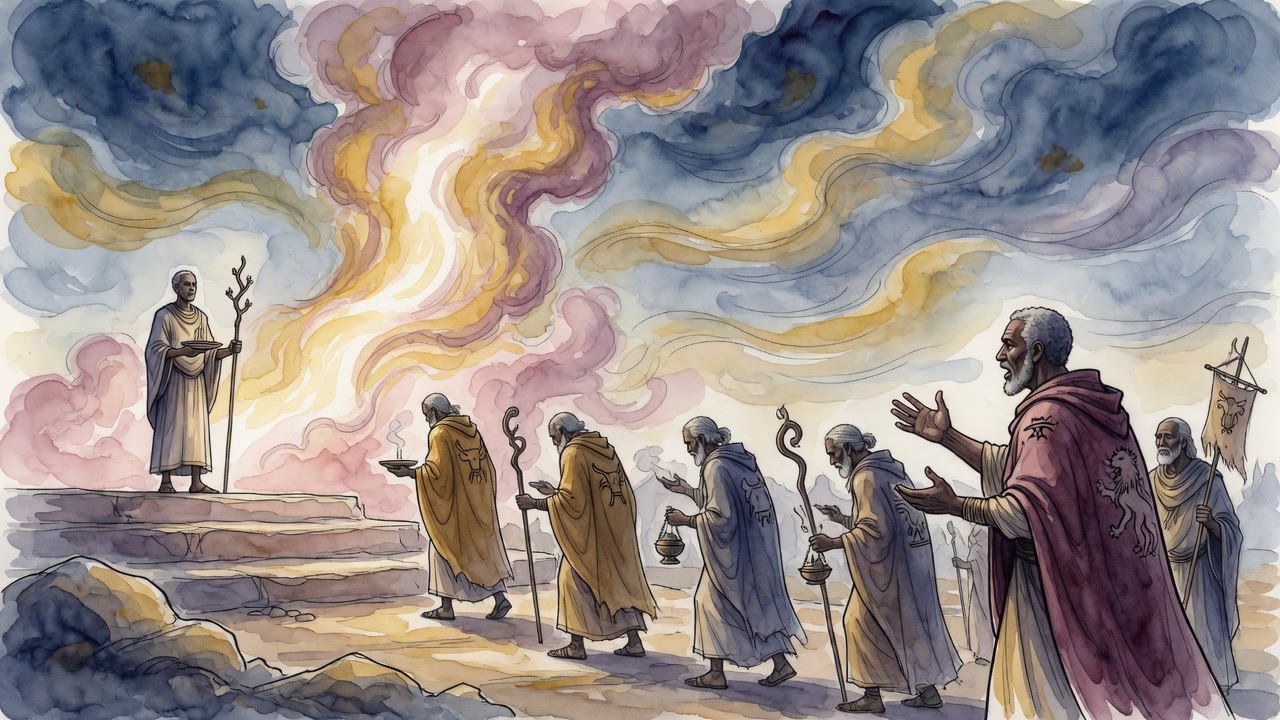
Caleb's name surfaces again when the spies return. Ten mouths paint giants. Clusters of grapes big enough to shame a cart. Walls that touch the sky in the teller's fear. Two mouths refuse the panic. "We can surely go up." The same stubborn clarity that lets a man walk out of Egypt's darkness lets him walk into a land other men call stronger than God.
Pharaoh's census and the spies' report are twin temptations: trust the crowd's size, trust the crowd's fear. Caleb stands outside both crowds. He is not impressed by the mass of slaves who will not move, and he is not impressed by the mass of scouts who will not trust. Joshua stands with him. Two names against a nation of noise.
The wilderness would spend forty years proving Rabbi Nehorai's parallel. The generation that left would die with sand in its shoes. Only the two who did not join the slander would cross. Egypt's darkness and Canaan's panic become one sieve with two survivors.
The King Who Keeps a Dead Friend's Gift
A king had a beloved friend and promised him a gift for walking at his side. The friend walked and died. The king said to the son, "I do not reverse myself. Come and take what I swore."
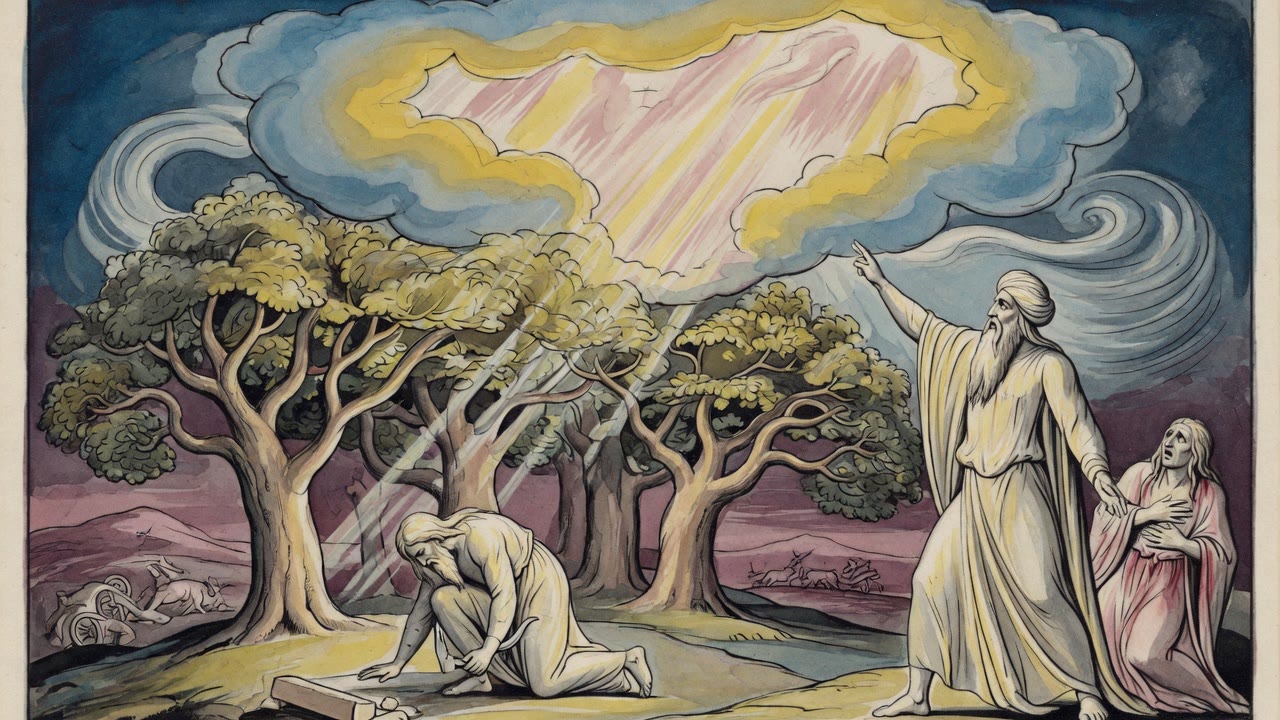
The Holy One is the king. Abraham is the friend. "Go forth," the call began, and the land was pledged to him and to his seed forever. Abraham died. "The grass withers, the flower fades, but the word of our God shall stand forever." Moses is told the oath is not canceled by graves. The children still collect what the friend was promised.
That is why two survivors matter more than six hundred thousand corpses of hesitation. The gift is not counted by the size of the camp that first heard the promise. It is counted by the ones who still walk when the darkness sorts the willing from the stuck. Pharaoh's "many" was a boast. Heaven's "two" is a remnant that still carries a deed older than both of them.
Fewer Feet, Same Oath
Pharaoh sneered at the size of the workforce. Heaven answered with a thinner remnant and a thicker vow. The people of the land are many, until the night that tests who will leave. The generation of the wilderness is vast, until the land tests who will enter.
Caleb and Joshua walk out of both sieves. Behind them stretch the uncounted who preferred familiar bricks or familiar panic. Ahead of them lies a gift first spoken to a man who already lies in Machpelah, a gift that does not die when the first hearer dies.
The midrash does not soften the number. Two. The story does not apologize for the severity. It only insists that the oath still stands, and that the feet that finish the road are enough. When later generations count armies and lose heart, the two names remain a rebuke: many can hear the promise; few will still be standing when the darkness ends and the border opens.
← All myths