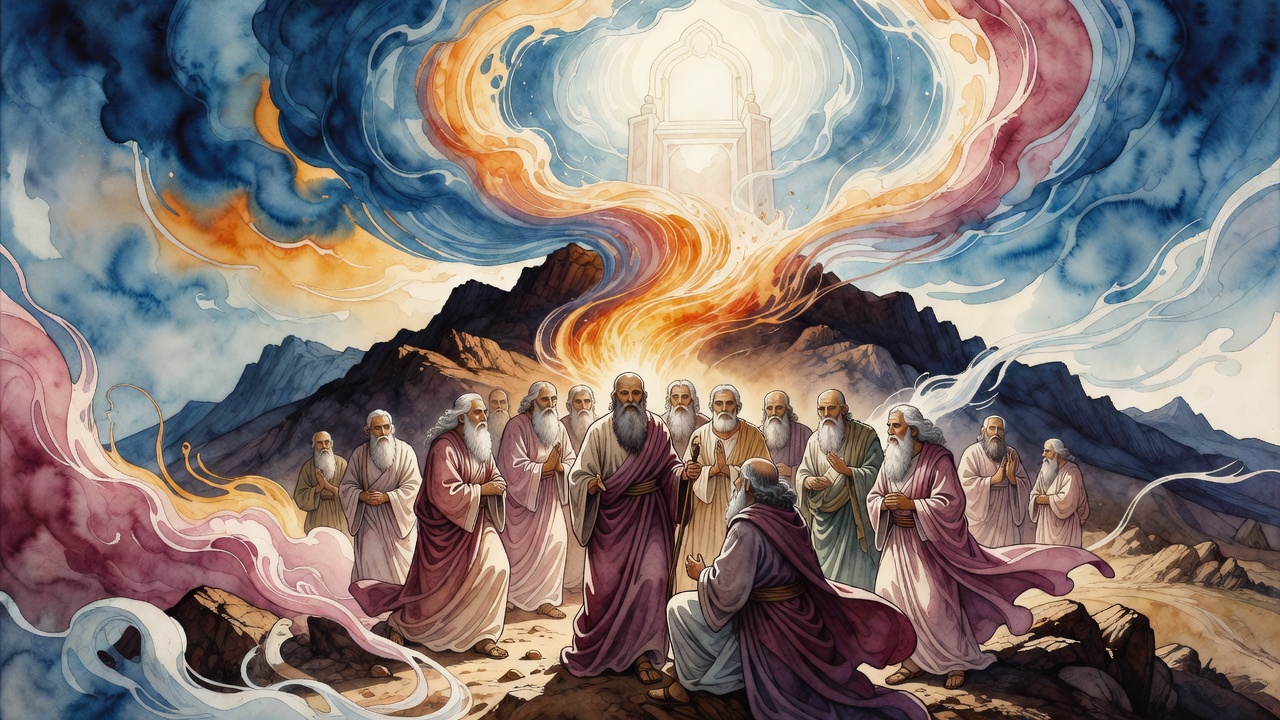
Phinehas Became Elijah and Kept Waiting for Israel
A genealogy hides the claim that Phinehas is Elijah. The priest who stopped a plague becomes the prophet who returns for Israel.
Table of Contents
The secret was hidden where most eyes grow tired.
 Click for full size
Names followed names in the family of Levi. Fathers, sons, years, lines of descent. Genealogy can sound like dry wood until one branch catches fire. Kehath lived 133 years, and the old list suddenly opened onto the end of days.
He lived to see Phinehas, who is Elijah.
The Genealogy Caught Fire
The sentence gives no warning.
Kehath, the righteous one, saw Phinehas. Then the Targum names Phinehas as Elijah, the great priest who will be sent to the captivity of Israel at the end of days. A family record becomes a prophecy disguised as bookkeeping.
No argument is offered. No proof is paused over. The claim stands inside the genealogy as if Israel should have known that one flame had been moving under two names.
Phinehas was not only Aaron's grandson. Elijah was not only the prophet of Carmel. They were bound together in one long life of zeal, priesthood, and return.
The Spear Stopped the Plague
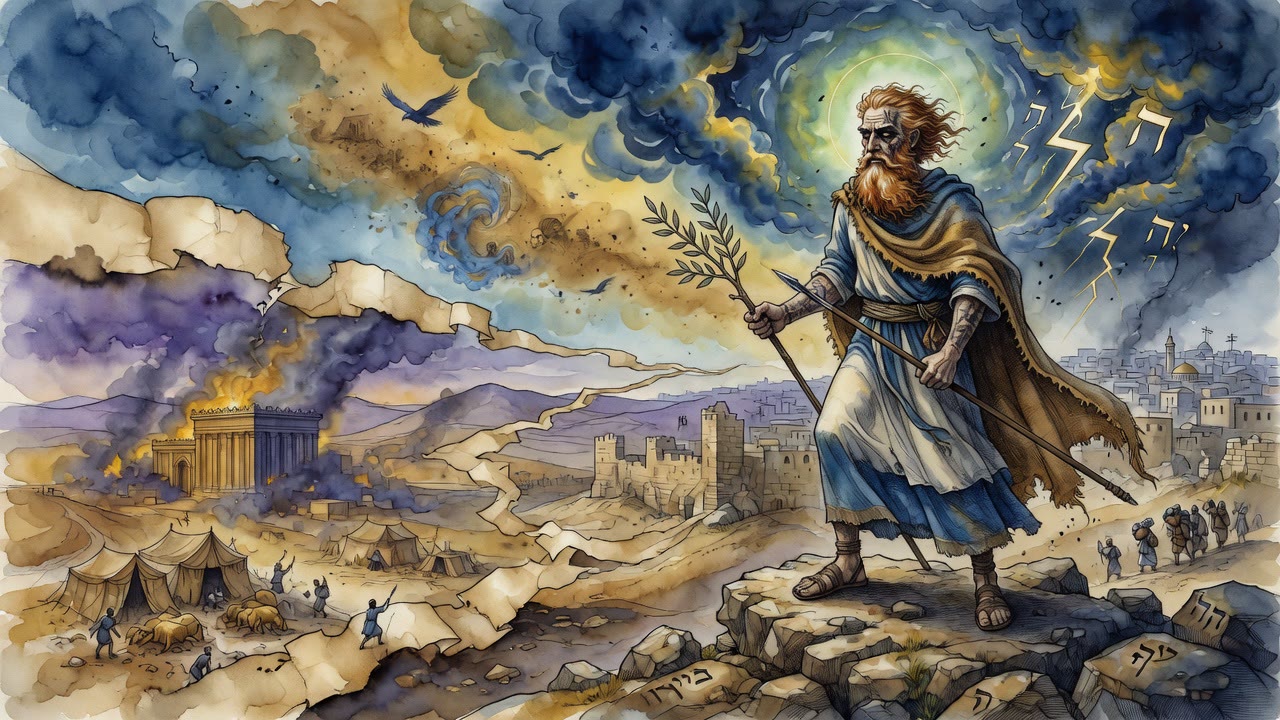
Phinehas first appears with a spear.
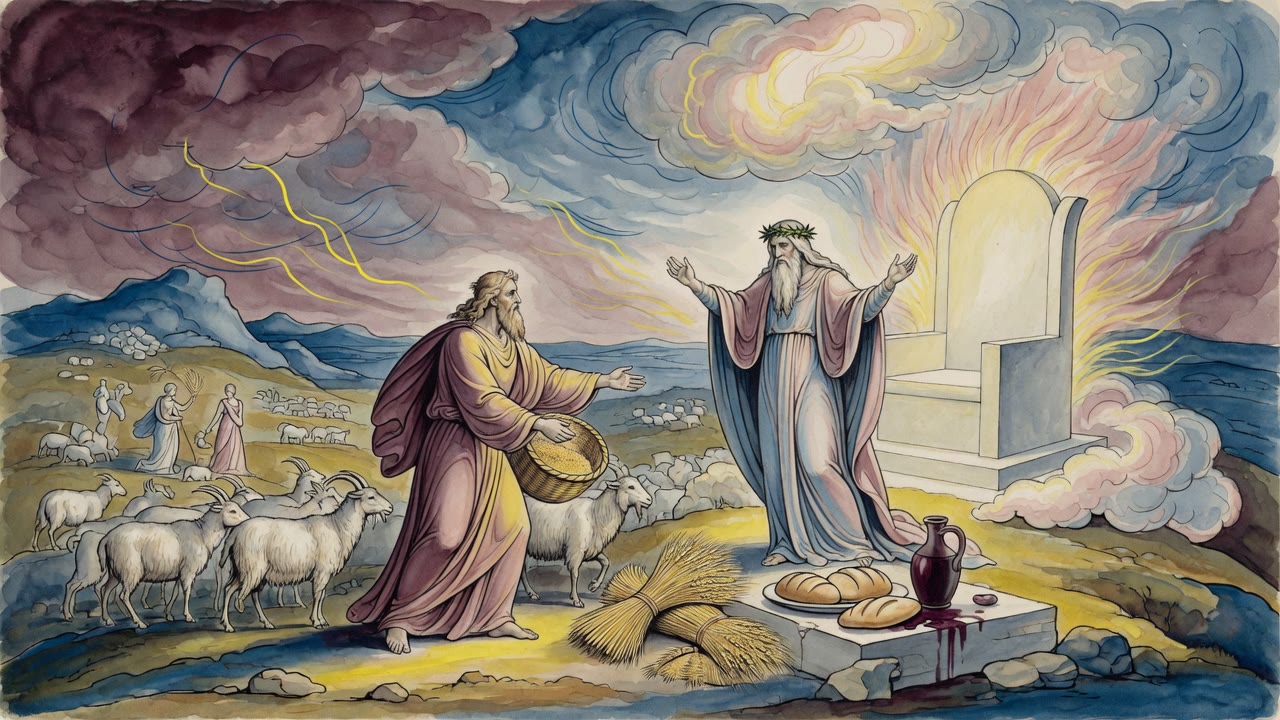
Israel had been dragged into sin at Baal Peor, and plague moved through the camp. Twenty-four thousand had died. Then Zimri brought Cozbi openly before Moses and the congregation, turning rebellion into theater.
Phinehas rose from among the people.
He did not convene a speech. He took a spear in his hand, went after them, and pierced the act in the place where defiance had made itself public. The plague stopped. God answered with a covenant of peace and an everlasting priesthood.
The man of the spear was given peace as his reward. That is the tension he would carry through history.
Elijah Burned With the Same Fire
Centuries later, Elijah stood alone against a compromised nation.
He faced kings. He called drought. He stood at Carmel while false service filled the land, and fire came down from heaven. Like Phinehas, he was not built for half measures. Zeal moved through him as if delay itself were betrayal.
But zeal can exhaust the body that carries it.
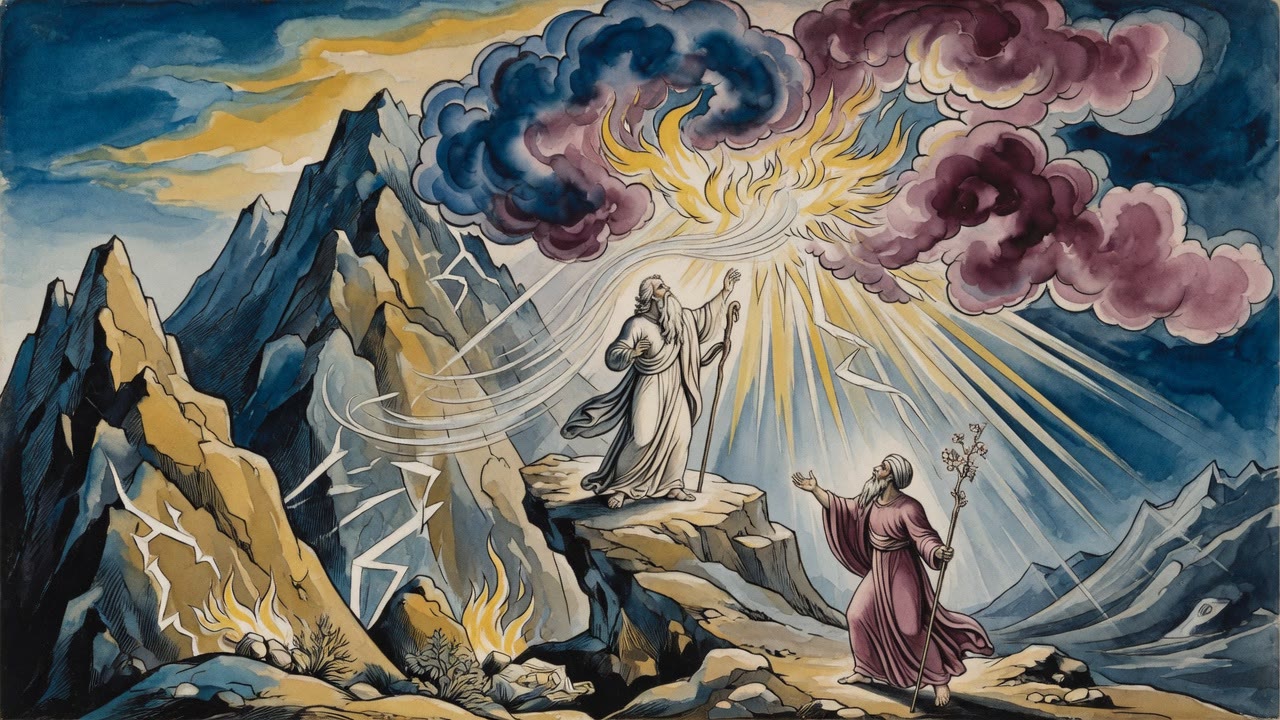
Elijah fled into the wilderness and asked to die. God did not let him. An angel fed him. He walked forty days to Horeb, the mountain where Moses had stood, and discovered that the Holy One was not only in wind, earthquake, and fire, but in the thin voice after them.
The Priest Did Not Taste Death
The tradition stretched the reward beyond ordinary life.
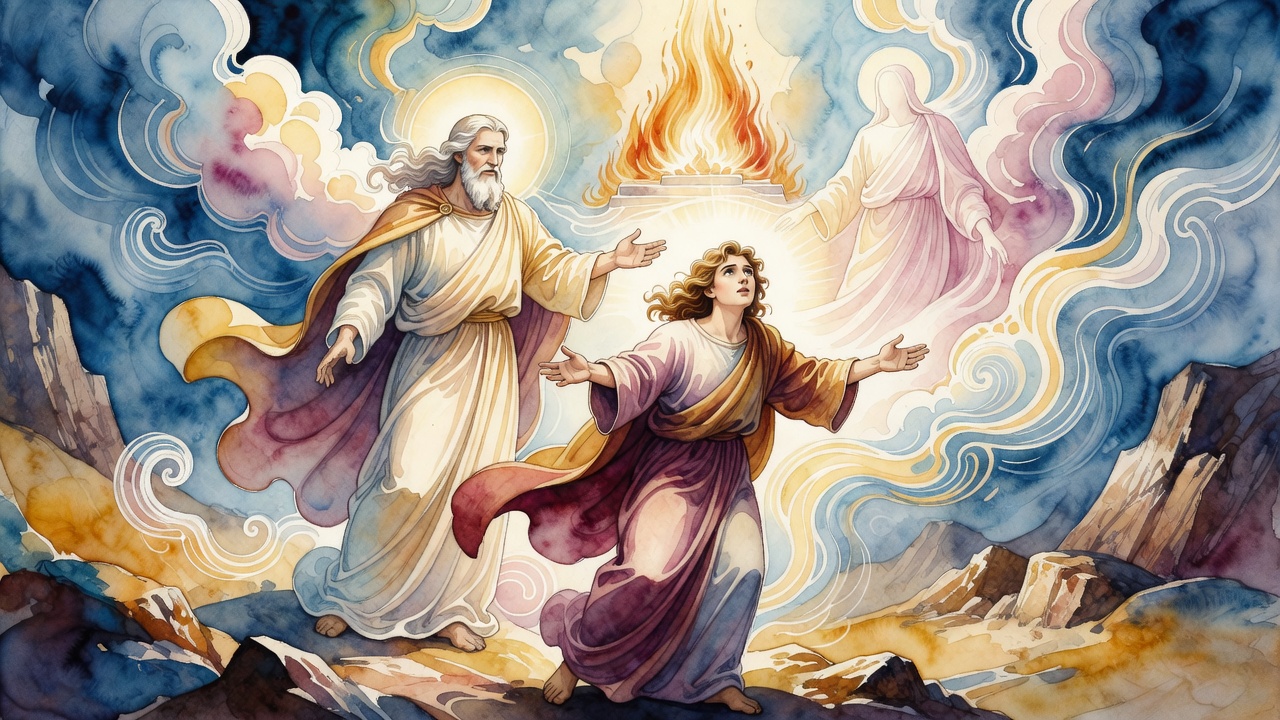
Phinehas, who is Elijah, did not simply receive a priestly title. He kept serving. He offered daily sacrifices for Israel until the resurrection of the dead. He recorded the events of each day on the skins of the sacrifices, history written onto the remains of worship.
The same man who had once made peace between God and Israel by stopping a plague would one day make peace again. The zeal of youth would be turned toward repair at the end. The spear would not be the final form of his mission.
He was kept alive because Israel would need him again.
The Return Belongs to Captivity
The genealogy points him toward exile.
He will be sent to the captivity of Israel at the end of days. Not to the comfortable first. Not to those already gathered in triumph. To the scattered, the trapped, the ones whose names might feel as buried as his own identity was buried in a list.
That is why the hidden clause matters. Redemption begins with a name recognized under another name. Phinehas is Elijah. The priest is the prophet. The zealot becomes the herald of peace. The man who stopped death in the camp keeps waiting until the captives need a messenger.
Somewhere in the long record of Israel, the flame has not gone out. It is moving under a name the next generation will know when he returns.
There is severity in that hope. The one sent before redemption is not a soft figure invented for comfort. He is the man of the spear and the prophet of fire, chastened by wilderness and fed by angels. Peace comes through him because zeal itself has been made to wait, to serve, to record, and to return only when its heat can prepare the world rather than consume it. The same fire remains, but the mission has widened from stopping one plague to gathering a scattered people.
← All myths