Ptolemy Planted Garrisons on a Peaceful Road
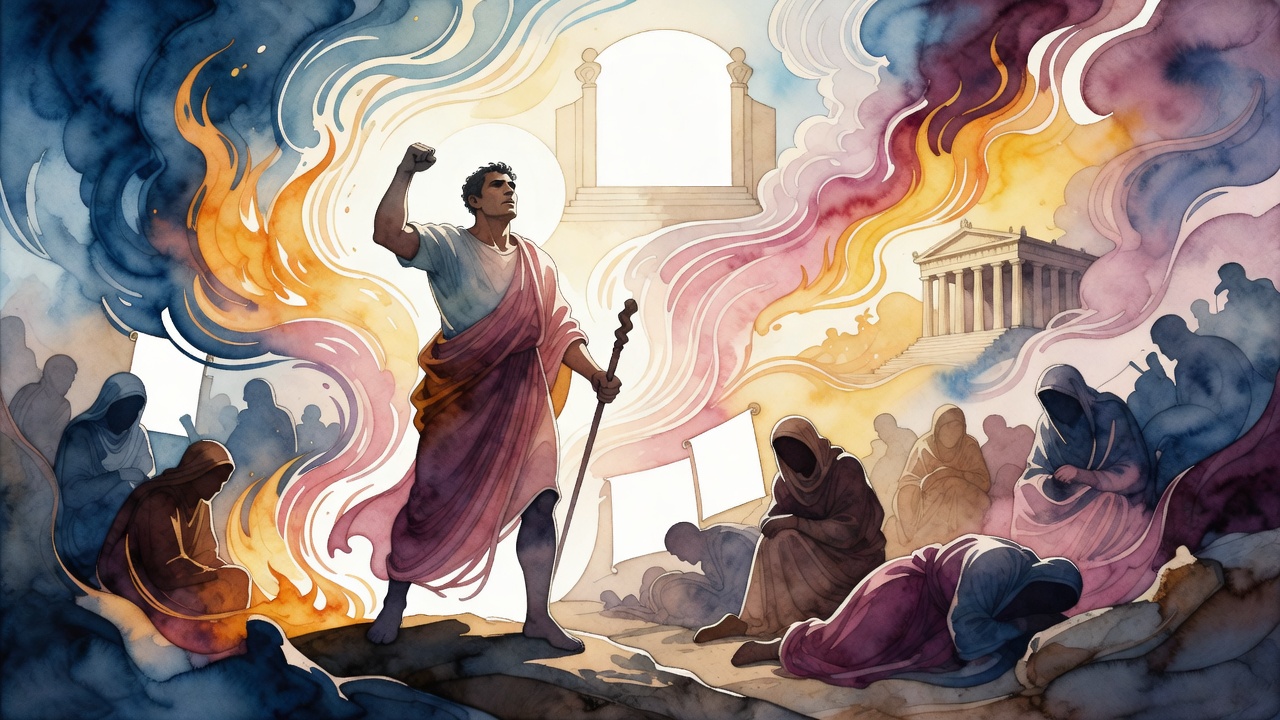
A shopkeeper watched foreign shields lean against his wall and said nothing. He wanted the stall open tomorrow. Near Azotus the dead lay stacked by the road.
Table of Contents
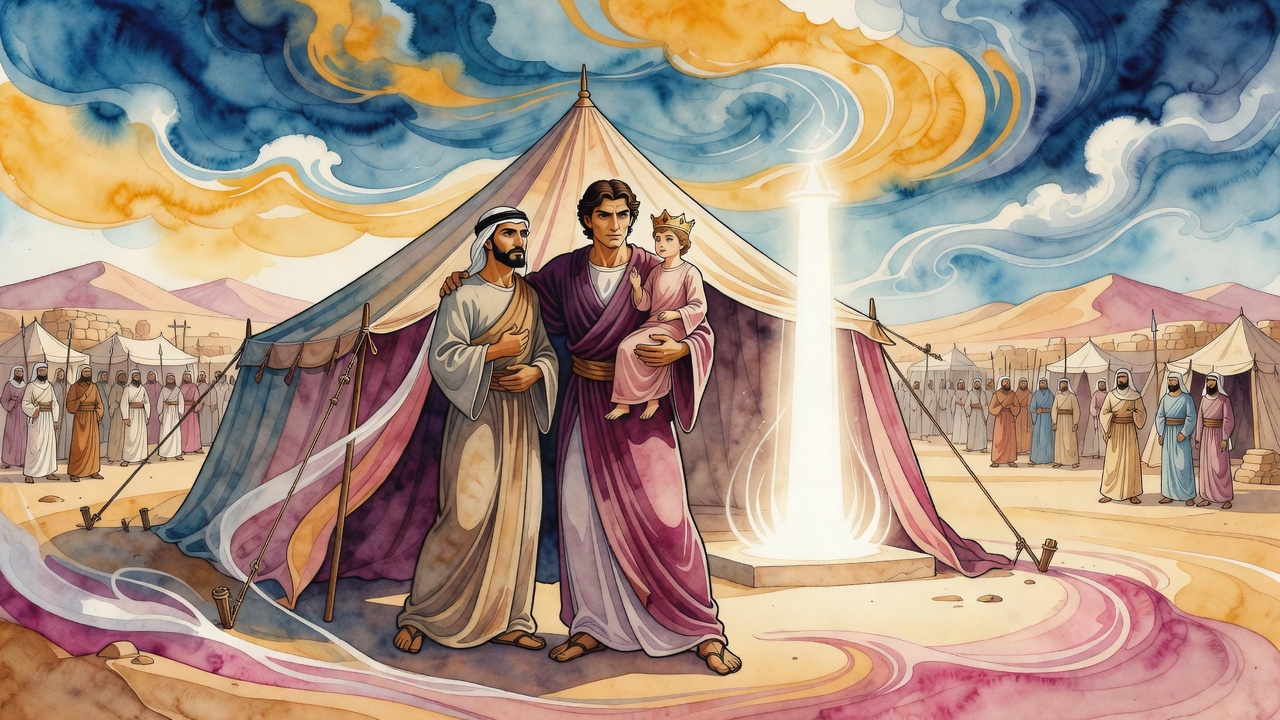
Ptolemy rode into the first Syrian city with a calm face and a quiet column. The gates opened because King Alexander had ordered them open. Kinship made the welcome. The streets strewed no flowers for love of Egypt. They strewed them because a stronger order had already decided the day.
 Click for full size
Ptolemy smiled as a brother-in-law smiles. Then he set a garrison in the city to keep it.
Peace That Posts Soldiers
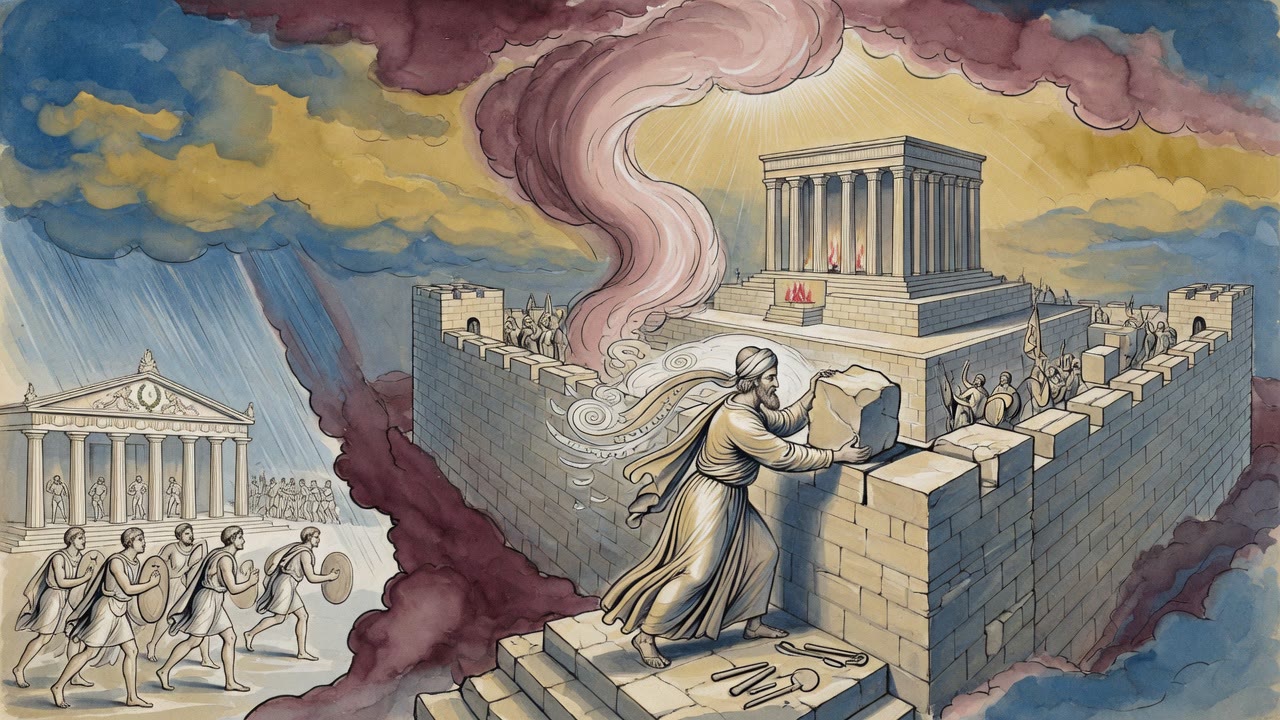
City after city repeated the pattern. Messengers ran ahead with Alexander's command. Doors swung. Elders bowed. Ptolemy entered "in peaceable manner," and peaceable manner, on that road, meant the right to leave armed men behind when he left. Occupation wore the costume of a family visit.
In one market a shopkeeper watched foreign shields lean against his wall and said nothing. He wanted his stall open tomorrow. What blocked him was the new arithmetic of power: refuse the garrison and lose the stall; accept the garrison and lose the street.
Ptolemy did not need to shout. The cities had already been taught who could command their gates. A boy carrying water pressed himself against a wall as the garrison stacked spears in the square. His mother pulled him home by the wrist and barred the door without a word.
Heaps Where the Road Should Be
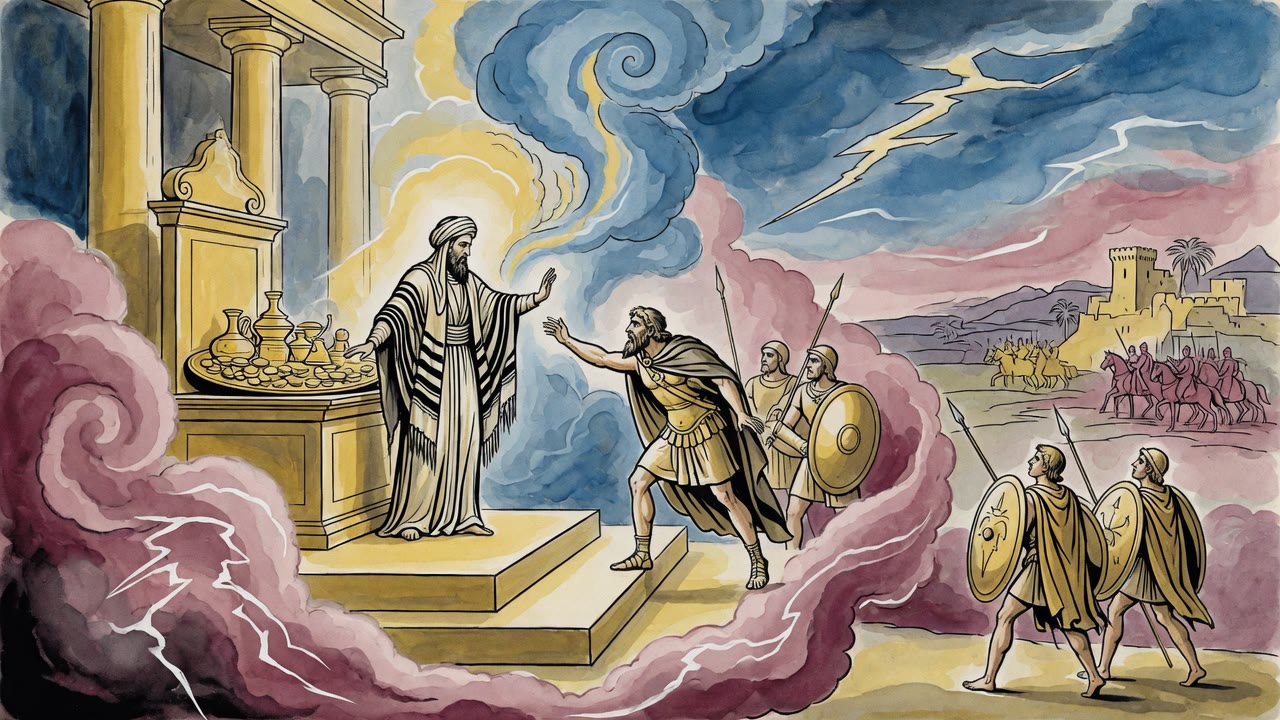
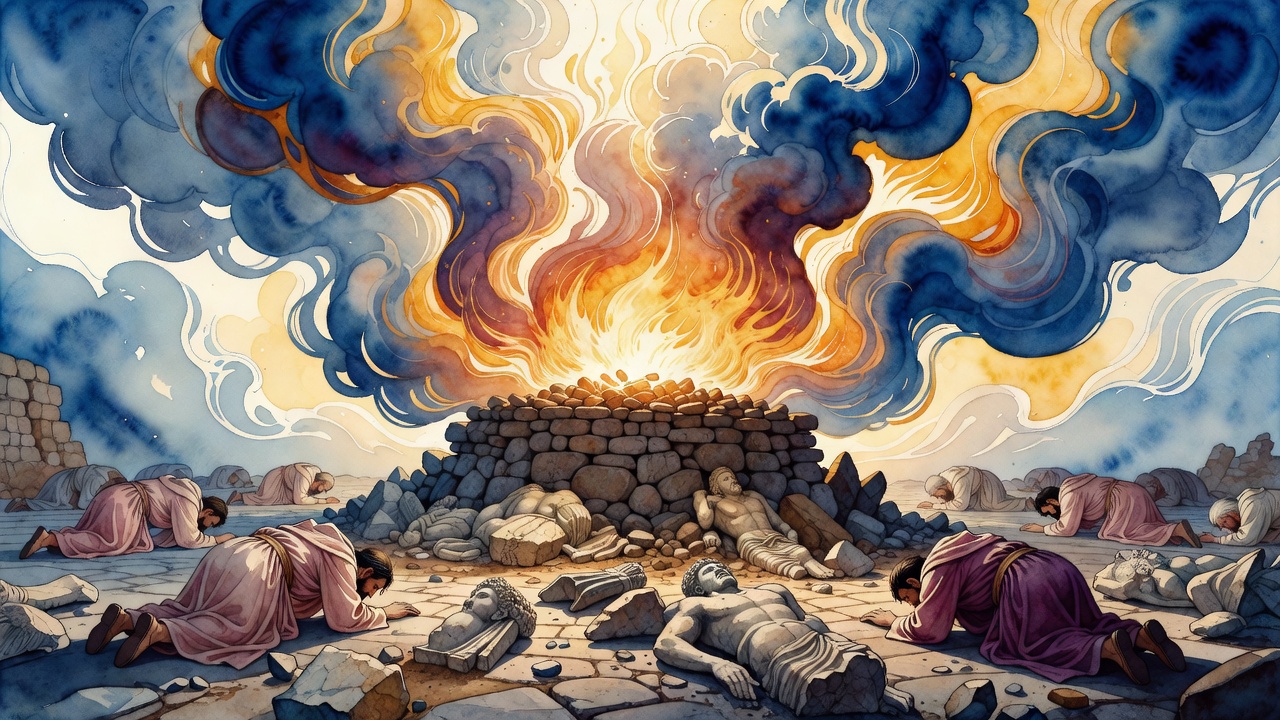
Near Azotus the calm broke into a different kind of silence. They showed him the temple of Dagon burned, the suburbs destroyed, bodies cast abroad, and heaps of the dead piled along the way he had to pass. The welcome mat was ash and bone. Someone had arranged the corpses so a traveling king would see them without searching.
Ptolemy's horse shied at the smell. He did not shy. He looked, rode, and kept the lesson the heaps were built to teach: fall in line, or become the next stack beside the road. "Peaceable manner" had a border, and on the far side of that border lay fire and Dagon's broken house and men who would never open another gate.
Judeans who heard the report of that road understood the shape of foreign friendship. A smile can still post soldiers. A visit can still end in smoke.
What a Later King Put in Writing
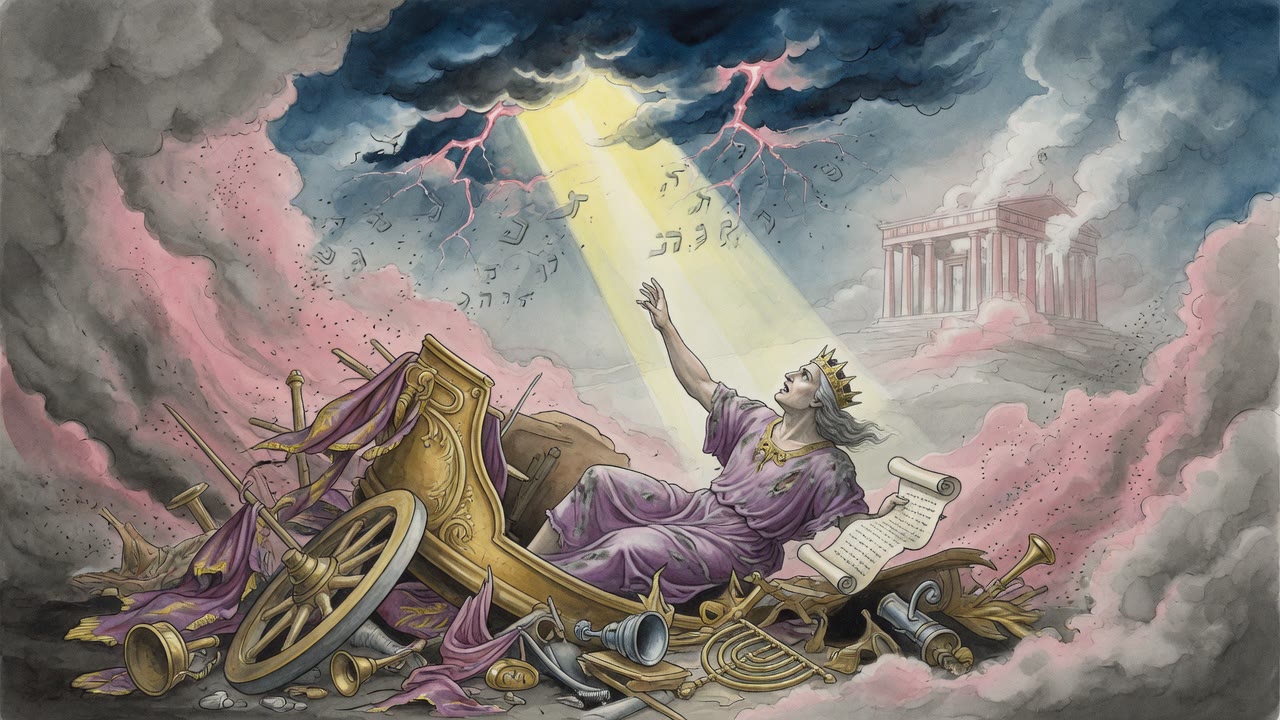
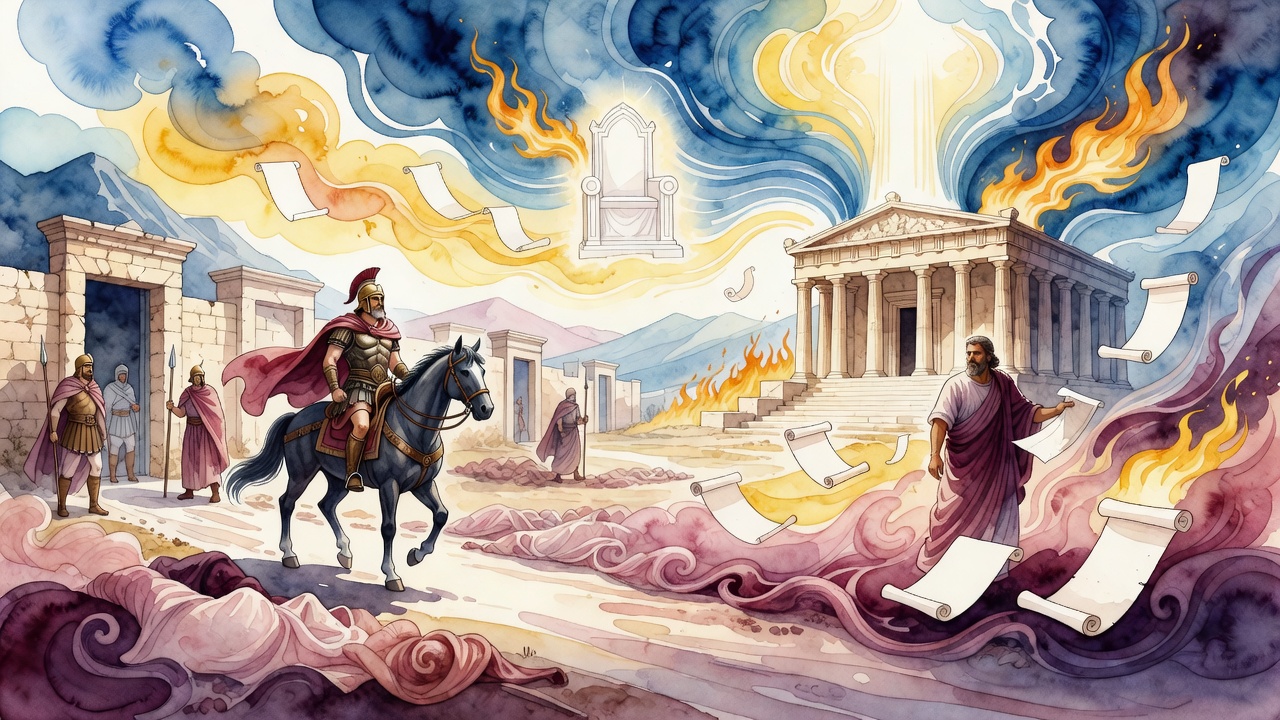
Years and wars later, another royal letter reached Judea under a different sky. The king confirmed the offerings and gifts earlier kings had given the people of Jerusalem. He granted them leave to mint their own coins, with their own design, in their own country. He named Jerusalem and the Mikdash, the Sanctuary, free. Fortresses already raised could stand. Debts owed to the crown, past and future, he wiped away from that day forever.
Simon and the men who kept the Temple read the words the way men read a door that has finally unlocked after years of forced entries. They wanted a Sanctuary that no foreign clerk could tax into silence, a coin that bore their own mark, walls they did not have to beg to keep. What had blocked them for a generation was exactly the world Ptolemy's road had shown: power that arrives speaking peace and leaves a garrison in the gate.
Simon held the grant as a man holds a tool he still has to use carefully. Freedom on paper is still freedom. Freedom on paper is also a promise made by the same class of kings who plant soldiers when it suits them. He folded the letter, broke no seal he did not own, and sent runners to the walls with orders to keep watch as if the ink could still dry wrong.
Coin, Debt, and the Free Sanctuary
In the Temple courts the news moved faster than any courier. A priest set down a basin and listened. A smith began to imagine a die for silver that did not carry a stranger's face. Debtors who had counted what they owed the crown felt the numbers empty out of their ledgers in a single royal sentence.
Simon walked the wall at evening and touched the stones as if confirming they were still theirs. He wanted the Mikdash free in practice, not only in a clause. What still pressed on him was memory: peaceful columns, open gates under another man's order, heaps of bodies teaching the cost of resistance. The turning point of the letter was real. Gifts confirmed. Coinage granted. Jerusalem and the Sanctuary named free. Debts forgiven forever. The turning point of the earlier road was real too. Judea had seen what "peace" looks like when it posts garrisons and rides past the dead.
Night closed over the free Temple and over the roads where foreign peace had once meant soldiers in every city. The last image was mixed on purpose: a new coin cool in a palm, and somewhere beyond the hills the ghost of a peaceful column still planting men in gates.
← All myths