Rabbi Gidal Saw the Women as White Geese
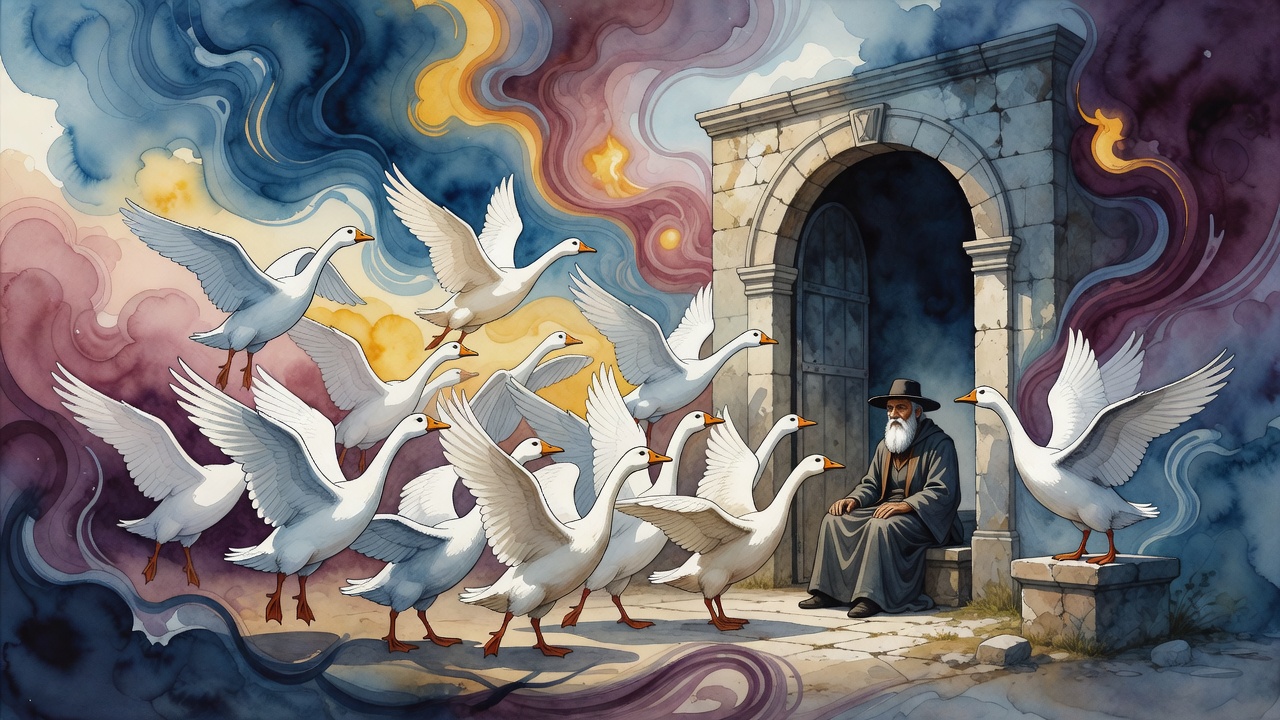
Day after day Rabbi Gidal sat at the bathhouse gate while women passed. Tabillat asked if he was tempted. He answered that they looked like white geese.
Table of Contents
Rabbi Gidal sat on a low stool at the entrance to the women's bathhouse and pointed left or right as if he were directing carts at a market. Steam drifted past him. Voices rose and fell. Women in various states of undress went by on their way to water and back to the street.
 Click for full size
Some of his contemporaries could not look at him without heat in their faces. A sage, there? Every day? They muttered that even a scholar's eyes are still eyes.
Tabillat's Question
A woman named Tabillat stopped in front of him and asked the question that sat on every tongue.
"Are you not tempted by what you see?"
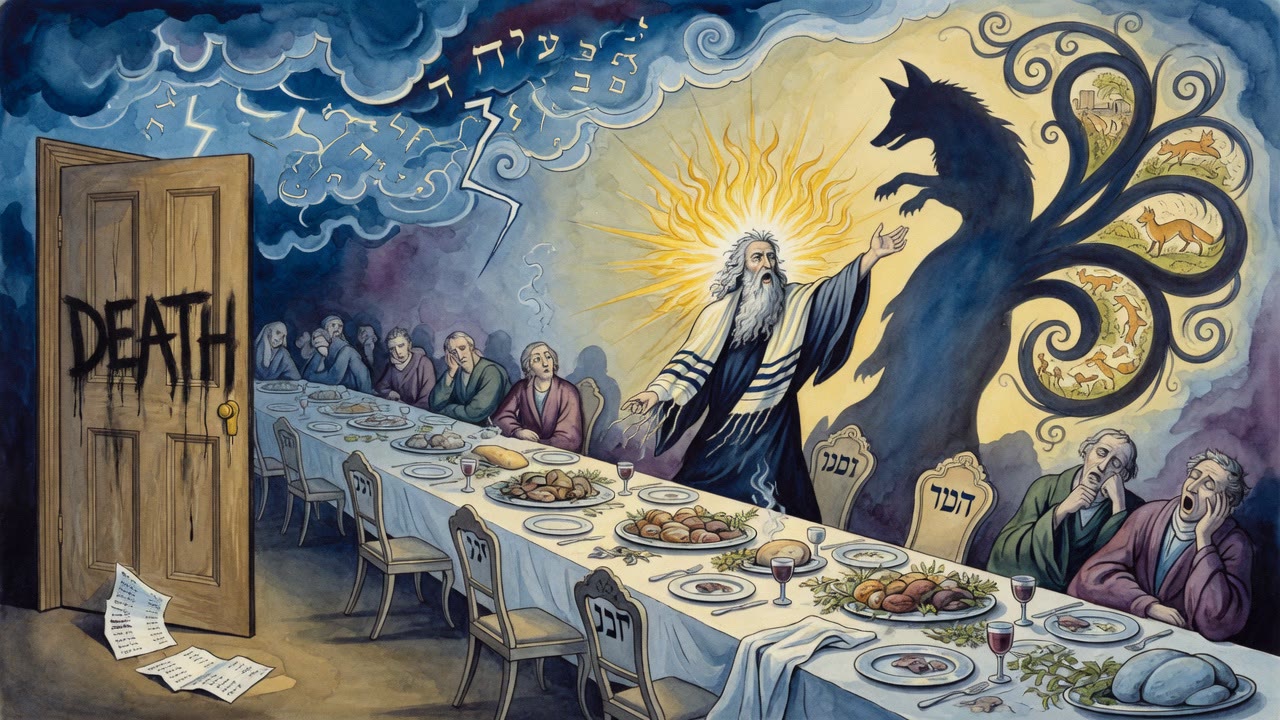
Gidal's answer was almost light. "They appear to me like white geese."
Not as women. Not as a test he was barely winning. White geese, barnyard fowl, nothing that stirred him. The room around the gate went quiet for a breath. Then the ordinary noise of the bathhouse returned, and Gidal lifted a hand to show the next arrival where to go. Tabillat studied his face for a flicker of performance and found none she could name. She moved on, unsettled by calm more than she would have been by guilt.
Eyes Trained or Eyes Lying
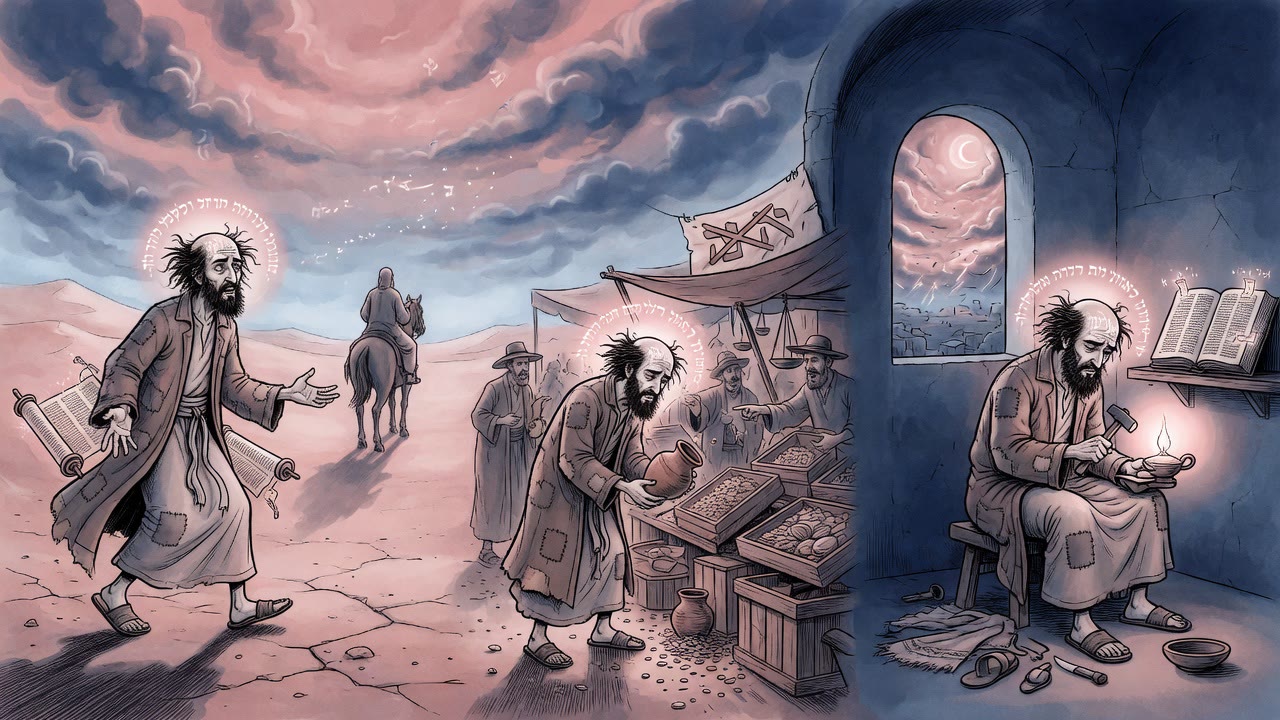
The sages argued about that sentence for a long time after. Some accepted it. They pointed to decades of discipline, to men whose eyes had been trained by Torah until desire no longer rose at the usual bait. Where others saw a body, Gidal genuinely saw nothing that called him. His students tried to imagine the years it took to make a goose out of what usually unmakes a man.
Others did not doubt his sincerity and still forbade the copy. What is safe for a man of his caliber can burn a lesser man to ash. The fact that one person can stand in fire without blistering does not mean the fire is cool. It means the man is rare.
Most people must flee temptation. A few can sit in its doorway and feel nothing. The story endured as a study of that outer limit, not as a license for every student to plant a stool at the same gate. A young man who tried would not become Gidal. He would become a warning with a name.
The Thought That Creeps in the Dark
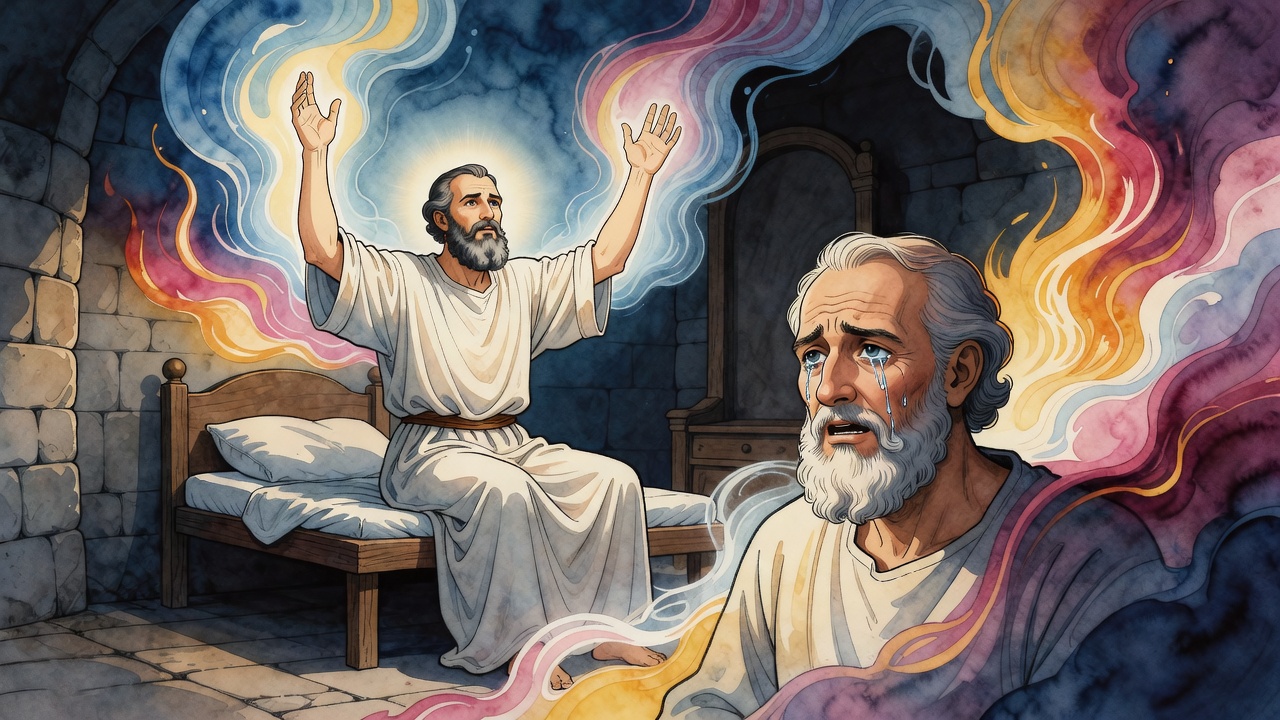
Another teaching watches a different man, one who tells himself he will slip away and do one wrong thing because the Holy One cannot see him. Heaven is high. Earth is low. Distance feels like cover. A closed door feels like a second sky.
The midrash cuts that thought. "For the ways of a man are before the eyes of the LORD" (Proverbs 5:21). Wherever the road goes, the gaze has already arrived. The eyes keep a ledger. Set out toward a good deed, and the deed is written for you. Set out toward a wrong, and the wrong is written too. "He weighs all his paths." The sages sealed it with a warning meant for dark rooms as much as for lit streets: know what is above you, an eye that sees, an ear that hears, and a book that does not lose a page.
Gidal's gate was public. The ledger still opened. Mastery without fear of being seen is still mastery under a gaze that never blinks. The man who needs a locked room to be decent has already lost something Gidal never put at risk.
When Silence Serves and When It Fails
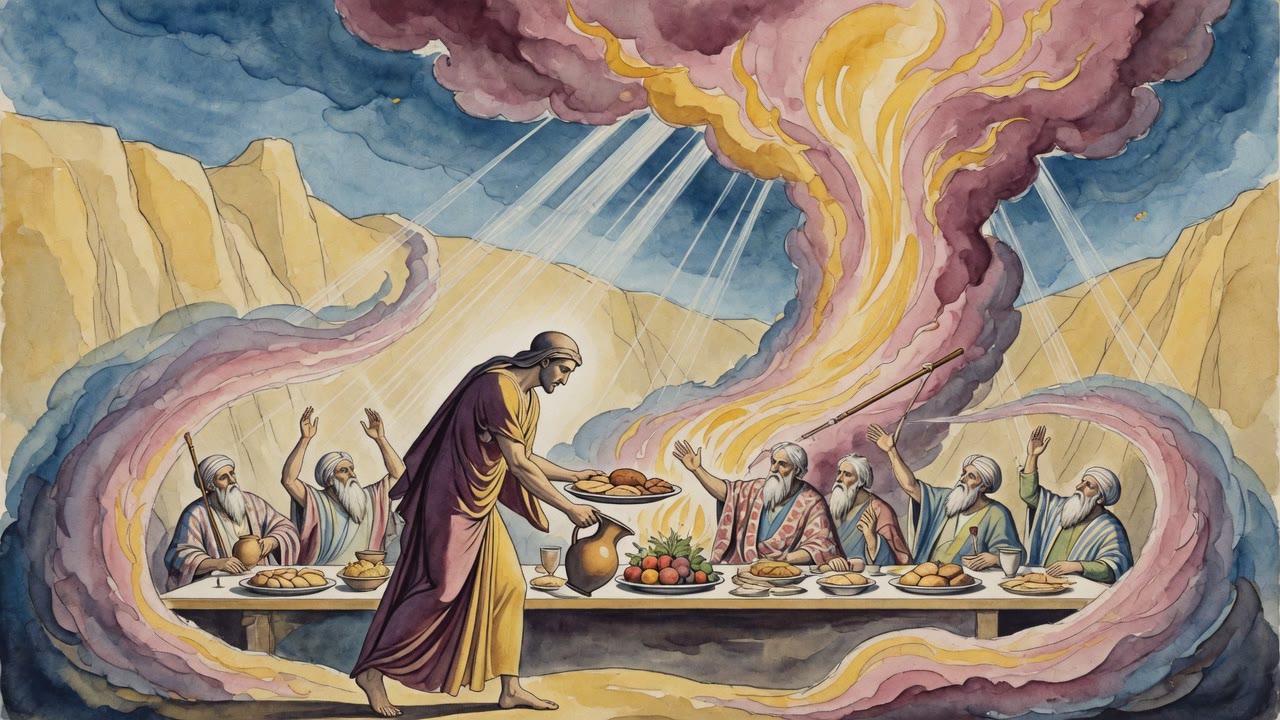
A third strand sits two verses of Proverbs side by side and refuses the contradiction. Do not answer a fool according to his folly. Answer a fool according to his folly. Which is it?
Rav Huna sets the first scene in a place where everyone already knows the wise man and the fool. Stay silent. If you trade insults, the room will not see a victory. It will see two men squabbling, and the wise man's name will drop to the fool's level.
Rabbi Yehoshua ben Levi sets the second scene among strangers. There silence is danger. If you say nothing, the fool leaves wise in his own eyes, and the strangers assume his charges had merit. So you answer, not to win a game, but to keep a lie from setting.
The rule is about the audience. Gidal's answer to Tabillat was public speech of another kind. He did not argue desire. He named what his eyes actually held. Those who needed a warning took the warning. Those who needed a model of impossible calm took the model. The room around the gate was not left with a shrug or a smirk that could grow into a rumor.
The Stool at the Threshold
Steam still rose. Feet still passed. Gidal still pointed left and right. The geese of his saying remained white in his mouth, and the sages kept the story close as both marvel and fence.
One man can sit where another must not. Heaven still weighs the paths of both. When the bathhouse closed for the night, the stool sat empty, and the steam faded, and the ledger, if the midrash is right, had already finished writing the day in a hand no one else can forge.
← All myths