5 min read

The Rabbi's Son Who Missed the Messiah at His Door

A brilliant son felt a hollow no study could fill, his father blocked every journey to the tzaddik (a righteous person), and the healer died unvisited.

Curated by Arthur · Told by Maggid ·
Table of Contents
  1. The Hollow No Tractate Could Fill
  2. Every Broken Axle Read as a Sign
  3. The Root of Jesse the Nations Still Seek
  4. What Love Misread
  5. The Bridge That Should Have Been Crossed
The Rabbi's Son Who Missed the Messiah at His Door Click for full size

The Hollow No Tractate Could Fill

A rabbi had an only son who was brilliant in Torah and still felt something missing. He studied constantly. He prayed with devotion. A hollow space inside him refused every page. He did not even know what was lacking, only that his prayers tasted flat and his learning failed to nourish the deepest part of himself. The house was full of books. The boy was full of silence.

Two young friends told him to travel to a certain tzaddik, a holy man known for awakening dead souls. The son told his father. The father was appalled. "You are more learned than he is. You have better lineage. It does not suit you to go to such a person." The son went back to his books. The emptiness returned wider than before, a room inside him no commentary could furnish.

Every Broken Axle Read as a Sign

Again and again the son asked. Again and again the father refused. The father was not cruel. He was a learned, pious man who sincerely believed his son needed no one else. His confidence in study, prayer, and lineage was absolute. Finally the son begged so hard that the father agreed, but only if he could come along to prove the tzaddik (a righteous person) a fraud.

They set out. The father declared a test. If everything went smoothly, the journey was from Heaven. If not, they would turn back. They reached a small bridge. A horse fell. The carriage overturned. They nearly drowned in cold water under broken wood. "You see?" the father said. "This journey is not ordained. Let us go home."

They tried again. An axle broke. A wheel came loose. Each small accident confirmed the father's reading. The obstacles were real. His interpretation was reasonable. It was also wrong. Eventually the tzaddik died. The son never reached him. The hollow place inside him was never filled. Love had guarded the gate so well that healing never entered.

The Root of Jesse the Nations Still Seek

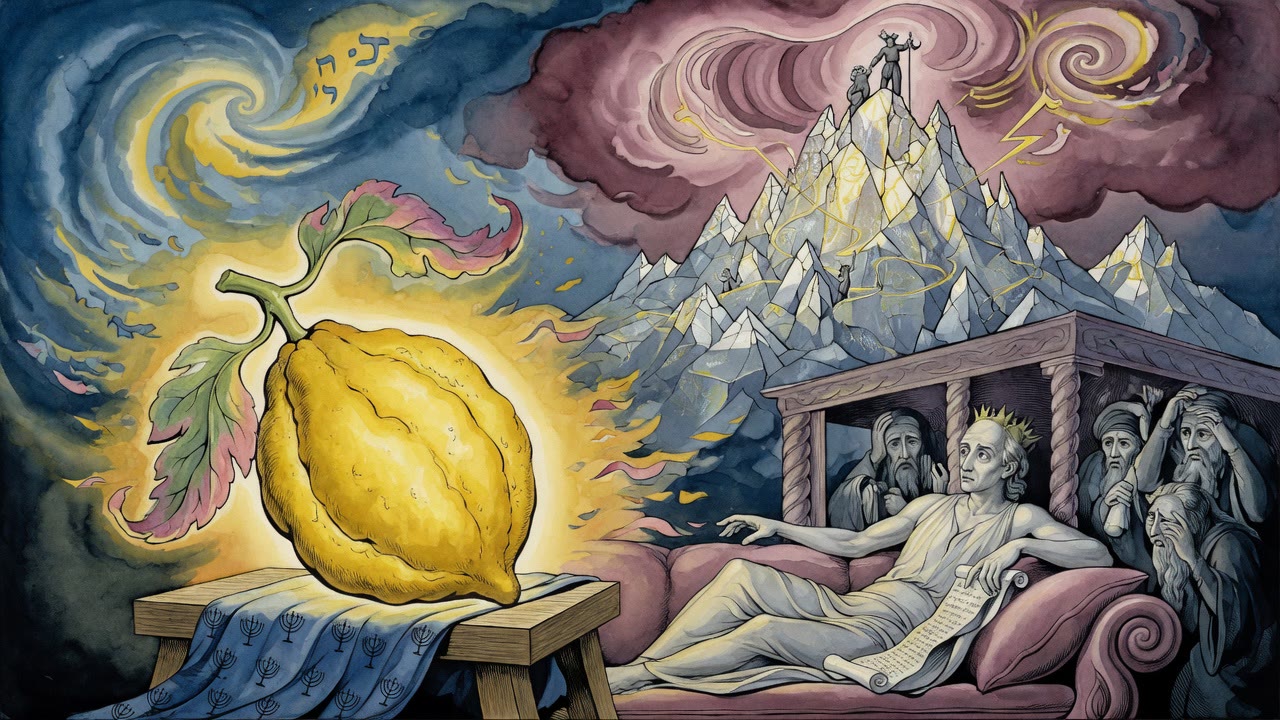
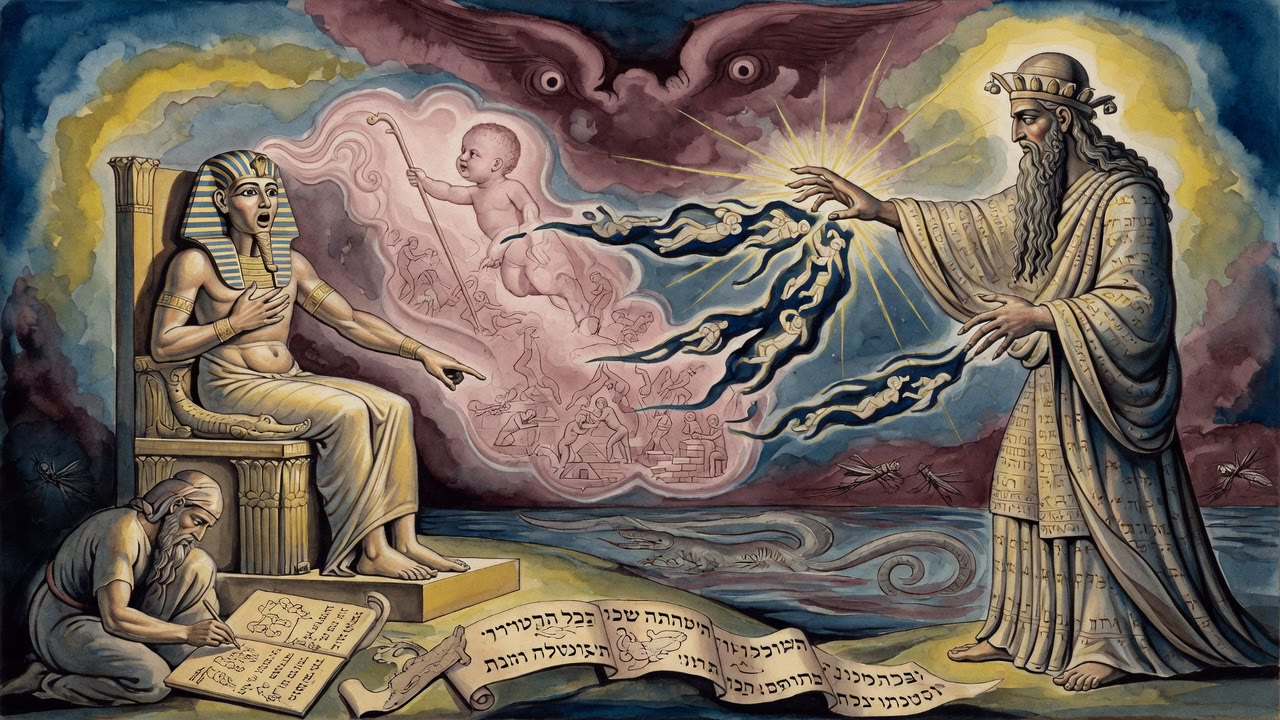
While one household missed the living healer at its door, the older midrash kept another horizon open. A psalm of David rejoices in the king's strength, and the sages bind it to Isaiah's promise: "And it shall come to pass on that day, that the root of Jesse, that stands as a banner for the peoples, to him shall the nations seek" (Isaiah 11:10).

Rabbi Chanina taught that the Messiah from Jesse's line will guide the nations toward the basic moral laws given for all humanity, the seven commandments of the children of Noah. Israel has already learned Torah from the Holy One, as Jeremiah says, "And all your children shall be taught of the Lord" (Jeremiah 31:33). The nations will seek the Messiah because honor from above rests on him, and they will recognize the authority that study alone cannot counterfeit and lineage alone cannot invent.

What Love Misread

No one in the son's story is evil. The father loves his child. The son respects his father. The tzaddik is genuinely holy. The encounter that could have healed the son never happens because a good man read every obstacle as a command to stop rather than a test to push through. Lineage and learning are not nothing. They are not everything. Sometimes a soul needs a living face that books cannot supply.

The root of Jesse still stands as a banner. A boy who never crossed the last bridge still waits with an unfilled hollow. Between them the warning stays sharp: do not let pride in what a house already possesses decide that no other door is worth the risk of a broken axle. The Messiah the nations will seek is one kind of arrival. The tzaddik a son never met is another. Both ask whether a household will open the road when the heart already knows the house is not enough.

The Bridge That Should Have Been Crossed

Years later the son could still feel the cold water under the broken bridge and the weight of his father's certainty. Every accident had been real wood and real horseflesh. Every interpretation had been wrong in the same direction: home, books, lineage, stop. The tzaddik's door stayed unknocked. The hollow stayed furnished with excellent reasons.

Far beyond that household, the root of Jesse still waits as a banner the nations will seek. Near at hand, a single closed journey shows how a family can miss the face that might have woken a dead place inside a living student. The Messiah of the wide future and the healer of one boy's present are not the same figure, but both demand a road someone is willing to keep traveling after the axle snaps.


← All myths

From the tradition

Sources

2 sources

The texts behind this telling. Some cards carry a translation of the source; others are our own retelling of it, and each card says which. Every card links out to the original.

Sippurei Maasiyot, Tale 8Sippurei Maasiyot (Rabbi Nachman)

Retold in our words. Read the original at the link below.Sefaria-hosted English translation · CC-BY-SA

A rabbi had an only son who was brilliant in Torah but felt something was missing. He studied constantly. He prayed with devotion. But there was a hollow space inside him that no amount of learning could fill. He did not even know what was lacking, only that something was not right, that his prayers tasted flat, that his study failed to nourish the deepest part of himself.

Two young friends advised him: travel to a certain tzaddik, a holy man known for his ability to awaken dead souls. The son told his father. The father was appalled. "You are more learned than he is. You have better lineage. It does not suit you to go to such a person." The son gave in and went back to his studies. But the emptiness returned. He asked again. Again the father refused.

This cycle repeated many times. Each time the son felt the void growing wider, he was told it was beneath his dignity to seek help from this particular tzaddik. The father was not cruel. He was a learned, pious man who sincerely believed his son had no need for anyone else. His confidence in his own tradition, in the sufficiency of study and prayer and lineage, was absolute.

Finally, the son begged so desperately that the father agreed. But only if he could come along, to prove that the tzaddik was a fraud.

They set out. The father declared: "I will test this journey. If everything goes smoothly, it is from Heaven. If not, we turn back." They reached a small bridge. A horse fell. The carriage overturned. They nearly drowned. The father said: "You see? This journey is not ordained. Let us go home." The son was helpless to argue against what seemed like a divine sign.

They tried again. Each time, a small accident occurred, an axle broke, a wheel came loose. And each time the father used it as confirmation that the journey was cursed. The obstacles were real. The father's interpretation of them was reasonable. But it was wrong.

Eventually the tzaddik died. The son never reached him. The hollow place inside him was never filled.

Rabbi Nachman's eighth tale is one of his most painful, because no one in the story is evil. The father loves his son. The son respects his father. The tzaddik is genuinely holy. And yet the encounter that could have healed the son never happens, because the father, with the best of intentions, read every obstacle as a sign to stop rather than a test to push through.

In Breslov teaching, this story is a direct warning about the spiritual arrogance of the scholarly establishment. Torah learning is not enough. Lineage is not enough. The soul sometimes needs something that cannot be found in books, an encounter with a living tzaddik who can see what the student cannot see in himself. And the greatest tragedy is not the son who refuses to go, but the father who prevents him from going, certain that he already possesses everything his child needs.

Full source
Midrash Tehillim 21:1Midrash Tehillim

Retold in our words. Read the original at the link below.Rabbi Mike Feuer, Jerusalem Anthology · CC-BY

A Psalm of David. May the Lord in your strength rejoice, O king!" It then connects this verse to (Isaiah 11:10): "And it shall come to pass on that day, that the root of Jesse, that stands as a banner for the peoples, to him shall the nations seek."

That connection is key. (Isaiah 11:10) speaks of a future time when the "root of Jesse" – a clear reference to the Messiah, who will descend from the line of King David, Jesse's son – will be a beacon for all peoples. But what does it mean that the nations will "seek" him? What will they be seeking?

Rabbi Chanina offers a rather unexpected interpretation: The Messiah will come to give the non-Jewish nations the six commandments. Wait, six commandments? What happened to the famous Ten Commandments?

Well, Jewish tradition speaks of the Seven Laws of Noah, a set of basic moral laws given to Noah and his descendants, understood as applying to all of humanity. These laws include prohibitions against idolatry, blasphemy, murder, theft, sexual immorality, and eating a limb torn from a living animal, along with a positive commandment to establish courts of justice (Talmud, Sanhedrin 56a). Rabbi Chanina suggests that the Messiah's role will be to provide ways for the nations to observe these laws with greater intention and joy. Perhaps he will offer them the opportunity to engage with specific commandments as symbolic acts, as the passage specifically mentions sukkah (booth), lulav (palm branch), and tefillin (phylacteries). These are typically associated with Jewish practice.

So, what about Israel? The passage continues by stating that Israel has already learned the Torah directly from the Holy One, blessed be He, as (Jeremiah 31:33) says: "And all your children shall be taught of the Lord." The implication is that Israel’s relationship with Torah is different, more direct. We are already engaged in the full spectrum of commandments, while the nations will be guided towards a foundational, universal morality.

But why, then, does (Isaiah 11:10) say, "And to him shall the nations seek?" Rabbi Chanina, in the name of Rabbi Acha, offers another fascinating insight. "What is the meaning of the verse (ibid. v. 10), 'And his resting place shall be of honor?' That the honor from above will be given to the Messiah." In other words, the nations will seek the Messiah because of the divine honor bestowed upon him. They will recognize his spiritual authority and be drawn to the wisdom and guidance he offers.

What does this all mean? It suggests a nuanced understanding of the Messiah's role. He's not just a redeemer for the Jewish people, but a guide and teacher for all humanity. He will inspire the nations to live according to a higher moral code, recognizing the inherent dignity and worth of every human being. He will be a beacon of light, drawing people from all corners of the world towards a more just and compassionate future. The Messiah, it seems, is not just for us, but for everyone. What a powerful thought!

Full source