Rachel Stayed Silent and Gained Two Tribes
Rachel saw her bridal gifts on Leah's hands and did not speak. Tanchuma says that silence bought her Benjamin's line and the tribes of Joseph's sons.
Table of Contents
 Click for full size
Gifts on the Wrong Sister
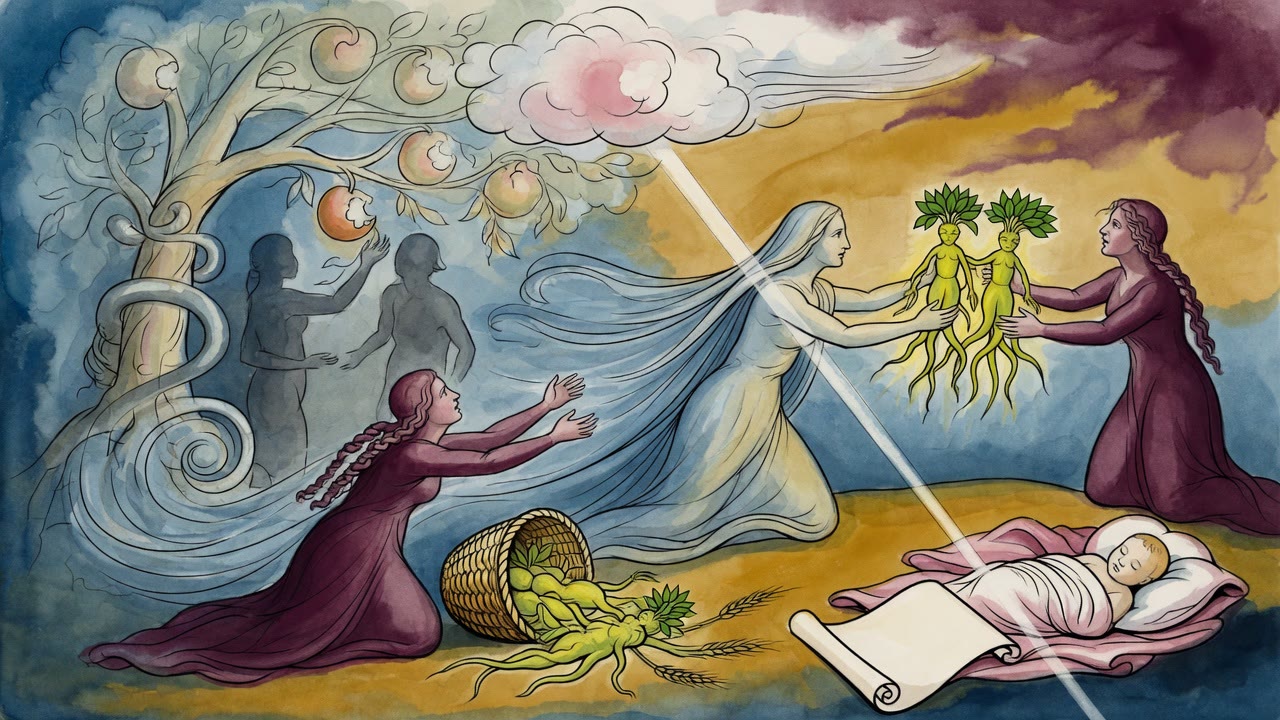
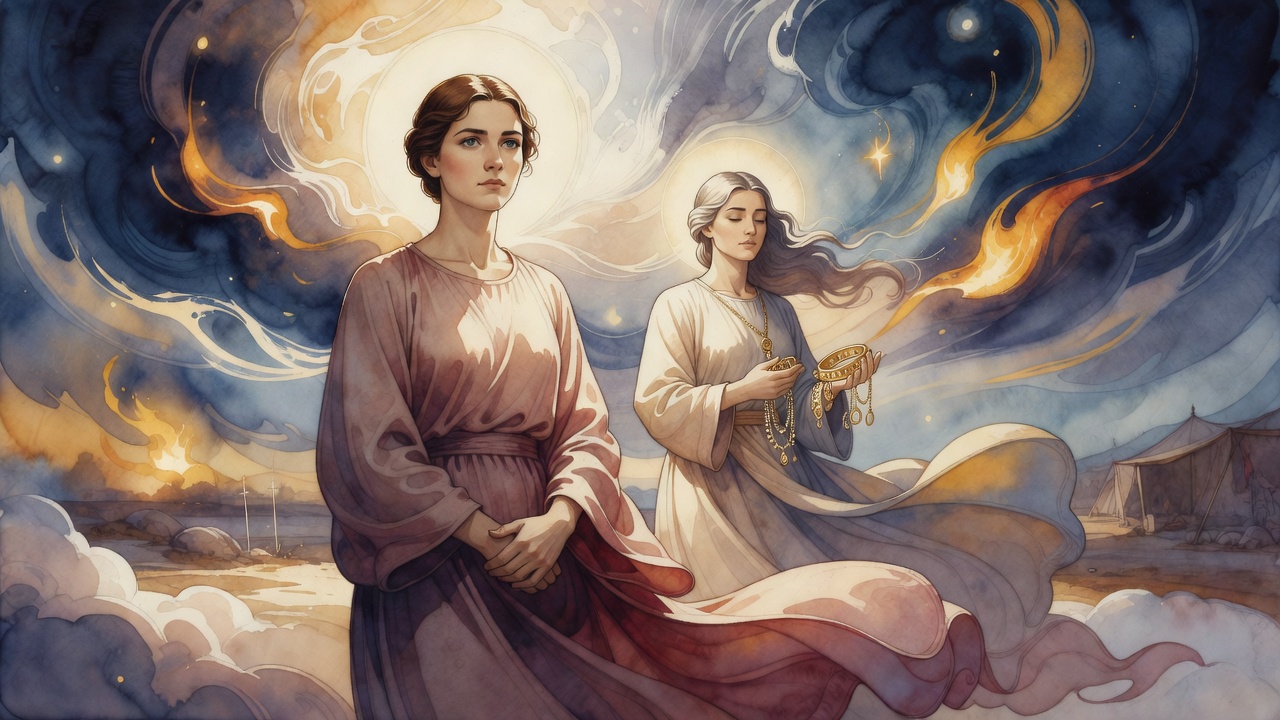
Jacob loved Rachel and sent her gifts. Laban put them into Leah's hands instead. Rachel saw and remained silent. Rabbi Simeon son of Gamliel said he was reared among the sages and found nothing more beneficial for a person than silence. Rachel forced herself into that discipline, and her offspring continued it.
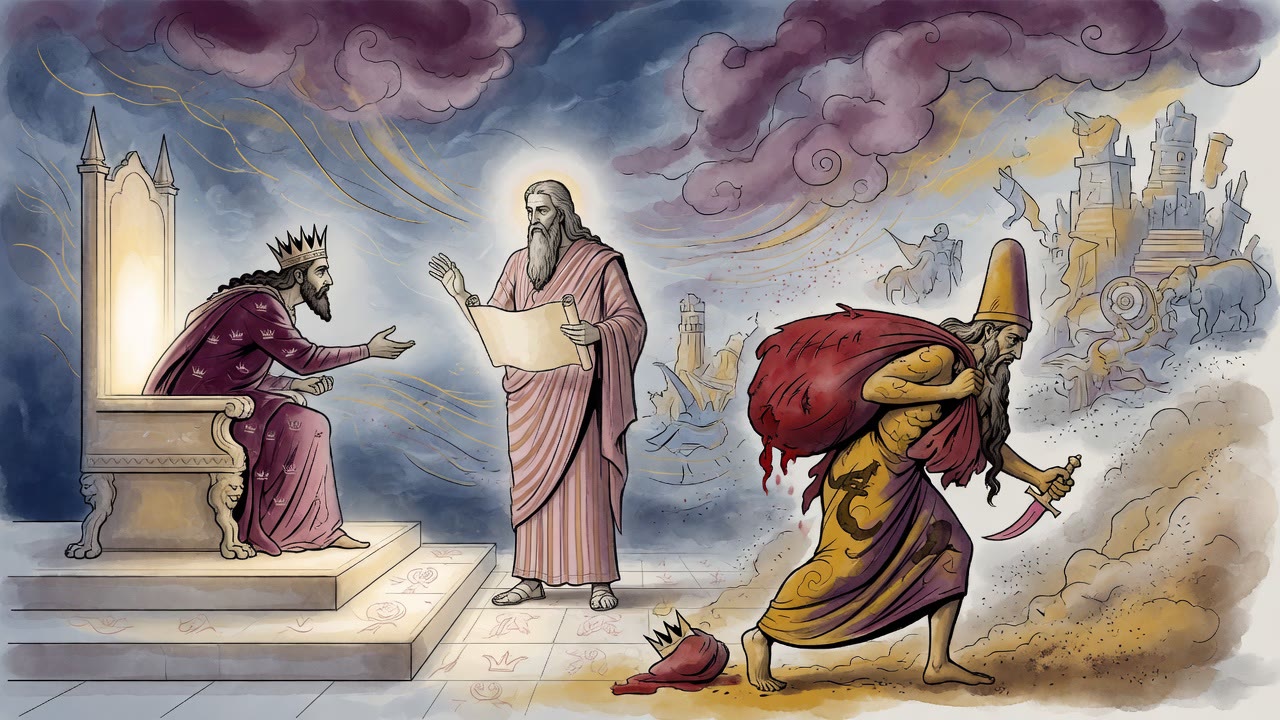
Her son Benjamin, whose stone in the high priest's breastplate was jasper, knew of the sale of Joseph and remained silent. The word jasper, yashfeh, may be read as "he has a mouth" and still stays quiet. Saul descended from her and did not tell the matter of the kingdom. Esther did not make known her people. Silence became a family craft in service of survival and of another person's chance at life.
Leah's Mouth of Praise
Leah took the other road. She declared, "This time will I praise the Lord" (Genesis 29:35). Her son Judah is the one his brothers will praise. David sings, "Praise the Lord, for He is good." Daniel kneels three times a day and praises. Two sisters, two habits of speech, two lines of descendants who either seal the lips or open them in thanksgiving.
The midrash does not crown one habit as always right. It tracks consequences. Praise builds a line of singers and kings who name God in public. Silence builds a line that can hide a people, hide a brother, hide a queen until the hour to speak arrives.
Why She Did Not Tell
Rabbi Simeon son of Yohai gives Rachel's private calculation. If she told Jacob that Laban diverted the gifts to Leah, Jacob might refuse Leah. Laban might then refuse Rachel. She would be cut off forever from this righteous man. So she swallowed the insult and the theft of her presents.
The Holy One answered that silence with memory: "And God remembered Rachel" (Genesis 30:22). Rabbi Judah said silence was so weighty that Rachel was privileged, because of it, to rear two additional tribes in Israel, Ephraim and Manasseh, through Joseph. The quiet that protected Leah's place became the soil for Joseph's double portion.
Oppression and a Switched Bride
Another Tanchuma strand hears "He executeth justice for the oppressed" (Psalms 146:7) as Rachel's case. Her father should have sat her in the bridal litter. He placed Leah in it, extinguished the candles, and led Rachel out by the hand. Is there oppression greater than that? Who dealt justly with her? The One who gives bread to the hungry, when she hungered for children, and who loosens those bound, when God remembered her.
The same homily walks Joseph through his mistress's threats, answering each with a psalm line. Oppression is not only a father's trick at a wedding. It is every trap that tries to buy a body with fear. God is named as the one who feeds, frees, opens eyes, and guards the stranger.
Leah's Prayer for Dinah
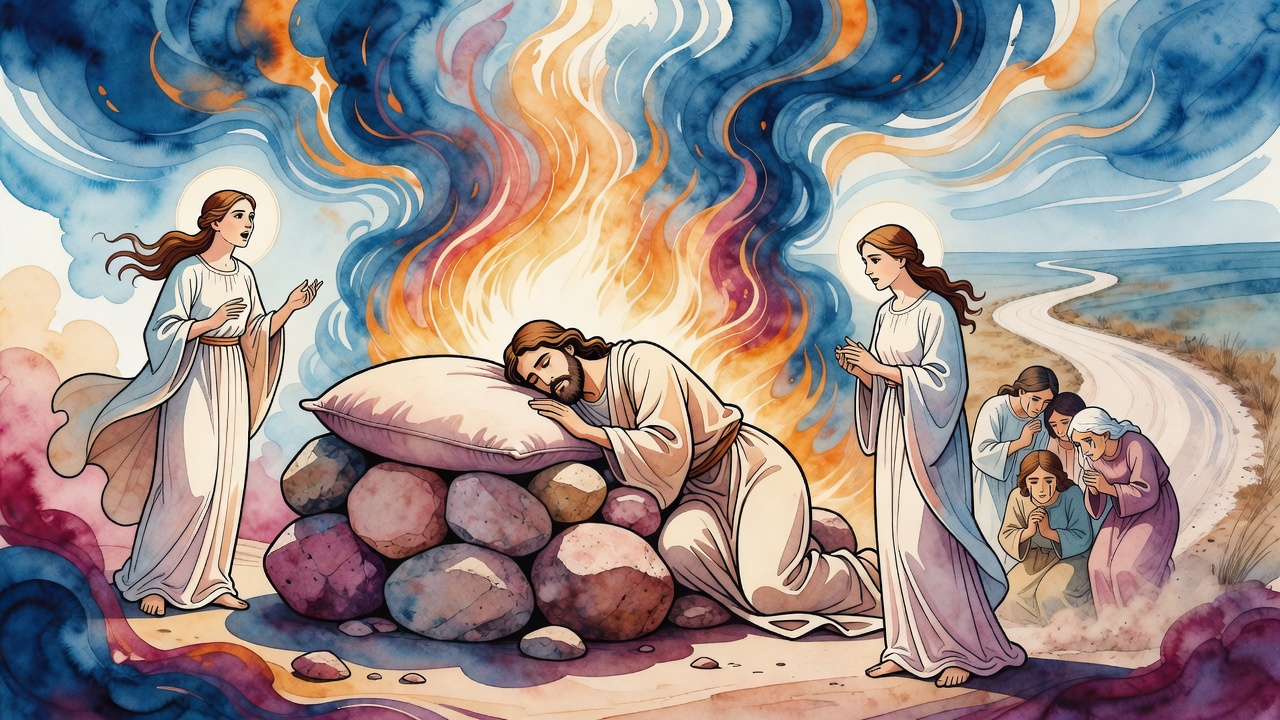
Leah, already mother of six and pregnant with a seventh, foresaw twelve sons for Jacob. Counting the handmaids' sons, a seventh male for Leah would leave Rachel with fewer sons than the maids. Leah pleaded for justice, din, and God converted the fetus to a daughter, Dinah. Mercy answered mercy. The sister who had been placed under the veil by fraud became the one who yielded a place so Rachel could still stand among the mothers of tribes.
Silence and speech, fraud and prayer, fill one house. Rachel does not expose Leah. Leah does not finally crush Rachel's future. God remembers both, in different verbs and different hours.
Do not turn Rachel's silence into a rule that victims must never speak. The midrash praises a specific silence that protected another woman's life with Jacob and trusted God with the debt. Do not turn Leah's praise into noise that never yields. She yielded a son in the womb for the sake of her sister's honor among the tribes.
The Maggid leaves the sisters complicated on purpose. Gifts on the wrong hands. A dark wedding. A psalm for the oppressed. A prayer that changes a child's sex in the telling. Out of that mess come Benjamin's sealed mouth, Judah's public praise, and Joseph's two tribes. Family history is not clean. It is remembered, judged, and still made into Israel.
Laban's house runs on tricks. A father who swaps daughters under darkness will also swap gifts in daylight. Rachel's silence is not blindness to the fraud. It is a strategy inside a fraud she cannot yet overturn. The midrash rewards that strategy with memory and with tribes, and still leaves room for Leah's praise and Leah's prayer. Two women survive the same man's schemes by different virtues.
When God remembers Rachel, the verb lands on a body that waited for children while watching sister and handmaids fill the tent with sons. Oppression here is intimate: bridal litter, extinguished candles, a hand led the wrong way. Justice for the oppressed is not only a national slogan. It is God answering a woman who was cheated at her own wedding and still protected the sister who stood under her veil.
← All myths