Rain and Resurrection Opened the Same Hand Over Jacob
Bereshit Rabbah argues that rainfall and revival of the dead are the same divine act. Then God uses the same word to call Jacob out of Haran toward home.
Table of Contents
 Click for full size
The Hand That Opens for Rain
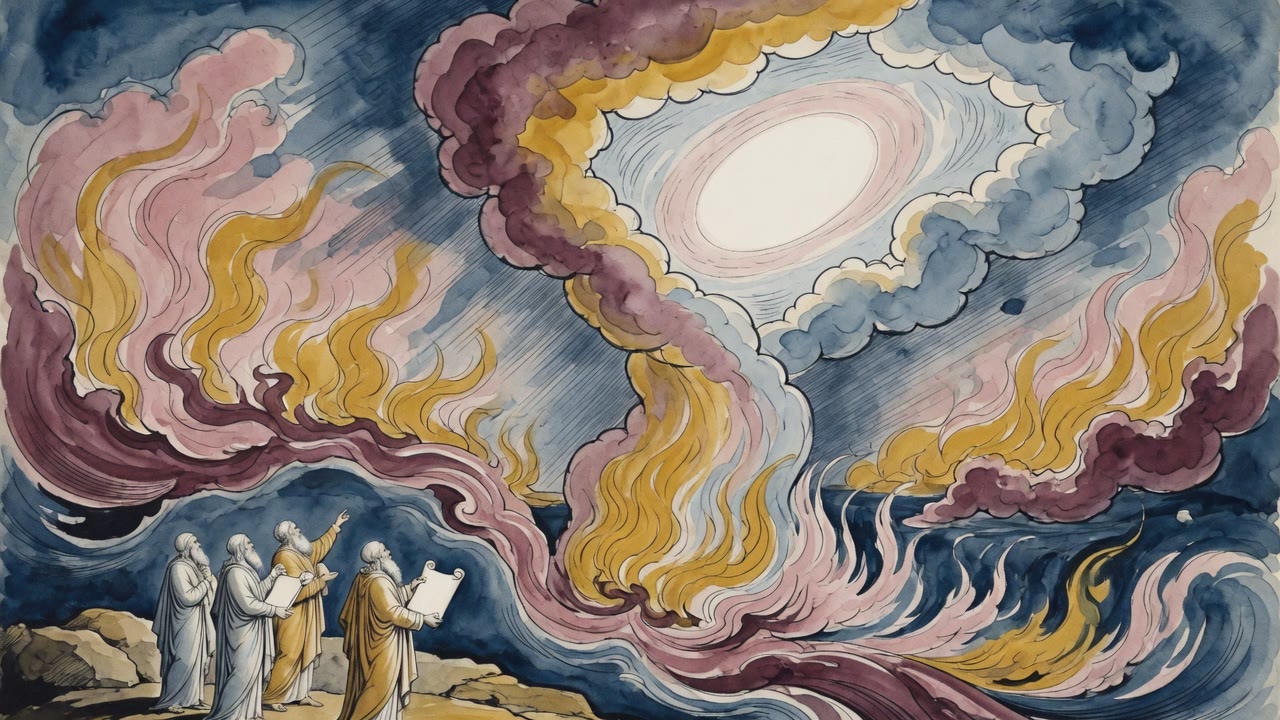
Rabbi Hiyya bar Abba stands in a circle of sages and makes a comparison that the Talmud will later say no other analogy can match. The revival of the dead, he says, is as great as the entire act of creation. But the rain is as great as both of them combined.
That is not a modest claim. The creation of the world from nothing is, in any tradition, the benchmark of divine power. The resurrection of the dead is the act the prophets promised and the rabbis awaited. To say that rain outweighs both is to say something specific about what the rabbis thought rain actually was.
Why Rain Equals Resurrection
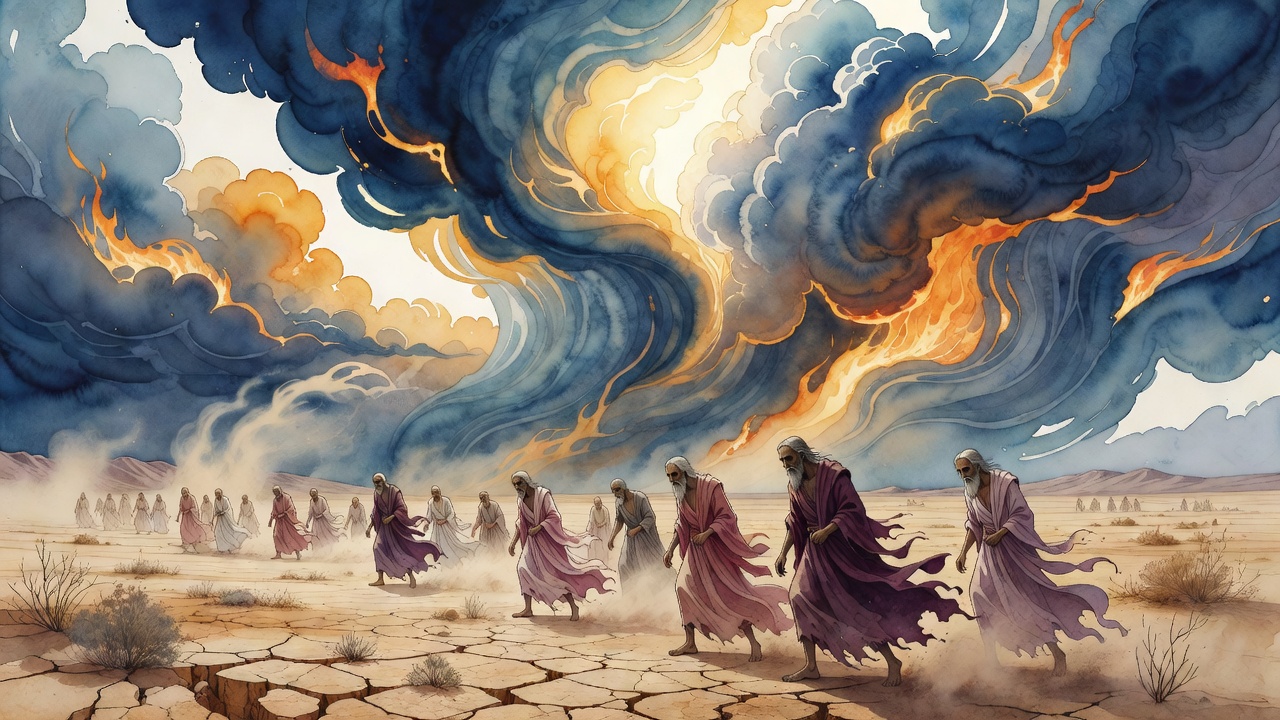
Bereshit Rabbah 13 places the claim inside the second chapter of Genesis, where the Torah says the shrubs had not yet grown because God had not rained and there was no man to till the ground. Rabbi Hiyya bar Abba reads that sequence as a definition. Rain does not simply water the earth. Rain is what happens when the earth needs something and a hand above opens. The same hand that opens for rain is the hand that opens the graves. The act is structurally identical: something dry and sealed and apparently finished receives what it cannot produce on its own, and life begins again inside it.
This is why the second blessing of the Amidah, the prayer for resurrection, mentions rain. The liturgy knew what the Midrash was saying. Whoever can send rain in the right season can also send the breath back into the body. The one who can open the sky over a cracked field can open whatever is locked.
Return to the Land of Your Fathers
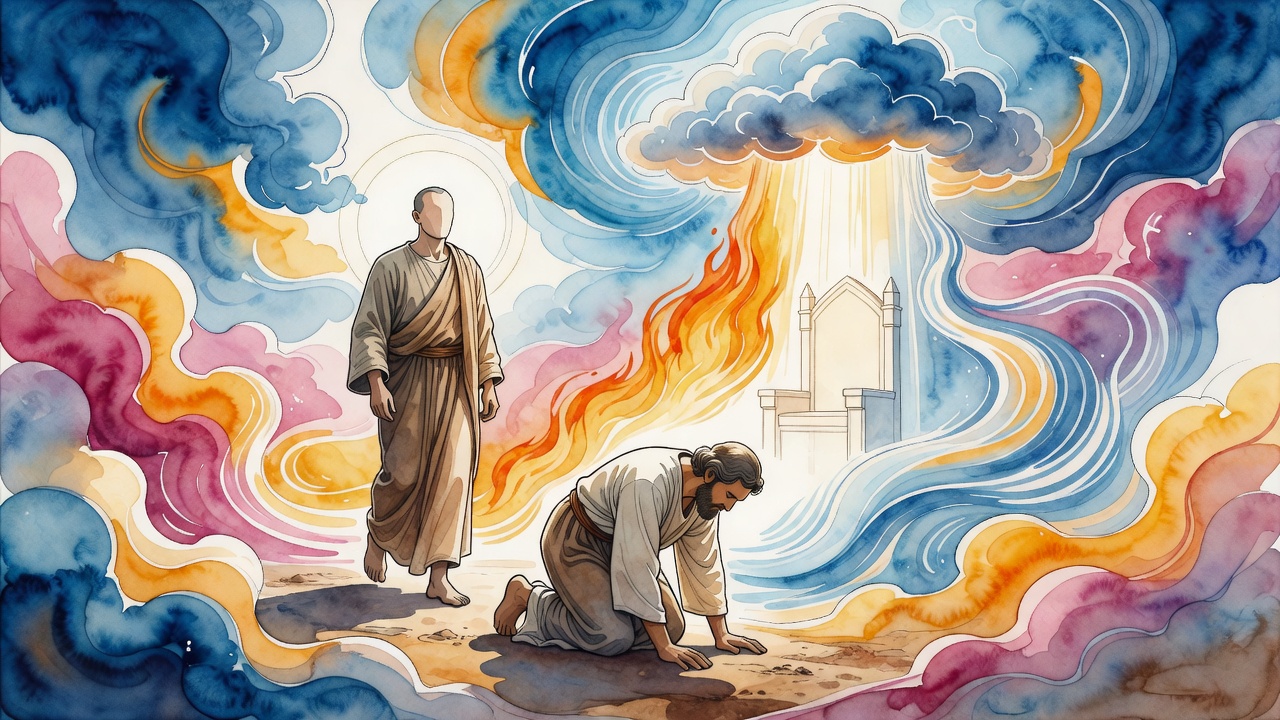
In Bereshit Rabbah 74, God speaks to Jacob in Haran. He has been with Laban for twenty years. He has wives and children and flocks. He has the life he was always building toward, minus the land. And God says: return to the land of your fathers and to your birthplace, and I will be with you.
The rabbis hear that instruction in the same register as the rain. Jacob had been outside the land the way a seed is outside the soil: present, viable, but not yet rooted. The call back was not merely geographic. It was the opening of the same hand. God was sending the rain that brings the dead thing back to the place where it can become what it was always meant to be.
Adam Prayed First and Then Rain Fell
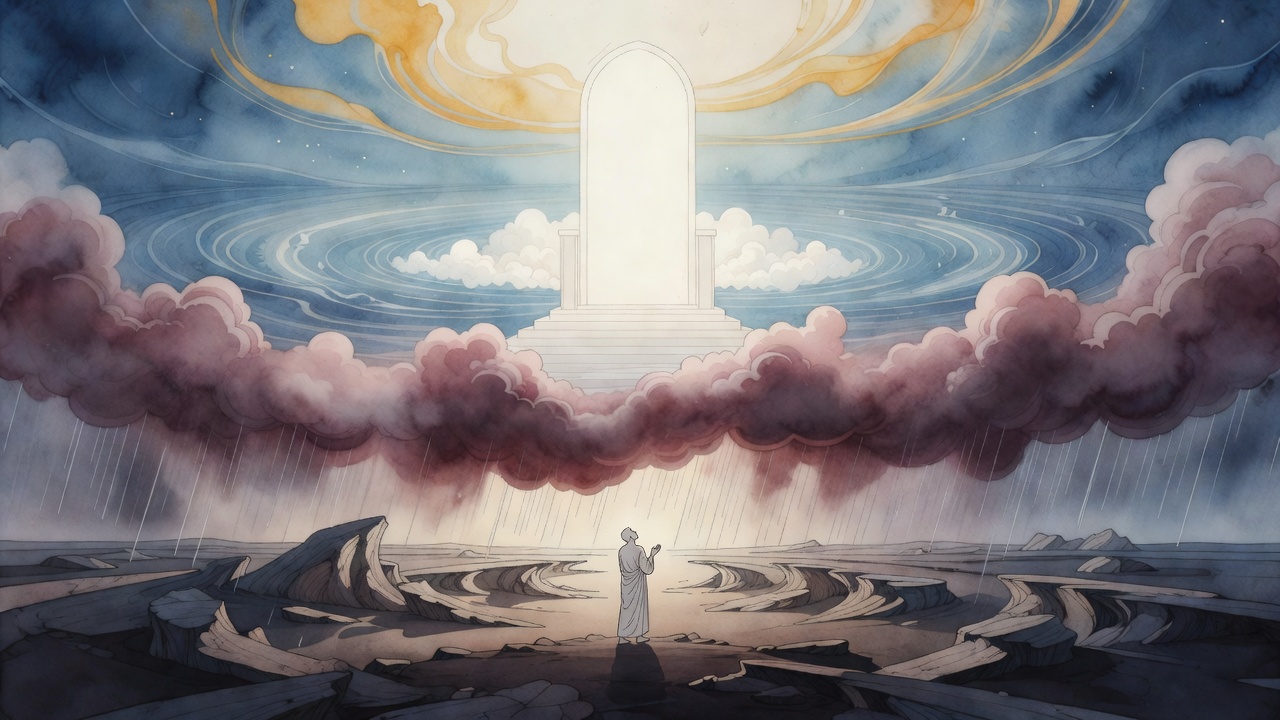
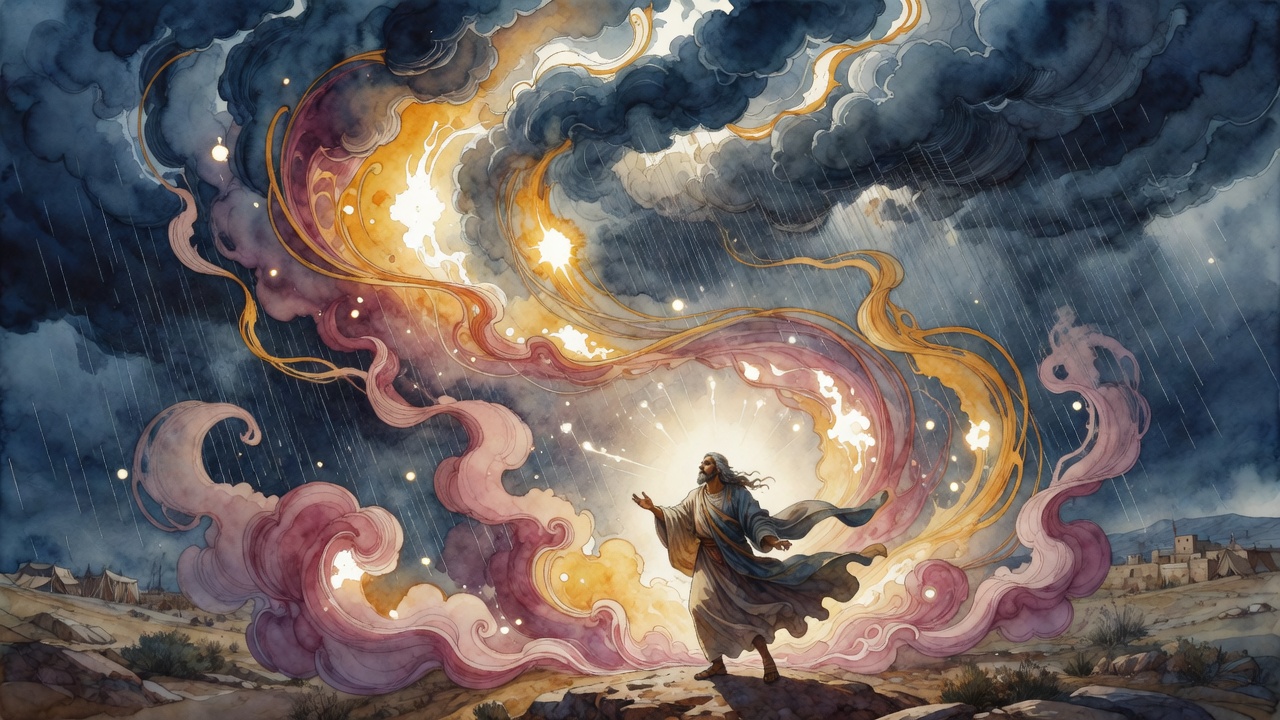
There is a third piece to this teaching, and it sits at the very beginning. Bereshit Rabbah 13:1 says the shrubs waited in the ground and the trees waited in the soil and none of them emerged because rain had not fallen, and rain had not fallen because there was no man to recognize what the world needed. Then Adam was created and prayed, and rain came, and the world opened.
The pattern is the same across all three passages. Something sealed is waiting for the moment when a hand opens or a voice rises. The earth held the vegetation. The grave holds the body. Haran held Jacob. Each one required an act of opening from outside, and each opening followed the same logic as rain: the capacity to receive was already there, dormant, pressed against the inside of the closed thing, and what the opening provided was not new material but the condition under which what was already present could become what it was designed to be.
Jacob crossed the border back into the land. The Torah records that Isaac ran out to meet him. Rain had done what it always does. It had called a dry thing back to growth.
← All myths