Parshat Masei6 min read

Ravens Fed Elijah and on Carmel His Bull Consented to Die

Hunted and starving, Elijah is fed by ravens that rob a wicked king's table, and on Carmel a twin bull speaks and consents to die for the Name.

Curated by Arthur · Told by Maggid ·
Table of Contents
  1. The Brook Where the Prophet Hid
  2. Two Bulls From One Mother
  3. The Beast That Would Not Move
  4. The Oath Sworn Before All the People
Ravens Fed Elijah and on Carmel His Bull Consented to Die Click for full size

The Brook Where the Prophet Hid

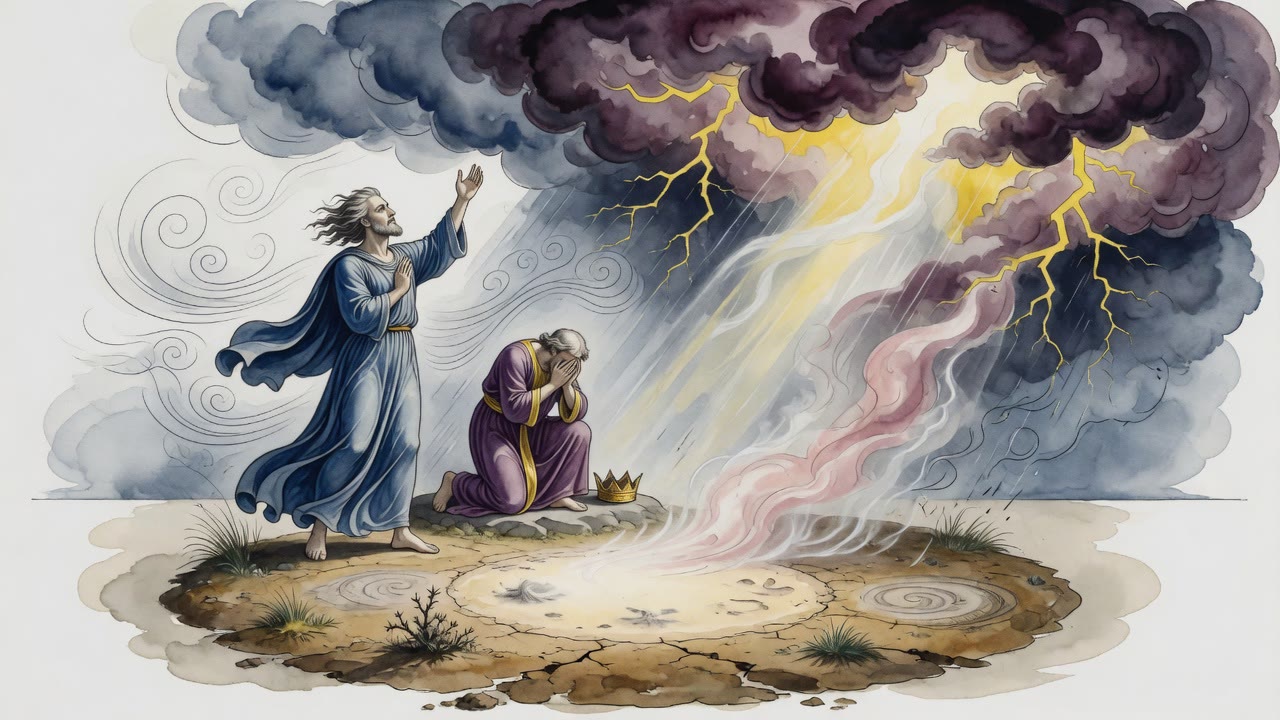
The brook ran thin, and the man crouched beside it had not eaten in a day. Elijah had shut the sky over Israel with a single sentence, no rain and no dew, and now the drought he had called down was hunting him too. Ahab wanted him dead. So the prophet hid in a ravine east of the Jordan and drank from a stream that shrank each morning, and waited to see whether the God who had silenced the heavens would remember the mouth that silenced them.

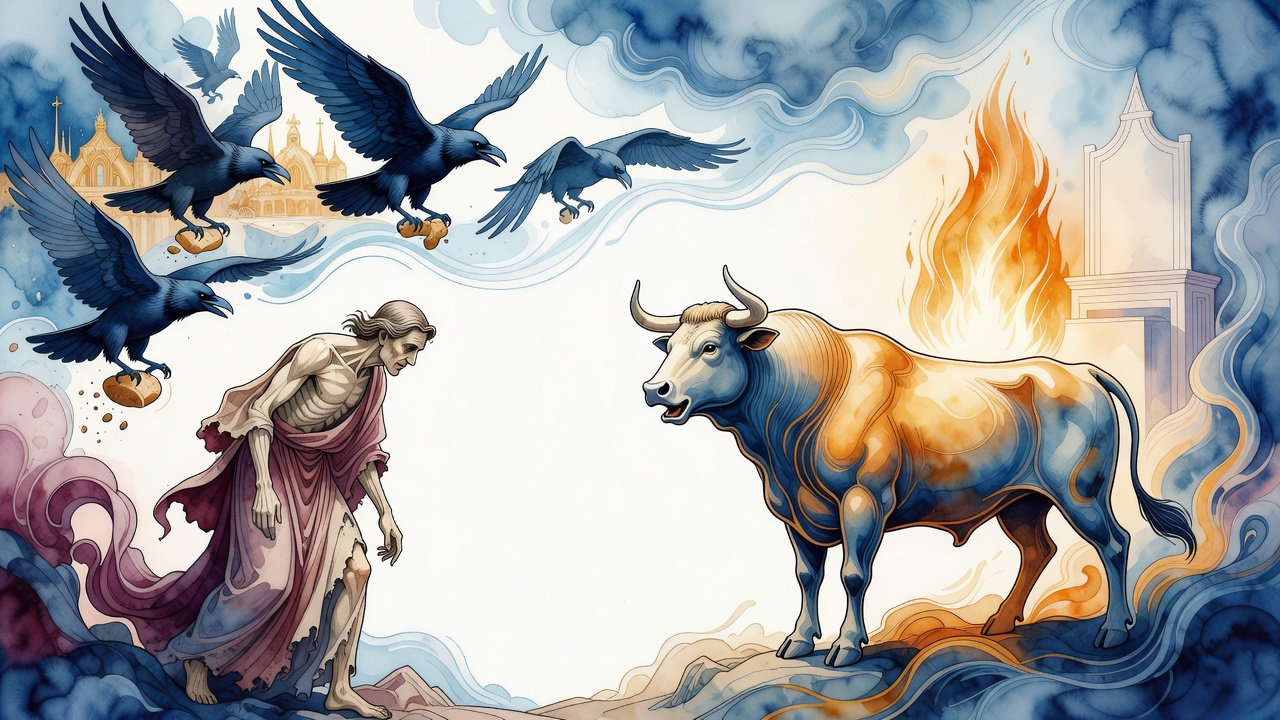
They came at dawn. Black wings, ragged and loud, dropping out of a white sky. Ravens. Birds that leave their own chicks crying in the nest for a stranger to feed, that go first for carrion and an open eye. These carried bread in their beaks, and meat still red at the edge, and laid it on a rock beside the water. At dusk they came again, and again at the next dawn, until the prophet who had been left to starve was eating twice a day from the beaks of the cruelest birds in the world.

The meat came from a king's kitchen. Not from Ahab, whose house stood so thick with idols that the birds would not cross its threshold, but from the table of Jehoshaphat, who still set his bread before the God of his fathers. Every morning the ravens passed the palace of the wicked king and robbed the plate of the righteous one, and carried that supper across the wilderness. Birds that feed no one, not even their own young, kept a prophet alive.

Two Bulls From One Mother

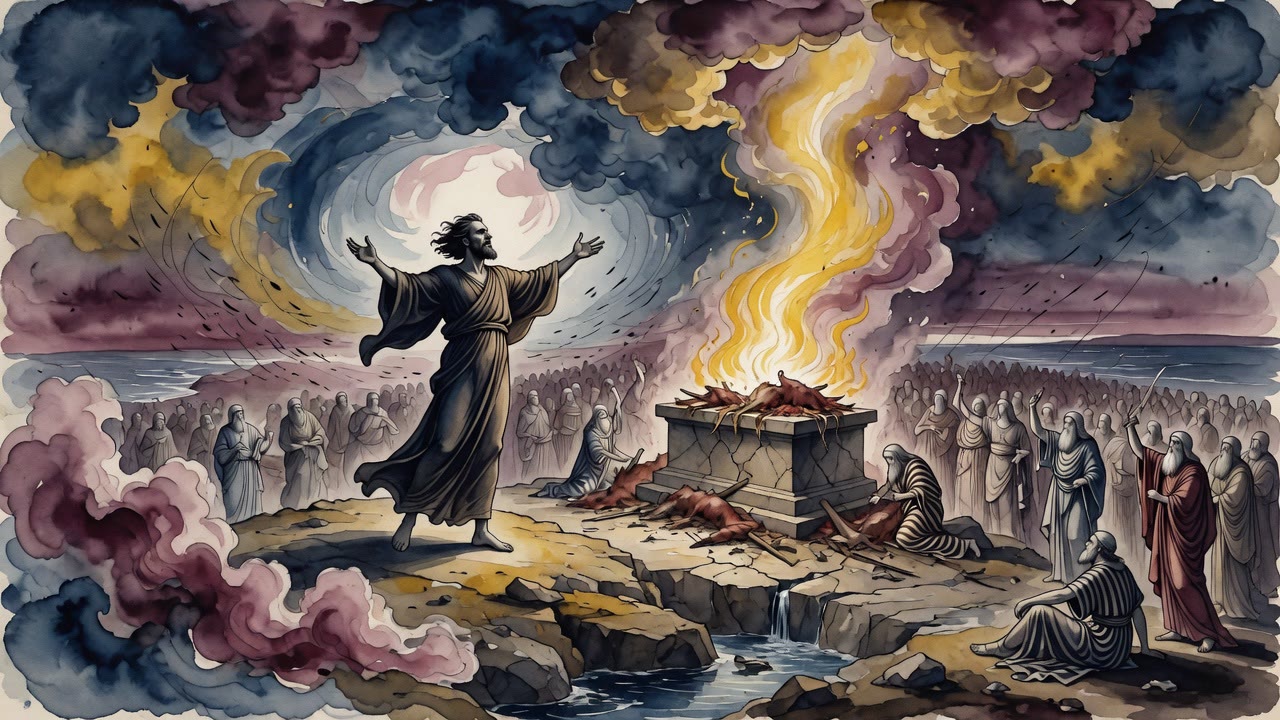
The drought cracked the land for three years. Then Elijah walked out of hiding and straight into the court of the king who wanted him dead, and set a wager. Bring the prophets of Baal, he said, four hundred and fifty of them, and the four hundred prophets of Asherah who ate at Jezebel's table. Gather all Israel to Carmel. Two altars, two bulls, no fire laid by any hand. Whichever god answered with flame was the true one.

He would not even let them choose blind. Bring two bulls, he told them, twins from one mother, raised at one manger, alike down to the whorl of hair on their foreheads. Cast lots over the pair. One bull would go to the Name of the Holy One. The other would go to Baal. Then no man could say the contest had been rigged in the animal, for the beasts were the same beast twice.

The lot fell. Elijah's bull came when he called it, walking behind him across the stone as though it already knew the altar it had been born for. The other bull, the one marked for Baal, planted its feet.

The Beast That Would Not Move

Eight hundred and fifty prophets took hold of it.

They hauled on the rope and shoved at the flanks and beat the ground behind its heels, and the bull stood in the dust of Carmel like something rooted into the mountain. It would not lift a single hoof toward their altar. The whole assembly watched the kingdom's greatest priesthood throw its weight against one animal and lose.

Elijah came and stood at its head and told it, quietly, "Go with them."

The bull turned its heavy skull toward the prophet and spoke, and every man on the mountain heard it. "My brother and I came out of one belly," it said. "We fed at one manger and grew in one pasture. He has fallen to the portion of the Holy One, blessed be He, and the Name of the Holy One is sanctified upon him. I have fallen to the portion of Baal, to be burned in the face of the God who made me, to provoke my own Creator. And you tell me to go?"

The Oath Sworn Before All the People

Elijah answered the animal the way a man answers a frightened friend. "Go with them," he said, "and give them no pretext to call the sign unfair. The Name that is sanctified over the bull beside me is sanctified over you no less. Whichever altar takes your blood, your blood is spilled for the One who made you."

The bull heard him out. Then it made its choice, and its choice was a vow. "Is this your counsel to me?" it said. "Then hear my oath. I will not move from this spot, not one step, until you take me in your own hands and give me over to them. Let it never be said that Baal's prophets dragged me to their god. Let it be said that Elijah handed me over to die for the Name."

So Elijah walked behind the animal, laid his hands on its flanks, and led it himself across the last stretch of stone. He set it before the prophets of Baal with his own hands. They had not chosen it. They had not dragged it. They took the bull that Elijah gave them, exactly as the beast had sworn they would.

The bull went to the altar of its enemies as a gift to its own Creator, and waited there for the knife. Above the mountain the ravens were still crossing the sky with their stolen bread, out toward the dry ravine where they had kept the prophet alive. A beast bred to provoke heaven, and the cruelest birds in the world, and in that dry season both served the God of Israel better than the eight hundred and fifty men straining in the dust.


← All myths
From the tradition

Sources

2 sources

The texts behind this telling. Some cards carry a translation of the source; others are our own retelling of it, and each card says which. Every card links out to the original.

Midrash Tanchuma Buber, Masei 6:1Midrash Tanchuma Buber, Masei

Translation of the source text.Midrash Tanchuma (Buber), Public Domain, on Sefaria · CC-BY-SA

(Numbers 34:2:) "WHEN YOU COME INTO THE LAND." [What is written above on this matter? "And you shall dispossess all the inhabitants of the land from before you" (Numbers 33:52).] This is what Scripture says (Job 35:11): "Who teaches us from the beasts of the earth." He said to Israel: Learn from the bull of Elijah; for at the hour that Elijah said to the prophets of Baal, "Choose for yourselves the one bull and prepare it first" (1 Kings 18:25), at that hour the four hundred and fifty prophets of Baal and the four hundred prophets of Asherah gathered together, and they could not budge its foot from the ground. See what is written there: "And let them give us two bulls" etc. (1 Kings 18:23). Elijah said to them: Choose for yourselves two bulls, twins from one mother, raised at one manger, and cast lots over them, one for the Name and one for Baal. They chose for themselves the one bull, and Elijah's bull was being drawn along and following after him; but that bull which fell to the name of Baal, all those prophets of Baal and prophets of Asherah gathered to move its foot from the ground, and they could not, until Elijah opened and said to it: Go with them. The bull answered and said to Elijah, before the eyes of all the people, and said to him: I and my fellow came out from one belly, and we were raised in one pasture, at one manger; he came up in the portion of the Holy One, blessed be He, and the name of the Holy One, blessed be He, is sanctified over him, while I came up in the portion of Baal, to provoke my Creator. Elijah said to him: Go with them, and let them not find a pretext; just as the name of the Holy One, blessed be He, is sanctified over this one that is with me, so it is sanctified over you. It said to him: And is this how you advise me? An oath that I will not move from here until you hand me over into their hand, as it is said: "And they took the bull which he gave to them and they prepared it" (1 Kings 18:26). And who gave it to them? Elijah. And you learn that Elijah said to them, "Choose for yourselves the one bull" (1 Kings 18:25), and at the end it is written, "And they took the bull which he gave to them" (1 Kings 18:26). Therefore it is said: "Who teaches us from the beasts of the earth." "And from the birds of the heavens He makes us wise" (Job 35:11). The Holy One, blessed be He, said: Learn from the ravens, who sustained Elijah, as it is said: "And I have commanded the ravens to sustain you there [and the ravens brought him bread and meat]" etc. (1 Kings 17:4, 6). From where did they bring him bread and meat in the morning, and bread and meat in the evening? From the table of Jehoshaphat, because those ravens did not want to enter into the house of Ahab, to bring out from the table of that wicked man anything for that righteous man, because his house was full of idolatry. Thus, "From the birds of the heavens He makes us wise." The Holy One, blessed be He, said to Israel: Learn from the bull and from the ravens, and do not turn unto the idols to gaze at them. [From where is this shown? From what they read on the matter:] "And you shall dispossess all the inhabitants of the land" (Numbers 33:52).

Full source
Ben Sira 48:9Ben Sira

Retold in our words. Read the original at the link below.The Wisdom of Ben Sira, Cambridge University Press (1899) · CC-BY

Or Eliyahu, as he's known in Hebrew.

He wasn't exactly known for his gentle touch. Ben Sira, in chapter 48, paints a picture of a man of intense zeal. “And he shattered their staff of bread, and in his zealousness reduced them greatly.” He didn't just show up; he shook things to their core.

What exactly did that mean, “shattered their staff of bread?" Well, it's believed to refer to the famine that struck Israel during Elijah's time, a direct consequence of the people's straying from God's path and worshipping idols. Elijah, a fiery messenger, brought not comfort but a harsh lesson.

The hits kept coming. "With a word of God, the heavens stopped; and rained three fires.” Can you imagine? Elijah, empowered by the divine, held back the rain. Drought and famine became his weapons against those who had abandoned their faith. Three fires.. maybe drought, famine and societal chaos?

"How awesome are you, Eliyahu, and who is like you in wonder?" Ben Sira practically shouts his admiration. And it’s easy to see why. We’re talking about someone who seems to operate outside the bounds of the natural world.

"Who raised a corpse from death, and from Sheol, as ADONAI willed." Sheol, the Jewish concept of the underworld, the place of the dead. Elijah, through the power of God, defied even death itself. This miraculous act demonstrates the extent of his divine connection and the power vested in him. It's a theme we see echoed throughout Jewish tradition – the power of faith to overcome even the most insurmountable obstacles.

Then there's the line, “Who brought kings down to the pit, and nobles up from their sickbeds.” It's a striking image of Elijah's power to upturn the established order. He humbled the mighty and elevated the afflicted. It's not just about miracles; it's about justice, about righting wrongs.

"Who anointed the one who fulfilled retribution, and the prophet who replaced you." This alludes to Elisha, Elijah's successor, who continued his mission. It speaks to the passing of the prophetic torch, the continuation of the divine message through different messengers.

“Who heard reproofs at Sinai, and at Ḥorev judgements of vengeance.” It’s a powerful connection to the very foundation of Jewish law and tradition. Sinai, where the Torah was given. Ḥorev, another name for Sinai. Elijah, in his own way, embodies the spirit of those divine pronouncements, the call to justice and righteousness.

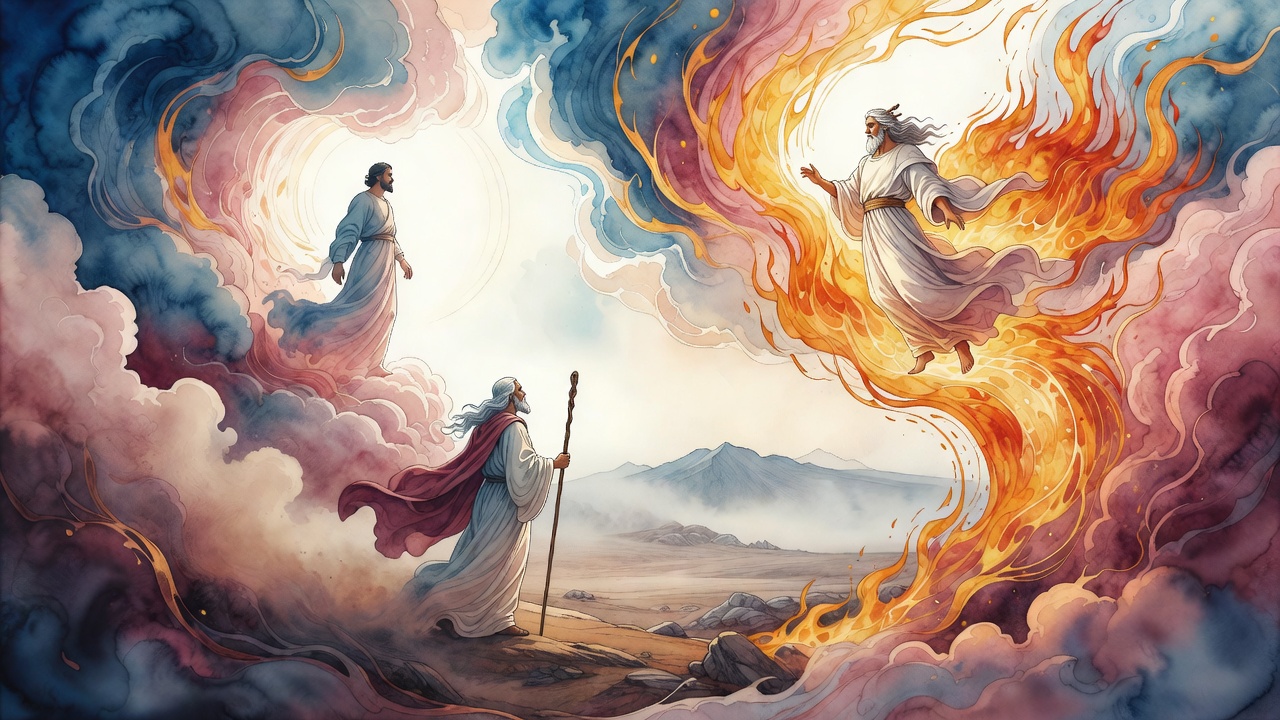
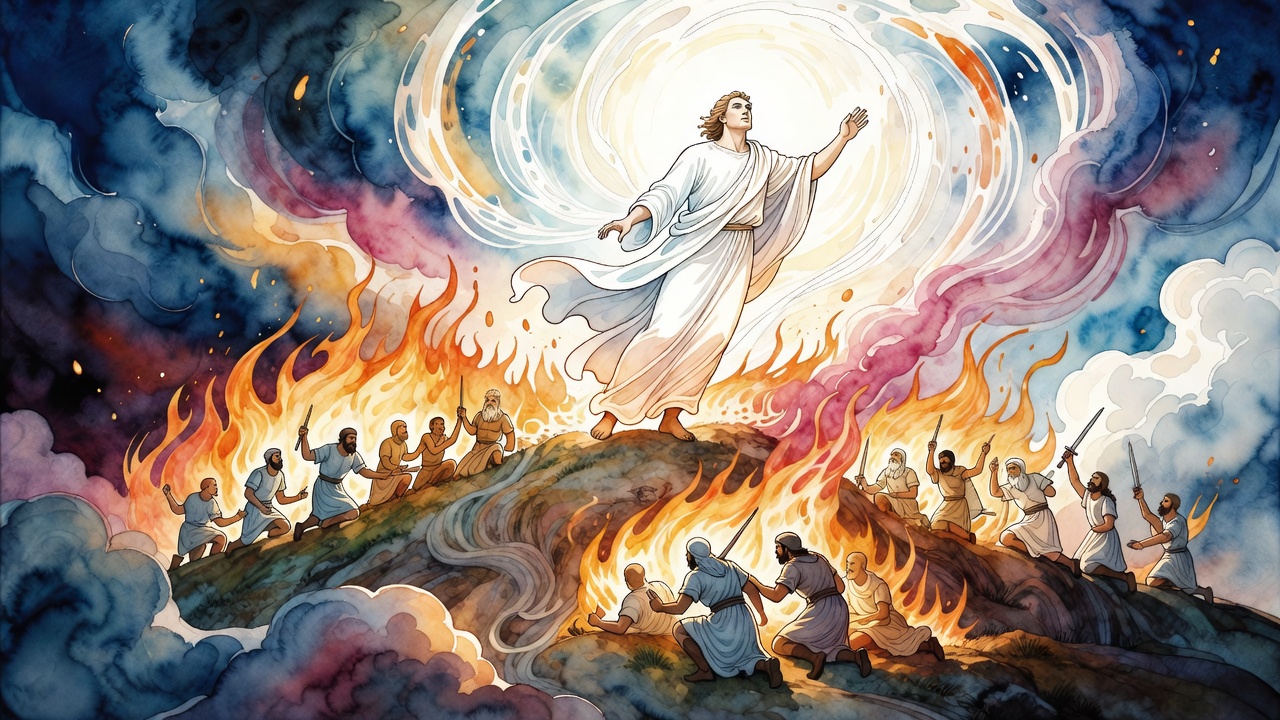
And finally, the most iconic image of all: “Who was taken up in a whirlwind, in a regiment of heaven's fire.” Elijah didn't die a normal death. He ascended to heaven in a chariot of fire. It's a dramatic, unforgettable image that solidifies his status as a figure of immense power and mystery.

So, what does it all mean? Why does Elijah resonate so strongly, even today? Perhaps it's because he represents a fierce commitment to truth and justice. He's a reminder that even in the darkest of times, one person, empowered by faith, can make a world of difference. He stands as a symbol of hope, a promise that even when things seem hopeless, redemption is possible. And maybe, just maybe, that's a message we all need to hear from time to time.

Full source