Samuel Wrapped Himself in the People's Sin
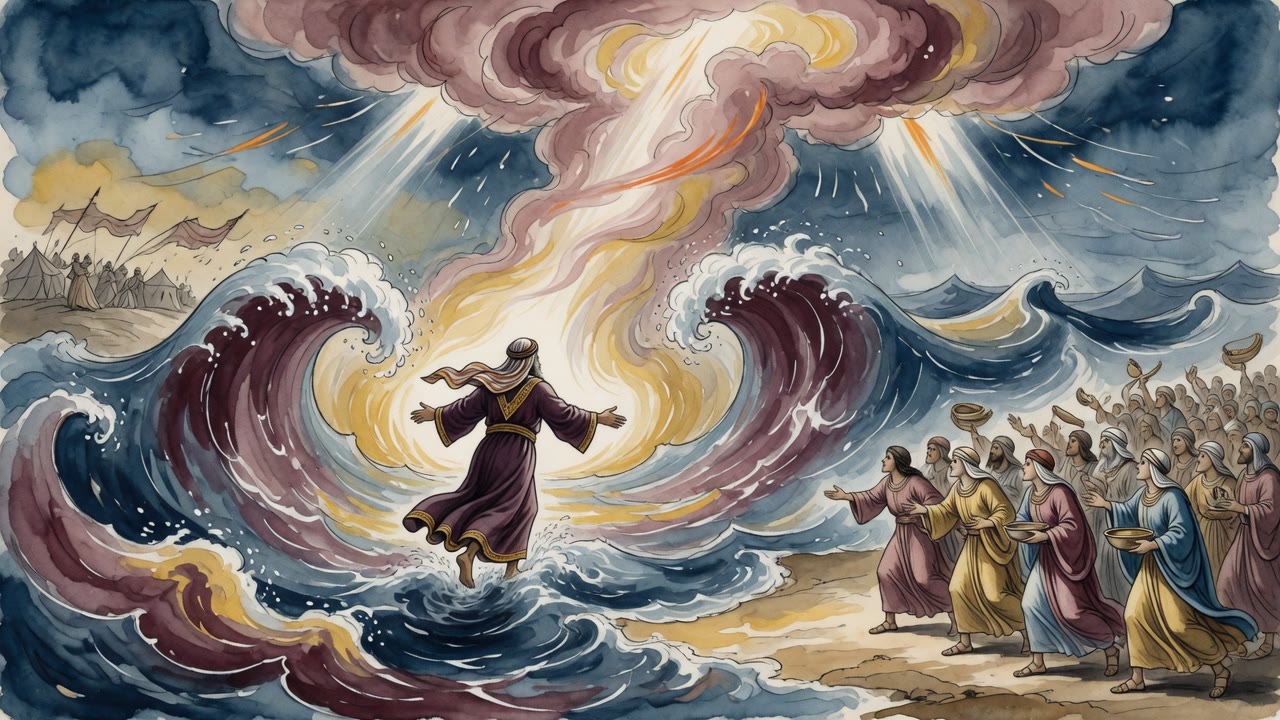
At Mizpah Israel pours out more than water. Samuel wraps himself in the people's garment and demands that heaven answer a plain admission of guilt.
Table of Contents
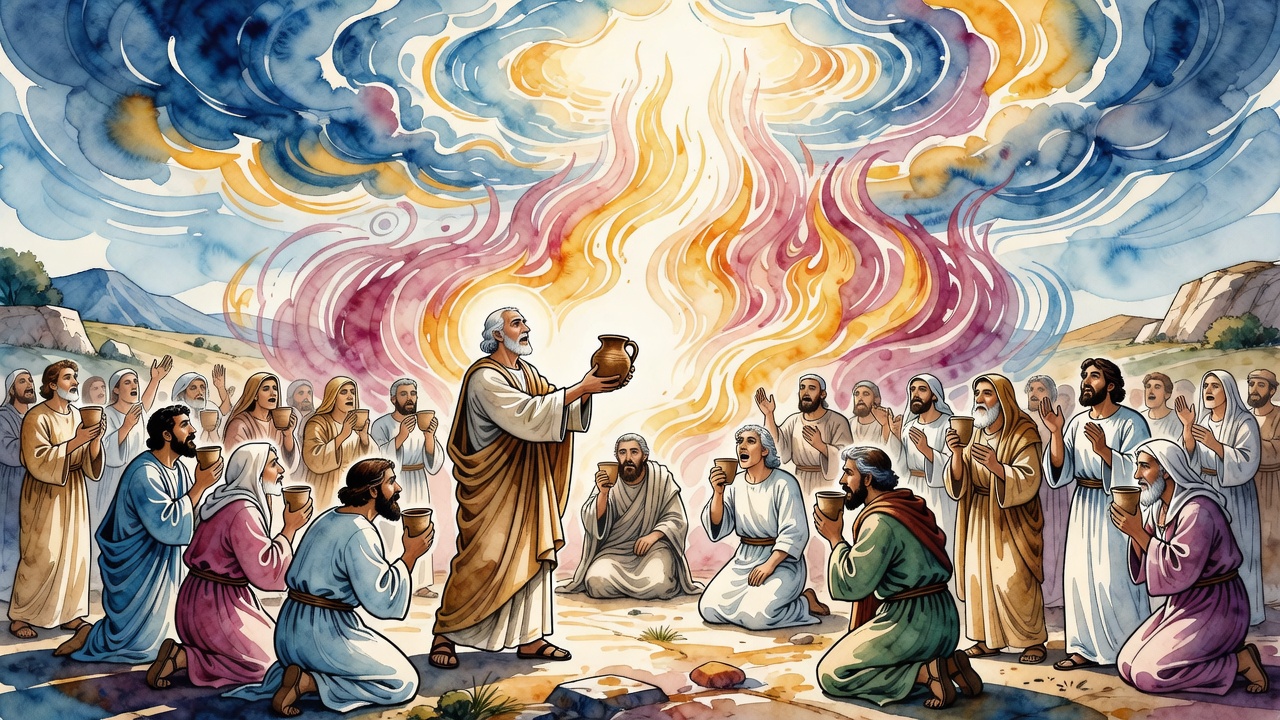
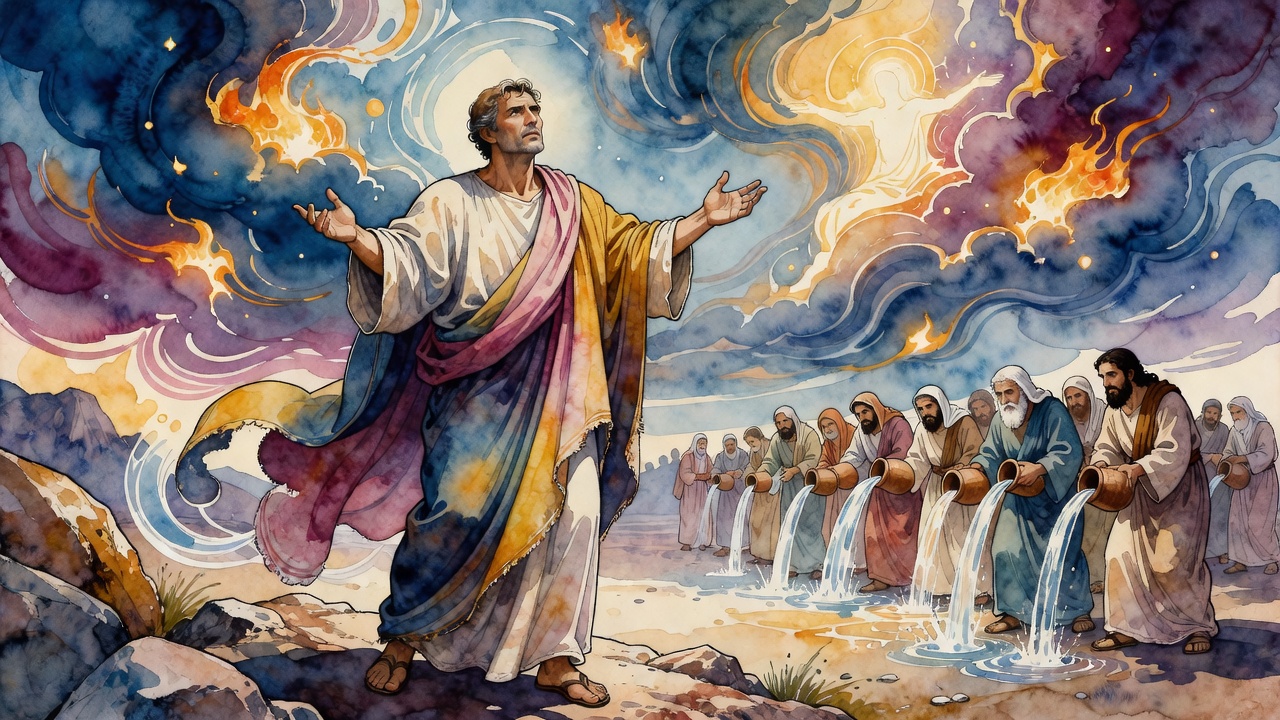
The assembly at Mizpah did not look like victory. Faces were wet. Hands empty. Philistine pressure still sat on the horizon like weather that would not break. Scripture says they drew water and poured it out before the Lord (1 Samuel 7:6). Rabbi Simon refused to leave the scene as mere geography and plumbing.
 Click for full size
Is Mizpah not Shiloh, and Shiloh not Mizpah? One threshold, he taught, a stone sill between Judah and Benjamin, the very place where the Temple's claim on the land would one day stand. And the water? No well needed. They drew up words of Torah like water. They poured out their hearts until nothing was held back. Then the cry came clean. "We have sinned against the Lord."
One Body Under One Cloth
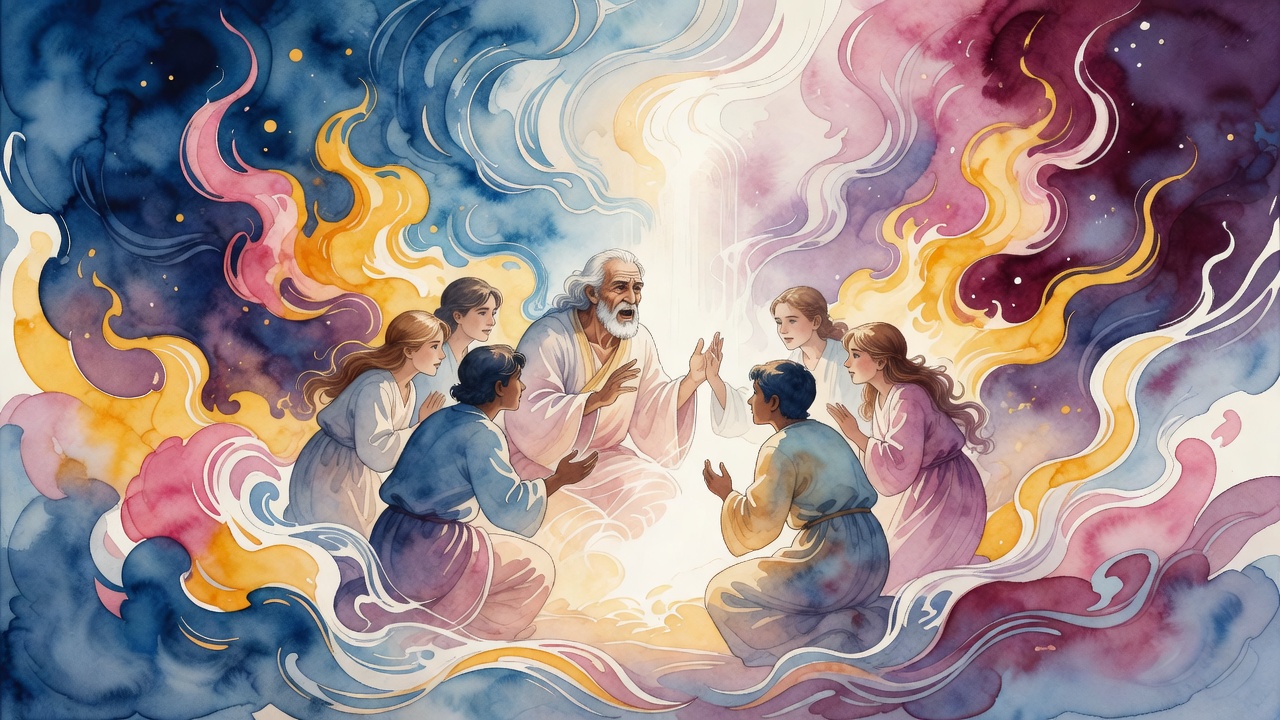
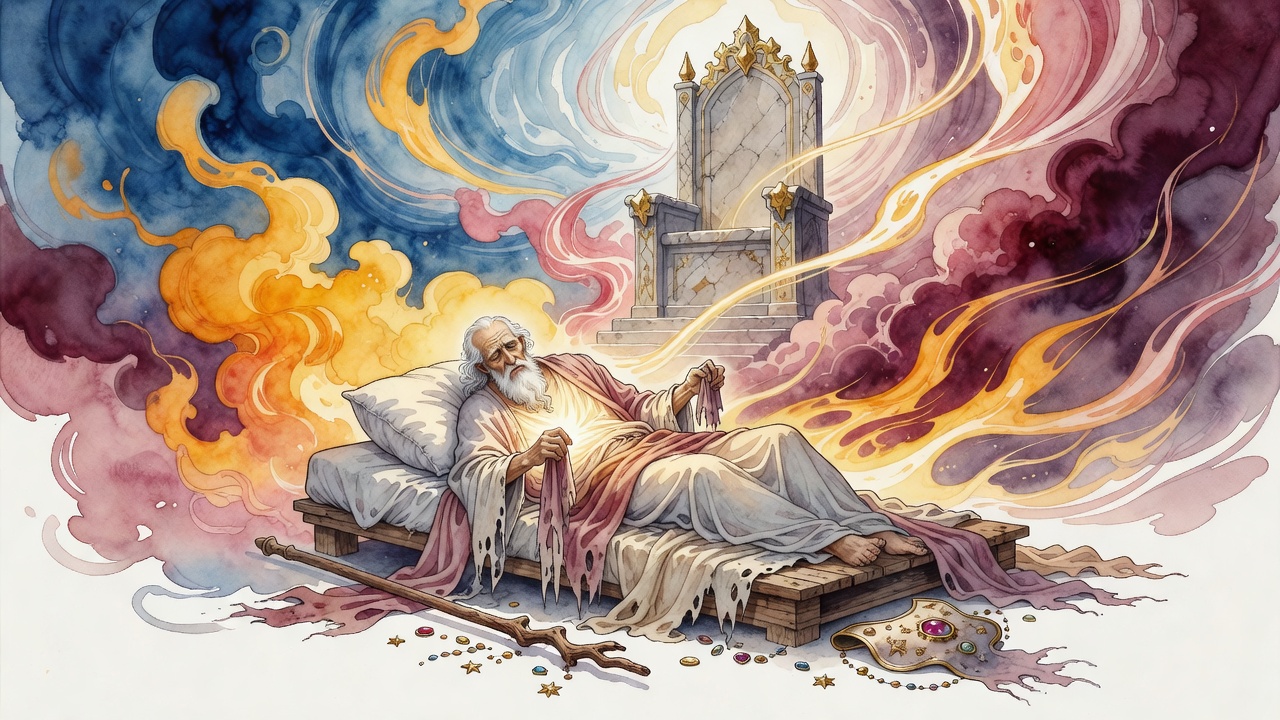
Rabbi Shmuel bar Rav Yitzchak gave the boldest image. The prophet Samuel wrapped himself in the garment of Israel. He did not stand above them in linen purity while they groveled in dust. He became one body with the people and pleaded, Master of the worlds, what do You ask of any person except that he confess, "I have sinned"? Israel stands before You and says it plainly. How can You withhold pardon?
The garment is not costume. It is solidarity. A leader who will not wear the people's shame cannot offer the people's prayer. Samuel's body becomes the nation's skin for a moment, and heaven is forced to deal with a single creature made of many mouths.
When a Lament Is Still a Song
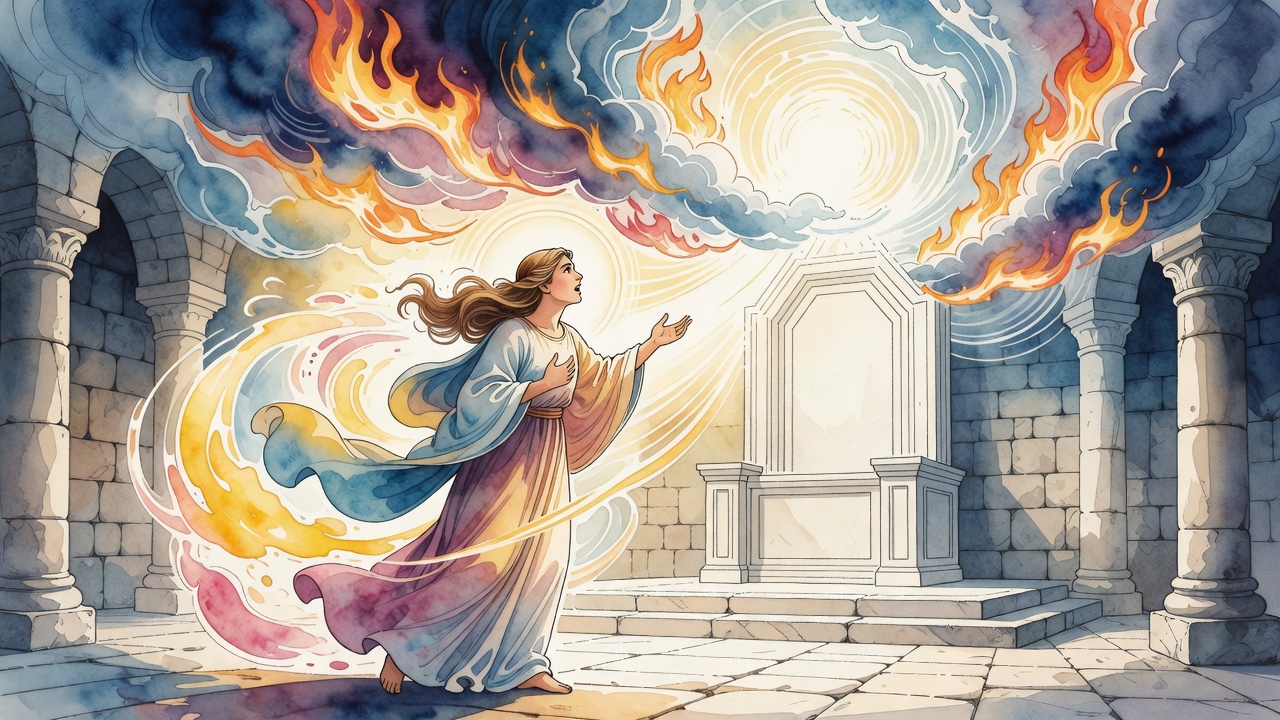
Elsewhere a singer named Asaph faces ruined courts and bodies given to birds. Why call that anguish a psalm, a song? Should it not be only a wail? Midrash Tehillim answers with a hard joy. "It is joy for the righteous to do justice" (Proverbs 21:15). Even sorrow can sing if it still names God's hand.
A parable sits under the psalm. A king storms his son's chamber, tears it apart, and throws the boy out, yet does not kill him, because he prefers his own son to inherit rather than a nephew. So God spent wrath on trees and stones, on Zion's fire, rather than erase the children entirely. Asaph still argues. You let invaders enter, though outsiders who approached the sanctuary were to die. You struck those who came without permission. What of the corpses of Your servants left for beasts?
Once judgment passed on them, the midrash answers, they were called pious. After the blow, the wicked son of Deuteronomy is called "your brother." Suffering does not invent innocence, but the tradition refuses to leave the dead outside the family name.
Levi's Fear at the Water
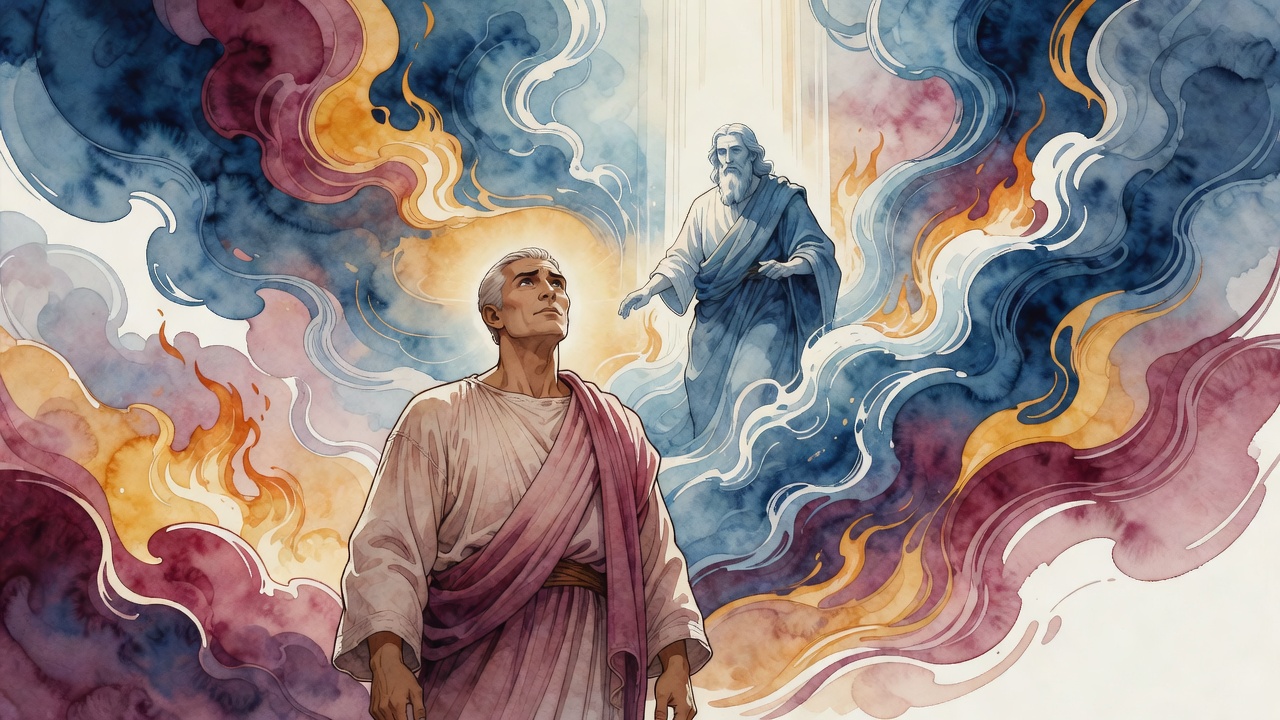
Another man stands in the older songs. About Levi Moses says the Thummim and Urim belong to the man of God's kindness, tested at Massah and Meribah (Deuteronomy 33:8). Malachi remembers a covenant of life and peace with the one who feared the Name (Malachi 2:5). Levi's soul leaned toward awe when others leaned toward complaint.
Fear here is not panic. It is the refusal to treat holy things as common when water is scarce and tempers rise. The same awe that holds a priest steady holds a prophet willing to wrap himself in national guilt. Without it, confession is theater. With it, confession can move decree.
Pardon That Answers a Sentence
At Mizpah the sentence was short. We have sinned. Samuel did not decorate it with legal footnotes. He put his body into their cloth and pushed the words upward. The Philistines would still come. Thunder would still answer. But the first battle was already fought in the poured-out heart.
Asaph teaches that a song can live inside a ruin. Levi teaches that fear can be a gift of peace. Samuel teaches that leadership means wearing the people's worst day without stepping aside to keep your own name clean. Together they make a single motion. Admit. Stand close. Sing even while the stones still smoke.
When the Philistines drew near after the confession, Samuel did not discard the garment of solidarity to become a pure technician of war. He kept offering while thunder rolled. The people who had poured out their hearts now stood in a different posture, not as a throng hiding idols under their cloaks, but as a nation that had said the true sentence out loud.
Asaph's challenge about corpses and birds still hangs over every later disaster. Are the dead called pious only after judgment, or were they always more than their failures? The midrash's answer is deliberate and strange. Judgment can rename. The whipped son becomes brother. The ruined generation can be gathered under the word "servants" and "pious ones" once the decree has fallen. This is not cheap grace. It is refusal to let empire's body-count write the only epitaph.
Levi's awe at Meribah and Massah is the same muscle Samuel uses at Mizpah. Fear that keeps holy things holy when the camp is thirsty. Fear that keeps a prophet from standing dry and separate while the people drown in guilt. Life and peace were given to Levi, Malachi says, because fear and zeal met in one person. Samuel's wrapped body is zeal for mercy rather than zeal for the sword, yet it comes from the same refusal to treat God's Name as a decoration.
← All myths