Nabal Died After Ten Days Without Repenting
Heaven held Nabal through the Days of Awe after he insulted David. The gate stayed open ten days. He never walked through it.
Table of Contents
 Click for full size
The Insult Still Warm
Nabal of Carmel had answered David's young men with contempt, and the insult still hung in the air when the verse marked time. "And it came to pass about ten days later, that the LORD smote Nabal, and he died." Why ten? The sages taught that the timing of a death tells its nature. To die after one day is a death of wrath; after two, of terror; after three, of plague. Rabbi Halafta ben Shaul added that four days brings death by excision, five a death of being thrust away, six the ordinary death, seven a death of affection, and beyond that, death by long suffering.
But Nabal died after about ten days. The number was not random. It was a window left open on purpose.
Seven for Samuel, Three for Awe
Halfoy, great-grandson of Rabbi Abbahu, said he had heard the elders expound it. The Holy One held back seven days, the days of mourning for Samuel, so that the mourning for a wicked man would not be mingled with the mourning for the righteous. Then He added three days more, and Nabal died by excision.
Rabbi Haggai, in the name of Rabbi Shmuel bar Nachman, read the verse closely. It does not say "ten days," but "about ten days," for the Holy One suspended exactly those ten days that run from Rosh Hashanah to Yom Kippur. He gave Nabal the Days of Awe, supposing the man would repent. Nabal did not repent, and so he died.
While the Decree Is Open
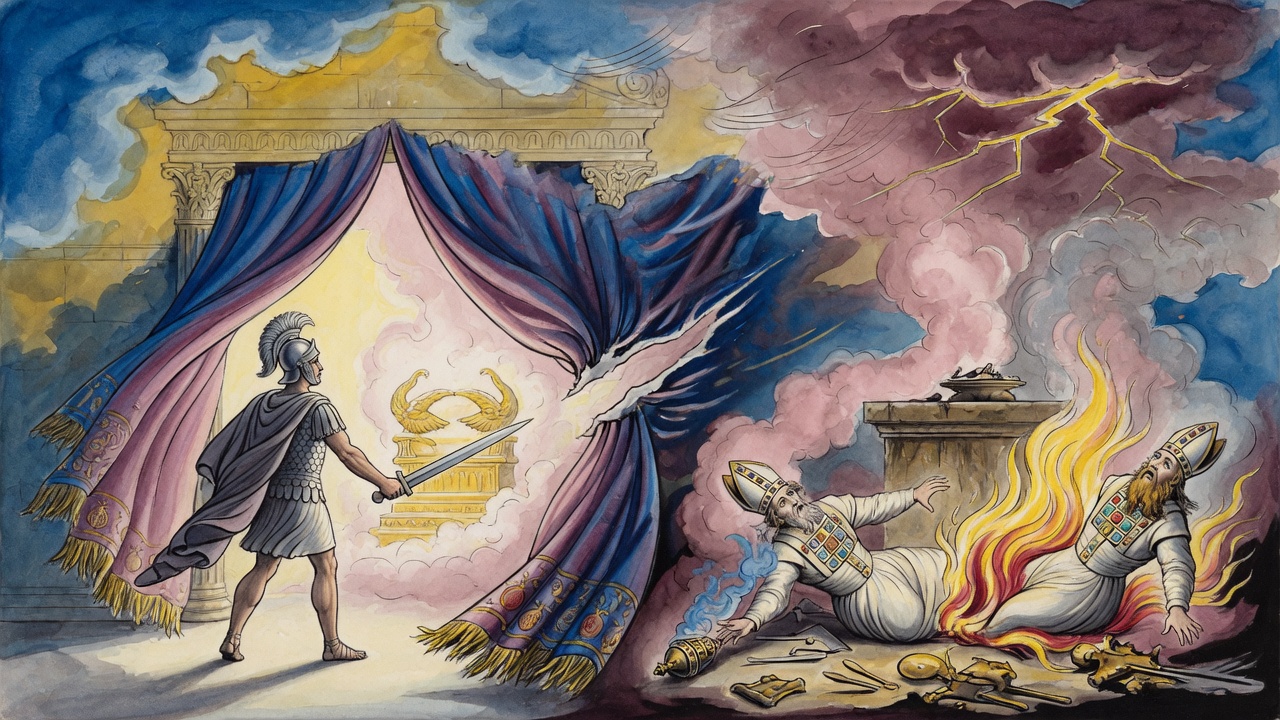
Elsewhere the sages fretted over another hard verse. Of Eli's sons it is written that they would not heed their father "because the Lord desired to put them to death." But Ezekiel swore in the Lord's name, "I do not desire the death of the dead." Which is it? Does Heaven crave a sinner's ruin, or grieve over it?
The answer hangs on a single hinge: the sealed decree. Before the verdict of judgment is sealed, the Lord does not desire any death. After it is sealed, the door has closed. While the decree is still open, "You who hear prayer, to You shall all flesh come." Once it is sealed, "You have covered Yourself with a cloud, so that no prayer can pass through." Open: "The Lord is near to all who call upon Him." Sealed: "Why, O Lord, do You stand far off?" Open: "Seek the Lord while He may be found." Sealed: "As I live, I will not be sought by you."
The Gate That Passes
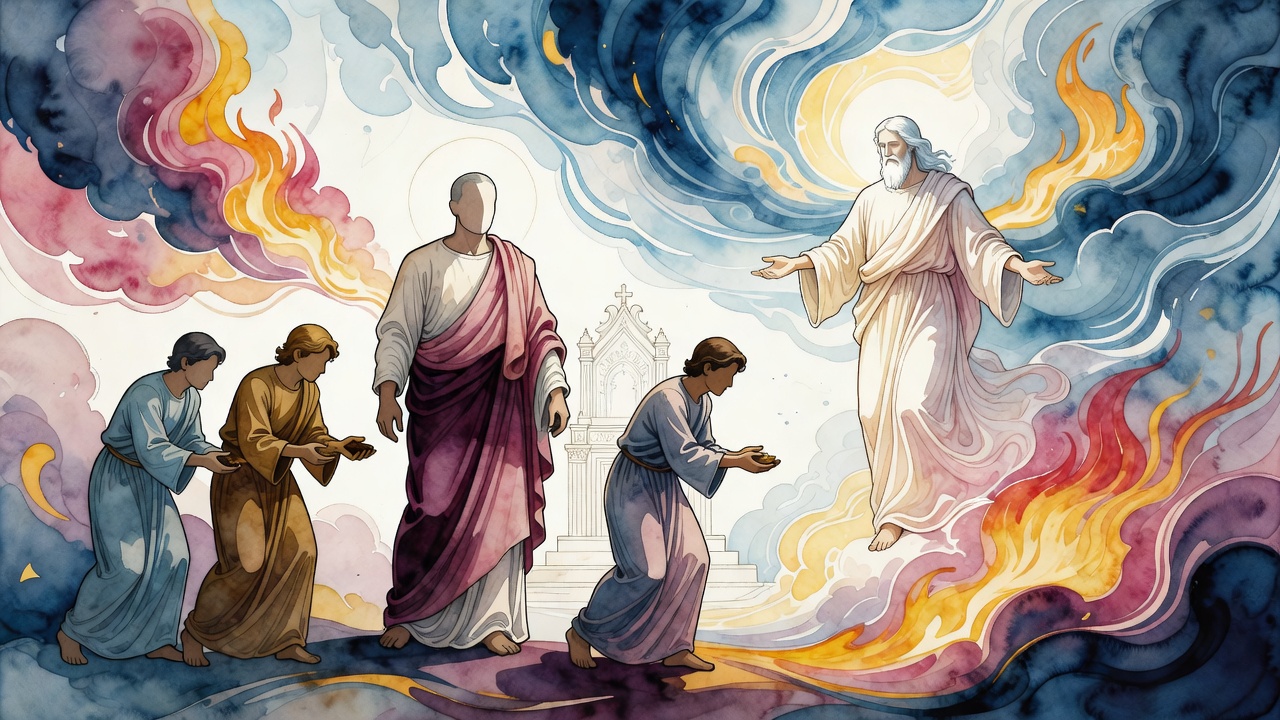
Every contradiction dissolves into one teaching. There is a season when the gate stands wide and the cloud is thin, when washing the heart still avails. But the gate does not stay open forever. The sons of Eli learned, too late, that mercy has an hour, and that the hour can pass.
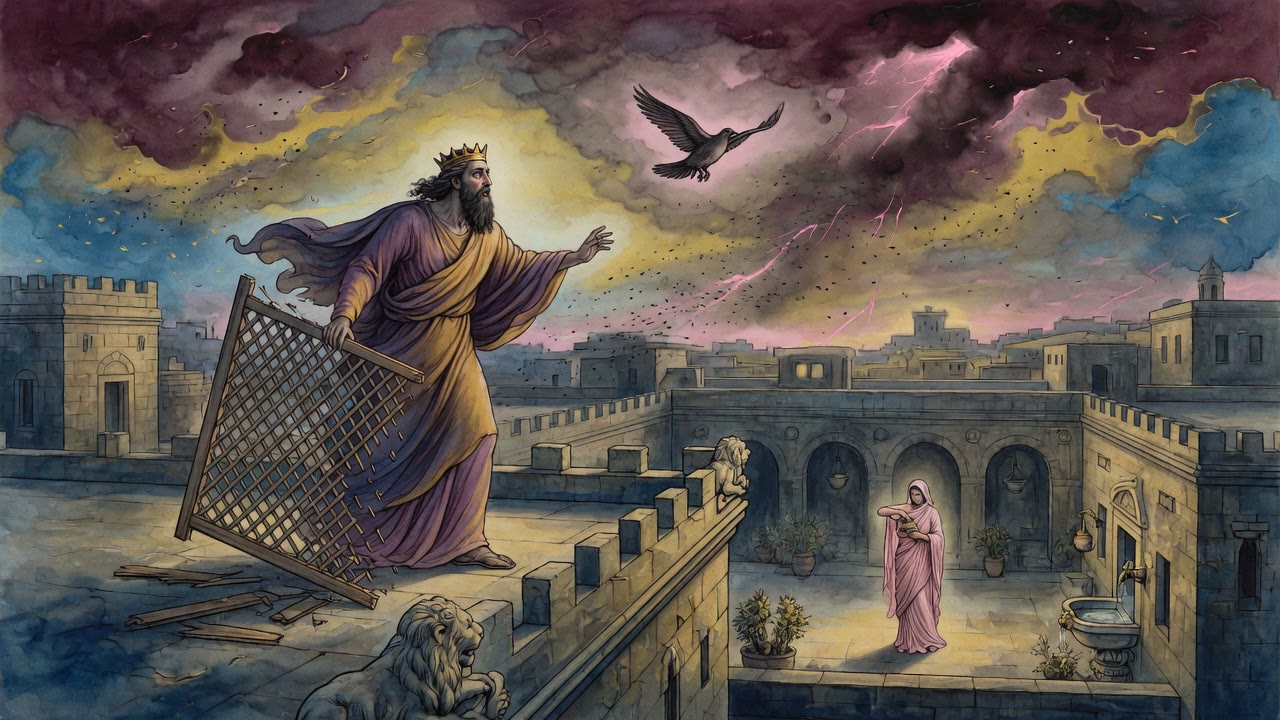
Nabal lived inside that hour for ten full days. The insult to David had already been spoken. Abigail had already ridden out with bread and wine. The sword of David's anger had already been turned aside. What remained was Nabal himself, a man given the Days of Awe as a private courtroom, and a man who spent them unchanged.
How a Heart Stays Shut
He did not climb a ridge to pray. He did not send word after the young men he had scorned. He did not open his house to the man he had called a runaway servant. The calendar of mercy moved around him the way wind moves around a sealed jar. On the tenth day the jar was broken from outside.
David had already received Abigail's wisdom and held his hand from blood. Heaven had already waited through Samuel's mourning so two funerals would not tangle. The last three days were pure invitation. Nabal answered with silence. The verse that says "about ten days" is the sound of that silence ending.
The sheep master who called a future king a runaway servant went on eating and drinking as if words cost nothing. His shepherds knew better. They had lived under David's protection in the wild and under Nabal's tongue at home. Israel was already grieving a prophet. Heaven would not layer a scoundrel's funeral onto that week like cheap cloth on silk.
Abigail had already ridden out with bread and wine and wise speech. His house still held feast leftovers. His mouth still held the shape of scorn. His heart died within him, Scripture says, and he became as stone, and then the LORD struck him (1 Samuel 25:37-38). The calendar of mercy moved around a sealed heart until the last grain of the season ran out.
← All myths