Starving Seleucid Siege Officers Made Peace and Restored the Laws
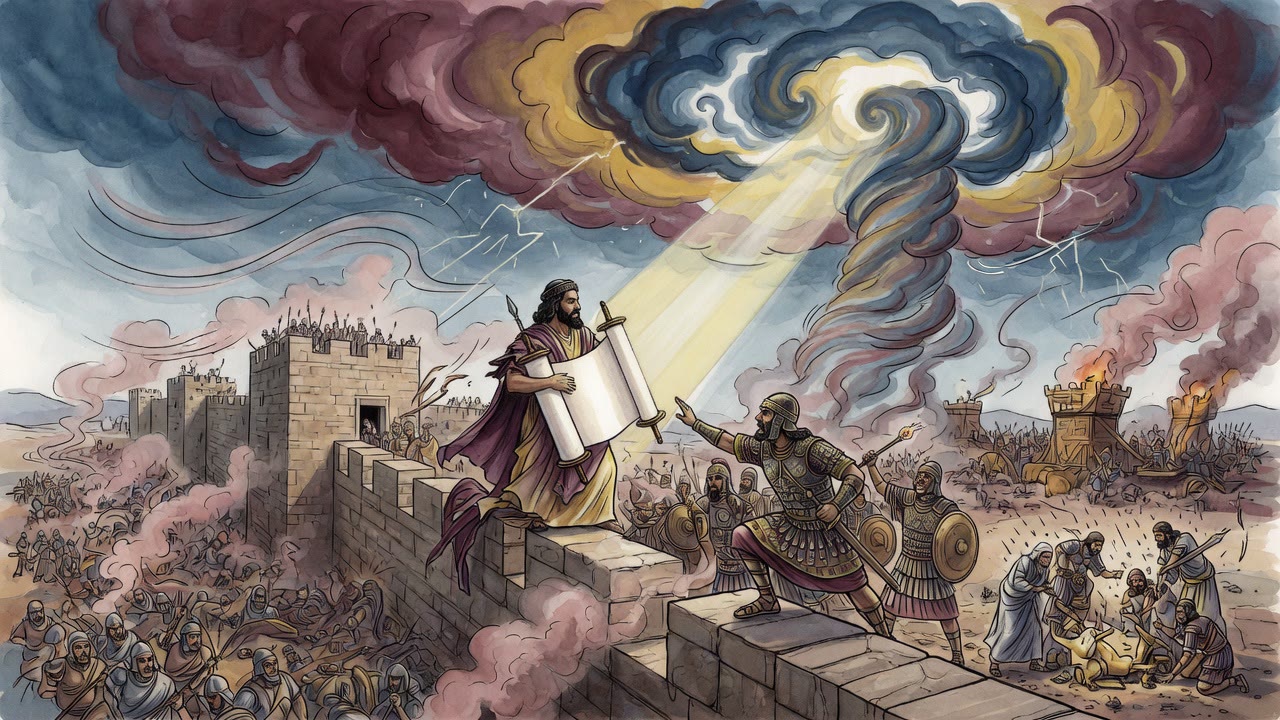
The siege starved the camp. The stronghold would not fall. An officer chose peace: let them live after their own laws.
Table of Contents
 Click for full size
The Sacks Ran Out
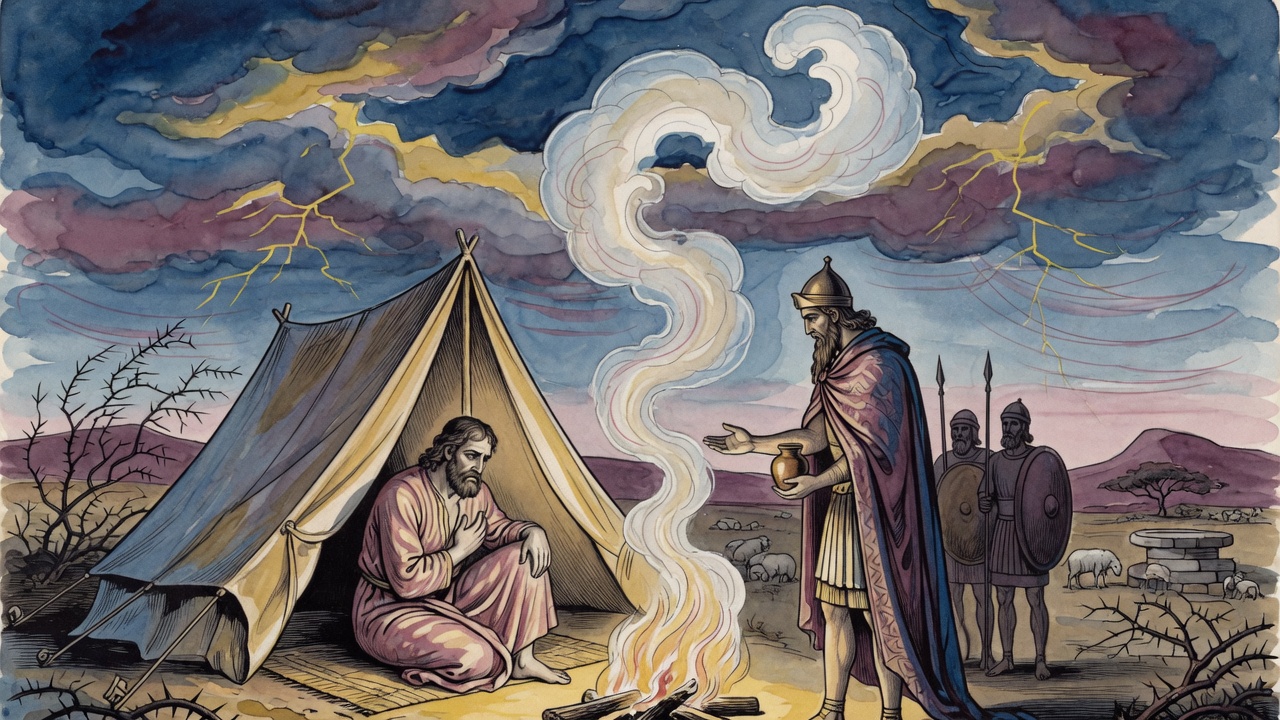
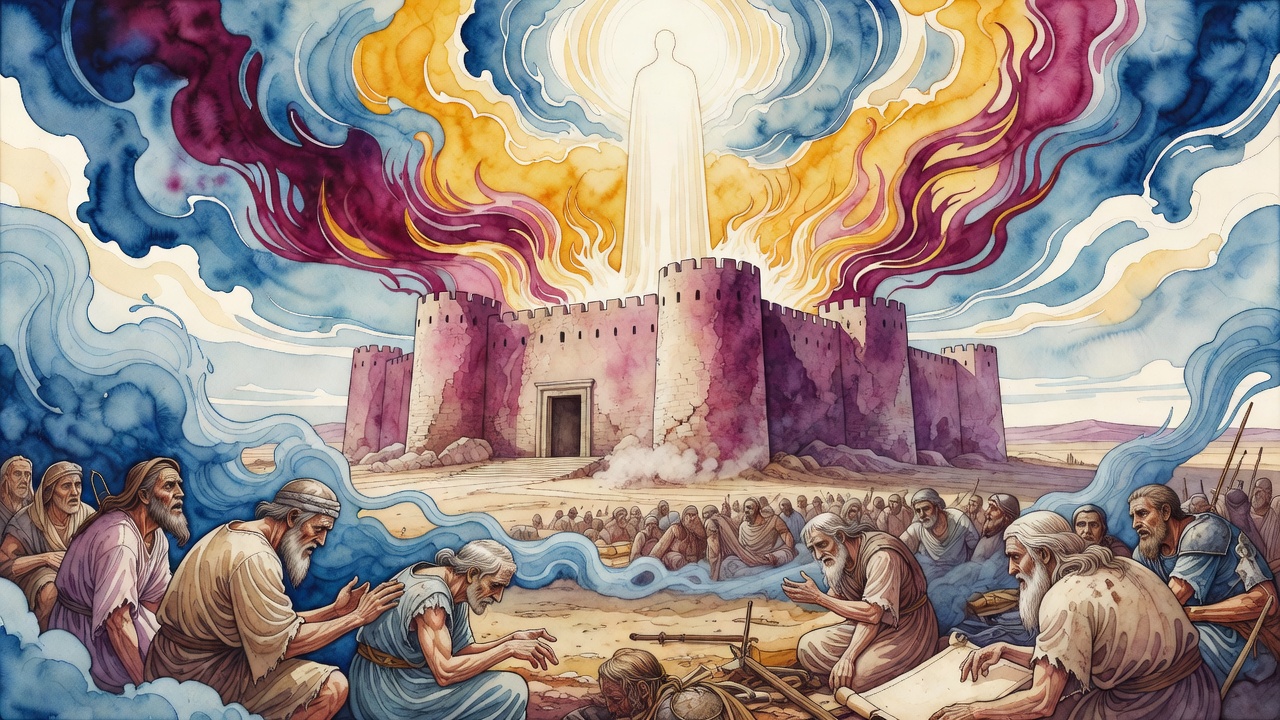
The Seleucid officers counted sacks and found the numbers against them. "We decay daily," one said. "Our food is small. The place we lay siege to is strong. The affairs of the kingdom lie upon us."
Pride had brought them to the walls. Empty bellies suggested another policy. A mule died in its traces and no one had strength to drag it far. Flies found the carcass before men found a plan. Inside the stronghold, Judeans held their laws the way a drowning man holds a rope. The wall did not move.
Because We Abolished Their Laws
Outside, the officers named the cause without flattery. "They are displeased, and have done all these things, because we abolished their laws."
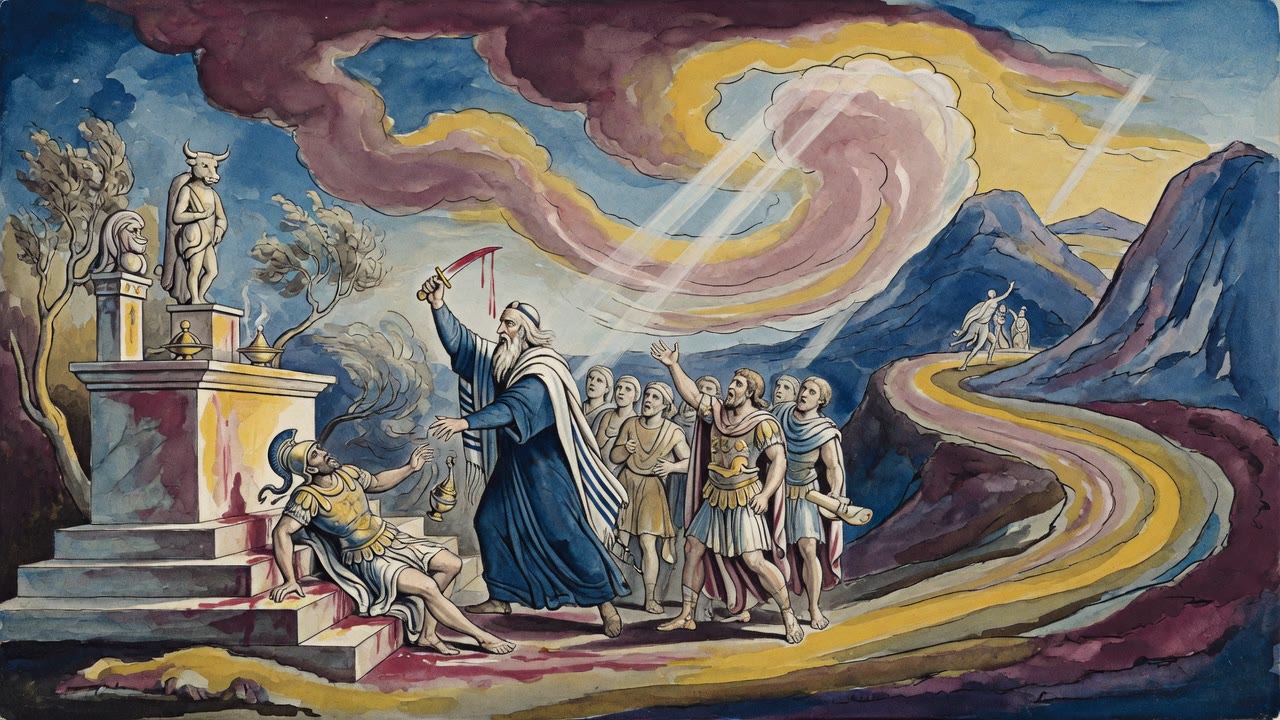
They remembered the months of that abolition. Scrolls of the law ripped and burned in the streets. Anyone found with a book of the covenant put to death. Incense forced at the doors of houses. On the twenty-fifth of the month, sacrifice on an idol altar set upon the altar of God. Abolish the laws, and the nation becomes a fortress no army can swallow.
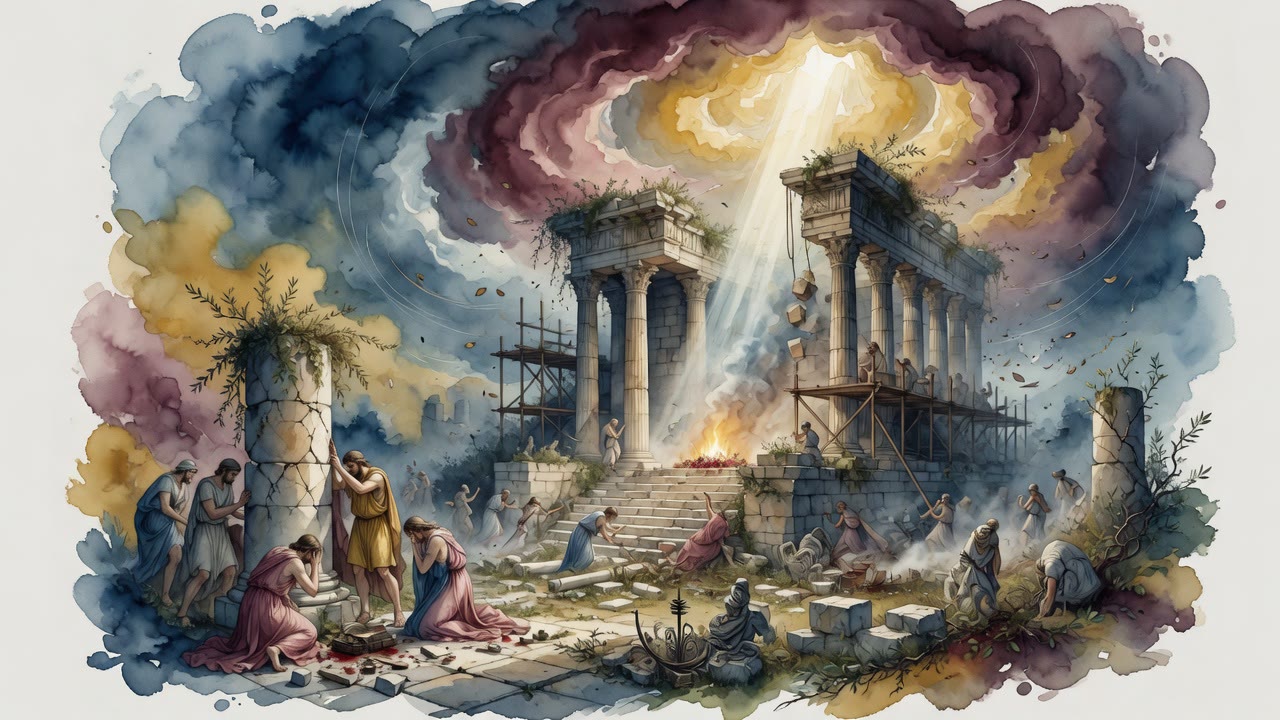
The men inside the wall remembered more than the streets. After the first victories, Judas had taken the host up to Mount Zion to cleanse the sanctuary. They found it desolate. The altar profaned. The gates burned. Shrubs growing in the courts as in a forest, or on a mountain nobody tended. The priests' chambers pulled down. They tore their clothes. They put ashes on their heads. They fell on their faces and blew the trumpets and cried toward heaven. That ruin was why the stronghold would not open.
Live After Their Laws
"Now therefore let us be friends with these men, and make peace with them, and with all their nation. Covenant that they shall live after their laws, as they did before." The king and the princes were content. Messengers went. The offer was accepted. Steel rested because bread had failed first.
In the stronghold, a mother who had measured water by the cup allowed herself a longer drink. A fighter cleaned a blade and did not sheathe it too quickly. Children ran a short race in the yard and fell laughing, shocked to hear their own noise.
The laws returned to public daylight. Not because the siege camp had loved them. Because the siege camp had failed to starve them out.
The King Broke the Oath
Another season, another king, the same long quarrel. Men left a stronghold under sworn promise. The king entered Mount Zion, saw its strength, and broke the oath he had made. He commanded the wall round about pulled down. Then he fled in haste to Antioch, where Philip held the city, and took it by force in a different war of his own.
He looked at Zion and saw a fort. The hungry officers had given the laws back. This king took the stones. Dust from the torn wall blew into kitchens and seasoned bread with memory.
In the hundred and fifty-first year, Demetrius son of Seleucus left Rome with a few men, took a coastal city, and reigned there. Crowns moved. Judea's laws stayed the stake that would not stay quiet.
After the Messengers Left
When the first camp broke, dust rose in two directions. Foreign columns toward other crises of the kingdom. Judean scouts toward fields that needed hands more than spears for a season. The stronghold's gates opened wider. Someone sang under his breath and stopped, superstitious of joy.
Night after the truce smelled of cooking fires instead of siege pitch. A child slept without counting the hours to the next assault. On Mount Zion, in another year, stones would remember a broken oath. Between those memories, the hungry officers' confession still hung in the tents. "We abolished their laws. Therefore they fought. Therefore we must let them live as before."
The confession is not love. It is enough to open a gate and plant again.
← All myths