Seth Stood Where Abel's Blood Had Cried Out
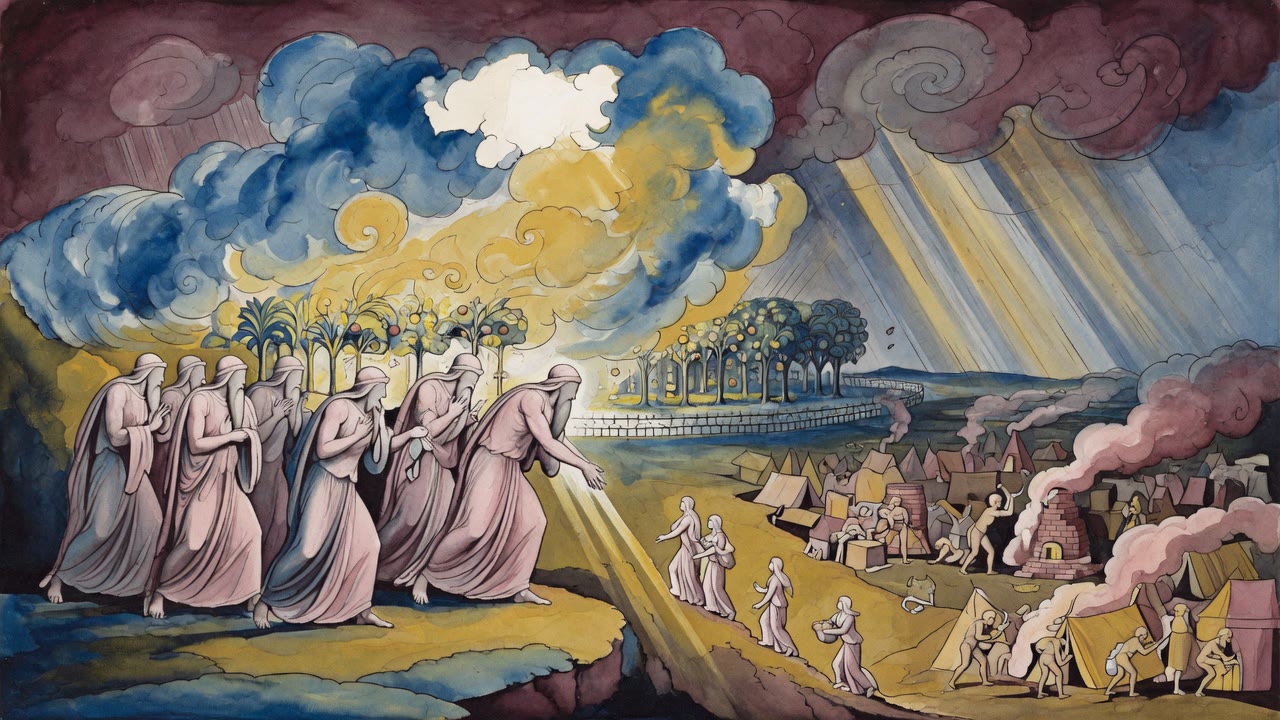
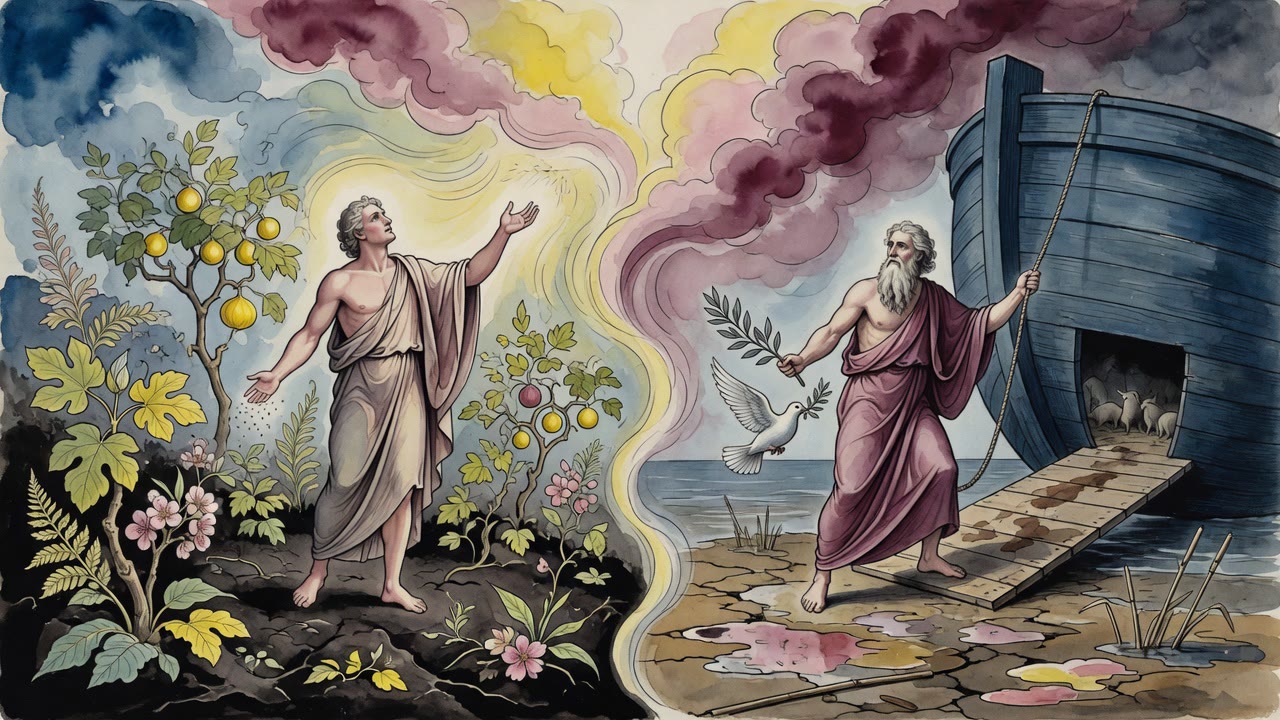
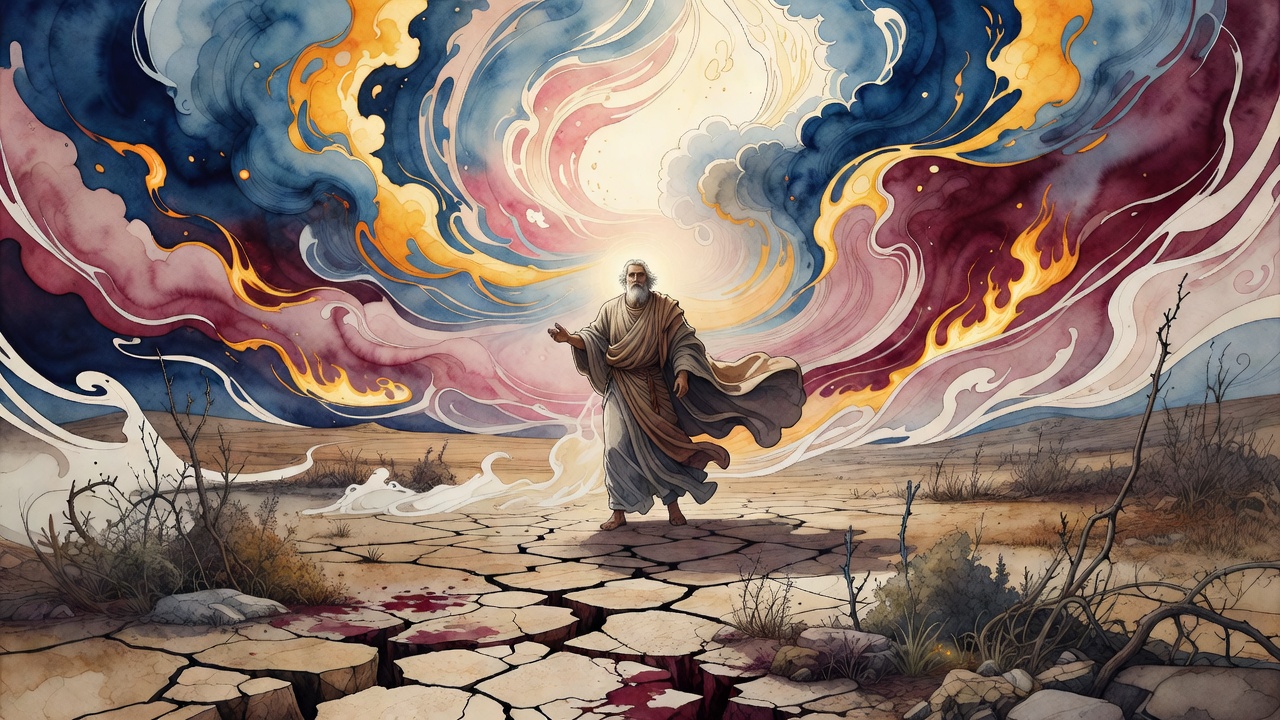
Eve's knees were in the dirt when the new boy came. The field still held Abel's cry. Cain walked the far furrow with the mark on him.
Table of Contents
Eve's knees were in the dirt when the new boy came. The same field. The same ground that had drunk a brother's blood and still held the shape of a cry. Cain walked the far furrow with the mark on him. Abel was under it.
 Click for full size
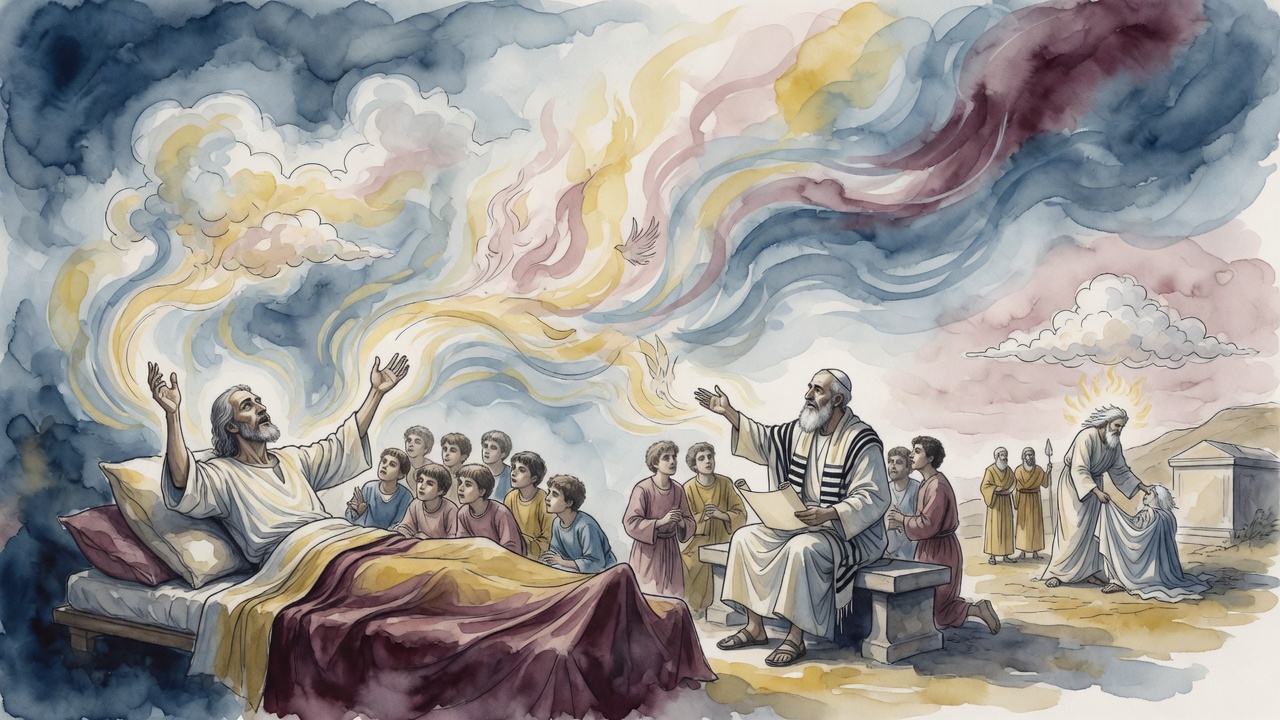
Eve closed her arms around a living weight and would not look at the place where the other son had gone down.
The Field Still Held the Cry
Abel's blood had spoken from the ground after the blow. God had heard it. The earth that opened for him was not innocent. It had taken a gift of breath under a brother's hand and kept the sound.
The house of the first humans knew how quickly a gift can end. Meals sat quieter. Names sat wrong in the mouth. Eve's hands remembered a head they could not hold anymore. The field kept offering its furrows as if work could cover what work had not prevented.
Then this boy breathed. He kicked. He rooted at her chest. The field did not get to be the last word that day.
Adam Named Another Seed
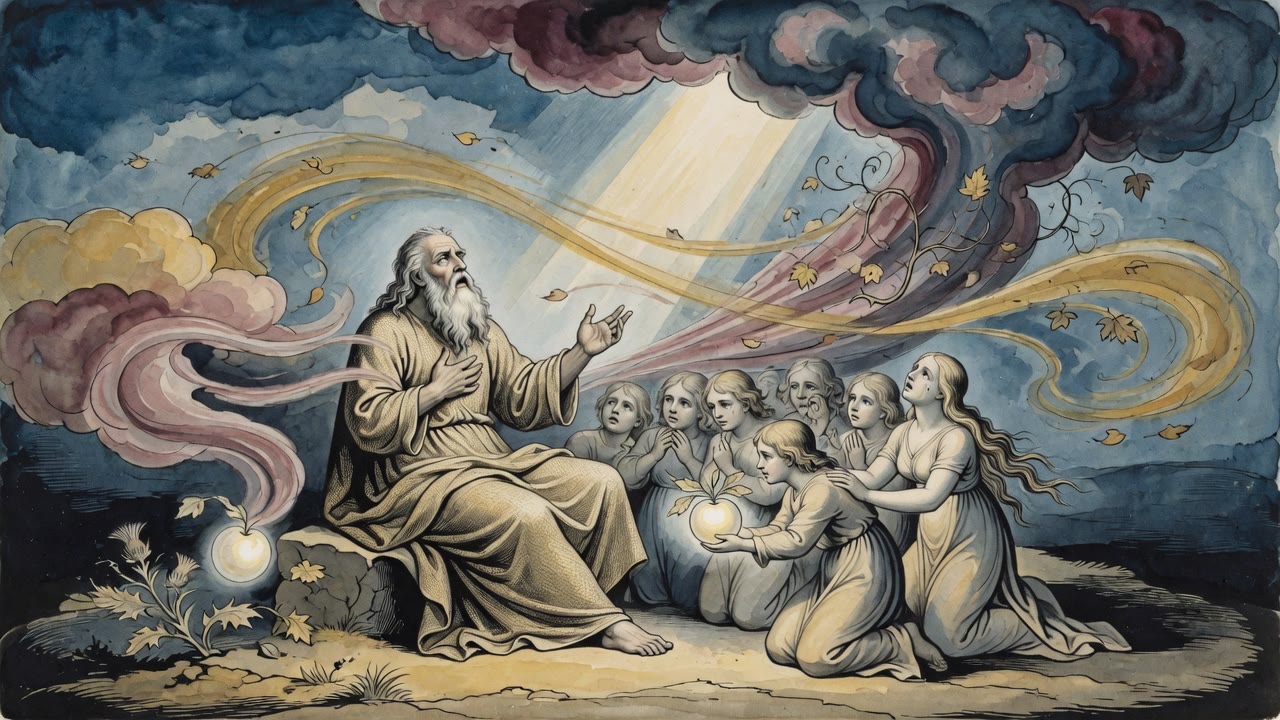
Adam looked at the child and said what the loss had taught him to say. Another seed instead of Abel. He did not say spare. He did not say copy. He named a planting where a grave had been.
They called him Seth.
Abel had been a life aimed upward. His offering rose. His body could not stay. What was too fine for the world's teeth had been cut down, and the cut had not been clean. Seth was growth from below. He learned the ground. He stayed long enough to take water and make a trunk.
Years stacked. Seth married. He begot. Children of that line learned trades and prayers the murdered uncle never saw. Cain's mark still warned on the roads. In the house a living boy learned to walk the same dirt without being asked to wear a dead brother's name.
The Voice That Would Not Stay Buried
The brothers had already been split. Abel was made worthy of a kind of staying that does not use flesh. He became a voice that could still speak before God. Cain was given over to rot in the world he had chosen with a stone.
Seth's name carried water. A plant that is watered grows. A soul that is watered bears fruit. God plants what is good and alive. He is not the planter of the blow in the field. The good goes in living. The rest is not His crop.
Eve watched Seth walk the same furrows and did not call him Abel. The dead brother's voice had its work above. This son's work was to remain, to increase, to keep the human story from ending in one killing between brothers.
He grew. He begot Enosh. The line thickened around a gap and kept walking.
These Are the Offspring
Much later the world filled again with the kind of harm that had begun between two brothers in a field. Violence became ordinary. Noah stood in that age with a house still willing to be named.
"These are the offspring of Noah" (Genesis 6:9). Two small words cut. These, not those. Whatever stood before was put on the far side of the phrase. The generation of the flood fell away from the count. Noah and those in his boat became a fresh start drawn with a blade of language.
The verse said his name twice. Noah, Noah. A man righteous from beginning to end, worth the echo. Abel had died without children in the tale. Seth's begetting had led here, to a door of gopher wood and a remnant God was willing to say out loud.
Second beginnings nested inside each other. Murder, then a son. Corruption, then a named family. Each time Heaven drew a line and kept a seed.
Noah Shut the Door
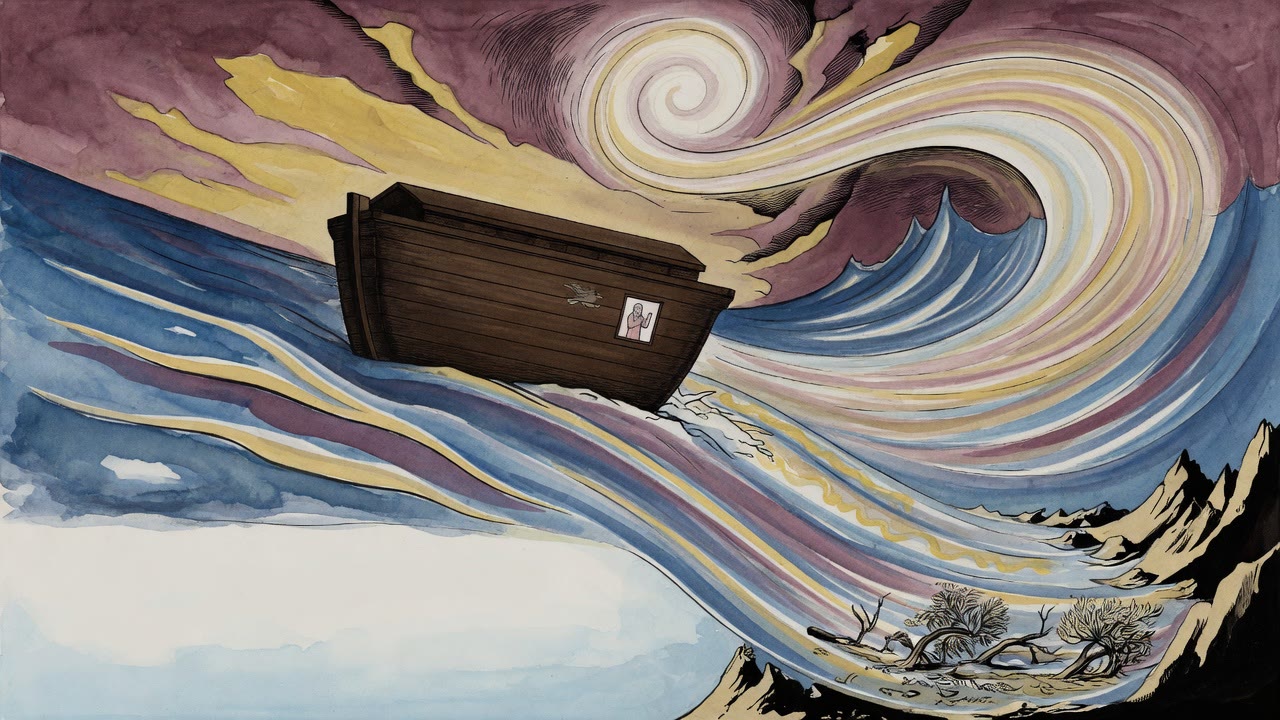
Noah smeared pitch. He stocked the pairs and the sevens. He could not know Eve's arms in the field, but the math was the same. When one life is taken, another is given. When a world is condemned, a remnant is called these.
The boy who had stood where a murdered brother lay stood at the root of the man who would close a door against water. Abel remained the cry from the ground. Seth remained the answer that walked, married, and kept a line. Genealogy is a bridge over a grave. The flood was the water that tested whether the bridge would hold.
God marked a murderer and opened a womb. God opened the windows of heaven and shut a door on wood until the water tired. Seth's quiet years were the long wait. Noah's rain was the test. Between them ran one family's refusal to end in the dirt where a brother had killed a brother.
Say Seth's name slowly enough and Abel is still under it. Say Noah's doubled name and the line that would not die is still walking out of that field.
← All myths