Seventy-Two Rooms, Then Antiochus in the Temple
Ptolemy locked seventy-two elders in separate rooms and found one matching Torah. Later Antiochus filled Jerusalem with blood and banned Sabbath and scroll.
Table of Contents
Ptolemy of Egypt laughed when his officers brought him nine hundred fifty books. Find fifty more, he said, and make it a thousand. Aristios and Andrios had a better answer than another cart of Median and Persian scrolls. They told him about a library worth more than volume count: the Torah of the Jews, laws of unmatched wisdom. The book collector's laugh changed shape. He wanted that book in Greek.
 Click for full size
Gold Ink on the Road to Egypt
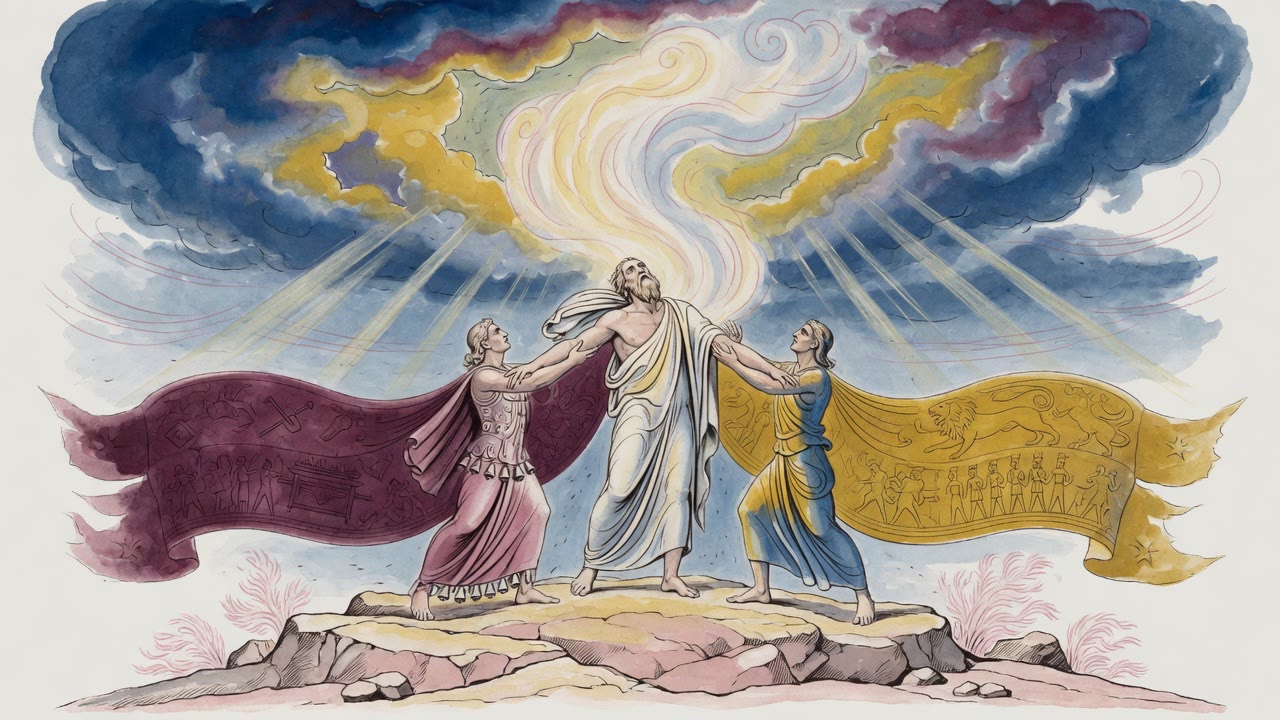
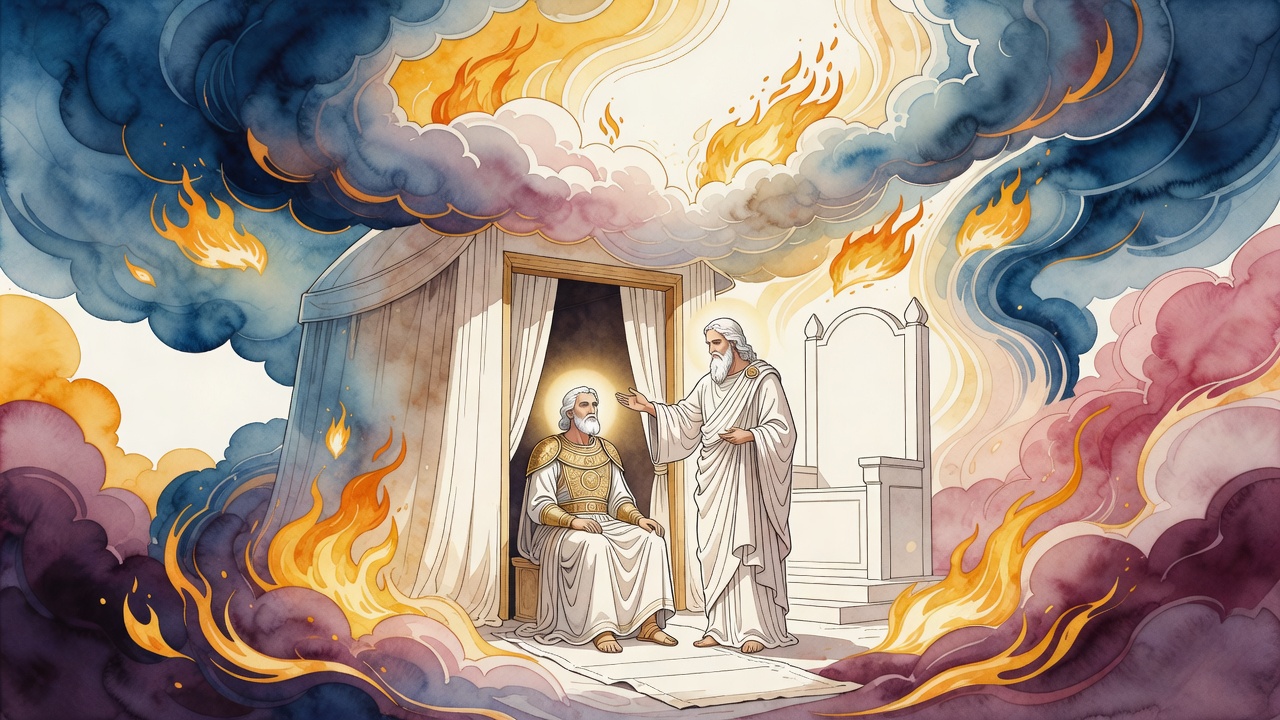
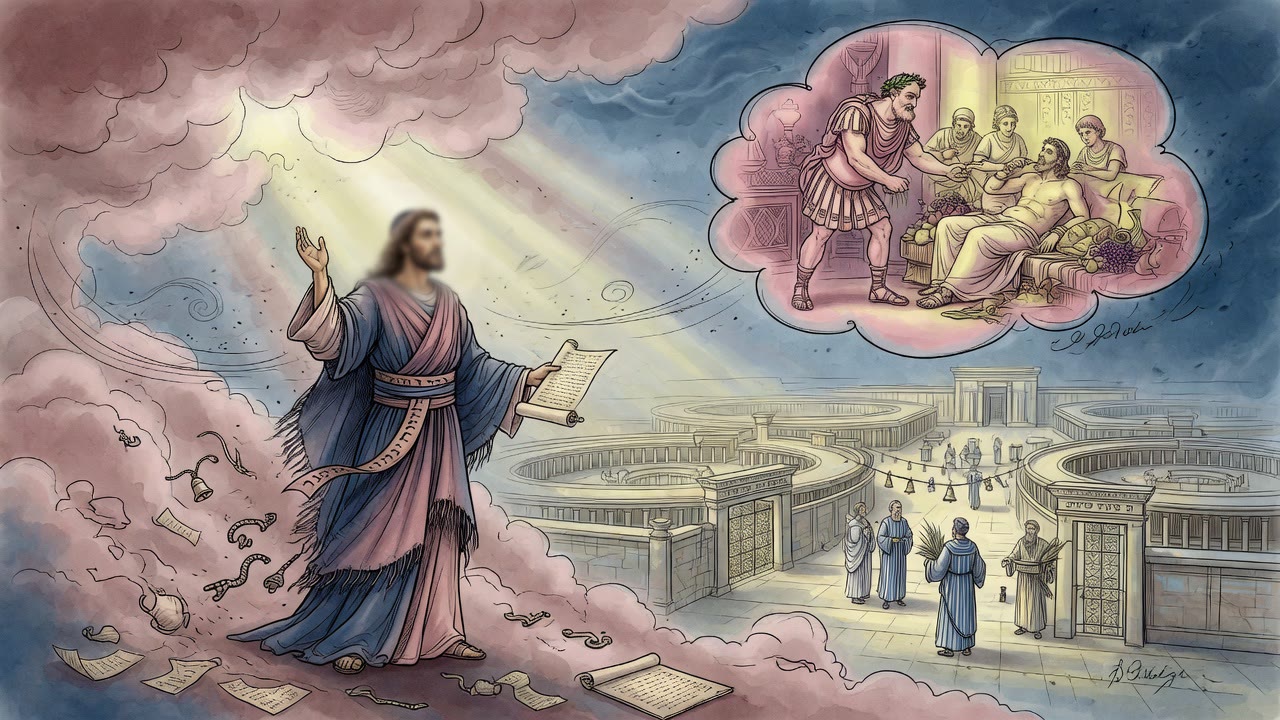
Messengers rode to Jerusalem and stood before the high priest Eleazar. Ptolemy requested seventy-two elders, six from each tribe, who could translate the Torah. Eleazar sent them with a scroll written in gold ink. The elders left the Temple courts for a palace that collected languages the way other kings collected horses. Ptolemy received them with honor that felt like appetite more than reverence. Then he placed each elder in a separate room.
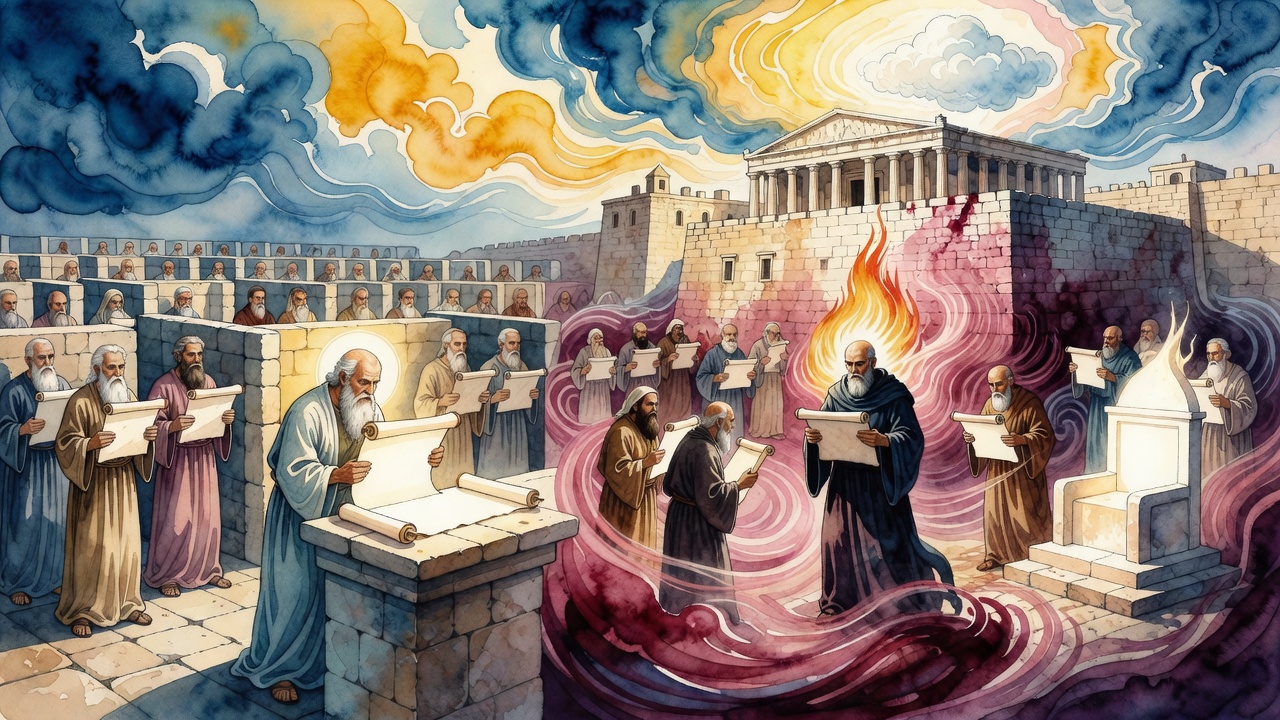
No conferences. No shared drafts. Each man alone with the text and the fear of getting a word wrong under a foreign roof. When the seventy-two versions were compared, every line matched. Word for word. The chronicle says God placed identical understanding in each translator's heart. The Greek Torah was born not from a committee's compromise but from a miracle of agreement that made Ptolemy's library suddenly holy and suddenly dangerous, because now empire could read what it had only hired Jews to keep.
The Pivot to Blood
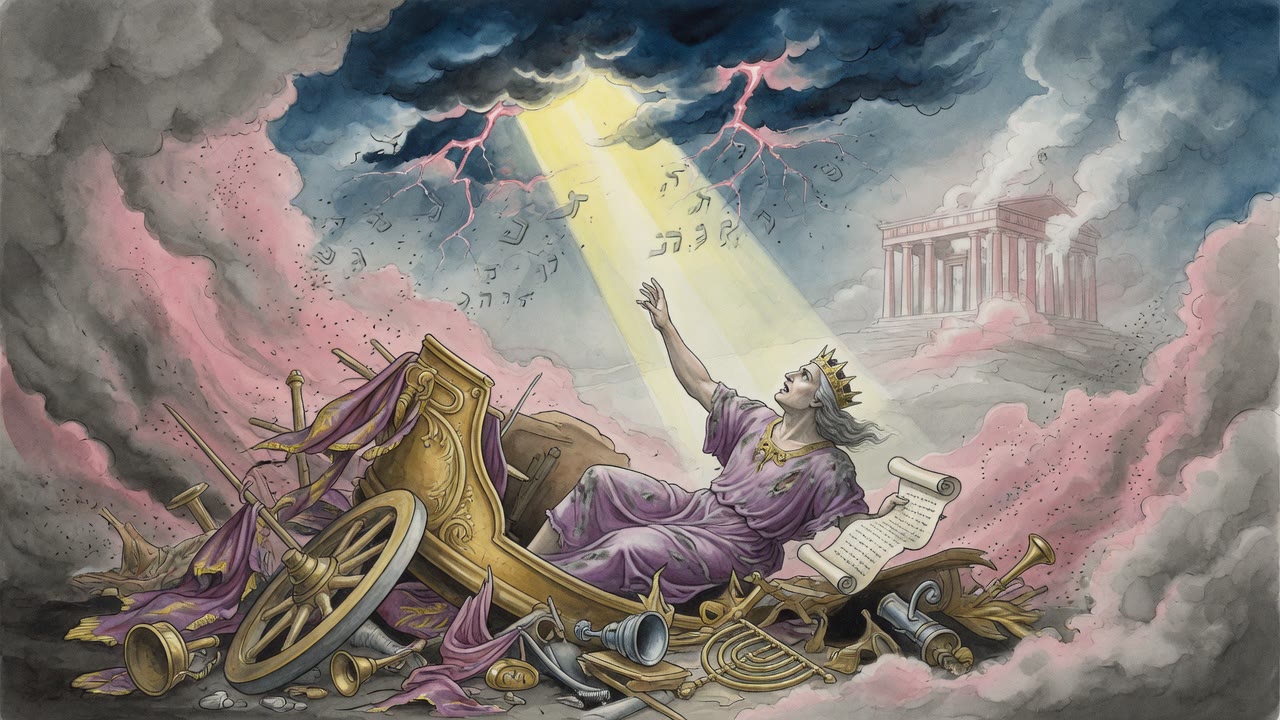
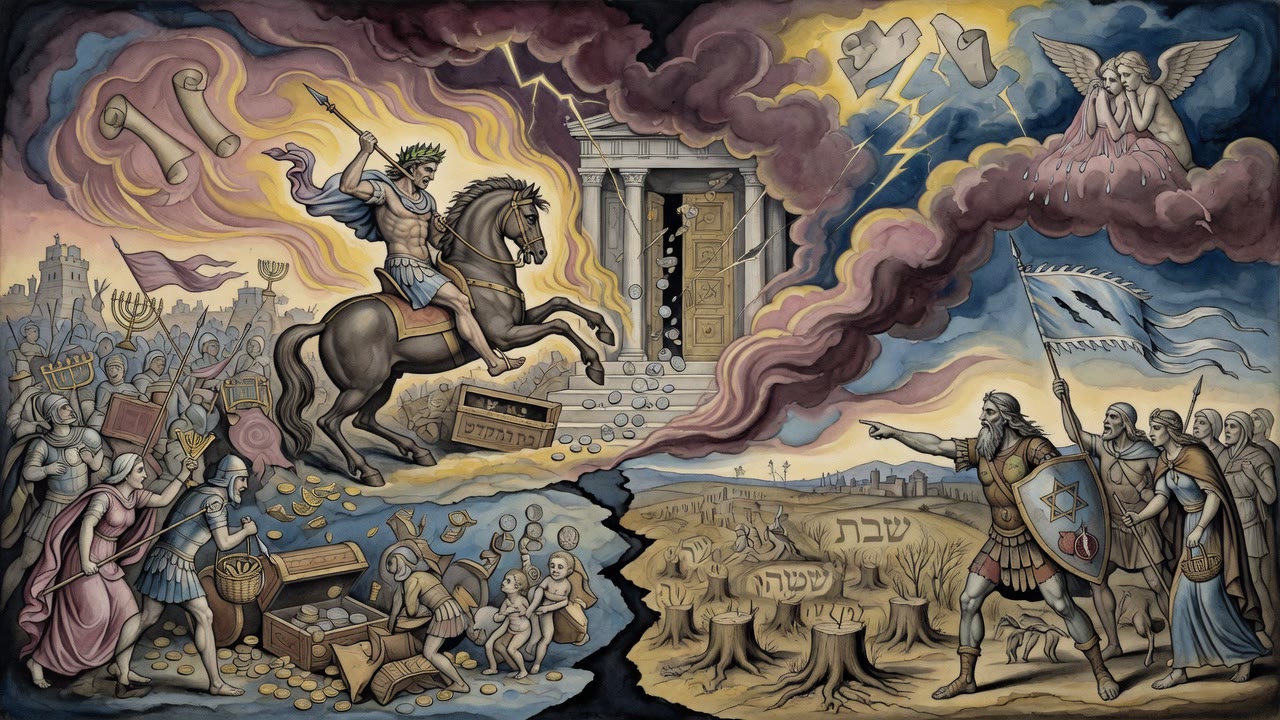
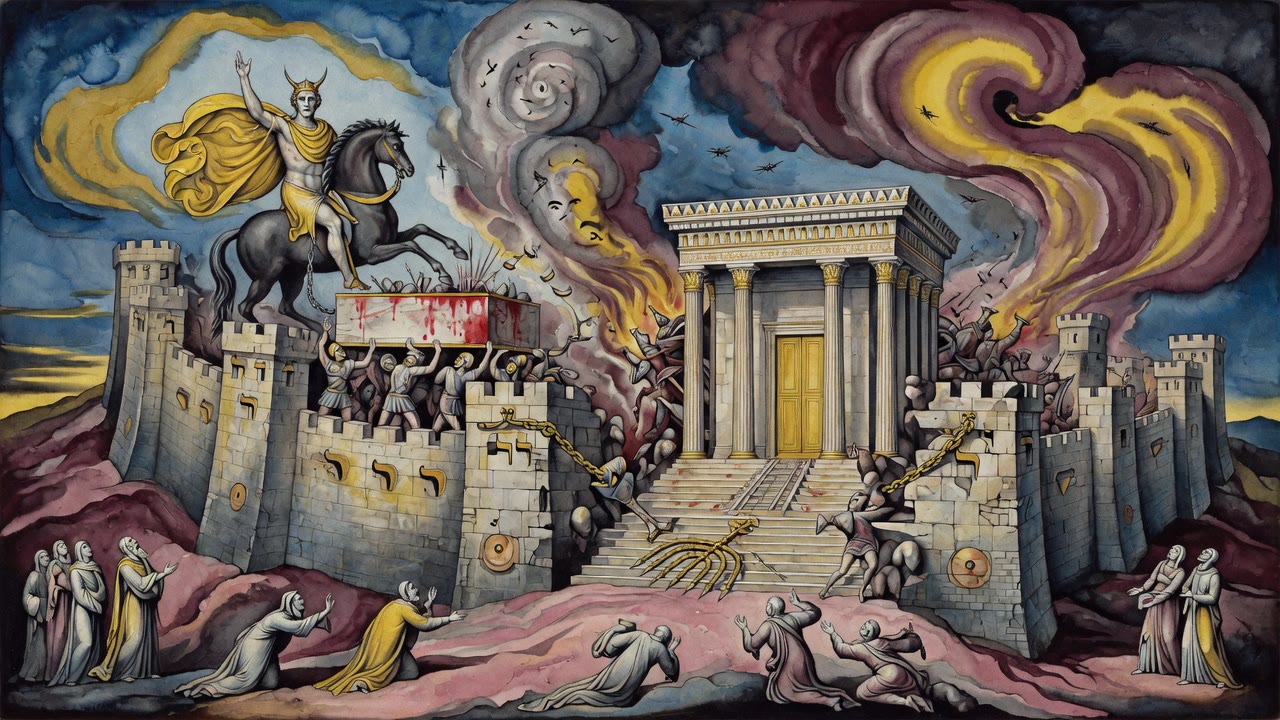
The same chronicle turns hard. Antiochus, king of Greece, heard that the Jews had celebrated when a false rumor of his death ran the roads. He marched on Jerusalem. In three days he slaughtered eighty thousand men, women, and children. He entered the Temple, the place only the high priest could enter, and plundered golden vessels, treasures, and sacred objects. Before he left he stationed his officer Phillipos with orders that cut at the root: forbid Torah study, prohibit Sabbath, ban circumcision, kill anyone who would not bow to an idol or eat swine's flesh.
The king who had wanted Jewish law in Greek was not the same man as the king who forbade Jewish law in any language, yet both moves belong to the same long pressure. First the book is taken into the palace. Then the people of the book are told to stop being themselves. Translation without consent becomes a rehearsal for confiscation. Blood follows ink when empire decides that matching words were never enough.
Josephus Answers the Slander of Egypt
Centuries later Josephus sat with a different war behind him and wrote against men who still told lies about Moses and about Israel's beginnings. He had already laid out Jewish political laws in his long history. In Against Apion he stripped the libels bare. Some said the Jewish nation was new. Josephus lined up ancient writers who had named the Jews long before. Some said the Jews were Egyptians expelled for disease. Josephus answered that they had come from elsewhere and returned home by choice, in health, not as a rabble driven out.
On Moses himself Josephus would not yield an inch. God had testified to Moses's virtue long ago, and time had only confirmed the testimony. The legislator slandered in Egyptian gossip was the same legislator whose Torah Ptolemy's seventy-two had rendered in separate rooms until the lines agreed. Defense of Moses and miracle of translation are two sides of one refusal: Israel will not let empire write its origin story.
What Matching Words Cost
Imagine the elders leaving their rooms, faces pale, scrolls complete, discovering that none of them had diverged. Joy and terror together. Joy because God had held their pens. Terror because a Greek king now held a Torah he could file beside hunting manuals and star charts. The gold-ink scroll had traveled as a guest. The Greek copies would stay as captives of the catalog.
Antiochus did not need a catalog. He needed silence in the study houses and blood on the stones. Phillipos's orders were a reverse translation: take the living practice and render it illegal. Sabbath becomes a capital risk. Circumcision becomes a death sentence. Swine flesh becomes a loyalty test. The Temple's vessels leave in carts. The matching words of the seventy-two could not stop the later fury. They could only prove that the text was one, and that oneness was exactly what tyrants hate when it will not bow.
Moses Under Two Roofs
Under Ptolemy's roof Moses is a prize to be translated. Under Antiochus's boot Moses is a crime to be erased. Under Josephus's pen Moses is a man God already cleared, defended against Egyptian mouths that never tired of mud. The wilderness legislator keeps walking through these rooms: locked chamber, plundered sanctuary, Roman-era study. Each age tries a different grip. The law keeps its spine.
Seventy-two doors closed. Seventy-two doors opened on the same sentences. Later a different king opened the Temple door that should have stayed shut and filled the courts with the dead. Between those doors Jewish story places one claim. The Torah can be carried into a palace and still not belong to the palace. When the palace turns to slaughter, the defense shifts from miracle of agreement to the long work of answering lies, one charge at a time, until Moses stands clear again.
← All myths