She Built a Rest House From a Cart of Coals
Abandoned for bearing only daughters, a wife unloads a cart of coals, finds treasure beneath, and years later feeds the husband who left her.
Table of Contents
He left her because she had borne him only daughters.
 Click for full size
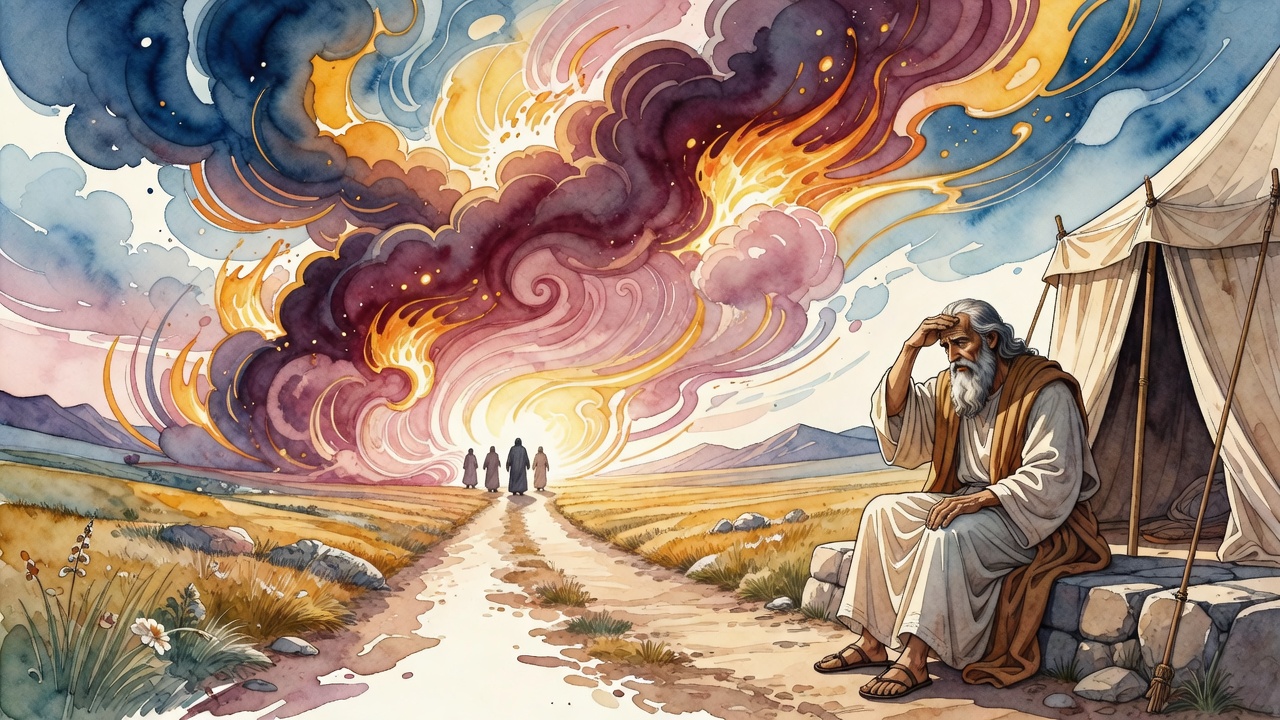
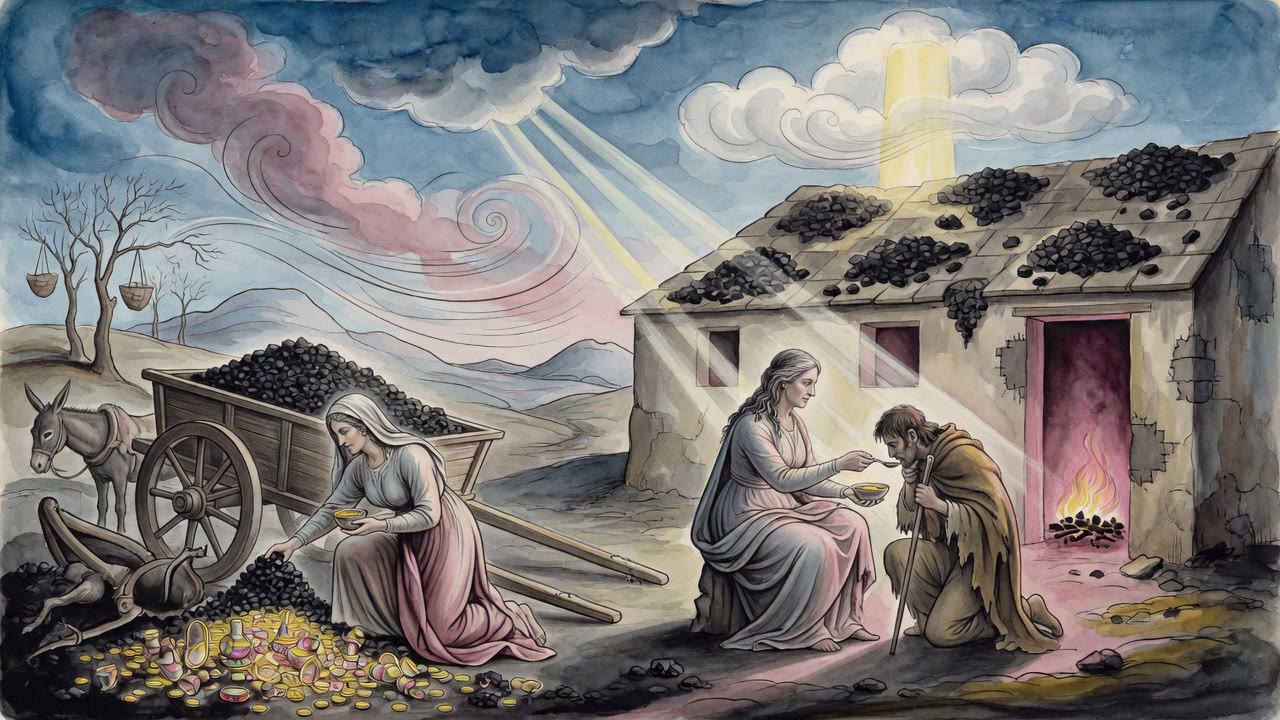
No son. No heir. After many years of marriage he announced he would find a new wife who could give him what he wanted. Before he rode off he sent one last gift: a single cartload of coals. Fuel for her fire, he said, since he would no longer provide for her. The cart arrived like a slap dressed as provision. She stood in the yard and watched black dust settle on her hands.
She received it without complaint. When she began unloading, she found treasure buried carefully under the fuel, jewels or precious metal, depending on the telling. Whether he had hidden it there in a flicker of conscience or whether it arrived by some other means, the story does not settle. She took what she found and she used it. She did not spend it on revenge. She spent it on a door.
A House With No Charge at the Door
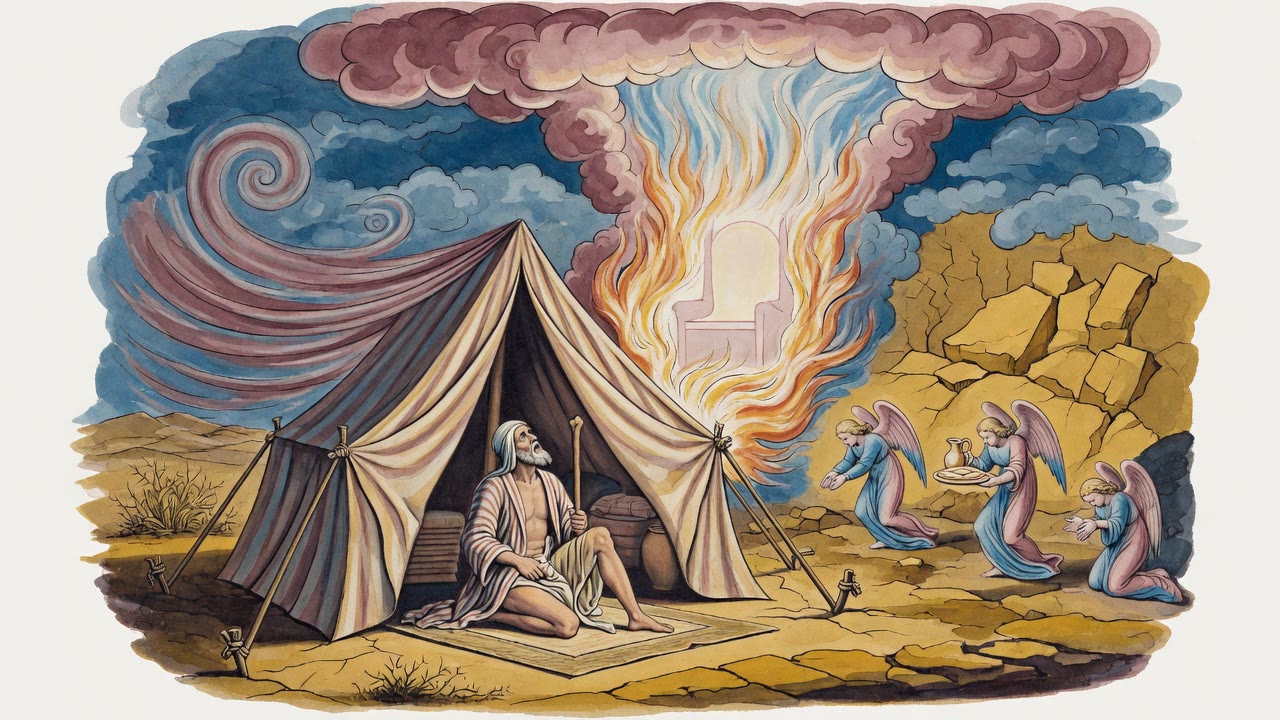
She bought land. On the land she built a large rest house for travelers, an akhsaniah with good food, clean beds, and no charge for anyone who needed a night's shelter. She ran it for years. Across the region she became known as the woman who would turn no traveler away. Men who had never learned her husband's name learned hers as a blessing at dusk.
The cart of coals had been meant as a dismissal. She turned it into a gate that stayed open. The daughters he counted as failure were not erased from the tale. The midrash simply refuses to make them the end of her power. She became a mother of roads, a keeper of strangers, a name spoken with gratitude by people who never knew his grievance. Hospitality became her answer to a house that had been told it was empty.
The Husband Returns Hungry
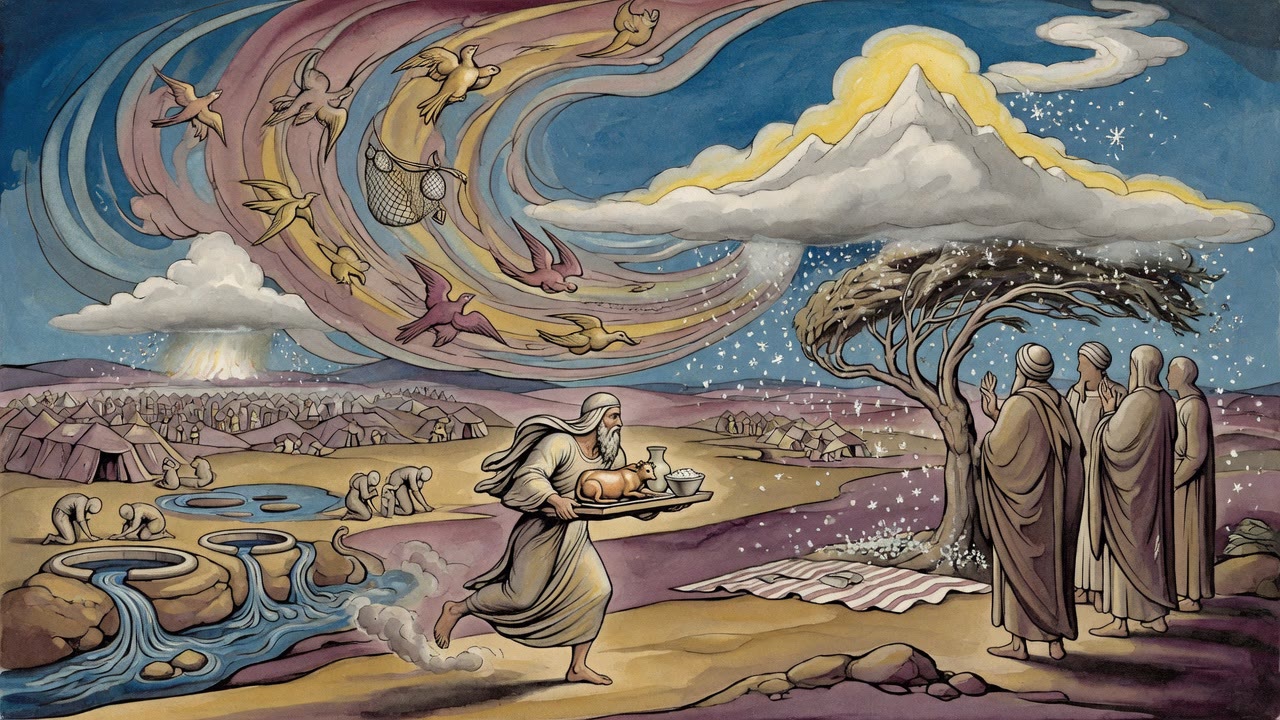
Long afterward he came back. The new wife had not worked out. His money was gone. He was sick and poor and too ashamed to ask old acquaintances for help. He stumbled into a town and heard there was a rest house at the edge where strangers could stay. He made his way there with the shuffle of a man who has spent his pride. He was welcomed. He was fed. He was given a bed. The broth was hot. The blanket was clean. No one asked him for a coin.
He did not recognize the woman who ran the place. She recognized him. She did not confront him in the doorway. She did not throw him into the road. She made herself known gradually, and when he understood, she treated him with the same kindness she had given every other traveler. The man who left her for lack of a son found himself kept alive by the house she built from his farewell insult. His shame had to sit at her table and swallow her bread.
Why the Righteous Wait for Children
Another midrash asks why Israelite households are sometimes held back from children. A poor man's wealth may be nothing anyone can count until his son stands to read Torah. When the room asks whose son he is, the father's name is spoken aloud. The waiting of the matriarchs is read as pressure that turns grief into pleas for mercy. Abraham and Sarah waited for Isaac. Rebecca waited for Jacob. Rachel waited for her sons. Hannah waited for Samuel.
The wound of barrenness is not mocked. It is placed inside a longer design in which the name of a parent is carried forward by a child who can stand and speak holy words. The wife of the coals story is not barren of daughters, yet she is treated as barren of future by a husband who can only count sons. The midrash of the matriarchs answers him without naming him: a house is not measured only by the heir he wanted. Mercy, prayer, and the long work of waiting also write a name into the world. Daughters and open doors can carry a name as surely as a son at the bimah, though he was too narrow to see it.
Counted Like Fine Wheat
"You are precious in My eyes, and so you are honored," says the Holy One. How does He show it? By counting. To the nations He gave no census, but to Israel He gave a numbering, and this, the midrash says, is the secret of love. Picture a king with many granaries. Most stand filthy, choked with straw and chaff. One holds fine wheat, sifted and clean. That is the storehouse he counts grain by grain, because what is precious is counted, and what is counted is guarded.
The husband counted only sons and found his wife worthless. Heaven, in the language of the census, counts every soul that belongs to the beloved store. The rest house becomes a second kind of counting: every traveler who sleeps under her roof is numbered by her care. She becomes a granary of kindness after being discarded as empty. When he eats her food in the end, he is being counted by a measure he once refused to use.
← All myths