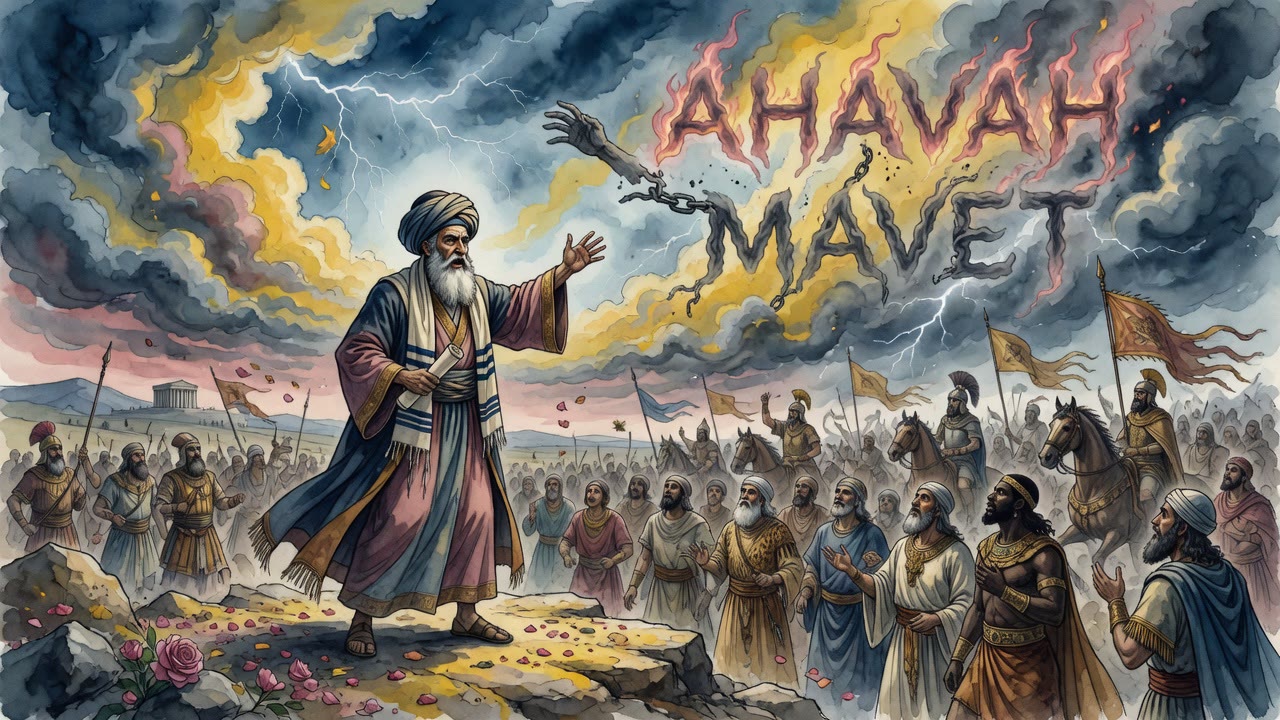
Sinai Was Not a Monologue but a Long Conversation
The Mekhilta reads Exodus 19 and finds something hidden: God gave one commandment at a time and waited each time for Moses to return with Israel's answer.
Table of Contents
 Click for full size
Before God Spoke, He Called
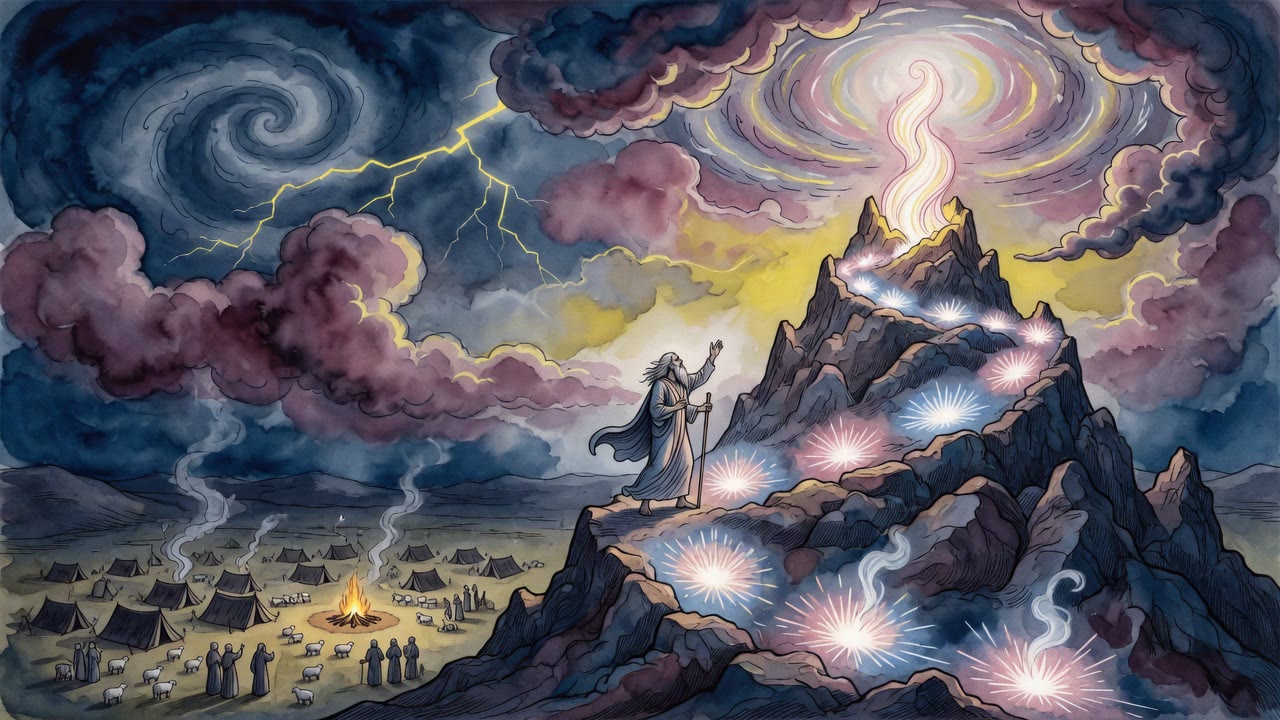
Moses went up the mountain on the second day after Israel arrived at Sinai. God called out to him before speaking, establishing a practice the Mekhilta treats as a principle: the call always came before the speech. God did not begin issuing instructions without first summoning Moses by name, acknowledging the man, establishing readiness. The calling was not part of the message. The calling was a form of respect that preceded every message.
God then gave Moses specific language for the house of Jacob and the children of Israel, two different phrases for two different audiences, each carrying its own register and tone. The Mekhilta works out who the house of Jacob was and who the children of Israel were, because God chose both formulations deliberately. Then Moses went down and told them what he had heard, and came back up to report the answer, and God gave him another instruction, and Moses went down again.
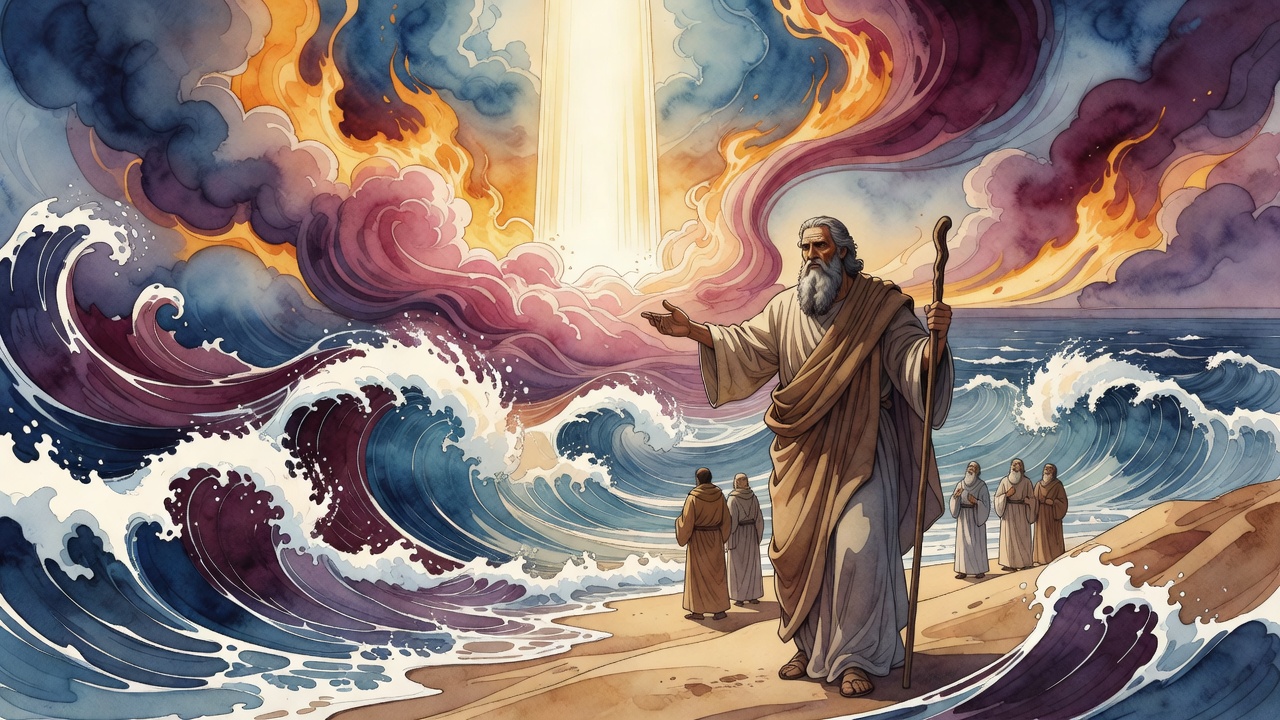
This went on. It would go on for weeks. The mountain was not a stage where God delivered a finished speech. It was a relay point, and Moses was the relay.
What Moses Did Between Commands
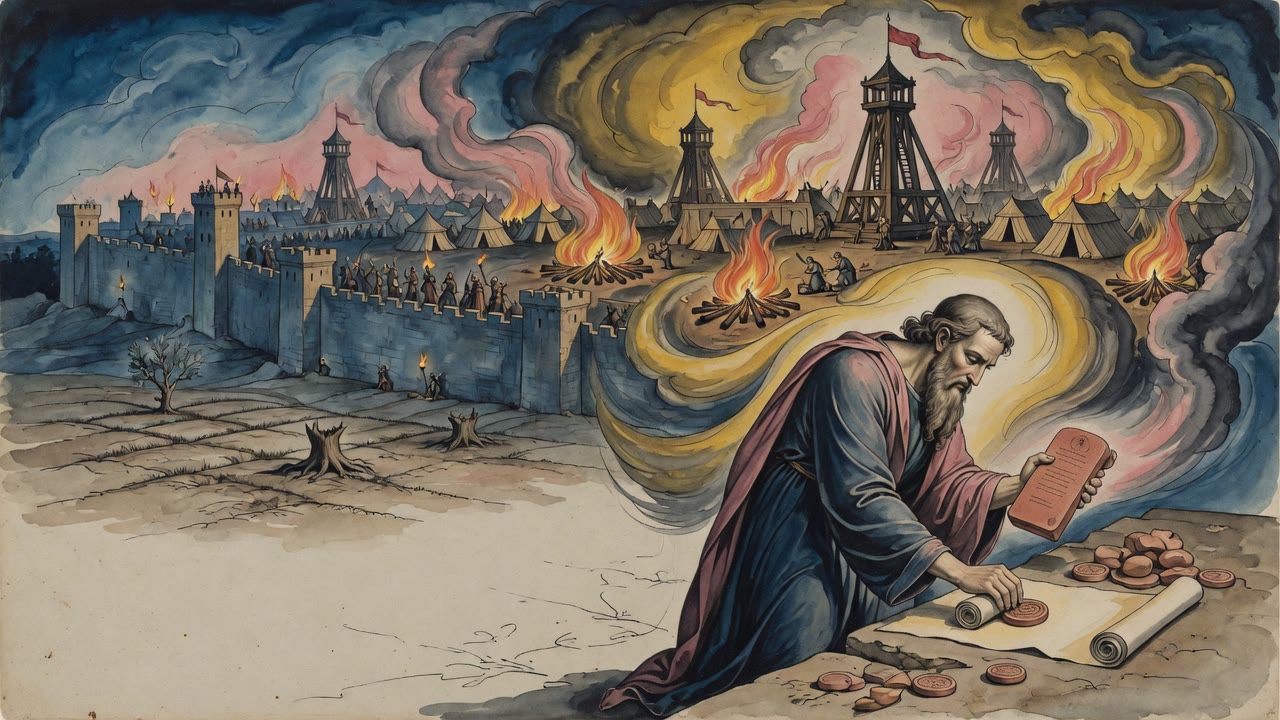
On the day God told Moses to go to the people and prepare them, making them ready for the revelation, Moses went down from the mountain and did not turn to his affairs or stop at his house. The Mekhilta notes this detail with specific emphasis: directly from the mountain to the people. No personal business. No rest. From the divine command to the people's ears was the shortest possible distance Moses could make it, and he made it as short as he could every time.
The rabbis asked: what about all the other times, not just this directive? The same principle applied. Moses descended from the mountain on every occasion directly to the people without diversion. He never stopped at his tent first. He never paused to eat. What he had received from God he delivered to Israel as fast as his feet could carry him. The command that established this principle explicitly was only one instance of a practice Moses maintained throughout the entire Sinai period.
Moses Brought the People Out to Meet God
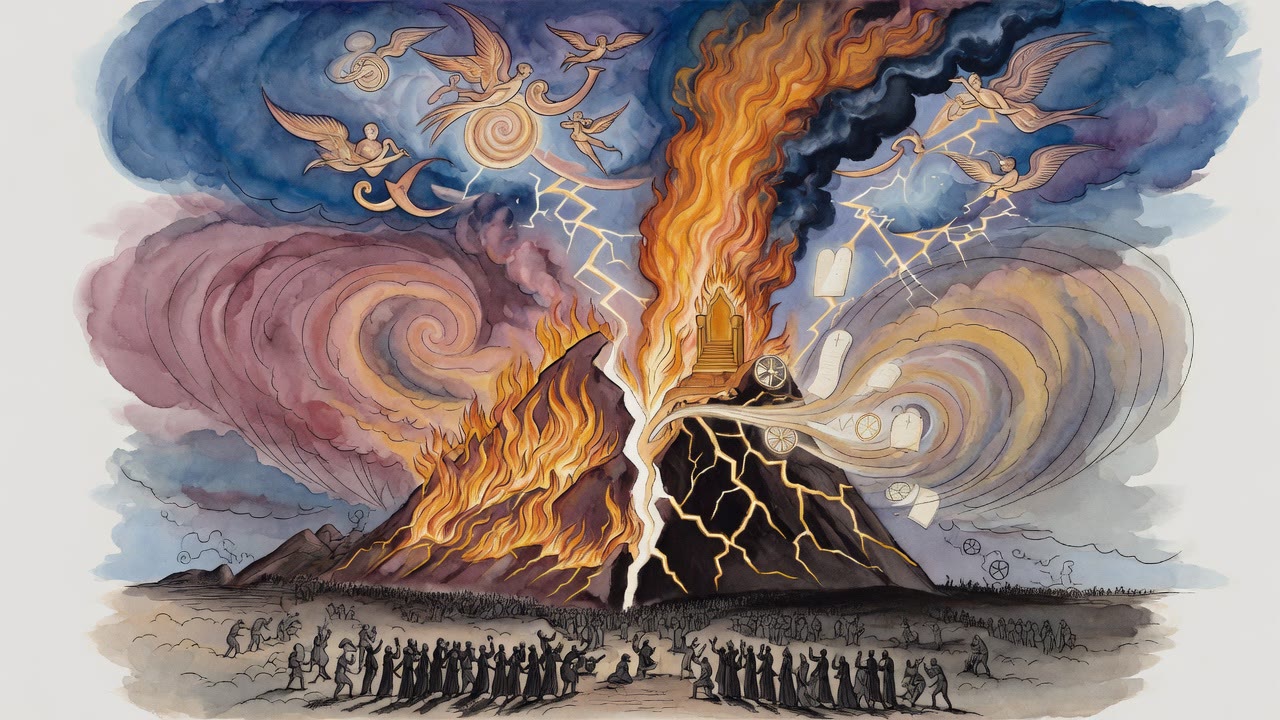
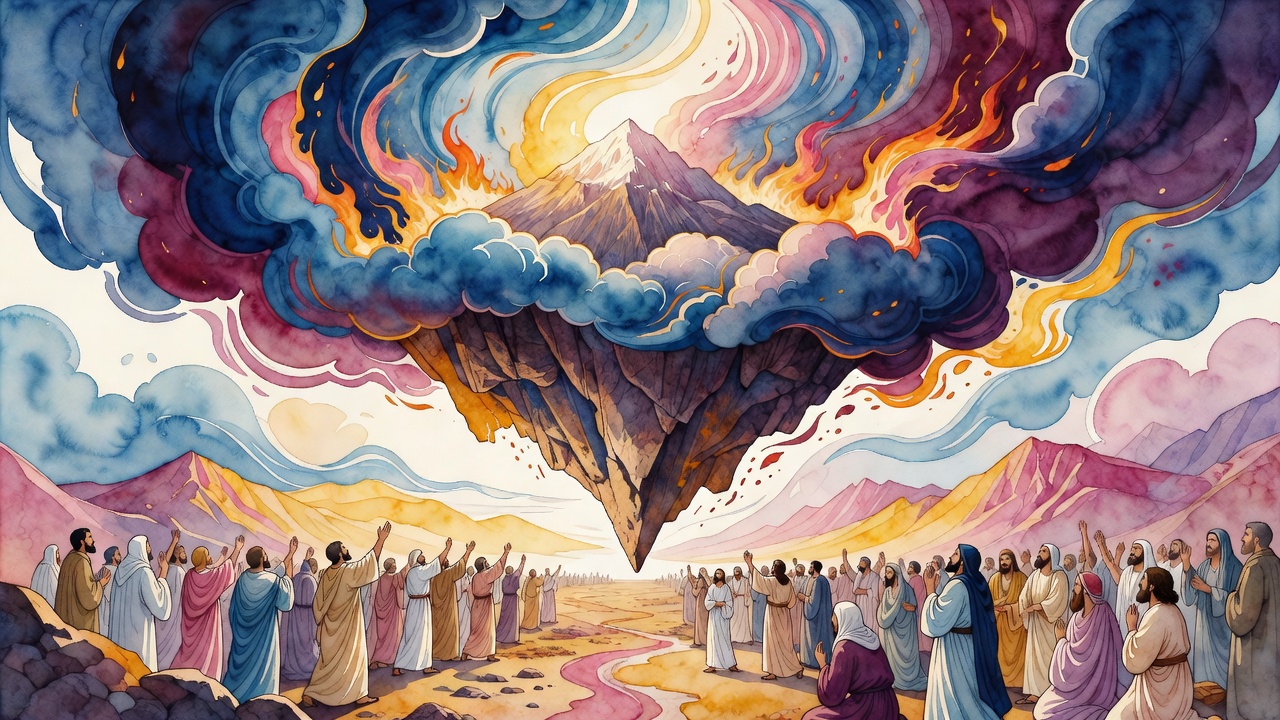
When the time came for the revelation itself, Moses brought the people out of the camp to meet God. The Mekhilta sees this as reciprocal: God came to meet Israel and Israel came to meet God. Rabbi Yehuda read the verse the Lord came from Sinai as saying the Lord came to Sinai, that God's direction of travel was toward the mountain specifically to give the Torah to Israel, that Sinai was not God's home but a destination chosen for this meeting. Rabbi Yossi disagreed, insisting on the plain reading that God came from the mountain, manifesting there and then proceeding toward the people.
Both readings agree on the essential point: this was a meeting, not a performance. Two parties moved toward each other. The mountain was the place they converged, and it was chosen because of what would happen there, not because one party already lived there.
One at a Time
The verse says Moses spoke and God answered him with a voice. Rabbi Eliezer asked what this verse teaches that we could not have known from the story's context. The answer reveals the structure of the revelation that the familiar image of the Ten Commandments obscures.
God did not speak all ten commandments in a single unbroken address. He spoke one commandment. Then He paused. During the pause, Moses went to the people and confirmed that they had heard, understood, and accepted what God had just spoken. Then Moses went back up. God spoke the next commandment. Moses went back down. And so it continued, one commandment, one descent, one ascent, ten times.
This is not a detail that makes the revelation smaller. It makes it larger. A divine monologue delivered to a passive audience could have been received by anyone present. A dialogue in which God paused after each commandment and waited for Moses to confirm acceptance, in which Moses descended and ascended the mountain ten times as a courier of consent, was something else entirely. The Torah was not installed in Israel the way you install something in a machine. It was negotiated. Every commandment required a separate acknowledgment before the next could come.
← All myths