Sisera's Mother at the Lattice and the Sixth Hour
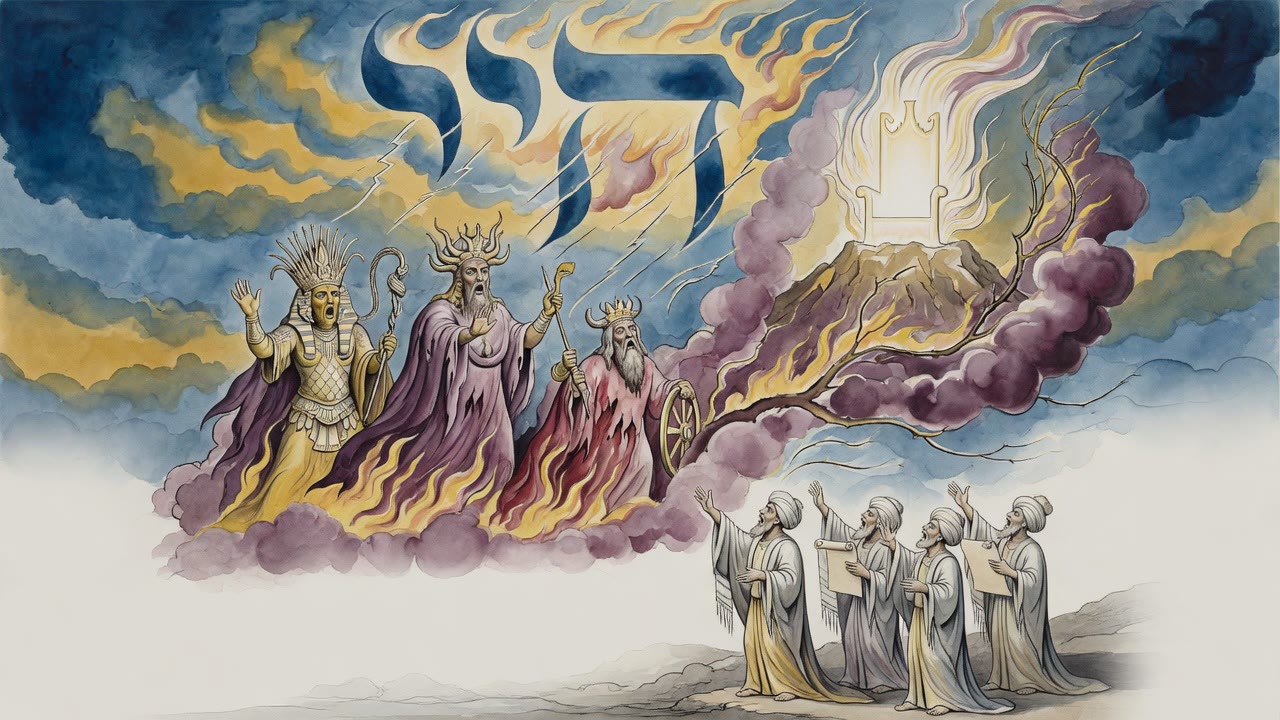
Thirty-one kings marched to drink Israel's waters and drowned at Kishon, while Sisera's mother counted the hours for a son who would never come home.
Table of Contents
 Click for full size
The Kings Who Asked to Come for Free
Thirty-one kings came to Sisera before the war, and not one of them asked for silver. They had heard of a land whose brooks ran sweet, whose springs stood cold in the noon heat, and the thought of that water had gotten into them like a fever. "We beg of you," they said, crowding his tent, "let us come with you for free. We crave to fill our bellies from the waters of the Land of Israel." Sisera did not need to bribe them. He needed only to point north, toward the hills where the rivers were, and they harnessed their own chariots and rode.
So the kings marched behind a warlord for the price of a drink. Nine hundred chariots of iron rolled toward the valley, and behind the wheels came men who wanted nothing that could be weighed, only the taste of a country that was not theirs.
The Brook Kishon Took Them All
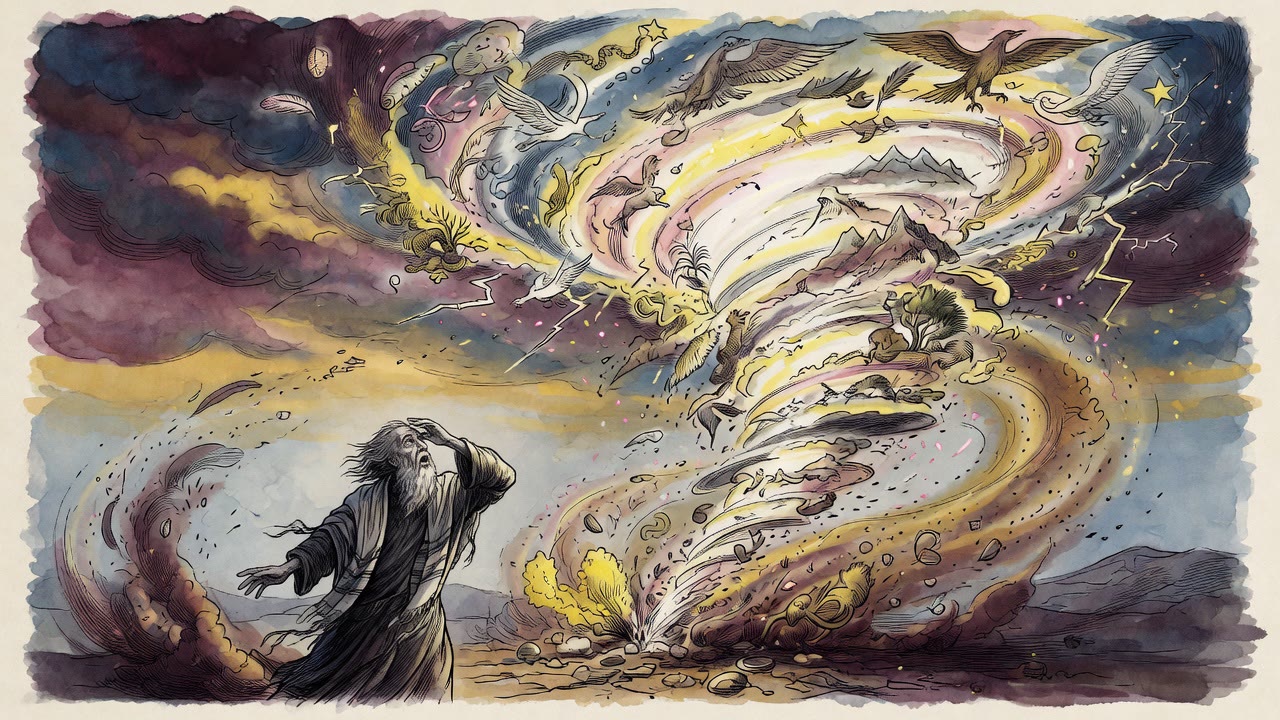
They met the water they had craved at Taanach, by the waters of Megiddo, and the water rose against them. The brook Kishon, which they had come so far to drink, swept over the horses and the axles and the kings, and carried them down into itself. They took no plunder of silver that day. They took nothing at all. Every one of the thirty-one drowned in the very stream they had marched to swallow, and the stream did not so much as remember their names.
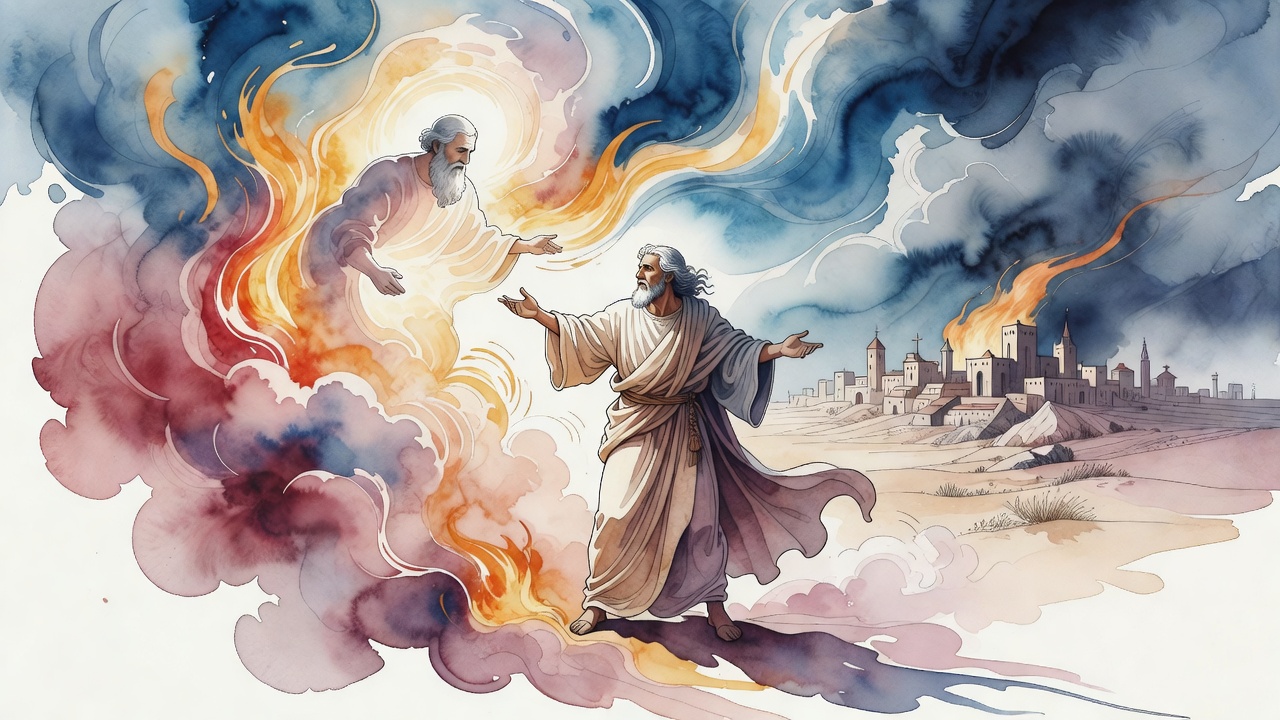
Sisera came off his chariot and ran on foot. The great captain, who had watered his armies out of his own beard and his own reservoirs, fled north with the mud of the valley still on him, and the tent of a woman named Jael waited for him at the end of the road. But word of any of this had not yet traveled home. In the high rooms of his house, no one knew.
The Window and the Lattice
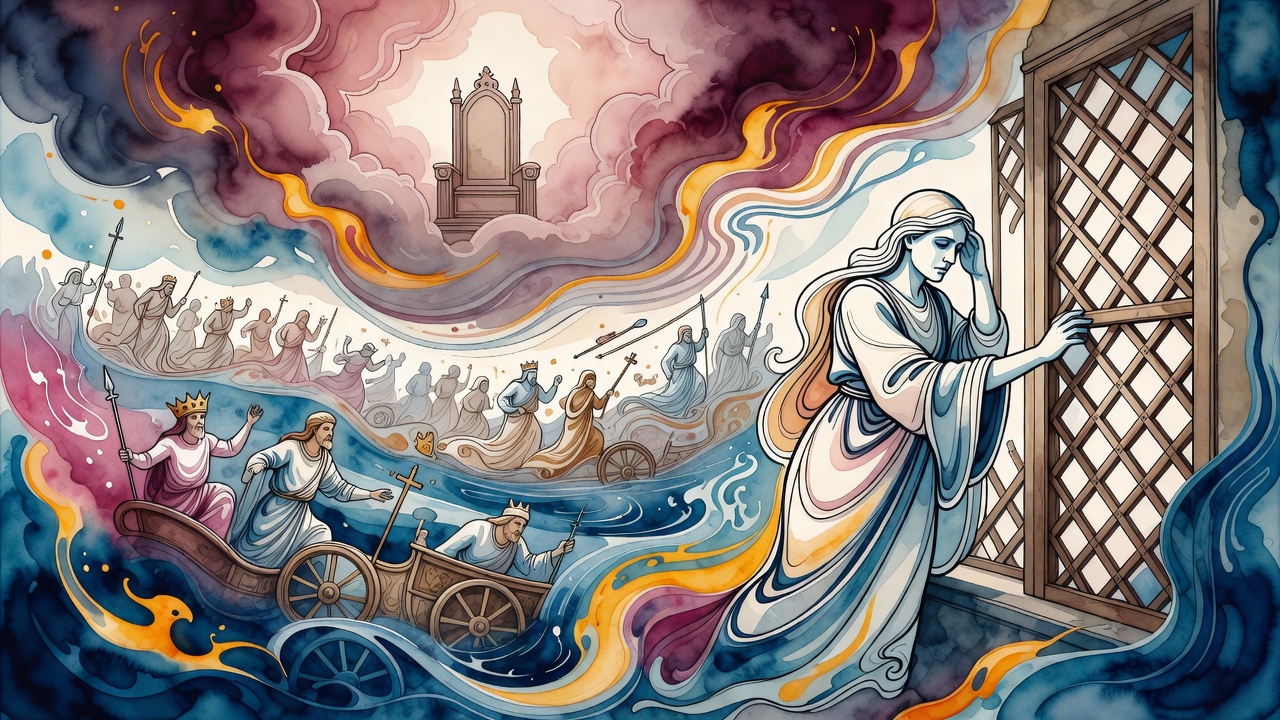
Sisera's mother stood at the window and looked out through the lattice at an empty road. She knew her son's habits the way a mother knows a heartbeat. He came home at the third hour. On a hard day, the fourth. She had counted his returns for years, and the count had never once failed her.
Now the third hour passed. Then the fourth. The road stayed empty. She pressed her face to the wooden grid and said the words aloud, as if saying them could summon the dust of his wheels. "Why is his chariot so long in coming? Why do the hoofbeats of his chariots delay?" The fifth hour came. Then the sixth. Six hours, and no chariot. She had never in her life waited past the fourth.
Three Voices in One Room
Her wise ladies gathered around her, and they had answers ready, the way the comfortable always do. His wife spoke, and his daughters-in-law spoke, and they painted the delay in bright colors. "Have they not found spoil? Are they not dividing it even now?" A girl, they said, two girls for every soldier. Dyed cloth for Sisera, embroidered and doubled, folded on the necks of the plunderers. That was the whole of it. He was late because he was winning. He was late because the counting of captives takes time.
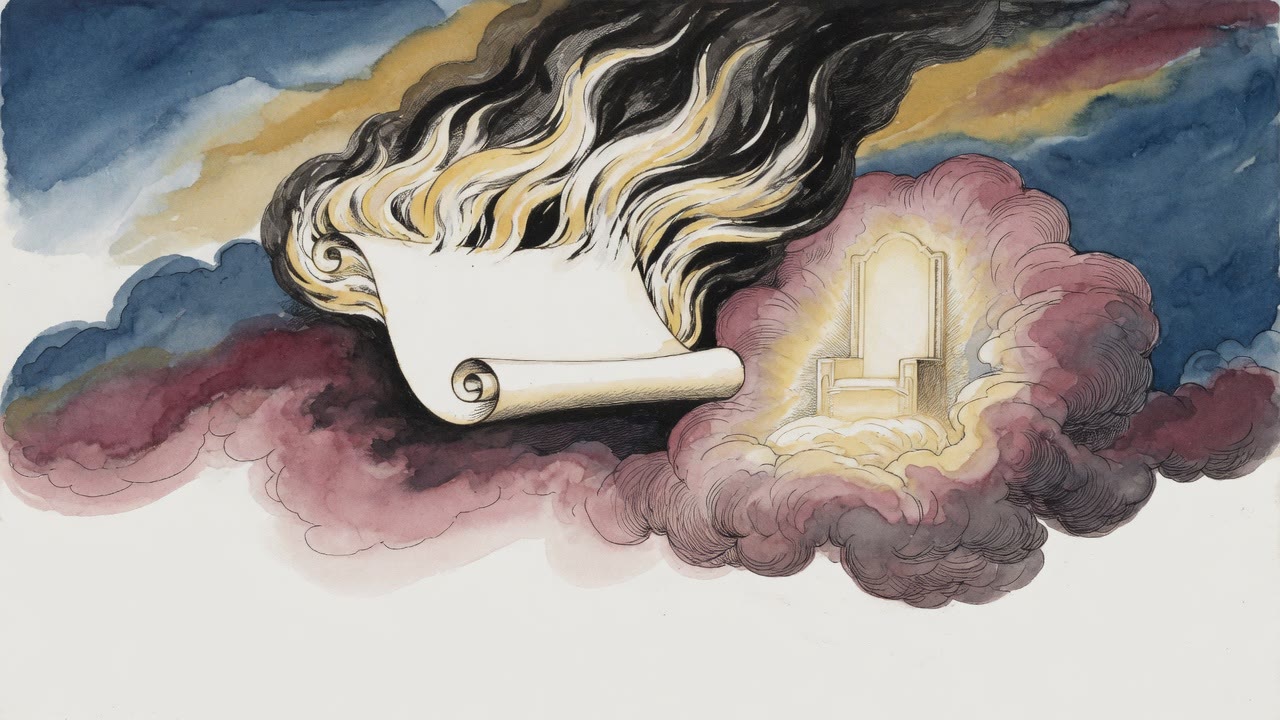
Three voices stood side by side in that room, and each said a different thing. The mother asked her question at the window. The wives answered it with spoil and captive girls. And a third voice, which no one there could hear, gave the true reply from somewhere above the lattice: "So may all your enemies perish, O LORD." She counted hours. They counted plunder. Heaven counted the drowned in the brook, and the sentence was already sealed while she still watched the road.
The Sixth Hour No One Outlives
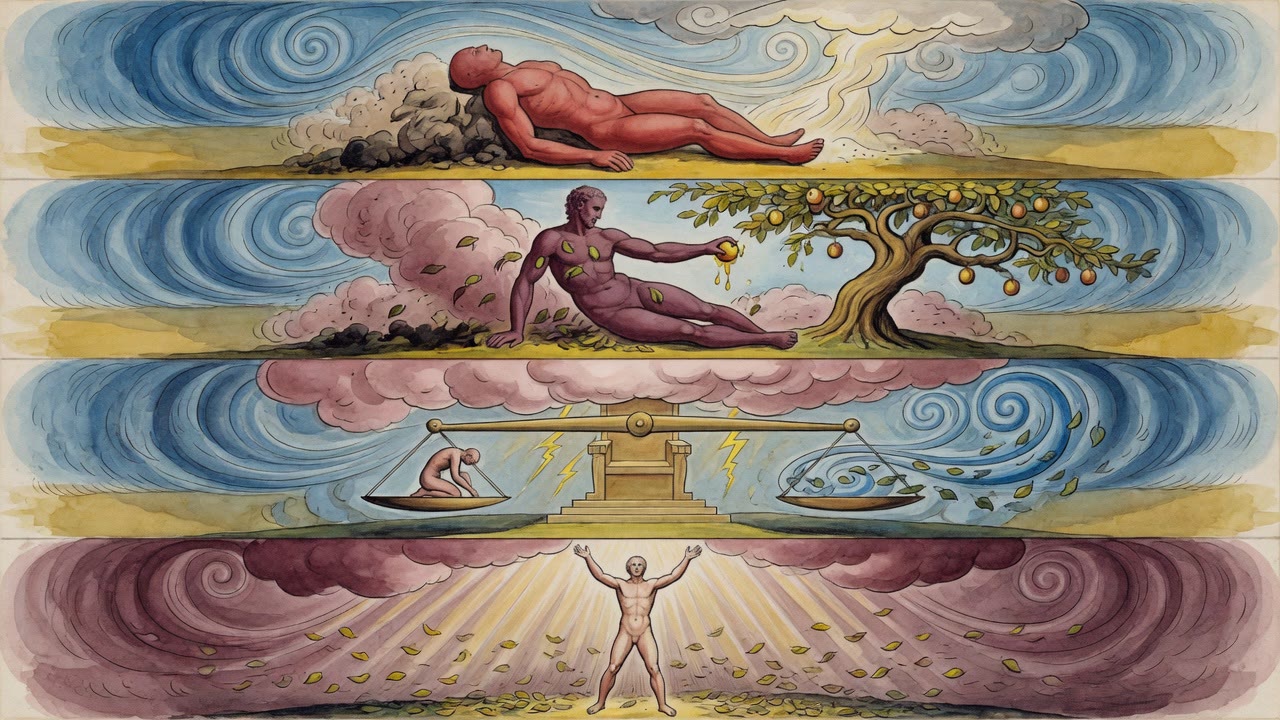
Long after, Rabbi Elazar set that unheard verdict beside two older ones. There were three, he said, who did not last even six hours in their hour of ease, and Sisera was the last of them.
The first was Adam. He stood in the garden with his wife, the two of them naked and unashamed, and before six hours of the day had passed he had eaten and hidden and lost the ground under his feet. The second was Israel at the mountain. Moses climbed for the tablets and named the hour he would return, and when the sixth hour came and he had delayed, boshesh, the people gave up on him and built a calf of gold. And the third was Sisera, whose mother waited at the lattice using that very word, his chariot delays, boshesh. He had come home every day at the third hour and the fourth. Six hours came, and he did not.
The word that means he is late is the same word that means he is shamed. His mother stood at the window speaking it and did not know she had already pronounced the sentence. The kings drank their fill of the waters of Israel after all. They drank until the water closed over their heads, and the road below the lattice stayed empty until the wooden grid went dark.
← All myths