4 min read

Four Villains Who Opened With Af and Fell by Af

The rabbis of Esther Rabbah noticed Haman and three biblical villains all opened with the same Hebrew word. That word also means anger.

Curated by Arthur · Told by Maggid ·
Table of Contents
  1. Haman at the Height of His Career
  2. The Four Who Began With Af
  3. What Happened to Each
  4. Job's Friends and the Distance They Maintained

Haman at the Height of His Career

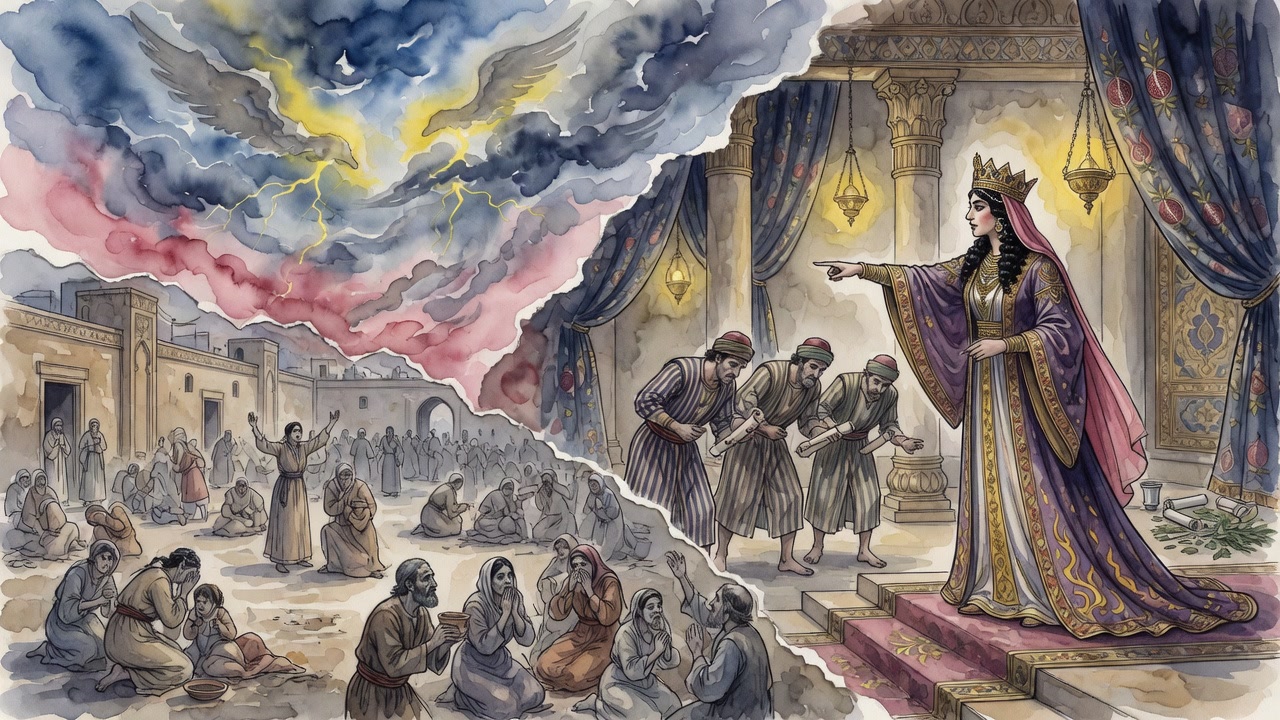
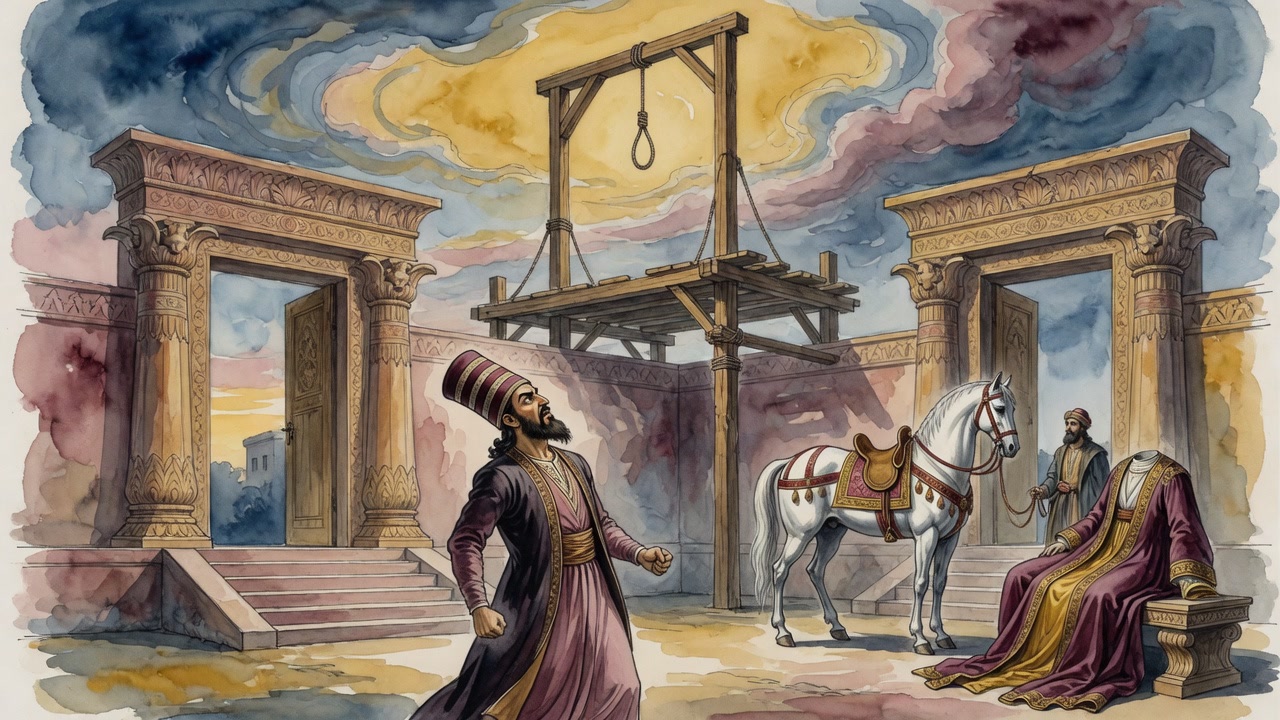
Haman is at the height of his career. The king has given him the signet ring. The decree is already sealed and on its way to every province from India to Ethiopia. He has been invited, alone among all the courtiers of Persia, to a private banquet with the queen. He goes home afterward and calls his wife and friends to recount his catalog of achievements. And then, in the middle of that recounting, comes the line: Haman said: Af, Queen Esther gave a feast and besides the king she did not bring anyone but me (Esther 5:12).

The word af. The rabbis of Esther Rabbah, the classical fifth-century Palestinian midrash on the Scroll of Esther, fixed on it. Af means yes, certainly, just so. It also means anger. And the midrash noted that Haman was not the first villain to begin his undoing with that word.

The Four Who Began With Af

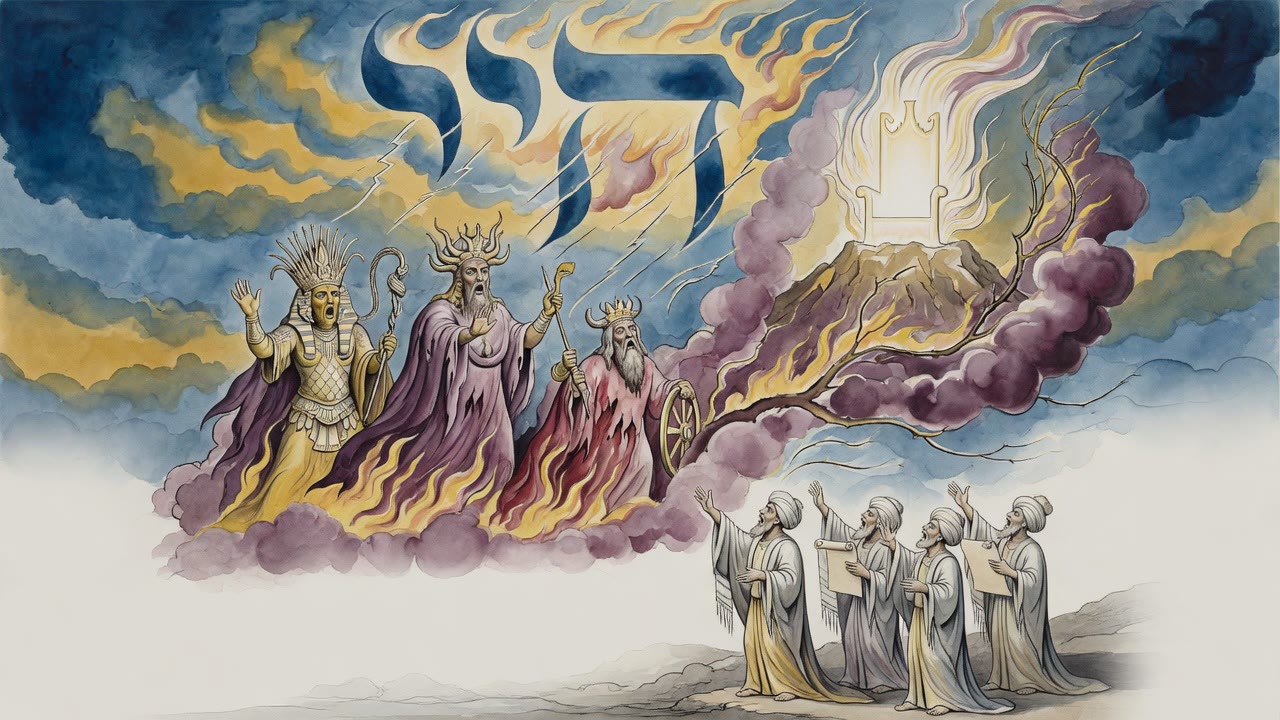
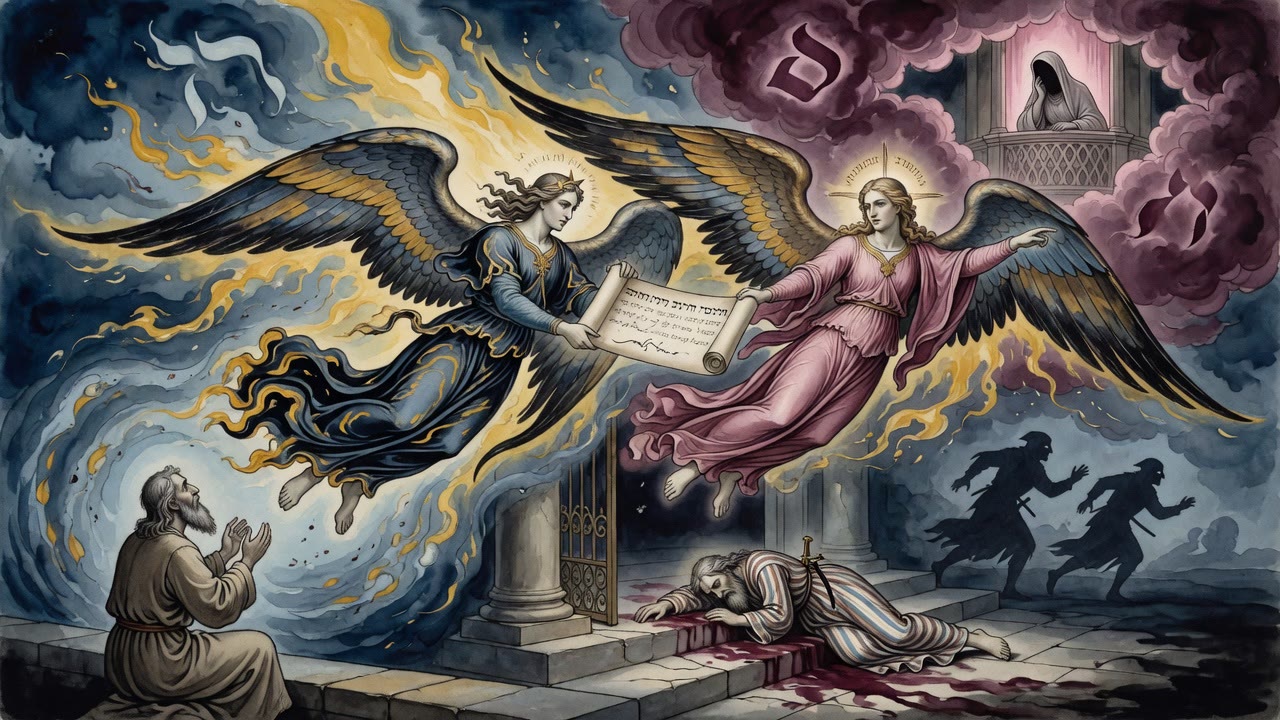
The midrash assembles the list. The serpent opened with af in the garden: Did God actually [af] say, you shall not eat of every tree? (Genesis 3:1). The baker in Pharaoh's prison opened with af when he heard Joseph interpret the cupbearer's dream: I, too [af], in my dream (Genesis 40:16). The congregation of Korah opened with af when they challenged Moses: yet [af] you did not take us to a land flowing with milk and honey (Numbers 16:14). And Haman opened with af when he boasted about the queen's banquet.

Each one, by using af, announced the arrival of divine anger. Not because the word itself was cursed but because in each case the speaker was about to complete an act of presumption, the serpent presuming to contradict God's instruction to the woman, the baker presuming to receive the positive interpretation the cupbearer had gotten, Korah presuming to lead a rebellion dressed as justice, Haman presuming that power and position had placed him beyond reach.

What Happened to Each

The serpent was cursed to crawl on its belly and eat dust. The baker was hanged on the third day, exactly as Joseph had predicted. Korah and his congregation were swallowed by the earth. Haman was hanged on the same gallows he had built for Mordecai. The midrash is not offering this as a general rule about Hebrew vocabulary. It is offering it as a pattern about the structure of certain kinds of pride: the pride that announces itself with a word that contains its own punishment hidden inside it.

Job's Friends and the Distance They Maintained

The Legends of the Jews, Louis Ginzberg's vast compilation of rabbinic traditions, places Job's companions in a different light from the four who began with af. Eliphaz, Bildad, Zophar, and Elihu lived three hundred miles apart from one another, yet each had a remarkable device: their crowns held portraits of each other, and the portrait dimmed when a companion was in trouble. When Job's image dimmed in all three crowns simultaneously, they knew something had happened, and they came.

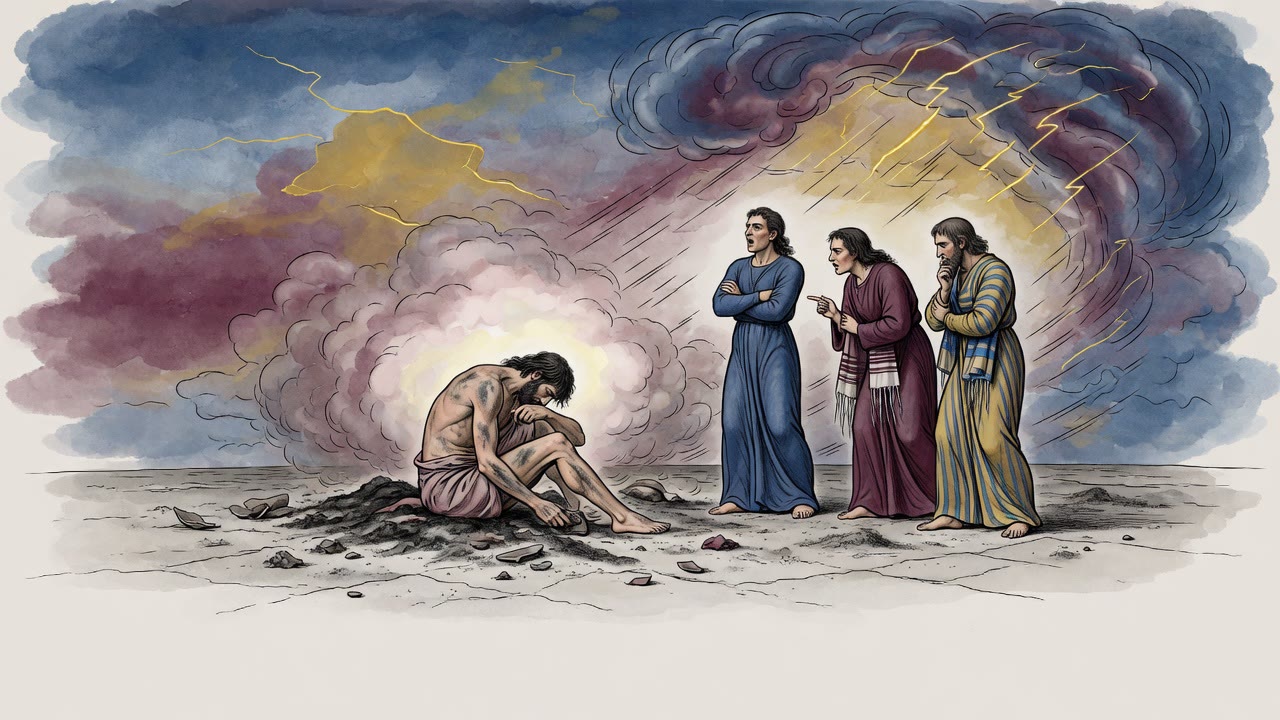
What made Job's friends different from the af-villains was not that they were wiser. They were not always wise. But their first movement when they recognized suffering was toward the one who suffered. The serpent moved toward Eve to plant doubt. The baker moved toward Joseph to claim what he had not earned. Korah moved toward Moses to take power. Haman moved through his catalog of triumphs to arrive at resentment over Mordecai. The four friends moved toward Job to sit with him in the ash heap for seven days before any of them said a word.


← All myths

From the tradition

Sources

3 sources

The texts this telling draws on, in full. Open a card to read inline, or expand it for a wider, quieter read.

Esther Rabbah 9:3Esther Rabbah

“Haman said: ‘Indeed, Queen Esther gave a feast and besides the king she did not bring anyone but me. And tomorrow too I am invited by her along with the king” (Esther 5:12).“Haman said: Indeed [af], Queen Esther…did not bring anyone.” Four began with af and were eliminated with af,3One of the meanings of the word af is anger. The midrash (rabbinic interpretive commentary) is saying that these four individuals or groups, who used the word af, were eliminated by divine anger due to their sins. and they are: The snake, the baker, the congregation of Koraḥ, and Haman. The snake, as it is written: “Did God actually [af] say” (Genesis 3:1); the baker, as it is written: “I, too [af], in my dream” (Genesis 40:16); the congregation of Koraḥ, as it is written: “Yet [af] [you did not take us] to a land flowing with milk and honey” (Numbers 16:14); Haman, as it is written: “Indeed [af], Queen Esther did not bring anyone.”

Full source
Legends of the Jews, II. The Sons Of Jacob, The Four FriendsLegends of the Jews

The story of Job and his companions, as retold in Ginzberg's Legends of the Jews, offers a powerful, if sometimes strange, glimpse into that very question. It’s a tale filled with ancient wisdom and, surprisingly, a touch of magical realism.

The tradition says Job wasn't just some random guy. He was a righteous man of immense wealth and influence, a king among men. And, crucially, he had friends – not just acquaintances, but true companions who lived far apart, yet were bound by a deep connection.

The story goes that these friends – Eliphaz, Bildad, Zophar, and Elihu – lived three hundred miles apart. Now, how did they know when trouble befell one of their own? Well, each had a rather unique device: their crowns held portraits of each other. When one friend experienced hardship, it would visibly manifest in his picture within the others' crowns!

As Ginzberg tells it, these weren't just any ordinary guys, either. They were all related to each other and to Job himself. Eliphaz, king of Teman, was a son of Esau. Bildad, Zophar, and Elihu were cousins, sons of Shuah, Naamat, and Barachel, who were sons of Buz. And Buz? He was Job's brother and Abraham's nephew!

When Job was struck with his legendary misfortunes, his friends, alerted by their magical crowns, immediately set out to find him. But when they arrived at Job's city, they couldn't even recognize him! The townspeople pointed them towards a figure reclining on an ash heap some distance away. But they were skeptical: could this really be the great Job?

The stench emanating from Job was so overpowering that they couldn’t get close. It’s said they had to order their armies to scatter perfumes and aromatics for hours before they could even approach him. Can you imagine the scene? The sheer desperation and horror they must have felt?

Finally, Eliphaz managed to get close enough to speak. "Art thou indeed Job, a king equal in rank with ourselves?" he asked. And when Job confirmed, with a simple "Aye," their grief erupted. They wept bitterly and sang an elegy together, joined by the armies of the three kings.

Eliphaz began to lament Job's fate, contrasting his present misery with his former glory, repeating the refrain, "Whither hath departed the splendor of thy throne?" Job, after listening to their wailing for some time, responded with defiance, declaring that his true kingdom, the kingdom of his Father, would endure forever, unlike the fleeting glory of earthly rulers.

This response angered Eliphaz, who wanted to abandon Job to his fate. But Bildad, ever the voice of reason, calmed him down, reminding him to have compassion for someone suffering so greatly. He then began to question Job, trying to understand how God could inflict such suffering on a loyal servant. He even asked Job about the movements of the heavenly bodies!

Job, in turn, responded that human beings cannot comprehend Divine wisdom. As he put it, and I'm paraphrasing here, we can't understand God's plan whether it's revealed in nature or in human affairs. He even posed a riddle to Bildad: "Solid food and liquids combine inside of man, and they separate again when they leave his body. Who effects the separation?" When Bildad admitted he didn't know, Job retorted, "If thou canst not comprehend the changes in thy body, how canst thou hope to comprehend the movements of the planets?"

Zophar, convinced that Job was still of sound mind, offered him medical treatment from the kings' physicians. But Job refused, declaring that his healing would come from God alone.

Then, Job's wife, Zitidos, appeared, clad in rags. She threw herself at the feet of Job's friends, begging them to remember her former glory. Her plight moved them so deeply that they could only weep. Eliphaz, in a gesture of compassion, draped his royal mantle around her shoulders. Zitidos asked one favor: that they clear away the ruins of the building where her children were entombed, so she could give them a proper burial.

But Job, again seemingly detached from reality, told them not to bother, claiming that his children were safely with their Creator. This, of course, made his friends even more convinced that he had lost his mind.

However, Job then prayed to God and, upon finishing, instructed his friends to look eastward. There, they beheld Job's children, crowned with glory, alongside the Ruler of Heaven. Zitidos prostrated herself, declaring that her memorial resided with the Lord. She returned to her master’s house, where she had been forbidden to leave previously and soon died of exhaustion. The people mourned her greatly, and an elegy was written in her honor.

What are we to make of this story? It's a strange mix of profound suffering, unwavering faith, and, frankly, some bizarre elements like the magical crowns and the vision of Job's children in heaven.

Perhaps the most enduring message is the importance of presence, even when understanding fails. Job's friends, despite their initial bewilderment and their differing perspectives on his suffering, traveled great distances to be with him. They mourned with him, even when they couldn't comprehend his situation.

The story also highlights the limits of human understanding when faced with divine mysteries. Job's friends sought to explain his suffering through logic and reason, but Job insisted that God's ways are beyond human comprehension. Sometimes, all we can do is have faith and be present for those who are suffering.

And maybe, just maybe, there's a little bit of magic in true friendship, a connection that transcends distance and hardship, a bond that allows us to see each other's pain, even from afar.

Full source
Bereshit Rabbah 19:2Bereshit Rabbah

It's usually translated as "also," "indeed," or even "moreover." Seems harmless enough. But according to Rabbi Ḥanina ben Sansan, that seemingly innocent word, when uttered with a certain… intention, becomes a harbinger of doom. He points out four instances in the Torah and Tanakh where the speaker begins a statement with af and then meets a rather unpleasant end. And these aren’t just any speakers.

Who are these unfortunate souls? First, we have the serpent in the Garden of Eden. Remember that fateful conversation? As Bereshit Rabbah 19 points out, the serpent sidles up to Eve and purrs, "Did [af] God actually say…?" (Genesis 3:1). That little word, dripping with doubt and manipulation, sets in motion the entire story of the Fall. It's the initial crack in paradise, the subtle undermining of divine authority.

Then there's the baker, languishing in prison alongside Joseph. He's had a dream, a disturbing one, and he desperately wants Joseph's interpretation. "I, too [af], in my dream…" he says (Genesis 40:16). While we might feel sympathy for the baker, his use of af here, according to Rabbi Ḥanina ben Sansan, seals his fate. He's ultimately impaled, just as Joseph predicted.

Next, we encounter the rebellious congregation of Korah. They're challenging Moses and Aaron’s leadership, stirring up dissent in the Israelite camp. Their complaint? "Moreover, [af] not to a land flowing with milk and honey have you brought us…" (Numbers 16:14). They accuse Moses of failing to deliver on God's promise, and that "moreover," that af, becomes their undoing. The earth swallows them whole, a dramatic demonstration of divine displeasure.

Finally, we have Haman, the villain of the Purim story. Flush with power and consumed by hatred for Mordechai, he boasts to his wife and friends, "Moreover, [af] Esther did not bring anyone else with the king to the feast that she prepared but me" (Esther 5:12). He sees himself as indispensable, favored, but that af is his downfall. He’s soon hanging on the very gallows he built for Mordechai.

So, what’s going on here? Is it simply the word af itself that's cursed? Or is there something deeper at play? Perhaps it's the arrogance, the defiance, the underlying negativity that accompanies the word in these specific instances. It’s not just that they said "also" or "moreover," but that they said it with a heart full of something… rotten.: each of these figures is in a position of challenging or undermining divine order. The serpent questions God’s word, the baker presumptuously seeks to understand his fate, Korah’s congregation challenges God-ordained leadership, and Haman, well, he’s just pure evil.

Is there a lesson for us here? Maybe it’s about the power of language, the subtle ways in which our words can reveal our intentions and, ultimately, shape our destiny. Maybe it’s a reminder to be mindful of the spirit behind our words, to ensure that they are rooted in humility, gratitude, and respect. Maybe it’s a warning against arrogance and the dangers of questioning divine authority.

Or maybe, just maybe, it’s a fascinating little tidbit of Jewish folklore, a reminder that even the smallest word can have enormous consequences. Either way, it certainly gives you something to think about the next time you reach for that "also" or "moreover" in a sentence, doesn’t it?

Full source