The Ten Tribes Wait in Darkness for the Morning
Rabbi Akiva said the ten tribes passed like a day that never returns. Rabbi Eliezer said night always tips toward dawn, and exile is that kind of dark.
Table of Contents
The question hung in the beit midrash like dust in late light. What happened to the ten tribes Assyria tore away, and will they ever walk home?
 Click for full size
They opened (Deuteronomy 29:28): the Lord rooted them out of their land in anger and wrath and great indignation, and cast them into another land, as it is this day. Everything turned on four words. As it is this day.
Akiva's Sunset That Never Returns
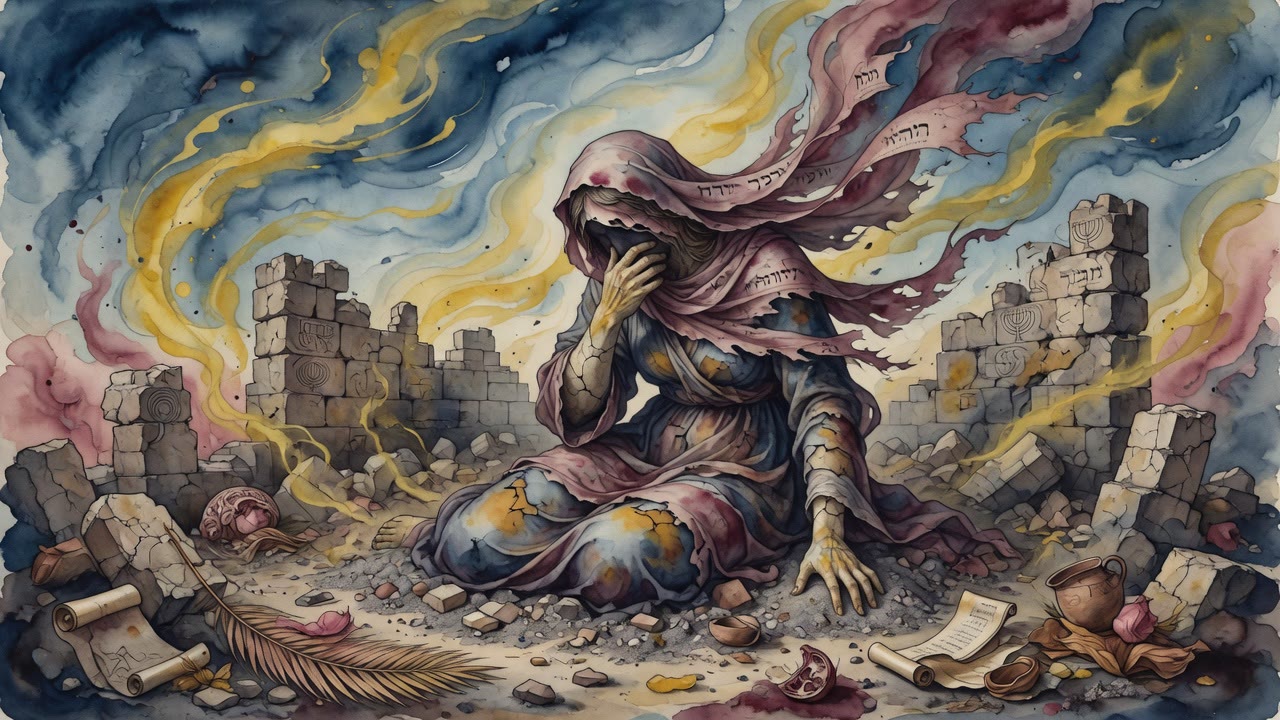
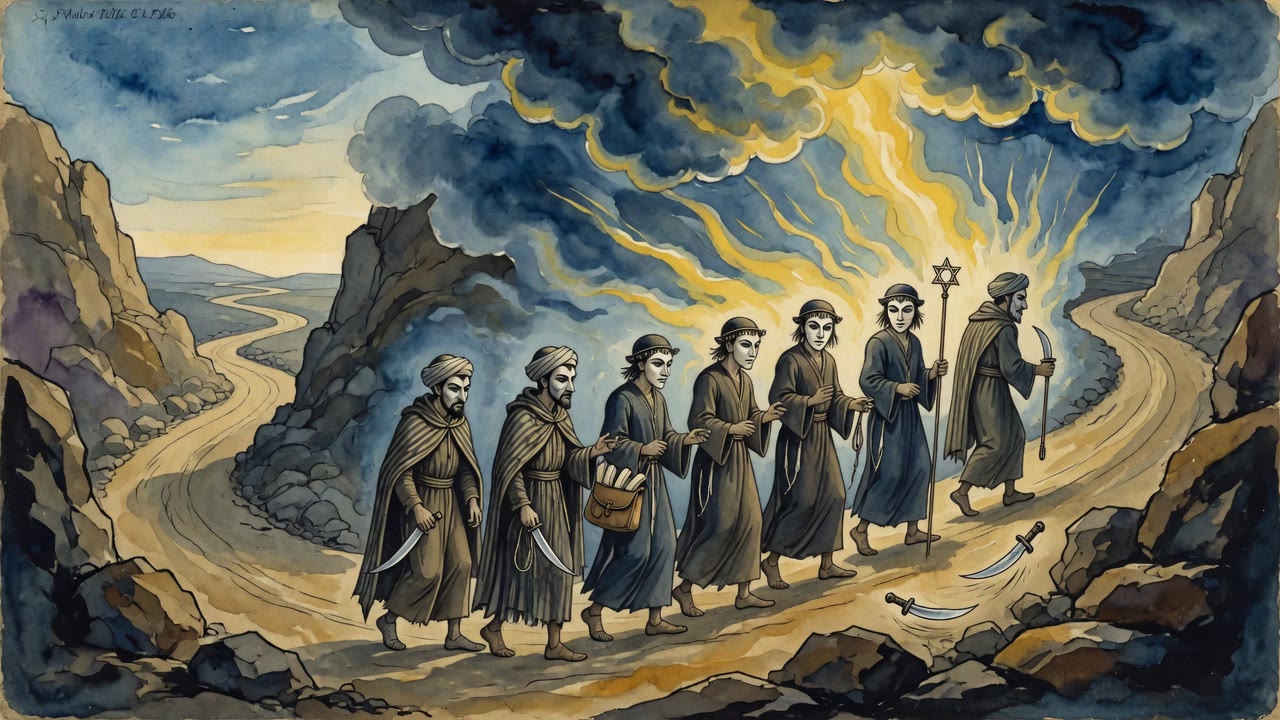
Rabbi Akiva gave the hard reading. As this day passes and does not return, so they have passed, never to return. Rooted out of their land meant removed from this world. Cast into another land meant cast out of the world to come. For Akiva, the ten tribes held no portion in either field. The sentence was clean as a blade. Exile could be final. Love of Israel did not require soft lies.
Men who had buried children in the wars of Rome understood why a teacher might refuse cheap comfort. If every disaster must reverse on schedule, then history is a toy. Akiva would not make it a toy. He had watched enough days end to know that some evenings do not promise morning to the same eyes.
Students shifted on the benches. Somewhere a stylus paused above wax. The bleak reading entered the record because someone brave enough to love Israel was also brave enough to frighten Israel.
Eliezer's Night That Tilts Toward Dawn
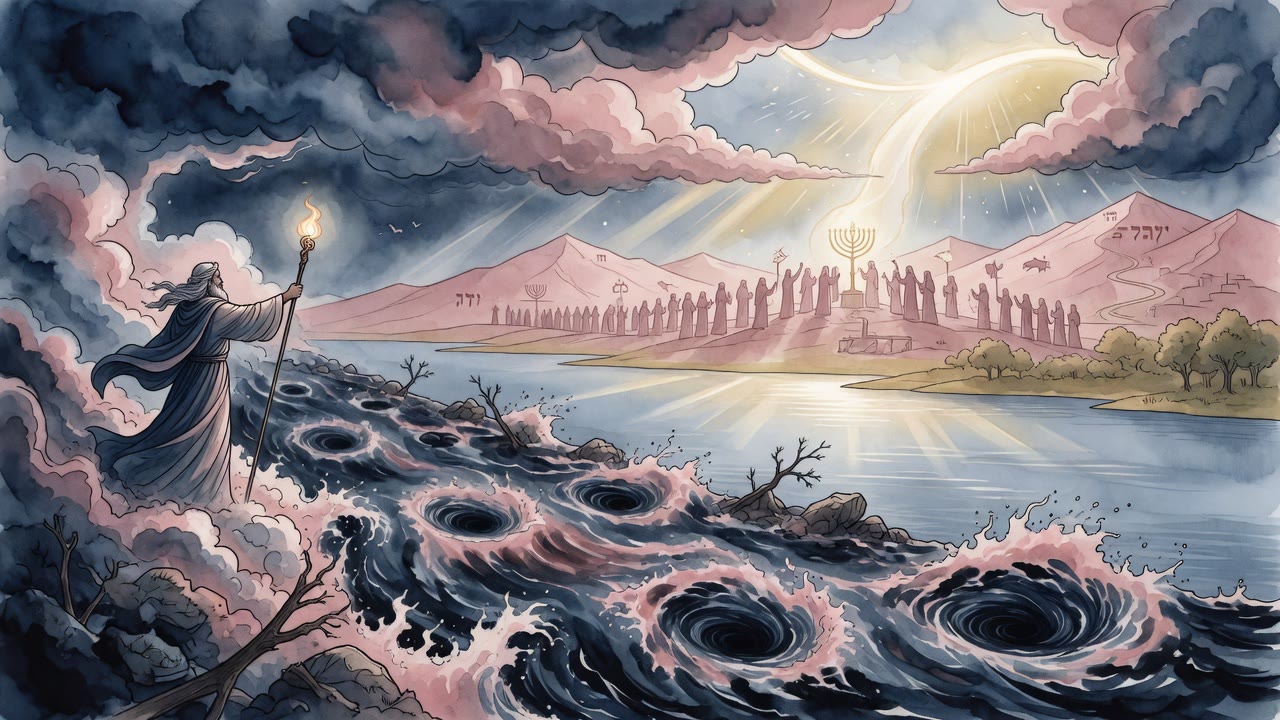
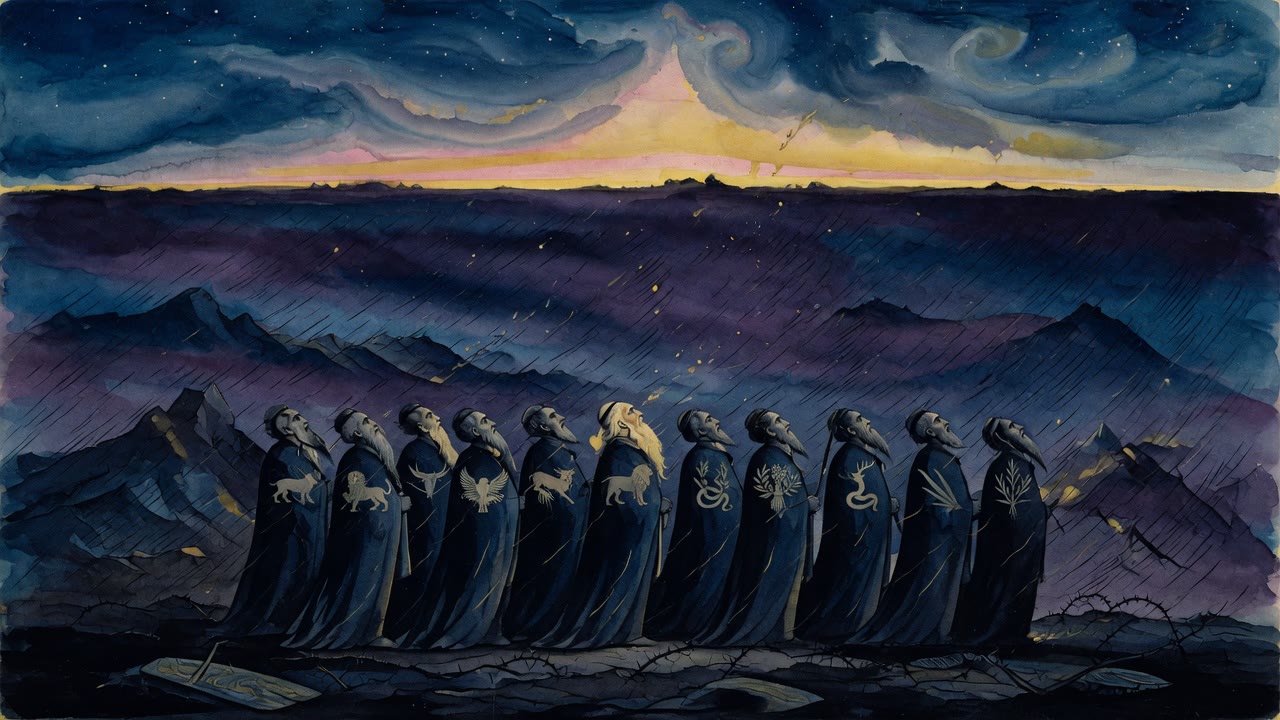
Rabbi Eliezer refused the sunset that never ends. As it is this day, he said. Watch the day. It darkens into night, and then it lightens again into morning. So the ten tribes, now in darkness, shall in the future be restored to light.
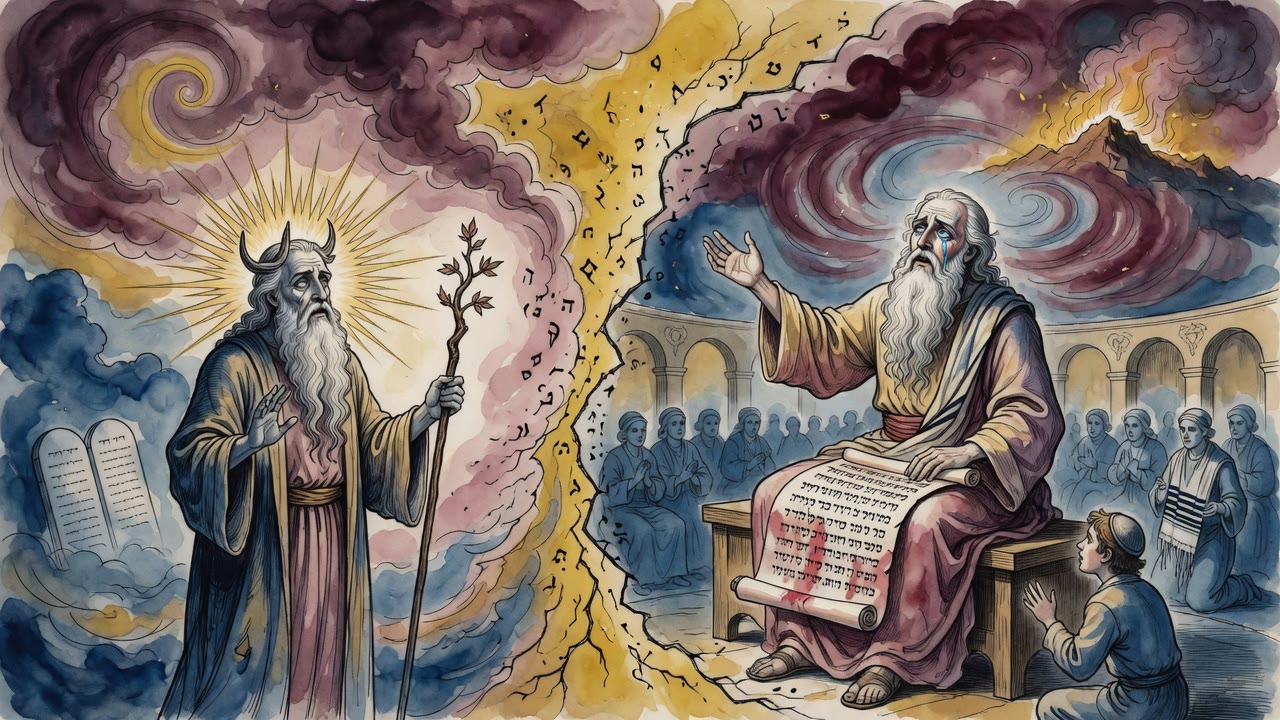
Same verse. Same four words. One saw a door sealed. The other saw a door that opens with the clock of creation itself. The tradition kept both because Israel has always needed both: the warning that exile is serious, and the promise that no night is the last fact about God's people.
Eliezer did not deny the dark. He denied the dark's claim to forever. Between them, Akiva and Eliezer left later generations a double inheritance: severity and hope, neither allowed to erase the other in the name of neatness.
The Right Hand That Does Not Drop
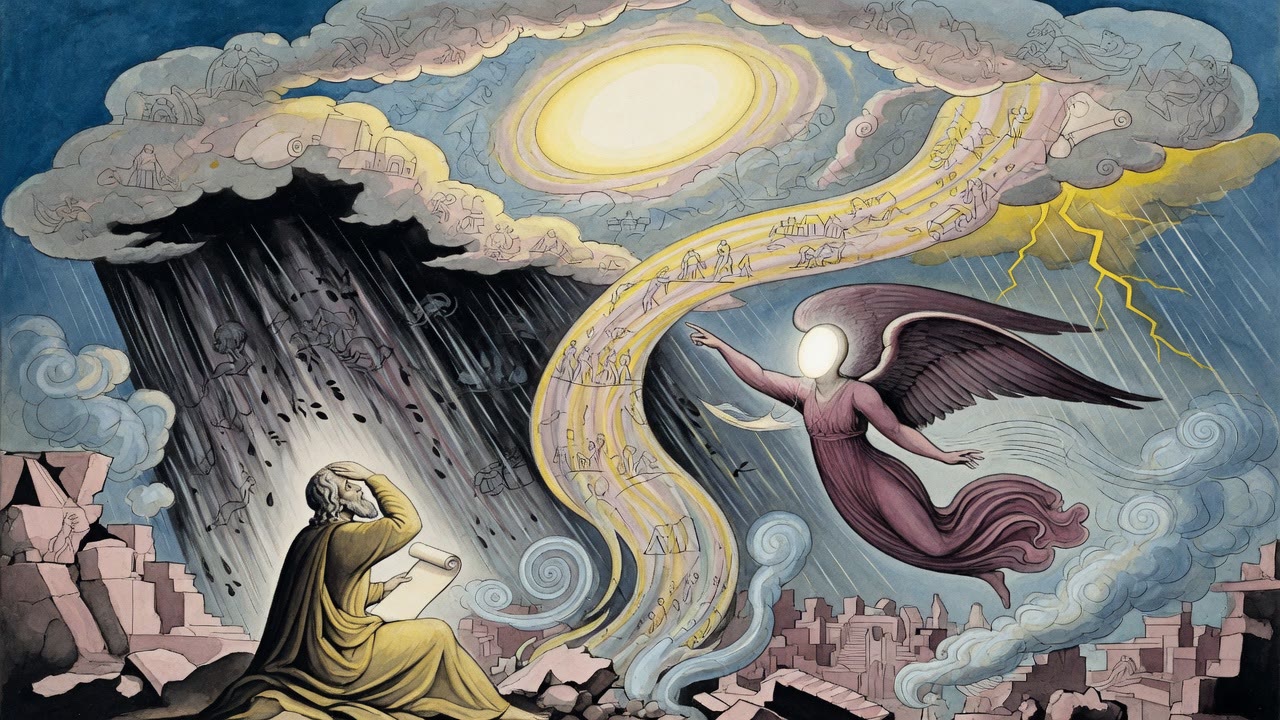
Aggadat Bereshit tracks the right hand of God through Scripture and finds it holding, not striking. A parable sits inside the teaching: a king's son had a guardian from birth who conducted business and interceded. When the prince wanted to manage alone, the father said he would not remove the guardian, and he would also stand at the son's side. Double protection. Guardian and king together.
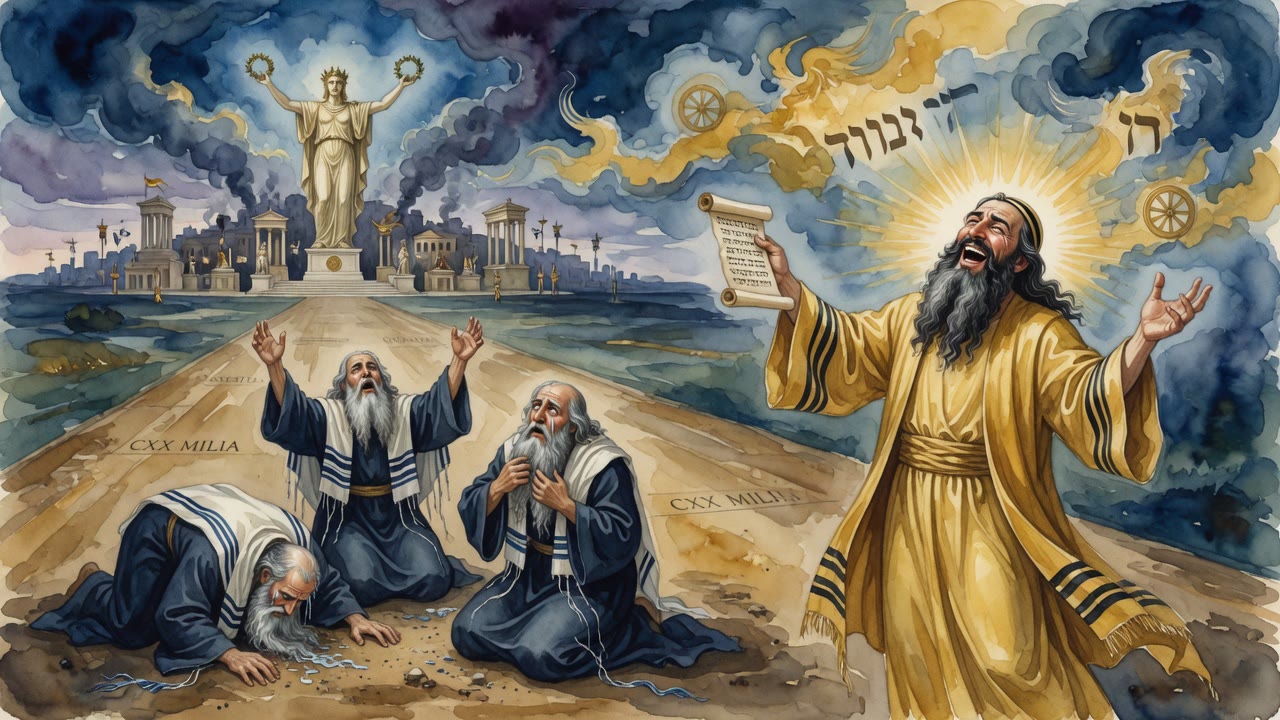
To sit at God's right hand is to sit where no enemy reaches you without first going through God. Abraham knew that posture. David sang it. The rabbis in every generation of exile quoted it back upward: You said Your right hand would not lose its grip. We are still in the dark. We are waiting for You to remember what Your hand is holding, including the tribes no map can find.
Maps drawn by Assyria and maps drawn by later empires both fail the same test. They can mark where people were taken. They cannot mark whether the right hand has opened.
When the Face Hides and When It Shows
Later kabbalistic speech names the swing as hester panim and gilui panim, the concealment of the face and the illumination of the face. Concealment is not absence as a void. It is a mode in which hardship and confusion grow, and from which a person must still act. Illumination is the clear sense of being seen. Humans were made, says that stream, to work both modes, not to freeze in one.
Akiva's darkness can be read as hester without end. Eliezer's dawn is gilui promised as structure, not as mood. The ten tribes become the extreme case of a face turned away: whole nations of Jacob's house living where the calendar of redemption is not posted on any gate. The argument in the study house is therefore not only history. It is theology under pressure. Does God's face stay hidden forever from part of Israel, or does night remain night only until morning is due?
What the Beit Midrash Refused to Settle
They did not take a vote and erase one teacher. They left the dispute standing, the way one leaves two roads marked on a map when both have been walked by the righteous. Some generations need Akiva so they will not treat exile lightly. Some need Eliezer so they will not bury hope under clever despair.
Outside the room, empires kept moving borders. Inside, four words kept moving hearts. As it is this day. A day ends. A day begins. The tribes remain the open wound and the open promise at once.
← All myths