The Awl That Pierced a Servant's Ear at the Door
A servant who loves his master leans to the doorpost, an awl finds the ear, and forever turns out to end when the Jubilee horn sounds.
Table of Contents
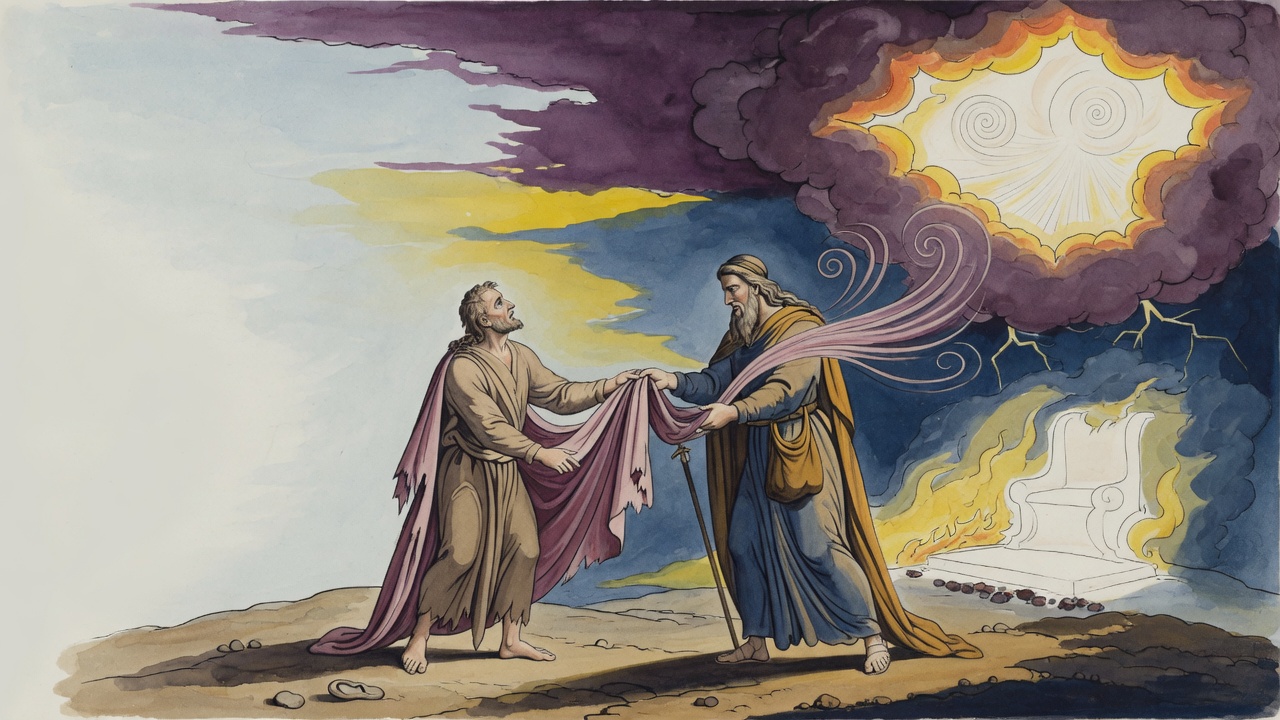
The doorpost was older than the decision. Grain in the wood remembered other hands. The servant leaned his head toward it anyway, because love of a household can be a chain a person asks for.
 Click for full size
An awl waited in the master's grip. "He shall serve him forever" (Exodus 21:6) hung in the air like a sentence that did not yet know it would be rewritten by a horn.
Three Places the Mouth of Law Moves
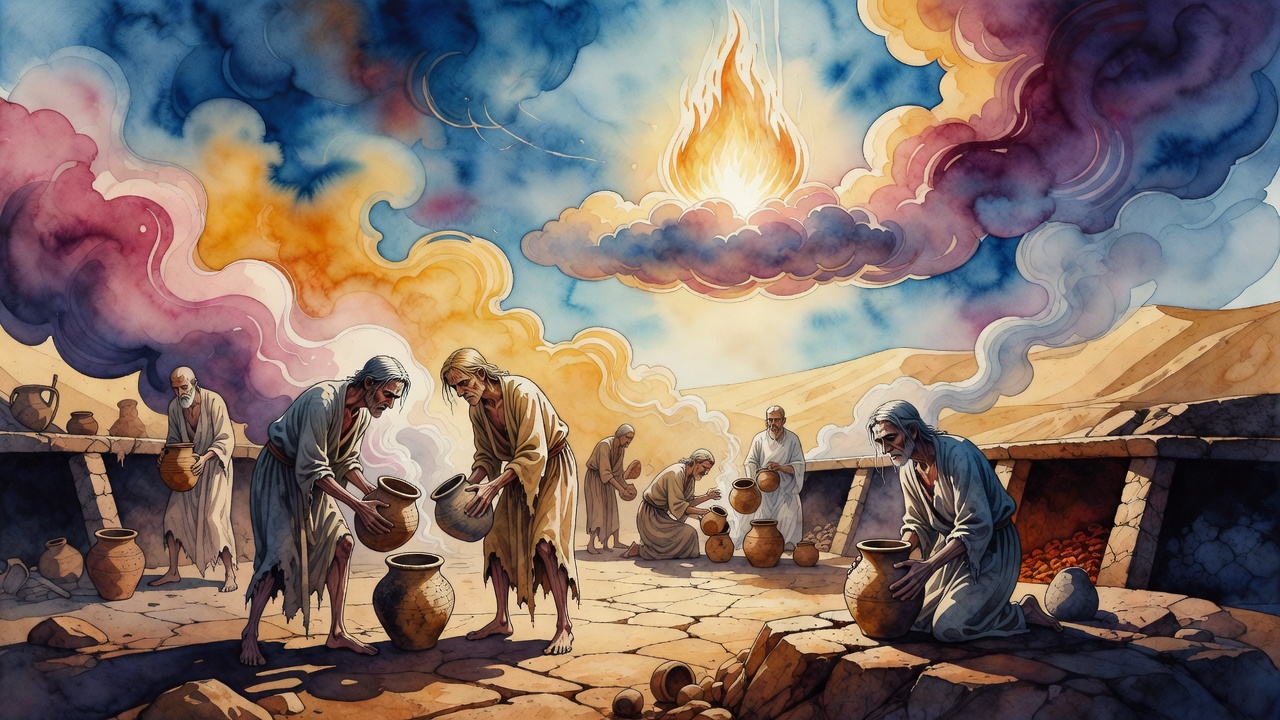
Rabbi Yishmael named a principle that still startles. In three places the oral tradition uproots the plain words of Scripture. Cover the blood of slaughter with dust, the verse says, yet any covering material may serve. Shave the Nazirite with a razor, yet any blade may cut. Write a bill of divorce, yet the written form need not be only what a narrow reading imagines.
The awl, some held, must at least be metal. The argument mattered because a body was about to be marked. Forever sounded absolute until the same legal world asked how silver, the strongest acquisition, buys only six years of a servant, while a cheap awl seems to bind a man for life. The answer reframes the word. Forever means until the Jubilee. When the horn sounds, or when the master dies, the servant walks. Fifty years at most is not eternity. It only feels like it at the door.
The right ear, the sages insisted, matching the right side known from the purified leper. The body keeps score on the side heaven prefers for release and for mark alike.
Even the Pierced One Leaves
"He shall go out by himself," the Torah says of the Hebrew servant, and the sages asked why the phrase is needed when six years already promise release. The words reach further. Even the one who chose to stay, even the one whose ear took the awl, leaves at the Jubilee. The practices of the passage apply to him. Love does not erase the calendar of freedom.
Who may be given a Canaanite maidservant became another quarrel. One teacher limited the gift to a servant sold by the court, because the verse says the master gives him a wife in that setting. Rabbi Eliezer pressed another line, that the servant must fare well in food and drink like a hired hand. Lineage closed the section: levirate duty does not run through a brother born of a maidservant or a gentile woman, for such a child takes the mother's status.
At the door, none of that commentary was spoken aloud. Only the wood, the tool, and a man deciding that this house was still his life.
Food, Cloth, and Time
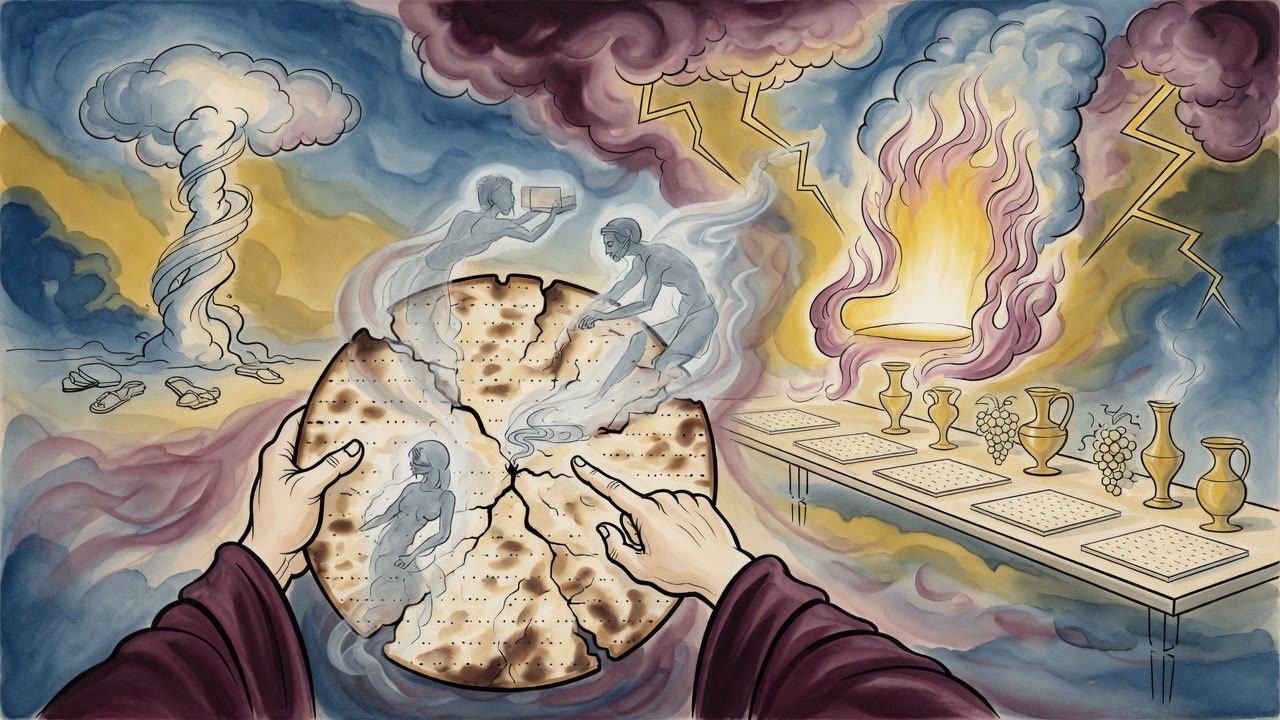
Another dispute walked the same corridor of verses. Rabbi Yoshiyah heard "he shall not diminish" (Exodus 21:10) as protection for the Hebrew maidservant who had become a first wife. Rabbi Yonathan heard a wider claim: the verse guards a Jewish wife in general. Food, clothing, and conjugal time are not luxuries. They are the three-fold debt a man may not shrink when he takes another.
The maidservant's rights, Yonathan argued, already stand in the prior verse. The later line must therefore reach further, or Scripture would only repeat itself. Rights expand. Bodies under household power are not left to custom's mercy.
A woman in that house listened through a wall and counted what was already hers by law, whether the men in the yard knew the names of the rabbis yet or not.
The Horn Against Forever
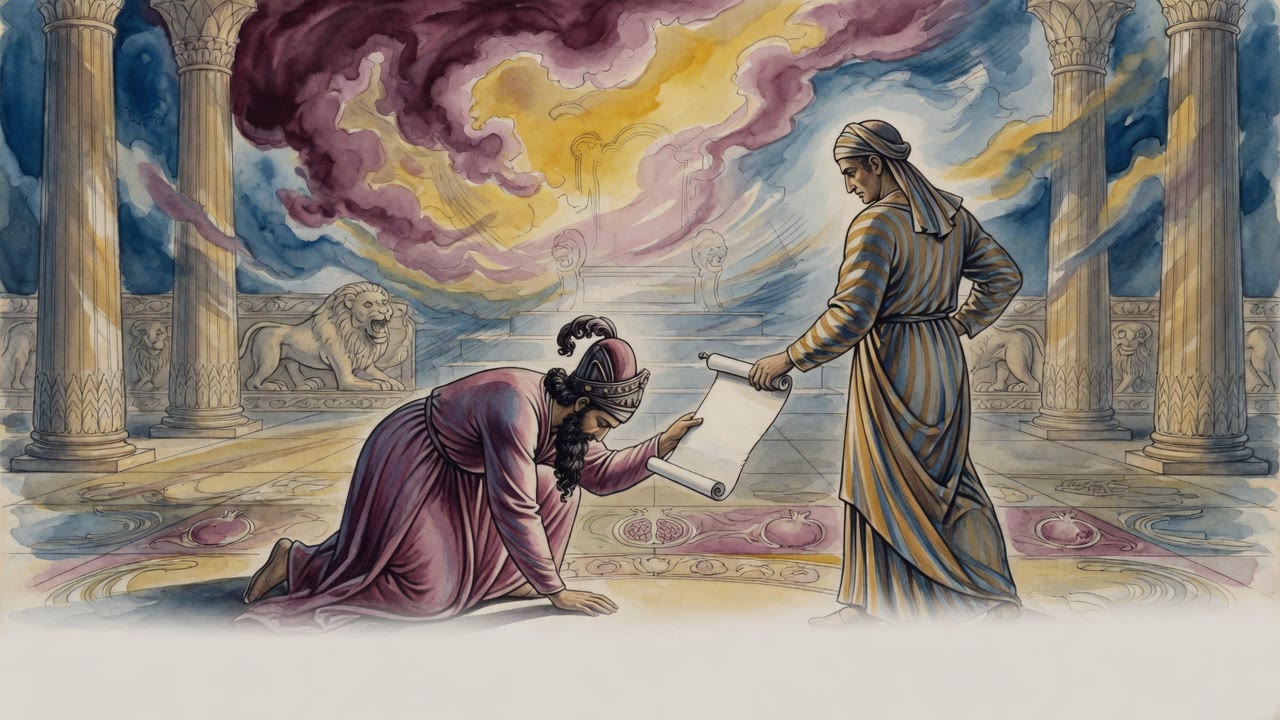
When Jubilee comes, the land rests and people return. The pierced ear does not cancel the horn. The servant who loved his master still belongs to a people that refuses permanent bondage among its own. "Forever" was always a local forever, bounded by a trumpet.
Imagine the blood on the doorpost, small and bright. Imagine the household that will now treat this man as one who chose them. Imagine the year, decades later, when the sound arrives and the choice must be honored in reverse. Freedom was deferred, not destroyed.
What the Ear Heard
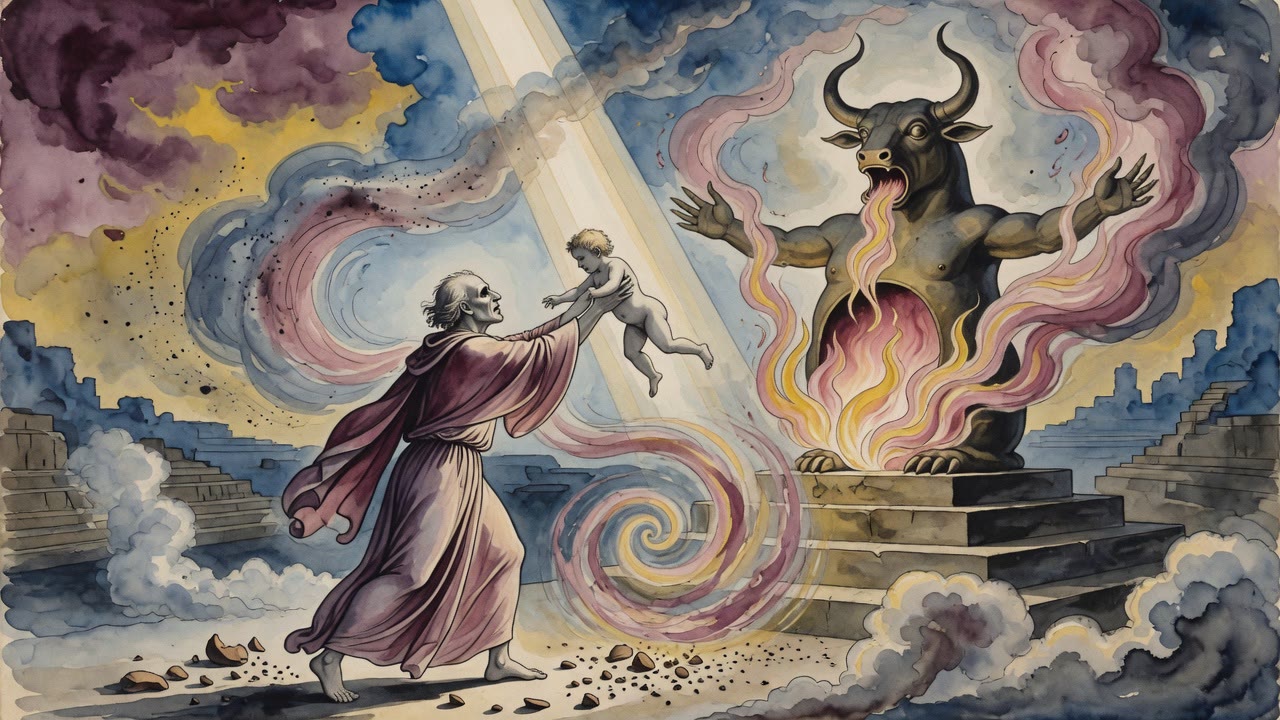
The ear that was pierced had heard the master call him family. It had also heard Sinai's older claim that Israel are servants of God, not of men forever. Both voices fit in one cartilage scar. The oral law's courage is to let the second voice win on schedule.
Outside, a Nazirite somewhere shaves with whatever blade is clean. A slaughterer covers blood with whatever dust is near. A husband writes a divorce in a form the sages know. Plain words bend so living people do not break. At the door, the awl still hurts. The calendar still keeps faith.
Blood dried in the grain of the post. Children of the house would touch that dark fleck for years and be told not to pick at it. The servant returned to work with a bandage and a status that looked like belonging and felt like a clock. Every Jubilee text he later heard in synagogue would sound like a door opening in reverse.
The oral law's three uprootings are not contempt for Scripture. They are Scripture refusing to let a single noun imprison a living practice. Dust for blood can be any cover that hides. A Nazirite's hair falls to any fit blade. A divorce must be written, yet the writing serves freedom, not calligraphy. So too the awl: metal enough to mark, calendar enough to release.
In the women's rooms, the debate over food, cloth, and time was not abstract. A second wife arriving can shrink the first wife's portion if no verse stands guard. "He shall not diminish" is a sentence that keeps oil in a lamp and bread on a plate when novelty tempts a household to forget its first debts. Yonathan's wider reading spreads that guard to every Jewish wife, not only the one who entered through servitude's narrow gate.
← All myths